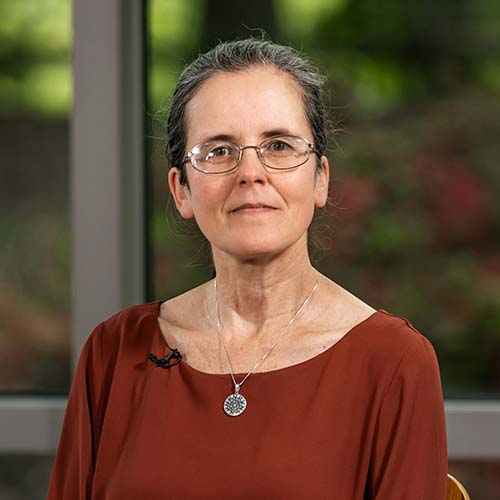
Dr. Thanh Nho Do is a Scientia Senior Lecturer at the Graduate School of Biomedical Engineering (GSBmE), UNSW Sydney, and Director of the UNSW Medical Robotics Lab. He holds a PhD in Mechanical Engineering (Surgical Robotics) from Nanyang Technological University (NTU), Singapore, and a B.Eng. in Manufacturing Engineering from Ho Chi Minh City University of Technology, Vietnam. His research focuses on soft robotics, wearable technologies, and biomedical devices, including flexible surgical systems, soft actuators, and haptic interfaces. Education PhD in Mechanical Engineering (Surgical Robotics), NTU Singapore, 2015 B.Eng. in Manufacturing Engineering, Ho Chi Minh City University of Technology, Vietnam Research Interests Soft robotics for medical applications (e.g., NOTES systems, wearable haptics) Functional materials for biomedical devices Cardiovascular engineering and assistive devices Advanced control algorithms for medical robotics Key Contributions His work spans bioprinting, motor-free robotic systems, and soft wearable technologies. Recent studies include self-deploying cardiac compression devices and bioinspired artificial muscles. Awards 2025: CINSW Career Development Fellow 2024: NSW Young Tall Poppy Science Award 2023: Best Poster Awards at EMBC and ICRA Grants & Funding Includes NHMRC Ideas Grant (Lead CI), Cancer Institute NSW Fellowship, and UNSW Scientia Grant. Active projects address cardiovascular interventions and wearable robotics. Labs & Teams Leads the UNSW Medical Robotics Lab, collaborating on devices like soft robotic catheters and textile-driven exosuits.
Regina Ragan is a Professor in the Department of Materials Science and Engineering at the Samueli School of Engineering, University of California, Irvine. Her research focuses on nanomaterials, self-assembly, and surface-enhanced Raman scattering (SERS) for applications in optical communication, energy systems, and biomedical diagnostics. Education: Ph.D. in Applied Physics, California Institute of Technology, 2002 M.S. in Applied Physics, California Institute of Technology, 1998 B.S. in Materials Science and Engineering, University of California, Los Angeles, 1996 Her work integrates scanning probe microscopy and first-principles calculations to study thermodynamic driving forces in self-assembly and structure-function relationships. Recent publications highlight applications in antimicrobial susceptibility testing, environmental monitoring, and plasmonic device fabrication. The Ragan group develops low-cost diagnostic tools using SERS for telemedicine applications. Current lab members include graduate students and postdoctoral researchers working on nanoscale systems from atomic to mesoscale. Scientific Awards: NSF CAREER Award for fundamental studies of biological/inorganic interfaces Research Trends: Recent articles show a focus on SERS-based diagnostics, plasmonic nanoantennas, machine learning-assisted spectral analysis, and scalable synthesis of 3D graphene architectures. Subfields span quantum plasmonics, stress-activated materials, and biofilm monitoring.
Hatice Altug is a Full Professor at EPFL's Institute of Bioengineering within the School of Engineering, where she leads the Bionanophotonic Systems Laboratory. Her research integrates nanophotonics, plasmonics, and microfluidics to develop advanced biosensors for real-time molecular diagnostics. She holds dual roles in EPFL's doctoral programs and academic committees. Education: PhD in Applied Physics, Stanford University (2000-2007) B.S. in Physics, Bilkent University (1996-2000) Her research centers on creating label-free, high-sensitivity optical biosensors using nanophotonic technologies. Key innovations include dielectric metasurfaces for mid-infrared spectroscopy, AI-enhanced detection platforms, and portable nanoplasmonic imagers for point-of-care diagnostics. Her work bridges fundamental light-matter interactions with clinical applications like sepsis monitoring and cancer biomarker detection. Her publications emphasize nanophotonic biosensor design, metasurface applications, and single-cell analysis. Recent trends show increased focus on AI integration, vibrational spectroscopy, and wafer-scale manufacturing for clinical translation. Awards & Honors: Optical Society Fellow (2020) Presidential Early Career Award (PECASE, 2011) ERC Consolidator Grant (2016) IEEE Photonics Society Young Investigator Award (2011) She mentors numerous PhD students and leads interdisciplinary teams developing optofluidic platforms. Her laboratory pioneers nanoplasmonic microarrays and collaborates globally on projects like neurodegenerative disease biomarker detection. She co-directs EPFL's doctoral program in photonics and champions women in STEM through executive roles in diversity initiatives.
Professor B M Azizur Rahman is a distinguished academic in the field of photonics at City University London, where he has served as Professor of Photonics in the Department of Electrical and Electronic Engineering since 2000. Previously, he was Reader in Photonics (1996-2000) and Lecturer (1988-1996) at the same institution. His academic journey began with a BEng (1971-1976) and MSc (1976-1979) from Bangladesh University of Engineering and Technology, followed by a PhD from University College London (1979-1982). His educational background laid the foundation for his extensive research career focusing on photonics, integrated waveguides, and optical sensors. Professor Rahman has made significant contributions to fields including plasmonic biosensors, fiber optic sensing technologies, supercontinuum generation, and metamaterial-based sensing systems. His research bridges theoretical modeling with practical applications in environmental monitoring, healthcare diagnostics, and engineering solutions. An analysis of his most recent publications (2022-2025) reveals a strong focus on advanced sensing technologies with applications across multiple domains. His work demonstrates expertise in combining photonics principles with nanotechnology, artificial intelligence, and novel materials to develop highly sensitive detection systems. Key research trends include the integration of deep learning with optical sensing, development of plasmonic-enhanced biosensors, and innovative waveguide designs for improved optical performance. Professor Rahman has maintained a highly productive research career with over 443 publications documented in his ORCID profile. His work shows extensive international collaboration with researchers from institutions in the UK, Bangladesh, Thailand, and other countries. While specific grant information is not provided in the available data, his sustained publication record across high-impact journals indicates successful research funding and supervision of numerous research projects over his career. His research group appears to focus on experimental photonics, computational modeling of optical systems, and development of novel sensing platforms.
Pedro Carlos De Barros Fernandes is an Associate Professor at Universidade Lusófona , Deputy Director of the 1st cycle in Biotechnology, and an integrated researcher at the Institute of Bioengineering and Biosciences (iBB-IST). He holds a PhD in Biotechnology (1999) and a Master in Biotechnology/Biochemical Engineering (1994) from Universidade Técnica de Lisboa (IST), along with a Chemical Engineering degree from IST (1989). A member of the Order of Engineers (ID 24667), he co-founded Biotrend, a Portuguese bioprocess development company. Education PhD in Biotechnology (1999), Universidade Técnica de Lisboa MSc in Biotechnology (1994), Instituto Superior Técnico BSc in Chemical Engineering (1989), Instituto Superior Técnico Research Interests span biocatalysis, enzyme immobilization for food and pharmaceutical applications, marine biotechnology, microfluidic device development for biosensing, and steroid bioconversions using mycobacterial systems. His work integrates process engineering principles with sustainable bioprocessing techniques. Publication Trends show a focus on microreactor technology, enzyme stabilization in non-conventional media, marine-derived biocatalysts, and food waste valorization. Key themes include biocatalytic process intensification, aqueous two-phase systems for biomolecule purification, and sustainable carbon sources for biopolymer production. Scientific Awards UTL/Santander Totta Scientific Award in Biological Engineering (2011) Advising has included supervision of 5 doctoral theses and over 32 master’s theses. His expertise extends to peer-reviewing scientific articles and evaluating R&D projects. Labs & Teams are associated with iBB-IST (Institute of Bioengineering and Biosciences) and BioRG (Universidade Lusófona), with contributions to the Ciência Viva program for science dissemination.
Prof. Dr. Ioachim Pupeza serves as Group Leader in the Department of Spectroscopy/Imaging at the Leibniz Institute of Photonic Technology (Leibniz-IPHT) in Jena, Germany. His research focuses on advanced optical measurement techniques, particularly in the field of field-resolved spectroscopy and precision optical measurements. Dr. Pupeza's research interests center around optical spectroscopy with a particular emphasis on field-resolved techniques that capture the complete electric field waveform of light-matter interactions. His work spans infrared spectroscopy , molecular fingerprinting , ultrafast laser technology , and precision optical measurements . He has made significant contributions to electro-optic sampling techniques, which enable characterization of electric-field waveforms across the terahertz to visible spectral range. His research also extends to mid-infrared light generation , terahertz spintronic emitters , and cavity-enhanced spectroscopy , with applications ranging from fundamental physics to medical diagnostics. Analysis of Dr. Pupeza's recent publications reveals a strong trend toward increasingly sophisticated field-resolved spectroscopy techniques with applications in both fundamental science and practical diagnostics. His work has evolved from basic measurement techniques to applications in cancer detection through molecular fingerprinting of biofluids. A consistent theme across his publications is the pursuit of higher precision, broader bandwidth, and improved sensitivity in optical measurements, often achieving attosecond-level precision. His research bridges physics, engineering, and medical applications, demonstrating how fundamental optical advances can translate to real-world diagnostic tools. Dr. Pupeza leads the research group "Field-Resolved Optical Precision Measurement Methods" at Leibniz-IPHT, which appears to collaborate extensively with other research institutions and groups. His work involves sophisticated laser systems including high-power Yb:YAG thin-disk oscillators, femtosecond enhancement cavities, and dual-oscillator systems for precision measurements. The group's research has implications for molecular spectroscopy, medical diagnostics, and fundamental studies of light-matter interactions at the most fundamental time scales.
Jenn Brophy is an Assistant Professor of Bioengineering at Stanford University, developing technologies for genetic engineering of plants and microbes to address environmental stress resilience and agricultural sustainability. Her lab focuses on synthetic genetic circuits for plant root reprogramming and stress response optimization. B.S. in Bioengineering, UC Berkeley (2010) Ph.D. in Biological Engineering, MIT (2016) Postdoctoral Fellow, Stanford University (Biology) Research spans synthetic biology, plant genetics, and microbiome engineering, emphasizing climate adaptation and sustainable biotechnology. Current projects include: Plant-microbe interaction engineering Stress-responsive biosensors High-throughput genetic tool development Plant cell atlas integration Sustainable laboratory practices Her recent publications highlight advances in recombinase circuits, root architecture engineering, and plant cell mapping, with applications in climate resilience and microbiome design. Collaborators include José Dinneny (Stanford) in plant synthetic biology research.
Courtney N. Reed is a Lecturer in Digital Technologies at Loughborough University London, where she joined in November 2023. She maintains a dual role as a visiting research fellow at the Max Planck Institute for Informatics. Her academic journey includes a BMus in Electronic Production and Design from Berklee College of Music (2016), followed by an MSc (2018) and PhD (2023) in Computer Science from Queen Mary University of London. Prior to her current position, she completed postdoctoral research at both the Max Planck Institute for Informatics and King's College London. Bachelor of Music: Electronic Production and Design, Berklee College of Music (2016) Master of Science: Computer Science, Queen Mary University of London (2018) Doctor of Philosophy: Computer Science, Queen Mary University of London (2023) Dr. Reed's research explores the entangled relationships between humans, bodies, instruments, and technology in music interaction, with particular focus on vocal electromyography (VoxEMG) and the vocalist-voice relationship. Her work incorporates feminist and post-human theories to examine sociopolitical contexts within arts technology, aiming to design for creativity while acknowledging individual, messy bodies in artistic practice. She has developed an open-source platform for vocal electromyography to investigate how biosignal feedback changes understanding and perception of the body in vocal performance. Her interdisciplinary approach bridges music technology, human-computer interaction, and embodied interaction studies. Analysis of Dr. Reed's recent publications (2023-2025) reveals a strong thematic focus on embodied interaction in music technology, with particular emphasis on vocal performance, biosignal feedback, and the philosophical underpinnings of digital instrument design. Her work consistently integrates theoretical frameworks like Karen Barad's agential realism with practical applications in digital musical instruments. Key trends include the exploration of ambiguity in data representation, the sociocultural dimensions of timbre in instrument design, and the development of novel methodologies for understanding embodied musical experiences through micro-phenomenology and ethnographic approaches. ACM SIGCHI Outstanding Dissertation Award (2024) for her thesis 'Imagining & Sensing: Understanding and Extending the Vocalist-Voice Relationship Through Biosignal Feedback' Best Newcomer Award at Loughborough University London's Community Awards Celebration (2024) Dr. Reed actively contributes to the academic community through conference organization and leadership roles. She serves as Member-at-Large on the NIME Board, previously chaired papers for NIME 2024, and co-organized the IBM SkillsBuild Sprint at Loughborough London. She has also chaired sessions at the ACM TEI Conference and co-chaired the Student Design Competition. Her collaborative work spans multiple institutions and includes significant contributions to interdisciplinary projects that bridge music, technology, and human experience. She has been instrumental in developing the senSInt research group and the RaveNET wearable network project. Dr. Reed leads the senSInt research group which focuses on sensorimotor interaction in music and performance contexts. The group develops innovative technologies including the VoxEMG platform for vocal electromyography, the Bones anti-corset for vocal performance, and the RaveNET network of wearable biosensing nodes. These projects explore the intersection of biosignals, embodied interaction, and musical expression, creating novel frameworks for understanding how technology mediates human creativity and performance. The group frequently collaborates with musicians, technologists, and theorists to develop and test these systems in real-world performance contexts.
Dr. Tianhua Xu is a Reader in the School of Engineering at the University of Warwick and an Honorary Lecturer in the Department of Electronic and Electrical Engineering at University College London (UCL). He holds a Ph.D. in Optical Communications and Intelligent Signal Processing from KTH Royal Institute of Technology in Sweden, followed by postdoctoral and research roles at KTH, RISE Acreo, DTU, and UCL. His research focuses on optical communication systems, intelligent signal processing, machine learning, optical sensing, and advanced energy systems. He has secured major grants, including a €1.8M EU Horizon Europe project (SPAR) and a £285K UK National Grid initiative. Dr. Xu serves as an Associate Editor for IEEE Transactions on Communications and the Journal of the European Optical Society-RP, and chairs technical groups in the Optical Society of America. He has authored over 200 publications, including invited book chapters, with a Google Scholar h-index of 32. Current projects involve smart photonic sensing, energy storage systems, and deep learning in optical networks. His lab oversees six PhD students and multiple postdoctoral researchers. He actively recruits students through global scholarships and oversees vibrant research teams in optical communications, sensing, and energy systems.
Nicola Peserico is a Research Professor in the Department of Electrical & Computer Engineering at the University of Florida, affiliated with the College of Engineering. His primary research focus is on Integrated Optical Circuits and Silicon Photonics, with an emphasis on heterogeneous integration, hardware for Machine Learning/Neural Networks, and biosensing applications using integrated photonics. Education: Ph.D. (2018), M.S. (2014), and B.S. (2011) in Telecommunication Engineering from Politecnico di Milano. His research explores cutting-edge photonic technologies for accelerating neural networks, including Fourier-based convolution operations, reconfigurable circuits for solving PDEs, and energy-efficient optical interconnects. Recent work highlights advancements in photonic-electronic ICs, thermal management in photonic systems, and overcoming bottlenecks in memory and compute architectures. His publications emphasize photonic tensor cores, joint transform correlators, and silicon photonics integration for AI acceleration. Notable contributions include roadmap analyses for neuromorphic photonics and innovative packaging strategies for photonic neural network accelerators. No scientific awards or grants are explicitly listed in the provided texts. His advising record is not documented here. Labs/Teams: His work is part of broader efforts in photonic computing and AI hardware acceleration at the University of Florida, leveraging silicon photonics for next-generation computing systems.
Craig L. Just holds the Donald E. Bently Professorship in Engineering and serves as a Professor in the Department of Civil and Environmental Engineering at the University of Iowa's College of Engineering. He also works as a Faculty Research Engineer at IIHR—Hydroscience and Engineering. With a PhD in Environmental Engineering and Science (2001) and an MA in Chemistry (1994), both from the University of Iowa and University of Northern Iowa respectively, his career spans over two decades of academic and practical contributions. Education: PhD, Environmental Engineering and Science, University of Iowa (2001) MA, Chemistry, University of Northern Iowa (1994) BS, Chemistry, University of Northern Iowa (1992) Dr. Just's research focuses on water quality monitoring through sensor technology, freshwater mussel biosensing , pharmaceutical contaminant removal , and PCB exposure analysis from dredging operations. His work bridges environmental engineering with ecological health and sustainable systems. Recent publications highlight trends in anaerobic digestion optimization , PCB emission characterization , and machine learning applications for biogas prediction. He has extensively studied constructed wetlands , nitrogen cycling , and flood risk mitigation in agricultural and urban contexts. As director of the Iowa Wastewater and Waste to Energy Research Program, he leads initiatives connecting bioremediation , smart infrastructure , and community engagement . His projects span from hydrological modeling in Iowa to international water programs in Honduras.
Dr. Amin Reza Rajabzadeh is an Associate Professor at the W Booth School of Engineering Practice and Technology, McMaster University, with affiliate roles in the McMaster School of Biomedical Engineering and Mechanical Engineering. He specializes in biochemical engineering, focusing on biosensors, bioseparation processes, and bioprocess monitoring. His research includes developing biosensors for biological process monitoring and nanotechnology-based cancer therapies. He holds a Professional Engineer license (P.Eng.) and is a member of the Canadian and American Engineering Education Associations. Dr. Rajabzadeh's teaching spans core biochemical engineering courses like Bioreactor Design and Bioprocess Control. He has received the McMaster President’s Award for Teaching and a MacPherson Leadership in Teaching Fellowship. His research clusters span Energy, Environment, Health & Bio-innovation, and Micro-Nano Systems. Recent work includes nanoplatforms for photothermal cancer therapy (ACS Applied Materials & Interfaces, 2021) and innovations in sustainable protein enrichment via tribo-electrostatic separation. Collaborations span biomaterials, environmental engineering, and nanotechnology. Awards: Teaching Excellence Awards, Leadership Fellowships Research Themes: Biosensors, Nanomedicine, Bioseparation Technologies Labs/Teams: Biomedical Engineering Research Group, Nanotechnology Applications Lab
Dr. Shalini Prasad is the Cecil H. and Ida Green Professor in Systems Biology Science and Associate Professor of Bioengineering at the University of Texas at Dallas (UT Dallas), affiliated with the Erik Jonsson School of Engineering and Computer Science. She also holds an adjunct professorship in Physics at Portland State University. Her research focuses on developing nanomaterial-based biosensors for medical diagnostics, environmental monitoring, and public health applications. She leads the Biomedical Microdevices and Nanotechnology Lab, which has supported over 50 researchers across graduate and undergraduate levels. Dr. Prasad earned her PhD in Electrical Engineering from the University of California, Riverside (2004) and B.E. in Electronics and Communication Engineering from the University of Madras (2000). Her career includes roles at Portland State University, Arizona State University, and Wichita State University. She has received prestigious awards, including the Bomhoff Distinguished Professorship and the Cecil Green Professorship, and holds over 30 peer-reviewed publications. Her research interests emphasize interdisciplinary approaches to create affordable, portable diagnostic tools for diseases like cancer, neurodegeneration, and cardiovascular disorders, as well as environmental sensors for soil health and water quality. Recent work includes wearable devices for monitoring inflammatory bowel disease and asthma, saliva-based THC detection, and low-cost CO₂/humidity sensors. Awards: Graduate Student Research Award (2004) Bomhoff Distinguished Professor of Bioengineering Cecil H. and Ida Green Professorship Advising & Grants: Dr. Prasad’s lab has secured funding from federal agencies and corporate partners, supporting projects like the SWEAT wearable for chronic inflammation tracking and soil health sensors. Her work bridges engineering, biology, and clinical applications, with a focus on translational technologies. Labs/Teams: Director of the Biomedical Microdevices and Nanotechnology Lab, collaborating on interdisciplinary projects with industry and academic partners.
Naomi J. Halas is a University Professor at Rice University, holding appointments in the Department of Electrical and Computer Engineering, Biomedical Engineering, Chemistry, and Physics & Astronomy. She is the Stanley C. Moore Professor in Electrical and Computer Engineering and serves as Director of both the Smalley-Curl Institute and the Laboratory for Nanophotonics. As a University Professor, she holds Rice's highest faculty rank, a distinction awarded to only 10 individuals (and only the second woman) in Rice's 111-year history. Halas is a pioneering researcher in the field of plasmonics, having created the concept of the "tunable plasmon" and invented a family of nanoparticles with resonances spanning the visible and infrared regions of the spectrum. Her research spans fundamental studies of coupled plasmonic systems as well as applications in biomedicine, optoelectronics, machine learning-enabled chemical sensing of environmental toxins, and plasmon-based photocatalysis. She is the author of more than 400 refereed publications, has over 30 issued patents, has presented more than 600 invited talks, and has been cited more than 130,000 times. Her recent publications demonstrate a strong focus on practical applications of plasmonics, particularly in water purification, environmental toxin detection, and cancer treatment. Her work combines nanotechnology with machine learning approaches to create innovative solutions for pressing global challenges in healthcare, environmental sustainability, and energy. The interdisciplinary nature of her research is reflected in publications spanning journals from Nature Water and PNAS to ACS Catalysis. Benjamin Franklin Medal in Chemistry (2025) - For the creation and development of nanoshells for biomedical and chemical applications Mildred Dresselhaus Prize in Nanoscience and Nanomaterials (2024) American Physical Society Frank Isakson Prize for Optical Effects in Solids Willis E. Lamb Award Wood Prize of Optica National Security Science and Engineering Faculty Fellow (Vannevar Bush Fellow) of the U.S. Department of Defense Halas has co-founded two companies based on her research: Nanospectra Biosciences, developing photothermal therapies for prostate cancer (nearing FDA approval), and Syzygy Plasmonics, a deep decarbonization platform. She has advised numerous students who have gone on to successful careers in academia and industry. Her research has been supported by significant grants from NSF, DoD, and other funding agencies. She serves as an advisor to the Mathematical and Physical Sciences Directorate of the National Science Foundation. Halas leads the Laboratory for Nanophotonics at Rice University, where her team focuses on designing new optically active nanostructures, developing nanofabrication strategies, characterizing physical properties of these materials, and prototyping applications of technological and societal interest. Her group is dedicated to producing PhD research scientists with expanded skill sets who can develop solutions beyond traditional disciplinary boundaries.
Nathalia Peixoto is an Associate Professor in the Department of Electrical and Computer Engineering and Affiliate Faculty in Bioengineering at George Mason University. Her work bridges neural engineering, biomedical applications, and assistive technology development with international collaborations across Israel, Ireland, Peru, and Korea. Educational background: PhD in Electrical Engineering, Universidade de Sao Paulo MS, University of Campinas Research Interests: Dr. Peixoto specializes in neural engineering with focus on brain-computer interfaces using wearable devices. Her lab develops: Neural prosthetics and implantable systems Bioimpedance-based medical sensors Low-cost electrophysiological recording platforms Community-centered engineering design solutions Publication Trends: Her 2022-2025 publications demonstrate strong interdisciplinary convergence between neuroscience, biomedical engineering, and AI. Key trends include machine learning for seizure detection in zebrafish models, electrochemical optimization of neural interfaces, and community-engaged design projects addressing societal challenges through transdisciplinary graduate training. Grants and Projects: Principal investigator for multiple NSF-funded initiatives: NRT-HDR: Transdisciplinary Graduate Training (2019-2024) Smart and Connected Communities: Networked Devices (2017-2019) Bioimpedance for retinal implants (2015-2017) C2MW: Classroom to Makers Week (2015-2016) Additional funding from VA STEM CoNNECT and Longwood University. Laboratory: The Neural Engineering Lab integrates chemistry, physics, and engineering disciplines through team-based projects involving high school to graduate students. Current work includes sustainable food-waste solutions, tremor-capturing robots for low-resource areas, and neural implants with international academic partnerships.