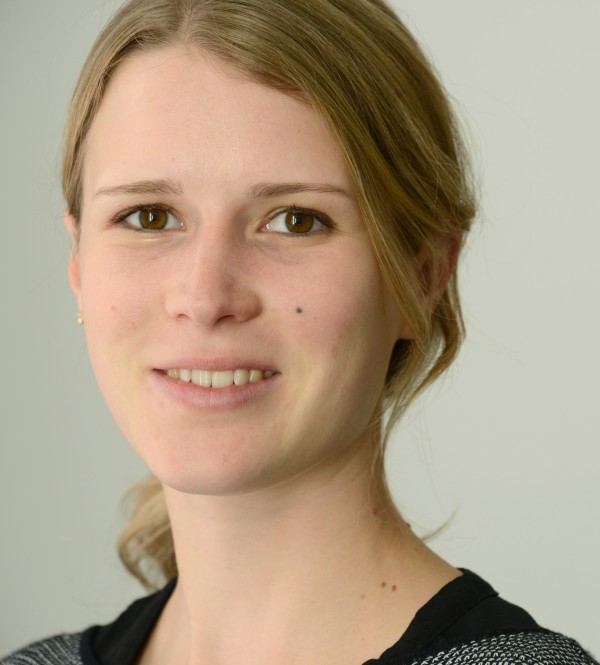
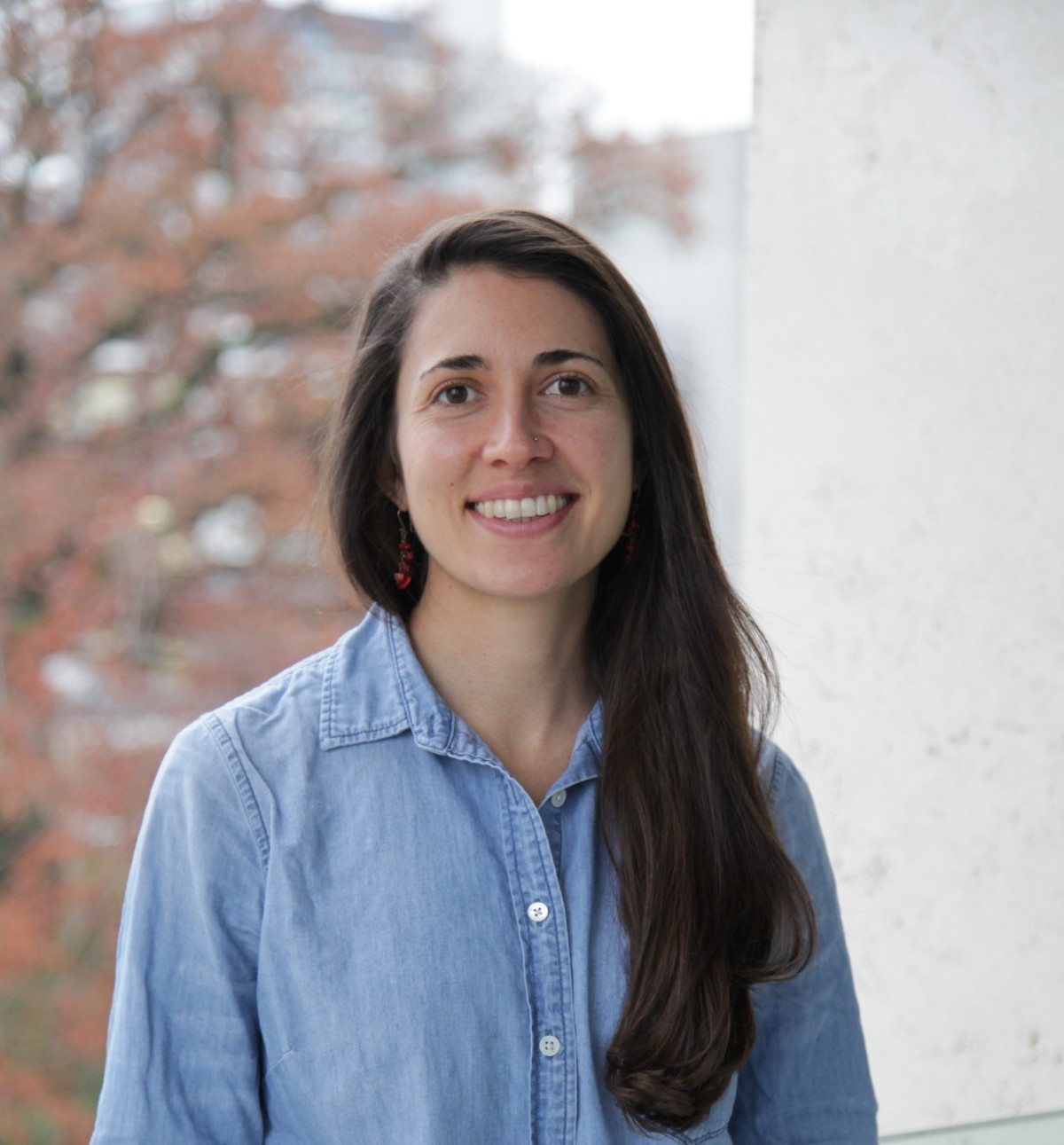
Melissa Leonie Newham is a postdoctoral researcher and lecturer at the Department of Management, Technology, and Economics at ETH Zurich. She holds a PhD in Economics from KU Leuven and DIW Berlin (2021) and has held academic roles at institutions including Yale University, University of Virginia, and University of Johannesburg. PhD Economics, KU Leuven University and DIW Berlin (2021) MSc Economics, University of Amsterdam (2014) Her research spans applied microeconomics, industrial organization, antitrust, and innovation, with a focus on pharmaceutical market dynamics and health policy. She also explores environmental economics, machine learning applications, and corporate strategies affecting competition. Recent publications analyze physician payment effects on drug costs (2024), pharmaceutical common ownership networks (2021–2024), and antitrust implications of tech monopolies. Awards include the 2023 NOeG Young Economists' Award for her work on healthcare economics. NOeG Young Economists' Award (2023) Her work bridges empirical analysis with policy evaluation, supported by collaborations across institutions like DIW Berlin, Yale University, and the Swiss Federal Office for the Environment.
Jason Armitage is a Researcher in the Department of Computational Linguistics at the University of Zurich, specializing in multimodal machine learning and embodied AI within the Language, Technology, and Accessibility team. His work bridges virtual environments, accessibility technologies, and cross-modal reasoning. His academic background includes: Cognition and Computation from University of London, Birkbeck Data Science from University of Stirling Machine Learning studies at UC San Diego Armitage's research centers on aligning visual and linguistic inputs for embodied AI systems, with current projects enhancing scientific data accessibility through cross-modal formats and applying nonlinear time series modeling to 3D scene editing. His methodology integrates multimodal fusion techniques with embodied cognition principles to develop more intuitive human-AI interactions. Publications from 2020-2025 reveal consistent advancement in multimodal learning frameworks, particularly in vision-language navigation systems and multilingual multimodal benchmarks. Key innovations include trajectory planning algorithms using feature-location cues and novel architectures for multitask learning across diverse language-modalities. Professional experience spans research at the University of Bonn and industry roles at BBC and Disney, where he developed digital video services, games, and mobile applications. He actively contributes to the Language, Technology, and Accessibility team's mission of creating inclusive technological solutions through computational linguistics.
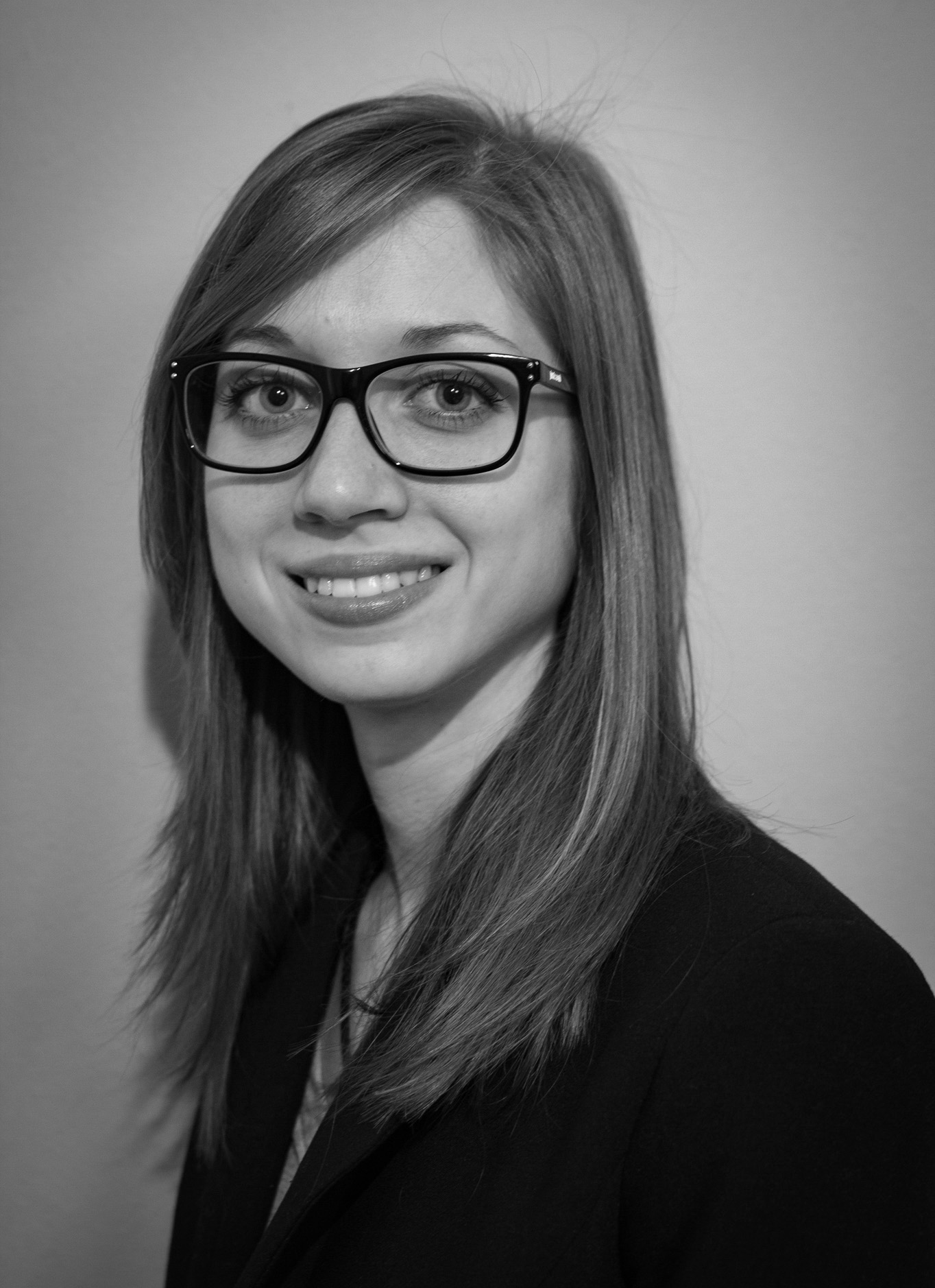
Alessia Battisti is a Researcher and Ph.D. candidate at the University of Zurich , Faculty of Arts, affiliated with the Language, Technology and Accessibility Group . Her research focuses on sign language technology, accessibility, and natural language processing, particularly in the context of Swiss German Sign Language. She has contributed to projects like SMILE-II (funded by an SNF Sinergia grant) and the Flagship IICT . Battisti is actively involved in academic communities as the student representative on the board of the Special Interest Group on Speech and Language Processing for Assistive Technologies (SIG-SLPAT). Research Interests include: Swiss German Sign Language assessment and learning Automated readability and text simplification Sign language annotation and feedback systems Human motion modeling for sign language analysis Multilingual dataset curation and quality evaluation Recent Publications highlight her work in sign language fluency scales, automated annotation, and German text simplification frameworks. She collaborates on international initiatives like the First WMT Shared Task on Sign Language Translation . Grants include the SNF Sinergia grant supporting the SMILE-II project. Her work intersects computational linguistics , accessibility research , and machine learning to advance sign language and simplified text technologies. Labs/Teams : Language, Technology and Accessibility Group at the University of Zurich; SIG-SLPAT Special Interest Group.
Prof. Dr. Alex Hajnal is a Full Professor at the Department of Molecular Life Sciences, University of Zurich. His research focuses on intercellular signaling mechanisms in Caenorhabditis elegans , particularly the roles of EGFR/RAS/MAPK, Notch, and Wnt pathways in cell fate determination, proliferation, and invasion. He also investigates applications in mammalian cell models and microfluidics-based screening strategies. Education: Ph.D. (1993) and M.Sc. (1989) from University of Zurich Postdoctoral work: Stanford University (1993-1997) His research spans developmental biology, cancer biology, and systems biology, with a strong emphasis on conserved molecular mechanisms relevant to human disease. Recent work highlights nutritional regulation via vitamin B12 and one-carbon metabolism in cell fate decisions. Scientific awards include the EMBO Young Investigator Award (2001) and Sassella Foundation Young Investigator Award (1998). He has secured grants like the Innosuisse Innovation Project (2024) for high-resolution C. elegans screening. PhD students: Ana Laranjeira, Svenia Heinze, Tea Kohlbrenner, Silvan Spiri, Evelyn Lattmann, Ting Deng Master’s projects: Apoptosis in germ cell development, machine learning for image analysis Labs and teams at University of Zurich employ advanced techniques such as microfluidics and in vivo imaging. Collaborations extend to human cell signaling studies and computational modeling of developmental processes.
Nasim Nezhadsistani is a Ph.D. researcher at the Institute of Informatics (IFI) , University of Zurich, Switzerland. Her work focuses on Blockchain technologies , distributed systems , and their intersections with machine learning , network security , and 6G networks . She contributes to decentralized communication systems research under the mentorship of Prof. Dr. Burkhard Stiller in the Communication Systems Group (CSG) . Education : B.S. and M.S. in Electrical Engineering (2014-2017), currently pursuing Ph.D. Research Themes : Blockchain consensus, NFT-based intellectual property frameworks, 6G security, and federated learning integration. Publications : 8+ peer-reviewed works on NFT scoring, blockchain fundamentals, and machine learning-driven 6G anomaly detection. Collaborations : Active in IEEE and international blockchain research projects.
Matthias Schwenkglenks is a Professor at the University of Basel and serves as Head of Research at the Institute of Pharmaceutical Medicine (ECPM) and Head of the Medical Economics Unit at the Epidemiology, Biostatistics and Prevention Institute of the University of Zurich. With a dual PhD in Epidemiology (University of Basel, 2006) and an MPH (2002), his work bridges Health Economics , Epidemiology , Biostatistics , and Health Services Research . University of Basel (ECPM) since 2003 University of Zurich (Medical Economics Unit) since 2010 Steering Committee of Postgraduate Public Health Programme (Basel/Bern/Zurich consortium) His research focuses on health economic evaluation , decision-analytic modelling , and multilevel statistical methods . Recent Google Scholar publications highlight his work in: Cost-effectiveness of novel therapies (haemophilia, lung cancer) Clinical trial design innovations (win ratio, patient-reported outcomes) Value-based healthcare frameworks (lung cancer data integration) Risk prediction models (anticoagulation, bleeding in elderly) Pharmaceutical production economics Impact of cardiovascular conditions on productivity Key methodological contributions include: Advancing survival model validation techniques Addressing outcome reporting bias in clinical trials Developing decision support tools for medication reviews Mapping geographic healthcare variations
Gabriel Neurohr serves as Assistant Professor in the Department of Biology at ETH Zurich, Switzerland, where he leads research on the physiological consequences of cell size dysregulation. His work bridges fundamental cell biology with implications for aging and cancer, investigating how deviations from species-specific cell size norms disrupt cellular homeostasis. Academic training includes a BSc in Biochemistry from ETH Zurich (2003-2006), PhD at Barcelona's Center for Genomic Regulation (2008-2012), and postdoctoral fellowship at MIT's Koch Institute (2013-2020). His research program addresses four core questions: (1) functional size limits of cells, (2) size-senescence relationships, (3) macromolecule-volume coordination, and (4) density-dependent functional impacts, employing genetic, live-imaging, and computational approaches in yeast and mammalian systems. Recent publications reveal a methodological evolution toward quantitative analysis, with machine-learning-enhanced imaging (2023) complementing mechanistic studies linking genome instability to size-induced senescence (2023). His 2024 work establishes cell enlargement as a primary driver of senescence through cytoplasmic dilution and organelle dysfunction, demonstrating conserved principles across eukaryotes. Major recognitions include: SNF Eccellenza Fellowship (2020-2025) EMBO Long Term Fellowship (2013-2014) ETH Medal for Master's excellence (2008) Neurohr's lab develops innovative tools like holotomography-based vacuole quantification while maintaining focus on fundamental size-regulation mechanisms. He teaches advanced courses on biomolecular condensates and cellular matter properties, mentoring through ETH's structured graduate programs. Current work explores therapeutic targeting of size-dependent senescence pathways in age-related diseases.
Evangelos Paschalidis serves as a Lecturer at the Teaching and Learning Service (SGC) within the School of Architecture, Civil and Environmental Engineering (ENAC) at École Polytechnique Fédérale de Lausanne (EPFL), while concurrently holding a Postdoctoral Researcher position at the Transportation and Mobility Laboratory (TRANSP-OR) in the Institute of Civil Engineering. His academic work centers on transportation systems analysis, mobility behavior modeling, and sustainable urban transport solutions, with strong methodological foundations in operations research and statistical modeling. His research spans transportation engineering, behavioral psychology, and sustainable mobility with particular emphasis on autonomous vehicle adoption, bicycle-pedestrian interactions, e-scooter integration, and driver behavior under stress. He employs advanced techniques including latent variable models, discrete choice modeling, system dynamics, and driving simulator experiments to analyze complex transportation phenomena and policy impacts. Key methodological contributions include sampling of alternatives in discrete choice models and human-like control algorithms for automated vehicles. Analysis of his 15 most recent publications (2021-2023) reveals dominant themes in emerging mobility technologies, with 40% focused on autonomous vehicles (CAV diffusion, liability perceptions, driving style evaluation), 30% on micro-mobility (e-scooters, bicycles), and 30% on traditional transport challenges (pedestrian safety, pandemic impacts). His work consistently integrates psychological factors with engineering models, demonstrating interdisciplinary approaches to transportation challenges. Methodologically, 70% of publications utilize discrete choice modeling variants while 30% employ system dynamics or control theory frameworks. Scientific Awards: No awards were documented in the provided source material. Advising and Grants: The available documentation contains no references to doctoral students, research grants, or funded projects. His lecturing role includes teaching "Decision-aid methodologies in transportation" with modules covering operations research and statistical modeling of transportation systems, focusing on applied problem-solving for driver behavior and decision support. Labs and Teams: Dr. Paschalidis is embedded in TRANSP-OR (Transportation and Mobility Laboratory) at EPFL, a research unit specializing in transportation systems analysis, mobility behavior, and sustainable transport solutions. The laboratory utilizes driving simulators, field data collection, and advanced modeling techniques to address real-world transportation challenges, with particular expertise in human factors and emerging mobility technologies.
Prof. Dr. Konrad Stadler serves as Professor and Programme Director for the Master of Science in Engineering Education at Zurich University of Applied Sciences (ZHAW), School of Engineering, Department of Engineering Education. His work bridges academic research with industrial and medical applications of wearable robotics, focusing on exoskeleton systems for physical assistance. Stadler holds a Dr. sc. techn. (1999-2003) and Dipl. El. Ing. ETH (1993-1999), both from ETH Zurich. His educational background in electrical engineering underpins his technical approach to biomechanical systems. His research centers on wearable robotics with dual industrial and medical applications. Stadler investigates soft exoskeletons for reducing physical workload in manufacturing and assisting mobility-impaired individuals through pneumatic actuation, string-based mechanisms, and modular designs. Key focus areas include human-robot interaction modeling, biomechanical load assessment, and real-world validation of assistive systems in both workplace ergonomics and rehabilitation contexts. Analysis of his 15 most recent publications reveals an evolution from rigid industrial exoskeletons (2014-2016) toward soft, modular systems (2017-2020). Early work emphasized upper-limb gravity compensation and workplace ergonomics, while recent research focuses on lower-limb rehabilitation with pneumatic actuation and unsupervised monitoring systems. Common threads include user-exoskeleton interaction modeling, sensor integration for contextual awareness, and feasibility studies for specific mobility impairments, demonstrating consistent translation of engineering principles into practical human-centered solutions. No scientific awards were documented in the provided sources. While no formal PhD/Master's students are listed, Stadler's leadership of multi-institutional projects (Robo-Mate, XoSoft, HumanTech) indicates mentorship of research teams. These projects, likely funded through European and Swiss grants, address industrial exoskeleton development and rehabilitation technology, with emphasis on human-robot interaction and practical implementation. Stadler collaborates within international consortia including European partners in the Robo-Mate project (industrial exoskeletons) and XoSoft initiative (soft modular exoskeletons), working with institutions across Switzerland, Italy, Ireland, and Germany. His teams integrate mechanical engineering, biomechanics, and control systems expertise to develop validated exoskeleton prototypes for real-world deployment.
Dr. Valerie Sticher is a Senior Researcher at the Center for Security Studies within ETH Zurich's Department of Humanities, Social and Political Sciences. Her interdisciplinary work bridges political science, conflict studies, and technological innovation, focusing on how satellite data and AI can enhance conflict analysis and humanitarian response. Previously, she has held academic positions at the University of Zurich, Johns Hopkins University, AI Singapore, and Leiden University. Dr. Sticher's research interests center on the dynamics of armed conflicts, with particular emphasis on ceasefire compliance, strategic decision-making processes in war, and the application of remote sensing technologies for monitoring conflict zones. She employs both qualitative methodologies and computational approaches to analyze how satellite data, particularly nighttime light imagery and SAR data, can serve as proxies for identifying humanitarian crises and assessing war-related damage. Her work on the Remote Monitoring of Armed Conflicts project represents a significant contribution to automating the detection of war damage through open-access satellite imagery. Her recent publications demonstrate a clear trend toward integrating technological innovations with traditional conflict analysis, particularly focusing on Ukraine and other active conflict zones. She has pioneered methods for using satellite-based nighttime light data to monitor humanitarian situations and has developed machine learning approaches for assessing building damage in conflict areas. Her research bridges the gap between political science and data science, creating actionable insights for policymakers and humanitarian organizations. Dr. Sticher has received multiple awards for her research, though specific awards are not detailed in available sources. Her work has been published in leading journals including Communications Earth & Environment, British Journal of Politics and International Relations, and International Studies Review. Her academic journey reflects a unique trajectory from practical field experience to scholarly research. Before entering academia, she served as a political affairs officer for the United Nations Integrated Mission in Timor-Leste and as a senior program officer with the mediation support team at the Center for Security Studies, providing her with valuable on-the-ground insights that inform her current research. Dr. Sticher is actively involved with the Remote Monitoring of Armed Conflicts project and the Deep Learning-based Mapping of Conflict project at ETH Zurich's Center for Security Studies, where she serves as Co-Principal Investigator. These initiatives represent cutting-edge interdisciplinary efforts to develop automated systems for conflict monitoring that can enhance both academic understanding and practical humanitarian response.
Vanessa Wood is a full professor and chair at the Institute for Electronics (IfE) in the Department of Information Technology and Electrical Engineering (D-ITET) at ETH Zürich. Since 2021, she has served as Vice President for Knowledge Transfer and Corporate Relations at ETH Zürich. She was appointed assistant professor in 2011, received tenure in 2014, and was promoted to full professor in 2019. From 2018 to 2020, she served as head of the Department of Information Technology and Electrical Engineering. Her educational background includes a Bachelor of Science in Applied Physics from Yale University (2005), a master's in Electrical Engineering and Computer Science from MIT (2007), and a PhD in Electrical Engineering from MIT (2009). Her doctoral research with Prof. Vladimir Bulovic focused on quantum dot LED technology. She completed postdoctoral work at MIT from 2010-2011 with Profs. Yet-Ming Chiang and W. Craig Carter on lithium ion battery flow cell technology. Prof. Wood's research spans multiple areas of materials science and engineering, with particular emphasis on nanocrystal synthesis, battery technologies, and electronic materials. Her work bridges fundamental materials science with practical applications in energy storage and optoelectronics. She employs advanced characterization techniques including cryo-TEM, neutron scattering, and various spectroscopic methods to understand materials at the nanoscale. Analysis of her recent publications reveals a strong focus on next-generation energy storage systems, particularly lithium-sulfur batteries, with investigations into conversion pathways and rate limitations. Her research also encompasses nanocrystal engineering for catalysis, phase change materials for memory applications, and photonic crystals for optical applications. The interdisciplinary nature of her work combines materials synthesis, advanced characterization, and computational methods. Her scientific achievements have been recognized with prestigious awards including the 2014 Science Prize in Electrochemistry endowed by BASF and Volkswagen Group and the 2018 Materials Research Society Outstanding Young Investigator Award. As Vice President for Knowledge Transfer and Corporate Relations, Prof. Wood oversees ETH Zürich's engagement with industry and society, facilitating technology transfer and research collaborations. She leads the Materials and Device Engineering Group (MaDE), which focuses on the development of novel materials and devices through bottom-up approaches. Her group maintains strong collaborations with various research institutions and industry partners, securing significant funding for projects in energy storage, nanomaterials, and electronic devices.
Noah Balthasar serves as a Researcher at the Lucerne University of Applied Sciences and Arts (HSLU) within the Business School's Institute for Tourism and Mobility (ITM), concurrently pursuing a PhD at the Doctoral Center Mobility and Logistics (PZ MuL) since May 2023 under supervision of Prof. Dr. Timo Ohnmacht (HSLU) and Prof. Dr. Matthias Kowald (HSRM). His role integrates empirical research on sustainable mobility systems with academic training in social science methodologies. His educational trajectory includes: PhD in Mobility and Logistics (ongoing, 2023–present), Doctoral Center Mobility and Logistics (PZ MuL) Master of Arts in Religion, Economics & Politics (2018–2022), University of Lucerne, Zurich & Basel Exchange Semester (2020/2021), University of Tel Aviv, Israel Bachelor of Arts in Social Science (2014–2018), University of Bern Balthasar's research centers on sustainable social development through mobility systems analysis, with expertise in social science mobility research, transportation behavior, and energy transition impacts. His work employs mixed-methods approaches combining quantitative statistics with qualitative insights to investigate transformative change in urban environments, particularly focusing on CO2 emission reductions from teleworking and public transport interventions. This interdisciplinary focus bridges environmental science, urban planning, and social policy. Analysis of his 15 most recent publications reveals dominant themes in sustainable mobility, with 70% addressing transportation behavior interventions (e.g., fare-reduction vouchers, telecommuting impacts) and 45% utilizing living lab methodologies. Key trends include increasing emphasis on policy evaluation (35% of works), Swiss-specific case studies (60%), and longitudinal data collection techniques. His publications consistently integrate environmental metrics with social science frameworks, reflecting a transdisciplinary approach to mobility challenges. Balthasar actively contributes to major research initiatives including SWICE (Sustainable Wellbeing in Energy Transition), Reallabor «Nachhaltige Mobilität» in UNESCO Biosphere Entlebuch, and Swiss Transport Research Conference organization. His project portfolio demonstrates strong collaboration with Swiss federal agencies (ASTRA), cantonal governments, and academic institutions across the DACH region, with particular focus on applied solutions for sustainable tourism mobility and school transport. He operates within HSLU's Institute for Tourism and Mobility—a living lab environment facilitating real-world testing of mobility interventions. The institute's structure enables participatory research with community stakeholders, as evidenced by projects like the Suurstoffi living lab where Balthasar co-designed energy-saving interventions through resident workshops and behavioral monitoring.
Dr. Danielle Griego is a Lecturer at ETH Zurich's Department of Civil, Environmental and Geomatic Engineering and Executive Director of Design++, an interdisciplinary initiative fostering collaboration across 6 departments and over 20 professors. She holds a Ph.D. from ETH Zurich (2020), focusing on building-integrated solar photovoltaics and energy efficiency through participant-driven mobile apps. Her work bridges architecture, engineering, and sustainability, with prior roles including leading Singapore’s EcoCampus program at NTU. Her research emphasizes energy-efficient building design, community solar policy, and smart urban technologies. Education: Ph.D. in Architecture and Building Systems (ETH Zurich, 2020) M.Sc. Civil Engineering (University of Colorado Boulder, 20XX) B.Sc. Architectural Engineering (University of Colorado Boulder, 20XX) Her research interests include sustainable urban energy systems, behavioral change via technology, and the integration of renewable energy into built environments. She leads Design++ to advance interdisciplinary projects with industry partners, addressing real-world challenges in energy efficiency and smart cities. Grants & Advising: No formal advisee list provided, but actively involved in supervising Design++ initiatives and teaching courses related to building energy systems and sustainable design. Labs/Teams: Design++ at ETH Zurich serves as a central hub for cross-disciplinary research and education in design innovation and sustainability.
Dr. Michail Makridis is a Senior Lecturer at ETH Zürich's Department of Civil, Environmental and Geomatic Engineering, where he leads the Road Traffic Technology Group. He serves as the main responsible lecturer for Microscopic Modelling and Simulation of Traffic Operations and has taught Traffic Engineering courses. His work focuses on developing innovative approaches to transportation challenges with a particular emphasis on system resilience and antifragility. Dr. Makridis's research interests span multiple dimensions of modern transportation systems. His primary focus areas include traffic flow modeling and simulation, intelligent transportation systems, and traffic estimation and control. He has made significant contributions to understanding vehicle dynamics and driver behavior simulation, with particular attention to vehicle energy demand and emissions. His work on antifragile transportation systems represents a cutting-edge approach to designing networks that improve performance under disruption. His recent publications demonstrate a strong trend toward integrating machine learning with traditional transportation engineering. The research shows increasing focus on antifragility concepts in traffic networks, congestion-aware prediction models, and multimodal transportation solutions that balance the needs of different road users. His work spans theoretical frameworks and practical applications, with several publications addressing real-world challenges in urban mobility. MFC and Battery Consumption Model (April 2022) Simsub Best Simulation Development Paper Award (TRB 2020) for Enhanced MFC: Introducing dynamics of electrified vehicles for free flow microsimulation modeling Dr. Makridis leads multiple significant research projects including AntifragiCity, which aims to revolutionize how urban mobility systems respond to disruptions, and ANTIGONES, focusing on designing anti-fragile large-scale traffic frameworks. His work on ASTRA BGT examines the impact of autonomous vehicles on tunnel safety and efficiency, while BikeZ develops models for mass cycling as a service. He also contributes to OptFlow, which focuses on travel-time estimation using FLIR camera sensors. His research has practical applications in improving urban transportation resilience and efficiency.
Alexander Puzrin is a Full Professor of Geotechnical Engineering at ETH Zürich's Institute for Geotechnical Engineering, where he has been employed since 2004. His research focuses on constitutive modeling of geomaterials, analysis of landslides (including subaerial and submarine types), development of geotechnical monitoring sensors, and chemical/biological soil improvement. He holds a PhD from Technion and has held positions at Imperial College, Oxford, and Georgia Tech. Research Interests: Puzrin's interdisciplinary work integrates geotechnics, experimental mechanics, applied mathematics, and sensor technologies. Key areas include: Progressive failure mechanisms in soils Tsunamigenic landslide modeling Fiber-optics monitoring systems Microbiological soil enhancement Publications: Recent articles (2018-2025) predominantly explore computational mechanics, materials science, and fracture dynamics. Trends include physics-consistent ML models, corrosion mechanisms in infrastructure, and Eulerian phase-field methods for contact problems. Awards & Honors: Geotechnical Research Medal (2004, 2013) George Stephenson Medal (2013) ETH Excellence in Teaching Award (2009, 2013) Editor of Géotechnique (2012-2015) Professional Activities: Puzrin co-founded Marmota Engineering AG (ETH spin-off) and consults internationally on geotechnical projects. He leads research teams focused on sensor technologies and biological soil stabilization.