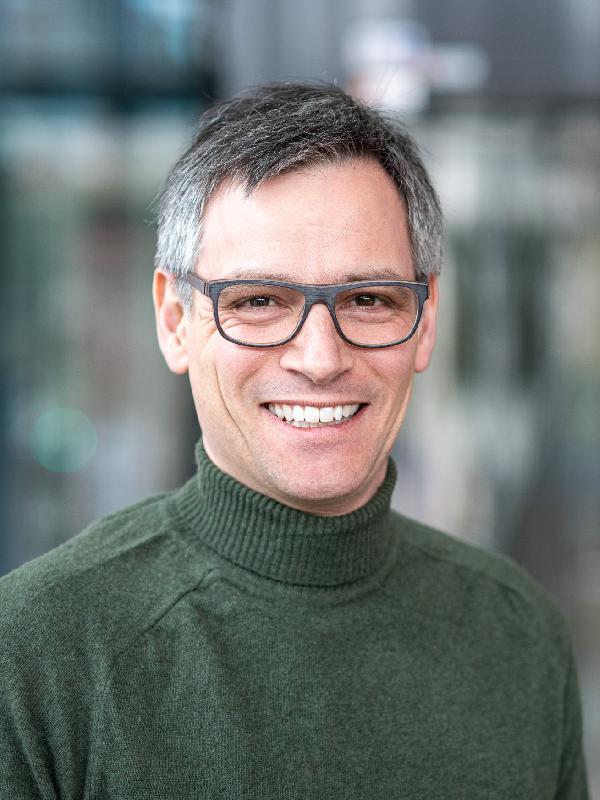
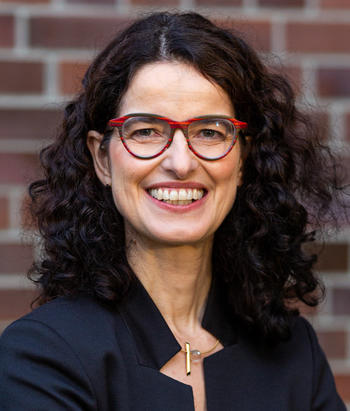
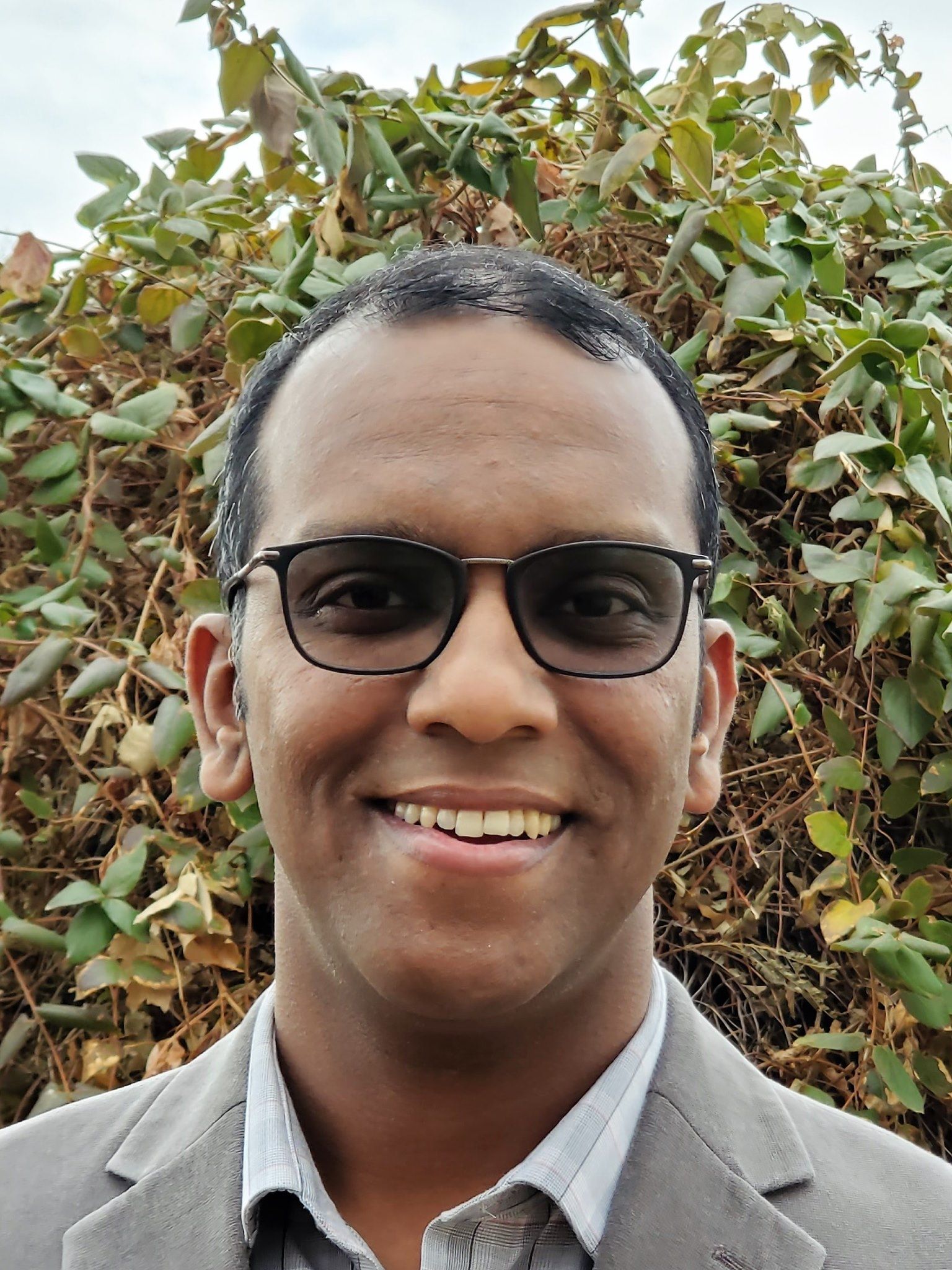
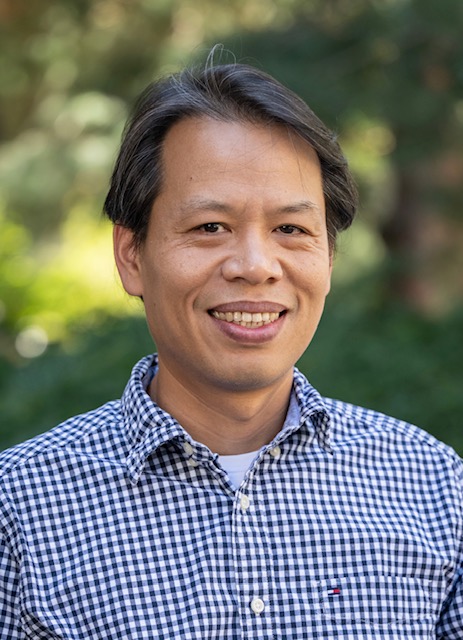
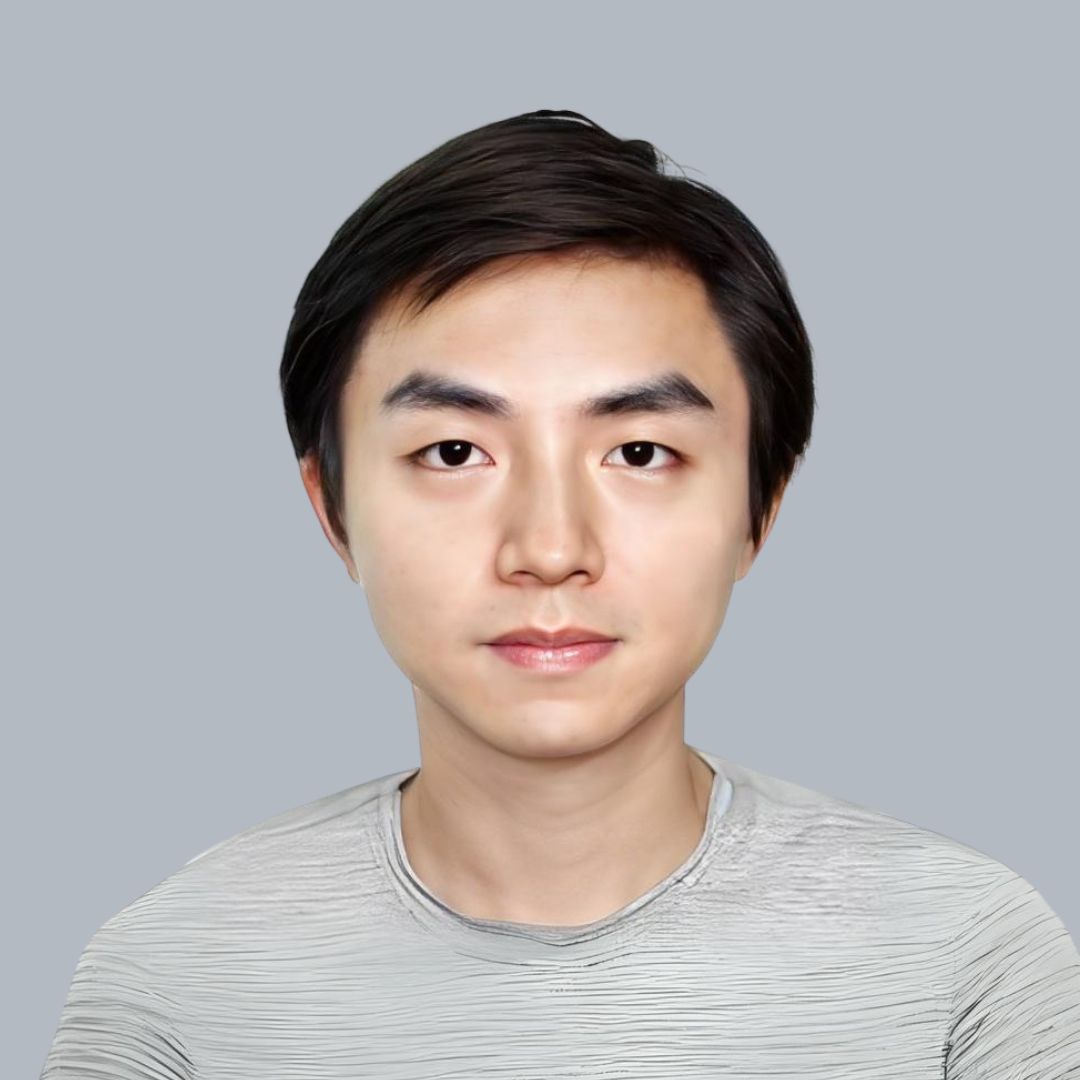
Vidar Hepsø is a Professor at the Department of Computer Technology and Informatics, Faculty of Information Technology and Electrical Engineering, Norwegian University of Science and Technology (NTNU). His work bridges anthropology of science and technology with practical challenges in digitalization, energy transition, and remote operations. Research focuses on digital infrastructures, socio-technical systems, and human factors in oil and gas industries Active in NTNU Applied Information Technology and NTNU Energy Transition Initiative Publications emphasize open-source ecosystems, autonomous systems, and environmental monitoring His scholarly output spans computer-supported collaborative work, IT infrastructure governance, and risk-informed anomaly detection in subsea systems. He leads projects connecting digital innovation with offshore wind and petroleum geoscience.
Ram Samudrala is a Professor and Chief of the Division of Bioinformatics at the University at Buffalo Jacobs School of Medicine and Biomedical Sciences . His research focuses on multiscale computational biology , integrating protein structure prediction , drug discovery , and translational science to address medical challenges. He leads the development of the CANDO platform for therapeutic drug discovery and co-directs the Informatics Core at the Clinical and Translational Sciences Institute. PhD in Computational Biology (University of Maryland, 1997) BA in Computing Science and Genetics (Ohio Wesleyan University, 1993) Postdoctoral Fellowship in Protein Folding (Stanford University, 1997-2001) His work spans structural biology , genomics , and computational drug design , with applications in dentistry , infectious diseases , and cancer . He has received prestigious awards including the NIH Director's Pioneer Award (2010) and multiple Wiki Science Prizes . Samudrala's group collaborates globally, emphasizing in silico methods followed by in vitro and in vivo validation. Key grants include $1.22M NIH NCATS ASPIRE Reduction-to-Practice Award and $4.5M NIH/NLM BRIGHT Training Grant . 2023 Finalist, Clinical and Translational Sciences Institute Clinical Research Achievement Awards 2016 MacArthur Foundation 100&Change Top 50 2008 Alberta Heritage Foundation Visiting Scientist Award 2005 NSF CAREER Award He directs the BRIGHT Short-Term Training Program and serves on multiple editorial boards and review panels. Samudrala's group maintains a Protinfo web server for structural predictions and the Bioverse framework for systems-level analyses.
Yang Liu is an Assistant Professor in the Department of Electrical and Computer Engineering at the Baskin School of Engineering, University of California, Santa Cruz. Previously, they were affiliated with Harvard University and earned their PhD in 2015 from the Department of EECS at the University of Michigan, Ann Arbor. Their research lies at the intersection of machine learning, fairness, and trustworthy AI, with a strong focus on large language models, federated learning, and causal reasoning. Their research interests include: Machine Learning and Fairness Federated and Privacy-Preserving Learning Large Language Model Safety and Unlearning Causal Inference and Counterfactual Reasoning Anomaly Detection and Robust Forecasting Human-AI Interaction and Ethical AI Recent publications (2024–2025) demonstrate a strong trend in developing methods for machine unlearning, fairness in LLMs, and robustness under label noise and distribution shifts. Their work frequently appears in top-tier venues such as NeurIPS, ICLR, ICML, AAAI, and KDD, often in collaboration with researchers like Zhaowei Zhu, Mingyan Liu, Jiaheng Wei, and Kun Zhang. Themes include algorithmic fairness, model accountability, and human-aligned AI systems. Scientific contributions include: Frameworks for LLM unlearning and model editing Methods for fair classification and recourse Robust time series forecasting under anomalies Test-time adaptation in multimodal models Causal approaches to debiasing and policy learning While no formal advising list is provided, the depth and volume of collaborative work suggest active mentorship of graduate students and postdocs. Their research program is highly active, with numerous ongoing projects in trustworthy and socially responsible AI.
Arun Rai serves as Regents’ Professor and Howard S. Starks Distinguished Chair at Georgia State University's Robinson College of Business, where he co-founded and directs the Center for Digital Innovation. His career spans interdisciplinary research bridging information systems with societal impact through industry-university collaborations across global sectors. His educational foundation includes: Ph.D. from Kent State University MBA from Clarion University of Pennsylvania M.S. from Birla Institute of Technology & Science Rai's research explores digital innovation , AI governance , and societal impacts of technology through investigations of platform ecosystems, supply chain transformation, and digital solutions for poverty and health disparities. His work uniquely connects technical systems design with behavioral and organizational outcomes across contexts from rural India to global corporations. Recent publications (2023-2025) reveal intensifying focus on AI-human collaboration , digital risk assessment , and platform governance tensions , with growing emphasis on healthcare applications and equity implications. The trajectory shows evolution from organizational IT adoption toward complex sociotechnical systems addressing global challenges. His scientific recognition includes: Fellow of the Association for Information Systems Distinguished Fellow of the INFORMS Information Systems Society LEO Award for Lifetime Exceptional Achievement Rai has mentored over 60 doctoral students (30+ as chair) with alumni now holding leadership positions globally. His research attracts major funding from Apollo Hospitals, China Mobile, IBM, Intel, UPS, and federal agencies, enabling real-world implementations like the Global Supply Chain Solutions Program during UPS's digital transformation. Current initiatives focus on generative AI in education and healthcare IT policy impacts. As director of the Center for Digital Innovation, he cultivates cross-sector partnerships advancing digital transformation through collaborative research on AI governance, platform ecosystems, and societal impact measurement.
Dr. Siqi Ma is a Senior Lecturer at the UNSW Institute for Cyber Security (IFCYBER) within the School of Systems & Computing at the University of New South Wales (UNSW). He previously served as a Lecturer at the University of Queensland's School of Information Technology and Electrical Engineering (ITEE). He holds a Ph.D. in Information Systems from Singapore Management University (2018) and was a Postdoctoral Research Fellow at Data61, CSIRO. He also visited Carnegie Mellon University (CMU) in 2015. Current Role: Senior Lecturer, UNSW Institute for Cyber Security Former Role: Lecturer, University of Queensland Education: Ph.D. (Singapore Management University), Postdoc (Data61, CSIRO) His research spans automated vulnerability detection, mobile security, IoT security, network authentication, and graph-based adversarial robustness. Recent work focuses on drone configuration bugs, Android malware analysis via GNNs, federated learning privacy, and credential leakage in open-source projects. Key trends in his 2024-2025 publications include automated security analysis for embedded systems, deepfake detection in multimedia, and privacy-preserving mechanisms for distributed networks. He collaborates with institutions like Purdue University, Singapore Management University, and CSIRO Data61.
Dr. Isabel Straw is an Assistant Professor in Healthcare Artificial Intelligence & Cybersecurity at the Faculty of Population Health Sciences, University College London. She leads the CRASH Team (Cybersecurity Resiliency & AI Safety in Healthcare) and collaborates with the Centre for Healthcare Cybersecurity at the University of California San Diego. As an Emergency Doctor at Homerton Hospital NHS Trust, her research bridges clinical practice, AI development, and cybersecurity. PhD in Artificial Intelligence Contributed to UNESCO's Recommendation on the Ethics of AI Developed CIPHER: tool for modeling patient harms from cyberattacks Co-led international workshops on healthcare cybersecurity Featured in 15+ international media outlets Her research examines technology-facilitated abuse, algorithmic bias in healthcare, and risks from interconnected medical technologies. She has delivered over 70 invited talks, including DEF CON and May Contain Hackers events. Recent publications include: 2025: Cybersecurity in family medicine clinics 2024: Sex-based disparities in cardiac ML algorithms 2023: Biotechnological syndromes and digital pathologies 2022: Ethical model calibration in medical AI 2020: AI biases in mental health She leads UCL postgraduate modules on Healthcare AI and Cybersecurity, and mentors MSc students on topics including AI fairness in oncology and cardiology. Her work has informed WHO policy, UK parliamentary frameworks, and UN AI governance reports.
Prof. Dr. Jörg Hackermüller is a computational biologist with expertise in Omics data integration Toxicology Environmental risk assessment Non-coding RNA biology . He serves as Head of the Department of Computational Biology and Chemistry at the Helmholtz Centre for Environmental Research (UFZ) since 2024 and holds a Professorship at the Faculty of Mathematics and Computer Science at Leipzig University since 2021. His research focuses on Developing AI methods for chemical toxicity prediction Multi-omics integration for mechanistic toxicology Data standardization in environmental monitoring Non-coding RNAs as biomarkers in disease and toxicity and has produced 15+ recent publications spanning tools like multiGSEA and deepFPlearn+ . He collaborates with teams across UFZ Leipzig University Novartis Fraunhofer Institute and leads projects like InCeTo and SafePol , integrating exposome research with systems biology.
Professor Charlotte Kloft is Head of the Department of Clinical Pharmacy & Biochemistry at the Institute of Pharmacy, Free University of Berlin since 2011, and spokesperson for the interdisciplinary Graduate Research Training Program PharMetrX 'Pharmacometrics and Computational Disease Modelling' since 2008. She previously served as Professor and Head of the Department of Clinical Pharmacy at Martin-Luther-University Halle-Wittenberg (2005-2011) and as Scientific Assistant/Senior Assistant at Freie Universität Berlin (1999-2005). Her academic credentials include a habilitation in Clinical Pharmacy from Freie Universität Berlin (2003) and a Dr. rer. nat. (summa cum laude) from the same institution (1997). She earned her license as a pharmacist in 1992 after completing pharmacy studies at Johannes Gutenberg-University, Mainz (1987-1991). Professor Kloft's research focuses on pharmacometrics, computational disease modeling, and therapeutic drug monitoring across multiple therapeutic areas. Her work bridges pharmaceutical sciences with clinical practice, with particular emphasis on personalized dosing strategies for oncology, antimicrobial resistance, and inflammatory bowel diseases. She has pioneered research in optimizing drug dosing through pharmacokinetic/pharmacodynamic modeling, with applications in both antibiotic and cancer therapies. Her recent publications demonstrate a strong evolution toward integrating advanced computational approaches with clinical pharmacology, including machine learning applications in pharmacometrics, personalized dosing strategies for biologics during pregnancy, and developing nationwide infrastructure for therapeutic drug monitoring in cancer therapy through the ON-TARGET study. Academic Center of Excellence of Pharsight (now Certara), USA (since 2000) Habilitationsreisestipendium of Dr. August and Dr. Anni Lesmüller-Stiftung (2002) Ernst-Reuter-Preis of Ernst-Reuter-Gesellschaft (1998) Joachim-Tiburtius-Preis of Berlin Senate (1998) Young Investigator Award of EORTC-PAMM (1997) Professor Kloft has successfully supervised numerous doctoral students whose research spans diverse areas including CAR-T cell therapy, antimicrobial resistance, inflammatory bowel disease treatment optimization, and pharmacokinetic modeling of novel therapeutic agents. Her research group has secured significant funding for projects including GlobalResist, ON-TARGET, ABIMMUNE, COMBINATORIALS, and TAIN. She leads a vibrant research ecosystem at the Free University of Berlin with strong collaborations across Europe and internationally, maintaining state-of-the-art laboratory facilities including Biosafety Level 2 certified labs for infectious disease research.
Jason Ostanek is an Assistant Professor at Purdue University's School of Engineering Technology and Environmental and Ecological Engineering. He directs the Applied Thermofluids Laboratory and Powertrain Technology Laboratory, focusing on battery safety and thermal management systems. Ph.D. in Mechanical Engineering from Penn State M.S. in Mechanical Engineering from Penn State B.S. in Mechanical Engineering from Virginia Tech His research explores energy storage systems, thermal runaway phenomena, heat transfer mechanisms in Li-ion batteries, fluid dynamics, and internal combustion engine thermal management. He has developed analytical models for battery degradation, thermal abuse simulations, and innovative cooling strategies for large-scale energy systems. Key publication trends show expertise in: Li-ion battery thermal runaway modeling Heat transfer in confined geometries Thermal management for energy storage systems Renewable energy forecasting Computational fluid dynamics applications Scientific awards include: 2020 Purdue Teaching Academy's Award for Exceptional Teaching and Instructional Support during the COVID-19 Pandemic 2020 SOET Outstanding Faculty in Engagement 2019 SOET Outstanding Faculty in Discovery 2015 NAVSEA Commander’s Award for Innovation 2013 ASME IGTI Young Engineer Travel Award 2007 DOD SMART Fellowship Recipient As director of Purdue's Applied Thermofluids Laboratory, he leads research on battery safety mechanisms, combustion dynamics, and thermal systems optimization. His work spans fundamental and applied research with industrial collaborators.
Christopher P. Higgins serves as Professor and AMAX Distinguished Chair in the Department of Civil and Environmental Engineering at the Colorado School of Mines, a position he attained in 2025 following his 2022 designation as University Distinguished Professor. Joining Mines in 2009, he leads critical research on environmental contaminants with emphasis on poly- and perfluoroalkyl substances (PFASs) in natural and engineered systems. His educational foundation includes: PhD in Civil and Environmental Engineering from Stanford University (2007) MS in Civil and Environmental Engineering from Stanford University (2002) AB in Chemistry from Harvard University (1998) Dr. Higgins' research program investigates chemical fate and transport mechanisms, particularly PFAS movement through soils and water, human exposure pathways, and remediation technologies. His work integrates field studies, laboratory experiments, and mathematical modeling to address: PFAS leaching dynamics in vadose zones Advanced treatment methods for contaminated media Exposure assessment via water, food, and indoor environments Environmental risk characterization at contaminated sites His recent publications demonstrate increasing focus on analytical method development, source identification, and destruction technologies for ultrashort-chain PFAS compounds. Notable recognitions include: ASCE Huber Prize for Civil Engineering Research (2019) SERDP Environmental Restoration Project of the Year (2020) Honorary Professorship at The University of Queensland, Australia His research program has secured substantial funding from NSF, NIH, EPA, USDA, and DoD, supporting interdisciplinary collaborations and graduate student mentorship. Current initiatives emphasize translating laboratory findings to field applications through partnerships with regulatory agencies and industry stakeholders. Dr. Higgins directs the Center for Environmental Risk Assessment and co-leads the PFAS@Mines Initiative, which coordinates campus-wide research on PFAS contamination through integrated experimental, computational, and policy-focused approaches.
Abdullah Mueen is a Professor and Associate Chair in the Department of Computer Science at the University of New Mexico (UNM), where he has been since 2013. Previously, he worked as a Scientist in the Cloud and Information Sciences Lab at Microsoft Corporation. Research Interests : His work focuses on Temporal Data Mining , with emphasis on efficiency , interactivity , and interpretability . Key areas include Blockchain Data Mining (e.g., BitLink for Bitcoin cluster analysis), Seismic Data Mining (e.g., PAW for aftershock detection), and Social Media Mining (e.g., DeBot for Twitter bot detection). Article Trends : His recent publications span four domains: Seismology : Algorithms for earthquake data analysis (e.g., focal depth inference, aftershock classification). Blockchain : Temporal linkage of Bitcoin addresses (BitLink) and cryptocurrency fraud detection. Traffic Safety : Multi-LiDAR data fusion for real-time road safety monitoring. Time Series Methods : Innovations like MASS similarity search and DAMP anomaly detection for massive datasets. Scientific Awards : ACM SIGKDD Test-of-Time Award (2022) UNM Provost Research Leader Award UNM School of Engineering Junior Faculty Research Excellence Award KDD 2012 Doctoral Dissertation Contest Runner-Up KDD 2012 Best Paper Award Advising and Grants : He has mentored 11 PhD students now employed at institutions like Microsoft, Meta, and Lawrence Livermore National Lab. His research is funded by NSF , NIH , DARPA , AFRL , NEC , Exxon , Microsoft , and LANL .
Long Nguyen is a Professor of Statistics at the University of Michigan, Ann Arbor, with a courtesy appointment in Electrical Engineering and Computer Science. He is affiliated with the Michigan Institute for Data Science (MIDAS) and the Vietnam Institute for Advanced Study in Mathematics (VIASM). His research focuses on Bayesian nonparametrics, optimal transport, machine learning, and spatiotemporal data analysis. Nguyen holds a PhD in Computer Science from UC Berkeley and has held postdoctoral positions at Duke University and the Statistical and Applied Mathematical Institute. Education: B.Sc. in Computer Science from Pohang University of Science and Technology; M.Sc. in Mathematics from Arizona State University; Ph.D. in Computer Science from UC Berkeley (2007). Research Interests: Bayesian nonparametric methods, optimal transport theory, statistical inference for complex models, and applications in spatiotemporal data, functional data analysis, and hierarchical modeling. He emphasizes developing scalable algorithms and geometric approaches for statistical learning. Editorial Roles : Annals of Statistics Journal of Machine Learning Research SIAM Journal on Mathematics of Data Science Bayesian Analysis Awards : IMS Fellow, ASA Fellow NSF CAREER Award IEEE Signal Processing Young Author Award L. J. Savage Dissertation Award (via student Aritra Guha) Advising & Collaborations : Guided over 20 PhD students and postdocs, many now in academia and industry. Collaborates on projects in AI ethics, music theory, and environmental data science. Active in organizing summer schools in Vietnam on Bayesian statistics and machine learning. Labs & Teams : Co-leads the Statistical Machine Learning reading group at U-M and collaborates with the VIASM on advanced mathematical research in Hanoi.
Michael Qizhe Shieh is an Assistant Professor in the Department of Computer Science at the National University of Singapore (NUS), affiliated with the Tree and Rock AI Lab (TRAIL). He holds a PhD and Master's from Carnegie Mellon University (Machine Learning and Language Technologies) and a Bachelor's from Shanghai Jiao Tong University's ACM Class. His research focuses on Large Language Models, Deep Learning, and Natural Language Processing, with notable contributions to semi-supervised learning techniques like Noisy Student and UDA, and the RACE benchmark for reading comprehension. Education: PhD in Machine Learning, Carnegie Mellon University (2020) Master's in Language Technologies, Carnegie Mellon University (2018) Bachelor's in Computer Science, Shanghai Jiao Tong University (2016) His research explores robustness, safety, and scalability of AI systems. He has served as Area Chair for top conferences like NeurIPS, ICML, and ICLR. Current research directions include adversarial robustness, LLM self-evaluation, and alignment mechanisms. His lab, TRAIL, emphasizes foundational AI research. Selected contributions include: Developing UDA and Noisy Student techniques for semi-supervised learning Creating the RACE benchmark for exam-based reading comprehension Advancing methods for LLM safety and adversarial defense Prospective students are encouraged to apply to NUS's PhD program for collaborative research opportunities.
Albert H. Titus is a Professor in the Department of Biomedical Engineering and an Adjunct Professor in the Department of Electrical Engineering at the University at Buffalo, State University of New York. He serves as Associate Vice President for Regulatory Support in the Office of the Vice President for Research and Economic Development. His research focuses on analog VLSI design for neuromorphic visual processing, biosensors, wearable devices, optoelectronic systems, and neural networks. Education: PhD in Electrical and Computer Engineering, Georgia Institute of Technology (1997) MS in Electrical Engineering, University at Buffalo (1991) BS in Electrical Engineering, University at Buffalo (1989) Research Interests: His work spans wearable and implantable sensors, bioinstrumentation, neural network-based visual processing, analog VLSI implementations, optoelectronics, and electronic packaging. He pioneered CMOS-based neuromorphic systems and developed patented technologies for glare sensing and RF power calorimetry. Publication Trends: His recent articles emphasize CMOS-integrated sensors, machine learning for bioimpedance analysis, implantable medical devices, and xerogel-based optical biosensors. These works bridge biomedical engineering and microelectronics. Scientific Recognition: He is a Fellow of the National Academy of Inventors and has received the SUNY Chancellor’s Award for Excellence in Service (2017), NSF CAREER award, and Western New York Inventor of the Year (2010). His inventions include a patented low-power glare sensor (U.S. Patent 7,586,079) featured in Popular Science’s 2011 Top Ten Inventions. Academic Leadership: As a faculty member, he has supervised nearly 20 PhD and over 40 MS students, while teaching courses in circuits, IC design, sensors, and signal processing across electrical and biomedical engineering disciplines.
Dr. David Wright is a Professor in the Department of English and Technical Communication at Missouri University of Science and Technology (Missouri S&T). He joined the faculty in 2007 after prior roles at NASA’s Education Project, Oklahoma state government, and the software industry. He holds a Ph.D. in Technical Communication (Oklahoma State University, 2007), an M.S. in Higher Education Administration (1996), and a B.S. in Organizational Psychology (1993), all from Oklahoma State University. His research focuses on smart home technology and artificial intelligence, particularly examining human-AI interaction through usability and user experience (UX) testing. He also explores technology diffusion, technical communication practices in emerging technologies, and educational methodologies for technical fields. His work integrates interdisciplinary approaches, blending engineering, sociology, and computer science. Recent publications highlight his contributions to IoT usability, smart home adoption challenges, and the intersection of AI ethics with virtual assistants. He has also authored studies on knowledge graph design, technical documentation in software development, and educational initiatives in computer science and healthcare. Dr. Wright teaches courses in technical writing, usability studies, and web-based communication. His academic service includes curriculum development and advising on technical communication pedagogy. While no specific awards are listed, his extensive publication record reflects sustained scholarly impact in his fields.