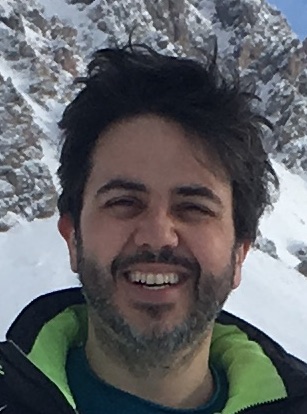
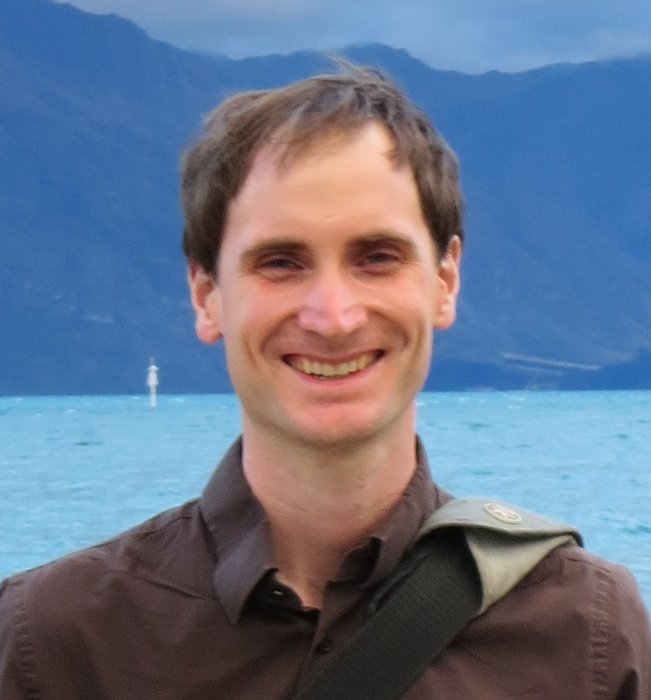
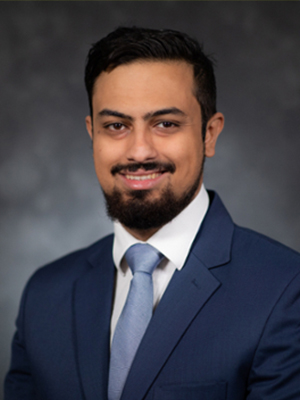
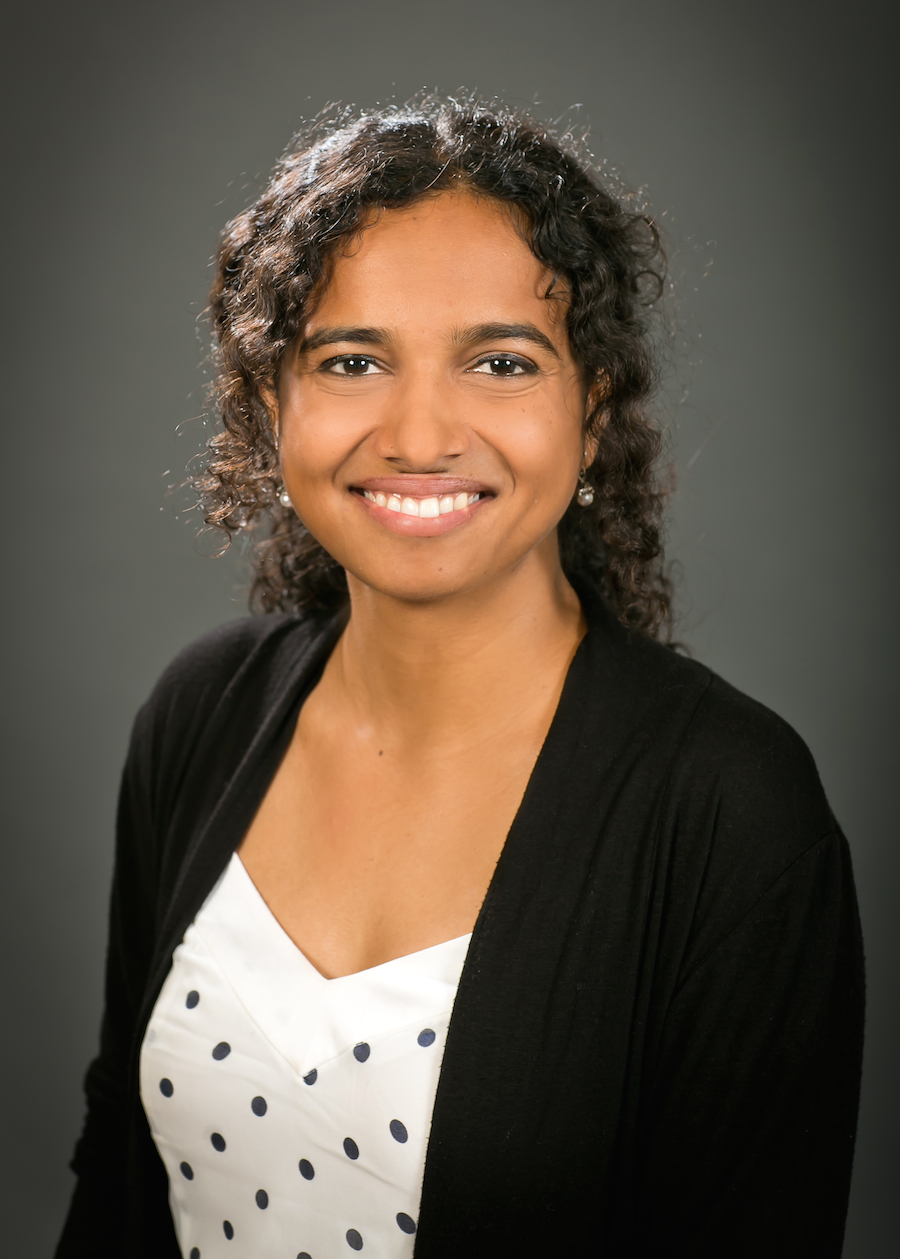
Noemi Vergopolan is an Assistant Professor in Earth, Environmental and Planetary Sciences at Rice University. Her research focuses on computational hydrology and the water-climate nexus, leveraging satellite remote sensing, machine learning, and high-performance computing to improve hydrological prediction and decision-making for water resource management. Education: B.S. in Environmental Engineering (Federal University of Paraná), M.A. and Ph.D. in Civil and Environmental Engineering (Princeton University). Research Interests: Computational hydrology, satellite remote sensing of soil moisture, Earth system modeling, and the water-energy-food nexus. Her work emphasizes scalable approaches for high-resolution hydrological prediction and bridging gaps between local and global monitoring systems. Awards: 2022 American Geophysical Union - Science for Solutions Award 2022 Paul F. Boulos Excellence in Computational Hydrology Award Her research includes developing frameworks like HydroBlocks and SMAP-HydroBlocks for field-scale hydrological modeling, advancing drought monitoring, and integrating machine learning with climate models. Current projects address flash drought dynamics, agroforestry systems, and hyper-resolution soil moisture applications in India and Malawi.
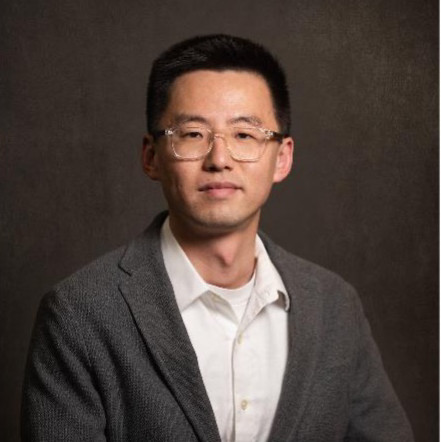
Dr. Qilun Zhu is an Associate Research Professor at Clemson University's Department of Automotive Engineering. His research focuses on optimal control and estimation of automotive powertrain systems, vehicle dynamics, and autonomous driving technologies. He integrates cross-domain solutions for future mobility systems using rapid prototyping techniques. Dr. Zhu teaches courses in Advanced and Electrified Powertrains and Automotive Control Systems. He earned his B.S. from Jilin University (2010), M.S.E. from Cornell University (2011), and Ph.D. from Clemson University (2015). His publications demonstrate a consistent focus on predictive control strategies for thermal management and energy optimization in electrified and autonomous vehicles. Recent work emphasizes reinforcement learning applications and model-based control of power electronics. Honors include: 2019 SAE Young Professional Technical Paper Competition Best Paper award at the 2014 American Control Conference Dr. Zhu serves on technical committees including the Automotive and Transportation Systems Technical Committee and Automotive Controls Technical Committee, and as associate editor for IEEE Conference on Control Technology and Applications.
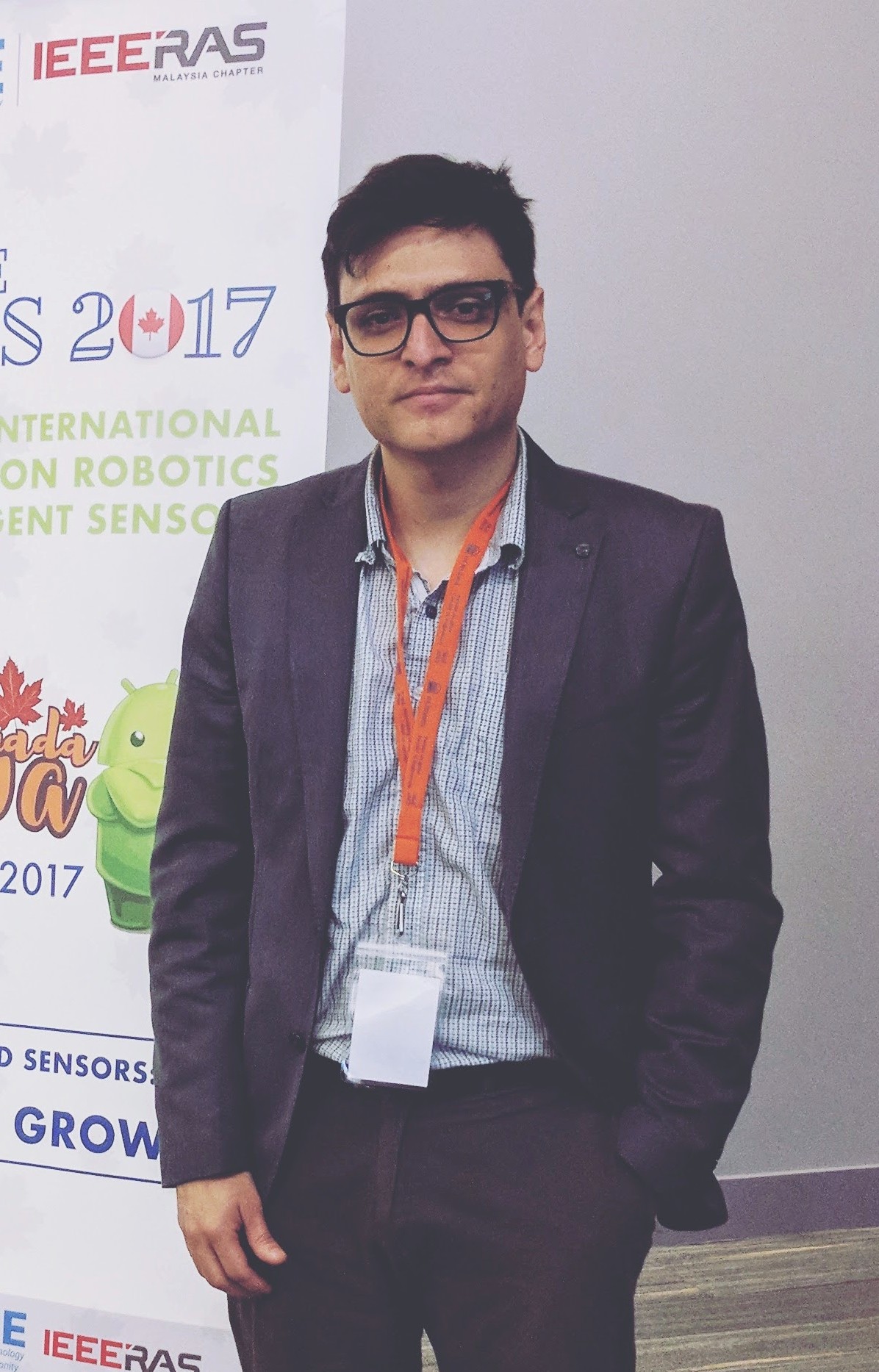
Vinicius Prado da Fonseca is an Assistant Professor in the Department of Computer Science at Memorial University of Newfoundland. His research focuses on advanced robotics, tactile sensing technologies, and human-robot interaction. His work integrates machine learning and artificial intelligence to improve robotic manipulation, prosthetic control, and haptic interfaces. Education background includes: Ph.D. in Electrical and Computer Engineering from University of Ottawa (2020) M.Sc. in Systems and Computing from Military Institute of Engineering, Brazil (2013) B.Sc. in Computer Science from Federal University of Tocantins, Brazil (2010) Research interests emphasize tactile perception systems, compliant robotic grippers, and bio-inspired sensor modules. Notable contributions include the BioIn-Tacto tactile sensing framework and studies on myoelectric control for upper-limb prosthetics. His work bridges theoretical machine learning with practical robotics applications in manufacturing, healthcare, and assistive technologies. Publications span over 30 peer-reviewed articles focusing on tactile datasets, sensor design, and robotic control algorithms. Recent trends show increasing emphasis on multimodal data fusion, active learning for sensor optimization, and human-centric robotics applications. Currently no listed scientific awards or grants, but maintains active collaborations in prosthetic development and industrial automation projects.
Kevin Kamm is an Associate Professor at the Department of Mathematics and Mathematical Statistics, Umeå University. His research spans stochastic analysis , financial mathematics , commodities , and machine learning , with a focus on optimal strategies and SPDEs. He has developed innovative approaches using Deep Learning and stochastic Magnus expansion for financial models. Education : Mathematics studies at Technische Universität Berlin; Ph.D. in financial mathematics at the University of Bologna under the ABC-EU-XVA project. Research : Specializes in negative interest rate frameworks, rating triggers for XVA adjustments, and HPC applications in SPDEs. Collaborates on aquaculture valuation models incorporating biological and feeding cost risks. Publications : 15+ recent works cover CIR model extensions, XVA calibration, SPDE numerical methods, and machine learning applications in financial mathematics and commodities. Teaching : Instructs courses in Financial Mathematics and Stochastic Differential Equations , supervising Master's theses in areas like stress testing and mortgage-backed securities. Affiliations : Member of Umeå University's Mathematical Finance and Economics and Mathematical Modeling and Analysis research groups.
James Bishop is a Professor in the Department of Earth and Planetary Science at the University of California, Berkeley, and a Faculty Senior Scientist at Lawrence Berkeley National Laboratory. He earned a B.Sc. (Honors) in Physical and Inorganic Chemistry from the University of British Columbia and a Sc.D. in Marine Chemistry from the MIT/Woods Hole Oceanographic Institution Joint Program in Oceanography. His research focuses on ocean carbon cycle dynamics, remote sensing, aquatic chemistry, marine biogeochemistry, and autonomous observing systems. Key affiliations: Lawrence Berkeley National Laboratory (since 2006), University of Victoria (School of Earth and Ocean Sciences), and Columbia University (Lamont Doherty Earth Observatory). Dr. Bishop’s research spans marine particle dynamics, biogeochemical cycling, and development of autonomous sensors for ocean carbon monitoring. His work involves major initiatives like GEOTRACES and VERTIGO, with emphasis on particulate inorganic/organic carbon (PIC/POC) proxies, carbon flux validation, and optical sensor integration. Recent publications highlight advancements in robotic oceanography, carbon export quantification, and cross-polarized light detection methodologies.
Professor Simon Cox is a Professor of Computational Methods and Director of the Microsoft Institute for High Performance Computing within the Faculty of Engineering and Physical Sciences at the University of Southampton. He holds a doctorate in Electronics and Computer Science, complemented by first-class degrees in Mathematics and Physics. His research focuses on computational tools and platforms, particularly in high-performance computing, cloud computing, and interdisciplinary applications in engineering and science. He has secured over £30 million in research and enterprise funding, published over 250 papers, and is a Microsoft Most Valuable Professional since 2003. Research interests include computational electromagnetics, meshless methods, and data management. His team, the Computational Engineering and Design Group, develops high-performance computing systems and commercial distributed computing solutions. Notable projects include a Raspberry Pi and Lego-based supercomputer and a spin-off company from computational electromagnetics research. He actively supervises PhD students in Engineering and Environmental Science. Key awards include the Microsoft MVP title. His work spans environmental monitoring (e.g., methane sensors, IoT-based peatland tracking), cybersecurity for IoT devices, and biomedical applications like 3D X-ray histology. He leads outreach initiatives, including the 'Supercomputing in Engineering Course' since 2005.
Luca Schenato is a Full Professor in the Department of Information Engineering at the University of Padova. His research focuses on distributed control systems, federated learning, multi-agent optimization, and wireless communication protocols. He has extensive experience in developing algorithms for cyber-physical systems, with applications in robotics, smart grids, and sensor networks. Education and Appointments section lists his academic journey but lacks explicit details. He has held positions related to control systems and information engineering throughout his career. Research interests include: Design of resilient wireless control systems Federated learning architectures for edge computing Distributed optimization under communication constraints Robotics and multi-agent coordination Smart energy management systems His recent publications (2021–2025) demonstrate a strong focus on: Over-the-air federated learning innovations High-speed wireless control systems (e.g., 1 kHz Wi-Fi control) Resilient distributed optimization algorithms Human-centric building automation He has contributed to numerous projects related to networked control systems and has organized conferences like ECC13. His work emphasizes bridging theoretical control principles with practical industrial applications.
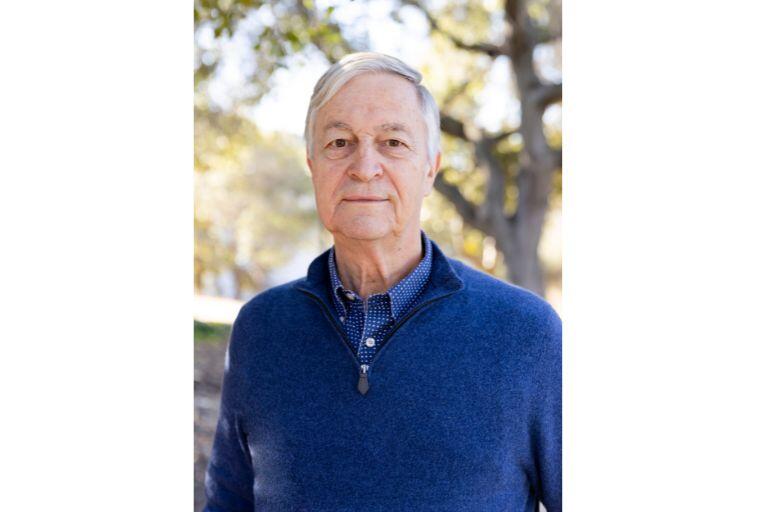
James West is a Professor of Electrical and Computer Engineering and Mechanical Engineering at Johns Hopkins University's Whiting School of Engineering. He is renowned globally as co-inventor of the foil electret microphone, foundational to 90% of modern microphones. With over 60 U.S. patents and 200+ foreign patents, his career spans Bell Laboratories (1962–2001), where he pioneered polymer foil electret technologies. At Johns Hopkins since 2001, he focuses on teleconferencing acoustics, wearable health sensors, and energy harvesting. His research emphasizes biomedical applications like lung sound monitoring and telemedicine integration. Education: B.S. in Physics from Temple University (1957). Awards include National Inventors Hall of Fame Induction. He actively mentors students, advocating for diversity in STEM. Key research areas include medical device innovation, acoustic transducers, and sustainable energy systems. Key Contributions: Electret microphone technology, lung sound sensors, and hybrid energy harvesters. Recent Focus: Acoustic-based disease detection (e.g., COVID-19 screening) and telehealth sensor integration. Labs/Teams: Healthcare Acoustics Research Team (HART), collaborating on medical acoustics and sensor development. His work bridges academic and industrial innovation, emphasizing interdisciplinary collaboration. Current projects address noise suppression in clinical settings and wearable health monitoring systems.
Edwin P. Gerber is a Professor of Mathematics and Atmosphere/Ocean Science at New York University’s Courant Institute of Mathematical Sciences. He holds joint affiliations with the Department of Environmental Studies and the Center for Data Science. His research focuses on understanding climate variability and dynamics, particularly the role of stratosphere-troposphere interactions and simplified climate models. Gerber earned his Ph.D. in Applied and Computational Mathematics from Princeton University (2006), following an M.A. (2002) and B.S. in Mathematics and Chemistry from the University of the South (2000). His work bridges theory and Earth System models, investigating topics like the Brewer-Dobson Circulation, sudden stratospheric warmings, and ozone layer dynamics. Key achievements include the DynVarMIP initiative for CMIP6 and contributions to gravity wave parameterization. Gerber has received awards such as the Friedrich Wilhelm Bessel Research Award (2021) and Hertz Foundation Fellowship (2000-2005). His research has been supported by grants from NSF, NASA, and international collaborations. Gerber’s lab explores machine learning applications in climate modeling, including data-driven parameterization of gravity waves. He serves as Associate Editor for the Quarterly Journal of the Royal Meteorological Society and has led initiatives like the SPARC Reanalysis Intercomparison Project (S-RIP). His recent studies address tropical teleconnections, stratospheric ozone responses to global warming, and extreme event predictability. Gerber’s teaching includes courses on atmospheric dynamics, climate change, and differential equations. He emphasizes interdisciplinary approaches, integrating theory, computation, and observational data to advance climate science understanding.
Christophe Hurlin is a Professor at the University of Orleans specializing in finance, risk management, and econometrics. His research spans systemic risk measurement, credit scoring models, machine learning applications in finance, and computational reproducibility in financial research. With over 30 scholarly publications, he has established himself as a significant contributor to financial econometrics and risk management literature. His primary research interests focus on systemic risk measurement methodologies, credit scoring models incorporating machine learning techniques, and the reproducibility of financial research findings. Hurlin's work often bridges theoretical econometric frameworks with practical financial applications, particularly in banking regulation and risk modeling. He has developed innovative tools such as the Risk Map for validating risk models and has contributed significantly to understanding systemic risk through comprehensive surveys and comparative analyses of risk measures. Hurlin's publication record shows a clear evolution from traditional risk measurement techniques toward integrating machine learning approaches in finance, with recent work focusing on the fairness of credit scoring models, Bayesian approaches to default probability calibration, and the intersection of machine learning with regulatory capital requirements. His research demonstrates consistent engagement with both theoretical underpinnings and practical applications in financial risk management. Hurlin has collaborated extensively with researchers across Europe, particularly with colleagues from HEC Paris (notably Christophe Pérignon), creating a substantial body of work on systemic risk, credit scoring, and computational reproducibility. His most cited works include 'Where the Risks Lie: A Survey on Systemic Risk' and 'Nonstandard Errors,' reflecting his influence in both risk management and methodological research. His research has practical implications for banking regulation, financial stability monitoring, and the implementation of machine learning in credit assessment systems. Through his work on computational reproducibility, Hurlin has also contributed to improving research standards in financial economics, advocating for greater transparency and verification in published findings.
Amir Tofighi Zavareh is an Assistant Professor in the Department of Engineering Technology and Industrial Distribution at Texas A&M University, specializing in Electronic Systems Engineering Technology. He is affiliated with the Center for Remote Health Technologies and Systems and Biomedical Engineering. His research focuses on analog and mixed-signal bioelectronic design, biomedical imaging, and wearable technology for healthcare applications. Dr. Tofighi Zavareh earned his Ph.D. in Electrical and Electronics Engineering from Texas A&M University in 2019. His work bridges biomedical engineering and signal processing, with a strong emphasis on developing innovative medical devices and wearable systems for real-time health monitoring. His research interests include wearable biosensors, machine learning-driven diagnostics, and improving mental health support in educational settings through technology. Notable projects involve eye-tracking metrics for online learning accessibility and stress-alleviation systems using emotion recognition. His publications span advancements in optical coherence tomography (OCT), retinal imaging systems, and AI-powered mental health tools. He collaborates across disciplines to address challenges in healthcare technology and education equity.
Dr. Agathoklis Giaralis is a Senior Lecturer in Structural Engineering within the Department of Civil Engineering at the School of Engineering and Mathematical Sciences, City, University of London. He earned his PhD in Civil & Environmental Engineering from Rice University, USA, in 2008, following an MSc and a 5-year Diploma (Ptychion) in Structural Engineering from Aristotle University of Thessaloniki, Greece. He is a Fellow of the Higher Education Academy, UK. PhD, Civil & Environmental Engineering, Rice University, USA (2008) MSc, Seismic Design of Structures, Aristotle University of Thessaloniki, Greece (2004) Ptychion (5 yr Diploma), Civil/Structural Engineering, Aristotle University of Thessaloniki, Greece (2003) Dr. Giaralis's research is centered on nonlinear stochastic dynamics and time-frequency signal analysis , applied to critical areas such as earthquake engineering , seismic structural design and assessment , structural health monitoring (SHM) , and passive vibration control . His work is pioneering in the development and application of inerter-based vibration control systems, such as the Tuned Mass-Damper-Inerter (TMDI), for enhancing the resilience of structures. He also explores compressive sensing and low-power wireless sensors for sustainable SHM, as well as digital twinning and machine learning in wind engineering. His recent research has significant implications for offshore wind turbines and urban wind comfort. An analysis of his 15 most recent publications reveals a consistent and cutting-edge research trajectory focused on the optimization and application of inerter-based devices for structural control. The work spans from developing analytical tuning formulas for TMDIs to conducting experimental validation on shaking tables and exploring novel applications in offshore wind turbines and composite floors. A strong emphasis is placed on performance-based design , uncertainty quantification , and practical implementation for real-world infrastructure. His scientific contributions have been recognized by prestigious awards, including the Fulbright Exchange Student Program scholarship for his PhD studies and a Fellowship from the Higher Education Academy . He is also a member of several leading professional organizations such as the American Society of Civil Engineers (ASCE) and the Society for Earthquake and Civil Engineering Dynamics (SECED). Dr. Giaralis is actively involved in research funding and academic mentorship. He has secured significant grants from Innovate UK and the EPSRC to support his work on machine learning-based design and optimal inerter configurations. He supervises a cohort of PhD students whose theses focus on advanced topics like adaptive control of bridge joints, inerter-based energy harvesting, and seismic assessment using digital twins. He also leads the Smart Structures and Structural Health Monitoring Research Unit , driving collaborative research in smart infrastructure technologies.
Kristian Soltesz is a Senior Lecturer and Project Manager in the Department of Automatic Control at Lund University's Faculty of Engineering (LTH). He is actively engaged in research focusing on data-driven modeling and control of cyberphysiological systems, with applications in anesthesia, intensive care, and organ transplantation, as well as industrial process control in mining and bioreactors. His research interests span Control Engineering , Data-Driven Modeling , Automated Drug Delivery , Hemodynamic Stabilization , Process Control , and Closed-Loop Anesthesia Systems . His work emphasizes interdisciplinary collaboration with clinical and industrial partners, aiming to develop practical, robust control solutions for complex real-world systems. He contributes to the UN Sustainable Development Goals through sustainable engineering applications, particularly in mining and healthcare. The recent trend in his research outputs shows a strong focus on integrating advanced control strategies—such as Model Predictive Control (MPC), Kalman filtering, and PID autotuning—into medical and industrial applications. His publications highlight innovations in seamless anesthesia delivery, signal quality handling in closed-loop systems, and optimization of industrial flotation processes. The interdisciplinary nature of his work is evident in the blend of biomedical, industrial, and data-centric control themes. Kristian Soltesz has supervised multiple research projects and academic works, with five supervised works documented. He leads or contributes to numerous research initiatives, including projects on ex vivo heart evaluation, sustainable mining, pharmacometric modeling, and historical studies in automatic control. He is involved in key academic activities such as organizing conferences and delivering invited talks, including participation in the Engineering Health PI Retreat 2023 and presentations on microalgae cultivation and ex vivo perfusion systems. His research is supported by grants from foundations such as Familjen Hjelms stiftelse för medicinsk forskning and Mats Paulssons stiftelse. Labs and research teams he is affiliated with include interdisciplinary groups working on cyberphysiological control systems , industrial automation , and biomedical engineering applications , often in collaboration with clinical departments and industrial stakeholders.
Simaan Abourizk, PhD, PEng, is the Dean of the Faculty of Engineering at the University of Alberta and holds the rank of Professor in Construction Engineering and Management. He also served as the NSERC/Alberta Construction Industry Research Chair (1997–2011) and Canada Research Chair in Operations Simulation (2001–2008). His roles include Executive Board membership at the Construction Research Institute of Canada. Education: Doctor of Philosophy in Construction Engineering and Management from Purdue University (1990), Master of Science and Bachelor of Civil Engineering (Honors) from Georgia Institute of Technology (1985 and 1984). Research focuses on advancing simulation technologies for construction and natural resource industries, including: Development of the Simphony simulation environment and COSYE framework Integration of AI, visualization, and scheduling tools (e.g., SmartEst, MTRACK) Optimization of tunneling, modular assembly, and industrial fabrication processes Key awards include the E. Whitman Wright Award (2002), E.W.R. Steacie Memorial Fellowship (2001), and Walter Shanly Award (2001). Current projects emphasize synthetic environments, safety analytics, and data-driven decision support systems in construction. He leads initiatives on risk simulation, resource allocation, and industrial automation.
Ramya Korlakai Vinayak is the Dugald C. Jackson Assistant Professor in the Department of Electrical and Computer Engineering at the University of Wisconsin-Madison. She also holds affiliations with the Department of Computer Science and the Department of Statistics at UW-Madison. Her research program bridges theoretical machine learning with practical applications in data science and crowdsourcing. Education: PhD in Electrical Engineering from California Institute of Technology (Caltech), advised by Prof. Babak Hassibi B.Tech in Electrical Engineering with minor in Physics from Indian Institute of Technology Madras (IIT Madras) Dr. Vinayak's research focuses on developing theoretically grounded machine learning tools for reliable inference using data from human sources. Her work spans machine learning theory, statistical inference, and crowdsourcing systems, with particular emphasis on preference learning, metric learning, and robust dataset construction. She has pioneered methods for learning from limited pairwise comparisons, auto-labeling systems, and human-in-the-loop out-of-distribution detection. Her recent publications reveal a consistent trajectory toward building practical machine learning systems that incorporate human feedback while maintaining theoretical guarantees. The pattern shows increasing focus on ethical considerations in AI, particularly regarding bias in generative models and reliable human-AI collaboration frameworks. Scientific Awards: Faculty for the Future fellowship (2013-2015) from Schlumberger Foundation NSF CAREER Award American Family Funding Initiative Award with Fred Sala Dr. Vinayak leads an active research group with multiple PhD students across ECE and CS departments. She has secured significant research funding including an NSF grant for "Uncovering the cognitive and neural fingerprints that make each of us unique" in collaboration with Tim Rogers, Rob Nowak and Brad Postle. She is also co-organizing the MidWest Machine Learning Symposium and NeurIPS tutorials on dataset construction. Her research group operates at the intersection of theory and practice, developing mathematically grounded frameworks that address real-world challenges in dataset construction, human-AI collaboration, and reliable machine learning systems.