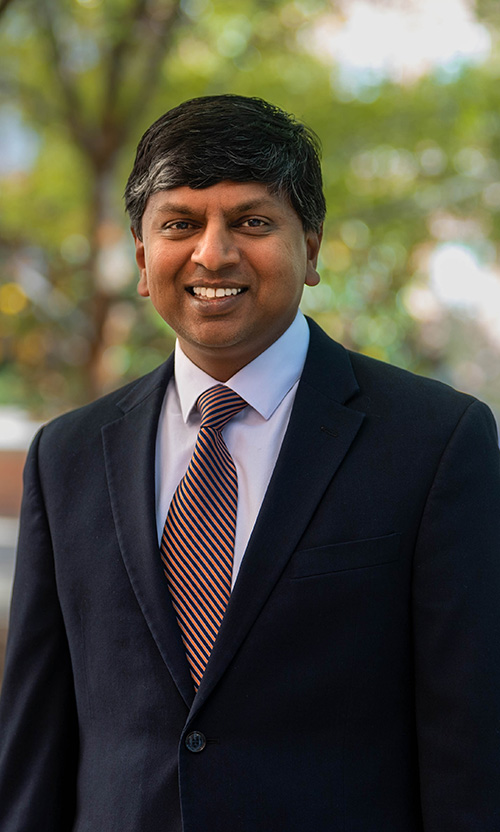
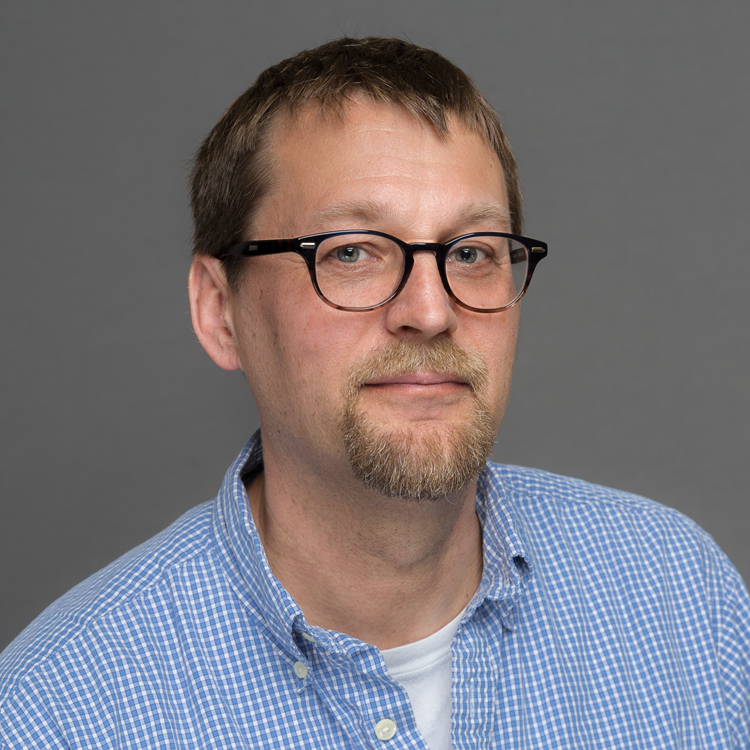
Chee-Ming Ting is an Associate Professor in the School of Information Technology at Monash University Malaysia. His expertise lies in machine learning, data science, and biomedical engineering, with a focus on signal processing, computational neuroimaging, and computer-aided detection. Previously, he held positions at King Abdullah University of Science and Technology (Research Scientist) and Universiti Teknologi Malaysia (Senior Lecturer). He has authored over 26 journal papers and 43 conference papers, and has secured research grants totaling RM2.5 million as PI/Co-PI. Education: PhD in Mathematics - Statistics, Master of Engineering in Electrical Engineering, and Bachelor of Engineering (Hons.) in Electrical & Electronics Engineering. Research interests include biomedical signal/image analysis, deep learning, spatio-temporal modeling, and neuroimaging applications for disease prediction and patient monitoring. He has supervised 9 graduate students (4 PhD, 5 Masters) and currently oversees 10 PhD candidates. Awards include the IEEE Signal Processing Society Malaysia's Research Excellence Award (2019, 2022) and several national/international innovation awards. His work contributes to UN Sustainable Development Goals related to health and technological advancement. Key projects include frameworks for neurological disease prediction using brain networks and generative adversarial networks for medical imaging enhancement.
Dr Emily Hewson is a Cancer Institute NSW Early Career Fellow and member of the Sydney School of Health Sciences at the University of Sydney's Faculty of Medicine and Health. Her research focuses on advancing real-time radiation therapy techniques, particularly in managing intrafraction motion for prostate and other cancers. She leads projects involving multileaf collimator (MLC) tracking, dose optimization, and deep learning integration in radiation oncology. Research interests include adaptive radiotherapy systems, kilovoltage intrafraction monitoring (KIM), and clinical trial implementation (e.g., TROG 15.01 SPARK trial). Her work emphasizes improving treatment accuracy through real-time dose-guided approaches and multitarget tracking for tumors with complex motion patterns. Developed experimental validations for MRI-linac integration and MLC tracking systems Authored a textbook chapter on Adaptive Radiation Therapy (ART) Recipient of Cancer Institute NSW Early Career Fellowship (2023) Recent grants include an AI platform for targeted radiotherapy (2024) and national critical infrastructure funding for lung cancer applications (2023). Her lab collaborates on real-time dose calculation algorithms and clinical trial implementation across multiple institutions.
Dr. Robert Lieck is an Assistant Professor in the Department of Computer Science at Durham University. His research focuses on interdisciplinary applications of machine learning (ML) and artificial intelligence (AI), emphasizing interpretability, robustness, and ethical considerations. He explores computational models in music cognition, communication dynamics, and medical image analysis, aiming to bridge theory and practical tools for domain experts. Before Durham, he was a postdoctoral researcher at EPFL's Digital and Cognitive Musicology Lab (2018–2021) and earned his PhD from the Learning and Intelligent Systems Lab in Stuttgart/Berlin (2012–2017). His work combines probabilistic modelling, neuro-symbolic systems, and reinforcement learning to address challenges in music analysis, autonomous decision-making, and medical robotics. Key research themes include: Music structure and perception modelling Symbol emergence in multi-agent communication Ethical AI and autonomous systems governance Medical imaging applications (CT/MRI analysis) Recent projects involve developing patient-agnostic diabetes management systems using deep reinforcement learning and surgical workflow anticipation through graph learning algorithms. He actively contributes to conferences such as NeurIPS, ISMIR, and AAAI, with publications spanning music informatics, robotics, and biomedical engineering. Current supervision includes four postgraduate students focusing on AI applications in healthcare, music technology, and autonomous systems. His work bridges technical innovation with societal impact, addressing challenges in policy, legislation, and interdisciplinary collaboration.
Allan David serves as the John W. Brown Professor of Chemical Engineering and Associate Dean for Research at Auburn University's Samuel Ginn College of Engineering. His leadership extends across academic administration and cutting-edge nanomedicine research, with a focus on translating laboratory discoveries into clinical applications. His educational foundation includes: Ph.D. in Chemical Engineering, University of Maryland B.S. in Chemical Engineering, University of Maryland Dr. David's research program pioneers nanomedicine applications through the development of smart materials for cancer diagnostics and therapy. His work spans nanoparticle-based MRI contrast agents , ocular drug delivery systems , and vaccine delivery platforms , with particular emphasis on optimizing physicochemical properties for targeted biological interactions. Current projects address critical healthcare challenges including safer contrast agents for patients with kidney impairment and precision cancer targeting mechanisms. Analysis of his 15 most recent publications reveals a cohesive research trajectory centered on magnetic nanoparticles and biomimetic delivery systems . The work demonstrates increasing translational focus, evolving from fundamental nanoparticle characterization (2020-2021) to clinically relevant applications like ocular delivery and cancer theranostics (2022-2024), culminating in commercialization efforts through NanoXort, LLC. Dr. David has secured significant research funding including an $184,773 grant from the Alabama Department of Economic and Community Affairs (ADECA) for developing cardiovascular MRI agents. He leads collaborative efforts that bridge chemical engineering with biomedical innovation, notably co-founding NanoXort, LLC to commercialize safer MRI contrast agents addressing gadolinium toxicity concerns for renal-impaired patients. His laboratory operates at the intersection of chemical engineering and medicine, focusing on nanoparticle-cell interactions and targeted delivery systems. The research group maintains strong industry partnerships through the NanoXort startup, which has secured $1 million NSF funding to advance MRI contrast agent technology toward clinical implementation.
Helmut H. Strey is an Associate Professor in the Department of Biomedical Engineering at Stony Brook University. His research focuses on micro- and nanotechnologies for quantitative biology , including single-cell analysis, cancer metabolism modeling, and functional MRI data analysis. He holds academic appointments since 2008 and has pioneered technologies like tumor-on-a-chip and optical decoders for translation stages. Education: PhD in Biophysics (Technical University München, 1993), postdoctoral training at NIH (1994-1998). Awards include the NSF CAREER Award (2000-2005), Dillon Medal (2003), and Weston Visiting Professorship (2020). Research interests span cell-to-cell variability , Warburg effect in cancer , and Bayesian analysis of time-series data . His lab develops tools for 3D tumor microenvironments, MRI-compatible drug delivery systems, and biomimetic neural circuit models. Teaching includes advanced numerical methods in biomedical engineering, quantitative biology, and biomolecular analysis. Active in open hardware projects, including microfluidics controllers and IoT devices for health monitoring.
Abdulkadir C. Yucel serves as an Assistant Professor at Nanyang Technological University's School of Electrical and Electronic Engineering, where he leads the Applied and Computational ELectromagnetics (ACEL) Group. His research spans applied electromagnetics, radar imaging, and AI-driven electromagnetic analysis with applications in smart cities, neurotechnology, and quantum systems. Education: Ph.D. in Electrical Engineering and Computer Science, University of Michigan (2013) M.S. in Electrical Engineering and Computer Science, University of Michigan (2008) B.S. in Electronics Engineering, Gebze Institute of Technology (2005, Summa Cum Laude) Yucel's research focuses on developing advanced computational techniques for electromagnetic analysis, particularly through machine learning applications in radar detection, uncertainty quantification, and integral equation solvers. His team pioneers innovations in tree radar systems for root imaging, through-wall sensing, and bio-electromagnetic analysis for MRI/TMS applications. Recent work integrates deep learning with tensor decomposition to accelerate EM simulations. Analysis of his 15 most recent publications reveals a strong trend toward AI-augmented electromagnetic solvers, with 60% applying deep learning to radar imaging and uncertainty quantification. Key domains include tree defect detection (24%), bio-electromagnetic dosimetry (16%), and accelerated computational methods (28%), demonstrating cross-cutting applications from forest health monitoring to medical safety. Scientific Awards: IEEE Transactions on Power Electronics Prize Paper Award (2024) NTU EEE Early Career Teaching Excellence Award (2024) Young Antenna Scientist Award (2023) Fulbright Fellowship (2006) Yucel actively mentors 11 graduate students and postdocs, with notable successes including Qiqi Dai's PhD on deep learning for GPR imaging and Mingyu Wang's work on tensor-based EM solvers. His research is supported by Singapore's National Research Foundation and industry partnerships, with recent grants focusing on standoff tree radar systems and neural network-accelerated EM analysis. The ACEL Group maintains collaborations with MIT, KAUST, and National Supercomputing Center Singapore. The ACEL Group operates advanced radar testbeds including custom tree radar systems and MRI safety validation platforms, with recent deployments highlighted in NTU's social media and National Supercomputing Center newsletters. Current projects focus on real-time tree health monitoring and AI-driven electromagnetic compatibility analysis for next-generation wireless systems.
Daniele Loiacono is an Associate Professor at Politecnico di Milano's Department of Electronics, Information, and Bioengineering (DEIB), affiliated with the Artificial Intelligence and Robotics Lab (AIRLab). His research focuses on interdisciplinary applications of Artificial Intelligence, Machine Learning, and Deep Learning in medical imaging, radiation therapy, and procedural content generation for games. He leads projects in synthetic image generation for radiotherapy quality assurance, automated treatment planning, and bias analysis in medical AI systems. Key research areas include medical image synthesis using GANs, radiation therapy optimization, and algorithmic game design. His contributions span clinical applications such as total marrow irradiation (TMI) planning and lymph-node segmentation, alongside innovations in shader generation and interactive evolutionary tools for game development. Loiacono collaborates on multi-center studies to validate AI-driven workflows in healthcare and has pioneered methods combining lean Six Sigma with machine learning for treatment process improvement. His work bridges clinical medicine and computer science, addressing challenges in radiation oncology, anatomical imaging, and procedural content automation. The AIRLab serves as a hub for his research, integrating AI advancements into real-world medical and engineering solutions.
Axel Haase is a Carl von Linde Senior Fellow at the Technical University of Munich (TUM) and Director of the Institute of Medical Engineering (IMETUM). He holds a professorship in Experimental Physics (Biophysics) at the University of Würzburg. His research focuses on magnetic resonance imaging (MRI), including co-inventing the FLASH MRI technique and advancing biomedical applications like cardiac and neurological studies. He previously served as President of the University of Würzburg (2003–2009) and President of the European Society of Magnetic Resonance in Biology and Medicine (ESMRMB). Education: Diploma in Physics (1977), PhD (1980) from University of Giessen, Habilitation in Biophysical Chemistry (University of Frankfurt). Leadership Roles: Max Planck Institute of Biophysical Chemistry (1978–1989), Postdoc at University of Oxford (1982). Research Interests: MRI技术创新,包括快速成像技术、医学成像应用、生物医学工程。His work has led to patents and significant advancements in MRI methodologies. Awards: 包括Bavarian Academy of Sciences Fellow (2001)、ISMRM金质奖章 (1991)、DFG Heisenberg Fellowship (1987)等。 Labs & Teams: Director of IMETUM at TUM, leading interdisciplinary research in medical engineering and imaging technologies.
Anne-Sophie Chauvin is a Senior Lecturer and Researcher at École Polytechnique Fédérale de Lausanne (EPFL), School of Basic Sciences, within the Institute of Chemical Sciences and Engineering and the Supramolecular Chemistry Laboratory. She actively engages in supramolecular and inorganic chemistry, focusing on f-element (lanthanides and actinides) coordination polymers and luminescent bioprobes for biological and technological applications, including invisible inks and dye-sensitized solar cells. PhD in Bioinorganic Chemistry from University Paris V-René Descartes (thesis on Nitrile Hydratase mimetics) Postdoctoral work at University of Geneva on chiral alcohol configuration analysis Habilitation à Diriger des Recherches (HDR) from University René Descartes (2006) Her research spans Lanthanide and Actinide Chemistry , Luminescence , Coordination Polymers , Metallacages , and Photovoltaic Materials . Recent publications emphasize catalytic spiro stereocenter formation, actinide coordination polymers, and photoredox-enabled biomolecule functionalization. She has supervised PhD students including Andrei Andreichenko , Julien Andrès , Steve Comby , and Aurélien Willauer . Recognitions include Fellowship of the Royal Society of Chemistry (FRSC) and membership in the Swiss Chemical Society (SCS). Current roles include teaching General and Analytical Chemistry to first-year Pharmacy and Biology students at the University of Lausanne (UNIL), overseeing practical sessions, and serving on the EPFL School of Basic Sciences Faculty Council.
Dr. Joanna Deaton Bertram is an Assistant Professor in the Thomas Lord Department of Mechanical Engineering and Materials Science at Duke University’s Pratt School of Engineering. She concurrently holds an Assistant Professor appointment in Surgery, underscoring her interdisciplinary commitment to advancing medical robotics. Dr. Bertram leads a research laboratory devoted to the design, modeling, and control of robotic systems for surgical and interventional applications, working closely with Duke’s clinical and engineering communities. Education Ph.D. in Robotics, Georgia Institute of Technology, 2024 M.S. in Mechanical Engineering, Georgia Institute of Technology, 2024 B.S. in Biomedical Engineering, Georgia Institute of Technology, 2018 Research Interests Dr. Bertram’s research program is centered on medical robotics , with particular emphasis on continuum robotics and image-guided interventions . Her work integrates novel mechanical design with advanced control algorithms and smart materials to create robotic systems capable of navigating complex anatomical pathways. A hallmark of her approach is the incorporation of real-time fiber-optic shape and force sensing (using Fiber Bragg Grating technology) to provide surgeons with unprecedented feedback during procedures. Application domains include steerable needles for brachytherapy , robotic guidewires for endovascular surgery , and pediatric neuroendoscopy . Publication Themes Across more than fifteen peer-reviewed articles, Dr. Bertram has systematically advanced the state of the art in surgical robotics , fiber-optic sensing , and robotic system modeling . Her 2024 tutorial on Nitinol and Tungsten tendon attachment techniques provides practical guidance for building highly articulated continuum robots, while her 2023 series on the COAST guidewire robot demonstrates model-based design and simultaneous shape/force sensing for large-deflection medical devices. Earlier work explored 3D-printed patient-specific robotic tools and carbon-nanotube flexible sensors, illustrating a trajectory from fundamental sensor research to full robotic system integration. Scientific Recognition & Collaboration Although no major external awards are explicitly listed, Dr. Bertram’s publications in top-tier venues such as IEEE Robotics and Automation Letters , IEEE Transactions on Medical Robotics and Bionics , and IEEE/ASME Transactions on Mechatronics attest to strong peer recognition. She actively invites motivated graduate students, post-docs, and research staff to join her lab, fostering an open and interdisciplinary environment. Advising & Grants Dr. Bertram’s lab is presently recruiting trainees at all levels. While specific funded grants are not enumerated, her dual departmental appointments and extensive publication record suggest active federal or foundation support. Prospective students and collaborators are encouraged to contact her directly at joanna.d.bertram@duke.edu . Laboratory & Teams Dr. Bertram directs a laboratory within Duke University’s Pratt School of Engineering that collaborates closely with clinicians in the School of Medicine. The group focuses on rapid prototyping of medical devices, in-vitro and ex-vivo validation, and translation of robotic technologies to the operating room.
Susanne M. Jaeggi is a Professor of Psychology at Northeastern University, with additional affiliations in the Bouve College of Health Sciences and the College of Arts, Media, and Design. Her research focuses on cognitive training, executive functions, and individual differences in cognition across the lifespan. She holds PhDs in Cognitive Psychology and Neuroscience from the University of Bern (Switzerland), and completed postdoctoral work in Cognitive Neuroscience at the University of Michigan. Her work has been funded by NIH, NSF, IES, ONR, and the Advanced Education Research and Development Fund (AERDF). She leads the Working Memory & Plasticity Lab , which develops interventions to improve working memory and executive functions, and co-leads the Brain Game Center for Mental Fitness and Well-Being , creating evidence-based brain fitness tools. Jaeggi’s research emphasizes understanding mechanisms of cognitive improvement through training, including neuroplasticity and individual variability. Key areas include cognitive aging interventions, gamification, sensory-cognitive interactions, and the impact of socioeconomic factors on academic achievement. Her work integrates behavioral experiments, neuroimaging, and digital health technologies to address real-world challenges in education and healthcare. Recent studies explore music/art-based interventions, brain stimulation (e.g., tDCS), and scalable cognitive assessments. Collaborations span disciplines, with publications addressing topics like neural correlates of training, motivational features in interventions, and cross-modal perception. Her labs emphasize translating findings into public-facing tools, such as freely accessible brain fitness apps. Current projects include optimizing interventions for ADHD populations and leveraging digital platforms for global mental fitness.
Dr. Yfke Ongena is a Senior Lecturer in Communication and Information Sciences at the University of Groningen's Faculty of Arts. She holds a PhD from Vrije Universiteit Amsterdam (2005) and has extensive postdoctoral experience, including at the University of Nebraska-Lincoln (2006). Her research focuses on survey methodology, questionnaire design, and interviewer-respondent interaction. Key projects include the NWO-funded 'Mixed modes in the European Social Survey' (2011–2015) and current work on socially desirable responses in surveys. Education: BSc/MSc in Communication Science (University of Groningen), PhD in Survey Methodology (VU Amsterdam). Awards include the GOR25 Poster Award (2025). She has authored over 55 publications, with recent work addressing AI in medical diagnostics, physician cost awareness, and gender equity in academic careers. Research Interests: Survey design challenges, measurement bias, representation in surveys, and the integration of AI in healthcare. Active in professional networks like the European Survey Research Association and GESIS. Grants and Projects: NWO-funded projects, ESRA conference involvement, and collaborations with institutions like the University of Twente and Groningen Radiology departments. Currently investigates patient perspectives on AI in prostate cancer diagnosis and residency training programs in radiology.
Professor Rosalyn Moran is a Professor of Computational Neuroscience and Deputy Director of King's Institute for Artificial Intelligence at King's College London. She holds roles in the Department of Neuroimaging and School of Neuroscience within the Institute of Psychiatry, Psychology & Neuroscience. Her research focuses on computational neuroscience, computational psychiatry, and neurology, particularly integrating brain connectivity with algorithmic principles like the free energy principle. She explores neurotransmitter roles in decision-making and disease modeling, with applications in artificial intelligence and neurodegenerative disorders. Moran serves as an editor for Neuroimage and collaborates with leading institutions. Key projects include global neuroimaging initiatives (UNITY) and low-field MRI advancements in low-resource settings. Her work bridges Bayesian inference, AI, and neurobiology, with recent emphasis on pediatric neuroimaging and treatment-resistant psychosis. Education & Research Interests Rosalyn Moran's research spans computational psychiatry, neuroimaging techniques, and AI applications in healthcare. Her lab investigates serotonin and dopamine signaling, brain connectivity patterns, and predictive coding frameworks. Notable contributions include modeling NMDA receptor dysfunction in encephalitis and developing super-resolution MRI methods for global health contexts. Grants & Collaborations Funded projects include MRC Human Functional Genomics (2024-2028), NIHR Maudsley BRC (2022-2027), and Gates Foundation initiatives for low-field MRI enhancement. Collaborators include Karl Friston (UCL), Read Montague (Virginia Tech), and Klaas Enno Stephan (University of Zurich). Recent events include presenting the Free Energy Principle's role in generative AI (May 2023). Labs & Teams Her lab focuses on computational psychiatry and AI-driven neuroimaging solutions, collaborating with the King’s Global Health Institute to advance medical imaging accessibility in low-income regions.
Hyun-soon Chong is a Professor of Chemistry at the Lewis College of Science and Letters , Illinois Institute of Technology. The Chong group focuses on interdisciplinary research spanning organic synthesis, medicinal chemistry, and nuclear medicine to develop targeted therapeutics for cancer and neurodegenerative diseases. Education : B.S. from Kyung Hee University, Ph.D. from the University of North Texas Research interests include: Organic synthesis using aziridinium ions Development of bifunctional chelators for radiotherapy/imaging Bioconjugate chemistry for antibody-drug conjugates Targeted cancer therapies and diagnostics Nuclear medicine applications with isotopes like Cu-64, Y-90, and Lu-177 Key publication trends show expertise in chelation chemistry, bioconjugation, and radiopharmaceutical development. The group has advanced aziridinium ion-based methodologies and created novel agents with preclinical efficacy. Labs/teams: The Chong group specializes in synthetic strategies for enantiomerically enriched molecules and biomedical chelators. Contact: chong@illinoistech.edu
Dr. Oscar Meruvia-Pastor is a faculty member in the Department of Computer Science at Memorial University of Newfoundland, within the Faculty of Science. He holds a B.Sc. from ITESM-Monterrey, Mexico, an M.Sc. from the University of Alberta, and a Ph.D. from Otto-von-Guericke Universität Magdeburg, Germany. His research focuses on interactive 3D graphics, non-photorealistic rendering, and biomedical visualization, with applications in telepresence systems, augmented reality (AR), and virtual reality (VR). He has developed tools like OMARC for respiratory condition training and GeNET for gene co-expression network analysis. Dr. Meruvia-Pastor has supervised numerous graduate students and contributed to over 50 publications. His work includes evaluating stereo correspondence methods in AR, robot arm manipulation via depth sensors, and smartphone integration in immersive VR. He has been recognized with awards such as the Best HCI Poster at Graphics Interface 2014 and a semi-finalist poster at SIGGRAPH 2015. He teaches courses in computer science, including computer graphics, multimedia development, and introductory science modules. His research lab focuses on 3D telepresence, medical visualization, and human-centered VR/AR solutions. His academic contributions span software tools for medical imaging analysis, interactive visualization systems, and educational technologies. He actively collaborates with health professionals to advance telemedicine and remote procedural training through AR platforms. His work bridges computer graphics with real-world applications in healthcare, education, and environmental advocacy.