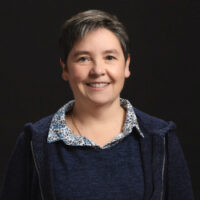
Sophie Lanone is a researcher and team leader of the Genetic-environment Interactions in COPD, Cystic Fibrosis, and Respiratory Pathologies (GEIC2O) team at the Mondor Institute of Biomedical Research (IMRB), affiliated with Université Paris-Est Créteil. Her work focuses on understanding the interplay between genetic and environmental factors in respiratory diseases, particularly COPD, cystic fibrosis, and surfactant-related pathologies. She leads a multidisciplinary team of clinicians and scientists investigating molecular mechanisms, inflammation resolution, and environmental impacts on pulmonary health. Key research themes include the molecular basis of cigarette smoke-induced COPD, genetic and cellular aspects of cystic fibrosis, and the role of specialized pro-resolving mediators in disease. Funding sources include EU programs (e.g., H2020 REMEDIA), ANR, and patient associations like Vaincre la Mucoviscidose. Recent advances include identifying lipid mediator defects in CF patients and demonstrating resolvin E1’s efficacy in correcting ciliary dysfunction. Team members have received awards, such as Khadeeja Adam Sy’s 2024 prize for active participation in CF research. Collaborations span in vitro/ex vivo models, patient cohort studies, and translational approaches toward personalized therapies. The team also explores environmental exposures (e.g., asbestos, nanoparticles) and their long-term respiratory health impacts.
Jakob Körbelin is a Principal Investigator at the University Medical Center Hamburg-Eppendorf (UKE), affiliated with the Faculty of Medicine and the II. Medical Clinic and Polyclinic. His research focuses on vascular biology, gene therapy, and neurological disorders, particularly targeting the blood-brain barrier using adeno-associated viral (AAV) vectors. He leads studies on pulmonary hypertension, neurovascular interactions, and genetic diseases like Niemann-Pick type C2. His work bridges basic science and translational medicine, emphasizing AAV engineering and therapeutic applications. Key research interests include endothelial cell biology, neuroinflammation, and the pathophysiology of vascular diseases. Notably, he received the UCCH Hubertus Wald Young Investigator Award 2013 for his contributions. His lab explores mechanisms of vascular dysfunction, gene delivery optimization, and the impact of viral vectors in treating rare diseases. Collaborations span molecular neurobiology, immunology, and translational oncology. Publications highlight breakthroughs in AAV-mediated therapies, such as reversing neurodegeneration in NPC2 models and identifying novel targets for pulmonary hypertension. Ongoing projects address microvascular brain pathology in SARS-CoV-2 infection and the role of transcription factors in vascular diseases.
Ming Lei is a Professor of Physiology and Pharmacology at the University of Oxford. His research focuses on cardiac electrophysiology, signal transduction, and molecular mechanisms of arrhythmias. He leads the Lei Group , also known as the Cardiac Signalling Group , which explores novel therapeutic targets for cardiovascular diseases. Education: BM, MD, D.Phil Professional Recognition: Fellow of the Royal Society of Biology (FRSB) Recent publications highlight his work on: PAK Kinases as targets for arrhythmias Anti-arrhythmic drug classification and clinical applications Isoform-specific glycosylation of ion channels Optical mapping techniques in preclinical cardiac models Stem cell-derived cardiomyocytes for studying atrial function His research trends emphasize molecular mechanisms of cardiac dysfunction, kinase modulation, and advanced imaging methodologies. The Lei Group collaborates on projects involving genetic models (e.g., RyR2 knock-in mice) and cellular interactions (e.g., myofibroblast-cardiomyocyte crosstalk). Key subfields include signal transduction , lysosomal pathways , ion channel regulation , cardiac hypertrophy , electrophysiological imaging , and stem cell applications .
Charles Brenner is the Alfred E. Mann Family Foundation Chair in Diabetes and Cancer Metabolism and Professor at the Department of Diabetes & Cancer Metabolism, Beckman Research Institute, City of Hope, Duarte, CA. He previously held leadership roles at the University of Iowa, Dartmouth Medical School, and Thomas Jefferson University. His research focuses on disturbances in nicotinamide adenine dinucleotide (NAD) in metabolic stress-related diseases, including diabetes, cancer, postpartum, coronavirus infection, and neurodegenerative conditions. He pioneered the discovery of nicotinamide riboside as a vitamin precursor of NAD and developed quantitative metabolomic technologies to study NAD system dysregulation. Education: Ph.D. in Cancer Biology, Stanford University (1988-1993) B.A. with honors in Biology, Wesleyan University (1979-1983) Key Research Areas: NAD Metabolomics, Systems Biology, Coronavirus Biology, Postpartum & Lactation, Diabesity, Cancer Targeting. His work spans translational applications of NAD precursors to address metabolic dysfunction in diverse pathological contexts. Scientific Awards: Fellow of the American Association for Advancement of Science (2012) ASBMB Award for Exemplary Contributions to Education (2016) Dartmouth Technology Transfer Innovation Award (2018) American Society of Nutrition Mary Swartz Rose Award (2020) Professional Leadership: He has chaired editorial boards (ASBMB Today), served on publications committees (ASBMB), and co-chaired FASEB conferences on NAD metabolism. His lab at City of Hope continues to explore NAD-based interventions for diseases like fatty liver, diabetes, and cancer.
Marta Lipinski is an Associate Professor in the Department of Anesthesiology at the University of Maryland School of Medicine . She is also affiliated with the Shock, Trauma and Anesthesiology Research (STAR) Center , the Center for Stem Cell Biology and Regenerative Medicine , and the Center for Biomolecular Therapeutics . Her research focuses on the role of autophagy and lysosomal function in neurotrauma and neurodegenerative diseases . PhD in Cancer Biology, MIT Postdoctoral training at Harvard Medical School Her research keywords include Autophagy , Lysosomes , Neuroinflammation , Lipid Metabolism , Traumatic Brain Injury , Spinal Cord Injury , and Brain Aging . She investigates how autophagy disruption after CNS injury contributes to neuroinflammation and neuronal death , with recent work exploring the link between TBI and late-onset neurodegeneration as well as autophagy-lipid metabolism interactions . Her collaborative network spans departments and institutions, including Junfang Wu (Anesthesiology), Eugene Koh (Orthopaedics), Maureen Kane (School of Pharmacy), and Michael Cummings (UMD College Park). Active grants include NIH R33 AG076858 and R01 NS115876 , focusing on multi-omics platforms for brain aging and autophagy modulation in TBI.
Christian Wahl-Schott is a Professor at the Ludwig Maximilian University of Munich , leading the Cardiovascular Physiology and Pathophysiology group at the Biomedical Center Munich. His research spans ion channel mechanisms in cardiac, neurological, and metabolic diseases. Focus on HCN channels in cardiac pacemaking and autonomic regulation Endo-lysosomal ion channels in cholesterol homeostasis and viral pathogenesis Neural rhythms and epilepsy mechanisms Developed endo-lysosomal patch clamp and high-speed optical mapping Recent work explores the role of TPC2 and TRPML channels in Ebola virus entry and cardiac arrhythmia . Funded by the DFG and CRC 870 , his lab combines electrophysiology , optogenetics , and human organoid models . Key publications include: 2024: HCN4 channel regulation in sinoatrial node 2023: E-selectin and neutrophil inflammasome activation 2021: Heart-forming organoids for developmental studies 2020: cAMP-dependent pacemaker entrainment 2015: TPC channels as Ebola drug targets The lab maintains collaborations with institutions like the German Research Foundation and DZHK , and has developed Nature Protocols -cited methodologies in FRET microscopy and endo-lysosomal patch clamping .
Mark D. Noble is a pioneering Professor (Part-Time) in the Department of Biomedical Genetics at the University of Rochester School of Medicine , with concurrent appointments in Neurology, Neurobiology and Anatomy. He co-discovered the first CNS precursor cell in 1983 and directs the University of Rochester Stem Cell and Regenerative Medicine Institute . His career spans institutions including Stanford University and University College London. Ph.D., Genetics, Stanford University (1977) B.S., Biology & Philosophy, Franklin & Marshall College (1971) Post-doctoral: MRC Neuroimmunology Project, University College London (1977-1981) Research Focus : Dr. Noble's work bridges stem cell biology , neuroscience , and oncology . His lab discovered the redox/Fyn/c-Cbl pathway , revealing how oxidative states regulate stem cell function and cancer progression. Key contributions include chemobrain mechanisms , lysosomal dysfunction therapies , and pharmacological approaches for nerve injuries. His team developed 4-aminopyridine applications for nerve repair and diagnosis. Collaborative Impact : Working with Drs. Chris Proschel and Margot Mayer-Pröschel, he advanced astrocyte transplantation for spinal cord and Parkinson's injury. His work on cancer stem cells in glioblastoma and basal-like breast cancer identified novel therapeutic targets through Cool-1/β-pix inhibition of c-Cbl. Patents & Mentorship : Dr. Noble holds 15 patents and consults for biotech companies. His lab has mentored graduate students like Ludia Pack , Yunpeng Pang , and Neal Shah , while driving research on metabolic regulation of stem cells and translational medicine .
Dr. Jacqueline Burre serves as an Associate Professor of Neuroscience within the Brain and Mind Research Institute at Weill Cornell Medical College, Cornell University, a role she assumed in 2021. Her research program investigates molecular mechanisms underlying neurodegenerative disorders with emphasis on synucleinopathies including Parkinson's disease and dementia with Lewy bodies, bridging fundamental synaptic biology with translational therapeutic development. Her academic training includes: Ph.D. in Neuroscience from Johann Wolfgang Goethe University, Germany (2006) Diploma in Neuroscience from Johann Wolfgang Goethe University, Germany (2003) Dr. Burre's primary research explores alpha-synuclein's physiological role at the synapse and its pathological transformation in disease. Her laboratory examines how alpha-synuclein interacts with synaptic vesicles, how lipid composition and post-translational modifications (like N-acetylation) regulate these interactions, and how disruptions lead to neurodegeneration. This work extends to STXBP1 encephalopathies and monogenetic epilepsies, employing biochemical, proteomic, and advanced imaging approaches to uncover disease mechanisms. Analysis of her publication trajectory (2020-2025) reveals progressive focus on alpha-synuclein condensation, synaptic vesicle dynamics, and biomarker discovery for synucleinopathies. Her recent work increasingly integrates lipidomics and proteomics to identify early pathological signatures, with emerging emphasis on therapeutic strategies including pharmacological chaperones and gene therapy approaches for Parkinson's disease and multiple system atrophy. Dr. Burre currently leads multiple NIH-funded projects as Principal Investigator: Changes in synaptic vesicle-binding of alpha-synuclein as an early biomarker for synucleinopathies (NINDS R01, 2024-2029) The impact of beta- and gamma-synucleins on alpha-synuclein's synaptic function (NINDS R01, 2022-2026) Synaptic vesicle changes in synucleinopathies (NINDS R21, 2022-2025) A novel gene therapy approach for multiple system atrophy (NINDS subaward, 2023-2025) Within the Brain and Mind Research Institute, her laboratory utilizes cutting-edge techniques including super-resolution microscopy, synaptic vesicle proteomics, and electrophysiology to study synaptic dysfunction. She maintains active collaborations with clinicians and basic scientists across Weill Cornell to accelerate translation of mechanistic insights into therapeutic interventions for neurodegenerative conditions.
Dr. Chang-Chun Ling is a Professor in the Department of Chemistry at the University of Calgary, affiliated with the Arnie Charbonneau Cancer Institute. He holds a PhD from the Université de Paris Sud (1991) and completed postdoctoral research in Dublin, Paris, and Edmonton. His research focuses on bioorganic chemistry, carbohydrate-based vaccines, glycosyltransferase inhibitors, and neuroinflammation modulation. He leads projects at the Alberta Glycomics Centre targeting infectious diseases and cancer. Education: B.S. Chemistry, University of Lanzhou, 1986 PhD Chemistry, Université de Paris Sud, 1991 Research interests include carbohydrate-protein interactions, synthetic carbohydrate chemistry, and glycoconjugate vaccines. His lab explores inhibitors for tumor-associated enzymes, conjugate vaccine design, and ECM-driven neuroinflammation in multiple sclerosis and stroke. Key achievements include developing fluorinated glycans for myelin regeneration and cyclodextrin-based liquid crystal electrolytes. Notable awards include the Alberta/Pfizer Translational Research Fund Award (2013) and Alberta Ingenuity New Faculty Award (2007). Current projects involve multidisciplinary approaches to combat multidrug-resistant infections and autoimmune conditions.
Dr. Reena Kartha is an Associate Professor in the Department of Experimental and Clinical Pharmacology at the University of Minnesota College of Pharmacy, where she also serves as the Associate Director of Translational Pharmacology. Her research focuses on rare diseases, particularly investigating the pathophysiological role of oxidative stress and inflammation in rare disorders occurring due to inherited errors of metabolism. Dr. Kartha directs the Center for Orphan Drug Research and leads multiple translational research projects with pharmaceutical industry partners including Sanofi, Takeda, and Pfizer. Dr. Kartha's educational background includes: Molecular and Cellular Biology from Indian Institute of Science, Bangalore, India Biotechnology from Tamil Nadu Agricultural University, India Agriculture from Kerala Agricultural University, India Dr. Kartha's research program is dedicated to deciphering the pathophysiological role of oxidative stress and inflammation in rare disorders, particularly those caused by inherited metabolic errors. Her laboratory conducts studies to elucidate the mechanism of action of drugs using cellular and animal models, with the long-term goal of developing new therapies or optimizing existing treatments for rare diseases. A significant focus of her work involves the identification of novel protein- or miRNA-based biomarkers for early diagnosis, prognosis, and treatment response using patient-derived samples. Her expertise spans molecular pharmacology, biomarker analysis, and rare inherited metabolic disorders, particularly Gaucher disease and adrenoleukodystrophy. Analysis of Dr. Kartha's recent publications reveals a strong focus on rare diseases, particularly Gaucher disease and related lysosomal storage disorders. Her work consistently explores the role of oxidative stress and inflammation in these conditions, and investigates potential therapeutic interventions such as N-acetylcysteine. There is a clear progression from basic mechanistic studies to clinical applications, with an increasing emphasis on biomarker discovery and validation. Her research demonstrates significant collaboration with clinical teams and pharmaceutical industry partners, reflecting the translational nature of her work. Dr. Kartha has received numerous awards and recognitions for her contributions to research and mentorship: CTSI Outstanding Junior Mentor of the Year (2017) NIH Rare Disease Clinical Research Network (RDCRN) Certificate Training Scholar (2016-17) Lysosomal Disease Network Clinical Fellow (2016-18) Senior Research Fellowship from Council for Scientific and Industrial Research, New Delhi, India M.S. Swaminathan award for best scholar in Biotechnology, Coimbatore, India Merit scholarship from Department of Biotechnology, New Delhi, India Dr. Kartha is actively involved in mentoring students and junior researchers, as evidenced by her CTSI Outstanding Junior Mentor award. She leads multiple significant research projects funded by pharmaceutical companies including Sanofi, Takeda, and Pfizer, with a focus on translational pharmacology for rare diseases. Her current projects include investigating extracellular vesicles as potential biomarkers and therapeutic targets in Gaucher disease, and exploring the use of antioxidant or anti-inflammatory medications to mitigate oxidative stress in Type 1 Gaucher Disease. Dr. Kartha directs research activities at the Center for Orphan Drug Research within the Department of Experimental and Clinical Pharmacology. Her laboratory collaborates with multiple research teams across the University of Minnesota and with external partners in the pharmaceutical industry. Her work frequently involves interdisciplinary teams including pharmacologists, biochemists, clinicians specializing in rare diseases, and bioinformaticians for biomarker analysis.
Dr Andrew Grierson is a Senior Lecturer in Neuroscience at the School of Medicine and Population Health, University of Sheffield, based at the Sheffield Institute for Translational Neuroscience (SITraN). His research focuses on molecular mechanisms of neurodegenerative diseases with translational applications. His educational background includes: PhD in Molecular Genetics from the University of Sheffield (1991-1994) BSc in Genetics from the University of Sheffield (1988-1991) Dr Grierson's work centers on axonal transport regulation in motor neurone disease (MND) and hereditary spastic paraplegia (HSP) , utilizing zebrafish and mouse models to investigate disease mechanisms and therapeutic interventions. Current projects include HDAC6 inhibition studies for CMT2A and HSP, C9ORF72 protein function analysis in ALS, and spastin gene replacement therapy development. His laboratory emphasizes preclinical translation with strong industry and charity partnerships. Analysis of his 15 most recent publications (2013-2022) reveals consistent focus on ALS/MND pathophysiology, with increasing emphasis on C9ORF72-related mechanisms , mitochondrial dysfunction , and therapeutic target validation . The work bridges basic molecular neuroscience and clinical applications, predominantly using in vivo models and translational biomarkers . Dr Grierson supervises multiple PhD students and collaborates with Pamela Shaw and Bob Johnston at Sheffield. His research group includes technicians Katie Adamson and Gary Shaw, operating within SITraN's specialized facilities for neurodegenerative disease research.
Youngseob Jung is a Research Fellow at the Department of Neuroscience within the Yale School of Medicine . His research focuses on neuroimmunology and neurodegenerative diseases , particularly the role of microglia in regulating brain protein levels via lysosomal pathways. This work intersects with broader themes in cell biology , protein homeostasis , and central nervous system (CNS) regulation . His 2021 publication in JCI Insight highlights mechanisms linking microglial function to Progranulin metabolism, with implications for lysosomal dysfunction in neurological disorders. This research contributes to understanding neurodegenerative disease pathology and potential therapeutic targets. While no scientific awards or student advisement details are publicly listed, his collaboration with Janghoo Lim and Leon Tejwani underscores his integration into interdisciplinary neuroscience teams at Yale.
Peter McPherson, PhD, is a Professor in the Department of Neurology and Neurosurgery at McGill University 's Faculty of Medicine and Health Sciences . He is based at the Montreal Neurological Institute (MNI), where his laboratory is part of the MNI’s Neurodegenerative Disease Research Group. University: McGill University School: Faculty of Medicine and Health Sciences Department: Department of Neurology and Neurosurgery Lab Affiliation: Brain Tumour Research Centre, Montreal Neurological Institute Research Focus : Dr. McPherson’s lab investigates molecular mechanisms regulating endosomal membrane trafficking and its role in neurological disorders. Key areas include: Clathrin-coated pit/vesicle dynamics in neurons Links between trafficking defects and neurodevelopmental/neurodegenerative diseases (e.g., Parkinson’s, ALS, ARSACS, glioblastoma) Antibody validation via YCharOS initiative with industry partners Structural and functional characterization of trafficking proteins Recent Trends : Publications emphasize antibody validation protocols (2024-2025), α-synuclein pathology in Parkinson’s, and DENND5A/RAB35 mutations in epileptic encephalopathy. Collaborative work spans lysosomal positioning , autophagy regulation , and C9orf72/SMCR8 complexes in inflammation. Labs & Teams : The lab operates at the Montreal Neurological Institute in the Brain Tumour Research Centre , collaborating with 14 antibody manufacturers and knockout cell line providers through YCharOS. The team uses biochemical, molecular, structural, and cellular approaches to study endo/lysosomal pathways.
Frank Longo is a Professor in the Department of Neurology and Neurological Sciences at Stanford University School of Medicine. He actively teaches across the neuroscience curriculum including Medical Scholars Research (NENS 370), Directed Reading courses (NEPR 299/NENS 299), Graduate Research (NENS 399/NEPR 399), and Early Clinical Experience (NENS 280), demonstrating his commitment to training the next generation of neuroscientists and clinicians. His research program centers on neurodegenerative diseases with particular emphasis on Alzheimer's, Huntington's, and Parkinson's diseases. Longo investigates the therapeutic potential of neurotrophin receptor modulation (especially p75NTR and TrkB) using small-molecule ligands like LM11A-31, exploring mechanisms spanning protein aggregation, synaptic dysfunction, neuroinflammation, and metabolic dysregulation. His work bridges molecular neuroscience with translational applications, utilizing advanced techniques including transcriptomics, neuroimaging, and biomarker analysis in cellular and animal models. Analysis of his 2024-2025 publications reveals consistent focus on targeting neurotrophin pathways to reverse disease phenotypes. Key themes include: 1) Development of small-molecule modulators for p75NTR/TrkB to rescue synaptic and cognitive deficits; 2) Biomarker discovery for early detection (e.g., plasma Aβ42/Aβ40 ratios); 3) Mechanistic studies on autophagy, white matter changes, and metabolic dysfunction; and 4) Leadership in collaborative initiatives like the TREAT-AD Center for target validation. His research demonstrates both breadth across neurodegenerative disorders and depth in neurotrophin signaling mechanisms. Through undergraduate and graduate research courses, Longo mentors students in neuroscience research despite no specific advisees being listed. His extensive publication record and involvement in multi-institutional consortia (including EU-US task forces) indicate significant research funding and national leadership in neurodegenerative disease research, though specific grant details aren't provided in the source material.
Paul S. Fishman, M.D., Ph.D., is a Clinical Professor of Neurology and Adjunct Professor of Pharmacology at the University of Maryland School of Medicine. He is a dually trained neurologist and neuroscientist specializing in translating novel therapies for neurodegenerative disorders. His leadership includes founding the University of Maryland's Alzheimer’s clinical program, co-founding its Deep Brain Stimulation (DBS) initiative, and establishing the botulinum toxin treatment program for movement disorders. He previously served as Chief of Neurology at the VA Maryland Health Care System. Education & Training B.A. from Johns Hopkins University (1971) Ph.D. in Biology from Yale University (1975) M.D. from Johns Hopkins University School of Medicine (1978) Neurology Residency at Columbia-Presbyterian Medical Center Fellowship in Neurology/Anatomy at Columbia University Research Focus Dr. Fishman’s work spans: Neurodegenerative Therapies : Pioneering DBS and focused ultrasound (FUS) for Parkinson’s and essential tremor, including FDA-approved FUS thalamotomy. Drug Delivery Systems : Engineering tetanus toxin peptides for neuronal targeting and magnetic nanoparticle-enhanced stem cell delivery. Disease Mechanisms : Investigating mitochondrial dysfunction in Alzheimer’s models and botulinum toxin reversal strategies. Awards & Leadership Best Doctors in America (Honor) Past Chair: University IRB, School Promotions Committee, VA Parkinson’s Research Group Founding Member: Stem Cell Consortium, FUS Center of Excellence Active Grant Reviewer: NIH, VA, FDA, FUS Foundation