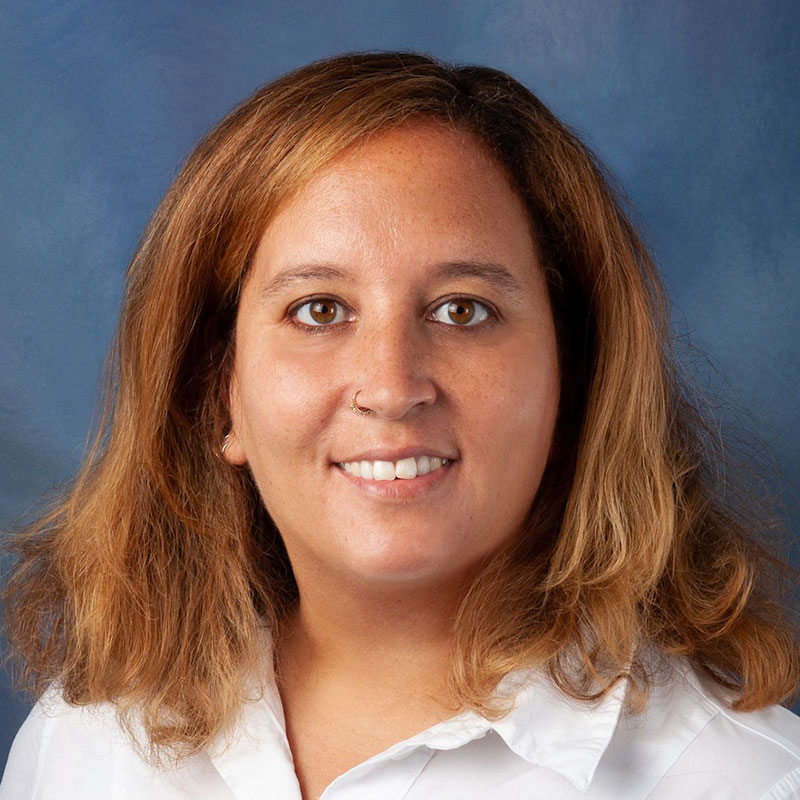
George Miller Jr. is a Professor at Yale School of Medicine , holding primary and secondary appointments in Pediatric Infectious Diseases , Epidemiology of Microbial Diseases , and Molecular Biophysics and Biochemistry . His research focuses on the mechanisms of latency and lytic replication in Epstein-Barr Virus (EBV) and Kaposi’s Sarcoma-Associated Herpesvirus (KSHV) , particularly the role of viral and cellular transcription factors in gene regulation and DNA replication. Dr. Miller investigates how methylated DNA-binding proteins control viral gene expression, cellular gene inhibition during lytic infection, and the development of anti-viral agents that block EBV reactivation. His work spans virology, molecular biology, and infectious disease medicine, with applications in pediatric care and oncology. His recent publications highlight studies on EBV lytic cycle inhibitors, KSHV ORF50/Rta protein function, and HIV-1 isolate diversity in macrophages. Collaborations include researchers at Yale Cancer Center and Yale School of Public Health.
Dr. Faith Kwa is a Senior Lecturer and Course Director for the seven Bachelor of Health Science degrees at Swinburne University of Technology's School of Health Sciences. Her teaching interests include Research Methods, Pathology, and Molecular Biology. She leads the Drug Discovery for Chronic Diseases Laboratory and has been recognized as one of Australia's leading educators, receiving the 2024 citation for Outstanding Contributions to Student Learning by the Australian Awards for University Teaching. Her educational background includes: Doctor of Philosophy from The University of Melbourne, Australia Graduate Certificate in Tertiary Teaching and Learning from RMIT University, Australia Bachelor of Biomedical Science from The University of Melbourne, Australia Bachelor of Science (Honours - First Class) from The University of Melbourne, Australia Fellow of the Higher Education Academy, United Kingdom (2020-present) Dr. Kwa is a molecular biologist whose research focuses on drug discovery for chronic diseases, particularly in the areas of epigenetic medicine, molecular mechanisms of action, and chronic disease prevention and management. Her laboratory has made significant contributions to understanding treatment strategies for leukemia, posterior eye diseases, and Friedreich's ataxia using natural compounds with epigenetic properties. She has made novel observations regarding low doses of epigenetic modifiers in combination therapies that potentiate cytotoxicity in leukemia cells resistant to conventional chemotherapeutic drugs. Her work with sulforaphane (a broccoli-derived compound) has shown therapeutic benefits across multiple disease models, particularly for neurodegenerative and ocular conditions. Analysis of her recent publications reveals a strong focus on neurodegenerative disorders (particularly Friedreich's ataxia), ophthalmic diseases, and molecular approaches to disease treatment. Her work consistently bridges basic science with clinical applications, often examining epigenetic mechanisms and oxidative stress pathways. A recurring theme across her research is the therapeutic potential of natural compounds like sulforaphane, which appears in multiple disease contexts from mitochondrial myopathies to posterior eye diseases. Her scientific recognition includes: 2024 citation for Outstanding Contributions to Student Learning by the Australian Awards for University Teaching 2023 Vice-chancellor's Award for Teaching Excellence (Higher Education - Individual) 2023 School of Health Science Teaching Excellence Award Fellow of the Higher Education Academy in the UK 18 other teaching accolades throughout her academic career Dr. Kwa supervises PhD and Master's students in areas related to molecular mechanisms of disease and therapeutic interventions. She has coordinated and taught eleven different subjects with student numbers ranging from 20 to over 300. As a Chief Investigator, she has secured various learning and teaching grants from Australian universities. Currently, she holds funding for 'Pre-clinical investigations on sulforaphane to advance the cure for Friedreich's ataxia' from the University of Melbourne (2022-2025). She is passionate about developing pedagogical methods to enhance teaching and learning environments and has received positive student feedback throughout her career. Dr. Kwa leads the Drug Discovery for Chronic Diseases Laboratory, where her team investigates potential treatments for various chronic disorders. She also serves as the Swinburne Women Academic Network Leader in the Career Development Team, where she develops programs supporting women academics in progressing their careers. Her laboratory work utilizes pre-clinical disease models to evaluate therapeutic approaches, with a particular emphasis on targeted therapies with superior efficacy for treating human diseases.
Varsha Gandhi, Ph.D., is a Professor in the Department of Experimental Therapeutics and the Department of Leukemia, both within the Division of Cancer Medicine at The University of Texas MD Anderson Cancer Center, Houston, TX. She also holds an affiliation with the Department of Translational Molecular Pathology in the Division of Pathology-Lab Medicine and serves as faculty at The University of Texas Graduate School of Biomedical Sciences. Her leadership roles include Co-Leader of the CLL Moon Shot initiative and Co-Chair of the MDA Protect Committee, alongside serving as Faculty Liaison for Postdoctoral Affairs. Her research focuses on translational and experimental therapeutics in hematologic malignancies, particularly chronic lymphocytic leukemia. Her work bridges molecular pathology with clinical applications to develop targeted therapies and improve patient outcomes. She is deeply involved in cancer research, precision medicine, and biomarker discovery, contributing to both basic and clinical research domains. Dr. Gandhi is actively engaged in postdoctoral training and academic mentorship, reflecting her commitment to education and scientific development. She contributes to major institutional initiatives aimed at protecting research integrity and advancing cancer care through innovation. She has received honors and awards and is supported by competitive grants, though specific details are not listed in the available text. Dr. Gandhi leads and participates in collaborative research teams and programs, including specialized research initiatives such as the CLL Moon Shot, aiming to accelerate therapeutic breakthroughs in leukemia. Her work is integral to MD Anderson’s mission of eliminating cancer through science and clinical innovation.
Dr. Michail Sitkovsky is the Director of the New England Inflammation and Tissue Protection Institute (NEITPI) and holds the Eleanor W. Black Chair of Immunophysiology and Pharmaceutical Biotechnology at Northeastern University's Bouvé College of Health Sciences. He also serves as a Presidential Scholar at Dana-Farber Cancer Institute (DFCI) and leads collaborative research efforts between NEITPI and DFCI's Cancer Vaccine Center. Research Focus: Dr. Sitkovsky investigates the hypoxia-adenosinergic immunosuppressive mechanisms in tumor microenvironments. His work identifies physiological barriers to anti-tumor T cell activity and proposes novel strategies using FDA-approved adenosine receptor antagonists (including caffeine) for cancer prevention and immunotherapy. This research bridges immunology, pharmacology, and cancer biology. Scientific Impact: His groundbreaking publications on adenosine receptors as tissue protectors have been highlighted in top journals and NIH press releases. Current efforts focus on clinical translation through trials combining anti-hypoxia-adenosinergic drugs with cancer vaccines or adoptive T cell therapies. Honors & Recognition: NIH Press Release coverage for inflammation research (2005) Science magazine News Focus feature (2005) Nature Reviews Drug Discovery commentary (2002) NIH Commentary recognition (2001) Nature Reviews Drug Discovery opinion piece (2006) Collaborative Networks: Dr. Sitkovsky leads translational research initiatives through the NEITPI-DFCI Consortium, working closely with clinicians and scientists to implement physiological immunomodulation strategies in cancer treatment.
Yi-Ling Chen, DPhil, is a Career Development Fellow at the Nuffield Department of Medicine, University of Oxford, where she leads the Chen Group dedicated to lipid-mediated T cell immunity research. Research Focus: Her work centers on Immunology and T cell Biology, specifically investigating lipid-reactive T cells in immune regulation, tissue homeostasis, and microbial defense. She employs high-dimensional proteotranscriptomics, T cell clonality analysis, and human immune organoid approaches to uncover molecular mechanisms for inflammatory and infectious disease interventions. Key interests include: Lipid antigen presentation via CD1 molecules T cell responses in psoriasis and skin inflammation Host-pathogen interactions with Group A Streptococcus and Staphylococcus aureus Translational applications for immune-mediated conditions Publication Trends: Analysis of her 15 most recent publications (2020-2024) reveals consistent focus on CD1-mediated lipid antigen presentation across infectious diseases (dengue, COVID-19, bacterial infections) and inflammatory conditions (psoriasis). Her work bridges molecular immunology with clinical applications, featuring in journals like Nature Immunology , Cell , and Science Immunology , with emphasis on therapeutic target discovery. Laboratory: The Chen Group operates within Oxford's Nuffield Department of Medicine, utilizing advanced immunological techniques to study T cell immunity in human disease contexts.
Dr. Vini Fernandes Cruzat is a Lecturer in Human Anatomy and Physiology at Southern Cross University’s Faculty of Health. He holds a PhD in Biomedical Science/Nutritional Biochemistry from the University of São Paulo and is a registered Nutritionist in Australia. His roles include Chair of the Queensland group of the Nutrition Society of Australia and Adjunct Senior Researcher at Griffith University. Academic Background: Bachelor in Exercise and Sport Science (Lutheran University of Brazil) Graduate Certificate in Learning and Teaching (Torrens University Australia) Master of Science in Nutritional Biochemistry (University of São Paulo) Dr. Cruzat’s research focuses on the metabolic, antioxidant, and anti-inflammatory effects of nutrient supplementation, particularly amino acids like glutamine, arginine, and leucine, as well as vitamin D and bioactive compounds from spent coffee grounds. He investigates cellular mechanisms in diabetes associated with obesity, emphasizing oxidative stress, insulin resistance, and heat shock protein pathways. His recent work explores the therapeutic potential of coffee byproducts and vitamin D in metabolic disorders. His publications over the past five years highlight a consistent focus on amino acid metabolism, oxidative stress in diabetes, and the intersection of nutrition/exercise with inflammation. Key trends include molecular studies of beta-cell dysfunction, clinical trials on supplementation, and applications of coffee compounds in functional food development. Dr. Cruzat has supervised 3 PhD, 6 MSc, and 5 Honours students across Australian and international institutions. He teaches human anatomy, physiology, and metabolic biochemistry and contributes to research networks in diabetes and exercise physiology.
Jason Jalil serves as an HS Assistant Clinical Professor in the Department of Psychiatry and Biobehavioral Sciences at the David Geffen School of Medicine, University of California, Los Angeles. His academic career demonstrates a significant research evolution spanning oncology immunology and geriatric psychiatry. His primary research domains include: Geriatric psychiatry and dementia care Brain health in aging populations Cancer immunotherapy (particularly melanoma) CTLA4 blockade mechanisms Digital technology's neurological impacts Polypharmacy management in elderly patients Dr. Jalil's publication history reveals a strategic research transition from 2008-2013 cancer immunology work with the Ribas laboratory to 2019-2022 geriatric psychiatry research. This shift reflects both personal academic development and broader trends in medical research priorities. His early work focused on tumor immunology mechanisms, while recent publications address practical clinical challenges in dementia care and cognitive health maintenance. He maintains active collaborations across UCLA departments, particularly with: Dr. Antoni Ribas (Jonsson Comprehensive Cancer Center) Dr. Susan Bookheimer (neuroimaging expert) Dr. Pauline Wu (geriatric psychiatry) Dr. Stephen Chen (aging research) His research has generated significant academic impact, with publications referenced in patents, clinical guidelines, news media, and social platforms. The 2020 paper on digital technology's brain health consequences has been particularly influential, accumulating 62 PubMed Central citations and substantial social media attention.
Dr. Arnold I. Chin is a Professor of Urology and Medical Director of Urology-Westwood at the David Geffen School of Medicine at UCLA. He completed both his MD and PhD at UCLA and completed his urology residency training there as well. His clinical expertise spans urologic oncology and renal transplantation, with specialization in open, laparoscopic, and robotic-assisted surgeries for bladder, kidney, and prostate cancer patients. Dr. Chin's educational background includes: MD, UCLA School of Medicine, 2003 PhD, UCLA, 2002 Internship in Surgery, UCLA School of Medicine, 2004 Residency in Urology, UCLA School of Medicine, 2009 Dr. Chin's research focuses on understanding cancer differentiation and its interplay with the tumor microenvironment. His laboratory investigates molecular mechanisms in programming tumor-infiltrating lymphocytes and mechanisms controlling development and differentiation of cancer stem cells. His work aims to develop novel therapeutic targets, immune-based platforms, and stem cell-directed therapies against cancer. He is affiliated with the Broad Stem Cell Research Center, Tumor Immunology Program Area, and Genitourinary Oncology Program Area of the Jonsson Comprehensive Cancer Center. His recent research has centered on bladder cancer, prostate cancer, renal cell carcinoma, and neuroendocrine carcinomas, with emphasis on tumor microenvironment, immunotherapy approaches, and molecular targets for cancer treatment. Dr. Chin has received several prestigious awards: Super Doctors® Southern California, 2022-2025 Super Doctors® Southern California Rising Stars 2018 STOP Cancer Research Career Development Award 2010 American Association of Cancer Research Career Development Award for Translational Cancer Research 2010 Dr. Chin is actively involved in mentoring students and research fellows in his laboratory, guiding them in cutting-edge cancer research. His work has been supported by various grants from organizations including STOP Cancer and the American Association of Cancer Research. He is also involved in clinical trials related to urologic cancers. Dr. Chin leads a translational research laboratory focused on tumor microenvironment in prostate and bladder cancer, using a combination of animal models, human reconstitution systems, and primary tumor and hematopoietic cells. His team is investigating molecular mechanisms in programming tumor-infiltrating lymphocytes and the development and differentiation of cancer stem cells.
Professor Denise Jackson is a faculty member in the Department of Health and Biomedical Sciences at RMIT University, Bundoora West campus. She serves as the Head of the Thrombosis and Vascular Biology laboratory and holds an honorary fellowship from the National Health and Medical Research Council (NHMRC). Her research focuses on thrombosis mechanisms, platelet biology, and immunoreceptor roles in infection and immunity. She coordinates courses such as MEDS1142 Medical Informatics, BUSM3220 Medical Laboratory Quality Systems, and ONPS2153 Medical Informatics and Laboratory Management. Research Interests: Professor Jackson’s work spans thrombosis, platelet function, mouse models of thrombus formation, and the molecular mechanisms of immunoreceptors in pathogens. Her team investigates tetraspanins’ role in blood clot regulation and signaling pathways in platelets. Key projects include studying tyrosine kinase inhibitors’ effects on haemostasis and exploring immunoreceptor crystal structures for drug design. Professional Involvement: She reviews grants for NHMRC, National Heart Foundation, and international bodies like the Wellcome Trust and NSF. She also serves as a reviewer for journals including Nature and Blood . Student Supervision: Principal supervisor of 12 Honours, 3 Masters, and 4 PhD students. Labs/Teams: Leads the Thrombosis and Vascular Biology lab, collaborating on drug development and thrombosis prevention strategies.
Professor J. Debus is a distinguished academic in Radiation Oncology at Heidelberg University's Medical Faculty, with extensive research focused on particle therapy, medical physics, and cancer treatment optimization. His work spans clinical trials, radiobiology, and technical innovations in radiation delivery systems. Primary Affiliation: German Cancer Research Center (DKFZ), Heidelberg Research Focus: Particle therapy, radiation oncology, medical physics Key Collaborations: Mein S., Liew H., Tessonnier T., and other leading researchers in radiation oncology Professor Debus' research interests center on advancing particle therapy techniques including proton, carbon ion, and emerging modalities like helium and oxygen ion therapy. His work addresses critical challenges in radiation oncology such as normal tissue sparing, hypoxia-induced radioresistance, and precision treatment delivery. He has made significant contributions to understanding the biological effects of different radiation types and optimizing treatment protocols for various cancer types including head and neck cancers, brain metastases, and prostate cancer. His recent publications demonstrate leadership in clinical trials (GUARD, ESTRON, PROBASE) and technical innovations in radiation delivery systems, particularly in the emerging field of FLASH radiotherapy and ultra-high dose rate treatments. Professor Debus has published extensively on treatment planning optimization, radiation-induced biological effects, and imaging techniques for precise radiation delivery. Leading clinical trials in particle therapy Developing novel techniques for normal tissue protection Advancing understanding of radiation biology across different modalities Professor Debus has secured significant research funding for his work in radiation oncology and particle therapy. His research has contributed to clinical implementation of advanced treatment techniques at the Heidelberg Ion-Beam Therapy Center (HIT), one of the world's leading facilities for particle therapy. He supervises numerous doctoral students and postdoctoral researchers in the radiation oncology field. His laboratory and research team focus on translational research bridging basic radiobiology with clinical applications, with particular emphasis on optimizing treatment protocols for challenging tumor types and improving patient outcomes through precision radiation therapy.
Christopher A. J. Roman serves as Associate Professor and Chairman of Cell Biology at SUNY Downstate Health Sciences University's College of Medicine, with a dual appointment as Associate Professor of Medicine. His career spans over three decades with continuous contributions to immunology and lymphocyte biology. His academic credentials include: B.A. in Biochemistry from Harvard University (1984) Ph.D. in Biological Chemistry from UCLA (1991) Post-Doctoral Fellowships at The Rockefeller University (1992-1994) and MIT (1994-1998) Roman's research centers on B lymphocyte biology with critical focus on immunological tolerance mechanisms preventing autoimmune diseases like systemic lupus erythematosus (SLE). His laboratory investigates transcriptional regulation through Mitf family factors (Mitf, TFE3, TFEB) in lymphocyte function and lipid metabolism pathways involving SMS2 in germinal center tolerance. Employing transgenic mouse models, primary cell cultures, flow cytometry, and immunohistochemistry, his work bridges molecular mechanisms with clinical applications in autoimmunity. Collaborations with Rheumatology and Allergy/Immunology divisions enable direct clinical translation of findings. Analysis of his publication history reveals consistent progression from foundational B cell development studies to current mechanistic investigations of tolerance pathways, with increasing emphasis on transcriptional networks and metabolic regulation in autoimmune pathogenesis. His distinguished recognition includes: LGBTQ+ Advocacy Award (2024) Outstanding Educator in Foundations of Medicine (2018) Excellence in Mentoring Award (2018) SUNY Chancellor's Award for Faculty Service (2008) Lupus Research Institute Novel Project Award (2006) Henry Kunkel Society membership (since 2010) Roman maintains active mentorship of graduate students including MD/PhD candidates Milena Rodriquez (2023), Nanda Lahiri (2020), and Abhimanyu Amarnani (2020). His research program receives sustained funding from NIH institutes (NIAID, NIAMS, ORWH), Lupus Research Alliance, and Lupus Foundation of America. Current collaborative projects with Dr. Chongmin Huan explore SMS2 pathways for lupus therapeutics. He directs a specialized laboratory investigating B cell tolerance mechanisms while leading institutional initiatives including Pathways HEAL (Health Equity Advocacy Leadership) and LGBTQIA+ Health programs.
John S. Kaddis, Ph.D. is an Associate Professor in the Department of Diabetes & Cancer Discovery Science within the Arthur Riggs Diabetes & Metabolism Research Institute at City of Hope. With over 15 years of experience at City of Hope, Dr. Kaddis has developed scientific resources for team-based research initiatives focused on type 1 diabetes, creating data systems, analysis tools, and websites used by researchers worldwide. Dr. Kaddis earned his B.S. (Honors) in Biochemistry from California State University Los Angeles, where he completed undergraduate research supported by two National Science Foundation fellowships. He later earned his Ph.D. in Systems Biology and Disease from the University of Southern California. His academic journey includes positions as Assistant Professor since 2015 and Associate Professor since 2022 at City of Hope. Dr. Kaddis's research primarily focuses on the complex mechanisms of type 1 diabetes through systems biology and bioinformatics approaches. His work centers on understanding islet cell biology, beta cell dysfunction, and the immunological aspects of type 1 diabetes. His research has evolved from developing collaborative data resources to conducting cutting-edge investigations into genetic factors in diabetes pathogenesis. He has pioneered the creation of bioinformatics platforms that enable global collaboration in diabetes research. The trends in Dr. Kaddis's publications reveal a progression from foundational work on biobanking and data management toward increasingly sophisticated investigations of genetic and immunological mechanisms in type 1 diabetes. His recent work emphasizes translational applications, including potential therapeutic strategies and predictive models that span diverse ancestral backgrounds. His research bridges basic science with clinical applications through the Human Islet Research Network. Member, American Association for the Advancement of Science (2011-Present) Professional Member, American Diabetes Association (2010-Present) Member, Society of Clinical Research Associates (2003-2012) Lifetime Member, Tri-Beta Honor Society (2000-Present) Dr. Kaddis serves as principal investigator and co-investigator on multiple NIH and JDRF-funded projects, including the Human Islet Research Network Bioinformatics Center and the JDRF nPOD DataShare initiative. His work has established critical infrastructure for collaborative diabetes research, enabling researchers worldwide to access and analyze complex datasets. His laboratory has developed specialized data management systems that facilitate the sharing of islet cell research data across international boundaries while maintaining appropriate security and privacy protections. Dr. Kaddis's athletic pursuits in marathons and triathlons mirror his research approach—requiring stamina and perseverance to achieve long-term goals in diabetes research.
Professor Francis Cucinotta is a faculty member at the University of Nevada, Las Vegas, within the Department of Health Physics and Diagnostic Sciences. He teaches radiation biology, dosimetry, and radiation science at both undergraduate and graduate levels. Education: B.S. in Physics (Rutgers University), Ph.D. in Nuclear Physics (Old Dominion University) His research focuses on biophysics models of radiation effects on Earth (e.g., cancer treatment) and in space (e.g., astronaut risk assessment). Key areas include radiation carcinogenesis, neurodegeneration, cataracts, DNA repair, and radiation transport. He has developed theoretical frameworks for nuclear fragmentation, microdosimetry, and systems biology of cell signaling. Recent publications analyze clustered DNA damage, lunar radiation environments, heavy ion therapy, and radiation risk compensation policies. These works span disciplines like biophysics, medical physics, neuroscience, and space systems engineering. Radiation Research Society President (2013-2014) National Council on Radiation Protection and Measurements Council Member Editorial Board Member: Life Sciences in Space Research Guest Editor: Radiation Research, Frontiers in Radiation Oncology Cucinotta has received continuous funding from the National Cancer Institute (2016-2021), with past support from the Department of Energy and NASA. He has authored over 350 peer-reviewed articles and book chapters.
Iva Filipovic serves as a Research Specialist in the Department of Laboratory Medicine, Division of Clinical Microbiology at Karolinska Institutet since 2025, following her Postdoctoral Research Fellowship (2019-2025) at the Department of Medicine Huddinge, Center for Infectious Medicine. She contributes to The Systems Virology Lab under Ujjwal Neogi, focusing on translational immunology in medical contexts. Her educational background includes: PhD in Physiology, Development and Neuroscience (Reproductive Immunology), University of Cambridge (2019) MSc in Immunology, Imperial College London (2015) BSc in Molecular Biology with Physiology, University of Belgrade (2014) Her research integrates tissue-resident immunology with systems approaches, examining innate lymphocytes in reproductive health, infectious diseases, and cancer. She employs advanced methodologies including RNA-Seq, single-cell analysis, and 29-color flow cytometry to investigate immune mechanisms in endometrial tissue, liver fibrosis, and viral pathogenesis. Current work emphasizes translational applications in sepsis, cholangiocarcinoma, and SARS-CoV-2 immunity. Analysis of her 15 most recent publications (2018-2025) reveals dominant themes in mucosal immunology, with significant contributions to understanding MAIT cells in sepsis, NK cell dynamics in reproduction, and immune biomarkers in cancer. Her work consistently bridges basic immunology with clinical applications through multi-omics approaches and large-scale collaborative studies like the Karolinska KI/K COVID-19 immune atlas. She actively participates in The Systems Virology Lab, contributing to Karolinska's infectious disease research infrastructure. Her technical expertise in high-dimensional immune profiling supports collaborative projects across virology, hepatology, and oncology research groups at Karolinska Institutet.
Veronica Berrocal is a Professor in the Department of Statistics at the University of California, Irvine (UCI), affiliated with the Donald Bren School of Information & Computer Sciences. Her research focuses on developing statistical models to analyze spatial and temporal data, particularly in environmental health, geophysical processes, and public health outcomes. She collaborates with institutions like Drexel University and the University of Michigan to study the interplay between environmental factors (e.g., built environments, air quality) and health disparities. Her work also addresses calibration of geophysical models and leveraging social media for health behavior analysis. Key research areas include spatial dependence modeling, post-processing outputs from climate/air quality models, and identifying how neighborhood characteristics influence health behaviors (e.g., obesity risk in school children). She develops statistical approaches to reconcile discrepancies between observational data and model outputs, particularly in environmental and health contexts. Her methodological contributions span Bayesian statistics, spatial-temporal data fusion, and multiresolution analysis. Her research often integrates interdisciplinary collaborations, such as combining UAV mapping for disease surveillance (e.g., dengue outbreaks) and using Yelp reviews to assess food environments. She has also contributed to public health initiatives like developing web-based platforms (e.g., MyGoutCare) to improve patient education and outcomes for chronic conditions. While no specific awards are listed, her extensive publications reflect her impact in environmental statistics and health analytics. She advises no listed students but collaborates widely with researchers across disciplines. Her office is located in DBH 2026, and she can be reached at vberroca@uci.edu.