Wei-Jen Tang is a Professor at the University of Chicago, affiliated with the Ben May Department of Cancer Research. His work integrates structural biology and biochemistry to study protein interactions critical to human health, particularly in Alzheimer's disease, diabetes, and bacterial pathogenesis. Education: B.S. in Zoology, National Taiwan University; Ph.D. in Biological Sciences, University of Texas, Austin; Postdoctoral training in Virology and Pharmacology at University of Texas Southwestern. His research focuses on: Amyloid Peptide-Degrading Proteases: IDE and PreP for Alzheimer's and diabetes. Chemokines: CCL5 and CCL3 in inflammation and HIV. Bacterial Toxins: Edema factor in anthrax and bio-defense. Recent publications highlight structural insights into IDE, PreP, and anthrax toxins, with keywords spanning Structural Biology , Biochemistry , and Therapeutics . Funding includes NIH and American Heart Association grants. Awards include AHA Established Investigator and Cancer Research Foundation Young Investigator. Lab updates note new members and a 2025 publication on PreP.
Montserrat Anguera, Ph.D. is an Associate Professor in the Department of Biomedical Sciences at the University of Pennsylvania's School of Veterinary Medicine. Her research focuses on epigenetic mechanisms of gene regulation underlying sex differences in development and disease, with particular emphasis on X-chromosome inactivation (XCI) and its implications for female-biased autoimmune disorders. Dr. Anguera investigates how gene expression from the X-chromosome is regulated to ensure dosage compensation between males and females, and how these mechanisms become altered in diseases exhibiting sex-bias. Her laboratory has established novel epigenetic pathways involving the X-chromosome that impact human development, immune responses, and lymphocyte function. She employs advanced techniques including RNA/DNA fluorescence in situ hybridization, immunofluorescence, and allele-specific RNA sequencing to achieve single-cell resolution of epigenetic characteristics of the inactive X chromosome. Her research reveals a consistent focus on the intersection of X-chromosome biology and immunology, particularly regarding sex-biased autoimmune diseases like systemic lupus erythematosus. Key findings include the discovery that lymphocytes maintain X-chromosome inactivation differently than other somatic cells, with the inactive X exhibiting euchromatic features in female lymphocytes that may underlie female bias in autoimmune disorders. She coined the term 'dynamic XCI maintenance' to describe how T and B cells relocalize Xist RNA and heterochromatic marks to the inactive X chromosome following antigen-mediated stimulation. Dr. Anguera's laboratory includes postdocs Katherine Forsyth and Nikhil Jiwrajka, research specialist Zowie Searcy, graduate students Isabel Sierra and Natalie Toothacre, postdoctoral researcher Nuriban Valero-Pacheco, and PhD student Emma Welter. Together, they investigate epigenetic regulation of X-linked genes in development and disease contexts. She is an active member of multiple prestigious research institutes at Penn, including the Epigenetics Institute, Institute for Immunology, Center for Research on Reproduction & Women's Health, and Institute for Regenerative Medicine. Her work bridges epigenetics, immunology, and developmental biology, providing novel insights into mechanisms underlying female-biased autoimmune disorders.
Prof. Ilse Dewachter is the head of the Biomed Neuroscience research group at Hasselt University (UHasselt), specializing in Alzheimer’s therapy and prevention for over 25 years. Her work focuses on multi-targeted therapies targeting tau, inflammation, and ApoE, alongside pioneering research into disease prevention via blood-based biomarkers. Recent studies explore a protective APOE3ch mutation that halted Alzheimer’s progression in a patient, offering hope for new treatments. Research Interests: - Alzheimer’s disease mechanisms (Abeta, tau, inflammation) - Multi-target therapies and biomarker development - Neurodegenerative disease prevention strategies - Genetic mutations impacting disease progression Articles Overview: Her most recent work (2025-2022) addresses neuroinflammation, tau propagation models, and AI-driven neuroimaging. Key themes include APOE genetics, blood-brain barrier dynamics, and exercise impacts on cognition. Funding & Grants: Current projects require significant investment for advanced biomarker equipment and clinical trials. A notable €300,000 grant funded research on brain lipid metabolism’s role in Alzheimer’s. Labs & Teams: Leads the BIOMED Neuroscience group at UHasselt, collaborating internationally on preclinical models and drug development.
Kurt Schalper, MD, PhD is an Associate Professor of Pathology at Yale School of Medicine and Director of the Translational Immuno-Oncology Laboratory (T.I.L.) at Yale Cancer Center. His primary appointment is in the Department of Pathology with secondary appointments in Medical Oncology and Hematology. Dr. Schalper maintains affiliations with multiple cancer research entities including the Cancer Immunology Program, Yale Center for Immuno-Oncology, and the Yale Combined Program in the Biological and Biomedical Sciences (BBS). Dr. Schalper trained as a cell biologist and surgical pathologist, completing his MD at San Sebastian University (2003) and PhD at Universidad Catolica de Chile (2008). His postdoctoral work at Yale focused on developing quantitative strategies to measure immunotherapy-related biomarkers in immune cells and cancer tissues. His research centers on understanding the immunobiology of human solid tumors, particularly lung cancer, with emphasis on immune evasion mechanisms, tumor microenvironment dynamics, and biomarker development for immunotherapy response prediction. Current scientific interests include tumor immune heterogeneity, editing, and the role of specific tumor antigens and immune evasion pathways in lung malignancies. Analysis of Dr. Schalper's recent publications reveals a strong focus on immuno-oncology, particularly in lung cancer. His work spans biomarker development, mechanisms of immunotherapy resistance, tumor microenvironment characterization, and clinical translation of immunotherapeutic approaches. Notable themes include the investigation of KEAP1/STK11-related resistance, IL-4 mediated immune evasion, and strategies to overcome immunotherapy resistance through combination approaches. Dr. Schalper collaborates extensively with Yale researchers, particularly with Dr. David Rimm (57 common publications), Dr. Roy S. Herbst (35 common publications), Dr. Scott Gettinger (14 common publications), and Dr. Sarah Goldberg (12 common publications). His work appears in high-impact journals including Nature, Journal of Clinical Investigation, and Nature Reviews Clinical Oncology. As Director of the Translational Immuno-Oncology Laboratory, Dr. Schalper leads efforts to produce and support high-quality translational research in immuno-oncology through standardized biomarker analyses and integration with Yale resources. His laboratory focuses on developing quantitative methods for immunotherapy biomarker assessment and understanding mechanisms of response and resistance to cancer immunotherapies.
Sean J. Morrison is the founding Director of the Children’s Medical Center Research Institute at UT Southwestern (CRI) and a Howard Hughes Medical Institute Investigator. He holds the Mary McDermott Cook Chair in Pediatric Genetics and the Kathryne and Gene Bishop Distinguished Chair in Pediatric Research. Dr. Morrison earned his B.Sc. in Biology and Chemistry from Dalhousie University (1991), a Ph.D. in Immunology from Stanford University (1996), and completed a postdoctoral fellowship in Neurobiology at Caltech (1999). Education: B.Sc. - Dalhousie University (Biology & Chemistry, 1991) Ph.D. - Stanford University (Immunology, 1996) Postdoctoral Fellowship - Caltech (Neurobiology, 1999) Research Interests: Dr. Morrison’s laboratory investigates the mechanisms that maintain adult tissues and how cancer cells exploit these processes to form tumors. His team compares stem cell and cancer cell replication mechanisms to develop novel regenerative medicine and anticancer therapies. Key areas include: Stem cell self-renewal and aging Metabolic regulation of hematopoietic stem cells Leptin Receptor+ stromal cell function Cancer progression and metastasis Proteostasis and niche biology Mechanotransduction in stem cell niches Publications reveal trends in stem cell metabolism, tumor heterogeneity, and niche dynamics across Science , Nature , and Cell . His work on retrotransposons in stem cell activation (2024) and β-adrenergic receptor inhibition in hematopoietic regeneration (2024) highlights emerging therapeutic targets. Awards & Recognitions: Dr. Morrison is an elected member of the U.S. National Academy of Medicine (2018), National Academy of Sciences (2020), and EMBO (2023). He received the Presidential Early Career Award (2003), MERIT Award from NIA (2009), and UT Southwestern’s Excellence in Postdoctoral Mentoring Award (2020). Mentorship & Leadership: Dozens of graduate students and postdoctoral fellows from his lab have secured academic leadership roles or industry positions. He served as President of the International Society for Stem Cell Research (2015–2016) and actively engages in public policy debates about stem cell research, including Michigan’s constitutional protections for regenerative medicine.
Mahima Swamy is a Principal Investigator and Wellcome Trust Sir Henry Dale Fellow at the MRC Protein Phosphorylation and Ubiquitylation Unit (PPU) at the University of Dundee. Her research focuses on understanding immune interactions at the intestinal epithelium, particularly the role of intraepithelial lymphocytes (IEL) in maintaining gut homeostasis and resisting infections. She leads a lab investigating IEL biology, including their regulation by PIM kinases and LRRK2 in inflammatory bowel diseases (IBD) and Crohn’s disease. Dr. Swamy earned her BSc in Biological Sciences from BITS Pilani and completed her PhD at the Max-Planck Institute in Freiburg, Germany. She held postdoctoral fellowships at CRUK London Research Institute and the University of Dundee before establishing her independent group in 2016. Her work combines proteomics, mouse models, and in vitro co-cultures to explore IEL signaling pathways and their dysregulation in diseases. Key research interests include: IEL-mediated protection against pathogens, metabolic adaptations of IEL to the gut environment, and the role of LRRK2 in intestinal immune function. Her lab collaborates with the Alessi lab to study LRRK2 inhibitors for IBD therapy. Education: BSc (BITS Pilani) → PhD (MPIIB, Germany) → Postdocs (CRUK, Dundee) Lab Members: Includes PhD students (Rebecca Pemberton, Srishti, Neema Skariah) and postdocs (Amanpreet Chawla, Purbasha Bhattacharya) Collaborations: Tayside Immunology Group, Society for Mucosal Immunology Scientific achievements include discoveries of PIM kinases in IEL function and LRRK2’s role in gut inflammation. Her group has pioneered tools like phospho-proteomic analyses and epithelial organoid:IEL co-cultures.
Stephen A. Boyd is a University Distinguished Professor in the Department of Plant, Soil and Microbial Sciences within Michigan State University's College of Agriculture and Natural Resources. His research spans environmental chemistry and microbiology with a focus on soil systems. His educational background includes a B.S. in Chemistry from Central Michigan University (1975), and M.S. and Ph.D. in Soil Chemistry from Purdue University (1978, 1980). Dr. Boyd's research investigates organic contaminant movement in soil, microbial/catalytic degradation mechanisms, and remediation technologies for contaminated soils/sediments. His work features innovative approaches including chemically modified clays for contaminant sorption and degradation, mechanistic studies of toxicant interactions with natural/modified clays, and development of in-situ soil modification technologies. He extensively examines biodegradation of xenobiotics (particularly PCB reductive dechlorination) and bioavailability of soil-bound contaminants to degrading bacteria. His 15 most recent publications reveal strong trends in clay-based contaminant immobilization, pharmaceutical/water pollutant interactions, dioxin chemistry, and nanomaterial applications for environmental remediation, with dominant fields being environmental chemistry, soil science, and contaminant toxicology. University Distinguished Professor (MSU, 2005) Jackson Award in Soil Science (SSSA, 2004) Highly Cited Researcher (Institute for Scientific Information, 2002) Distinguished Faculty Award (MSU, 2001) Soil Science Research Award (SSSA, 1999) Dr. Boyd has secured significant research funding including a recent $750K USDA grant (2022) for PFAS mitigation research. His laboratory focuses on clay chemistry applications for environmental remediation, with notable breakthroughs in soil cleansing technologies and biochar applications. Current work emphasizes advanced contaminant degradation pathways and practical field applications of his soil modification technologies.
Dr. Richard Y. Zhao is a tenured Professor in the Department of Pathology and Microbiology-Immunology at the University of Maryland School of Medicine. His research combines molecular biology, fission yeast genetics, mammalian biology, and virology to study virus-host interactions, particularly for HIV and Zika virus. He previously held academic positions at Northwestern University and Columbia University and has contributed to over 120 peer-reviewed articles. B.S., China Oceanography University (1981) M.S., Oregon State University (1995) Ph.D., Oregon State University (1991) Postdoctoral Training, Columbia University (1991-1992) Dr. Zhao's research focuses on: Virus-host interactions and pathogenicity High-throughput drug screening for antivirals Role of viral proteins in neuroinflammation and cancer Translational genomics in precision medicine His recent publications highlight SARS-CoV-2 ORF3a, Zika envelope proteins, and HIV protease inhibitors, emphasizing host-pathogen mechanisms across species. He has served on NIH panels and editorial boards for journals like Cell Research and Retrovirology . Scientific awards include: Fellow, American Academy of Microbiology (2019) Bernard L Mirkin Endowed Chair (2001-2004) Honorary Director, Shandong Gallo Institute (2009) Distinguished Service from SCBA (2015) Outstanding Service from CBA-USA (2016) Dr. Zhao also contributes to clinical diagnostics and personalized medicine through molecular testing and pharmacogenetics programs.
Professor Sebastian Hiller is a Full Professor at the Biozentrum of the University of Basel, Switzerland, where he leads a research group focused on structural biology and biophysics. His laboratory specializes in using nuclear magnetic resonance (NMR) spectroscopy to elucidate the structures and functions of proteins and their interactions at the atomic level. His research spans several key areas including molecular chaperones and protein folding mechanisms, outer membrane protein biogenesis in bacteria, and kinase signaling pathways. Notably, his group has made significant contributions to understanding how chaperones like trigger factor function, the mechanisms of outer membrane protein assembly through the Bam complex, and dynamic kinase interactions. Their work has direct implications for neurodegenerative diseases and antibiotic development. The Hiller lab's recent publications demonstrate a strong focus on NMR methodology development, protein folding dynamics, and structural mechanisms of antibiotic action. Their research on darobactin's mechanism of action against Gram-negative bacteria represents a significant advance in antibiotic discovery. The group frequently publishes in high-impact journals including Nature, Science, and Nature Communications. ICMRBS Founder's Medal (2018) EMBO Young Investigator (2014) ERC starting grant (2011) SNSF professorship (2010) SNSF scholarship for young researchers (2008) Professor Hiller supervises numerous PhD students and postdoctoral researchers, with many alumni having secured prestigious positions in academia and industry. His laboratory maintains strong collaborations across multiple institutions and has received significant funding through ERC grants and other competitive mechanisms. The Hiller group also operates advanced NMR facilities that serve the broader research community at the University of Basel.
Dr. Chad J. Brenner is an Associate Professor in the Department of Otolaryngology-Head and Neck Surgery and Pharmacology at the University of Michigan Medical School. He also directs the U-M Program in Cellular and Molecular Biology, the Otolaryngology Clinical Laboratory (CLIA), and the Head & Neck Oncology Program. His research focuses on developing liquid biopsy tools for cancer detection and precision therapy, particularly in HPV-driven head and neck cancers. Key roles include membership in the Rogel Cancer Center, Kresge Hearing Research Institute, and Center for Computational Medicine & Bioinformatics. Education: B.S. in Biomedical Engineering, M.S. in Bioelectrical Engineering, and Ph.D. in Cellular and Molecular Biology from the University of Michigan, with doctoral work on prostate cancer mechanisms. Research Interests: HPV integration and cancer heterogeneity Urine- and blood-based liquid biopsies for real-time cancer monitoring Combination immunotherapy strategies for improving checkpoint inhibitor responses Genetic engineering to identify cancer vulnerabilities Clinical trial innovation for adaptive therapies Recent Work Highlights: Development of the MyHPVscore blood test for HPV-related head and neck cancer detection, and exploration of tumor-immune interactions through PD-L1 and T-cell profiling. Ongoing projects include PET-guided radiotherapy optimization and multi-omics analyses of tumor heterogeneity. Labs & Teams: Leads the Michigan Otolaryngology and Translational Oncology (MiOTO) lab and collaborates with interdisciplinary teams across computational medicine, immunology, and clinical oncology.
Yang Zhang is a Visiting Assistant Professor in the Department of Mathematics at the University of California, Irvine (UCI), working under Prof. Katya Krupchyk. His research focuses on inverse problems in imaging sciences, nonlinear hyperbolic equations, and medical imaging applications. He previously held a postdoctoral position at the University of Washington, Seattle, under Prof. Gunther Uhlmann. His work integrates microlocal analysis and partial differential equations to address challenges in wave propagation, nonlinear acoustics, and elasticity. Education & Career: PhD from Purdue University (advisor: Prof. Plamen Stefanov) Postdoc: University of Washington, Seattle (2020–2024) Research Interests: Dr. Zhang's work spans inverse problems for nonlinear hyperbolic equations, acoustic imaging, and integral transforms in medical contexts. He develops novel methodologies using multi-fold linearization, wave interactions, and advanced calculus techniques. His studies on Rayleigh and Stoneley waves in elasticity further demonstrate his expertise in microlocal analysis. Key Contributions: His research bridges theoretical mathematics and applied imaging, with notable publications on inverse scattering, damping effects in wave equations, and Compton camera imaging. He is an active member of the Inverse Problems International Association (IPIA). Grants & Collaborations: Collaborations with prominent figures like Prof. Gunther Uhlmann and Prof. Katya Krupchyk highlight his network in inverse problems. His work often involves both analytical and computational approaches, with applications in medical diagnostics and geophysics.
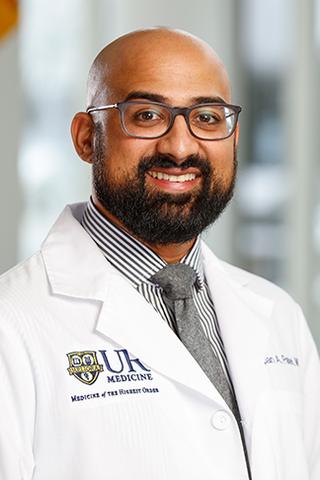
Arpan A. Patel, M.D. serves as Associate Professor in the Department of Hematology/Oncology at the University of Rochester School of Medicine and Dentistry. Board-certified in Hematology, Internal Medicine, and Medical Oncology, he specializes in lung cancer (including small cell, non-small cell lung cancer, and mesothelioma) and head and neck cancer through UR Medicine's comprehensive cancer program. His educational foundation includes: MD from Medical University of Lublin (Poland), 2012 Internal Medicine Residency at SUNY Upstate University Hospital, 2013-2016 Hematology & Oncology Fellowship at University of Florida College of Medicine, 2016-2019 Dr. Patel's research examines thoracic oncology, quality improvement, financial toxicity, patient distress, and medical education. His clinical philosophy emphasizes compassionate, patient-centered care addressing financial burdens and quality-of-life concerns through multidisciplinary teamwork. He actively conducts clinical trials to advance lung cancer treatment while documenting patient distress in veteran populations. His scholarly output reveals consistent focus on hematologic disorders, oncology documentation, and medical education innovation. Publications demonstrate expertise in rare hematologic conditions (HLH, PNH), anticoagulant management, and curriculum development for resident training - reflecting dual clinical strengths in hematology and oncology. Recognition includes: Chief Fellow Award and Craig S Kitchens Award for Mentorship (2019) Gold Humanism Honor Society inductions (2018, 2012) Multiple teaching excellence awards (2015, 2012) Quality improvement honors (2018, 2015) As an educator, he develops innovative curricula for oncologic documentation while mentoring residents. His work bridges clinical practice and scholarly inquiry through the University of Rochester's academic medical center. Dr. Patel collaborates within multidisciplinary oncology teams to deliver comprehensive cancer care through Accountable Health Partners network.
Vanessa Nomellini, MD, PhD is an Associate Professor in the Division of Burn, Trauma, Acute and Critical Care Surgery at UT Southwestern Medical Center. She joined UT Southwestern in 2023 as the director of research for her division and leader in the Critical Care Outcomes Research Translation (CORT) group. Education: Dr. Nomellini earned her MD and PhD in Cellular and Molecular Biochemistry from Loyola University. She completed her general surgery residency at the University of Wisconsin and Surgical Critical Care fellowship at the University of Pennsylvania. Research Interests: Her work focuses on immune dysfunction in critically ill patients, particularly sepsis and trauma-induced immunosuppression. She leads studies on immune recovery mechanisms and develops the ICU Recovery Program for long-term patient management. Her NIH-funded research (R35 NIGMS) investigates immune suppression through both animal models and human observational studies. Publications Trends: Her recent work emphasizes sepsis pathophysiology, coagulopathy management, and clinical improvements in critical care. Key areas include immunomodulatory therapies, biomarker utility, and optimizing ICU protocols. Scientific Awards: Recipient of NIGMS R35 grant (2019-current) Advising & Grants: Leads a multi-institutional research team and holds leadership roles in CORT. Her grants focus on translational immunology and critical care outcomes. Labs & Teams: Directs research at UT Southwestern's Critical Care Division, collaborating with Drs. Levi and Carlson in CORT initiatives.
Dijin Xu is an Associate Research Scientist in the Department of Microbial Pathogenesis at Yale School of Medicine, Yale University. His research focuses on lipid metabolism, immunology, and molecular mechanisms underlying metabolic disorders and host-pathogen interactions. He holds a PhD from Tsinghua University (2016). Education: PhD in Microbiology, Tsinghua University, 2016 Research Interests: Dr. Xu’s work spans immunology (e.g., B cell biology and somatic hypermutation), lipid metabolism (lipid droplet dynamics and adipose tissue homeostasis), and virology (antiviral defense mechanisms against SARS-CoV-2). His studies integrate cellular biology, molecular genetics, and biochemical approaches to understand disease processes. Publications Overview: His recent work explores mechanisms of lipid droplet regulation, metabolic disorder prevention, and immune system function. Notable contributions include studies on Rab GTPases in lipid storage and ELOF1’s role in antibody diversification. Labs & Affiliations: He is affiliated with the West Campus Integrative Science & Technology Center at Yale University, focusing on interdisciplinary research in cellular and molecular biology.
Katherine E. Varley, PhD is a Huntsman Cancer Institute Investigator and Associate Professor in the Department of Oncological Sciences at the University of Utah. She leads the Varley Lab and is a member of the Nuclear Control of Cell Growth and Differentiation Program, focusing on breast cancer genomics, epigenetics, and biomarker discovery. Her work bridges computational biology with clinical applications to improve breast cancer diagnosis and treatment. Dr. Varley earned her BS in Biology with a concentration in Computational Biology from Cornell University in 2003, followed by a PhD in Computational Biology from Washington University School of Medicine in 2009 under Dr. Robi Mitra. Her postdoctoral training was conducted in Dr. Richard M. Myers' laboratory at the HudsonAlpha Institute for Biotechnology, where she participated in the ENCODE Project Consortium. Her research focuses on using next-generation sequencing and computational analysis to study gene expression, transcription factor binding, and DNA methylation patterns in breast cancer. The Varley Lab investigates epigenetic gene regulation, develops novel molecular methods and bioinformatics approaches, and translates discoveries into clinical tools. Key research areas include Clinical Trial Genomics, Epigenome Engineering, Detecting Circulating Tumor DNA, and identifying Transcription Factors Driving Metastasis, with particular emphasis on triple-negative breast cancer. Analysis of Dr. Varley's publications reveals a consistent trajectory from fundamental genomic mechanisms to clinical translation, with recent work emphasizing biomarker discovery, tumor heterogeneity, and the development of genomic tools for precision oncology. Her research spans cancer biology, genomics, and computational analysis to address critical challenges in breast cancer treatment. Dr. Varley holds multiple patents related to cancer diagnostics and genomic technologies, including targeted sequencing methods, multigene assays for recurrence risk, and biomarkers for triple-negative breast cancer. These inventions reflect her commitment to translating basic research into clinical applications. She actively collaborates with clinical investigators in breast cancer trials and works closely with the Breast and Gynecologic Cancers Disease Center at Huntsman Cancer Institute. Her lab maintains four main research thrusts that collectively address breast cancer from molecular mechanisms to clinical applications, demonstrating a comprehensive approach to improving patient outcomes through genomic technologies.