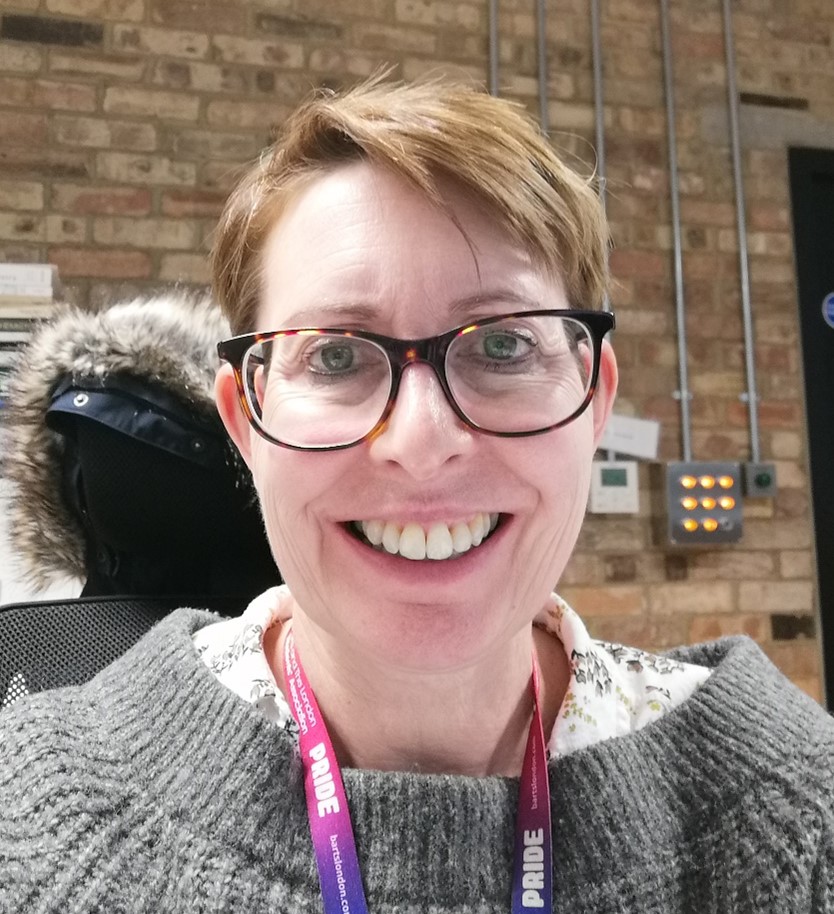
Dr. Nyree Myatt is a Lecturer in Biochemistry at the Institute of Health Sciences Education within Queen Mary University of London's Faculty of Medicine and Dentistry, where she has taught since 2020. She serves as co-module lead for MET1, MET2, and DMG (Digestion, Metabolism and Growth) in the MBBS program, delivers biochemistry lectures, and acts as a Problem-Based Learning (PBL) tutor for first/second-year students. Her academic responsibilities include senior tutoring for Year 2 students, MEDPRO tutoring, principal internal examination for graduate entry programs, chairing the iBSc Pre-Hospital Medicine exam board, and serving as IHSE library representative. Her research spans biochemistry, oncology (uveal melanoma, Fanconi Anemia), virology (orf virus), and medical education. Prior research includes post-doctoral work at UCL's Institute of Ophthalmology (uveal melanoma) and St George’s Hospital Medical School (Fanconi Anemia). Educational research focuses on assessment methods and student support systems. Degrees include: BSc in Biochemistry & Pharmacology (Leeds University) MSc in Experimental Pathology (Dundee University) PhD in Cytokine mRNA Expression (University of Edinburgh) PGCE (Greenwich University) Her 15 most recent publications demonstrate evolving research foci: early work (1994-2004) centered on ocular oncology and virology mechanisms, while recent outputs (2020-2023) transition to medical education innovation. Awards include no listed scientific honors. Teaching and student support includes developing interventions for repeating medical students and implementing online proctoring systems. No specific research grants or laboratory affiliations are detailed.
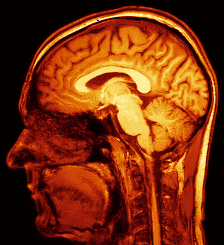
Professor Franklyn Howe serves as Professor of Magnetic Resonance Imaging and Director of the Neuroscience & Cell Biology Research Institute at City St George's, University of London (formed from the August 2024 merger of St George's, University of London and City University of London). With a career spanning since 1988 at St George's, he has established himself as a leading expert in multimodal MRI applications for disease diagnosis and treatment monitoring, particularly in brain tumor analysis. His work bridges physics, medical imaging, and clinical applications across multiple disease areas. Professor Howe earned his BA in Physics from the University of Oxford, followed by a DPhil on 'Magnetisation and microwave absorption in rare earth metal alloys' from the same institution in 1984. He completed postdoctoral research evaluating MRI contrast agents at St Bartholomew's Hospital and in MR image analysis at the Royal Postgraduate Medical School (now part of Imperial College School of Medicine) before joining St George's. Howe's research centers on developing automated analysis of multimodal MRI to aid diagnosis of brain tumors, using various MRI methods including perfusion and diffusion imaging for structural and functional information, and magnetic resonance spectroscopy (MRS) for biochemical data. He applies pattern recognition techniques to optimally combine data from different MRI methods, aiming to develop biomarkers for diagnosis, prognosis assessment, and treatment response monitoring. His work extends beyond brain tumors to dementia, Tourette syndrome, cerebrovascular disease, chronic obstructive pulmonary disease, lupus, lymphedema, osteoarthritis, and normal aging. In 1992, he was instrumental in developing MR Neurography at St George's, a non-invasive method for detailed nerve imaging. Analysis of Professor Howe's recent publications (2021-2024) reveals consistent focus on advancing MRI techniques across multiple clinical applications. His work demonstrates strong interdisciplinary collaboration, with significant contributions to lymphatic imaging, brain tumor characterization, neurodegenerative disorders, and quantitative MRI methodology. The publications show progression from fundamental technical improvements in MRI acquisition and processing toward increasingly sophisticated clinical applications, particularly in neuroimaging and vascular disorders. Chair of ISMRM MRS Study Group Co-founder and Chair of Pediatric MR Study Group Long-standing member of International Society of Magnetic Resonance in Medicine Professor Howe actively supervises lab-based MRes and BSc student research projects and library-based Special Study Courses on Biomedical Applications of Magnetic Resonance. He has secured substantial research funding from diverse sources including the Medical Research Council, Cancer Research UK, Alzheimer's Research UK, and St George's Hospital Charity. His collaborative approach is evident in the wide range of clinical research studies he participates in across multiple departments. As Director of the Neuroscience & Cell Biology Research Institute, Howe leads a research team including Ian Storey (Image Analyst) and Mike Mills (MRI physicist). He maintains extensive collaborations within St George's with Dr Thomas Barrick, Dr Atticus Hainsworth, Mr Timothy Jones (Neurosurgery), Dr Jeremy Isaacs (Neurology), Dr Pia Ostergaard, Prof Sahar Mansour (Clinical Genetics), Prof Nidhi Sofat (Rheumatology), and Mr Michael Hart (Neurosurgery), creating a robust interdisciplinary research environment focused on translating MRI advances into clinical practice.
Joel Livingston serves as an Assistant Professor in the Department of Pediatrics within the Faculty of Medicine & Dentistry at the University of Alberta, where he practices as a Pediatric Hematologist and leads the KidClot Program at Stollery Children's Hospital. His clinical and research focus centers on advancing hematologic and thrombotic care for pediatric patients through quality improvement initiatives and patient-centered outcomes research. Dr. Livingston's scholarly work demonstrates deep expertise in pediatric immune thrombocytopenia, anticoagulation management, and thrombosis prevention. His research consistently prioritizes patient quality of life while addressing critical gaps in pediatric hematology protocols. Current investigations include optimizing anticoagulant dosing regimens, evaluating thrombopoietin receptor agonists, and developing innovative care models for children with clotting disorders. Analysis of his 15 most recent publications (2014-2025) reveals a cohesive research trajectory centered on translational hematology. His work spans clinical trials, retrospective analyses, and case studies addressing pediatric-specific challenges in thrombosis management, with recurring themes of protocol optimization, adherence interventions, and quality-of-life assessment in chronic hematologic conditions. As Medical Lead of the KidClot Program, Dr. Livingston directs clinical and research activities focused on evidence-based thrombosis care for children. The program serves as a hub for multidisciplinary collaboration in developing and implementing best practices for pediatric anticoagulation and thromboprophylaxis across Alberta.