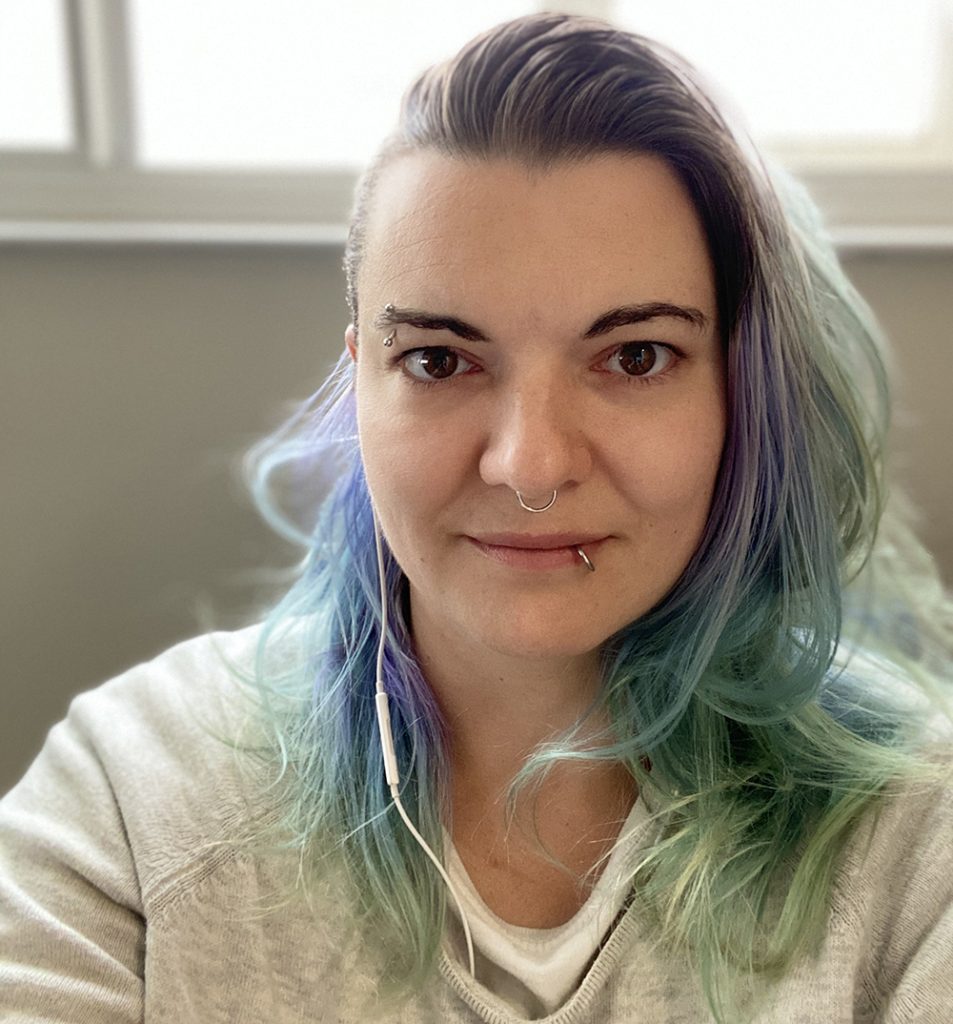
Anne Talkington, PhD, is an Assistant Professor at the University at Buffalo School of Pharmacy & Pharmaceutical Sciences , where she develops multiscale mathematical models at the intersection of immunology, oncology, and pharmacology to optimize cancer therapies. Education: PhD in Computational Biology (UNC Chapel Hill), MS in Applied Mathematics (UNC Chapel Hill), BS in Mathematics (Duke), BA in Biology (Duke) Her research focuses on tumor-immune interactions , spatiotemporal immune activity , and immune checkpoint inhibition optimization , with expertise in in silico drug testing and pharmacokinetic modeling. Recent publications demonstrate trends in PEG immunogenicity mitigation, PBPK modeling, and computational immunotherapy optimization. Scientific Awards: National Research Council Fellowship (2023), P.E.O. Scholar Award (2020), NSF Graduate Fellowship (2016), MCM Meritorious Recognition (2013) The Talkington Lab integrates mathematical modeling with experimental data to predict optimal treatment strategies for cancer immunotherapy, emphasizing spatial-temporal dynamics in the tumor microenvironment.
Kari Alitalo is an Academy Professor and Research Director at HUS Radiology and Pathology, University of Helsinki. He serves as a Supervisor in the Doctoral Programme in Integrative Life Science and the Doctoral Programme in Biomedicine. Alitalo directs the CAN-PRO - Translational Cancer Medicine Program and has led the Cancer Biology Research Programme at the University of Helsinki since 1999. His research primarily focuses on blood and lymphatic vessel growth factors with applications in cancer treatment and cardiovascular diseases. Alitalo's work spans angiogenesis, lymphangiogenesis, molecular biology, and translational medicine. His research group has made significant contributions to understanding vascular endothelial growth factors and their therapeutic applications. Alitalo's publication record shows consistent productivity with approximately 670 research outputs. His recent work (2023-2025) demonstrates continued focus on lymphatic system biology, vascular growth factors, and their therapeutic applications in cancer and cardiovascular diseases. The publications reveal a strong emphasis on molecular mechanisms of lymphangiogenesis, tumor angiogenesis, and potential therapeutic interventions. A.I. Virtanen Prize (2013) Biomedicum Helsinki lecture and Medal (2010) Eric K Fernström Foundation's Nordic Prize (2005) Finnish Science Prize (2013) Louis-Jeantet Prize For Medicine (2006) Professor Alitalo has supervised numerous doctoral students, with 52 dissertation supervisor or co-supervisor activities documented. He currently leads multiple active research projects including Cancer Foundation 2025/Alitalo, Biocenter Finland FIRI2023, and Juselius 2023-2026. His research group continues to explore vascular biology with significant implications for cancer treatment and cardiovascular medicine.
Andrew R. Jamieson is an Assistant Professor in the Lyda Hill Department of Bioinformatics at UT Southwestern Medical Center, where he leads a research team focused on developing advanced AI systems for medical education and clinical performance assessment. He was appointed in 2019 and serves as Principal Investigator of the Jamieson Group. Institution: UT Southwestern Medical Center School: School of Health Professions Department: Lyda Hill Department of Bioinformatics Academic Rank: Assistant Professor Dr. Jamieson earned his B.A. in Physics with honors (2006) and Ph.D. in Medical Physics (2012) from the University of Chicago. His early work in computer-aided diagnosis laid the foundation for his career in AI and machine learning. Education: University of Chicago (B.A., Ph.D.) Prior Experience: GE Healthcare, Big Data Analytics Startup (First Data Scientist) Dr. Jamieson's research lies at the intersection of artificial intelligence, medical education, and bioinformatics. His team leverages multimodal data—including video, audio, and text—from the UTSW Simulation Center to train frontier AI models for automated assessment of medical student performance. His work in computational image analysis spans label-free live-cell imaging, spatial biology, and highly multiplexed immunofluorescence, with applications in cancer biology and diagnostics. He has also made significant contributions to public health through the development of the UTSW COVID-19 forecast model. The most recent publications reflect a strong trend toward AI-driven medical education tools, particularly using large language models and multimodal AI for OSCE assessment. Earlier works focus on deep learning in medical imaging, dimensionality reduction, and computer-aided diagnosis in mammography. The research consistently emphasizes interpretability, automation, and clinical translation. Scientific recognition includes being featured on the cover of Cell Systems (July 2021) for work on melanoma cell analysis. His team's development of the first automatic AI grading system for medical student OSCE notes in 2023 marks a major innovation in educational assessment. Featured on cover of Cell Systems (2021) Developed UTSW COVID-19 forecast model Pioneered AI grading system for OSCE notes (2023) Dr. Jamieson is actively involved in mentoring and graduate education. He serves as Course Director for the Master’s in Health Informatics program and contributes to nanocourses at the Clinical Informatics Center. His team includes multiple advisees and collaborators working on NLP, LLMs, and AI/ML in healthcare. He is expanding his group and seeking researchers in AI, data science, and software development. His leadership in the Bioinformatics Core Facility (2018–2021) and ongoing collaborations with pathologists and radiation oncologists demonstrate strong interdisciplinary grant and project engagement. Course Director: Master’s in Health Informatics Mentor to multiple graduate students and researchers Collaborations: Pathology, Radiation Oncology, Surgery, Clinical Informatics The Jamieson Group is a dynamic, interdisciplinary research team at the forefront of applying cutting-edge AI to medical education and clinical data analysis. The lab focuses on natural language processing, multimodal learning, and computer vision, with strong ties to the UTSW Simulation Center and Clinical Informatics Center. The team develops custom pipelines for spatial biology and imaging data and is actively expanding to meet growing research demands.
Greg Adamson is a Clinical Assistant Professor in the Department of Pediatrics - Cardiology at Stanford University School of Medicine and a member of the Maternal & Child Health Research Institute (MCHRI) . He specializes in Interventional Cardiology and Lymphatic Diseases , with clinical expertise in managing conditions like chylothorax and pulmonary arterial hypertension. Medical Education : St. Louis University School of Medicine (2014) Residency : University of California San Francisco (2017) Fellowship : Stanford University Pediatric Cardiology Fellowship (2020) Board Certifications : Pediatrics (2017) and Pediatric Cardiology (2024) Dr. Adamson's research focuses on pediatric pulmonary hypertension , cardiac catheterization protocols , and postoperative chylothorax management . His work includes developing prediction models for early chylothorax detection and evaluating vasopressin's hemodynamic effects in Fontan circulation patients. He has contributed to clinical practice guidelines for progressive pulmonary hypertension in children. His recent publications emphasize procedural efficiency in outpatient cardiac catheterization, valve repair durability in congenital heart disease, and standardized chylothorax algorithms . He utilizes multicenter collaborative frameworks and retrospective cohort analyses , with methodological approaches including logistic regression , Cox proportional hazards modeling , and consensus-building surveys . Key technical areas include lymphatic interventions , hemodynamic monitoring , and predictive analytics in pediatric cardiology. In clinical operations, he investigates same-day discharge criteria for pulmonary hypertension patients and optimal timing for advanced therapies . His work addresses practice variations in chylothorax treatment through quality improvement initiatives , including multidisciplinary algorithm development and ex vivo simulation testing for clinical implementation.
Kerry Empey is an Associate Professor in the Department of Pharmacy and Therapeutics at the University of Pittsburgh School of Pharmacy. She serves as the Associate Dean of Graduate & Postdoctoral Programs and holds secondary appointments in the Department of Immunology, Center for Vaccine Research, and Clinical and Translational Science Institute (CTSI) in the School of Medicine. Her research focuses on optimizing vaccines and therapies for vulnerable populations, particularly infants and pregnant women, targeting respiratory syncytial virus (RSV) and other pulmonary pathogens. She directs the Certificate in Clinical Translational Science for health sciences graduate students. Education: PharmD from University of Rhode Island; PhD in Clinical Pharmaceutical Sciences from University of Kentucky; completed PGY1/PGY2 residencies in Pharmacy Practice and Infectious Diseases at University of Kentucky. Research Interests: Immune response modulation, vaccine adjuvant development, age-dependent immunity, pharmacokinetics/pharmacodynamics of monoclonal antibodies, and translational research in pediatric and maternal immunization strategies. Her work emphasizes vaccine safety and efficacy in infants, maternal immunization's protective effects, and understanding cytokine-mediated viral clearance mechanisms. Recent publications highlight advancements in RSV vaccine formulations, maternal immunization strategies, and immune mechanisms driving post-viral bacterial infections. Collaborative studies with vaccine experts and nanotechnology teams explore novel delivery systems for optimal immune responses.
David A. Jamadar is a Clinical Professor in the Department of Radiology at the University of Michigan Medical School. His academic and clinical work focuses on diagnostic radiology with emphasis on musculoskeletal imaging, ultrasound applications, and cross-sectional imaging techniques. Research Interests: Dr. Jamadar's work spans multiple subfields in radiology, including: Musculoskeletal imaging and postoperative assessment Ultrasound-guided interventions and diagnostic accuracy CT/MRI evaluation of abdominal and pelvic pathologies Incidental findings interpretation in imaging Academic writing and faculty development initiatives Publications Trends: His recent work emphasizes diagnostic imaging applications in hernia detection, tendon pathologies, and post-reconstructive surgery assessment, with a focus on correlating imaging findings with surgical outcomes. Mentorship: Dr. Jamadar is explicitly listed as being available to mentor.
Dr. Wael E.A. Saad is a distinguished Professor of Clinical Radiology & Imaging Sciences at the University of Utah, where he serves as Director of Interventional Radiology and Vice Chair of Image Guided Procedures. Previously, he held the position of Operations Head of Vascular & Interventional Radiology at the National Institute of Health (NIH) for four years. His academic journey includes faculty positions at University of Michigan (where he served as VIR Director and Medical Director of non-cardiac hybrid-labs), University of Virginia (where he was promoted from Associate to Full Professor and served as VIR Fellowship Program Director), and University of Rochester (where he was promoted from Assistant to Associate Professor). Dr. Saad's educational background includes: MBBCh from Ain Shams University Faculty of Medicine, Cairo, Egypt Surgery Internship at Ain Shams University Hospitals Vascular Surgery training at MedStar Franklin Square Medical Center Internship at Johns Hopkins University School of Medicine Residency in Diagnostic Radiology at University of Rochester Medical Center Fellowship in Vascular & Interventional Radiology at Mallinckrodt Institute of Radiology, Washington University School of Medicine Dr. Saad is internationally recognized for his expertise in Interventional Radiology, with special focus on Portal Hypertension, Liver Transplantation, and Hepato-Biliary Diseases. He is nationally renowned for management of vascular diseases affecting both arterial and venous systems. His research spans a wide range of interventional procedures including transjugular intrahepatic portosystemic shunt (TIPS) creation, balloon-occluded retrograde transvenous obliteration (BRTO) for gastric varices, and management of vascular complications in transplant recipients. He has made significant contributions to the understanding and treatment of portal hypertension and its complications, with numerous publications exploring innovative approaches to managing gastric varices and portal hypertension-related conditions. Dr. Saad has received recognition as a Fellow of the Society of Interventional Radiology (FSIR) and has held leadership positions including former Chair of the Standards of Practice Committee of the Society of Interventional Radiology. His scholarly work includes numerous quality improvement guidelines for interventional radiology procedures. His commitment to advancing the field extends globally through his cofounding of the Middle East Endovascular Therapy (MEET) Symposium and the Society of African Interventional Radiology and Endovascular-therapy (SAFIRE). Throughout his career, Dr. Saad has been dedicated to medical education and training, having served as Fellowship Program Director and mentoring numerous trainees. His global outreach efforts over the past two decades have focused on the Middle East, North Africa, and Sub-Saharan Africa, significantly contributing to the development of interventional radiology services in these regions. His work has particularly emphasized capacity building and education in underserved areas, helping to establish training programs and clinical services across multiple continents.
Ting Du, M.D., Ph.D., is an Assistant Professor in the Department of Neurology at the University of Rochester Medical Center's School of Medicine and Dentistry. She leads the Du Lab, focusing on brain fluid homeostasis and its role in neurological diseases. Faculty: Assistant Professor, Department of Neurology Institution: University of Rochester Medical Center Lab: Du Lab Collaborations: Nedergaard Lab, Center for Translational Neuromedicine Research Interests: The Du Lab investigates cerebrospinal fluid (CSF) dynamics, glymphatic system function, and cervical lymphatic vessels in Alzheimer's disease, hydrocephalus, and traumatic brain injury. Key projects include: Restoring cervical lymphatic function to improve CSF drainage in aging Characterizing the subarachnoid lymphatic-like membrane (SLYM) in trauma Probing choroid plexus regulation in hydrocephalus Publication Trends: Recent work spans Neuroscience , Neurodegeneration , and Biophysics , with emphasis on: Glymphatic dysfunction in Alzheimer's Arterial pulsation-driven CSF flow Aquaporin-4's role in interstitial fluid Machine learning-based flow quantification Lab Affiliations: The Du Lab is part of the Neuroscience Ph.D. Program and Pathology - Cell Biology of Disease program, collaborating with experts in neuroimaging , fluid dynamics , and neurotherapeutics .
Edward G. Grant, MD, serves as a Clinical Professor of Radiology (Part-Time) at the University of Southern California (USC), where he was Chair of the Department of Radiology from 2002 to 2019. Prior to USC, he chaired the Imaging Department at Greater Los Angeles VA Healthcare System and held professorial and vice-chair positions at UCLA. His career spans over three decades in academic radiology with a focus on clinical ultrasound innovation and leadership. Dr. Grant is an internationally recognized authority in ultrasound, having pioneered neonatal cranial sonography early in his career. His research encompasses Doppler ultrasound for vascular disease diagnosis, clinical investigation of ultrasound contrast agents, PACS, and advancements in thyroid and liver imaging. He has authored four books and numerous peer-reviewed articles, establishing himself as a leading figure in diagnostic radiology. Analysis of his 15 most recent publications (2021-2025) reveals a strong emphasis on contrast-enhanced ultrasound applications across multiple organ systems, particularly in thyroid nodule characterization (TI-RADS), liver disease quantification, and renal transplant evaluation. His work also addresses emerging areas like AI integration in ultrasound reporting and environmental impacts on fetal development through the MADRES cohort study. His notable awards include: Pasadena Magazine Top Doctor (2011) Dr. Grant has served as an examiner for the American Board of Radiology for 13 consecutive years and remains an active lecturer at national and international conferences. While the provided text does not detail specific grants or student advising, his extensive publication record and leadership roles indicate significant contributions to radiology education and clinical practice advancement.
Professor Pipsa Saharinen is a faculty member at the University of Helsinki, affiliated with the Department of Biochemistry and Developmental Biology within the Faculty of Medicine . Her research focuses on vascular biology, lymphatic system dynamics, and cancer therapy, particularly investigating mechanisms regulating endothelial cell behavior and vascular integrity. She holds grants from the Sigrid Jusélius Foundation, Cancer Foundation (Syöpäsäätiö), and the Academy of Finland, supporting projects like Biological Barrier Mechanics and Disease and Translational Cancer Medicine Program . Her work includes collaborations in the Helsinki In Vivo Animal Imaging Platform , enhancing translational research capabilities. Her scientific contributions span over 75 publications, emphasizing vascular mechanotransduction, lymphangiogenesis, and targeted therapies for metastatic cancers. Key findings include cytoskeletal regulation in lymphatic endothelium resilience and the protective role of Pim3 kinase in vascular barriers. Awards: Pfizer Scholar in Cancer Research (2001), Best Biomedical Thesis (2004) Supervised: Postdoctoral researchers (e.g., Anne Pink, Elina Kiss) and doctoral candidates in biomedical and integrative life sciences. Current research explores molecular mechanisms underlying vascular barrier function and metastasis, with clinical implications for cancer treatment and lymphatic disorders.
Tim Allen is the inaugural Director of the Firoz Lalji Centre for Africa and Professor of Development Anthropology at the London School of Economics (LSE). His research spans international criminal justice, forced migration, health programs, and public authority in fragile states. He leads the ESRC-funded Centre for Public Authority and International Development, examining governance roles of non-state actors like vigilantes and aid agencies. Education: Not explicitly stated, but positions imply advanced academic qualifications in anthropology and development studies. Key Roles: Director of Firoz Lalji Centre for Africa, Principal Investigator for multiple UK research grants, and editorial leadership of books like Humanitarianism: A Dictionary of Concepts . Research interests include neglected tropical diseases (schistosomiasis, lymphatic filariasis), the International Criminal Court, and the Lord’s Resistance Army in Uganda. His work bridges anthropology, public health, and international development, emphasizing local perspectives on governance and justice. Publications span textbooks like Poverty and Development (Oxford UP) to critical analyses of humanitarianism and epidemic responses. Recent work explores militarized health responses in Africa and post-COVID governance challenges. Awards: Fellow of the Academy of Social Sciences (recognizing contributions to social science). Grants: ESRC, AHRC, and GCRF-funded projects on public authority, health systems, and conflict. Collaborations include work with Prof. Melissa Parker (London School of Hygiene) on tropical disease control and Prof. Henry Radice (LSE) on humanitarian ethics. His research emphasizes participatory methods and local agency in crisis response.
Dr Alice Denton is a Lecturer in the Centre for Inflammatory Disease at Imperial College London, where she has worked since January 2020. Her research focuses on understanding how fibroblasts influence immune responses during vaccination and aging. She leads a small lab team and has secured significant funding, including an MRC Career Development Award and a Dunhill Medical Trust Seed Award. Education: PhD, University of Melbourne (2006-2010) Postdoc, University of Cambridge (2010-2015) BBSRC FL Fellowship, Babraham Institute (2016-2019) Alice's research explores the interplay between fibroblasts and immune cells in lymph nodes, particularly how inflammation and aging affect fibroblast function. Her work aims to improve vaccine efficacy through better understanding of stromal-immune crosstalk. Key themes include germinal center immunology , lymph node stromal cells , aging immunity , and inflammatory microenvironment . Her recent publications emphasize fibroblast-immune interactions in tertiary lymphoid structures, podoplanin signaling , and TLR4 targeting for vaccine enhancement. She also investigates spatial organization of immune cells during aging and the role of lymphoid stromal cells in supporting macrophages and germinal centers. Scientific Awards: MRC Career Development Award Dunhill Medical Trust Seed Award Alice collaborates with colleagues at Imperial College London and manages multiple responsibilities including teaching, supervision, and lab work. Outside academia, she enjoys baking (especially sourdough bread), creating cat-themed art, and distilling experimental flavors like pea-flavored gin.
Rebecca Fisher is a Professor in the School of Life Sciences at Arizona State University (ASU) and Director of Anatomy for the School of Medicine and Advanced Medical Engineering. She holds affiliations at the Tempe Campus and leads initiatives in anatomical education and research. Her academic journey includes a BA from Stanford University, MPhil/PhD from Yale University, and a postdoctoral fellowship at Johns Hopkins University. Research Interests: Dr. Fisher’s work focuses on functional anatomy of vertebrates and cephalopods, bio-inspired robotics, and the integration of emerging technologies (e.g., extended reality, AI) into medical education. Collaborations with engineers bridge anatomy and robotics, while her studies on regenerative biology in reptiles and alligators explore tissue repair mechanisms. Teaching & Awards: A recipient of over 10 teaching awards, including the Basmajian Award and Gold Humanism Honors Society induction, Fisher emphasizes empathy and humanism in medical training. Her 2021 recognition as the first Latina Fellow of the American Association for Anatomy highlights her leadership in gender equity through roles in the GEMS Alliance and National Commission for Lymphatic Diseases. Professional Contributions: Fisher served as founding faculty at the University of Arizona College of Medicine-Phoenix, designing anatomy curricula and leading the Gross Anatomy Laboratory. Her research group, Organismal Biology, spans vertebrate morphology, cephalopod biomechanics, and educational technology innovations.
Dr. Helene Benveniste is a Professor of Anesthesiology at Yale School of Medicine, specializing in neuroimaging and neurodegenerative diseases. She holds a dual background in Mathematics/Physics (BSc, Katedralskolen) and Medicine (MD and PhD in Neurobiology from University of Copenhagen). Her research focuses on the glymphatic system, cerebrospinal fluid dynamics, and brain waste clearance in aging and neurodegenerative diseases like Alzheimer’s. She has pioneered MRI/PET techniques for studying these processes and contributed to understanding cerebral amyloid angiopathy. Affiliations include the Anesthesiology Department, Yale Biomedical Imaging Institute, and the Center for Brain & Mind Health. Collaborators include Douglas Rothman, D. S. Fahmeed Hyder, and Kevin Behar. Her work spans clinical trials (e.g., SEMALCO trial for alcohol use disorder) and translational research, with over 100 publications. Notable 2025 studies address brain aging, CSF pathways, and glymphatic transport mechanisms. Education: • PhD in Neurobiology, University of Copenhagen (1991) • MD, University of Copenhagen (1986) Research Interests: • Glymphatic system function and dysfunction • Cerebrospinal fluid dynamics in health/disease • Neuroimaging techniques (MRI/PET) • Alzheimer’s and other neurodegenerative diseases • Brain clearance pathways in aging Publications Trends: Recent work emphasizes brain aging, CSF transport, and translational applications like clinical trials for alcohol use disorder. Key themes include glymphatic system dysfunction in neurodegeneration, fluid dynamics modeling, and biomarker discovery. Labs/Teams: Leads a research lab at Yale investigating glymphatic pathways and their role in disease. Collaborates with engineering and mathematics teams to model fluid flows using optimal mass transport algorithms.
Lisa M. Coussens, PhD, is Chairwoman of the Department of Cell, Developmental & Cancer Biology and Interim Director of the Knight Cancer Institute at Oregon Health & Science University (OHSU), where she holds the Hildegard Lamfrom Endowed Chair in Basic Science. Her research program investigates immune cell functions in solid tumor development, with emphasis on how leukocytes influence cancer progression and therapeutic responses. Using preclinical models of mesothelioma, breast, pancreatic, and head/neck cancers, her lab identifies immunotherapy targets that have advanced to clinical trials for metastatic cancers. Education B.A., San Francisco State University, 1980 Ph.D., University of California, 1993 Postdoctoral Fellowship, University of California San Francisco (Douglas Hanahan Lab) Research Focus Dr. Coussens leads a translational research program examining how immune cells regulate tumor development and therapy responses. Her work integrates molecular oncology, immunology, and preclinical modeling to identify: 1) Immune pathways co-opted by developing tumors, 2) Mechanisms of leukocyte-mediated therapy resistance, and 3) Biomarkers for immunotherapy response. Current work emphasizes spatial analysis of tumor-immune interactions using multiplexed imaging and computational approaches. Her recent publications reflect strong emphasis on tumor microenvironment dynamics, immunotherapy mechanisms, and translational applications in pancreatic, breast, and head/neck cancers. Studies frequently incorporate spatial biology techniques, clinical correlation analyses, and novel therapeutic combinations targeting immune pathways. Honors & Awards National Academy of Sciences Member (2023) National Academy of Medicine Member (2024) AACR President (2022-2023) Susan G. Komen Brinker Award (2018) Fellow of AACR Academy (2019) Fellow of AAAS (2018) Rosalind E. Franklin Award, NCI (2015) Honorary Doctorate, University of Buenos Aires (2018) Princess Takamatsu Memorial Lectureship (2018) European Academy of Tumor Immunology Career Award (2018) Gertrude B. Elion Award (2001) Charlotte Friend Lectureship (2012) Margaret L. Kripke Legend Award (2023) Johns Hopkins Heroine of Public Health (2024) Fellow of Academy of ImmunoOncology (2022) Dr. Coussens directs translational research programs at OHSU's Knight Cancer Institute and leads multidisciplinary collaborations investigating tumor-immune crosstalk. Her laboratory develops innovative preclinical platforms for evaluating combination immunotherapies.