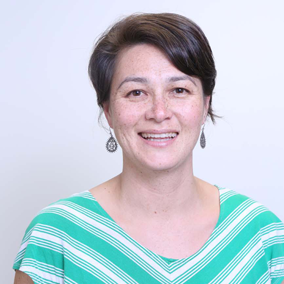
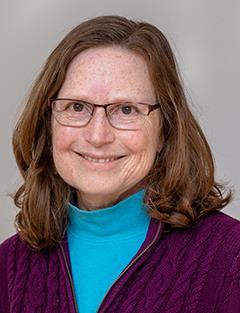
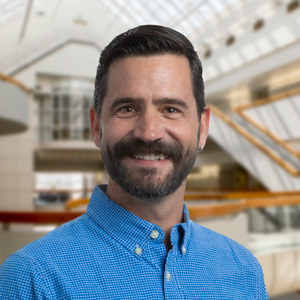
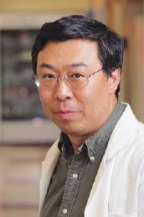
Dr. Mee Ling Munier is a Senior Lecturer and Group Leader at the Kirby Institute within the University of New South Wales (UNSW) . Her work focuses on characterizing immune responses to vaccination and infection , particularly in human lymph nodes and peripheral blood. She leads the Vaccine Immunogenomics group within the Immunovirology and Pathogenesis Program (IVPP) , utilizing fine needle biopsy (FNB) techniques to study post-vaccination immune dynamics. UNSW Medicine & Health Kirby Institute Vaccine Immunogenomics Group
Bernard Bochner is a Professor of Urology at Memorial Sloan Kettering Cancer Center (MSK), where he serves as an Attending Physician in the Department of Surgery. He is affiliated with the Genitourinary Oncology Service and Solid Tumor Oncology Division, with extensive contributions to urologic oncology research. Dr. Bochner's research focuses on urologic oncology, particularly bladder cancer, genitourinary malignancies, and surgical oncology. His work spans cancer staging, treatment response, surgical complications, and survivorship issues. He has made significant contributions to understanding treatment resistance in bladder cancer, surgical outcomes following radical cystectomy, and the impact of tumor biology on clinical outcomes. His publication record shows a strong emphasis on clinical and translational research in genitourinary cancers, with numerous high-impact papers in journals like European Urology, Journal of Clinical Oncology, and Journal of Urology. His recent work addresses critical issues in bladder cancer management, surgical techniques, and improving quality of life for cancer survivors. Dr. Bochner has collaborated extensively with leading researchers at MSK, including Guido Dalbagni, Hikmat Al-Ahmadie, and Dean Bajorin, contributing to over 470 publications including 260 journal articles and 157 meeting abstracts. As an active researcher and clinician, Dr. Bochner continues to advance the field of urologic oncology through rigorous clinical investigation and innovative approaches to cancer care.
Can Avni Karaca is an Associate Professor of Surgery at the Faculty of Medicine, Izmir University of Economics, where he has served as a founding faculty member since April 2016. A General Surgery Specialist certified by Ege University Faculty of Medicine in 2013, he completed advanced oncological surgery training at Milan's Istituto Nazionale dei Tumori in 2010. His academic journey includes: Bornova Anatolian High School (2000) Ege University Faculty of Medicine (2006) General Surgery Specialization, Ege University (2013) Oncological Surgery Training, Istituto Nazionale dei Tumori, Milan (2010) Dr. Karaca's research centers on surgical innovation across transplant surgery, oncological interventions, and hepatobiliary procedures. His expertise spans pediatric and adult liver transplantation for complex conditions including tyrosinemia and Budd-Chiari syndrome, pancreatic cancer management, and gallbladder pathology. Recent work explores medical education methodologies, particularly visual thinking applications. Analysis of his 15 publications (2017-2023) reveals a dominant focus on liver transplantation techniques and pancreatic oncology, characterized by clinical case series and outcome studies. His 2023 research on infant liver grafts and 2022 medical education work demonstrate evolving interdisciplinary approaches within surgical science. No scientific awards are documented in the provided materials. While specific student mentorship details are absent, his surgical department affiliation implies clinical training responsibilities. The department likely collaborates with university hospital transplant units and surgical teams, though granular operational details remain unspecified in available sources.
Sue Ellen Martin, MD, PhD, is an Associate Professor of Pathology and Anatomic Pathology Chief at Keck Medical Center, University of Southern California (USC). Her expertise spans cytopathology, cancer genetics, and diagnostic oncology, with a focus on molecular pathology and imaging techniques. She has contributed to advancing diagnostic accuracy in breast cancer, thyroid nodules, and gastrointestinal cancers through clinical and translational research. Dr. Martin’s research integrates genetic analysis (e.g., UVRAG, BAP1 mutations) with clinical outcomes, emphasizing tumor biology and therapeutic decision-making. Her work on fine needle aspiration (FNA) techniques and ultrasound-guided biopsies has improved diagnostic protocols for breast, salivary gland, and thyroid pathologies. Her publications reflect a commitment to translational research, including studies on epigenetic reprogramming in transposed tissues and the clinical utility of imaging biomarkers. She has participated in randomized trials (e.g., soy intervention for breast density) and large-scale observational studies like the ACOSOG Z0040 trial in lung cancer. As a leader in anatomic pathology, Dr. Martin bridges clinical practice and research, contributing to improved diagnostic standards and personalized therapeutic approaches.
Dr. Lauren B. Rodda is an Assistant Professor in the Department of Molecular Microbiology and Immunology at Oregon Health and Science University (OHSU). Her research focuses on understanding how tissue-resident memory B cells and plasma cells provide rapid protection against respiratory infections like RSV, SARS-CoV-2, and influenza. She opened her independent research lab in 2023 to investigate niche interactions that enable protective immunity without causing inflammation, with implications for improving vaccine efficacy and treating lung pathologies. Education: B.S. in 2011 from MIT; Ph.D. in 2017 from UCSF under Dr. Jason Cyster, studying lymph node niche heterogeneity using microscopy and single-cell RNA sequencing. Postdoctoral work (2018-2023) in Dr. Marion Pepper’s lab at UW, focusing on human immune memory to infections, including SARS-CoV-2. Research Interests: Immune memory dynamics, B cell biology, vaccine responses, respiratory pathogen immunity, and the interplay between infection and vaccination in shaping long-term immunity. Her work emphasizes translational applications for pandemic preparedness and immunotherapies. Publications highlight her contributions to understanding SARS-CoV-2 immunity, including hybrid immunity mechanisms, vaccine responses in immunocompromised individuals, and the role of cytotoxic T cells. She has also advanced methodologies for characterizing SARS-CoV-2-specific B cells using high-parameter flow cytometry. Lab Activities: Current projects investigate tissue-resident memory B cell niches in respiratory systems and the molecular basis of durable immune protection. Collaborations include multi-lab studies on SARS-CoV-2 memory lymphocytes and vaccine efficacy in rheumatoid arthritis patients.
Dr. Yin Xi is an Associate Professor in the Department of Radiology at UT Southwestern Medical Center, with membership in the institution's Research Division. His work bridges radiology and artificial intelligence, focusing on Bayesian statistical methods, spatial analysis, and advanced imaging techniques like MRI and photon-counting CT. He previously served as a statistician in the same department, contributing to three years of foundational research experience. Key research interests include developing AI-driven tools for diagnostic accuracy in musculoskeletal, oncologic, and obstetric imaging. His studies explore applications such as AI-generated radiographic measurements for hip dysplasia, MRI-based radiomics for placenta accreta spectrum prediction, and photon-counting CT optimization for breast/pancreatic cancer imaging. He also investigates imaging biomarkers for diseases like scleroderma and osteomyelitis, with a focus on inter-reader reliability and clinical correlation. Recent work emphasizes ethical AI integration in healthcare, including patient perceptions of AI in mammography interpretation and systematic reviews of AI literature. His multidisciplinary approach spans neuroimaging (e.g., magnetoencephalography correlations), vascular imaging (DVT ultrasound factors), and orthopedic applications (peroneal tendon lesions). He collaborates across specialties to advance imaging protocols and artificial intelligence solutions for clinical decision-making. Dr. Xi's contributions include methodological advancements like the MSKI-RADS and NS-RADS reporting systems for musculoskeletal infections and neuropathies. He also explores healthcare access impacts, such as pandemic effects on preventive imaging and cost-effectiveness of ultrasound-first strategies for breast lesions. His research consistently bridges technical innovation with clinical relevance, aiming to improve diagnostic precision and patient outcomes.
Marianne Stanford is an Adjunct Assistant Professor in the Department of Microbiology & Immunology at Dalhousie University's Faculty of Medicine. She is affiliated with the Vaccine Discovery group of the Canadian Centre for Vaccinology and the Beatrice Hunter Cancer Research Institute as an Associate Member. Her research focuses on cancer immunotherapy, vaccine development, and infectious diseases, with expertise in preclinical research and clinical immunology assessments. Education: BSc (Memorial University of Newfoundland), MSc (Memorial University of Newfoundland), PhD (Dalhousie University) Postdoctoral Training: Robarts Research Institute and Ottawa Hospital Research Institute (OHRI) Her research interests include the development of novel cancer treatments using viral therapies, oncolytic virotherapy synergism with signaling inhibitors, and the creation of effective vaccines against infectious diseases like Respiratory Syncytial Virus (RSV). She also holds roles in science policy, including former Chair of the Canadian Association of Postdoctoral Scholars. Dr. Stanford’s recent work emphasizes combination therapies involving immunomodulatory agents and vaccines, with a focus on enhancing T-cell activation and tumor microenvironment modulation. Key areas include the DPX-Survivac immunotherapy for ovarian cancer and lipid-based vaccine formulations. Scientific Awards: None explicitly stated in the provided text. Grants & Labs: Active in translational research through collaborations with institutions like IMV, Inc., and contributes to the Canadian Institute for Health Research (CIHR) as Assistant Scientific Director for the Institute of Infection and Immunity.
Dr. Wei Shen Tan, MD, PhD, FRCS, is an Assistant Professor of Urology at Yale School of Medicine, specializing in urologic oncology with expertise in bladder, prostate, and kidney cancers. He completed his Society of Urologic Oncology (SUO)-accredited fellowship at the University of Texas MD Anderson Cancer Center and a robotic urology fellowship at University College London Hospital. Dr. Tan is also an Honorary Associate Professor at University College London and a Fellow of the Royal College of Surgeons of England. Dr. Tan's research focuses on non-muscle-invasive bladder cancer (NMIBC), with particular interests in cancer diagnostics, novel treatments for bladder cancer, biomarker development, characterization of NMIBC, and optimizing perioperative outcomes through enhanced recovery protocols and robotic surgery. His work has resulted in over 100 peer-reviewed publications, with recent research emphasizing bladder-sparing therapies for BCG-unresponsive NMIBC, tumor stage impact on outcomes, and advancements in diagnosis and risk stratification. His publication trends show a strong focus on bladder cancer management, particularly BCG-unresponsive cases, with significant contributions to international guidelines and multi-institutional studies. Recent articles (2024-2025) predominantly address bladder-sparing therapies versus radical cystectomy, novel intravesical treatments, tumor staging implications, and international consensus recommendations for NMIBC management. Dr. Tan serves as a co-investigator in major clinical trials including DETECT I & II, HYMN, BOXIT, and HIVEC-II, and is on the editorial boards of the British Journal of Urology International and the Journal of Men's Health. His clinical approach emphasizes personalized care, minimally invasive robotic surgery when appropriate, and transparent communication with patients throughout their cancer journey.
Joan Mecsas is a Professor in the Molecular Biology and Microbiology department at Tufts University School of Medicine. Her research focuses on bacterial pathogenesis, host-pathogen interactions, and innate immunity. She leads a lab developing 3D intestinal organoid models to study enteric pathogens and investigates mechanisms by which pathogens like Yersinia pseudotuberculosis and Klebsiella pneumoniae subvert neutrophil functions. Her work includes identifying druggable targets for antibiotic-resistant pathogens and characterizing effector proteins that modulate host immune responses. Education: Bachelor of Arts, Swarthmore College (1994) Doctor of Philosophy, University of Wisconsin (1993) Research Interests: 3D tissue modeling of gastrointestinal tracts Type III secretion system (T3SS) effector proteins Neutrophil signaling and antimicrobial mechanisms Pathogen survival strategies in immunocompromised hosts Small molecule inhibitors targeting bacterial virulence factors Teaching: Host Pathogen Interface (Taught 2008–present) Microbiology/Infectious Disease courses Labs/Teams: Mecsas Lab focuses on integrating molecular microbiology, immunology, and cell biology to understand pathogen-host interactions at mucosal surfaces. Collaborations include Microbiotix for T3SS inhibitor development.
Lars Hangartner, PhD, is an Associate Professor in the Department of Immunology and Microbiology at Scripps Research. His research focuses on antibody Fc effector functions, polyclonal antibody response analysis, and IgA-mediated antiviral immunity. He leads efforts to develop technologies for rapid epitope mapping and investigates HIV vaccine strategies to enhance protective immune responses. Education : Ph.D. in Molecular Biology, ETH Zurich, Switzerland (2002) M.S. in Molecular Biology, University of Zurich (1997) Research Interests : Dr. Hangartner’s work spans three core areas: 1) molecular mechanisms of antibody-dependent effector functions (e.g., CDC, ADCC, ADCP) in HIV infection, 2) high-throughput methods to profile polyclonal antibody repertoires in vaccine trials, and 3) functional characterization of IgA antibodies in mucosal immunity. His lab collaborates extensively on HIV vaccine design, leveraging structural biology and systems immunology approaches. Awards : Gotz Preis from the Georg Friedrich Gotz Foundation (2010) Advising & Collaborations : His research integrates with the Ward Lab and other teams at Scripps Research. While no formal trainee names are listed, his work involves nonhuman primate models and clinical trial collaborations. Labs/Teams : Primary affiliation: Department of Immunology and Microbiology at Scripps Research. Collaborations include the Institute of Medical Virology (University of Zurich) and the NIH-funded HIV Vaccine Trials Network.
James Petrik is a Part-Time Professor in the Department of Obstetrics & Gynecology within the Faculty of Health Sciences at McMaster University. His academic career spans over three decades with continuous scholarly activity from 1989 through 2025, demonstrating sustained research productivity and engagement in his field. Dr. Petrik's research primarily focuses on ovarian cancer biology, with particular emphasis on tumor angiogenesis, the role of thrombospondin-1 in cancer progression, and the tumor microenvironment. His work explores how vascular normalization can enhance therapeutic effectiveness in ovarian cancer treatment. Additional significant research areas include reproductive toxicology, examining how substances like nicotine and cannabinoids affect reproductive function and fetal development, as well as investigating the developmental origins of health and disease. Analysis of his most recent publications (2023-2025) reveals a continued focus on ovarian cancer mechanisms, with increasing attention to tumor metabolism, cachexia, and the intersection between cancer and cardiovascular health (cardio-oncology). His work has evolved to incorporate advanced techniques including oncolytic viral therapy, molecular targeting strategies, and detailed characterization of tumor-immune interactions. The research demonstrates a strong translational focus, with many studies utilizing sophisticated mouse models to develop potential therapeutic approaches. Dr. Petrik maintains active collaborations across multiple disciplines, working with researchers in immunology, virology, metabolism, and cardiovascular science. His scholarly impact is evidenced by numerous publications, citations, and attention from news outlets and social media platforms as indicated in the profile metrics.
Dr. Sara C. Shalin serves as Chairman of the Department of Dermatology and Professor in Pathology and Dermatology at the University of Arkansas for Medical Sciences College of Medicine. She concurrently directs the dermatopathology subspecialty section and dermatopathology fellowship program, with previous leadership roles including medical director of multiple laboratory sections and director of anatomic pathology operations. Her academic foundation includes: M.D./Ph.D. from Baylor College of Medicine (Ph.D. in Neuroscience, 2006; M.D., 2007) Residency in Anatomic and Clinical Pathology at Baylor College of Medicine (Chief Resident, 2010-2011) Dermatopathology Fellowship at Harvard Hospitals Combined Dermatopathology Program Dr. Shalin's research centers on melanoma pathogenesis, inflammatory skin diseases, and vulvar pathology, with emphasis on diagnostic accuracy and molecular mechanisms. Her work bridges clinical dermatology and laboratory medicine, particularly in identifying histopathologic pitfalls and optimizing diagnostic workflows for cutaneous malignancies. Analysis of her 15 most recent publications (2024-2025) reveals concentrated expertise in dermatopathology diagnostics, with significant contributions to melanoma classification, vulvar lesion characterization, and standardization of immunofluorescence testing. Her leadership in developing appropriate use criteria for ancillary tests demonstrates commitment to evidence-based practice. Her professional recognition includes: Certificate of Recognition in Laboratory Medical Direction from the College of American Pathologists As program director of the dermatopathology fellowship and UAMS M.D./Ph.D. program director since 2017, Dr. Shalin mentors trainees while advancing educational standards. Her national society involvement includes CAP inspection leadership and committee work shaping dermatopathology guidelines. She maintains active research collaborations investigating melanoma pathogenesis and inflammatory skin disease mechanisms, working with multidisciplinary teams to translate histopathologic findings into improved diagnostic protocols.
Giorgio Brembilla is a Fixed-term Researcher (Type A) in the Department of Medical Imaging and Radiotherapy at San Raffaele University, specializing in prostate cancer imaging and radiomics. His work focuses on integrating clinical, imaging, and epigenomic data for improved cancer characterization and surgical planning. Research Interests: Development of radiomics signatures for prostate cancer management Validation of molecular imaging techniques (PSMA-11 PET/MRI, RM2 PET/MRI) Optimization of lymph node detection and nephron-sparing surgery Improving biopsy accuracy through imaging quality metrics Integration of AI for automated tumor segmentation Publications (2023–2024) highlight his contributions to radioguided surgery, spatial co-registration workflows, and risk prediction models, with a focus on clinical trials and translational imaging research. Teaching Activities: Involved in courses such as Imaging in Urology , Imaging of the Musculoskeletal System , and Imaging and Radiological Anatomy for Medicine and Physiotherapy students.
Professor Pengbo Zhou is a Professor of Pathology and Laboratory Medicine at Weill Cornell Medical College , where he has been on the faculty since 2010. His research focuses on the ubiquitin-proteasome system and its dysregulation in cancer, with particular emphasis on Cullin-RING E3 ligases, SPOP signaling, and DNA damage response pathways. Education: Ph.D., University of Michigan Medical School , 1993 B.S., Peking University (China) , 1987 Research Interests: Professor Zhou’s laboratory investigates how ubiquitin ligases, notably the CUL4 family and SPOP, orchestrate protein degradation to control genomic stability, hormone signaling, and oncogenesis. His work bridges biochemical mechanisms and translational cancer biology, exploring how disruption of these pathways leads to prostate, breast, and lung malignancies. He has pioneered studies on G3BP1-mediated regulation of SPOP, the role of UBR5 in tumor suppression, and the therapeutic targeting of ubiquitin signaling in metastatic disease. Publication Trends: Across more than 100 peer-reviewed publications, Professor Zhou’s work spans from foundational biochemical analyses of ubiquitin ligase structure-function relationships to large-scale genomic profiling of human tumors. Recent papers emphasize translational applications—engineering degron tools, characterizing cancer-associated mutations, and uncovering vulnerabilities in AR-driven prostate cancer. Scientific Awards & Funding: Principal Investigator, NIH/NCI grant “Upstream and downstream targeting of the SPOP ubiquitin signaling pathway in prostate cancer”, 2024-2029 Co-Principal Investigator, NIH/NCI grant “UBR5’s Mechanisms of Action in Tumorigenesis and Immunoregulation”, 2023-2028 Co-Investigator, NCATS Clinical and Translational Science Center UL1 award, 2022-2027 Advisory & Commercial Relationships: Advisory/Scientific Board Member, Culnexin Therapeutics LLC Ownership stake, Culnexin Therapeutics LLC Proprietary interest, Ship of Theseus LLC Professor Zhou’s team employs cell-based models, mouse genetics, and clinical specimen analyses to advance both mechanistic understanding and therapeutic strategies targeting the ubiquitin system in cancer.
Associate Professor Yan Yan is a leading researcher at University College Dublin's School of Biomolecular and Biomedical Science, where she currently holds the position of Associate Professor (since July 2024) after serving as Assistant Professor from 2018-2024. Her research program focuses on understanding nanoscale interactions with the immune system to develop novel immunotherapies for cancer and infectious diseases. PhD in Biochemistry and Molecular Biology from Peking University, China Postdoctoral training at the University of Melbourne Science Foundation Ireland SIRG Fellow Marie Curie Fellow Australian Research Council DECRA Fellow Professor Yan's research interests center on nanoscale shape biology and its applications in immunotherapy development. She has pioneered work on how nanoparticle architecture influences immune responses, particularly through the study of nanostructure shape effects on T cell receptor repertoires and histone modifications. Her interdisciplinary approach combines nanotechnology, immunology, and biointerface science to develop novel therapeutic strategies. Her laboratory investigates protein corona formation, nanoparticle translocation across biological barriers, and the development of shape-dependent immunomodulatory therapies. Analysis of Professor Yan's publication record reveals a strong focus on systematic investigation of nanoscale shape effects on biological systems. Her work has evolved from fundamental studies of protein corona formation to more recent applications in immunotherapy development, with increasing emphasis on translation to clinical applications. Her research demonstrates consistent innovation in methodology, particularly in developing frameworks for systematic nanoscale shape discovery and evaluation. 1st Prize Interstellar Initiate at New York Academy of Sciences (2017) Starting Investigator Research Grant from SFI (2016) Australian Eureka Prize for Excellence in Interdisciplinary Scientific Research (2013) Discovery Early Career Research Award from ARC (2013) Reviewer Excellence Award (top 1% reviewers, 2017) Professor Yan has successfully secured numerous research grants including HEA Covid-19 funding, the NANOSCAPE project, EXOTRAIN, and multiple UCD Equip Scheme awards. She supervises PhD students and coordinates modules including Biochemist's Toolkit, Bioprocessing, and Enzyme Technology & Protein Engineering. Her laboratory is part of the Conway Institute at University College Dublin, where she leads an interdisciplinary team working at the interface between nanostructures and the immune system. Her research group maintains active collaborations across multiple disciplines, focusing on translating nanoscale discoveries into therapeutic applications for cancer and infectious diseases.