Renli Qiao is Clinical Associate Professor of Medicine at Keck School of Medicine, University of Southern California. As an attending physician, he practices pulmonary medicine and critical care at Keck Hospital's Pulmonary Clinic and ICU, specializing in lung transplantation services. His research focuses on pulmonary hypertension, mechanical ventilation, and critical care management. Qiao maintains international collaborations, frequently lecturing at Peking Union Medical College in China. His publications address COVID-19 management, critical care quantification, and pulmonary medicine development in China. Research funding includes grants from the American Lung Association. Clinical expertise encompasses complex case management in pulmonary and critical care medicine.
Kristofer Hedman is a Senior Associate Professor at Linköping University (Sweden) within the Department of Health, Medicine and Caring Sciences. His research focuses on cardiovascular and respiratory adaptations to physical activity, including blood pressure responses during exercise, preoperative risk assessment for major surgeries, and physiological mechanisms underlying post-COVID-19 symptoms. He leads projects involving cardiopulmonary exercise testing, epigenetic biomarker identification in post-acute SARS-CoV-2 cases, and collaborations with KU Leuven and regional healthcare networks. Education: MSc in Medicine (LiU, 2012), BSc Physiotherapy (LiU, 2009), MD/Physician (2016), PhD (2016) Postdoc at Stanford University (2018-2019) Clinical affiliation: Department of Clinical Physiology, Linköping University Hospital Research interests span clinical cardiology, exercise physiology, and translational medicine. Notable projects include defining abnormal blood pressure patterns during exercise as predictors of hypertension/cardiovascular mortality and refining preoperative evaluations for abdominal cancer surgeries using ventilatory efficiency metrics.
Bini Fabiano is an Associate Professor at Sapienza University of Rome, specializing in biomedical engineering and medical technology innovation. His research focuses on interdisciplinary applications of artificial intelligence, extended reality (XR), and advanced imaging techniques in healthcare. Key areas include neurorehabilitation protocols for movement disorders, radiomics-based cancer diagnostics, bioprinting for tissue engineering, and wearable mixed reality systems for clinical assessment and remote monitoring. He leads projects integrating AI algorithms with medical imaging (e.g., PET/CT radiomics) to enhance diagnostic accuracy and personalized treatment plans. Research interests span biomaterial design for regenerative medicine, surgical navigation systems using VR/AR, and the 'Michelangelo Effect' leveraging art in neurorehabilitation. His work bridges engineering and clinical practice, addressing challenges in aging populations through frailty studies and postural disorder interventions. Notable contributions include developing the matRadiomics framework for predictive modeling in oncology and pioneering exergaming protocols for cerebellar ataxia patients using mixed reality. Publications highlight innovations in finite element modeling of biological tissues, HIFU therapy optimization for thyroid nodules, and sensorized systems for gait analysis in Parkinson’s disease. While no awards or grants are explicitly listed, his prolific output demonstrates sustained impact in biomedical engineering and translational medicine.
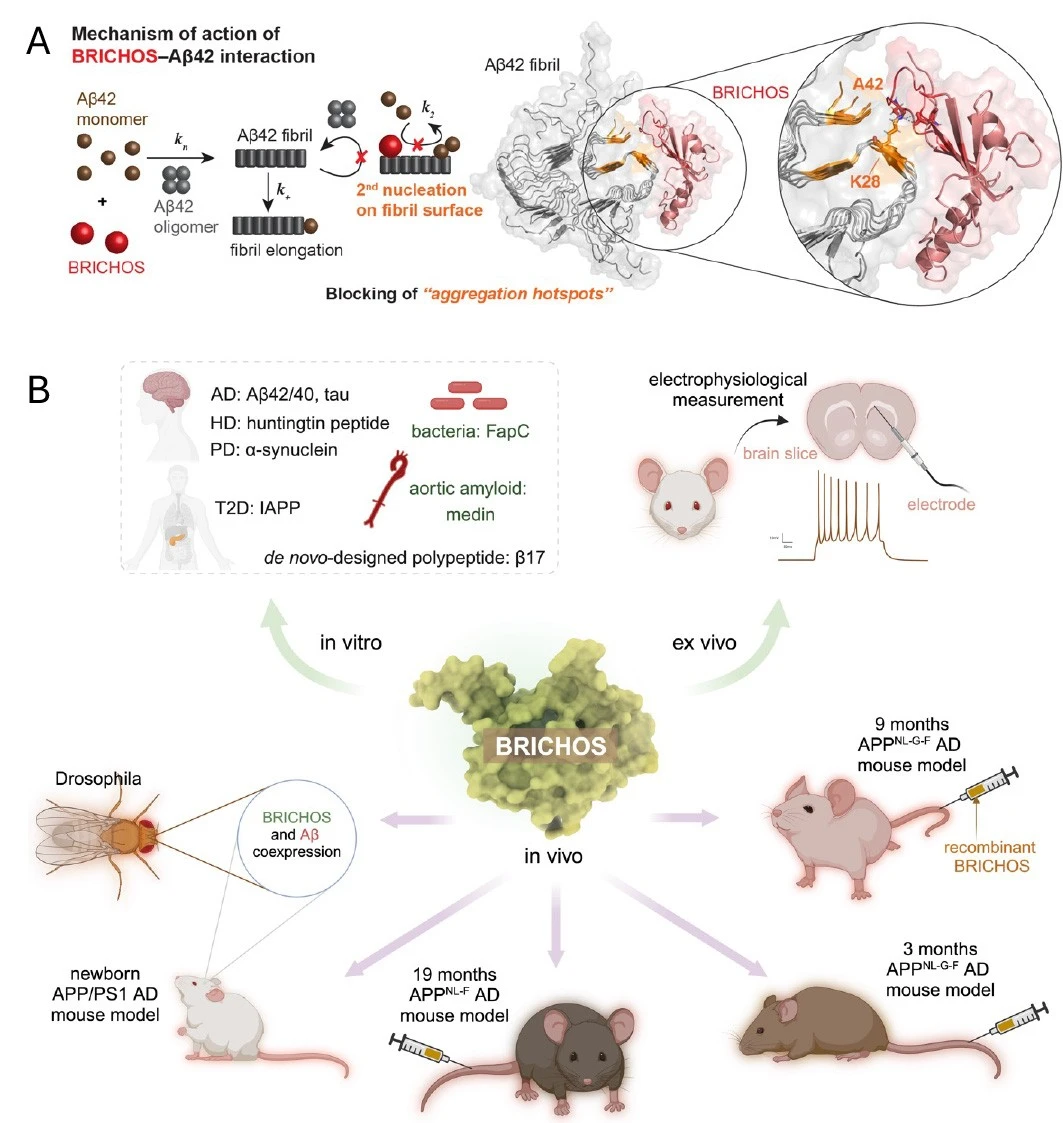
Jan Johansson is a Professor at the Department of Medicine, Huddinge, Karolinska Institutet, specializing in protein biochemistry and translational research. His work focuses on developing novel medical treatments using molecular chaperones for neurodegenerative diseases like Alzheimer’s, spider silk-based biomaterials, and synthetic surfactants for respiratory disorders. He earned his Medical Degree (1990) and PhD (1991) from Karolinska Institutet, with research spanning protein aggregation mechanisms, drug development, and biomedical applications. Education: MD from Karolinska Institutet (1990), PhD in Biochemistry (1991). Research Interests: Molecular chaperones, protein aggregation, Alzheimer’s disease, spider silk biomaterials, synthetic surfactants. Grants: Multiple projects funded by the Swedish Research Council, VINNOVA, and others, including studies on BRICHOS chaperone mechanisms and biomimetic silk production. His lab explores chaperones’ potential to cross the blood-brain barrier, combat amyloid toxicity, and deliver therapeutic agents. Notable contributions include designing synthetic surfactants for neonatal respiratory distress syndrome and elucidating spider silk’s structural basis for toughness. Collaborations with industries and academic institutions drive translational research toward clinical applications.
Jorge Amich Elias is an Honorary Lecturer (Teaching & Research) at the University of Manchester, affiliated with the Division of Evolution, Infection and Genomics. His research focuses on fungal metabolism, particularly in Aspergillus fumigatus , exploring virulence traits, antifungal targets, and sulfur metabolism's role in pathogenicity. He has pioneered studies on persulfidation's impact on fungal virulence and host defense, and investigates microbial interactions in co-infections. Key projects include leadership in the Manchester Fungal Infection Group (MFIG), active since 2013, addressing Aspergillus infections. His work contributes to UN Sustainable Development Goals related to health and innovation. Research outputs span 27 articles, including recent studies on zebrafish fin regeneration and antifungal drug targets. He actively reviews for journals like Frontiers in Microbiology and participates in academic events, such as the Manchester Science Festival and invited talks on antifungal drug development.
Kevin Couper is a Professor of Immunology and Chair of the Division of Immunology, Immunity to Infection and Respiratory Medicine. He is affiliated with the Lydia Becker Institute of Immunology and Inflammation and the Geoffrey Jefferson Brain Research Centre. His research focuses on malaria pathogenesis and immune responses to brain tumors, contributing to UN Sustainable Development Goals related to health. Research Interests: Malaria Pathogenesis: Investigating severe complications like cerebral malaria using murine models and human samples. Immune Response to Brain Tumors: Studying glioblastoma and NF2-related schwannomatosis, employing high-dimensional imaging to analyze tumor microenvironments. Advising and Grants: Supervised 11 works and contributed to projects including "Laser capture dissection for spatially-resolved -omics analysis" and "The Role of Plasma Membrane Calcium ATPase 4 (PMCA4) in Modulating Plasmodium Infection and Malaria Severity." Labs/Teams: Active in the Lydia Becker Institute and Geoffrey Jefferson Brain Research Centre, collaborating with pathologists and neurosurgeons on brain tumor research.
Dr. Alexander Eckersley is a Lecturer in Skin Health at the Division of Musculoskeletal & Dermatological Sciences, The University of Manchester. His academic journey includes a Doctor of Philosophy (2018) from the University of Manchester, an MRes in Protein Biochemistry (2011) from Imperial College London, and a BSc in Biology (2009) from the University of York. His research focuses on extracellular matrix (ECM) biology, proteomics, and skin health. Key areas include collagen remodeling under radiation exposure, UV-induced protein damage, and tetrapeptide matrikines for skin rejuvenation. He has contributed to advancements in spatially resolved proteomics and ECM-associated diagnostics. Eckersley has received notable awards: the Best Poster Award (2017) and Early Career Research Award (2019). He collaborates on projects like the ‘Laser capture dissection for spatially-resolved -omics analysis’ (2024-2025). His work spans over 28 publications and includes datasets on ECM photodamage (2020) and fibrillin microfibril comparisons (2018). His research integrates proteomics, structural biology, and biomedical applications, addressing topics like vascular aging, kidney ECM remodelling, and circadian rhythms in skin cells. Eckersley’s contributions bridge fundamental ECM science with translational biomedical innovations.
Luke O'Neill serves as an Honorary Professor at the Institute for Molecular Bioscience, University of Queensland, where his research centers on molecular immunology and inflammatory disease mechanisms. His work bridges fundamental immunology with translational applications across diverse pathological contexts. His primary research domains include: Immunology Inflammation Inflammasome biology Molecular bioscience Innate immunity Analysis of his publication record (2010-2017) reveals a concentrated focus on NLRP3 inflammasome dysregulation in diseases ranging from asthma and Alzheimer's to viral infections and metabolic disorders. His contributions include seminal work on the inhibitor MCC950, demonstrating therapeutic potential across neurodegenerative, respiratory, and autoimmune conditions through precise modulation of inflammatory pathways. Scientific Awards: No awards were documented in the provided text. Advising and Grants: While the text confirms active research leadership through extensive co-authorship networks, specific student mentorship details or grant funding information remain unreported. Labs and Teams: Affiliated with the University of Queensland's Institute for Molecular Bioscience, his collaborative framework spans international institutions including Trinity College Dublin and research groups across Europe and North America, though specific lab configurations are not described.
Jae-Kyung Lee is an Associate Professor in the Department of Physiology and Pharmacology at the University of Georgia's College of Veterinary Medicine. Her research investigates neuroinflammatory mechanisms in neurodegenerative disorders, with emphasis on Parkinson's disease, microglia biology, and Regulator of G-protein Signaling (RGS) proteins. Dr. Lee leads an active research laboratory exploring therapeutic interventions for neurodegeneration. Education: BS (1997) and MS (1999) from Kyungpook National University, South Korea PhD (2005) from University of North Texas Health Science Center Postdoctoral training (2008) at University of Texas Southwestern Medical Center Research Focus: Dr. Lee's work examines how inflammation influences neurodegenerative processes, particularly through microglial activation and immune signaling pathways. Her lab investigates RGS10's role in modulating neuroinflammation, natural killer cell functions in Parkinson's pathology, and oxidative stress mechanisms in neurodegeneration. Current projects explore alpha-synuclein clearance mechanisms and immune cell profiling in synucleinopathy models. Publication Trends: Her recent articles demonstrate a strong focus on neuroimmune interactions in Parkinson's disease, particularly the regulatory functions of RGS proteins and natural killer cells. Research spans molecular mechanisms of neuroinflammation, animal models of neurodegeneration, and identification of novel therapeutic targets. Over 50% of recent publications directly address Parkinson's pathology and immune modulation. Teaching: VPHY8020 Neuroanatomy (Instructor) VPHY8250 Integrative System Physiology II (Instructor) VPHY8010 Mammalian Cell Physiology (Course coordinator) Laboratory: Leads the Lee Lab focused on neuroimmunology and neurodegenerative disease mechanisms.
Dr. Rachelle Palchesko is an Assistant Teaching Professor of Biomedical Engineering at Carnegie Mellon University (CMU), part of the College of Engineering. Her academic journey includes a B.S. in Biochemistry (2006, Summa Cum Laude) from Indiana University of Pennsylvania and a Ph.D. in Chemistry from Duquesne University (2011). She completed postdoctoral fellowships at the University of Pittsburgh’s Department of Ophthalmology and CMU’s Biomedical Engineering department under Drs. James Funderburgh and Adam Feinberg, respectively. Since 2016, she has been a Special Faculty member in CMU’s Biomedical Engineering department under Dr. Feinberg. Her research focuses on biomimetic extracellular matrix (ECM) materials for tissue engineering, particularly targeting corneal endothelium regeneration and cystic fibrosis therapy. Key projects include cell injection therapies, engineered corneal tissues, and ECM-based scaffolds. She also teaches courses on biomaterials, polymeric biomaterials, and tissue engineering. Research awards include membership in Sigma Xi and a Fellowship in Ocular Tissue Engineering (2011–2013). Her work spans interdisciplinary collaborations, with publications in biomaterials, bioprinting, and regenerative medicine. She actively adapts cell delivery technologies for broader medical applications, including cardiac and lung biofabrication.
Ricky R Savjani is an Assistant Professor-in-residence in the Department of Radiation Oncology at the University of California Los Angeles (UCLA), David Geffen School of Medicine. He clinically treats patients with Head & Neck cancers, as well as Brain and Spine metastases. He leads a research laboratory focused on advanced imaging, clinical informatics, and artificial intelligence applications in radiation oncology. Dr. Savjani's research interests span radiation oncology, medical imaging, and artificial intelligence in healthcare. His work focuses on translating neuroimaging advances to capture cancer tissue properties and guide radiotherapy. He has developed innovative frameworks for sharing radiation dose distribution maps in electronic medical records (Push2PACS project published in Radiology: Imaging Cancer) and works with industry partners including Varian and NVIDIA. His research integrates machine learning models into clinical radiation oncology practice, with emphasis on image registration, motion management, and tumor segmentation. His recent publications demonstrate strong trends in applying AI and advanced imaging techniques to radiation oncology challenges, particularly in head and neck cancer, brain metastases, and motion management. The research spans from clinical implementation of novel imaging techniques like 5DCT to developing machine learning models for treatment prediction and optimization. His work bridges the gap between advanced computational techniques and practical clinical applications in radiation therapy. ASTRO-Varian Research Training Fellowship (2020-2021) Trainee Editorial Board of Radiology: Imaging Cancer Dr. Savjani mentors a diverse research team including postdoctoral fellows, graduate students, medical students, and research staff. His lab has developed computational infrastructure with multiple GPU servers (totaling 14 GPUs, 256 CPU cores, 3086 GB RAM, 376 TB storage) to support AI research in radiation oncology. Current projects include functional MRI neuroscience, resting-state fMRI, radiation therapy dose distribution sharing (Push RT 2 PACS), and saccadotopy functional mapping.
Celeste Piotto is a Research Fellow at the University of Michigan, affiliated with the Carlos Aguilar Lab. Her research focuses on tissue repair mechanisms, miRNA-based therapies, and nanomedicine applications in oncology and regenerative medicine. She investigates the intersection of biomaterials, genetic factors, and immune regulation to address challenges like diabetic wound healing and cancer radiosensitization. Her work spans interdisciplinary areas including molecular biology, nanotechnology, and clinical oncology. Key contributions include studies on miRNA targeting DNA repair pathways and the development of functionalized nanoparticles for biomedical use. She has explored radiosensitivity in cancer patients and the role of cytokines in tissue regeneration. While no formal academic awards or grants are listed, her publications reflect a strong focus on translational research with potential clinical applications. She collaborates within the Carlos Aguilar Lab, contributing to advancements in regenerative therapies and targeted drug delivery systems.
Kirsten Larson, PhD, is a Professor in the Department of Microbiology & Immunology at Drexel University College of Medicine. As a full-time educator, she specializes in curriculum development, course direction, and interdisciplinary team leadership, focusing on medical genetics, immunology, and experiential learning. She holds roles such as thread director for immunology and genetics, co-director of Foundations of Disease, and leads courses in the Pre-medical and Pre-health (PMPH) Division and the Graduate School of Biomedical Sciences. Dr. Larson earned her PhD from Mayo Graduate School in 1996. Her research interests transitioned from asthma and eosinophil biology to medical education, emphasizing flipped classrooms, peer evaluation, and professionalism. Prior work included cloning eosinophil genes and studying adhesion molecules in allergic reactions. Her awards include multiple Golden Apple Awards for teaching, Lindback Foundation Award for Distinguished Teaching, and induction into Alpha Omega Alpha. She actively contributes to Discovery Day and the Drexel Pathway to Medical School program, fostering education across graduate, medical, and undergraduate levels. Dr. Larson collaborates with the Institute for Molecular Medicine & Infectious Disease and the Biomedical Science Programs, integrating basic and clinical science. Her work promotes interdisciplinary education and student feedback mechanisms to enhance professionalism and patient safety.
Nicole C Dubois is an Associate Professor in the Department of Cell, Developmental & Regenerative Biology at the Icahn School of Medicine at Mount Sinai. Her research focuses on understanding early heart development and leveraging this knowledge to advance regenerative medicine approaches for cardiac diseases. She holds a BA from the Swiss Federal Institute of Technology Zurich (ETHZ) and a PhD from the Swiss Institute for Experimental Cancer Research (ISREC), followed by postdoctoral training at the McEwen Centre for Regenerative Medicine in Toronto. Dr. Dubois’ work spans multidisciplinary training areas including Development, Regeneration, and Stem Cells (DRS). Her research emphasizes the directed differentiation of pluripotent stem cells into specialized cardiac cell types, with particular attention to cardiomyocyte maturation, cardiac progenitor stabilization, and the molecular mechanisms governing chamber-specific cardiac development. She explores innovative strategies such as engineered extracellular vesicle-encapsulated gene delivery systems and optimized mRNA translation to enhance therapeutic applications for heart failure and cardiotoxicity. Her studies integrate genomic approaches, including chromatin architecture mapping and transcriptomic analysis, to decode how developmental pathways regulate cardiac cell fate and function. Work on Notch signaling, PPARδ activation, and Wnt/β-catenin modulation highlights her focus on molecular levers for cardiac repair. Recent projects address individualized predictions of drug-induced cardiotoxicity and the role of sphingolipid metabolism in myocardial infarction recovery. Leveraging in vitro models and murine systems, her lab bridges basic science discoveries with translational applications, aiming to address unmet clinical needs in heart disease. Ongoing efforts include refining exosome-AAV vectors for evading immune responses and improving cardiac gene delivery efficacy.
Casey Langdon is an Assistant Professor at the Medical University of South Carolina (MUSC) , affiliated with the College of Medicine and Department of Pediatrics . The laboratory focuses on sarcoma cancer cell biology, particularly investigating oncogenic events shaping pediatric sarcomas. Education: B.S. in Biochemistry and Biology (double major) - Campbell University (2008) Ph.D. in Experimental Pathology - Yale University (2015) Postdoctoral Research Associate - St. Jude Children’s Research Hospital (2015-2022) Research Interests center on elucidating molecular mechanisms of Ewing sarcoma, a pediatric bone cancer with stagnant therapeutic progress. The lab employs molecular biology and pharmacological approaches to study cooperating oncogenic drivers in sarcomagenesis, pursuing both basic science and translational applications. Publication Trends show specialization in: PTEN nuclear functions in tumor suppression Genotype-selective combination therapies Synthetic essentiality in rhabdomyosarcoma Isoprenylation/MAPK pathway interactions Targeted interventions for BRAF-mutant cancers Drug synergy in various cancer types Laboratory addresses sarcoma cell fate decisions through transcriptional regulation studies and therapeutic intervention development, particularly focusing on nuclear PTEN functions and PAX7 dependency mechanisms.