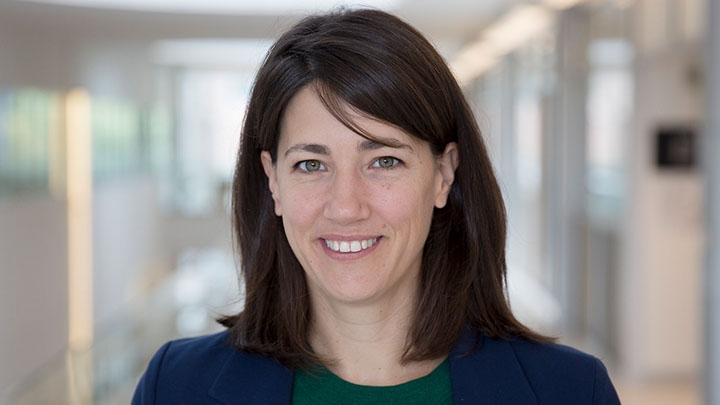
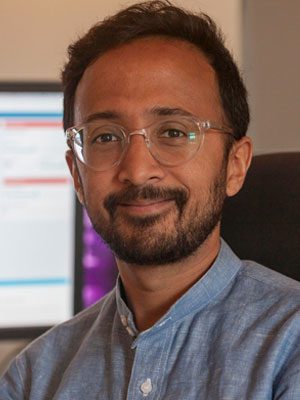
Dr. Tanvir Huda is a Senior Lecturer in Public Health at the University of Sydney's Sydney School of Public Health, within the Faculty of Medicine and Health. He holds an NHMRC Senior Research Fellow position and has extensive experience in global health research, particularly in low-income settings. His work focuses on maternal and child health, nutrition, health equity, and universal health coverage. Dr. Huda has secured significant funding from agencies like NHMRC, Gates Foundation, and WHO, leading major studies such as the Shonjibon trial evaluating cash transfers and nutrition interventions in Bangladesh. Education: PhD in Public Health (University of Sydney, supported by Endeavour Postgraduate Award) MSPH from University of Alabama at Birmingham via AIDS International Training Research Fellowship (Fogarty NIH) Research Interests: Dr. Huda tests innovative solutions for health inequities, including nutrition-sensitive interventions, social safety nets, and mobile health technologies. Current projects include evaluating childhood stunting reduction in Bangladesh and exploring Lactoferrin applications for anemia. Grants & Awards: NHMRC grants totaling over $6 million Gates Foundation and MRC funding ($348k+) Teaching: Teaches in the Master of International Public Health program, emphasizing participatory learning in cluster randomized trials and health systems. Advising: Supervises research on maternal-child nutrition inequalities (e.g., Miranda HENDRY's project). Collaborates on grants like the SSEAC Ignition Grant for climate-sensitive undernutrition analysis.
Zeb Jamrozik is a researcher affiliated with the Monash Bioethics Centre at Monash University, where he engages in critical work at the intersection of ethics and public health. His research is deeply embedded in global health policy, with a focus on ethical decision-making during public health emergencies and in the design of clinical research involving human participants. His research interests center on public health ethics, particularly in the context of infectious disease outbreaks. Key areas include the ethics of human challenge studies—especially for diseases like COVID-19—vaccination ethics, antimicrobial resistance, and health equity in global health research. He investigates how ethical principles can guide policy on infection control, resource allocation in intensive care, and research involving asymptomatic carriers of infection. The trends in his recent publications reveal a strong emphasis on pandemic preparedness and ethical governance. His work frequently addresses how scientific evidence, expert disagreement, and ethical frameworks interact in crisis settings. He contributes to high-impact journals in bioethics and infectious diseases, often collaborating with international bodies such as the World Health Organization. Zeb Jamrozik has served as a Chief Investigator or Primary Chief Investigator on multiple research projects funded by the Australian Research Council (ARC) and Safer Care Victoria. These projects explore ethical frameworks for ICU triage during the pandemic, equity in climate-sensitive infectious disease research, and guidelines for human challenge studies. His work has influenced clinical guidelines and been widely disseminated through news outlets, social media, and academic platforms. He is actively involved in research leadership, contributing to national and global conversations on bioethics. His projects often involve interdisciplinary teams and aim to produce actionable ethical guidance for policymakers and health institutions.
Igor Francetic is a Research Fellow at the Division of Population Health, Health Services Research & Primary Care at the University of Bristol. He holds a PhD in Public Health from the University of Basel (2019) and has expertise in health economics, applied microeconomics, and econometric analysis. His research focuses on healthcare organization, health behaviors, and policy evaluation, with a particular emphasis on emergency care prioritization, primary care workforce dynamics, and health inequalities. He has contributed to policy-oriented projects in Switzerland and Tanzania, including studies on hospital networks, patient safety, and health systems governance. **Education**: PhD in Public Health (University of Basel, 2019) MSc in Economics (University of Lausanne, 2016) BA in Economics (University of Lugano, 2012) BSc in Business Administration (SUPSI, 2011) **Research Interests**: His work explores cancer screening, spillover effects in healthcare, emergency care disparities, and primary care networks. He employs microeconometric and network analysis tools, leveraging platforms like R and Stata. Recent studies include evaluating skill-mix changes in primary care (England), socioeconomic disparities in emergency care access, and the impact of social accountability monitoring in Tanzania. **Awards & Fellowships**: SSPH+ Fellow, Swiss School of Public Health (2024–) SNSF Ambizione Fellow, SUPSI (2024–) **Teaching**: Co-lecturer for the Health Economics unit (ECON 32202) at the University of Bristol. **Professional Memberships**: Health Economists' Study Group UK (HESG) Royal Economic Society (RES) Swiss Society of Health Economics (sggö) Croatian Health Economics Association (CHEA) – Co-founder and board member
Thomas Lemieux is a Professor at the Vancouver School of Economics within the Faculty of Arts at the University of British Columbia , where he has been affiliated since 1999. Previously, he taught at MIT and the Université de Montréal. Born in Quebec City, he earned his Ph.D. from Princeton University. Research Interests: His work focuses on labor economics and econometric methods , particularly analyzing earnings inequality , unionization effects , regression discontinuity designs , and educational returns . He employs advanced decomposition techniques to study wage dynamics across gender, immigration status, and sectoral divides. Scientific Awards: Fellow, Royal Society of Canada Fellow, Society of Labor Economists Research Fellow, Institute for the Study of Labor (IZA) Research Associate, National Bureau of Economic Research (NBER) Publications: He has published extensively in top journals like the Quarterly Journal of Economics , Econometrica , and Journal of Labor Economics , with recent work examining: Union wage premiums using matched employer-employee data Spillover effects of minimum wage policies Changes in task prices and occupational wages Top income dynamics in Canada Immigrant wage gaps across education sources Regression discontinuity identification challenges Canadian labor market responses to the Great Recession
Kathleen H. Sienko is the Arthur F. Thurnau Professor in the Department of Mechanical Engineering at the University of Michigan's College of Engineering. She directs the Sienko Research Group, a multidisciplinary lab focused on developing technological solutions at the intersection of healthcare and engineering. Her work spans medical device design, design science, and engineering education with a strong emphasis on global health contexts. Dr. Sienko earned her Ph.D. in Medical Engineering and Bioastronautics from the Harvard-MIT Division of Health Sciences and Technology (HST) program in 2007, an S.M. in Aeronautics & Astronautics from MIT in 2000, and a B.S. in Materials Engineering from the University of Kentucky in 1998. Ph.D., Medical Engineering and Bioastronautics, Harvard-MIT Division of Health Sciences and Technology, 2007 S.M., Aeronautics and Astronautics, Massachusetts Institute of Technology, 2000 B.S., Materials Engineering, University of Kentucky, 1998 Her research focuses on sensory augmentation, rehabilitation engineering, biomechanics, and medical device design with emphasis on global health contexts and task-shifting devices. She has pioneered efforts to incorporate global health technology constraints within engineering design education at undergraduate and graduate levels, establishing field sites in sub-Saharan Africa and Asia where numerous devices have been conceptualized and refined with local stakeholders. Her work in design science examines how and when designers use prototypes in development cycles and how prototypes assist during stakeholder interactions and user requirements identification. Her recent publications reveal a strong trend toward human-centered approaches in global health design, with increasing focus on stakeholder engagement, contextual factors in engineering design, and equity considerations in health technology development. Her work bridges biomechanics, rehabilitation engineering, and design methodology with applications in balance assessment, medical device development for low-resource settings, and engineering education. Dr. Sienko has received numerous prestigious awards including the NSF CAREER Award, University Undergraduate Teaching Award, Provost's Teaching Innovation Prize, and the Miller Faculty Scholar Endowed Award. Her recognition spans teaching excellence, research innovation, and outreach contributions. NSF CAREER Award, 2009 Provost's Teaching Innovation Prize, 2012 Miller Faculty Scholar Endowed Award, 2013 University Undergraduate Teaching Award, 2012 Raymond J. and Monica E. Schultz Outreach and Diversity Award, 2011 She has advised numerous graduate students including Nick Moses (who defended his dissertation in December 2023), Lucy Spicher, Marty Kilbane, and Ibrahim Mohedas. Her research has been supported by significant grants from the National Science Foundation, including the CAREER program, Research Initiation Grants in Engineering Education, and the Graduate Research Fellowship program, as well as funding from the University of Michigan's Rackham Merit Fellows program and Center for Research on Learning and Teaching. The Sienko Research Group operates as a talented multidisciplinary lab developing novel methodologies to create technological solutions addressing pressing societal needs at the healthcare-engineering intersection. Current research thrusts include Design Science, Autonomous Vehicles, Balance, Sensory Augmentation, and Wearable Devices, with particular emphasis on how design ethnography can inform medical device development and how engineering students develop ethnographic skills for global health contexts.
Ajay Pillarisetti is an Assistant Professor at the University of California, Berkeley's School of Public Health, Department of Environmental Health Sciences. His research focuses on the interplay between household energy use, air pollution exposure, health outcomes, and climate change in low- and middle-income countries. A graduate of UC Berkeley (PhD) and Emory University (MPH, BS), he has led global projects in India, Mongolia, Nepal, Guatemala, Peru, and Rwanda. PhD – Environmental Health Sciences, UC Berkeley MPH – Global Environmental Health, Emory University BS – Biology, Emory College His work employs low-cost air quality sensors, longitudinal surveys, and randomized controlled trials like the HAPIN study to assess health impacts of clean fuel interventions. Key subfields include exposure assessment, implementation science, pollution's metabolic effects, and policy-driven energy transitions. He collaborates with teams across four continents and has published extensively on household air pollution's multi-scale health burdens. Recent articles (2023–2025) highlight trends in quantifying PM2.5's health effects, optimizing sensor networks, and evaluating LPG interventions for maternal/child health. His studies span Guatemala's RESPIRE cohort, Rwanda's HAPIN trial, and India's community monitoring systems, addressing gaps in exposure-response modeling, biomarker analysis, and policy advocacy.
Ruth Owusu-Antwi is a full-time Lecturer in the Department of Psychiatry at the School of Medical Sciences, Kwame Nkrumah University of Science and Technology (KNUST), Ghana. She is also a Senior Specialist and immediate past Head (2017–2024) of the Psychiatry Unit at Komfo Anokye Teaching Hospital, Kumasi. As an International Scholar with the Center for Global Health, she collaborates with global institutions like the University of Michigan to strengthen child and adolescent psychiatry in Ghana. Bachelor of Science in Human Biology, KNUST MBChB in Medicine and Surgery, KNUST Master of Science in Global Mental Health and Policy, KNUST Fellow, Ghana College of Physicians and Surgeons (Adult Psychiatry) Dr. Owusu-Antwi’s research focuses on global mental health , with special emphasis on gender-based violence , addiction , women's mental health , and psychosocial support during public health crises . Her work bridges clinical practice, policy, and community outreach, particularly in underserved populations. She has led numerous community mental health initiatives and a campaign supporting survivors of the Apiatse Gas Explosion. Her recent publications reflect a strong trend in addressing mental health stigma, maternal mental health, and gender-based violence in Ghana and Sub-Saharan Africa. Collaborative studies with institutions in the US highlight her role in building psychiatric capacity and training health workers. 2019 International Fellow, Association of Women Psychiatrists, USA Commendation from Ghana Health Service for COVID-19 psychosocial response Recognition by the President of Ghana, Nana Addo Danquah Akufo-Addo Dr. Owusu-Antwi has mentored numerous trainees and led national initiatives through her role as immediate past President of the Psychiatric Association of Ghana (2021–2023). She has secured research support through international collaborations and funding bodies, contributing to policy development and mental health advocacy. She is the Medical Director of Recovery Pathways, a private practice offering specialized mental healthcare and Employee Assistance Programs (EAP). She leads community mental health outreach programs under her unit, delivering services to deprived communities nationwide. She also co-leads initiatives with the University of Michigan to build child and adolescent psychiatry expertise in Ghana, focusing on training and knowledge dissemination.
Alexander W Kay, M.D., B.A., serves as Assistant Professor in Pediatrics at Baylor College of Medicine with specialized focus on Global Immigrant Health. Based full-time in Mbabane, eSwatini, he holds the position of Associate Director for the Global TB Program where he oversees clinical operations at the TB Centre of Excellence and directs clinical, translational, and operational research initiatives targeting pediatric tuberculosis and TB/HIV co-infection in high-burden settings. His academic foundation includes: BA from Cornell University, Ithaca, New York, United States MD from University of Connecticut School of Medicine, Farmington, Connecticut, United States Residency at Maine Medical Center, Portland, Maine, United States Fellowship at Stanford University, Stanford, California, United States Dr. Kay's research centers on advancing pediatric tuberculosis care through innovative diagnostics and implementation science. His current projects evaluate stool-based molecular assays for TB detection, investigate barriers to isoniazid preventive therapy uptake, and optimize active case-finding strategies. He maintains close collaboration with the eSwatini National TB Control Program to improve clinical management of children with complex TB and TB/HIV presentations, building on prior experience as a BIPAI physician in Lesotho. Analysis of his 2024-2025 publications reveals dominant themes in non-invasive diagnostic development—particularly stool-based molecular testing for pediatric and HIV-affected populations—and operational research addressing healthcare system challenges. His work spans diagnostic accuracy validation, cost-burden assessments, mathematical modeling of adolescent TB incidence, and implementation studies across Southern Africa, with concentrated efforts in eSwatini and Mozambique. Professional credentials include board certification by the American Board of Internal Medicine and American Board of Pediatrics (Certificate of Knowledge), alongside active membership in the American Society of Tropical Medicine and Hygiene and American Academy of Pediatrics' Pediatric Infectious Diseases section. As Associate Director of the Global TB Program, Dr. Kay leads research initiatives likely supported by institutional and global health grants, though specific funding sources aren't detailed. His role involves mentoring within the TB Centre of Excellence framework, but no formal student advisement is documented. He previously contributed to BIPAI's work in Lesotho and maintains this partnership in eSwatini. Operating at the TB Centre of Excellence—a dedicated pediatric referral facility for complicated TB cases—Dr. Kay collaborates with national programs to implement evidence-based practices. His team focuses on translating research into improved diagnostic algorithms and treatment protocols for children, with ongoing projects examining stool-based qPCR implementation, cost-reduction strategies, and HIV/TB integrated care models.
Mark Sculpher is a Professor of Health Economics and Head of the Centre for Health Economics at the University of York , a role he has held since 1997. He co-directs the Policy Research Unit in Economic Evaluation of Health and Care Interventions (EEPRU) and has contributed extensively to health economics research. Research Focus: Economic evaluation in health, decision analytic modeling, pharmaceutical policy, and global health. Key Contributions: Co-authored seminal textbooks like Methods for the Economic Evaluation of Health Care Programmes and Decision Modelling for Health Economic Evaluation . Member of the Second Panel on Cost-Effectiveness in Health and Medicine. Advisory Roles: Former member of NICE committees, UK Health Select Committee on Orkambi availability, and Portuguese National Authority for Medicines. Awards: Elected Fellow of the Academy of Medical Sciences (2024), NIHR Senior Investigator (Emeritus), and former ISPOR President. Recent Publications emphasize dynamic efficiency in pharmaceutical innovation, real-world evidence frameworks, and global health applications. His work spans cost-effectiveness analysis for vaccines, antimicrobial resistance, and equity-focused evaluations in low- and middle-income countries. Scientific Recognition: Includes Fellow of the Academy of Medical Sciences (2024) NIHR Senior Investigator (Emeritus) Former President of ISPOR Editorial roles in Pharmacoeconomics and Applied Health Economics and Health Policy
Tanya Golubchik is a Senior Lecturer in Computational Microbiology and an NHMRC Principal Research Fellow at the University of Sydney's School of Medical Sciences under the Faculty of Medicine and Health. She is affiliated with the Sydney Southeast Asia Centre and the Sydney Infectious Diseases Institute (Sydney ID). Her research focuses on applying modern genomics technologies to study pathogen evolution and transmission, particularly in viruses and bacteria with public health significance. She has collaborated extensively with institutions such as the University of Oxford's Big Data Institute and the PANGEA-HIV Consortium, contributing to HIV and SARS-CoV-2 genomic analysis. Educated at the University of Sydney with a dual major in biology and computer science, she earned her PhD in molecular biology. Her postdoctoral work at the University of Oxford involved pneumococcal vaccine escape variants and within-host bacterial evolution. She led computational analysis of SARS-CoV-2 sequencing during the pandemic as part of the COG-UK Consortium and returned to Sydney in 2022. Her research interests include understanding how pathogens evolve within hosts, develop strategies to combat infections, and integrate metagenomics for clinical insights. She has pioneered methods like targeted metagenomics for simultaneous sequencing and transcriptional profiling of pathogens. Recent work examines RSV intrahost diversity in infants and SARS-CoV-2 transmission dynamics in the UK. She also explores climate change impacts on disease through CLIMADE and investigates HIV transmission networks in Africa. Her scientific contributions include the 2023 Thompson Prize from the University of Sydney. Research grants span projects like genomics solutions for HIV surveillance in low-income settings, vector-borne disease detection amid climate change, and metagenomic studies in female reproductive health. Her work bridges epidemiology, genetics, and translational research, emphasizing interdisciplinary approaches to global health challenges. In advising and grants, she has secured funding for high-throughput sequencing and transmission network analysis. While no formal advisee names are listed, her supervisory roles in molecular epidemiology and bioinformatics suggest active student mentoring. Collaborations with international teams and institutes highlight her global engagement in addressing infectious disease threats through computational and genomic strategies. Key teams include the PANGEA-HIV Consortium, COG-UK, and CLIMADE. She leads initiatives at Sydney ID and the School of Medical Sciences, advancing pathogen genomics and outbreak response methodologies.
Janet Hankin serves as a Professor in the College of Liberal Arts and Sciences at Wayne State University, where she maintains an active research program in medical sociology. Her office is located in 2259 Faculty Administration Building, and she can be reached at janet.hankin@wayne.edu or (313) 577-2930. Education: PhD from University of Wisconsin-Madison Research Focus: Dr. Hankin's scholarly work centers on critical intersections of medical sociology and public health, with sustained emphasis on preventing alcohol consumption during pregnancy and addressing systemic health disparities. Her research employs sociological frameworks to examine how social determinants impact maternal health outcomes, particularly among vulnerable populations. The landmark 2010 special issue of the Journal of Health and Social Behavior that she co-edited represents a comprehensive synthesis of medical sociology's evolution over five decades, establishing foundational knowledge for contemporary health equity research. Publication Trends: Her recent scholarly output demonstrates dual trajectories: theoretical contributions through historical analysis of medical sociology (2010) and applied research on prenatal alcohol screening implementation (2012). The Alabama-based study examining alcohol detection in prenatal care settings for low-income women exemplifies her commitment to translating sociological insights into clinical practice improvements within resource-constrained environments. Recognition: Citation index of 383 (2009-present) Academic Service: Professor Hankin teaches MGG7640 - Principles of Genetic Counseling in Fall terms (2023-2024), demonstrating engagement with health professional education. No information regarding grant funding or student mentorship was provided in available materials.
Suzie Goodell is a Professor and Director of the Interdepartmental Graduate Program in Nutrition at North Carolina State University (NC State), located in the Schaub Food Science Building. She holds a Ph.D. in Nutritional Sciences from the University of Connecticut (2007), an M.S. in Food and Nutrition from Texas Tech University (2002), and a B.S. in Biology from Hardin-Simmons University (1999). Her research focuses on childhood obesity prevention, qualitative methodologies, and community/public health nutrition, particularly in low-income and minority populations. She is a leader in developing evidence-based interventions targeting preschool-aged children and their caregivers. Dr. Goodell has received numerous accolades including the Gertrude Cox Award for Teaching Innovation (2020-21), Alumni Distinguished Undergraduate Professor recognition (2017-18), and the USDA Southern Region Excellence in Teaching Award (2017). She actively contributes to professional organizations like the Academy of Nutrition and Dietetics and the Society for Nutrition Education and Behavior. Her teaching portfolio includes courses such as NTR 490: Senior Capstone in Nutrition and NTR 601/801: Nutrition Seminar, emphasizing experiential learning and technology integration. She has pioneered initiatives like the More PEAS Please! program, combining science education with dietary quality promotion in preschool settings. Her recent work explores food insecurity among college students, teacher training in food-based learning, and childcare garden interventions to improve fruit/vegetable consumption. Dr. Goodell's qualitative research expertise includes in-depth interviews and focus groups, often applied in program evaluations and needs assessments. She collaborates with institutions like the NC State Academy of Outstanding Teachers and the Office of Institutional Equality and Diversity on community-engaged projects.
Laura Murray is a Senior Scientist at Johns Hopkins University , affiliated with the Bloomberg School of Public Health in the Department of Mental Health and International Health . A clinical psychologist by training, she co-founded the Applied Mental Health Research (AMHR) group and developed the Common Elements Treatment Approach (CETA) , a scalable mental health intervention for low-resource settings. Education: PhD in Clinical Psychology, Western Michigan University (2002) MA in Clinical Psychology, Western Michigan University (1999) BS in Psychology, Drake University (1996) Her research spans global mental health , child trauma , implementation science , and cross-cultural interventions , with fieldwork in Zambia, Democratic Republic of Congo, Myanmar, Lebanon, and other conflict zones. She has led clinical trials on CETA's effectiveness for trauma, depression, and substance abuse in diverse populations, including Syrian refugees and orphans in sub-Saharan Africa. Recent publications highlight CETA's adaptability via telehealth in humanitarian crises (2025) and its role in addressing HIV-mental health comorbidities (2024). Her work emphasizes cost-effective training models , software solutions like CareConfidence™, and capacity-building in low-income regions. For grants and collaborations, she has partnered with NGOs and academic institutions across Africa, Southeast Asia, and the Middle East, focusing on mental health workforce challenges and policy-relevant research .
Peter Irga is a Senior Lecturer and ARC DECRA Fellow at the University of Technology Sydney's School of Civil and Environmental Engineering, Faculty of Engineering and Information Technology. He is globally recognized as a leader in nature-based biological air treatment technologies, particularly green wall systems (Phytosystems), with current worldwide ranking #1 in his research topic (SciVal Topic T.37087). Dr Irga's research focuses on innovative nature-based solutions for urban air pollution challenges, including phytoremediation technologies, biosolar green roofs, and agrivoltaics. His work bridges environmental engineering with practical urban applications, examining the performance of nature-based systems in real-world settings to quantify their value and identify development opportunities. His research demonstrates how living infrastructure provides cities with natural beauty while improving human health and wellbeing, addressing UN Sustainable Development Goals 11 (Sustainable Cities), 13 (Climate Action), 15 (Life on Land), and 3 (Good Health). His research portfolio includes 80+ publications with an H-index of 30 and $5.21M in research income, including ARC funding. Industry recognition includes $4.54M in high-level consultancies. His work spans multiple disciplines including atmospheric science, environmental engineering, and sustainable materials development, with particular emphasis on practical implementation of green infrastructure solutions in urban settings. Tall Poppy Science Award (2022) from the Australian Institute of Policy and Science ARC DECRA Fellow (2021-2024) Chancellor's Postdoctoral Research Fellow (2018-2021) Dr Irga actively supervises Masters and PhD students and coordinates Postgraduate Environmental Engineering and Water Engineering programs. His funded research includes Sustainable High-Performance Transitory Structures using Biobased Materials (2025-2026), Bradfield Green and Bio-Solar Roof Monitoring (2025), and Plantabox for Targeting the Urban Heat Island Challenge (2024-2025). He collaborates with industry partners including Junglefy, Ambius, Bradfield Development Authority, and City of Sydney.
Jane Barlow is a Professor of Evidence-Based Intervention and Policy Evaluation at the Department of Social Policy and Intervention, University of Oxford, and Deputy Head of Department (on sabbatical 2025–26). She leads the national evaluation of the A Better Start program and collaborates with organizations like the NSPCC. Her role includes supervision of DPhil students at St Hilda's College and contributions to the Centre for Evidence-Based Intervention. Academic Affiliation: University of Oxford, Department of Social Policy and Intervention Research Groups: Child and family mental health and well-being, Social inequality and poverty, Violence prevention Barlow's research focuses on early parenting's role in child mental health, preventive interventions for child abuse, and pandemic impacts on maternal and infant services. Her work spans global health (e.g., rural Gambia adaptations), domestic abuse policies, and health visiting practice evaluations. Her recent publications address safer sleep practices, video feedback interventions, health visiting models, and pandemic-related anxiety. These studies employ systematic reviews, cross-cultural validations, and administrative data analyses, emphasizing policy implications. Scientific Honors : Fellow of the Faculty of Public Health (Honorary) President of AIMH UK Affiliate Council Representative, WAIMH Executive Board Associate Editor, Infant Mental Health Journal Jane Barlow supervises DPhil students in areas including parental mental health, child protection, and pandemic service adaptations. She leads the Supporting Early Minds Research Network and has developed training courses like Babies in Mind with the NSPCC.