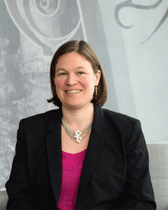
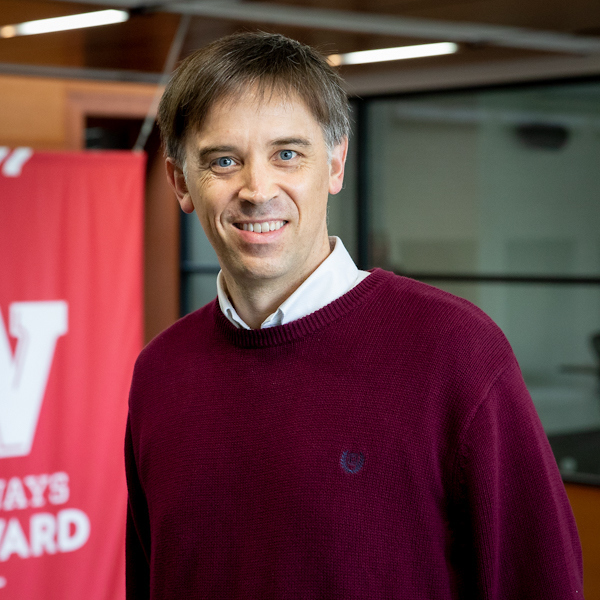
Christine Percheski is an Associate Professor of Sociology at Northwestern University , specializing in quantitative research on economic inequality, family dynamics, and health policy in the United States. Her work bridges demographic methods with sociological analysis to explore structural disparities. Areas of Interest: Family Demography Stratification and Social Inequality Work and Occupations Health Courses Taught: AMERICAN FAMILIES AFTER THE SEXUAL REVOLUTION FAMILIES AND SOCIETY DEMOGRAPHY FAMILY AND SOCIAL LEARNING FAMILIES: A GLOBAL APPROACH SOCIOLOGY OF FAMILIES Research Trends: Her publications focus on family structure, wealth distribution, racial disparities, and policy impacts, with longitudinal studies spanning 1975-2019. Articles address topics like maternal employment, fertility behavior, and health insurance access. Scientific Awards: NSF-funded project on wealth trends in households with children and the elderly
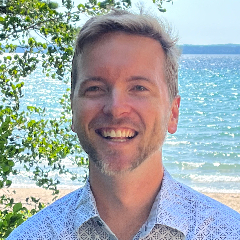
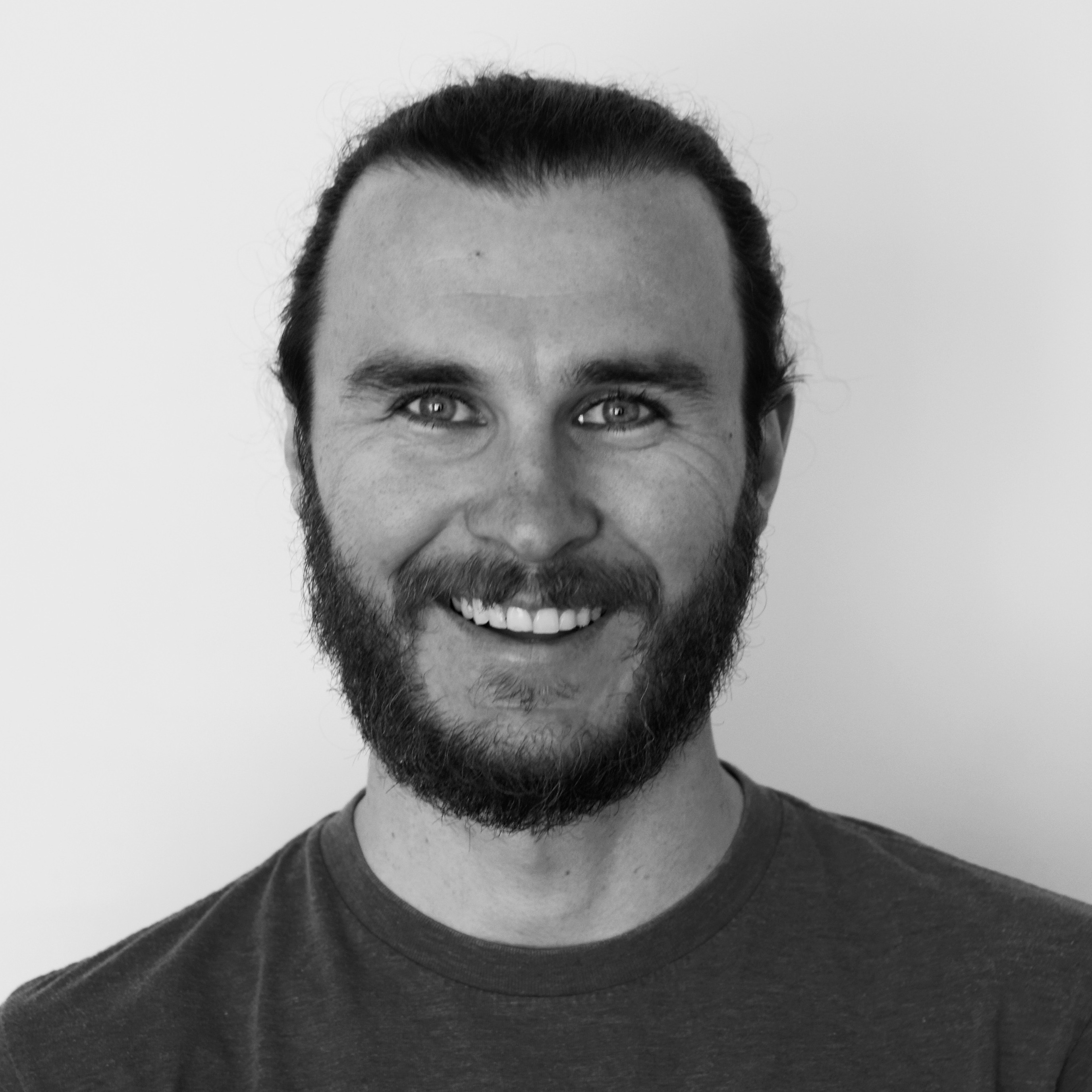
Cristian Vaccari is a Professor in the Politics and International Relations department at the University of Edinburgh . He is a leading scholar in political communication, digital misinformation, and media studies, with a focus on credibility evaluation and social media dynamics. Vaccari served as Editor-in-Chief of The International Journal of Press/Politics for six years, overseeing over 250 articles and organizing six journal conferences, including the 2024 and 2023 University of Edinburgh events. His research includes the Everyday Misinformation Project , funded by the Leverhulme Trust, which investigates disinformation spread on platforms like WhatsApp and Facebook Messenger through mixed-methods surveys and longitudinal studies. Collaborative work with Andrew Chadwick and others explores how source credibility impacts information sharing, the role of peer networks in combating numerical misinformation, and the potential of group rulemaking to reduce disinformation. Vaccari also contributes to policy through roles like Co-Rapporteur for the Council of Europe Committee of Experts on the Integrity of Online Information . Recent publications highlight his expertise in digital credibility, misinformation mitigation, and platform dynamics. He emphasizes bridging disciplinary divides through qualitative and quantitative methodologies, with a global perspective on media-politics intersections. Vaccari’s work informs debates on media trust, AI’s role in journalism, and strategies to counter democratic backsliding.
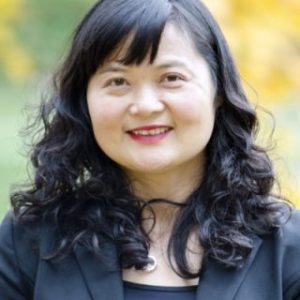
Kurt Schalper, MD, PhD is an Associate Professor of Pathology at Yale School of Medicine and Director of the Translational Immuno-Oncology Laboratory (T.I.L.) at Yale Cancer Center. His primary appointment is in the Department of Pathology with secondary appointments in Medical Oncology and Hematology. Dr. Schalper maintains affiliations with multiple cancer research entities including the Cancer Immunology Program, Yale Center for Immuno-Oncology, and the Yale Combined Program in the Biological and Biomedical Sciences (BBS). Dr. Schalper trained as a cell biologist and surgical pathologist, completing his MD at San Sebastian University (2003) and PhD at Universidad Catolica de Chile (2008). His postdoctoral work at Yale focused on developing quantitative strategies to measure immunotherapy-related biomarkers in immune cells and cancer tissues. His research centers on understanding the immunobiology of human solid tumors, particularly lung cancer, with emphasis on immune evasion mechanisms, tumor microenvironment dynamics, and biomarker development for immunotherapy response prediction. Current scientific interests include tumor immune heterogeneity, editing, and the role of specific tumor antigens and immune evasion pathways in lung malignancies. Analysis of Dr. Schalper's recent publications reveals a strong focus on immuno-oncology, particularly in lung cancer. His work spans biomarker development, mechanisms of immunotherapy resistance, tumor microenvironment characterization, and clinical translation of immunotherapeutic approaches. Notable themes include the investigation of KEAP1/STK11-related resistance, IL-4 mediated immune evasion, and strategies to overcome immunotherapy resistance through combination approaches. Dr. Schalper collaborates extensively with Yale researchers, particularly with Dr. David Rimm (57 common publications), Dr. Roy S. Herbst (35 common publications), Dr. Scott Gettinger (14 common publications), and Dr. Sarah Goldberg (12 common publications). His work appears in high-impact journals including Nature, Journal of Clinical Investigation, and Nature Reviews Clinical Oncology. As Director of the Translational Immuno-Oncology Laboratory, Dr. Schalper leads efforts to produce and support high-quality translational research in immuno-oncology through standardized biomarker analyses and integration with Yale resources. His laboratory focuses on developing quantitative methods for immunotherapy biomarker assessment and understanding mechanisms of response and resistance to cancer immunotherapies.
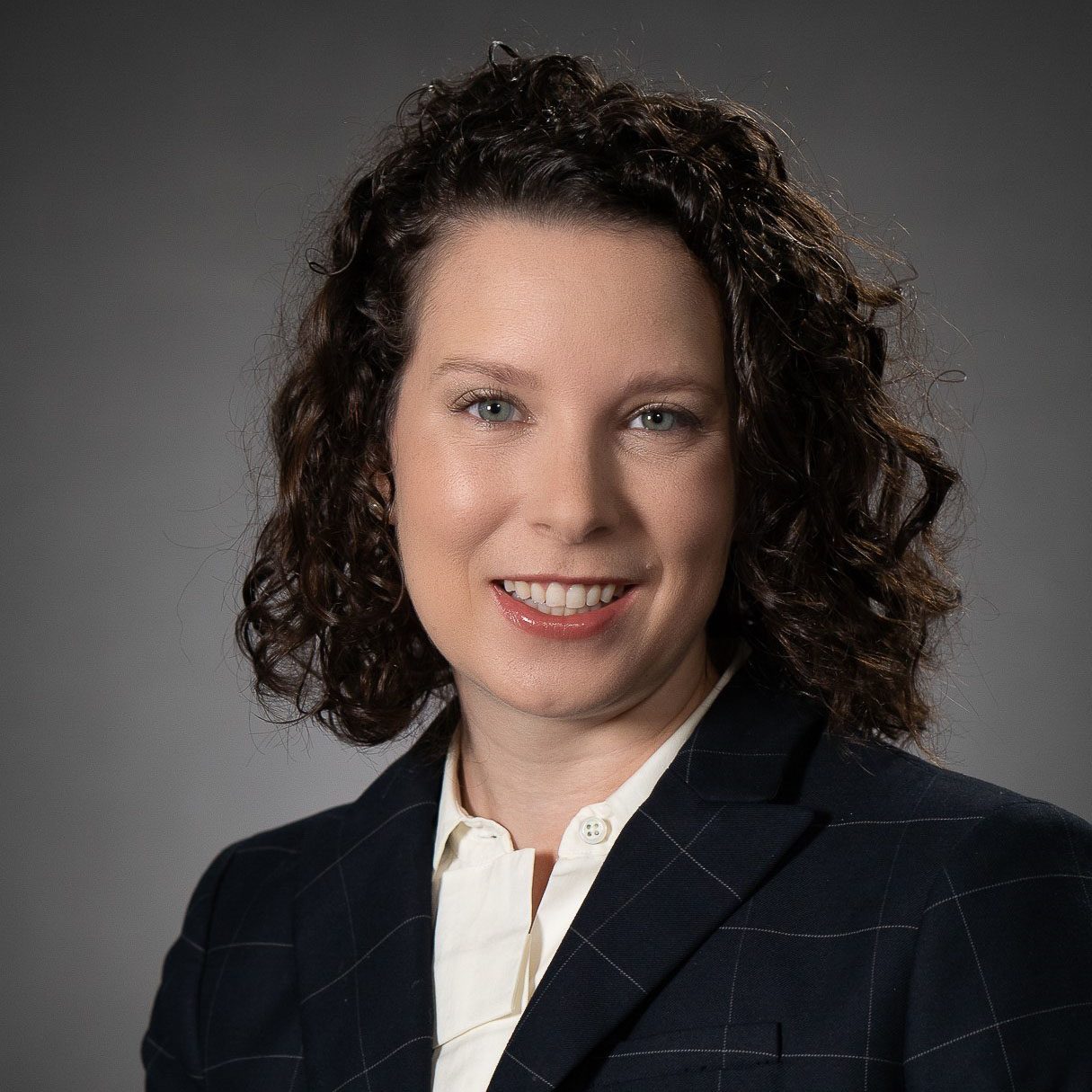
Yize Zhao is an Associate Professor in the Department of Biostatistics at Yale School of Public Health and an Associate Professor in the Department of Biomedical Informatics & Data Science at Yale University. She holds affiliations with multiple Yale research centers including the Yale Center for Analytical Sciences, Yale Alzheimer's Disease Research Center, Yale Wu Tsai Institute, Yale Center for Brain and Mind Health, and Yale Computational Biology and Bioinformatics. Dr. Zhao's research focuses on developing statistical and AI methods to analyze large-scale complex biomedical data including medical imaging, genomics, and electronic health records. Her methodological expertise spans Bayesian statistics, feature selection, predictive modeling, data integration, missing data analysis, and network analysis. Her research interests span multiple biomedical domains with a strong focus on mental health, psychiatry, neurodegenerative diseases, and aging. Her recent work includes brain-to-behavior modeling, multi-layer biomedical networks, imaging genetics and genomics, and the integration of multi-modal biomedical data with real-world data. Dr. Zhao's work has resulted in numerous high-impact publications, with recent research focusing on Alzheimer's disease, brain network analysis, and advanced statistical methods for neuroimaging. Her publications show a strong trend toward integrating multi-modal data sources and developing sophisticated statistical approaches to address complex biomedical questions. Thelma and Marvin Zelen Emerging Women Leaders in Data Science Award from the Institute of Mathematical Statistics (IMS) COPSS Emerging Leader Award from the Committee of Presidents of Statistical Societies (COPSS) YSPH Investigator Research Award Yale Alzheimer's Disease Research Center Research Scholar Award Elected member of the International Statistical Institute Dr. Zhao serves as an Associate Editor for Biometrics and is a standing member of the NIH Biodata Management and Analysis (BDMA) study section. Her research is supported by multiple NIH grants, highlighting the significance and impact of her work in biostatistics and biomedical data science.
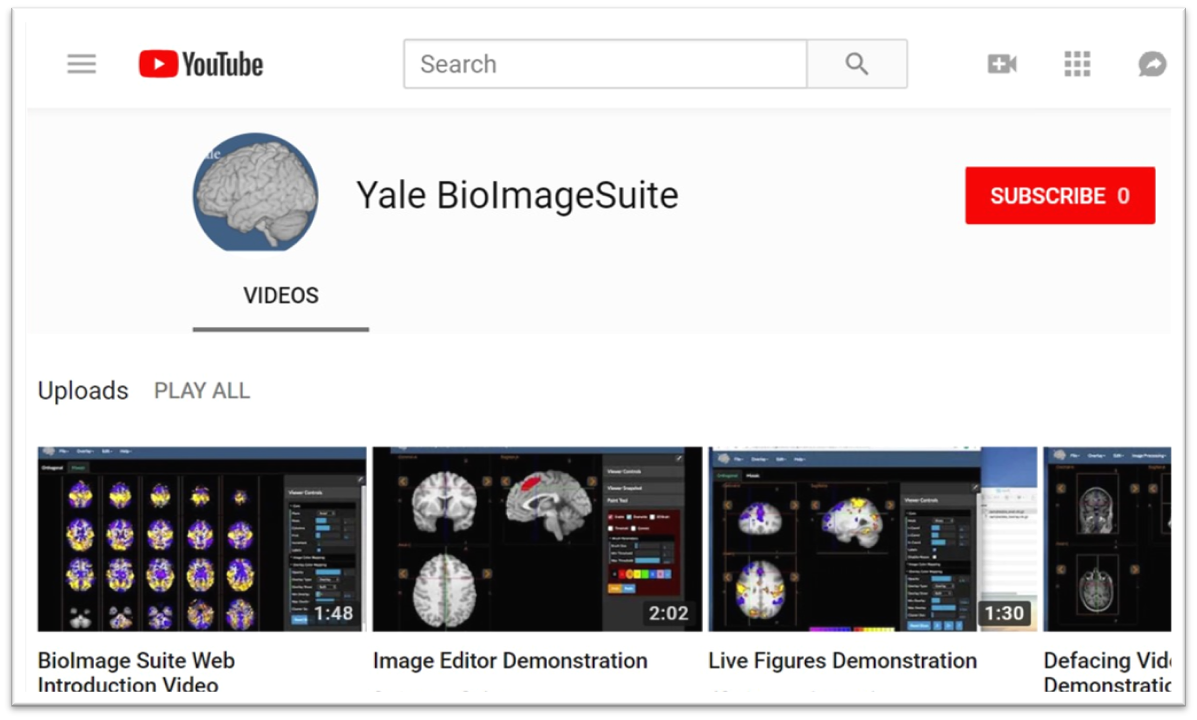
Xenophon Papademetris is a Professor of Biomedical Informatics & Data Science and Radiology & Biomedical Imaging at Yale School of Medicine. He serves as Associate Director of Biomedical Imaging Data Sciences at Yale Biomedical Imaging Institute and directs the Medical Software and Medical Artificial Intelligence Certificate Program. PhD in Electrical and Information Sciences from Yale University (2000) BA from Cambridge University (1994) Postdoctoral Fellowship at Yale University (2002) His research focuses on medical image analysis, machine learning, and biomedical software development. He has developed tools like BioImage Suite Web and contributed to standards committees at the Association for the Advancement of Medical Instrumentation (AAMI). His work spans modalities including MRI, CT, PET, and optical imaging. Recent publications emphasize neuroimaging analysis, explainable AI in healthcare, and multimodal data integration across species. He leads NIH-funded research under the BRAIN Initiative (R24 MH114805) and has authored a textbook on Medical Software published by Cambridge University Press. IEEE Senior Member Yale Brown-Coxe Postdoctoral Fellowship Harding Bliss Prize for Excellence in Engineering He directs the BioImage Suite Project, creating web-based image analysis tools using JavaScript and WebAssembly. His teaching includes both academic courses and a Coursera program on Medical Software with over 14,000 enrollments.
Dr. Steven A. Miller is a Professor of Psychology in the Department of Psychology at Rosalind Franklin University of Medicine and Science, within the College of Health Professions. He joined RFUMS in 2013 and serves as a statistics consultant for the university. His academic background includes a PhD in Social Psychology from Loyola University Chicago, an M.S. in Psychology from Illinois State University with specialization in Clinical Psychology, and an M.S. in Mathematics from Loyola University Chicago with specialization in Probability and Statistics. PhD in Social Psychology, Loyola University Chicago M.S. in Psychology, Illinois State University (Clinical Psychology specialization) M.S. in Mathematics, Loyola University Chicago (Probability and Statistics specialization) Dr. Miller's research focuses on the intricate relationship between personality characteristics/individual differences and emotional experiences. He investigates anxiety and emotional disorders, social cognitive models of personality, and applies quantitative methodology to psychological questions. His work examines intra-individual variability in emotional responses and how situational factors interact with personality to shape emotional experiences. He employs diverse methodologies including experience sampling studies and laboratory experiments to explore these complex dynamics. His recent publications demonstrate a strong focus on psychopathy, emotion regulation, network analysis of personality, and the tripartite model of anxiety and depression. His work spans clinical, forensic, and general populations, often employing sophisticated statistical techniques. There's a clear trajectory toward more complex modeling approaches including network analysis, longitudinal modeling, and advanced psychometric techniques across his publication history. Accredited Professional Statistician (PStat®) with the American Statistical Association Chartered Statistician (CStat) with the Royal Statistical Society Dr. Miller actively mentors graduate students, with numerous student co-authors appearing in his publications. He teaches advanced statistical courses including multivariate statistics, longitudinal models, and categorical data analysis. He is currently accepting doctoral students for the 2026/2027 academic year. His collaborative research spans multiple institutions including DePaul University and Texas A&M, focusing on emerging adults, romantic relationships, and chronic illness. His research laboratory examines the fundamental relationship between personality and emotion, exploring how situational contingencies and individual expectancies shape emotional responses. Current collaborative projects investigate daily experiences of emerging adults, psychopathy in romantic relationships, and social media use among individuals with chronic illness using diverse methodological approaches.
Dr. Valerie Cooms is a Research Fellow at the ANU College of Law, Governance and Policy within the Australian National University. Her work primarily focuses on quantitative social policy research with specialization in longitudinal studies and Indigenous affairs. She holds leadership roles in major national research initiatives evaluating policy effectiveness. Research Interests: Dr. Cooms' research spans longitudinal data analysis, statistical methodology, Indigenous policy evaluation, criminal justice reform, and social inequality measurement. Her work frequently examines the intersection of evidence-based policy and marginalized communities. Research Trends: Recent outputs demonstrate consistent focus on Indigenous policy assessment, criminal justice system reform, and political analysis of constitutional changes affecting First Nations communities. Her publications blend academic research with public engagement through multimedia formats. Research Projects: Principal Investigator for 'Review of methods for assessing progress towards Closing the Gap' (2023-2026) Co-Investigator for 'Footprints in Time: Longitudinal Study of Indigenous Children' (2023-2024) Lead researcher for 'Longitudinal Studies of Indigenous Children Wave 13 Summary Report' (2022-2024) Contributor to 'Monitoring and Accountability Framework' project (2023-2024) Co-Investigator for literature review on women in court systems (2023-2024)
Allison Godwin is a Professor in the Department of Chemical Engineering at Cornell University, joining the faculty in 2023. She holds a B.S. (2011) and Ph.D. (2014) in Chemical Engineering and Science Education from Clemson University. At Purdue University, she was a tenured member of the School of Engineering Education and held a joint appointment in the Davidson School of Chemical Engineering (2020). Research Interests: Engineering identity development, particularly for underrepresented groups Inclusive pedagogies to reduce equity gaps in STEM Engineering workforce diversity and retention strategies Mixed-methods research on belonging and motivation Scientific Awards: 2023 American Institute of Chemical Engineers Award for Excellence in Engineering Education Research 2022 AERA Division I Outstanding Research Publication Award 2021 CEE William H. Corcoran Award 2017-Present NSF CAREER Award 2016 NARST Outstanding Doctoral Dissertation Award Leadership Roles: Past Chair of ASEE Educational Research Methods Division (2021-2023) Associate Editor for Chemical Engineering Education (2020-Present) Co-led Purdue’s Faculty Learning Community for inclusive teaching
Andrew Francis-Tan serves as Assistant Dean (Student Affairs) and Senior Lecturer at the LKY School of Public Policy, National University of Singapore. Previously, he was associate professor of economics at Emory University. His academic journey spans prestigious institutions including the University of Chicago where he earned his Ph.D. in economics, establishing his foundation in quantitative research methods. Francis-Tan's research program focuses on education, labor economics, and demography, with particular emphasis on patterns of inequality and public policies designed to empower vulnerable populations. His work explores how factors such as race, gender, and religion influence social identities and outcomes across diverse contexts, especially in Asia and Latin America. His interdisciplinary approach bridges economics, sociology, and public policy to address complex social challenges. His extensive publication record shows a clear research trajectory examining ethnic identity formation, religious dynamics under restrictive regulation, gender empowerment effects, and affirmative action policies. The publications span multiple high-impact journals across disciplines including Political Science, Sociology, Public Health, and Economics, demonstrating the cross-cutting relevance of his work. As an educator, Francis-Tan teaches advanced quantitative methods courses for PhD students (PP6706), education economics and policy (PP5196), and principles of economics for policy (PP5001). His teaching portfolio reflects his expertise in applying economic frameworks to policy analysis and his commitment to training the next generation of policy professionals with rigorous analytical skills.
Christopher Conway serves as Associate Professor of Psychology at Fordham University's College of Arts and Sciences, where he directs the Bronx Personality (B-PER) Lab. His research investigates borderline personality disorder, anxiety, depression, and distress tolerance using experience sampling methods and longitudinal designs. The lab examines personality development across key transitions such as romantic breakups and financial strain. 2007 BS in Psychology and Spanish, Duke University 2009 MA in Clinical Psychology, University of California, Los Angeles 2013 PhD in Clinical Psychology, University of California, Los Angeles Conway's work centers on distress tolerance as a protective factor against self-injurious behaviors, momentary personality processes using ecological assessment, and the HiTOP consortium 's dimensional classification of psychopathology. His lab develops quantitative models linking personality dimensions to clinical outcomes, with emphasis on how stressors trigger symptom changes. Recent publications reveal neuroticism's specific association with broadband internalizing symptoms rather than narrowband anxiety or anhedonia. His publications demonstrate consistent focus on transdiagnostic mechanisms and dimensional classification systems . Key trends include validating the HiTOP framework across cultures, examining distress tolerance in substance use contexts across four continents, and developing within-person models of self-injury using registered report methodology. Professional affiliations include: Society for Research on Psychopathology Association for Psychological Science Association for Behavioral and Cognitive Therapies Association for Research in Personality Conway advises multiple graduate students in the B-PER Lab and leads several active studies including MOMENT (Measuring Our Momentary Emotions and Negative Thoughts), DENEM (Daily Experiences of Negative Emotions), and READI (Responses to Emotions And Daily Interactions). His lab participates in the multinational Cross-cultural Addictive Behaviors Study examining distress tolerance across seven countries. All research materials follow open science principles through his OSF repository. The B-PER Lab maintains active research programs examining personality development through: 3-year longitudinal Multiyear Adult Personality Project (MAPP) Cross-cultural Addictive Behaviors Study (CABS) Daily emotion regulation projects using smartphone-based assessments
Daniel Bolt is the Nancy C. Hoefs Bascom Professor of Educational Psychology at the University of Wisconsin-Madison’s School of Education. His research focuses on psychometric methodologies in educational, social, and health sciences, including latent variable models, computational methods, and assessment of individual differences. He also collaborates on biostatistics projects at the Waisman Center. Education: PhD in Educational Psychology, University of Illinois at Urbana-Champaign (1999) MS in Statistics, University of Illinois at Urbana-Champaign (1995) BA in Psychology/Mathematics, Calvin College (1992) Research Interests: Bolt’s work bridges psychometrics and educational data science, addressing topics like response style modeling, computer-based testing, and measurement validation. His recent projects explore the intersection of IRT models with modern assessment challenges, including rating scale confusion and item complexity effects. Awards: Kellett Mid-Career Award (2019) Vilas Associates Award (2015, 2017) Chancellor’s Distinguished Teaching Award (2009) Outstanding Reviewer Awards (Journal of Educational and Behavioral Statistics, 2011/2020) Teaching & Leadership: Bolt teaches advanced courses in test theory and hierarchical linear modeling. He served as President of the Psychometric Society (2019–2021) and is a Teaching Academy Fellow at UW-Madison.
Anthony A Gatti is a Postdoctoral Scholar at Stanford University's Wu Tsai Human Performance Alliance and School of Medicine. His research integrates biomechanics , medical imaging , and machine learning to advance musculoskeletal health diagnostics, particularly focusing on knee osteoarthritis and exercise physiology. Education : Ph.D. in Rehabilitation Science (McMaster University, 2021), M.Sc. in Rehabilitation Science (McMaster University, 2015), B.Sc. in Kinesiology (McMaster University, 2013) His research develops automated tools for quantifying knee anatomy and integrating anatomical data with biomechanical models . These methods analyze acute responses to exercise and long-term joint degeneration, leveraging MRI , deep learning , and statistical shape modeling . Recent publications emphasize AI-driven segmentation , exercise-induced cartilage changes , and biomechanical simulations , spanning journals like Magnetic Resonance in Medicine and Arthritis & Rheumatology . Trends include machine learning validation for clinical predictions and open-source tool development for musculoskeletal analysis. Scientific Awards : CIHR Postdoctoral Fellowship (top 1%), Mitacs Accelerate Entrepreneur, Forge Student Start-Up Competition Winner, multiple scholarships from McMaster University He founded NeuralSeg , a company commercializing deep learning-based MRI segmentation technology. Collaborations include Stanford's Digital Athlete Moonshot Project with advisors like Scott Delp and Garry Gold.
Guofang Li is a Professor in the Department of Language and Literacy Education at the Faculty of Education, affiliated with the Centre for Early Childhood Education & Research (CECER). Her work centers on bilingual development and literacy education within multicultural contexts, particularly focusing on Chinese-Canadian communities. Her research interests include: Early bilingual development Family literacy practices Early literacy instruction methodologies Early education for minority learners Teacher education for multilingual classrooms Analysis of her 2021-2025 publications reveals a concentrated focus on Chinese-Canadian children's bilingual development, examining home literacy environments, digital technology impacts, and pandemic-related disruptions. She consistently advocates for equity-focused approaches in superdiverse educational settings, emphasizing translanguaging practices and critical perspectives on linguistic justice. Scientific Awards: No awards explicitly mentioned in source materials Advising and Grants: No specific student names or grant information provided in source materials Labs and Teams: Centre for Early Childhood Education & Research (CECER): An interdisciplinary hub facilitating collaborative research between academics, educators, and community partners focused on advancing evidence-based early childhood education practices through longitudinal studies and community-engaged projects.
Maarten Kroesen is an Associate Professor in the Transport and Logistics group at Delft University of Technology's Faculty of Technology, Policy and Management. His research focuses on travel behavior analysis, sustainable transport, and quantitative methods. He earned his PhD cum laude in 2011 with work on aircraft noise annoyance and has since shifted to mobility patterns and policy analysis. Kroesen teaches courses on statistics, data analysis, and travel behavior research, and has received multiple awards including the Best Teacher of the Year (2016) and Henk Sol Award (2011). His work bridges behavioral theory with policy implications, emphasizing longitudinal panel data methods. Education: PhD (cum laude) in Transport Policy and Management (TU Delft, 2011), MSc in Systems Engineering (TU Delft) Research Interests: Travel behavior dynamics, sustainable mobility transitions, latent class models, accessibility disparities Awards: Over six major accolades, including best thesis and innovation awards Expertise: Policy advising on aviation, transport equity, and behavioral modeling Recent work explores emerging time-use patterns, zero-emission flight impacts, and bidirectional effects between accessibility and travel behavior. He actively contributes to Dutch policy discussions on aviation and transport infrastructure.
Dr. Han Du is an Associate Professor in the Department of Psychology at the University of California, Los Angeles (UCLA). He holds a PhD from the University of Notre Dame and leads the Du Research Lab. His methodological expertise includes Bayesian statistics, longitudinal data analysis, structural equation modeling, meta-analysis techniques, and machine learning applications in psychological research. Dr. Du's substantive research applies quantitative methods to developmental, clinical, cognitive, educational, and health psychology. His recent publications focus on transgender adolescent stress assessment, LGBTQ+ mental health in military contexts, social network interventions for HIV prevention, and minority stress theory applications. He teaches advanced statistical methods and supervises graduate students in quantitative psychology.