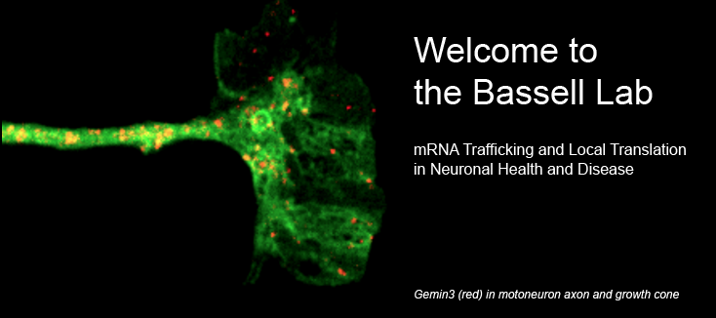
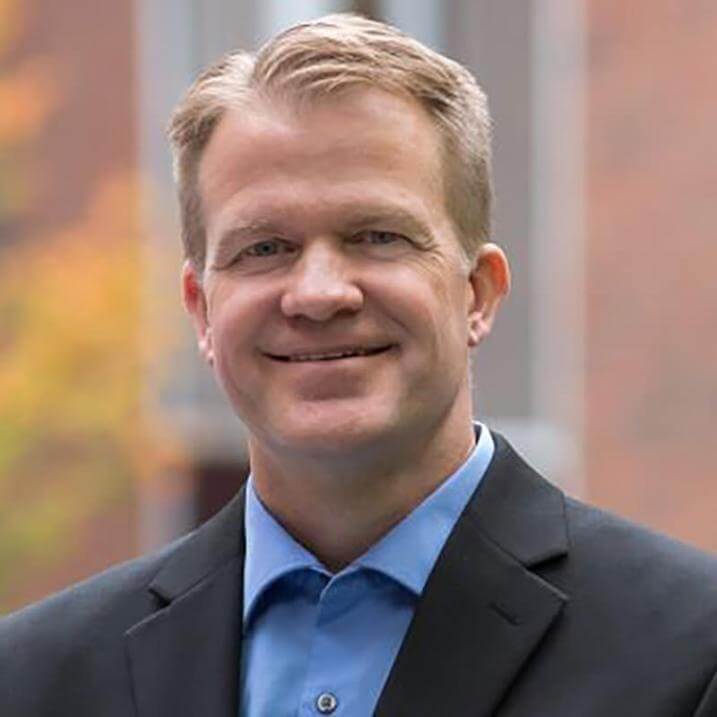
Gary J. Bassell, Ph.D., is Professor and Chair of the Department of Cell Biology at Emory University School of Medicine. He joined Emory in 2005 after previous faculty appointments at Albert Einstein College of Medicine. His research investigates mRNA transport, local protein synthesis in neurons, and their dysregulation in neurodevelopmental disorders (Fragile X syndrome, autism) and neurodegenerative diseases (ALS, SMA). Education and Training: Ph.D. in Cell Biology from University of Massachusetts Medical School; Postdoctoral training at Brigham and Women’s Hospital/Harvard Medical School. Research Focus: Mechanisms of mRNA binding proteins, neuronal development, synaptic plasticity, and therapeutic strategies for neurological disorders using mouse models and iPSCs. Publication Trends (2024-2025): Recent work emphasizes RNA regulation in neuronal function and disease, including FMRP mechanisms, alternative translation, lncRNA in glioma, autophagy regulation, and age-related neuropathology. Awards and Honors: Basal O-Connor Scholar Award (1996) Dana Foundation Award in Brain Imaging (2004) Trailblazer Award, Autism Speaks (2011) NARSAD Distinguished Investigator Award (2013) Leadership and Teams: Directs the Laboratory of Translational Cell Biology (LTCB); oversees 3 graduate students and multiple postdoctoral fellows. Current NIH grants include R01 and R21 awards for Fragile X and myotonic dystrophy research.
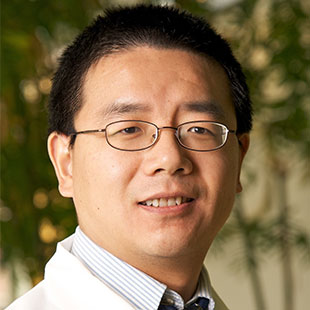
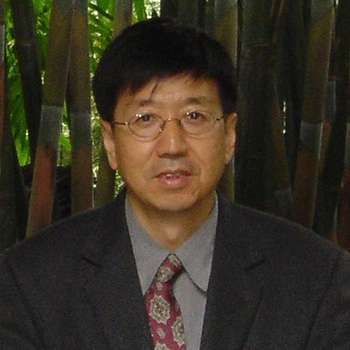
Qi Cao, PhD, is a Professor in the Department of Urology at Northwestern University Feinberg School of Medicine. With over 15 years of expertise in prostate cancer and epigenetics, Cao has published over 30 peer-reviewed studies. Current research focuses on therapeutic targets like EZH2 and BMI1, with pharmaceutical companies developing specific inhibitors. BS: Peking University (1998) MS: Peking University, China (2001) PhD: University of Michigan (2008) Postdoctoral Fellow: University of Michigan, Cancer and Epigenetics (2012) Cao’s work identifies epigenetic markers (e.g., EZH2, miR-101) for aggressive cancers, reveals oncogenic mechanisms via Polycomb complexes, and explores RNA modifications in tumor progression. Recent publications address lncRNA functions and metabolic therapies in prostate cancer. Notable awards include multiple Prostate Cancer SPORE grants, H Foundation and Polsky Institute pilot awards, and a DOD Idea Development Award. Cao is affiliated with the Robert H. Lurie Comprehensive Cancer Center and Simpson Querrey Institute for Epigenetics. Member, Serican Academy of Urology (2023 - Present) Member, SBUR (2017 - Present) Member, AACR (2008 - Present) The Qi Cao Lab investigates prostate cancer progression and therapeutic strategies, collaborating with institutions like the Department of Defense and NIH. Industry relationships are disclosed per Feinberg’s integrity policies.
Dr. Jason Karamchandani is an Associate Professor at McGill University in the Department of Pathology , with dual appointments as an Investigator at the Research Institute of the McGill University Health Centre (RI-MUHC) and at the Montreal Neurological Institute and Hospital . His research integrates neuropathology , bioinformatics , and neuro-oncology to identify diagnostic, prognostic, and predictive markers for brain tumors and neuromuscular diseases. Keywords : Neuropathology • Bioinformatics • Neuro-oncology • Surgical Pathology • Neuromuscular Pathology Dr. Karamchandani’s work spans genomic heterogeneity in pediatric high-grade gliomas , oncohistone mutations , and mechanisms in vacuolar myopathies . He leads studies on immune landscapes in gliomas and autoimmune muscle disorders , leveraging long noncoding RNAs and phosphatase pathways for cancer stem cell regulation. His recent publications highlight collaborations in neurogenetics (e.g., VPS13D mutations ), epigenetic regulation ( TERT hypermethylation ), and immune profiling in oncohistone-mutant gliomas . He contributes to biobanking initiatives and open science frameworks for neurodegenerative and neuromuscular diseases.
Andrea Bodor is a Lecturer at the Institute of Chemistry and Department of Analytical Chemistry of Eötvös Loránd University , where she focuses on nuclear magnetic resonance (NMR) spectroscopy and structural biology of proteins. She holds the prestigious title of Doctor of the Hungarian Academy of Sciences , recognizing her contributions to chemical sciences. Academic Role: Lecturer in Analytical Chemistry Institution: Eötvös Loránd University, Budapest Research Interests: Andrea Bodor specializes in characterizing intrinsically disordered proteins (IDPs) using NMR techniques, with a focus on proline cis/trans isomerization, chemical shift analysis, and membrane interactions. Her work extends to antimicrobial peptides, protein dynamics under physiological conditions, and structural characterization of protein complexes via hybrid NMR-SAXS approaches. Publications Trends: Her recent work emphasizes NMR methodology development for structural analysis, molecular complex stability (e.g., sugammadex-solasodine), and functional studies of proteins involved in diseases like cancer (p53, S100A4). She also investigates analytical techniques for food chemistry and polymer functionalization. Scientific Honors: Doctor of the Hungarian Academy of Sciences
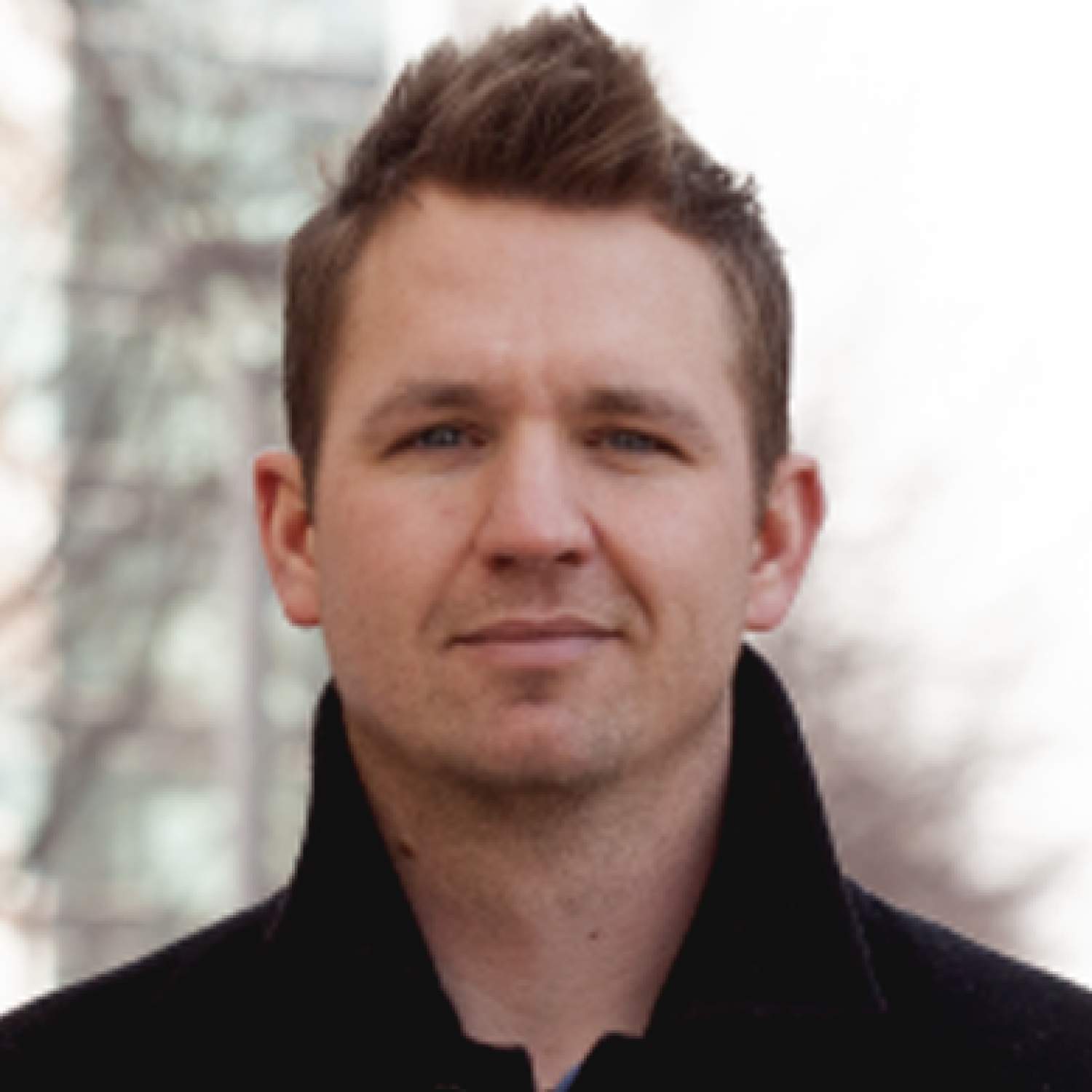
Ryan Layer is an Assistant Professor in the Department of Computer Science at the University of Colorado, affiliated with both the BioFrontiers Institute and the Division of Biomedical Informatics and Personalized Medicine at CU Anschutz Medical Campus. His work bridges computational methods with genomic data analysis to address biological and medical challenges. PhD in Computer Science from University of Virginia Postdoctoral work at University of Utah Human Genetics Department Developed critical tools: LUMPY for structural variation detection, GQT for genotype queries, GIGGLE as genomic search engine Dr. Layer's research focuses on creating scalable algorithms for genomic dataset interpretation, particularly structural variation analysis. His lab designs tools like STIX for population-scale variant classification and samplot for visualization. He aims to unify GQT and GIGGLE into a comprehensive platform for large-scale genomic analysis. His software contributions include: BITS : Scalable interval intersection counting LUMPY : Structural variant discovery framework GIGGLE : Genomic interval search engine STIX : Structural variant indexing system svtools : Population-scale SV analysis SV-plaudit : Cloud curation framework Dr. Layer's team actively recruits postdoctoral researchers and develops solutions for: Genomic interval indexing Genotype-phenotype correlation Biomedical informatics Human disease mutation identification Large-scale data analysis Cancer genomics
Thomas A. Cooper is a Professor at Baylor College of Medicine, holding joint appointments in Pathology & Immunology, Molecular and Cellular Biology, and Molecular Physiology and Biophysics. He holds the R. Clarence and Irene H. Fulbright Chair in Pathology and the S. Donald Greenberg Chair in Pathology. His research focuses on RNA processing mechanisms, particularly alternative splicing regulation and its role in myotonic dystrophy pathogenesis. Cooper's lab investigates how dysregulated RNA processing leads to neuromuscular diseases and cardiac dysfunction. Education: BS in Biology, Moravian College (1977) MD, Temple University School of Medicine (1982) Postdoctoral Fellowship, University of California, San Francisco (1982–1986) Research Interests: Dr. Cooper's work centers on understanding the molecular mechanisms of RNA processing in health and disease. Key areas include: - Regulation of alternative splicing by CELF and MBNL proteins - Pathogenesis of myotonic dystrophy type 1 (DM1), focusing on CUG repeat RNA toxicity - Developmental regulation of splicing in skeletal muscle and heart - Therapeutic strategies targeting RNA toxicity and splicing defects Recent Research Trends: Recent publications highlight advancements in CRISPR-based therapies for cardiac manifestations of DM1, the role of MBNL proteins in compensatory splicing, and the impact of microtubule dynamics on muscle function. Work on CELF1 overexpression and its link to muscle wasting underscores the lab's translational focus in RNA-based diseases. Awards: Michael E. DeBakey Excellence in Research Award (2014, 2018) Steinert Award for Myotonic Dystrophy Research (2022) NIH and Myotonic Dystrophy Foundation grants Funding & Grants: NIH R01 grants for transcriptome processing in skeletal muscle and DM1 cardiac mechanisms NIAMS-funded projects on CUG-repeat RNA complexes and muscle pathogenesis His lab collaborates on mouse models and CRISPR tools to study disease mechanisms and therapeutic interventions. Labs & Collaborations: The Cooper Lab fosters interdisciplinary research, training postdocs and graduate students in RNA biology and disease modeling. Collaborations span cardiology, neurology, and molecular genetics, with a focus on translating basic findings into clinical applications.
Jeremy E. Wilusz is an Associate Professor in the Verna and Marrs McLean Department of Biochemistry & Molecular Pharmacology at Baylor College of Medicine. He also serves as Core Member and Director of Academic Development at the Therapeutic Innovation Center (THINC), and is a member of the Dan L Duncan Comprehensive Cancer Center and multiple graduate programs. His research focuses on RNA biology, particularly noncoding RNAs, circular RNAs, and mechanisms governing RNA processing, transcription termination, and gene expression regulation. Education includes a BS from Johns Hopkins University (2005), a PhD from Cold Spring Harbor Laboratory (2009), and a postdoctoral fellowship at MIT (2014). Awards include the CPRIT Scholar in Cancer Research and NIH Pathway to Independence Award. Key research interests revolve around understanding how noncoding RNAs are generated, regulated, and function. This includes studies on circular RNA biogenesis, the role of the Integrator complex in transcriptional regulation, and novel RNA processing mechanisms like RNase P-mediated 3’ end formation in MALAT1. His lab employs high-throughput screening and biochemical approaches to uncover fundamental RNA biology principles with implications for cancer and neurological diseases. Grants: NIH/NIGMS Maximizing Investigators' Research Award (MIRA) CPRIT Rising Star Award NIH/NIAID and American Heart Association grants Labs/Teams: Director of the Wilusz Lab and core member of Baylor’s Therapeutic Innovation Center.
Bryan Ballif is a Professor in the Department of Biology at the University of Vermont (College of Arts and Sciences). His research focuses on signal transduction mechanisms in vertebrate brain development and cell proliferation, utilizing mass spectrometry-based proteomics and zebrafish models. Collaborative work includes studies on blood group antigens, arenavirus interactions, and pitcher plant ecosystems. Ph.D. in Cell Biology from Harvard University (2001) Postdoctoral Fellow at Fred Hutchinson Cancer Research Center (2001-2003) Postdoctoral Fellow at Harvard Medical School (2003-2006) The Ballif lab specializes in two key areas: (1) genetically-defined signaling pathways in brain development, and (2) core signaling pathways regulating cell growth. Their proteomics-driven approach identifies protein modifications and interactions across developmental stages, supported by a zebrafish model developed in collaboration with Alicia Ebert's lab. Recent publications highlight proteomic investigations in viral pathogenesis (SARS-CoV-2, Zika), cancer signaling (FLCN, RSK), and ecological systems (Chagas disease vectors, pitcher plants). Methodological innovations in phosphorylation analysis and protein interaction mapping are recurring themes. Contact details: Marsh Life Science Building, Room 1311, 109 Carrigan Dr, Burlington, VT 05405, USA. Phone: +1 802 656-1389.
Dr Yuchen Feng is a Lecturer (Research and Teaching) in the School of Medical Sciences at the University of Sydney's Faculty of Medicine and Health. They are a member of the Charles Perkins Centre and actively involved in cancer research, focusing on the roles of long noncoding RNAs (lncRNAs) in tumorigenesis and drug resistance. Their work integrates molecular oncology, RNA biology, and computational approaches to develop novel therapeutic strategies. Research Interests: Dr Feng's lab explores mechanisms of cancer cell survival and metastasis, particularly through lncRNA-mediated regulation of DNA repair pathways, metabolic reprogramming, and interactions with tumor microenvironments. Key areas include noncoding RNA networks in p53/c-Myc signaling, translational control of oncogenes, and drug-resistant cancer cell subpopulations. Grants & Funding: Recent grants include a 2025 NHMRC Investigator Grant for lncRNA-targeted lung cancer therapies and a 2024 Faculty of Medicine & Health start-up grant. Their research also received support from Tour de Cure Ltd for studies on drug-tolerant glioblastoma cells. Advising & Lab: Dr Feng currently supervises Emma KEMPE in a project targeting glioblastoma drug resistance. Their team collaborates on multi-omics approaches to identify actionable targets in solid tumors. Labs/Teams: Active member of the Charles Perkins Centre's Cancer Theme, contributing to interdisciplinary cancer research initiatives.
Peter Ma serves as the Richard H. Kingery Endowed Collegiate Professor within the Department of Biologic and Materials Sciences at the University of Michigan School of Dentistry. His work pioneers biomaterials development for regenerative applications in bone, cartilage, and dental tissues through advanced scaffold engineering. His academic foundation includes: Ph.D. and M.S. from Rutgers University M.S. and B.S. from Tsinghua University Research centers on tissue engineering and biomaterials science , specializing in nanofibrous scaffolds with controlled growth factor release (BMP, FGF) for bone regeneration, peptide-functionalized matrices, and smart delivery systems for dental applications. Current projects emphasize biomimetic designs that direct stem cell differentiation through topographical and biochemical cues. Analysis of his 2023-2025 publications reveals dominant trends in craniofacial regeneration scaffolds, pathologic calcification mechanisms, and polymer systems for on-demand therapeutic release—particularly in dental/oral contexts. Scientific Recognition: While holding an endowed professorship, no specific prizes, fellowships, or medals are documented in the source material. Professor Ma leads graduate student training and secures research funding for regenerative engineering projects, though individual student names and grant details remain unspecified. His Ma Lab drives innovation in scaffold design for complex tissue interfaces. The laboratory focuses on translating nanofibrous biomaterials into clinical solutions for craniosynostosis, critical-sized bone defects, and dental pulp regeneration through multicompartment scaffold systems.
Joseph Trigiante is a Lecturer in Biosciences at Kingston University's Department of Biomolecular Sciences, part of the School of Life Sciences, Pharmacy and Chemistry. Previously, he held research positions at the Open University, Queen Mary University of London (QMUL), and private companies following his PhD in Biophysical Chemistry from Stanford University. He transitioned to teaching roles at QMUL before joining Kingston in September 2022. Education includes a PhD in Biophysical Chemistry (Stanford University) and a B.Sc. in Chemistry. His research focuses on identifying antibacterial natural products and investigating the role of long noncoding RNAs in human cells, bridging molecular biology and clinical applications. No scientific awards or grants are explicitly listed in the provided information. He currently teaches modules LS4003, LS5002, LS6001, and LS6014. No lab affiliations or collaborative teams are detailed in the text.
Hongkuan Fan is a Professor in the Department of Pathology and Laboratory Medicine at the Medical University of South Carolina (MUSC). His research focuses on vascular dysfunction in sepsis and neurovascular mechanisms in Alzheimer's disease, with particular emphasis on pericyte biology and long noncoding RNA regulation. He holds a PhD from Jilin University, China, and completed postdoctoral training at New Mexico Tech and MUSC. Education: PhD, Jilin University, China, 2001 Postdoctoral Training: New Mexico Tech, USA, 2001-2002 Postdoctoral Training: Medical University of South Carolina, USA, 2002-2006 Research Interests: Role of pericytes in sepsis-induced vascular dysfunction and multi-organ failure Neurovascular unit dysfunction in Alzheimer's disease progression Mechanisms of lncRNA Neat1/Hbb axis in age-related cognitive decline Development of novel treatments targeting endothelial barrier integrity Funding: R35 GM149203-01: Pericyte Role in Sepsis Vascular Dysfunction 1R01AG081807-01: Brain Hypoperfusion in Alzheimer's Development Article Trends: Recent work emphasizes extracellular vesicle roles in sepsis outcomes, miRNA regulation of pericyte function, and neurodegenerative disease mechanisms involving lncRNAs. Key contributions include identifying Fli-1 transcription factor pathways and exosome-based therapeutic strategies.
Archa Fox is a Professor in the School of Human Sciences and the School of Molecular Sciences at the University of Western Australia, and an Honorary Research Fellow at the UWA Medical School and UWA Centre for Medical Research (affiliated with the Harry Perkins Institute of Medical Research). She is also part of the Australian Centre for RNA Therapeutics in Cancer and serves as Chair of the RNA Network of Australia since 2015. Her research has significantly advanced the understanding of nuclear architecture and RNA biology. Professor Fox earned her Bachelor of Science at the University of New South Wales, majoring in molecular genetics, followed by her PhD at the University of Sydney (awarded in 2000). She completed postdoctoral research in Dundee, Scotland, where she integrated cell biology, microscopy, and molecular biology techniques. In 2006, she established her research group at the Western Australian Institute for Medical Research (now the Harry Perkins Institute), and in 2015, she transitioned to an academic position at the University of Western Australia. Her research centers on paraspeckles, nuclear bodies she discovered in 2002 that play crucial roles in gene expression regulation. Her work has revealed how paraspeckles malfunction in diseases like cancer. In 2009, she identified NEAT1 as the first long noncoding RNA that scaffolds a nuclear body, and in 2015, she demonstrated how intrinsically disordered protein regions contribute to paraspeckle formation. Her current research investigates paraspeckles as a model for understanding gene regulation through long noncoding RNAs and protein aggregation, with collaborations across multiple scientific disciplines. Analysis of Professor Fox's recent publications (2022-2025) reveals a strong focus on nuclear architecture, RNA-binding proteins, and the molecular mechanisms of paraspeckle formation and function. Her work spans structural biology, cancer research, and the emerging field of biomolecular condensates, with particular emphasis on DBHS family proteins (SFPQ, NONO, PSPC1) and their roles in phase separation and nuclear organization. Scientific Awards: Marshall Medal of the Harry Perkins Institute (2012) Emerging Leader Award of the Australian/NZ Society for Cell and Developmental Biology (2017) School of Human Sciences Senior Research Award (2023) Vice Chancellor's Senior Research Award (2023) UWA Student Guild's Students' Choice Awards (2018) Professor Fox has been actively involved in mentoring and research leadership, with 8 supervised works documented. She has secured significant research funding, including 48 grants such as the 'STUNNER for RNA encapsulation quality and deliver' project funded by The Ian Potter Foundation (2024-2025) and the 'WA RNA Salon' project funded by The RNA Society (2024-2025). Her collaborative approach is evident in multi-investigator projects like the 'Broadening assay capabilities with CLARIOstar Plus multimode platereader' (2025-2035). Her laboratory forms part of the Australian Centre for RNA Therapeutics in Cancer and maintains strong affiliations with the Harry Perkins Institute of Medical Research. Professor Fox has also been instrumental in community engagement, participating in the Wembley Primary School Community STEAM program and Pint of Science presentations, demonstrating her commitment to science communication and public outreach.
Brent Kronmiller is an Assistant Professor in the Department of Botany and Plant Pathology at Oregon State University. His research focuses on genomic and transcriptomic analyses of plant pathogens, particularly in oomycetes like Phytophthora species, as well as the genetic basis of plant-microbe interactions, disease resistance, and stress responses in crops. He contributes to projects involving genome assembly, pathogen genomics, and evolutionary biology. Key research interests include plant pathogen genomics, transcriptome responses to environmental stress, and the application of genomic tools to understand agricultural pests and beneficial plant traits. Recent work includes studies on hop (Humulus lupulus) genome assembly, transgenic soybean resistance, and the genomic basis of pathogenicity in Phytophthora species. Kronmiller’s publications span diverse topics such as bacterial spore prevalence (Clostridium perfringens), shrew gut-brain axis transcriptomics, and the evolutionary implications of centromere structures in oomycetes. His collaborations involve interdisciplinary teams addressing issues in crop protection, pest genomics, and non-coding RNA functions in mammals. He is affiliated with the Center for Genome Research and Biocomputing (CGRB) at OSU, leveraging genomic resources for impactful research. His work bridges fundamental biology with applied solutions for agricultural and public health challenges.
Lynne E. Maquat, Ph.D., is the J. Lowell Orbison Endowed Chair and Professor of Biochemistry & Biophysics at the University of Rochester School of Medicine and Dentistry (SMD). She serves as Founding Director of the Center for RNA Biology and holds appointments in Pediatrics and Oncology. Her research focuses on RNA metabolism, particularly nonsense-mediated mRNA decay (NMD), which she discovered in 1981. Maquat is a leading expert on mRNA surveillance mechanisms, including the pioneer round of translation and the role of EJC complexes. She earned her Ph.D. in Biochemistry from the University of Wisconsin-Madison (1979) and a B.A. in Biology from the University of Connecticut (1974). Her work has been recognized with numerous awards, including the Wolf Prize in Medicine (2021), Gruber Genetics Prize (2023), and Albany Prize in Medicine (2024). She is a member of the National Academy of Sciences and National Academy of Medicine. Her lab explores NMD’s role in diseases like Fragile X Syndrome and develops therapies targeting mRNA decay pathways. Key projects include studying EJC heterogeneity regulated by AKT signaling and defining mechanisms of microRNA degradation via Tudor-SN. The lab also investigates the functional roles of SINE elements and lncRNAs in post-transcriptional regulation.