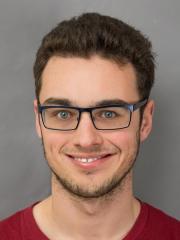
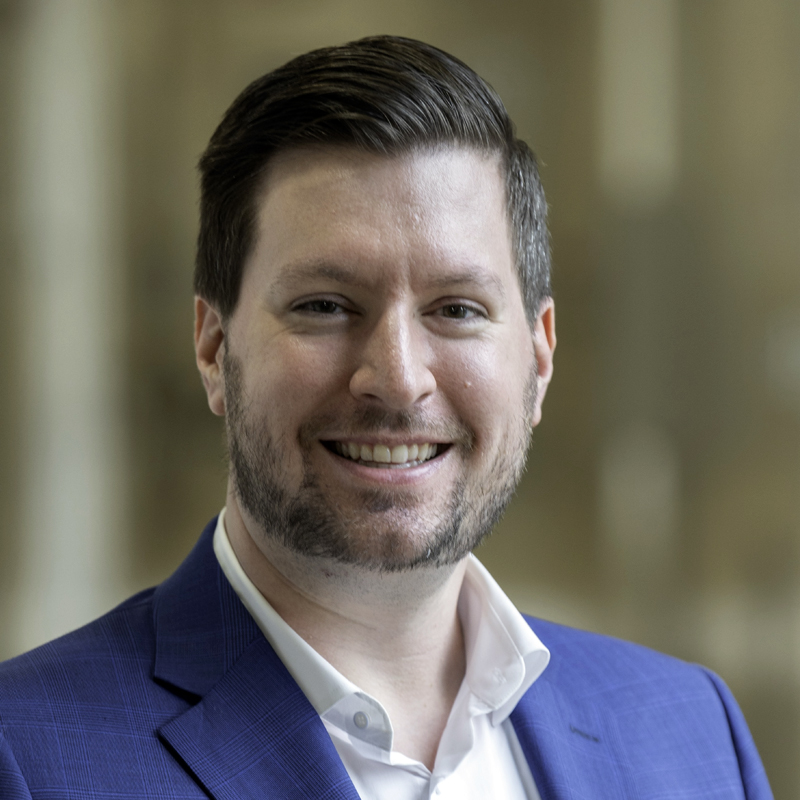
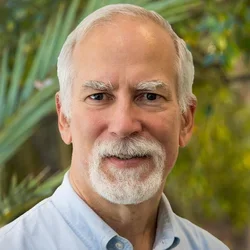
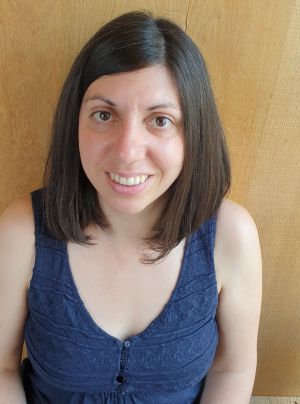
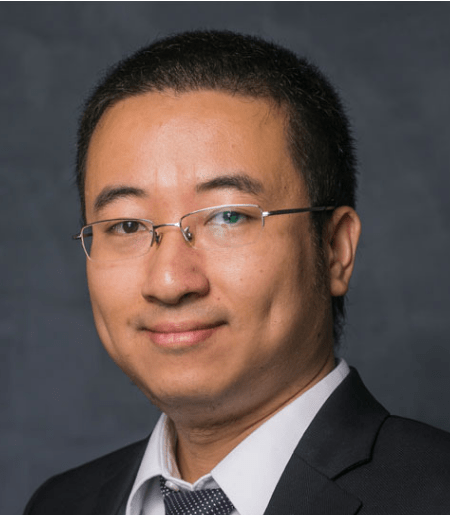
Dr. Paul Marshall is a Researcher at the Queensland Brain Institute, The University of Queensland, supported by an NSERC Scholarship. His work focuses on neuroepigenetic mechanisms underlying learning and memory, with expertise in RNA biology, DNA structure dynamics, and fear extinction processes. He completed his PhD in 2020 at the Queensland Brain Institute, exploring dynamic DNA structure states and their role in memory. His research integrates cutting-edge technologies to study noncoding RNAs, epigenetic modifications (e.g., m6A, Z-DNA), and their impact on synaptic plasticity and cognitive functions. Key contributions include identifying the role of DNA G-quadruplex in transcriptional control, the function of long noncoding RNAs in fear extinction, and mechanisms linking RNA editing (via ADAR1) to memory consolidation. His findings bridge molecular biology with behavioral neuroscience, advancing understanding of how genetic and epigenetic factors influence cognitive processes. Publications highlight collaborations with Timothy Bredy and others, emphasizing interdisciplinary approaches to unravel neural mechanisms. No awards are explicitly listed, but his work is recognized in high-impact journals like Nature Neuroscience and Cell Reports .
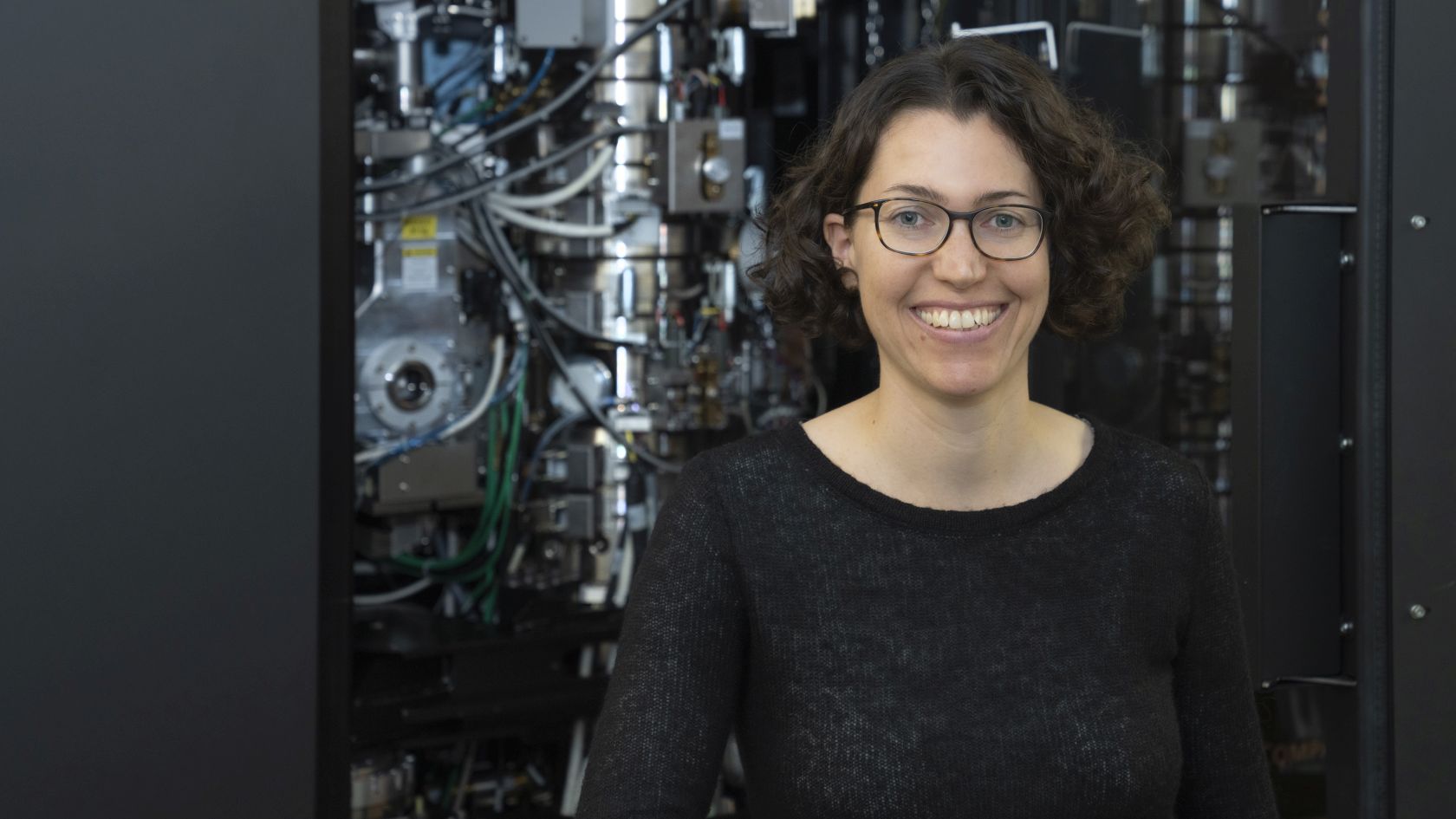
Prof. Susanne Kassube is an SNSF Assistant Professor in the Department of Biochemistry at the University of Zurich, affiliated with the Faculty of Science. Her research focuses on the molecular mechanisms of Fe-S protein biogenesis and DNA repair enzymes, employing structural biology techniques such as cryo-electron microscopy and X-ray crystallography alongside biochemical and biophysical methods. She holds a Ph.D. in Biophysics from the University of California, Berkeley (2013), and completed postdoctoral training at the Friedrich Miescher Institute for Biomedical Research in Basel (2014–2020). Education: Diploma (M.Sc.) in Biology, University of Heidelberg, Germany (2008) Ph.D. in Biophysics, University of California, Berkeley, USA (2013) Research Interests: Fe-S cluster assembly and dysfunction in human diseases Mechanisms of DNA repair proteins Structural biology of large macromolecular machines Her work integrates structural and functional studies to elucidate how Fe-S clusters regulate cellular processes like DNA repair and oxidative stress response. Awards: SNSF PRIMA Grant (2021) EMBO Long-Term Postdoctoral Fellowship (2015) Boehringer Ingelheim Fonds PhD Fellowship (2010) Advising & Grants: Advises PhD students (Roberta Cadei, Keshav Goyal, Steffen Winkler) and a Master’s student (Anna von Wyss). Recipient of the SNSF PRIMA Grant supporting her research into Fe-S protein biogenesis. Labs/Teams: The Kassube Group at the University of Zurich focuses on structural and biochemical studies of Fe-S proteins and DNA repair mechanisms. Team members include lab technicians and technical staff.
Christoph Ziegenhain is an Assistant Professor at the Karolinska Institute , affiliated with the Department of Medical Biochemistry and Biophysics . He leads the Ziegenhain Lab , which focuses on molecular processes in human cells, particularly the control of alternative splicing in transcribed mRNAs. His group integrates novel single-cell sequencing techniques with computational biology to advance understanding in these areas. Position: Assistant Professor Institution: Karolinska Institute Department: Medical Biochemistry and Biophysics Lab: Ziegenhain Lab Christoph Ziegenhain's research spans Bioinformatics , Computational Biology , and Single-Cell RNA Sequencing . His work emphasizes transcriptional dynamics , alternative splicing , and the development of high-throughput sequencing methods like Smart-seq3xpress and Prime-seq . Current projects analyze gene expression noise, allelic imbalance, and the role of long noncoding RNAs in regulation. The Ziegenhain Lab's recent publications demonstrate expertise in single-cell transcriptomics , multi-omics profiling , and method development for RNA sequencing. Key subfields include transcriptional bursting , redox signaling , epithelial homeostasis , and hematopoietic stem cell differentiation . Swedish Research Council Grant (2023–2026): "Decoding the interplay of regulation and stochasticity in alternative mRNA splicing" Lab members include doctoral students Shiyao Chen and Constantin Diekmann , research assistants Cleo Damon , Zhouhui Qi , and Lukas Schertler , and affiliated researchers such as Gandolfo Gennaro and Ursa Zevnik . Collaborations with institutions like New York University and Stanford University highlight his interdisciplinary approach.
Danielle Weaver is a Researcher at the University of Manchester within the Division of Immunology, Immunity to Infection and Respiratory Medicine . Her work focuses on mycobiome analysis, fungal infections, and transcriptomics, contributing to UN Sustainable Development Goals related to global health challenges. She has co-developed novel diagnostics for fungal infections and investigated the role of RNA interference in fungal pathogenesis. Education & Research: Dr. Weaver holds a PhD in Microbiology from the University of Manchester (2018), focusing on N-linked glycosylation in Campylobacter species. Her research integrates next-generation sequencing (NGS), metagenomics, and transcriptomics to study microbial communities in respiratory diseases and infectious pathogens. Research Themes: Mycobiome dynamics in critically ill patients (e.g., post-COVID-19) Functional genomics of Aspergillus fumigatus RNAi pathways Bacterial glycosylation as a target for diagnostic tools Collaborations & Impact: Her work bridges fundamental research and clinical applications, with studies published in BMC Microbiology , RNA , and Frontiers in Microbiology . She collaborates internationally on fungal diagnostics and respiratory infection mechanisms.
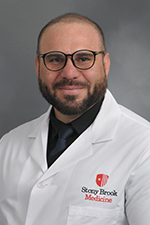
Mehdi Damaghi, PhD is an Assistant Professor in the Department of Pathology at the Renaissance School of Medicine, Stony Brook University, and a faculty member at the Stony Brook Cancer Center. His research focuses on understanding cancer through ecological-evolutionary principles, with particular emphasis on breast and ovarian cancers. Dr. Damaghi received his BSc in Cell & Molecular Biology-Genetics from Chamran University in Iran (1998-2002), his MSc in Biochemistry from Tarbiat Modares University in Iran (2002-2005), and his PhD in Cell Biology and Genetics from the Max Planck Institute in Dresden, Germany (2008-2012). He completed postdoctoral training at the Moffitt Cancer Center (2012-2017) and served as a Research Scientist (2017-2021) and Instructor (2021) there before joining Stony Brook University. Dr. Damaghi's research applies ecological and evolutionary principles to understand cancer initiation, progression, and metastasis. His lab investigates how tumor cells adapt to variable microenvironments, leading to metabolic reprogramming linked to epigenetics and transcription factors. He studies the interplay between tumor cells and their microenvironment, which drives genotypic heterogeneity and phenotypic plasticity. His work integrates single-cell multi-omics approaches (genome, epigenome, transcriptome, proteome, and metabolome) with pathomics analysis to capture cancer cell heterogeneity in their natural context. An analysis of Dr. Damaghi's recent publications reveals a strong focus on cancer metabolism, particularly how tumor acidosis and hypoxia influence cancer progression and treatment resistance. His work bridges evolutionary biology with cancer research, examining how selective pressures in the tumor microenvironment drive adaptive changes in cancer cells. Key themes include metabolic reprogramming, lysosomal function in acidic environments, and the application of ecological principles to improve cancer treatment strategies, especially for breast and ovarian cancers. NIH/NCI U01CA261841-01 as PI: "Ecology and Evolution of Breast Cancer" (2021-2026) NIH/NCI R01CA249016-01 as Co-PI: "Radiomics and Pathomics to Predict Progress of DCIS Lesion" (2021-2026) Dr. Damaghi actively mentors students and researchers, with openings available for MSc, PhD, MD/PhD, and postdoctoral positions in his lab. His lab, the Damaghi Research Lab, focuses on four main projects: 1) Ecology and Evolution of Breast Carcinogenesis, 2) Metabolic phenotypes in DCIS to stratify disease progression, 3) Co-evolution of tumor and stroma in breast cancer, and 4) Evolution of resistant phenotype to PARPi in ovarian cancer.
Paul Watkins serves as the Howard Q. Ferguson Distinguished Professor in the Eshelman School of Pharmacy at the University of North Carolina at Chapel Hill, where he leads research in the Molecular Therapeutics program. His work focuses on molecular mechanisms of drug disposition with critical applications in oncology pharmacology and drug safety assessment. His research expertise spans: Drug metabolism and pharmacokinetics Drug transporter biology (particularly P-glycoprotein) Mechanisms of drug-induced liver injury (DILI) Quantitative systems toxicology modeling Clinical translation of pharmacological principles Genetic determinants of drug response variability Analysis of his recent publications (2023-2025) reveals a sustained focus on DILI mechanisms through quantitative systems toxicology approaches. His team develops and applies computational models like DILIsym to predict hepatotoxicity, assess genetic risk factors, and evaluate safety of novel therapeutics including gene therapies and targeted cancer agents. Key trends include biomarker discovery, species-specific toxicity modeling, and risk mitigation strategies for drugs with narrow therapeutic windows. Professional recognition includes: Howard Q. Ferguson Distinguished Professorship Dr. Watkins directs a highly collaborative research program funded by NIH and industry partners, focusing on drug safety science. His mentorship has trained numerous graduate students and postdoctoral fellows who now contribute to pharmaceutical development and regulatory science. Current projects integrate genomic data with mechanistic modeling to predict individual susceptibility to adverse drug reactions. His laboratory at 311 Pharmacy Lane employs multidisciplinary approaches spanning molecular pharmacology, clinical data analysis, and computational modeling to address critical challenges in drug development and patient safety.
Jonathan Henninger is an Assistant Professor in the Department of Biological Sciences at Carnegie Mellon University (CMU), part of the Mellon College of Science. His research focuses on RNA's role in regulating gene expression and cell fate through molecular biology, soft-matter physics, and super-resolution imaging approaches. The Henninger Lab investigates RNA's interactions with proteins and condensates to uncover mechanisms underlying gene control and disease. Education: Ph.D. in Developmental and Regenerative Biology from Harvard University, followed by postdoctoral training at the Whitehead Institute for Biomedical Research, MIT. Key research interests include RNA-mediated transcriptional regulation, nuclear condensates, RNA structure-function relationships, and the development of RNA-based therapies. The lab combines experimental and computational methods to study how RNA defects contribute to human diseases like cancer and neurodevelopmental disorders. Recent work includes identifying how RNA synthesis patterns nuclear condensates and discovering roles for rRNA G-quadruplexes in nucleolar protein condensation. The lab received a Kaufman Foundation New Investigator Grant to explore RNA's role in directing transcription. Advising and grants: Jonathan mentors a diverse team of PhD, Master’s, and undergraduate students. Notable advisees include Haoran Wang, Lydia Phillips, and Arth Banka. Current projects involve synthetic transcriptional condensates and bioinformatic discovery of RNA regulatory elements. Labs and collaborations: The lab is equipped with state-of-the-art microscopy (e.g., Zeiss Lattice SIM 5) and collaborates with groups at CMU, Pitt, and NYU. Regular scientific events include the Steel City Condensate Club Symposium.
Stephen C. Cannon, MD, PhD, is a Professor in the Department of Physiology at the David Geffen School of Medicine at UCLA. He holds academic appointments in Physiology and Molecular and Medical Pharmacology. His primary research focuses on ion channelopathies of skeletal muscle, investigating how ion channel mutations cause diseases such as periodic paralysis and myotonia. He has held leadership roles, including Chair of Physiology at UCLA and Associate Dean at UT Southwestern Medical Center. Education: B.S. and M.S. in Mechanical Engineering (Washington University, 1980), Medical Scientist Training Program at Johns Hopkins (MD and PhD). Residency at Massachusetts General Hospital and postdoctoral training with David Corey. Faculty positions at Harvard Medical School, UT Southwestern, and UCLA since 2015. Research Interests: Molecular mechanisms of ion channel mutations in muscle diseases, computational modeling of muscle excitability, and pre-clinical therapeutic strategies. Key discoveries include sodium channel defects in periodic paralysis and gating pore currents in calcium channels. Current projects explore exercise-induced triggers for periodic paralysis attacks. Awards: Over 20 awards, including the Biophysical Society Award (2022), MERIT Award (NIH, 2009), and multiple endowed chairs in neurology and neuromuscular disease. Lab: The Cannon Lab at UCLA focuses on ion channel dysfunction and develops mouse models to study disease mechanisms. Collaborations include translational research on drug repurposing for periodic paralysis treatment.
Jianru Yang is an Adjunct Assistant Professor in the Department of Foreign Language at Virginia Commonwealth University, specializing in Chinese language instruction. This role involves teaching within the College of Humanities and Sciences framework, though the specific school affiliation is not detailed in the source text. Professor Yang's academic profile reflects dual expertise: (1) Foreign language education with a focus on Chinese linguistics and pedagogy, and (2) Cutting-edge biomedical research in cancer biology and immunology. Their interdisciplinary research explores: Molecular mechanisms of cancer progression (e.g., MDA-9/Syntenin signaling, tumor microenvironment) Immunotherapeutic strategies (vaccine development, immune checkpoint modulation) Metabolic reprogramming in disease (fatty acid oxidation, sphingolipid pathways) Inflammation regulation (NLRP3 inflammasome, scavenger receptors) Analysis of 15 recent publications (2022-2024) reveals consistent focus on translational oncology, with themes spanning cancer immunotherapy development, metastasis biology, immune cell dysfunction, and therapeutic target validation across multiple cancer types (lung, prostate, melanoma, breast). Research methodologies frequently integrate molecular biology, preclinical models, and immunometabolism.
John Moran is a Professor in the Department of Human Genetics at the University of Michigan , focusing on genetic mutations , somatic mosaicism , and neurodevelopmental disorders . His work bridges molecular biology and neurogenetics , with key contributions to understanding schizophrenia origins in prenatal brain development. Key Collaborations : Icahn School of Medicine at Mount Sinai, Harvard Medical School, Boston Children's Hospital Research Themes : LINE-1 retrotransposons, Alu elements, somatic copy-number variants (sCNVs), and their role in disease etiology Research Focus : Dr. Moran’s research explores how non-inherited genetic mutations during embryonic development contribute to schizophrenia. He has pioneered methods like DeepMosaic for variant detection and analyzed single-cell genomic data to map mutation patterns in neurons. His work highlights NRXN1 and ABCB11 as disrupted genes in schizophrenia cases. Publication Trends : Recent articles emphasize somatic mosaicism in neuropsychiatric diseases , L1 retrotransposition in human cells, and genomic data resources for the Brain Somatic Mosaicism Network. Collaborations with institutions like Mass General Psychiatry and Physician's Weekly reflect interdisciplinary impact. Key Grants & Programs : Involved in the Allen Discovery Center and led projects like Comprehensive Genomic Datasets in BSMN . His team’s pandemic-era research on single-neuron genomes revealed non-random CNV patterns in neurotypical individuals. Labs & Teams : Leads a lab at the University of Michigan, collaborating with researchers such as Chris Walsh , Ryan Mills , and Edward Maury . His work intersects with the Brain Somatic Mosaicism Network , advancing tools for ultra-deep genome sequencing and mosaicism analysis .
Dr. Rea Laila Antoniou Kourounioti is a Lecturer in Molecular Biosciences at the University of Glasgow's School of Molecular Biosciences, College of Medical, Veterinary & Life Sciences. With an interdisciplinary background in Biology (Imperial College, London) and Mathematics (University of Crete), she completed her PhD at the University of Nottingham in 2014 on artificial photosynthesis before conducting postdoctoral research at the John Innes Centre. Current Research: Investigates plant temperature sensing mechanisms, focusing on molecular responses to cold and climate change impacts. Methodology: Integrates mathematical modeling with molecular biology, genetics, and omics approaches. Key Research Themes: Distributed temperature sensing networks Epigenetic and environmental control of flowering time Mathematical modeling of gene expression dynamics Climate change adaptation in plants Publications: 15 most recent works examine temperature-dependent gene regulation, epigenetic memory, and interdisciplinary approaches to plant-environment interactions. Her students include Joseph McLeod and Chantal Sharples, working on projects like "Mathematical modeling of environmental information processing in hybrid aspen" and "Engineering Crops to Extend Growing Seasons".
Edoardo Sozzi is a Visiting Research Fellow and PhD student at Lund University's Faculty of Medicine, specializing in the Developmental and Regenerative Neurobiology group under Prof. Malin Parmar. He earned a BSc in Biotechnology (2018) and a dual MSc in Neuroscience (2020) from the University of Pisa and Scuola Normale Superiore, Italy. His research focuses on the development, functionality, and diversity of human dopaminergic neurons using 3D cell culture systems like brain organoids and xenograft models, with heavy reliance on single-cell RNA sequencing. His work intersects neuroscience, developmental biology, and regenerative medicine, targeting neurodegenerative disorders such as Parkinson's disease. Key publication trends include innovations in organoid technology , single-cell transcriptomics , and WNT signaling modulation . He has contributed to 11 scientific outputs , including a 2025 doctoral thesis, peer-reviewed articles in Nature Methods and Development , and a 2023 Horizon Europe grant (OpenMIND project) for opto-electronic neural modeling in neurodegenerative diseases. Sozzi actively participates in academic events, organizing conferences like Neuroscience Day 2024 and UniStem Day 2024 , and serves as a presenter in multidisciplinary initiatives (MultiPark). His work aligns with UN Sustainable Development Goals for Medical and Health Sciences and Neurosciences .
Zhi Tan, M.D., Ph.D., is an Assistant Professor at Baylor College of Medicine, holding joint appointments in the Department of Pharmacology and Chemical Biology and the Center for Drug Discovery. He is affiliated with the Jan and Dan Duncan Neurological Research Institute in Houston, TX. Dr. Tan earned his MD from Wuhan University (2012) and a PhD from the University of Texas MD Anderson Cancer Center and UT Health Graduate School of Biomedical Sciences (2018). His research focuses on leveraging computational chemistry, bioinformatics, and chemical biology to develop novel therapeutics for diseases such as cancers. Key areas include small molecule inhibitors for targeted therapy, computational algorithms for drug discovery, and RNA-protein interaction modulators. His lab has secured significant funding, including a $2M CPRIT First Time Tenure Track Faculty Award (2022–2027) to advance drug discovery efforts. Notable publications highlight breakthroughs in noncoding RNA modulation, SARS-CoV-2 protease inhibitors, and epigenetic drivers of glioblastoma progression. Lab members include Assistant Professor Fei Yuan, and collaborations span diverse disciplines from informatics to synthetic chemistry. The lab’s translational focus bridges basic science and clinical applications, with ongoing projects targeting enzyme activation pathways and male contraception mechanisms.
Associate Professor Anthony Glover is a practicing specialist endocrine surgeon and surgical oncologist at the University of Sydney. He serves as Director of the Master of Surgery Program and holds academic affiliations with the Northern Clinical School (University of Sydney) and St Vincent’s Clinical School (UNSW). His clinical practice focuses on thyroid and parathyroid disease at Kolling Institute St Leonards, Bondi Junction, and St Vincent's Clinic. Education: MBBS, PhD, FRACS Leadership: Coordinator for postgraduate surgical coursework programs and Senior Instructor for the Care of the Critically Ill Surgical Patient Course (RACS) Research interests center on thyroid cancer biology, surgical education, and improving clinical outcomes through genomic analysis. Key projects include molecular profiling of advanced thyroid cancers and development of surgical competency frameworks. He leads the Thyroid Cancer Research Group and contributes to international registries like the Australian New Zealand Thyroid Cancer Registry. Over 50 peer-reviewed articles span surgical innovation, molecular pathology, and clinical outcomes. Notable works include validation of the International Medullary Thyroid Carcinoma Grading System and assessment of BRAFV600E mutation specificity in papillary thyroid carcinoma. Awards: 2022 NSW Premier’s Cancer Research Fellowship, NHMRC Neil Hamilton Fairley Fellowship (2016-2020) Grants: NHMRC Development Grants, Cancer Institute NSW funding Active in surgical education through development of assessment modules for General Surgeons Australia and leadership roles in ANZES and the Surgical Education Research and Training (SERT) Institute.
Yi Chen is an Assistant Professor of Economics at Cornell University's College of Arts and Sciences. He holds a Ph.D. in Economics from Yale University (2018), with earlier degrees including a B.S. and B.A. from Peking University (2009), and multiple advanced degrees from Yale (2016-2018). His research focuses on information economics, integrating theoretical and applied approaches to principal-agent problems, dynamic games, and information design. He also explores interdisciplinary topics in molecular biology and genetics, including RNA-mediated epigenetic regulation and chromatin architecture. His work spans economics and biological sciences, with notable contributions to understanding Polycomb repressive complex 2 (PRC2) function in stem cells, RNA-dependent chromatin interactions, and CRISPR-based mutagenesis techniques. Recent research highlights include studies on H3K27 methylation dynamics and the role of noncoding RNAs in transcriptional regulation. While no formal advising roles or grants are listed, his research intersects economics theory with molecular mechanisms, reflecting a unique interdisciplinary perspective. No specific lab affiliations or teams are mentioned in the provided materials.