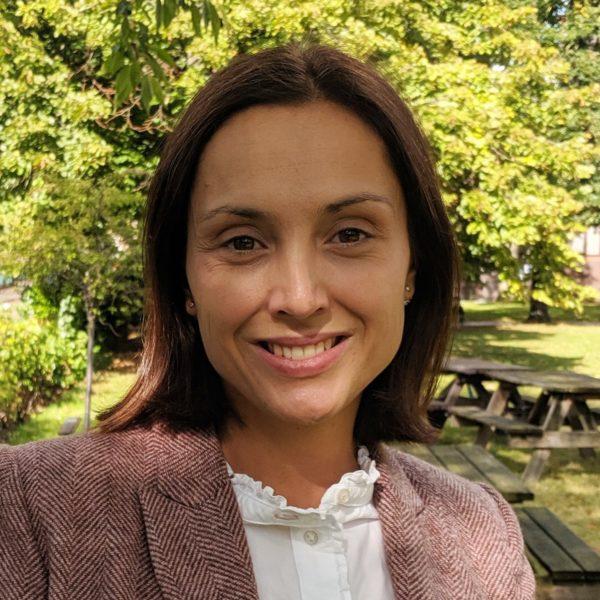
Lovorka Stojic is a Senior Lecturer at the Barts Cancer Institute , Queen Mary University of London. She leads the Stojic Lab, which investigates RNA-mediated mechanisms—particularly long noncoding RNAs—in regulating cell division and their role in genome instability and cancer. QMUL Centre for Epigenetics QMUL Centre of Excellence for Brain Tumour Research BCI RNA Cancer Hub British Society of Cell Biology Biochemical Society Genetics Society RNA Society Research Focus: The lab explores how dysregulation of lncRNAs contributes to cancer development. Key areas include RNA-binding proteins, transcriptional analysis, and functional genomics. Her work bridges fundamental RNA biology with translational cancer research. Publications: Recent studies highlight lncRNA roles in cell division (2020), RNAi/CRISPRi specificity (2018), and molecular mechanisms in brain tumors and leukemia (2017-2023). Collaborative efforts include identifying RNA regions in living cells (2024). The Royal Society Research Grant (2023-2024) Cancer Research UK Career Establishment Award (2021-2027, £982,428) The Academy of Medical Science Springboard Award (2021-2023, £99,934) AIRC Fellowship for Abroad (2021-2023, €120,000) Barts Charity Grant (2019-2022) Labs & Teams: Lovorka leads the Stojic Lab, affiliated with the QMUL Centre for Cancer Cell and Molecular Biology. Her work intersects with themes including DNA damage, proteomics, and kidney cancer.
Prof. Philipp Korber is a Professor in the Department of Molecular Biology at the Biomedical Center of Ludwig-Maximilians-Universität München (LMU Munich). He leads an independent research group focused on chromatin biology and nucleosome positioning, embedded within the Collaborative Research Center 1064 'Chromatin Dynamics' since 2013. His laboratory has established itself as a leader in developing genome-wide reconstitution approaches to study chromatin remodeling mechanisms. Prof. Korber's research centers on understanding how DNA sequence is read out to determine nucleosome positioning and how chromatin remodeling enzymes reorganize nucleosomes during different biological states. His lab uses unicellular yeasts (Saccharomyces cerevisiae and Schizosaccharomyces pombe) as model systems, combining powerful genetic tools with innovative biochemical approaches. A major contribution has been the development of genome-wide in vitro reconstitution methods that allow precise dissection of remodeling mechanisms. His conceptual framework views remodelers as information processing hubs that integrate DNA sequence features and protein inputs to position nucleosomes. His recent publications demonstrate continued productivity with articles in Nature (2023), Nature Communications (2021), and Cell (2016), among others. His work spans fundamental chromatin mechanisms, method development for nucleosome mapping, and applications to gene regulation at model promoters like the yeast PHO system. Scientific recognition includes: APL Professorship at LMU Munich (2022) Habilitation with Venia legendi in Biochemistry/Molecular Biology (2014) Editorial Board membership at Molecular and Cellular Biology (2014-2018) Associate junior group leader in BioSysNet (2012-2017) Member of EU Network of Excellence 'EpiGeneSys' (2011-2015) Prof. Korber maintains extensive collaborations with researchers across Germany and internationally, including groups at MPI Biophysical Chemistry, EMBL Heidelberg, Technical University of Munich, and Harvard Medical School. His laboratory currently includes at least two PhD students and benefits from the rich research environment of the SFB 1064 network with over 20 chromatin-focused research groups in Munich.
Theodore Wun, M.D. is a Professor of Medicine at the University of California, Davis School of Medicine, serving as Chief of the Division of Hematology and Oncology, Director/PI of the Clinical and Translational Science Center, and Associate Dean for Research. He practices at the UC Davis Comprehensive Cancer Center with clinical expertise in sickle cell disease and cancer-associated venous thrombosis. Dr. Wun's educational background includes: B.S. in Political Science/Biology, Union College (1982) M.D., Albany Medical College (1984) Internal Medicine Residency and Chief Residency, Harbor-UCLA Medical Center (1984-1988) Fellowships in Hematology, Hematology/Oncology, and Bone Marrow Transplantation (Harbor-UCLA, UC Davis, City of Hope; 1988-1992) His research focuses on sickle cell disease complications and cancer-associated thrombosis epidemiology , with significant contributions to understanding incidence trends and clinical outcomes. Current work examines biomarker signatures, health disparities, and policy impacts on cancer care through population-based studies and clinical trials. Dr. Wun's recent publications (2021-2022) reveal consistent output in high-impact hematology/oncology journals, emphasizing cancer-associated thrombosis trends, second malignancies, and urban-rural care disparities. His work frequently utilizes California cancer registry data and features multi-institutional collaborations. Notable scientific awards include: C. John Tupper Award for Excellence in Teaching (UC Davis, 2020) Eleventh Annual Tanaka Lecturer (Harbor-UCLA, 2009) Award for Excellence in Education (UC Davis Health, 2004) National Blood Foundation Scholar (1996) As CTSC Director, Dr. Wun manages NIH-funded infrastructure supporting clinical research across UC Davis. While specific student advising details aren't published, his professorship and division chief role involve mentoring medical students, residents, and fellows. His research group maintains active collaborations through the Comprehensive Cancer Center and CTSC. Dr. Wun's work is facilitated through the UC Davis Comprehensive Cancer Center and Clinical and Translational Science Center, which provide resources for clinical trials, data analysis, and interdisciplinary collaboration in hematology/oncology research.
Niels Tommerup is a Professor of Medical Genetics at the Department of Cellular and Molecular Medicine, University of Copenhagen, where he has served since 1996. He previously directed the Wilhelm Johannsen Centre for Functional Genome Research (2001-2013) and was Deputy Head of Department (2007-2019). His research group focuses on mapping balanced chromosomal rearrangements (BCR) to identify disease genes, regulatory domains (Topological Associating Domains), and novel genetic mechanisms, as well as characterizing germline chromothripsis and functional studies of non-coding RNA genes. Tommerup earned his DMSc. in genetics (1994) and medical degree (Cand.med., 1978) from the University of Copenhagen. His early career included positions as a junior doctor, research assistant, and senior doctor at the J.F. Kennedy Institute in Denmark (1978-89), and as a Consultant at the Department of Medical Genetics, Ullevål University Hospital in Oslo, Norway (1989-91). He has held visiting scientist positions at institutions in London, Australia, and Norway. His research spans multiple areas including cytogenetics, translocations and inversions, next generation sequencing, Topological Associating Domains, Long Range Position Effects, 3D-genome organization, and long noncoding RNAs. Tommerup coordinates the International Breakpoint Mapping Consortium (2014-present), involving over 100 diagnostic cytogenetic laboratories from more than 50 countries across six continents. His work has established that direct gene truncation may explain approximately 18% of BCR-associated developmental disorders, and that long-range position effects may be at least as frequent a cause as gene truncation. His recent publications reveal trends in understanding sex differential responses to viral infections (particularly focusing on the X-chromosome), linking anatomical variation to genetic variation, and developing methods for visualization of nuclear genome organization. His work bridges basic genomic research with clinical applications in developmental disorders, intellectual disability, autism, epilepsy, and other conditions. Det Classenske Fideicommis Boglegat (1987) Iris Preuss's Mindelegat (1994) First Harold Klinger Memmorial Award Lecture, Atlanta, USA (2006) Tommerup has supervised 27 PhD students and 10 postdocs. His editorial roles include service on the boards of Briefings in Functional Genomics, Clinical Genetics, Computational and Structural Biotechnology Journal, PeerJ, and Australasian Med J. He has organized numerous academic events including the International Summer School in Functional Genomics and the Wilhelm Johannsen Symposium. His international collaborations include the EU-concerted action Mendelian Cytogenetics Network and the International Breakpoint Mapping Consortium. Tommerup leads the Tommerup Group which coordinates the International Breakpoint Mapping Consortium and collaborates with Michael Talkowski's group at Harvard to accumulate the largest collection of sequence-resolved germline balanced chromosomal rearrangements. His laboratory combines DNA-DNA-interaction (Hi-C) studies with short and long read sequencing to improve the dissection of complex chromosomal rearrangements. The group has initiated systematic X-inactivation studies of sequence-resolved X;autosomal translocations and X-inversions, and conducts research on germline chromothripsis and host genetic factors underlying sex differential responses to viral infections.
Sarah Rennie serves as Assistant Professor in the Department of Biology within the Faculty of Science at the University of Copenhagen, specializing in Computational and RNA Biology. Her research focuses on RNA modifications and their implications in cancer biology, particularly gastrointestinal and pancreatic cancers. Her primary research interests span RNA modifications, noncoding RNA biology, cancer epigenetics, and bioinformatics. Current work investigates N6-methyladenosine (m6A) modifications in pancreatic cancer progression, tumor microenvironment adaptations, and computational approaches for RNA analysis. Her lab develops and benchmarks bioinformatic tools for lncRNA research and RNA editing detection, bridging wet-lab experiments with computational modeling. Recent publications demonstrate significant contributions to understanding RNA modification roles in cancer, with 2024-2025 work appearing in high-impact journals including Cancer Science , Cell Reports , and EMBO Journal . Her research shows strong emphasis on translational applications, particularly in developing RNA-based cancer biomarkers and therapeutic targets. Rennie serves as Editor for the journal Non-coding RNA (2023), demonstrating leadership in the field. Her work receives consistent attention across academic platforms with multiple mentions on X (formerly Twitter), Reddit, Bluesky, and Mendeley. Her laboratory operates within the Computational and RNA Biology section at Ole Maaløes Vej 5 in Copenhagen, utilizing both experimental and computational approaches to study RNA modifications in disease contexts. Current projects focus on acid microenvironment adaptations in pancreatic cancer and deep learning applications for RNA modification analysis.
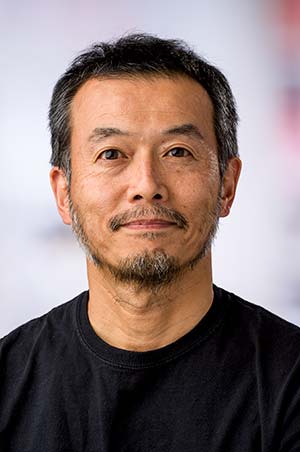
Toshio Tsukiyama, PhD, DVM, serves as Professor and Associate Director of the Basic Sciences Division at Fred Hutchinson Cancer Center and holds an Affiliate Associate Professor position in Biochemistry at the University of Washington School of Medicine. His laboratory focuses on understanding how cells regulate chromatin, the complex packaging system that compresses extensive DNA within microscopic cell nuclei. Dr. Tsukiyama's educational background includes a PhD in Mechanism of Suppression of the Long Terminal Repeat of Moloney Leukemia Virus in Mouse Embryonal Carcinoma Cells from Hiroshima University (1991), a DVM in Transforming Genes of Canine Adenovirus Type from Obihiro University of Agriculture & Veterinary Medicine (1987), and a BS from the same institution (1985). His research interests center on chromatin regulation, DNA packaging, gene expression control, and cellular quiescence. Dr. Tsukiyama investigates how chromatin structure influences critical cellular processes including transcription, DNA replication, repair, and recombination. His laboratory has made significant discoveries about how specific protein families help control when genes are turned on and off, and how the 3D structure of DNA regulates cellular processes. A major focus of his recent work examines quiescence, a reversible cellular state where DNA becomes dramatically more condensed, which has important implications for understanding cancer cell dormancy and resistance to chemotherapy. Analysis of Dr. Tsukiyama's publication record reveals consistent contributions to understanding chromatin remodeling mechanisms, particularly through studies of the Isw2 complex and related proteins. His work spans molecular genetics, genomics, cell biology, and biochemistry, with a strong emphasis on in vivo mechanisms. The research shows an evolution from basic chromatin structure studies to more complex investigations of how chromatin regulation affects cell cycle control and cellular quiescence. Dr. Tsukiyama's scientific achievements were recognized with his election to the American Academy of Microbiology in 2024, highlighting his significant contributions to understanding DNA packaging and how cells exploit chromatin structure to enter and exit dormancy states. As Associate Director of the Basic Sciences Division at Fred Hutch, Dr. Tsukiyama plays a leadership role while maintaining an active research laboratory. His lab continues to investigate how chromatin structure regulates cellular processes, with particular focus on the mechanisms underlying cellular quiescence and its implications for cancer therapy. The Tsukiyama Lab employs diverse approaches including genomics, molecular genetics, cell biology, and biochemistry, providing graduate students with training in a wide variety of techniques including deep sequencing and bioinformatic analyses.
Montserrat C. Anguera is an Associate Professor in the Department of Biomedical Sciences at the University of Pennsylvania School of Veterinary Medicine. Her research focuses on epigenetic mechanisms in immune cells and placental development, with particular emphasis on X-chromosome inactivation and sex-biased diseases. Dr. Anguera earned her PhD in Biochemistry, Molecular and Cellular Biology from Cornell University in 2004, followed by postdoctoral training at Massachusetts General Hospital/Harvard Medical School (2004-2012). She maintains active affiliations with multiple research institutes including the Epigenetics Institute, Institute for Immunology, Center for Research on Reproduction & Women's Health, and Institute for Regenerative Medicine at the University of Pennsylvania. Her research program investigates mechanisms of X-chromosome inactivation in lymphocytes and stem cells, revealing that female immune cells exhibit unique epigenetic features on the inactive X chromosome that may explain female predisposition to autoimmune disorders like lupus. Her lab also studies sex-specific differences in placental development using human stem cell models, identifying novel X-linked long noncoding RNAs that regulate immune responses during pregnancy. Recent work demonstrates that Xist RNA deletion in B cells triggers lupus-like phenotypes , providing direct evidence for X-chromosome involvement in autoimmunity. Analysis of her 15 most recent publications (2019-2025) reveals a strong focus on sex differences in immunity, with recurring themes of X-chromosome dysregulation in autoimmune diseases, epigenetic control of immune cells, and the role of long noncoding RNAs in development. Her work spans basic molecular mechanisms to translational applications in lupus and other sex-biased conditions. Dr. Anguera serves as an editorial contributor to key publications in her field, including a 2020 Frontiers in Cell and Developmental Biology editorial on X-chromosome regulation. Her research bridges immunology, epigenetics, and developmental biology to address fundamental questions about sex differences in health and disease.