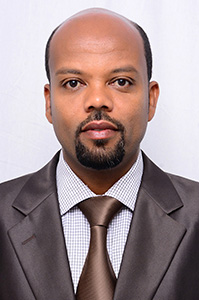
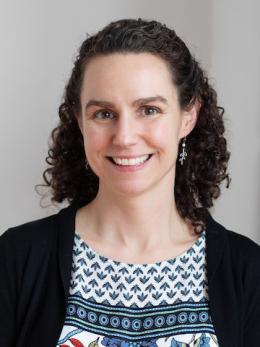
Ole Kiehn is a Professor of Neuroscience at Karolinska Institutet's Department of Neuroscience. He leads the 'Neurons and Neural Networks – Ole Kiehn group,' which investigates the mechanisms behind complex brain functions, focusing on spinal locomotor circuitries and brainstem control of motor behaviors. His research combines electrophysiology, molecular genetics, and behavioral analyses to understand neural networks involved in movement. Employment: Professor since 2004 Education: Docent (2002), Doctoral degree His research interests include spinal cord injury, motor control, and neuronal circuit organization. Key achievements include identifying brainstem circuits for locomotion and receiving The Brain Prize 2022 for pioneering work on neuronal circuits controlling movement. Recent studies explore spinal interneuron roles in gait modulation, midbrain control of locomotor speed, and therapeutic interventions for spinal cord injuries. His lab also investigates astrocyte roles in motor networks and plasticity post-injury.
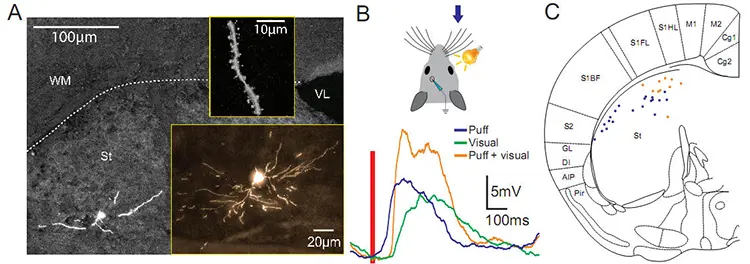
Gilad Silberberg is a Professor in the Department of Neuroscience at Karolinska Institutet, Stockholm. His research focuses on the functional organization of neuronal circuits in the basal ganglia and neocortex, particularly their roles in sensory and motor functions. He leads the Gilad Silberberg group, which employs electrophysiological, optical, and computational methods to study synaptic connectivity and microcircuit dynamics. Education: Docent (Associate Professor) at Karolinska Institutet (2011). Key research interests include striatal microcircuits, cortico-striatal pathways, and dopamine regulation. His work has been supported by grants from the Wallenberg Academy Fellowship (2012, 2017), Swedish Research Council, StratNeuro program, and EU Horizon 2020 (AND-PD project). Scientific achievements include identifying polysynaptic inhibitory pathways in the striatum, characterizing cortico-striatal sensorimotor interactions, and elucidating the role of astrocyte-derived neurons in striatal circuits. Awards include the Wallenberg Academy Fellowships for outstanding research contributions. Lab activities involve collaborations across multiple institutions, including Umeå University and Royal Institute of Technology. Ongoing projects explore bilateral sensorimotor processing, dopamine's impact on sensory integration, and the claustrum's role in functional modules. The lab also investigates mechanisms of bacterial brain invasion in meningitis and nicotine's effects on reward circuits. Key funding sources: Knut and Alice Wallenberg Foundation, Swedish Medical Research Council (VR-M), Hjärnfonden Key collaborations: StratNeuro Strategic Research Program, EU AND-PD consortium
Michel Lemay, PhD, holds dual academic roles as an Adjunct Professor in Neurobiology & Anatomy at Drexel University College of Medicine and a Professor in the Department of Engineering at Temple University. His research focuses on spinal cord injury recovery, neural prosthetics, and motor circuitry modulation. He earned his PhD in Biomedical Engineering from Case Western Reserve University and has held faculty positions since 2001, including a move to Temple University in 2013. Education: PhD in Biomedical Engineering - Case Western Reserve University Research Interests: Dr. Lemay investigates spinal neuronal circuitry for restoring movement post-injury, with emphasis on neural prostheses, spinal microstimulation, and regenerative therapies like neurotrophin treatment and sensorimotor training. His lab uses advanced techniques including biomechanical modeling, multiunit recordings, and in vivo stimulation to study spinal cord dynamics. Publications Trends: His work spans neuroregeneration (YAP/TAZ signaling), rehabilitation strategies, and neuroprosthetic design. Key themes include axonal regeneration via pharmacology, afferent control of locomotion, and biomechanical modeling of movement. Labs/Teams: Leads a multidisciplinary lab at Temple University, collaborating on spinal circuitry studies and translational neuroengineering projects.
Sergey Markin, PhD, is a Research Assistant Professor in the Department of Neurobiology & Anatomy at Drexel University College of Medicine. His career spans academic roles at Rostov State University and Drexel University, with visiting scientist positions in South Korea and Canada. PhD in Computer Science (1997) and MS in Radiophysics (1992) from Rostov State University Research Scholar (2000-2002) and Research Associate (2002-2004) at Drexel University Current NINDS/NIH-funded projects on locomotion and respiratory control His research focuses on computational neuroscience, specifically modeling neural control of respiration and locomotion. Key areas include: Computational modeling of biological neurons and neural networks Ion channel kinetics in neuronal pattern formation Cross-level integration of neural mechanisms across scales Spatiotemporal dynamics of neural oscillations Applications to restoring locomotor function after spinal injuries Scientific awards and honors are not explicitly mentioned in the available text. Dr. Markin collaborates with researchers like Ilya Rybak and Simon Giszter, working on projects that bridge computational neuroscience with biomedical engineering applications.
Gilberto Fisone serves as Professor and Chair of the Department of Neuroscience at Karolinska Institutet since 2018, holding concurrent roles as Scientific Director of the Animal Behavior Core Facility and member of multiple international advisory boards including the Neuroscience Institute Cavaliere Ottolenghi in Turin. His academic lineage includes professorships at The Rockefeller University and leadership of Sweden's National Network in Neuroscience. His research focuses on Parkinson's disease mechanisms with emphasis on dopamine signaling, neurotransmission, and neurodegenerative processes. Key investigations explore L-DOPA-induced dyskinesia, non-motor symptoms like anxiety and sleep disruption, and innovative approaches including phage-based neural stimulation. His experimental work integrates molecular neuroscience with behavioral phenotyping using advanced Parkinson's disease models. Analysis of his recent publications reveals strong concentration on translational Parkinson's research, particularly dopaminergic pathways, neural circuit dysfunction, and therapeutic interventions targeting motor and non-motor symptoms. The work spans molecular mechanisms to behavioral outcomes with significant international collaborations. Fisone actively contributes to scientific governance through editorial roles at PLoS One and Frontiers journals, plus extensive peer review for major funding bodies including ERC and EU neurodegenerative disease programs. He directs multiple major research initiatives including EU Horizon2020 projects on Parkinson's comorbidities and Lundbeck Foundation research on brainstem locomotor circuits. His laboratory maintains strong focus on doctoral training with 8 PhD students supervised to completion plus ongoing mentorship.
Jessica Ausborn, PhD, is an Associate Professor in the Department of Neurobiology & Anatomy at Drexel University College of Medicine. She leads the Ausborn Lab, focusing on computational modeling of neural networks underlying locomotion, respiration, and sensorimotor integration. Her research integrates experimental findings with biophysical models to study neuronal mechanisms in both vertebrate and invertebrate systems. Education: PhD (Dr. rer. nat.) in Neurobiology from Ulm University, Germany (2007), with a thesis on central pattern generators in locust flight. Research interests include neural algorithms for visual feature integration, control strategies of brainstem circuits for context-specific locomotion, and spinal locomotor circuitry. Her work is funded by NIH (NINDS), NSF (CRCNS, DARE), and prior grants from the German Research Foundation (DFG). Key collaborations involve institutions such as the University of St Andrews, CNRS, and Johns Hopkins University. The lab currently supports PhD and MS candidates in Neuroscience, including Anthony Moreno Sanchez and Phuong Tran. Recent studies explore adaptive locomotion in cats, Drosophila escape circuits, and spinal motor circuit dynamics. Labs/Teams: Ausborn Lab (Drexel) and Computational Neuroscience Center. Her research bridges theoretical modeling with experimental neuroscience to advance understanding of motor control and neural circuitry.
Marie-Pascale Côté is an Associate Professor in the Department of Neurobiology & Anatomy at Drexel University College of Medicine and co-director of the T32 NIH Spinal Cord Injury Training Program. She holds a PhD in Neurological Sciences from Université de Montréal (2007), following a BSc (2000) and MSc (2001) in related fields from the same institution. Her research focuses on spinal network plasticity post-spinal cord injury (SCI), particularly mechanisms underlying motor function impairment and activity-dependent recovery. Key areas include activity-based therapies (e.g., treadmill training) and stimulation-based interventions (e.g., spinal cord stimulation) to enhance functional recovery. Current funding partners include the NIH, Craig H. Neilsen Foundation, and Department of Defense. Recent publications highlight advancements in spinal stimulation translation to animal models, exercise-induced signaling pathways, and KCC2-mediated spasticity reduction. Her lab includes PhD students (Jeremy Weinberger, Dillon Malloy) and MS student Nichole Yakas, alongside research assistant Christine Buhalo. Key research themes include: 1) Activity-dependent plasticity mechanisms in SCI recovery; 2) Neurochemical pathways (e.g., BDNF-KCC2); 3) Translational approaches bridging clinical and preclinical models.
Donald O'Malley is an Associate Professor in the Department of Biology at Northeastern University, where he directs the Systems Neurobiology of Fish and Men laboratory. His research integrates cellular, systems, and computational approaches to investigate neuronal networks underlying complex behaviors in zebrafish models and mammalian cortical function. His primary research interests span Systems Neuroscience, Computational Neuroscience, and Behavioral Neuroscience, with specific focus on nuclear calcium signaling, cholinergic/GABAergic co-transmission in visual-motion detection, and symbolic operations in mammalian cortex. He explores pre-linguistic brain modules and their evolutionary role in language development, alongside knowledge organization in neocortex and its degradation in aging/neuropathology using reflective learning algorithms like Digital Maze games. Analysis of his recent publications (2005-2014) reveals a dominant theme of zebrafish neuroethology, examining locomotor control, social hierarchies, and neural circuitry through advanced imaging and computational modeling. His work bridges experimental neuroscience with engineering innovations, particularly in nanowire-based neural recording interfaces and 3D confocal analysis. Dr. O'Malley's laboratory employs confocal and high-speed imaging to dissect neural mechanisms of behavior in intact vertebrates, maintaining active research on how neuronal populations generate locomotor, social, and predatory behaviors while investigating cortical mechanisms of symbolic processing and language evolution.
Andrew Prendergast is a Researcher and Scientific Director in the Department of Comparative Medicine at Yale School of Medicine. He holds a BA in Neuroscience from Knox College (2007) and a PhD in Neurobiology and Behavior from the University of Washington (2013). His research focuses on understanding neurovascular interactions, developmental genetics, and disease modeling using zebrafish as a primary organism. Key areas include host-pathogen interactions in the central nervous system, mechanisms of spinal locomotor control, and genetic bases of cardiovascular and neural disorders. Education: PhD in Neurobiology and Behavior, University of Washington (2013) BA in Neuroscience, Knox College (2007) His research interests span: - Zebrafish models of human diseases (e.g., aneurysms, infections) - Neuro-immune interactions during infections - Mechanosensory neuron function in spinal circuits - Developmental origins of cerebrovascular systems Recent publications highlight breakthroughs in identifying PPIL4’s role in brain angiogenesis and using zebrafish to study aortic aneurysms. His work bridges basic neuroscience with translational medicine, particularly in leveraging zebrafish genetics for disease modeling. Labs/Teams: Director of the Yale Zebrafish Phenotyping Core, collaborating with neuroscientists and geneticists to advance high-throughput disease screening.
Berhanu Kibret, PhD, is an Instructor in the Department of Pharmaceutical Sciences at the University of Maryland School of Pharmacy. He is actively engaged in research related to the endocannabinoid system and its role in neuropsychiatric and neurodegenerative disorders, with a focus on CB2 receptors and their neuroimmune and behavioral implications. Research Interests: Dr. Kibret's work explores the intricate mechanisms of the endocannabinoid system, particularly how neuronal and glial CB2 receptors modulate the effects of drugs of abuse, alcohol-induced behaviors, and dopamine dysregulation. His research bridges pharmacology, neuroscience, and immunology, with applications in addiction, mental health, and neurodegeneration. The recent publications indicate a strong trend in studying CB2 receptor activation as a therapeutic strategy in CNS disorders, alcohol-related neuroimmune dysregulation, and wound healing. His work spans molecular pharmacology, behavioral testing in animal models, and clinical implications of cannabinoid use. Scientific Awards: No awards explicitly mentioned in the provided text. Advising and Grants: While no formal list of students or grants is provided, Dr. Kibret's active publication record and postdoctoral background suggest involvement in mentoring and research leadership. He has collaborated extensively with prominent researchers in cannabinoid pharmacology, indicating strong research network engagement. Labs and Teams: Though not explicitly named, Dr. Kibret's research is likely conducted within a pharmacology or neuropharmacology laboratory at the University of Maryland School of Pharmacy, focusing on cannabinoid signaling, neurobehavior, and neuroimmunology. His past postdoctoral work at William Paterson University involved studies on CB2 receptors in neuropsychiatric models.
Dr. Stefan Arnau is a Researcher at the Leibniz Institute for Work Research Dortmund (IfADo) since 2019, specializing in Experimental Ergonomics and Information Processing . His work focuses on cognitive fatigue, aging, and neurophysiological markers in applied settings. Key Techniques: Mobile EEG, eye blink analysis, ERP Collaborators: Prof. Edmund Wascher, Dr. Sarah Getzmann, Dr. Jonathan Reiser His research interests span cognitive ergonomics, neurophysiological correlates of mental load, and real-world applications of EEG technology. Recent publications emphasize aging-related cognitive decline, task-switching efficiency, and stress-induced neural changes. Analysis of his 15 most recent articles reveals a consistent focus on: Decoding cognitive states via EEG and eye blink activity Age-related differences in attentional resource allocation Neuroergonomic applications in driving and workplace environments Theta and alpha oscillations as markers of cognitive effort Machine learning for artifact removal in real-world EEG data Temporal perception under distraction He contributes to third-party funded projects and participates in the Dortmunder Vital-Studie for health assessment in occupational settings.
Tracie Paine is an Associate Professor in the Department of Neuroscience at Oberlin College's College of Arts and Sciences. Her research focuses on the neurobiological basis of cognitive functions like attention and impulse control, particularly in relation to psychiatric disorders such as schizophrenia, ADHD, and substance abuse. BS, University of British Columbia (1999) MA, Queen's University (2001) PhD, Queen's University (2004) Using a combination of behavioral and molecular biological techniques, Paine’s lab investigates how GABAergic systems and stress factors influence cognitive processes. Research findings directly inform her courses including Neuroscience of Mental Health (NSCI 025/125) and Neuroscience Laboratory (NSCI 211). Recent publications highlight her work on: Cocaine-induced cognitive impairments and sex differences Role of GABA receptors in sociability and decision-making Neurodevelopmental stress models Rodent gambling task applications Students in her lab participate in comprehensive research activities from experimental design to manuscript preparation, with opportunities for regional/national conference presentations.
Professor Rob Brownstone holds the Brain Research UK Chair of Neurosurgery at the Department of Neuromuscular Diseases , UCL Queen Square Institute of Neurology , and School of Life and Medical Sciences , University College London. His research focuses on understanding how brain and spinal cord circuits coordinate movement and how these networks can be harnessed for neurological disease or injury rehabilitation. Education : B.Sc. (Computer Science), M.D., Ph.D. (Physiology) from the University of Manitoba Postgraduate Training : Neurosurgery Residency & FRCSC at University of Manitoba, Neurophysiology Fellowship at University of Copenhagen Using electrophysiological, molecular, and imaging techniques with mouse genetic models , his lab investigates motor circuit pathophysiology in conditions like ALS and dystonia , aiming to develop targeted therapeutic strategies for movement restoration. Current research explores spinal microcircuit homeostasis and reticulospinal pathway modulation . The lab receives funding from Wellcome Trust and Brain Research UK , and is part of the Lab Efficiency Assessment Framework (LEAF) sustainability initiative. Professor Brownstone previously served as Professor in Surgery (Neurosurgery) and Medical Neuroscience at Dalhousie University, Canada, where he practiced as a neurosurgeon at QEII Health Sciences Centre.
Bram Vervliet is a Professor at the Laboratory for Biological Psychology , Faculty of Psychology and Educational Sciences, KU Leuven. He serves as Programme Director for the POC Master Psychology (Theory and Research) and is affiliated with the Leuven Centre for Health Humanities and KU Leuven Brain Institute . His research bridges associative learning theory, clinical psychology, and translational neuroscience. Education : PhD in Psychology (KU Leuven, 2004) Positions : Assistant Professor at University of Amsterdam (2006–2010), Senior Postdoc at KU Leuven (2010–2015), Marie-Curie Fellow at Harvard Medical School (2015–2017) His research investigates the psychobiological processes underlying fear acquisition, generalization, extinction, and avoidance. Current projects focus on: Relief dynamics during threat omission Gut-brain axis in fear modulation Stress effects on avoidance learning Neural basis of relief in OCD and anxiety Computational modeling of prediction errors Recent publications highlight studies on dopamine receptor blockade in rodent avoidance, stress reactivity in humans, and epigenetic modulation of fear memories via gut metabolites. He received a Poster Prize Award at the 4th European Stress Conference (2025). Notable grants include the VENI grant (University of Amsterdam), Marie-Curie fellowship, and KU Leuven Special Research Fund (BOF) support. He supervises PhD students like Lu Leng (2024 dissertation on anhedonia and learned helplessness).
Dr. Mareike Pauls-Selcho is a Group Leader (Gruppenleiterin) at the Department of Animal and Behavioral Physiology at the University of Leipzig, a position she has held since July 2019. Previously, she served as a Group Leader at the Department of Neurobiology and Genetics at the University of Würzburg from January 2018 to June 2019. Her academic career includes postdoctoral research at Kawasaki Medical School in Japan, the University of Würzburg, and the University of Marburg. Dr. Pauls-Selcho completed her doctoral studies (Dr. rer. nat.) at the University of Fribourg, Switzerland between May 2007 and September 2010. She earned her Diploma in Biology from the University of Würzburg, where she studied from September 2001 to September 2006. Her research focuses on how sensory stimuli modulate animal behavior through nervous system interactions. Specifically, she investigates the anatomical and functional properties of aminergic and peptidergic neurons, which play crucial roles in modulating neural networks that regulate behaviors such as locomotor activity and memory formation. Her laboratory employs advanced techniques including Connectomics (FlyWire.ai), Ca 2+ and cAMP imaging, immunohistochemistry, light and electron microscopy, neurogenetics, optogenetics, and behavioral biology. Analysis of Dr. Pauls-Selcho's publication record reveals a strong focus on Drosophila neurobiology, particularly examining octopamine signaling in learning, memory, and sensory processing. Her work spans multiple subfields including neural circuit mapping, circadian rhythms, sensory-motor integration, and neuromodulation. A significant contribution was demonstrating that octopaminergic neurons contact nearly all sensory organs of the fruit fly, providing evidence for peripheral modulation of sensory networks. Dr. Pauls-Selcho has established herself as a productive researcher with publications in high-impact journals including Nature, Current Biology, and Learning & Memory. Her work demonstrates interdisciplinary approaches combining neuroanatomy, functional imaging, and behavioral analysis to understand fundamental neural mechanisms. As a Group Leader at the University of Leipzig, Dr. Pauls-Selcho leads research projects and offers opportunities for BSc, MSc, and PhD students to engage in cutting-edge neuroscience research. Her laboratory continues to investigate the fine-tuning of sensory-motor circuits by aminergic systems, with particular emphasis on peripheral modulation of sensory function.