Patricia Elaine PerkinsView profile
Professor
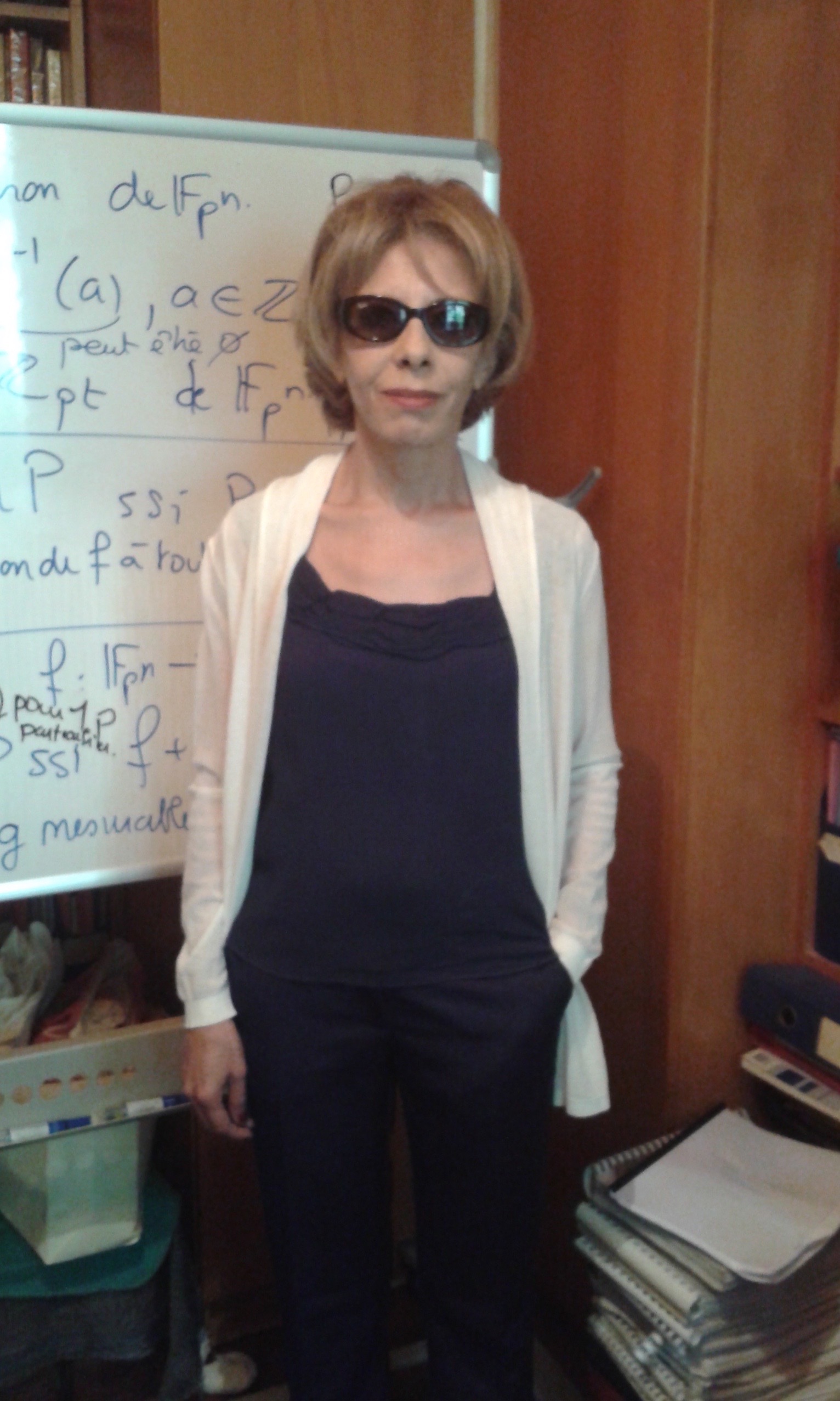
Patricia Elaine Perkins is a Professor at the Faculty of Environmental and Urban Change, York University, where she conducts research and teaches in ecological economics, climate justice, and community-based environmental governance. Her interdisciplinary work integrates feminist theory, political ecology, and participatory research methods to address global inequities in the context of climate change and sustainability transitions. Her educational background includes a PhD and MA in Economics from the University of Toronto, and a BA in Public and International Affairs from Princeton University. This strong foundation underpins her critical approach to mainstream economic paradigms and her advocacy for alternative, justice-oriented frameworks. Perkins' research interests center on climate justice, feminist ecological economics, commons governance, and community economic development . She explores how local communities, particularly in the Global South, can lead equitable responses to climate change through participatory models. Her focus on gender, care, and intersectionality brings vital perspectives to environmental decision-making processes. Her recent publications reflect a strong thematic trend toward decentralized governance, social movements, and systemic alternatives to growth-oriented economies . Articles and books examine degrowth, climate activism, and the integration of plural knowledge systems in environmental management, especially in Brazil, Canada, and Africa. She emphasizes community-led solutions and the ethical dimensions of sustainability. REDI (Respect, Equity, Diversity, Inclusion) training certificate – Centre for Human Rights, Equity, and Inclusion, York University Perkins has secured significant research funding from SSHRC, IDRC, and the New Frontiers in Research Fund for projects on post-pandemic recovery, ethical data management, and community-based climate resilience. She actively mentors students and collaborates internationally, contributing to global policy through her role as a Lead Author for the IPCC Sixth Assessment Report. Her work bridges academic research, community engagement, and public policy advocacy. She leads research teams and community-university partnerships focused on the Jane and Finch neighborhood, Brazil, and African watersheds. These labs and collaborative networks emphasize participatory action research, ethical data practices, and capacity building in marginalized communities.