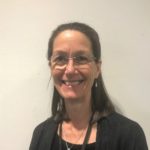
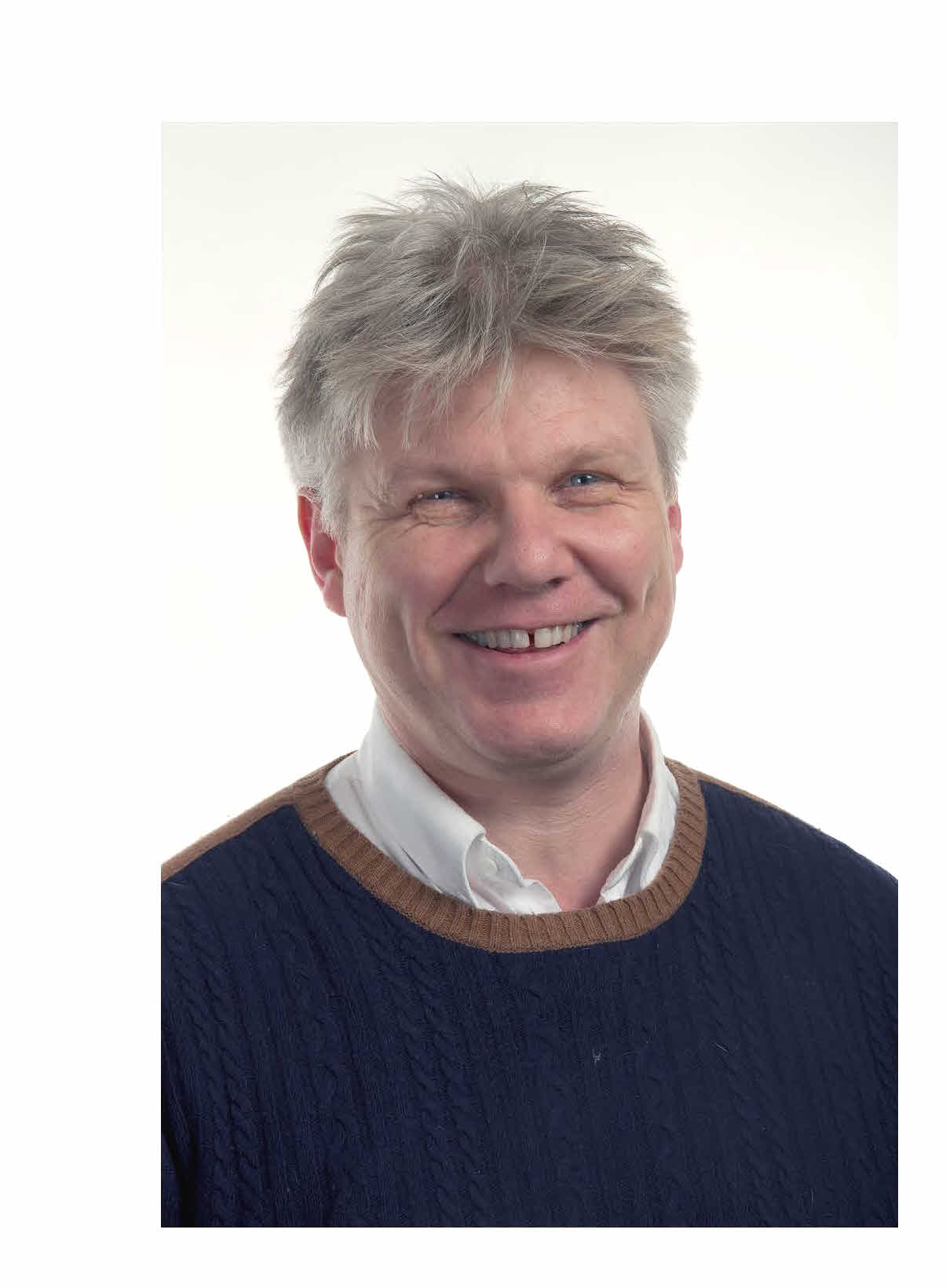
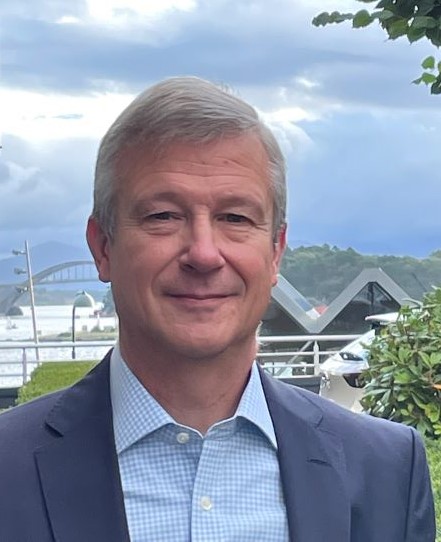
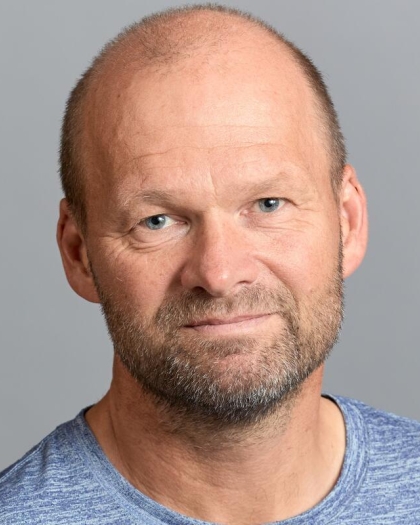
Jill Duerr Berrick is the Zellerbach Family Foundation Professor at UC Berkeley's School of Social Welfare and a Professor II at the University of Bergen's Department of Government. Her research focuses on improving child welfare systems, particularly foster care and family poverty interventions. She emphasizes integrating service users' perspectives into policy and practice. Education: Ph.D. Social Welfare, UC Berkeley (1990) M.S.W., UC Berkeley (1987) B.A. History, UC Santa Cruz (1983) Research Interests: Systems of Care for Children/Families/Older Adults Family Policy Child and Family Poverty Child Abuse and Neglect Foster Care Reform Cross-National Child Protection Systems Her work examines global child protection frameworks, including a forthcoming Oxford Handbook of Child Protection Systems analyzing 50 countries. Advocacy & Campus Involvement: Co-founder of Berkeley Hope Scholars supporting foster care alumni Lead advocate for eliminating foster care fees for birth parents Chair of the School of Social Welfare's undergraduate program Collaborations: Works with Prof. Marit Skivenes on global child protection typologies and public attitudes across Norway and the U.S.
Knut Bjarne Hidle is a Professor in the Department of Geography at the University of Bergen, Faculty of Social Sciences. His research spans human geography, with a focus on mobility, migration, place, and spatial development. He is actively involved in academic research, supervision, and interdisciplinary collaboration. Department: Department of Geography University: University of Bergen Faculty: Faculty of Social Sciences Email: knut.hidle@uib.no Research Interests: Hidle's work centers on human geography, particularly mobility and migration, place and belonging, urban and rural development, second-home use, and governance. He investigates how individuals and groups experience place, especially in mobile and transnational contexts. His research combines cultural, economic, and political perspectives to understand spatial identities and planning processes. Recent Research Trends: His recent publications focus on gated communities, climate planning in Bergen, skilled migration, national parks and rural development, and second-home mobility. These works reflect a consistent engagement with place-making, territoriality, and the socio-political dimensions of mobility and planning in Norway and beyond. Scientific Awards: No awards mentioned in the provided text. Advising and Grants: Hidle has supervised numerous master’s students, including theses on urban revitalization, second-home tourism, smart meters, and regional park development. He has contributed to multiple research reports, particularly through Agder Research and NORCE, on topics such as refugee integration, labor migration, and regional governance. These projects suggest sustained involvement in applied and policy-relevant research. Labs and Research Groups: He is affiliated with research groups in Environmental and Landscape Geography, Social Geography, and Human Geography at the University of Bergen. His collaborative work with scholars like Winfried Ellingsen and Arnt Fløysand indicates active participation in research networks focused on mobility, innovation, and regional development.
Torbjörn Andersson is a docent (Associate Professor) in sports science at Malmö University's Department of Sports Science within the Faculty of Education and Society. His academic career has been dedicated to the historical and cultural study of football, particularly focusing on Swedish football's development and its societal impact. Andersson's research interests center on football history with a particular emphasis on Swedish football culture across different historical periods. His work explores themes such as football hooliganism from 1900-1970, the relationship between football and alcohol in Swedish society, football's role in urban identity and city marketing, and the cultural significance of football clubs in local communities. He has extensively documented how football has shaped and reflected Swedish social history. His publication record spans several decades with notable works including his doctoral dissertation "Kung Fotboll. Den svenska fotbollens kulturhistoria från 1800-talets slut till 1950" (King Football: The Cultural History of Swedish Football from the End of the 19th Century to 1950) and co-edited special issues of "Soccer and Society" on topics like "Football in Scandinavia: A Fusion of Welfare Policy and the Market" and "Centres and Peripheries in Soccer." His recent work shows continued engagement with contemporary football scholarship through numerous book reviews on football politics, history, and culture. Andersson is currently working on a book about Swedish football's cultural heritage, continuing his lifelong scholarly commitment to documenting and analyzing the historical significance of football in Swedish society. His research demonstrates consistent focus on how football reflects broader social, political, and cultural developments in Sweden.
Anne Waldrop is a Professor at Oslo Metropolitan University, affiliated with the Faculty of Teacher Education and International Studies, specifically within the Department of International Studies and Interpreting Education and the Development Studies program. Her academic work is deeply rooted in social anthropology with a strong regional focus on South Asia, particularly India. Institution: Oslo Metropolitan University Faculty: Faculty of Teacher Education and International Studies Department: Department of International Studies and Interpreting Education Research Group: Development, Power and Inequality (UMU) Waldrop's research centers on urban anthropology, with particular attention to power dynamics, caste systems, class structures, and slum communities in India. Her work extensively examines women's movements, political activism, and gender politics within the South Asian context. She has developed a specialized expertise in studying grassroots political participation among women in urban slums, documenting how class consciousness, neighborhood relations, and resistance strategies operate in marginalized communities. Her methodological approach often involves deep ethnographic engagement, as evidenced by her work on gaining access to middle-class women in urban India. Analysis of Waldrop's recent publications reveals a consistent focus on Indian urban sociology, with particular attention to gendered experiences of political participation, economic inequality, and social mobility. Her work bridges anthropological theory with practical political analysis, examining how structural inequalities manifest in everyday life. The research demonstrates a longitudinal perspective, with some studies following communities for decades to understand patterns of vulnerability and resistance. Her methodological contributions to urban anthropology, particularly regarding research access in complex social settings, have strengthened qualitative approaches in the field. Waldrop has made significant contributions to public discourse through numerous dissemination activities, including encyclopedia entries for Store norske leksikon on topics like women's rights in India and caste systems. She regularly engages with contemporary issues through media appearances and panel discussions, such as her commentary on major protests following a doctor's murder in India and analyses of India's economic growth alongside persistent social inequalities. Her academic service includes editorial work and participation in scholarly conferences focusing on urban crises and social transformation. Professor Waldrop leads research within the Development, Power and Inequality research group (UMU), where she examines structural inequalities through the lens of urban anthropology. Her work connects local experiences in Indian slums to broader theoretical frameworks about power, resistance, and social change. She has established OsloMet as a significant center for South Asian urban studies, fostering international collaborations with scholars across the region. Her research methodology emphasizes long-term engagement with communities, allowing for nuanced understandings of how political consciousness develops (or fails to develop) in contexts of extreme inequality.
Cecilie Pedersen Dalland is a Professor at the Faculty of Teacher Education and International Studies , Oslo Metropolitan University (OsloMet), with affiliation to the Department of Primary and Vocational Teacher Education . She holds a doctorate from the University of Oslo's Institute of Educational Research and has taught at OsloMet, the University of Oslo, and other institutions. Doctorate: University of Oslo (Institute of Educational Research) Master of Education: University of Oslo (Pedagogical Research Institute) General Teacher Education: Oslo University College (Department of Teacher Education) Her research focuses on classroom practices , self-regulation , gender dynamics , and school-home collaboration . She has been pivotal in evaluating the six-year reform (Reform 97 to Fagfornyelsen) and contributes to the FRAME project on reading across mediums. Her publications span topics like inclusive mathematics teaching , qualitative data reuse , and trauma-informed pedagogy . Recent trends in her publications include equity in Nordic education models , methodological pluralism , and crisis-driven pedagogical shifts . She currently teaches master's courses in pedagogy (M5GPE4100/5100), leads the ProFPED master's course (MGMO5900), and oversees doctoral training in classroom research (PHUV9370). She is involved in the Welfare Access Through Technology (WATT) research group and has contributed to projects like Inclusive Mathematics Teaching (IMaT) and Classroom practices 20 years later .
Tom Rye is a Professor in Sustainable Urban Transport Policy and Planning at Molde University College , focusing on transport governance, smart urban mobility, and accessibility. He has extensive experience working across Europe, including roles in Sweden and the UK, and contributed to EU Sustainable Urban Mobility Plan (SUMP) guidelines. Research Areas : Parking management, sustainable mobility, accessibility, international policy comparison, concessionary fares, staff development. Projects : TRANSPOL (politician-citizen dynamics in sustainable transport), JiM (social/environmental justice in 15-minute city contexts). Research Groups : Sustainable Urban Development and Mobility , Transport Research Group (TRG) . His recent articles analyze public participation in transport planning, equity in urban mobility, and the implementation of sustainable practices across diverse governance structures. Key themes include social justice, policy uncertainty, and cross-border mobility planning. Collaborations : European Commission, World Bank, UK/Scottish/Swedish governments, private sector. Labs/Teams : Regular contributor to Transport Research Group (TRG) and Sustainable Urban Development and Mobility at Molde University College.
Marit Ekne Ruud is a Research Professor at Oslo Metropolitan University , affiliated with the Centre for Senior Citizen Staff . Her work bridges academic research with practical interventions in urban and social policy. Fields of Interest : Social Sciences, Housing, Town Development, Childhood and Youth, Participation, Community, Social Housing Research Trends : Focus on social sustainability, socio-cultural site analysis, and equity in urban planning, with recent emphasis on pandemic preparedness and multiethnic communication. Email : marit.ruud@oslomet.no
Astri Dankertsen is an Associate Professor in Sociology at the Faculty of Social Sciences, Nord University. She leads the MINS Research Group and specializes in Sámi and Indigenous studies, focusing on identity, urbanization, colonization, and gender. Her work addresses decolonization, Indigenous policymaking, and Nordic social dynamics. She has held a faculty position since 2010 and earned her PhD in Sociology from Nord University in 2014. Education : PhD in Sociology (2014), University of Nordland (now Nord University). Teaching : Courses on gender, ethnicity, Indigeneity, and gender equality. Research Projects : Leads the NFR-funded Indhome project on Indigenous homemaking and contributes to initiatives on gender balance and Nordic truth commissions. Research Interests : Sámi urbanization, colonialism, gender perspectives in Nordic contexts, and Indigenous methodologies. Her recent work explores Sámi resistance through haunting narratives and urban Indigenous identity formation. Collaborates with the Læra Institute for Circumpolar Education and serves on Nord University’s PhD committees. Grants & Projects : Norwegian Research Council grants for Indhome and urban Sámi studies. Engaged in truth and reconciliation processes in the Nordic region. Local Role : City council member in Bodø, advocating for Indigenous and cultural issues. Labs/Teams : MINS Research Group, Nord University’s Arctic Vulnerabilities specialization, and partnerships with international Indigenous networks. Her interdisciplinary approach bridges sociology, gender studies, and decolonial theory.
Dr. Tobias Michael Scholz is an Associate Professor at the University of Agder within the Department of Information and Communication Technology . Widely recognized as the "godfather of esports research", he has dedicated 25 years to exploring the intersection of esports, human resource management, and digital transformation. As founder of the Esports Research Network and chief scientific officer of metagame , Scholz bridges academia and industry, particularly focusing on innovative educational programs that utilize esports to develop future workforce skills in Norway. Research Interests include gamification in HR, transferable skill development, corporate esports strategies, and sustainability in digital environments. His work examines how gaming mechanics can enhance hybrid team collaboration, risk governance, and intercultural management practices in global business contexts. Publication Trends reveal his specialization in esports business models, digitalization of work, and skill transfer mechanisms. Recent articles explore metaframe frameworks for professional dynamics, Olympic esports integration, and AI's impact on human resources. Professional Networks include the Esports Research Network and metagame . He actively collaborates with institutions like IATED and Routledge , contributing to annual conferences such as HICSS and ICERI.
Ingrid Lund is a Professor of Special Education at the Department of Education, University of Agder. She also holds a part-time position as Professor II at Queen Maud University College. With over 15 years of experience as a special education teacher and 5 years as a family therapist at Sørlandet Hospital's Department of Child and Adolescent Mental Health, Lund has spent the last 20 years conducting research and teaching at the University of Agder. Lund's research interests focus on mental health, behavioral problems, and learning environment development in educational settings. Her work particularly examines shy behavior in children (which she terms "the silent behavioral problem"), bullying prevention, and inclusive practices in kindergartens and schools. She has developed the "Dialogmodellen" (Dialogue Model), a research-based approach for preventing and addressing bullying through communication and collaboration. An analysis of Lund's recent publications reveals a consistent focus on adult-child relationships and the psychosocial environment in educational settings. Her work increasingly addresses how adults (both educators and parents) can better understand and respond to children's behavioral challenges, with particular attention to vulnerable children who experience bullying or social exclusion. Lund bridges academic research with practical applications through digital resources like dialogmodellen.no. Formidlingsprisen 2022 (Communication Prize 2022) Lund actively engages with various stakeholders through research projects, media appearances, and professional development. She has led multiple large-scale research projects focusing on mental health promotion, behavioral issues, and inclusive environments. Her work extends beyond academia through frequent contributions to newspapers, radio, and television programs where she discusses current issues in education and child development. Through her research group in Special Education, Lund collaborates with institutions including Sørlandet Hospital, Kristiansand Municipality, KS (Norwegian Association of Local and Regional Authorities), and the County Governor of Agder. Her "Dialogmodellen" project represents a significant interdisciplinary effort to create practical tools for schools and kindergartens to address bullying and promote inclusive environments.
Harald Eikaas is a Norwegian conductor and academic leader currently serving as Dean of the Faculty of Performing Arts at the University of Stavanger. His career spans conducting, music education, and artistic production, with notable collaborations including the Bergen Philharmonic Orchestra and Ålesund Symfoniorkester. Positions: Dean, Conductor, Music Educator Institution: University of Stavanger (Faculty of Performing Arts) Specialties: Church music, orchestral performance, educational concert programming Research and Artistic Focus centers on conducting practices, church music education, and symphonic outreach for youth audiences. His work emphasizes interdisciplinary collaboration and cultural preservation through performances like Henry Purcell's opera Dido & Aeneas and liturgical concerts in Volda kyrkje. Publications and Performances highlight his diverse roles: from directing educational concerts for grades 4-6 to producing contemporary compositions by Luca Francesconi. His projects often blend classical repertoire with modern interpretations, such as Haydn's Skapelsen and NRK broadcasts of symphonic arrangements. Collaborations include partnerships with artists like Stefan Östresjö and institutions like the Swedish Navy Music Corps, demonstrating his commitment to bridging academic and performance-based music traditions.
Lars Ingvar Bergkvist is a Professor of Marketing at the Norwegian School of Hotel Management (NHS), Institute for Leadership and Service Development, within the Faculty of Social Sciences at the University of Stavanger, Norway. He has held academic positions internationally at Zayed University (UAE), Universiti Teknologi Brunei, University of Nottingham Ningbo (China), Stockholm University, UNSW Asia (Singapore), University of Wollongong (Australia), and the Stockholm School of Economics. He has also been a Visiting Professor at Yonsei Graduate School of Management (South Korea) and CEIBS (China). His research focuses on advertising, consumer behavior, brand management, and research methodology. He has published in leading journals including the Journal of Marketing Research , Journal of Advertising , and International Journal of Advertising , where he serves as Associate Editor. His recent work explores the dynamic nature of marketing constructs, replication in advertising research, sportswashing, and cultural codes in international marketing. The most recent publications highlight a strong methodological focus, particularly on replication, measurement validity, and construct clarity in advertising. There is also a growing interest in ethical and geopolitical dimensions of marketing, such as sportswashing and human rights in experience design. His work bridges theoretical rigor with practical implications for branding and communication strategy. Associate Editor, International Journal of Advertising Lars Bergkvist has advised emerging scholars such as Heidi Victoria Skeiseid and Freya De Keyzer, as evidenced by co-authored publications. While no specific grants are mentioned, his consistent publication output and international speaking engagements suggest active research funding and collaborative projects. He has delivered invited presentations on measurement, replication, and cultural marketing at academic and industry events. He is involved in research collaborations across Europe and Asia, particularly in advertising and international marketing. His presentations and publications suggest active participation in a global research network focused on methodological integrity and cross-cultural marketing communication.
Tom Brökel is Professor in Regional Innovation at the University of Stavanger Business School, Norway, and is associated with the Center of Regional and Innovation Economics at the University of Bremen, Germany. He is affiliated with the UiS School of Business and Law, specifically within the Department of Innovation, Management and Marketing. His research and teaching focus on innovation, economic geography, and network analysis. His research interests include: Geography of Innovation Regional Innovation Systems Technological and Skill Complexity Social Network Analysis R&D and Innovation Policy Renewable Energy and Sustainability Transitions Smart Specialization Strategies News Media as Big Data for Regional Science Tom Brökel's recent publications reveal a strong thematic focus on the interplay between technological complexity, regional economic growth, and innovation policy. His work frequently employs network and spatial analysis to study regional diversification, co-patenting dynamics, and the diffusion of innovation. He has developed novel methodologies using news media and press releases as data sources to assess regional economic sentiment and innovation visibility. His scientific contributions have been published in high-impact journals such as Research Policy , Technovation , Regional Studies , and Journal of Economic Geography . He actively collaborates with scholars across Europe, particularly on topics related to smart specialization, regional transformation, and green transitions. Notable scientific contributions include: Analysis of urban scaling of innovation across global cities Long-term evolution of technological complexity and its impact on economic growth Role of relatedness in regional job creation Impact of R&D subsidies on technological diversification Use of media narratives to understand public perceptions of wind energy Brökel regularly presents at international conferences such as RSA, ERSA, and Geography of Innovation. He is involved in research dissemination, policy advising (e.g., for Rogaland County), and public engagement. He has no listed PhD students in the provided text, but he supervises research projects and collaborates widely. He is not part-time, not retired, and currently active in both research and teaching.
Øyvind Fiksen is a Professor in the Department of Biological Sciences at the University of Bergen, specializing in biological oceanography and marine ecosystem dynamics. His work focuses on how individuals drive population and community dynamics in marine environments through mechanistic models, state-variable optimality theory, and trait-based ecosystem modeling. Professor Fiksen's research spans behavioral ecology, predator-prey interactions in fish, zooplankton, and microbes, investigating how these interactions structure marine ecosystems. His teaching portfolio includes Marine Ecology courses, and he has been instrumental in developing the Centre of Excellence in Biology Education (bioCEED) at the University of Bergen. During 2012-2015, he served as Head of Education and Deputy Head of Department at BIO, contributing to Bergen's recognition as a Centre of Excellence in Education. Analysis of his recent publications (2020-2024) reveals a strong emphasis on climate change impacts on marine systems, particularly how environmental changes affect fish phenology, distribution patterns, and ecosystem dynamics. His work integrates theoretical modeling with empirical data across multiple spatial and temporal scales, with notable contributions to understanding mesopelagic zone dynamics, tuna reproductive strategies, and cod-capelin interactions. A consistent theme throughout his research is the application of mechanistic models to predict ecosystem responses to environmental change. Excellent Teaching Practitioner from UiB Professor Fiksen has supervised numerous doctoral students including Johanna Myrseth Aarflot, Johanna Jennifer Elisabeth Fall, Tom Langbehn, Agurtzane Urtizbera Ijurko, Øystein Varpe, and Christian Jørgensen. His research has been supported by significant funding from EU, NFR (Norwegian Research Council), and NOKUT, including projects such as ETHOFISH, ADAPT, ECOBE, CLIMAR, TBECO, EGGVALUE, bioCEED, MARmaED, FILAMO, and PANDORA. As part of bioCEED, he has delivered over 40 invited talks on educational activities at local and national forums, demonstrating his commitment to both research and teaching excellence. His laboratory work focuses on theoretical ecology approaches to marine ecosystem modeling, with particular expertise in individual-based models that connect physiological processes to population dynamics. Current research directions include investigating how coastal water darkening affects marine phenology, optimizing tuna spawning strategies, and understanding the three-dimensional spatial dynamics of predator-prey interactions in marine environments.
Camilla Brattland is an Associate Professor at The Arctic University Museum of Norway, UiT The Arctic University of Norway. Her work focuses on Sami cultural studies, particularly the Sami collections within cultural history archives and the university museum. She specializes in resource management, traditional knowledge systems, and environmental decision-making. Education : PhD in Social Sciences (2012), Master in Indigenous Studies (2005), and Cand.mag. in Social Sciences (2003) Her research integrates Sami cultural practices with contemporary issues like climate change, renewable energy development, and indigenous tourism . Notable projects include MÁHTUT (Sámi Knowledge and Practices in Green Transition) and DIGIJOIK (Digital Preservation of Sami Musical Heritage). Her publications address: Climate change impacts on Sami coastal communities Indigenous knowledge in salmon governance Wind power and reindeer herding conflicts Traditional food systems (e.g., reindeer meat smoking) Tourism ethics and cultural sensitivity Brattland collaborates extensively with Sami communities and interdisciplinary teams across Norway and internationally. She contributes to projects like Rávdnji (Sami heritage exhibition in Tromsø) and Future Arctic Lives (biodiversity and livelihoods). Her methodological expertise includes GIS mapping, ethnographic research, and community-driven documentation of traditional landscapes.