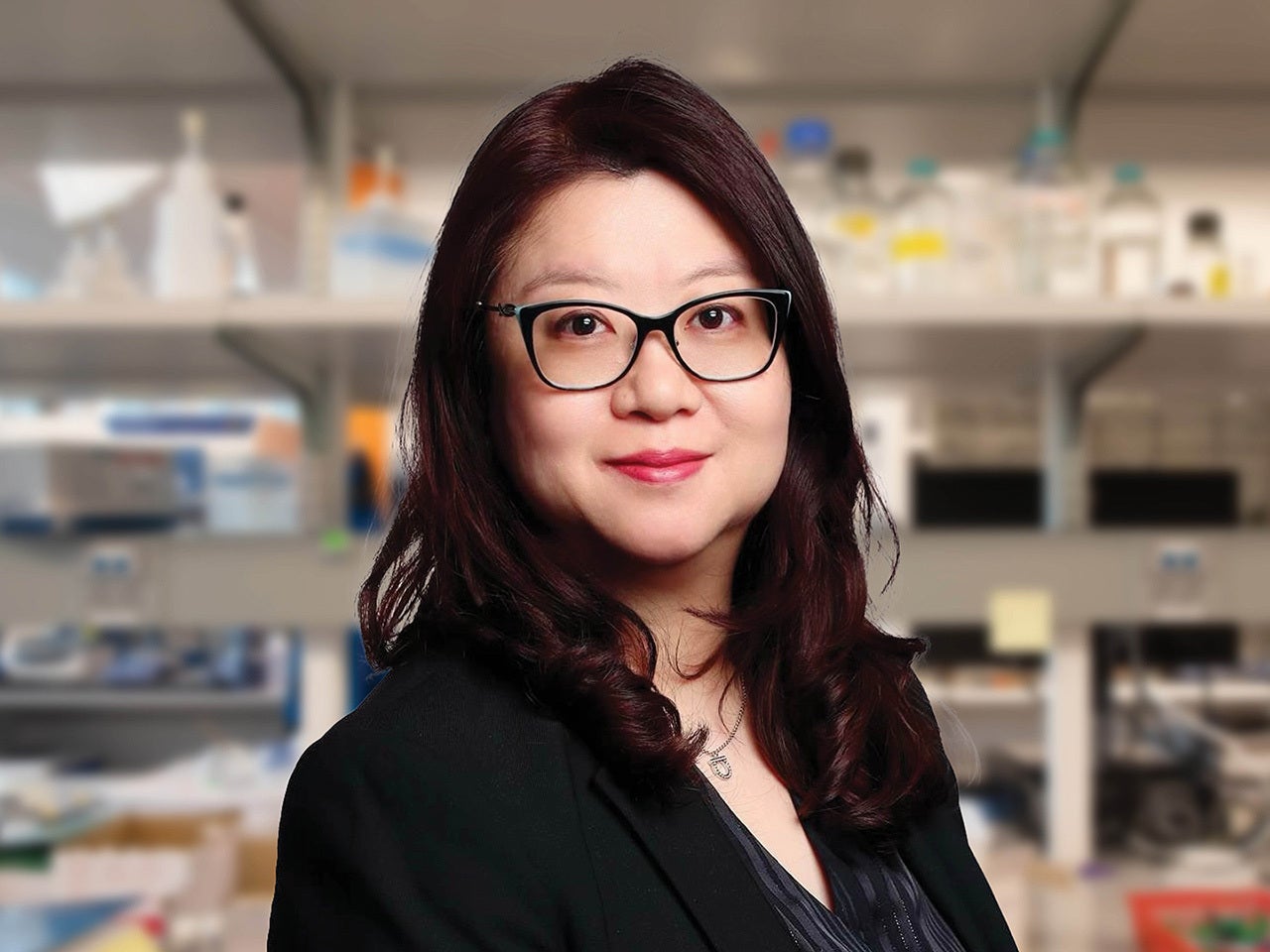
Dr. Irina Kisielowa is a Lecturer in the Department of Slavonic Studies at the University of Vienna and an award-winning literary translator with decades of experience in high-level international environments. She specializes in advanced Russian language instruction, cultural intelligence, and post-Soviet mentality training, bridging academic rigor with practical application for professionals in diplomacy, law, media, academia, and business. Born in Ukraine to Polish and Russian parents, she offers unique insights into Eastern European cultural codes, having lived across Europe and collaborated with institutions in Austria, Poland, Kosovo, and beyond. PhD in Slavonic Studies Over 100 literary/academic translations from Polish and German into Russian Customized training in post-Soviet communication, power dynamics, and high-context environments Her research focuses on the intersection of language, culture, and professional practice, emphasizing the emotional logic and socio-political nuances of post-Soviet communication. She teaches advanced Russian language skills, applied didactics for Slavic languages, and cultural coaching through immersive methodologies involving case studies, roleplays, and real-time analysis of current events. Dr. Kisielowa provides tailored services including: Russian language consulting for B1+ professionals Cultural intelligence workshops in English/German/Polish/Russian Literary translation and editorial support Mentality coaching for decision-makers
Karen Kellogg serves as Professor of Environmental Studies and Sciences and holds the David H. Porter Chair at Skidmore College, where she maintains an active research program spanning environmental policy, water resources, and ecological conservation. Her work bridges academic scholarship with practical sustainability solutions through the Water Resources Initiative. Her educational background includes a Ph.D. in Ecology with Conservation Biology option from The Pennsylvania State University (1997) and a B.S. in Industrial Engineering from the University of Iowa (1988), with additional studies at the University of Colorado, Boulder. Professor Kellogg's research demonstrates exceptional interdisciplinary range, with recent work focusing on environmental policy mechanisms like building code impacts on energy consumption, water resource innovation through living machine wastewater treatment, and ecological field studies examining aquatic systems from Lake Malawi cichlids to Saratoga Lake watersheds. Her scholarship consistently integrates engineering principles with ecological science to address sustainability challenges. Analysis of her 15 most recent publications reveals a clear trajectory toward applied environmental solutions, with increasing emphasis on policy implementation, community-based water management, and campus sustainability initiatives since 2015. Early career work centered on evolutionary biology has evolved into contemporary research addressing urgent issues like pharmaceutical contaminants in waterways and renewable energy systems. Kellogg maintains a robust undergraduate mentorship program, with 11 named student co-authors across her publications reflecting deep engagement in the Water Resources Initiative. This program connects Skidmore students with local watershed management through civic science projects examining riparian conflicts, invasive species, and drinking water politics in Upstate New York. She directs significant collaborative efforts through the Water Resources Initiative, which coordinates multi-year projects with the Saratoga Lake Watershed and Kayaderosseras Creek communities. These initiatives combine rephotography documentation, ethnoecological surveys, and hydrological monitoring to address complex water governance challenges.
Dr. Joe Forth is a Lecturer in Physics and Chemistry at the University of Liverpool, holding a joint appointment between the Department of Physics and Department of Chemistry since April 2023. A colloid scientist by training (MSci Physics, Bristol, 2011; PhD Physics, Edinburgh, 2015), he has built a research program at the intersection of soft matter physics, bioprinting, and tissue engineering. His research interests span 3D printing, soft matter, microfluidics, tissue engineering, and nanomedicine. Forth's work focuses on three core themes: Soft and Active Materials (investigating assembly at liquid-liquid interfaces), Liquid Devices (developing open-source bioprinters and liquid-based technologies), and Tissue Engineering and Advanced Therapeutics (creating alternatives to animal testing). His research has been featured in Vice and Wired for its innovative approach to creating "living materials" and autonomous liquid systems. Forth's recent publications reveal a strong focus on liquid-phase 3D printing, self-assembling materials, and vascularized tissue models. His work bridges fundamental colloid science with practical applications in drug delivery, wound healing, and sustainable materials. The research demonstrates a consistent trajectory toward increasingly complex biological applications while maintaining a foundation in soft matter physics. Scientific Awards: David Begley Excellence Award for Young BBB Researchers (13th UK & Ireland Early Career Blood-Brain-Barrier Symposium, 2023) Ramsay Memorial Fellowship (2020-2023) Forth actively supports fellowship applicants aligned with his research themes in bioprinting, angiogenesis, granular microgels, and active matter. He teaches courses including Digital Alchemy: Synthesising Code and Chemistry (CHEM501) and Introductory Physical Chemistry (CHEM152), demonstrating his commitment to interdisciplinary education. His current research is supported by grants from the Wolfson Foundation and the Royal Society, focusing on nanoscale imaging and vascularized bioprinting. The Forth research group operates at the cutting edge of soft matter science and bioprinting, with a distinctive approach that combines open-source hardware development, frugal automation, and fundamental colloid science to create novel liquid-based technologies with applications ranging from energy storage to tissue engineering.
Sorin Lerner is a Professor and Chair of the Department of Computer Science and Engineering at the University of California, San Diego (UCSD). His research spans programming languages, program verification, security/privacy, and human-computer interaction (HCI). He actively seeks graduate students and postdocs to join his research group. Education: PhD in Computer Science, University of Washington (2006) Research Interests: Sorin’s work focuses on applying programming language techniques to program verification, security, and live programming environments. His projects include the Rango system for retrieval-augmented proving, Projection Boxes for live programming visualization, and Radar for concurrent program analysis. He also explores gamification in education through Proof Games and Code Spells. Awards: Recipient of the PLDI 2003 Best Paper Award ICSE 2025 Distinguished Paper Award for Rango Teaching: Sorin teaches courses on programming languages (CSE 130, CSE 230), compilers (CSE 231), and specialized topics in automated theorem proving (CSE 291). He emphasizes live programming and interactive tools to enhance learning. Lab & Collaborations: Leads the PL@UCSD research group, collaborating with institutions like Microsoft, Google, and The University of Texas at San Antonio. Projects often involve cross-disciplinary efforts in software reliability, formal methods, and educational technology.
Chang C. Liu is a Professor in the Department of Developmental and Cell Biology within the School of Biological Sciences at the University of California, Irvine. He leads the Liu Laboratory for Synthetic Evolution, which focuses on engineering specialized genetic systems that surpass natural capabilities. His research spans synthetic biology, genetic engineering, and directed evolution, with particular emphasis on accelerating cellular evolution processes. Dr. Liu's research interests center on creating living cells that dramatically accelerate evolution, reinterpret genetic codes, and record transient information as heritable mutations. His lab develops orthogonal genetic systems like OrthoRep for continuous hypermutation and directed evolution, enabling the discovery of useful biomolecules, biopolymers, and therapeutics. Key questions guiding his research include understanding the map between macromolecular sequence and function, how high-dimensional sequence spaces are productively searched, and how a gene's evolutionary past shapes its future. His recent publications demonstrate a strong focus on developing and refining continuous evolution platforms, with particular attention to plasmid copy number effects, mutation rate control, and applications for protein engineering. The lab has pioneered systems like ORACLE (OrthoRep Assisted Continuous Library Evolution) for evolving gene libraries against diverse selection pressures. Dr. Liu actively mentors graduate students and postdoctoral researchers, with several team members leading significant publications. He has recently co-founded K2 Therapeutics, which is developing new antibody drugs targeting multipass membrane proteins, and is involved in establishing UCI's Institute for Engineering + Health focused on Rapid Antibody Engineering and Evolution. The Liu Laboratory maintains an active presence in the synthetic biology community, with regular updates on research progress and lab news shared through their website and social media channels. The lab's work bridges fundamental understanding of molecular evolution with practical applications in protein engineering and therapeutic development.
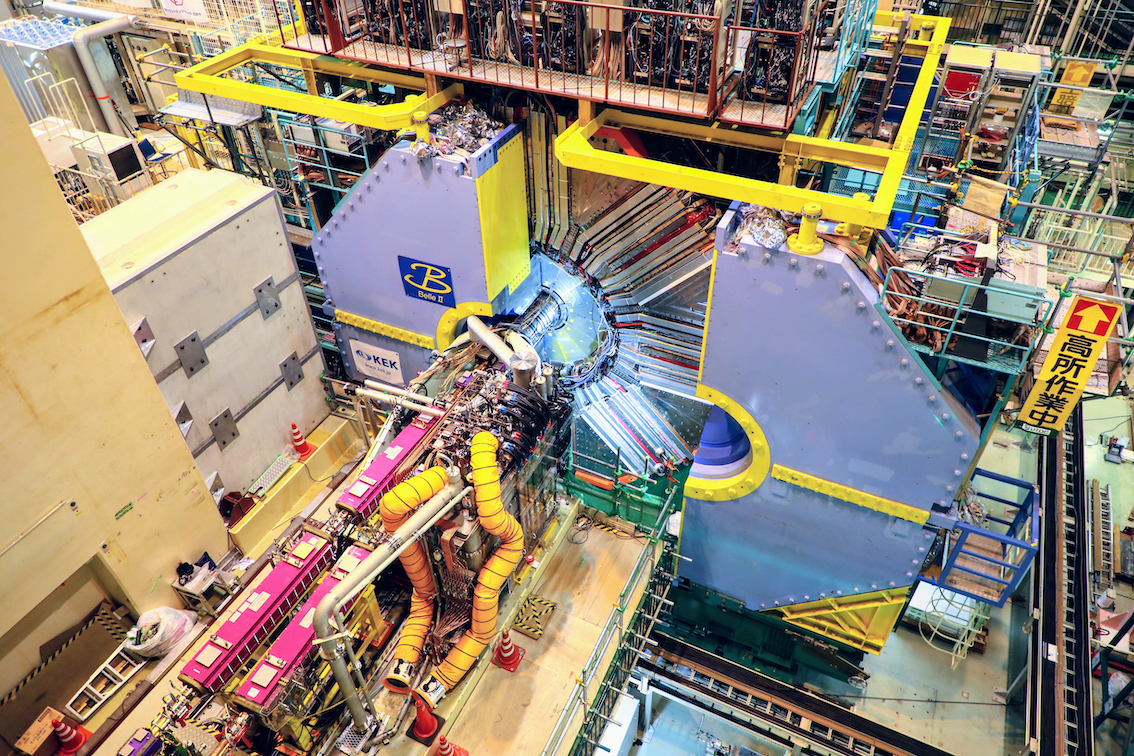
Prof. Dr. Torben Ferber is a Professor at the Karlsruhe Institute of Technology (KIT), leading the Institute of Experimental Particle Physics (ETP). His research focuses on flavor physics in B-meson decays, searches for dark photons, axion-like particles, and long-lived particles at the Belle II experiment, and future projects like LUXE and DELIGHT. He contributes to detector software development and real-time machine learning algorithms for tracking systems. Teaching responsibilities include undergraduate courses on programming, statistics, and particle physics, as well as advanced graduate courses on flavor physics and modern data analysis methods. His group actively collaborates on Belle II's electromagnetic calorimeter reconstruction and explores cutting-edge technologies like GPU acceleration and FPGA-based tracking. Research trends in recent articles emphasize machine learning applications in track reconstruction, CP-violation studies in B-meson decays, and searches for dark matter signatures. His work addresses unresolved questions in the Standard Model, such as discrepancies in CKM matrix element measurements and the origin of matter-antimatter asymmetry. Outreach activities include VR particle detector demonstrations, LEGO models, and masterclasses for students. Supervision of theses spans topics like GPU-accelerated algorithms, FPGA hardware design, and Belle II data analysis. The group adheres to a Code of Conduct promoting inclusivity and respect in academic collaboration.
Hui Zhang is a Professor in the School of Computer Science at Carnegie Mellon University, where he has made significant contributions to networking research for over two decades. He received his PhD from the University of California, Berkeley in 1993 and has maintained a prominent research career focusing on internet protocols, video streaming, and network management. His research interests span computer networking, internet video streaming, quality of service, content delivery networks, network protocols, multimedia communication, and network management. Professor Zhang's work has been particularly influential in developing adaptive video streaming technologies and content delivery mechanisms that power much of today's internet video infrastructure. His recent publications demonstrate continued innovation in networked systems, with a focus on improving video quality of experience through machine learning techniques and advanced network control mechanisms. The research trends show an evolution from foundational network protocol design to more application-focused solutions for video delivery and user experience optimization. Professor Zhang has mentored numerous successful researchers who have gone on to make their own significant contributions to the field. His collaborative work spans multiple institutions including Carnegie Mellon University, University of California, and various industry research labs. His research has been supported by substantial grants from NSF, industry partnerships, and has resulted in technologies that have been widely adopted in commercial video streaming services. Professor Zhang maintains an active research laboratory focusing on next-generation networked multimedia systems.
Sang Won Lee is an Associate Professor of Computer Science at Virginia Tech and a Visiting Researcher at NAVER AI Lab. His work focuses on Human-Computer Interaction (HCI), computer-mediated empathy, and creative computing. He explores technologies like VR, conversational agents, and live coding to foster empathy, support self-reflection, and enable inclusive collaboration. His research has been recognized with best paper awards at ACM CHI and Creativity & Cognition. He holds a Ph.D. in Computer Science from the University of Michigan, alongside degrees in Music Technology (Georgia Tech), Management Science (Stanford), and Industrial Engineering (Seoul National University). His teaching spans courses like Creative Computing Studio, Computer-Supported Cooperative Work, and Game Design. Research interests include: Empathy through interactive systems Music technology and live coding performances Collaborative tools for education and work VR/AR applications in learning Notable awards include the 2016 International Computer Music Association Award for his composition Live Writing: Gloomy Streets . Recent work explores AI ethics in education, voice agents in parent-child interactions, and cross-device mixed reality experiences. Active in both academic conferences (CHI, NIME) and artistic venues (ICMC performances), he bridges technical innovation with creative expression. His lab develops tools like TaskScape for holistic task management and Octave for spatiotemporal data analysis in construction education.
Lei Wang is a Professor in the Department of Pharmaceutical Chemistry at the UCSF School of Pharmacy . His research focuses on expanding the genetic code to incorporate unnatural amino acids into proteins for biological investigation and therapeutic development. He holds positions at the Cardiovascular Research Institute and the Helen Diller Family Comprehensive Cancer Center . Education: PhD, University of California, Berkeley (2002) MSc, Physical Chemistry, Peking University (1997) Bachelor of Science, Organic Chemistry, Peking University (1994) Research Interests: Wang’s lab pioneers methods to expand the genetic code in cells and organisms, enabling the study of biological processes and the development of biotherapeutics. Key areas include proximity-enabled bioreactivity for covalent protein engineering, RF1 knockout in E. coli, and investigations into ion channels and GPCRs. His work bridges chemistry and biology to manipulate proteins with unprecedented precision. Publications: His recent work highlights covalent protein drugs, crosslinking techniques, and genetic code expansion in model organisms. These studies advance drug design, cellular imaging, and fundamental biological mechanisms. Awards: 2021 Emil Thomas Kaiser Award (Protein Society) 2008 NIH Director’s New Innovator Award 2003 Young Scientist Award (Science/AAAS) Multiple industry and foundation grants Advising & Grants: He mentors students and postdocs in chemical biology, molecular biology, and cell biology. His lab receives funding from NIH, CIRM, and private foundations. Recent grants include the HDFCCC “Bridging the Gap” Award (2022). Labs & Teams: Wang’s lab is part of the UCSF Cardiovascular Research Institute , emphasizing interdisciplinary collaboration. Team members specialize in organic chemistry, molecular biology, and neuroscience.
Dr. Hella Bolck is a Third Space Scientist and Research-Project Manager at the ZHAW School of Engineering's Machine Perception & Cognition Group. She specializes in applying AI to analyze biological and medical images/data, managing complex interdisciplinary projects, and advancing the 'academic third space' through collaborative research initiatives. Her work bridges academic, industrial, and societal sectors, emphasizing responsible AI development for healthcare applications. Education includes a PhD in Cancer Biology (University of Zurich, 2016), MSc in Biochemistry and Molecular Biology (Friedrich-Schiller University Jena, 2011), and prior studies in biochemistry. She held roles as Postdoctoral Scientist (2018–2024) and Senior Research Scientist (2016–2018) at University Hospital Zurich. Research focuses on AI-driven medical imaging analysis, cancer biology (especially renal and pancreatic cancers), genomics, and liquid biopsy technologies. She leads projects like AI-BRIDGE (responsible AI development) and LINA (autonomous systems testing), and is deputy leader of the REAL-world NETwork operation initiative. Her work integrates AI, bioinformatics, and clinical applications to improve diagnostics and personalized therapies. Key collaborations involve biobanking, drug testing using patient-derived models, and synthetic lethality mechanisms in tumor suppression. She actively contributes to educational programs like the CAS KI (No-Code AI solutions for industry) and WBK Generative AI in education.
Prof. Dr.-Ing. Martin Gaedke is a Full Professor and Dean of the Department of Computer Science at Technische Universität Chemnitz (TU Chemnitz). He leads the research group Distributed and Self-organizing Systems (VSR) and holds roles such as President of the International Society of Web Engineering (ISWE), founder of the International AIQT Foundation, and member of the German Foundation for University Admissions' IT-advisory board. His expertise spans Web Engineering, AI-driven systems, and decentralized technologies. Education: Martin Gaedke earned a Master's degree (1997) and doctoral degree (2000) in Computer Science/Engineering from the University of Karlsruhe (now Karlsruhe Institute of Technology). Research Focus: Gaedke's work advances collaborative systems in hyper-connected societies, emphasizing Web Engineering, knowledge engineering, and AI-supported hypermedia systems. Key areas include chatbot design patterns, decentralized web trust, smart IoT systems, and end-user development tools. His contributions include pioneering work in Web Engineering since the 1990s, notably co-authoring the first Web Engineering paper at WWW6 (1997). Recent Trends in Publications: Recent research highlights dynamic code migration, GenAI-driven UIs, and ethical AI in chatbots. He emphasizes trust in decentralized systems (e.g., Solid-based social networks) and practical applications like autonomous smart home agents (WS3H). Awards: Ranked 39th globally in Knowledge Engineering (2020), honored with the AI 2000 Most Influential Scholars Honorable Mention and listed in the AI 2000 Annual List. His work is cited over 1,800 times in key areas like Web Engineering and IoT. Advising & Outreach: Gaedke has mentored numerous researchers and entrepreneurs through roles as a Certified High Performance Coach and business advisor. His lab, VSR, develops open-source tools like the Web-Based Network Simulator (WNSWE) for education and industry. Labs/Teams: The Distributed and Self-organizing Systems (VSR) group at TU Chemnitz focuses on innovative projects such as the Trusting Decentralized Web Data framework and the GenAI-Driven Multimodal UI Architecture .
Robert Martienssen is the William J. Matheson Professor at Cold Spring Harbor Laboratory (CSHL) and a Howard Hughes Medical Institute (HHMI) Investigator. He leads research in epigenetics, focusing on the secondary genetic code known as the epigenome and how it is guided by small mobile RNAs in plants and fission yeast. His work has significant implications for plant breeding, human health, and the development of plant-based biofuels. Martienssen is also a member of the CSHL Cancer Center and serves as Chair of the Genomics/Plant Biology Program. Dr. Martienssen's research interests center on epigenetic mechanisms of gene regulation, including chemical and conformational changes to DNA and chromatin. As a pioneer in epigenetics, he investigates mechanisms involved in gene regulation and stem cell fate in yeast and model plants including Arabidopsis and maize. His lab has made groundbreaking discoveries about position-effect variegation, small RNA molecules programming heterochromatin, and the remarkable process by which companion cells to sperm in plant pollen grains provide instructions that protect sperm DNA from transposon damage. His group has also identified transposons controlling oil palm yield, which could reduce environmental impacts of palm oil production. Analysis of Martienssen's recent publications reveals a consistent focus on epigenetic inheritance mechanisms, particularly how small RNAs guide epigenetic modifications across generations. His work bridges fundamental plant biology with practical applications in agriculture and bioenergy. The research spans multiple model systems including maize, Arabidopsis, duckweed, and fission yeast, demonstrating his comprehensive approach to understanding epigenetic regulation across diverse biological contexts. Royal Society Darwin Medal (2020) for outstanding contributions to genetics and epigenetics Genetics Society Medal (2024) recognizing exceptional research contributions to genetics Barbara McClintock Prize (2018) for plant genetics and genome studies Martin Gibbs Medal (2019) in Plant Sciences American Academy of Arts and Sciences Fellow (2022) Martienssen's laboratory has trained numerous students and postdocs who have gone on to establish independent research careers. His work on transposable elements builds on the legacy of Barbara McClintock, with whom he worked early in his career. The lab receives funding from multiple sources including HHMI, NSF, and DOE, supporting research on plant epigenetics and its applications to bioenergy production. Martienssen also co-founded Orion Genomics, demonstrating the translational potential of his basic research. The Martienssen Lab maintains active collaborations with researchers worldwide, particularly in the areas of plant epigenomics and transposable element biology. The lab has been instrumental in developing genomic resources for aquatic plants like duckweed as potential biofuel sources. Current research directions include understanding RNA-guided epigenetic inheritance, the role of transposable elements in genome evolution, and applying epigenetic knowledge to improve crop breeding strategies.
Erika Tse-Luen Wee is a Research Assistant Professor and Director of the Microscopy Shared Resource at Cold Spring Harbor Laboratory (CSHL). She specializes in developing advanced fluorescence imaging techniques to study cellular and tissue mechanisms in cancer, neuroscience, and plant biology. Her work focuses on 4D live-cell imaging, 3D tissue imaging, and super-resolution microscopy. She also provides training in advanced microscopy modalities and software for image analysis. Education: Ph.D. in Biomedical Sciences from National Tsing Hua University (2009). Professional roles include prior positions as Manager of the Microscopy Shared Resource, Manager & Microscopy Specialist at McGill University (2013-2019), and academic appointments in Canada and the U.S. She leads efforts in standardizing microscopy quality assurance protocols and collaborates on imaging-based cancer and neuroscience research. Research Interests: Development of cutting-edge microscopy tools for quantifying molecular interactions, protein localization, and cell-cell signaling. Her technical expertise spans live-cell imaging, organoid analysis, and high-resolution 3D imaging. She emphasizes reproducibility and optimization of imaging techniques to minimize phototoxicity and enhance data accuracy. Key Contributions: Pioneered protocols for microscope quality management, developed imaging standards for 3D tissue analysis, and advanced understanding of cellular adhesion dynamics and synapse remodeling. Her work bridges technological innovation with biological discovery, particularly in cancer metastasis and neurodegenerative processes. Labs/Teams: Directs the Microscopy Shared Resource and oversees the Wee Laboratory at CSHL, providing infrastructure and training for imaging-based research across multiple disciplines.
Enrique Asín García is an Assistant Professor in Bio Process Engineering at Wageningen University & Research, specializing in Cellular and Molecular Biotechnology, Industrial Biotechnology, and Microbial Synthetic Biology. His research focuses on genome and metabolic engineering for bio-intelligent biomanufacturing, biosafety, and developing safe-and-sustainable-by-design solutions. He holds a BSc in Biotechnology from the University of Salamanca, an MSc in Cellular and Molecular Biotechnology from Wageningen University, and a PhD from the Laboratory of Systems and Synthetic Biology at Wageningen University. His research interests include synthetic biology applications such as living biosensors, reprogrammed cell factories, and biocontainment strategies. He leads projects like BIOS (bio-intelligent DBTL cycle) and SENSIBAR (living biosensors for industrial biotechnology), aiming to bridge the gap between academic research and industrial biotechnology applications. He also explores ethical and societal implications of synthetic biology through studies on xenobiology and stakeholder-driven biosafety frameworks. His publications emphasize metabolic engineering in Pseudomonas putida, biocontainment systems, and interdisciplinary approaches to biomanufacturing challenges. Enrique is actively involved in education, teaching courses on synthetic biology and bioprocess design, and mentoring students through MSc thesis and internship programs.
Emily M. Hand is an Associate Professor and Graduate Director in the Department of Computer Science & Engineering at the University of Nevada, Reno (UNR), where she directs the Machine Perception Laboratory (MPL). Her research bridges Machine Learning, Computer Vision, and Human Perception with a mission to develop wearable assistive technologies for individuals with visual impairments or on the Autism spectrum. Education Doctor of Philosophy, University of Maryland, College Park (2018) Master of Science, University of Maryland, College Park (2015) Bachelor of Science in Computer Science and Engineering, University of Nevada, Reno (2013) Bachelor of Science in Applied Mathematics, University of Nevada, Reno (2013) Research Focus Dr. Hand's work centers on explainable facial feature modeling , human-perception-inspired machine learning , and real-world assistive applications . Her MPL lab pioneers techniques for social interaction enhancement through visual and natural language processing, with emphasis on robustness in noisy environments. Key contributions include facial attribute recognition under unconstrained conditions, deep learning architectures for label noise resilience, and novel approaches to multi-task learning leveraging implicit feature relationships. Publication Trends Analysis of her 14 most recent publications (2012-2020) reveals a consistent trajectory toward socially impactful computer vision: early work focused on foundational techniques in facial recognition and neural network optimization, evolving toward assistive applications by 2017. Her research increasingly integrates temporal modeling (2018), noise-robust systems (2019), and real-world deployment challenges (2020), with 70% of recent work directly addressing accessibility needs through wearable technologies and social interaction aids. Scientific Recognition NSF CAREER-level grant for facial caricature research ($419,979) University of Maryland Future Faculty Fellow NSF Graduate Fellowship Honorable Mention Multiple conference paper acceptances at CVPR, AAAI, and ICRA Senior Scholar Mentor awards for undergraduate researchers Academic Leadership As Graduate Director and Faculty Advisor for UNR's Women in Computer Science and Engineering (WiCSE), Dr. Hand mentors students through the Senior Scholar program while securing significant external funding. Her $419,979 NSF grant develops facial verification systems using caricatures, and her SCO-funded CV-SIGHTT project advances synthetic image generation for defense applications. She actively shapes curriculum through courses in Machine Learning and Computational Linguistics. Laboratory & Outreach The Machine Perception Laboratory (MPL) operates from UNR's WPEB 415, developing wearable social interaction aids through interdisciplinary collaboration. Dr. Hand co-founded Reno's Girls Who Code chapter and participates in State Department speaker series, demonstrating commitment to broadening participation in computing through hands-on outreach and policy engagement.