Alex WangView profile
Professor
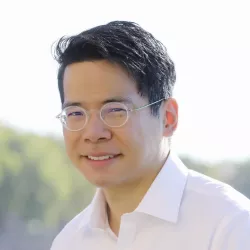
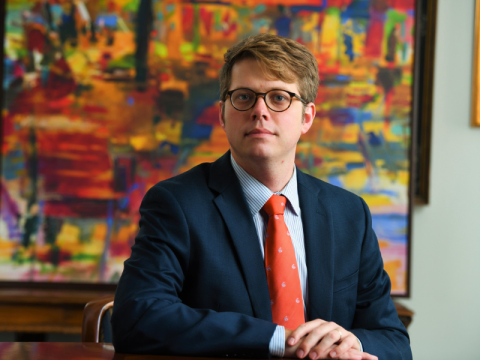
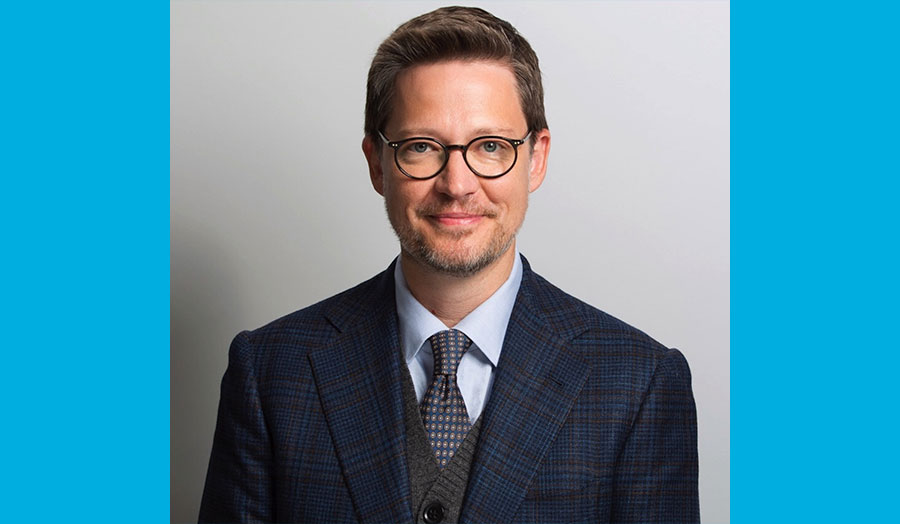
Alex Wang serves as Professor of Law at UCLA School of Law, holding the Walter and Shirley Wang Chair in U.S.-China Relations and Communications and acting as Faculty Co-Director of the Emmett Institute on Climate Change & the Environment. His work bridges legal scholarship and practical environmental governance, focusing on U.S.-China climate relations and Chinese environmental law reform. His academic foundation includes: B.S. in Biology, Duke University (1993) J.D., New York University School of Law (2000) Wang's research investigates the intersection of law, politics, and environmental governance in China, with emphasis on climate policy implementation, environmental information disclosure, public interest litigation, and the role of state-owned enterprises. He examines how symbolic governance reforms interact with substantive environmental outcomes and analyzes U.S.-China cooperation dynamics amid geopolitical tensions. His scholarship consistently connects theoretical legal analysis with real-world policy applications for sustainable development. Recent publications reveal intensifying focus on carbon neutrality challenges, including governance gaps in carbon markets, risks of technological decoupling between the U.S. and China, and institutional barriers to coordinated air-climate pollutant regulation. His work demonstrates evolving analysis from foundational studies of Chinese environmental bureaucracy toward urgent climate cooperation frameworks. His scientific recognition includes: Selection for the 2017 Harvard/Yale/Stanford Junior Faculty Forum for "Explaining Environmental Information Disclosure in China" Fulbright Fellowship to China (2004-05) Wang leads significant environmental initiatives as Faculty Co-Director of UCLA's Emmett Institute and Co-Chair of the California-China Climate Institute's Faculty Advisory Committee. His prior creation of NRDC's China Environmental Law & Governance Project established enduring collaborations with Chinese government agencies and civil society. He actively shapes policy discourse through board membership at the Environmental Law Institute and participation in the Council on Foreign Relations and National Committee on U.S.-China Relations.