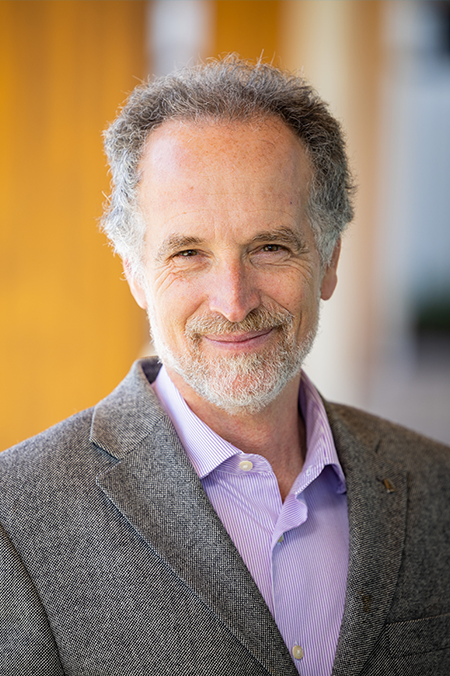
Peter Van Puyvelde is a Full Professor at KU Leuven's Faculty of Engineering Sciences, where he leads research at the Soft Matter, Rheology and Technology (SMaRT) unit within the Department of Chemical Engineering. He is an active member of the Applied Rheology and Plastics Processing Division and the Leuven.AM Institute for Additive Manufacturing. His academic responsibilities include membership in the Faculty Council of Engineering Sciences and departmental committees. His core research focuses on: Polymer processing and complex fluid dynamics In-situ characterization of flow-microstructure relationships Flow-induced crystallization phenomena Development of sustainable polymer materials Additive manufacturing technologies Professor Van Puyvelde's recent publications (2023-2025) demonstrate strong emphasis on sustainable polymer systems including lignin-based materials, humins valorization, bioplastics, and green additives. His work frequently employs advanced characterization techniques like fast-scanning calorimetry and synchrotron X-ray scattering to study crystallization kinetics and microstructure development in complex polymer systems. He currently supervises PhD students working on nanofiltration membranes and reinforced polymer parts. His extensive research portfolio includes leadership roles in multiple ongoing projects: Polylactic acid bioplastics development (Co-promoter) Lignin-based flame retardants (Co-promoter) Humins valorization for functional polymers (Co-promoter) Ionic liquids for enhanced oil recovery (Promoter) Competition between crystallization and crosslinking (Promoter) Additive manufacturing of polymer composites (Co-promoter)
Markus Schmidt is a Professor of Fiber Optics at Friedrich Schiller University Jena and serves as Head of the Research Department of Fiber Photonics at the Leibniz Institute for Photonic Technologies (IPHT), where he leads the Hybrid Fibers work group. He previously held a team leadership position at the Max Planck Institute for the Science of Light (2006–2012) and conducted research at Imperial College London (2011). His research integrates fiber optics and photonics for applications in biophotonics, optofluidics, plasmonics, and nonlinear optics. Key innovations include 3D nanoprinted holograms for remote focus control, liquid-core fibers for stable supercontinuum generation, and fiber-integrated platforms for nanorheology and quantum spectroscopy. His work bridges materials science and applied photonics , enabling advancements in telecommunications, environmental monitoring, and bioanalytics. Scientific awards and student mentorship details are not explicitly mentioned in the provided texts. His email is markus.schmidt@leibniz-ipht.de .
Wai Pang Ng is a Professor and Head of the Department of Mathematics, Physics and Electrical Engineering at Northumbria University. He holds a BEng (Hons) in Communications and Electronic Engineering from the University of Northumbria and a PhD in Electronic Engineering from the University of Wales, Swansea. His research focuses on radio-over-fiber systems, distributed fiber sensing, high-speed optical communications, and adaptive signal processing. Ng has held leadership roles in IEEE chapters and conferences, including chairing the IEEE UK&RI Communications Chapter (2011–2015) and serving as publicity chair for IEEE ICC 2015 and 2016. His research interests include innovative fiber optic sensor designs, acoustic wave devices for biomedical applications, and hybrid communication systems combining radio-over-fiber and free-space optics. Recent work emphasizes ultra-sensitive pressure/temperature sensors using microstructured fibers and acoustofluidic platforms for lab-on-a-chip applications. Ng has supervised seven PhD/MSc projects and actively contributes to standards development in optical communication systems. Ng’s publications span advanced sensor technologies, nonlinear compensation in optical systems, and turbulence-resistant free-space optical links. His work bridges academic research with practical applications in telecommunications, environmental monitoring, and healthcare diagnostics. Professional affiliations include IEEE technical committees (SPCE, TCGCC, ONTC) and guest editorships for IET Communications.
Mette Gaarde is the Les and Dot Broussard Alumni Professor of Physics at Louisiana State University (LSU), Department of Physics & Astronomy. She holds a Ph.D. from the University of Copenhagen (1997). Her research focuses on ultrafast atomic, molecular, and optical physics theory, particularly probing laser-matter interactions using attosecond and femtosecond pulses. She leads the LSU ultrafast AMO theory group, addressing dynamics in transparent solids, attosecond transient absorption, charge migration, and mid-infrared filamentation. Education: Ph.D., University of Copenhagen, Denmark (1997) Research Interests: Dr. Gaarde’s work bridges ultrafast AMO science and nonlinear optics. Key areas include high-harmonic generation (HHG) in solids, attosecond transient absorption spectroscopy (ATA), and charge migration in organic molecules. Her group employs time-dependent Schrödinger equation, density functional theory, and semiconductor Bloch equations to model quantum-classical interactions. Recent studies explore HHG in monolayer MoS₂, particle-like charge migration, and resonant XUV propagation. Selected Research Trends: Publications highlight advancements in HHG theory, charge migration control via strong-field ionization, and filamentation of mid-infrared laser pulses. Collaborations with experimental groups at SLAC, Ohio State University, and European institutions have advanced applications in solid-state spectroscopy and molecular dynamics. Awards: Les and Dot Broussard Alumni Professor of Physics (LSU) Advising & Collaborations: Her research involves postdocs and graduate students in interdisciplinary projects. Ongoing collaborations focus on high-harmonic spectroscopy, attosecond solitons, and nonlinear fiber optics. Labs/Teams: Leads the LSU ultrafast AMO theory group, affiliated with the Hearne Institute for Theoretical Physics.
Hui Cao is the John C. Malone Professor of Applied Physics, Professor of Physics, and Professor of Electrical Engineering at Yale University. Her research focuses on mesoscopic physics, complex photonic materials, nanophotonics, and biophotonics, with experimental investigations into unconventional lasers, coherent light control, and disordered photonic systems. She leads a lab exploring applications in speckle-based imaging, deep-tissue optics, and chip-scale spectrometers. Education: Ph.D. in Physics from Stanford University (1997). Awards include the William E. Lamb Medal (2015), Guggenheim Fellowship (2013), and fellowships from the American Physical Society and Optical Society of America (2007). Research emphasizes random lasers, microcavity lasers, and wavefront shaping to control light in diffusive media. Key innovations include a disordered photonic chip spectrometer and methods to suppress nonlinear instabilities in fiber amplifiers. Awards: 12 major honors including AAAS Fellowship and multiple endowed professorships Patents: 3 core photonic technologies including random laser imaging and fiber amplifier control systems Lab Activities: Developing novel optical devices leveraging disorder and nonlinear effects
Peter Zijlstra is a Full Professor in the Department of Applied Physics at Eindhoven University of Technology (TU/e), leading the Molecular Plasmonics group. His research focuses on single-molecule sensing using plasmonic and nanophotonic approaches to study biomolecular interactions in complex environments. He is a core member of the Institute for Complex Molecular Systems at TU/e, collaborating across disciplines like chemistry, biomedical engineering, and mathematics. Education: MSc in Applied Physics, University of Twente (2005) PhD from Swinburne University of Technology (2009), studying plasmonic nanoparticles in optical data storage Postdoctoral fellowship at Leiden University under Prof. Michel Orrit Research Interests: Developing novel sensing concepts via nanophotonics and super-resolution microscopy. Key areas include plasmon-enhanced fluorescence, real-time biomolecular dynamics, and applications in cancer management. His work contributes to UN Sustainable Development Goals through advancements in biosensing technologies. Awards: 2013 NWO Vidi Award for research on plasmonic imaging of enzymes in living cells Teaching & Activities: Teaches courses like Advanced Optical Microscopy and Electromagnetism Supervised 32 academic works Contributed to conferences and editorial roles for journals like npj Biosensing Labs & Collaborations: Molecular Plasmonics group website: www.molecular-plasmonics.nl Marie Curie ITN SuperCol project: www.supercol.eu
Joel Villatoro is an Ikerbasque Research Professor at the Faculty of Engineering, University of the Basque Country (UPV/EHU), specializing in applied photonics and optical fiber sensor technology. He holds M.Sc. and Ph.D. degrees in Optics from the National Institute for Astrophysics, Optics, and Electronics (Mexico, 1995 and 1999). His research focuses on interferometric sensors, biomedical applications, and advanced optical fiber technologies, with notable contributions to multicore and photonic-crystal fiber sensors. He has held positions at institutions such as ICFO (Spain), Aston Institute (UK), and Case Western Reserve University (USA). Education: M.Sc. in Optics, National Institute for Astrophysics, Optics, and Electronics, Mexico (1995) Ph.D. in Optics, National Institute for Astrophysics, Optics, and Electronics, Mexico (1999) Research Interests: Interferometric sensors, real-world environmental monitoring, micro/nano-biosensors, and fiber-optic sensor integration into industrial systems. His work emphasizes practical applications in aerospace, healthcare, and environmental sectors. Key Contributions: Over 130 publications, 6 patents, and 2,500+ citations. His research bridges fundamental photonics with industrial applications, including sensor fabrication, multiparameter sensing, and additive manufacturing of embedded sensors. Labs/Teams: Leads the Applied Photonics Group at UPV/EHU, focusing on prototyping and real-world sensor deployment.
Ramses Martinez is an Assistant Professor in the Department of Industrial Engineering and Biomedical Engineering at Purdue University . He holds a B.A. in Applied Physics from Universidad Autonoma de Madrid (2004) and a Ph.D. in Physics and Materials Science from the Spanish National Research Council (CSIC) in 2009. Prior to joining Purdue, he conducted postdoctoral research in the lab of Prof. George M. Whitesides at Harvard University, focusing on nanofabrication, microfluidics, and soft robotics. Education B.A. in Applied Physics, Universidad Autonoma de Madrid (2004) Ph.D. in Physics and Materials Science, Spanish National Research Council (CSIC) (2009) His research bridges soft robotics , flexible electronics , and nanofabrication , with a focus on creating self-powered e-textiles , omniphobic paper-based devices , and programmable mechanical metamaterials . His work has led to over 25 publications and 9 patents, emphasizing practical applications in health monitoring and industrial automation . Notable projects include waterproof electronic decals for biofluid monitoring, smart bandages for chronic wound detection, and laser nanoforming methods for scalable metallic structures. His research has been recognized through the Fulbright Fellowship and the Marie Curie IOF Grant .
Shu Yang is the Joseph Bordogna Professor and Department Chair of Materials Science and Engineering at the University of Pennsylvania's School of Engineering and Applied Science. Her research spans multiple departments, with primary appointments in both Materials Science and Engineering and Chemical and Biomolecular Engineering. She directs the Yang Lab, which operates at the intersection of multi-materials synthesis, nano-/microfabrication, and device processing, backed by deep understanding of physical, mechanical and biological principles. Director, Center for Analyzing Evolved Structures as Optimized Products (AESOP) Principal Investigator, NSF NRT: Climate Action and Resilience for Extreme Urban Heat (CLIMATE-CARE) Member of the Engineering Research Visioning Alliance (ERVA) Professor Yang's research focuses on developing novel materials synthesis, assembly and eco-manufacturing of complex, multi-functional, nano- to macrostructured soft, sustainable materials and composites. Her lab addresses fundamental questions centered around surface/interface, actuation mechanisms, and structure-property relationships. Through directed assembly of oligomers, polymers, gels, colloids, liquid crystals, amphiphiles, and their composites with inorganic materials and biomolecules across nano- to macroscales, her team creates complex, multi-functional nano- and microstructures with unique surface, optical, and mechanical properties. Analysis of Professor Yang's recent publications reveals a strong trend toward environmentally responsive materials with applications in sustainability, water harvesting, carbon capture, and climate resilience. Her work increasingly integrates kirigami engineering principles with liquid crystal elastomers to create programmable, shape-morphing materials. The research shows a clear trajectory from fundamental materials science toward real-world applications addressing global challenges, particularly in climate action and sustainable infrastructure. Inaugural Nat Geo 33 Extraordinary Changemaker List 2022 Cozzarelli Prize from PNAS for Class III: Engineering and Applied Sciences Advanced Materials Hall of Fame collection recognition Multiple highly cited papers according to Web of Science Professor Yang's research group has secured significant funding for projects addressing climate change, sustainable materials, and advanced manufacturing. Her lab has developed numerous technologies with potential applications in coatings, adhesives, smart windows, displays, sensors, soft robotics, biomedical devices, dehumidifiers, and carbon-absorbing concrete. The Yang Lab maintains a strong mentoring record with numerous students and postdocs who have gone on to successful careers in academia and industry. Her group actively collaborates across disciplines, working with biologists, physicists, environmental scientists, and engineers to tackle complex challenges. The Yang Lab operates state-of-the-art facilities for materials synthesis, characterization, and fabrication. The lab is particularly known for its expertise in liquid crystal elastomers, kirigami engineering, and biomimetic materials. The group maintains strong industry partnerships and has filed multiple patents based on their research. Their facilities enable everything from molecular-scale synthesis to macro-scale manufacturing of functional materials, with particular strength in bridging these scales through innovative design principles.
Professor David Armstrong serves as Professor of Materials Science and Engineering at the University of Oxford and Fellow and Tutor at St Edmund Hall. His work focuses on developing materials for extreme environments including nuclear fusion reactors, aerospace systems, and energy storage applications through microstructural control and advanced mechanical characterization. His educational background includes a first degree in Materials Science from St Anne’s College, Oxford and a DPhil from Corpus Christi, Oxford investigating micromechanical properties in copper and nickel alloys. This foundational work evolved into radiation damage studies during his Culham Centre for Fusion Energy Junior Research Fellowship. Armstrong's research centers on mechanical behavior of materials under extreme conditions—high temperatures (jet engines, reactors), radiation exposure (nuclear facilities, space), and high stresses (batteries, geological systems). He develops novel testing methodologies for nanoscale mechanical properties up to 1300 K, collaborating with Rolls Royce, UKAEA, ESA, and Berkeley on fusion materials, aerospace components, and battery technologies. His work bridges fundamental micromechanics with industrial applications in energy systems. Analysis of his 2023-2025 publications reveals dominant themes in nuclear fusion materials (tungsten, ODS steels), lithium battery interfaces, and ceramic composites for extreme environments. Methodologically, his group pioneers correlative microscopy combining nanoindentation, TEM, and atom probe tomography to study irradiation effects, high-temperature deformation, and interfacial degradation across length scales. His scientific recognition includes: Culham Centre for Fusion Energy Junior Research fellowship (2009) Royal Academy of Engineering Research Fellowship (2013) Institute of Materials Minerals and Mining Grunfeld Memorial Award & Medal (2015) As an educator, Armstrong teaches core mechanical properties courses across undergraduate years and leads Fusion CDT modules on nuclear materials. He supervises numerous doctoral students while serving on the EPSRC Fusion Advisory Board and CDT management board. Current grants support micro-engineering of alloys for nuclear environments and lithium-metal battery development through industry partnerships with Rolls Royce and MicroMaterials. His research group operates advanced micromechanical testing facilities for high-temperature and irradiated materials, collaborating with UKAEA’s Culham Centre and European fusion laboratories on plasma-facing component development. Future work targets solid-state battery interfaces and radiation-resistant high-entropy alloys for next-generation fusion reactors.
Riccardo Piccoli is a Researcher at the Department of Molecular Sciences and Nanosystems, Ca' Foscari University of Venice. He serves as a Laboratory Supervisor at the Research Institute for Complexity Safety and teaches courses such as Fundamentals of Electronics in the Physical Engineering degree program. PhD in Electronic, Computer, and Electrical Engineering (University of Pavia, 2014) Master's in Electronic Engineering (University of Pavia, 2011) Bachelor's in Electronic and Telecommunications Engineering (University of Pavia, 2009) His research focuses on ultrafast lasers and terahertz technology, particularly in quantum matter-light interactions and hollow-core fiber applications . Recent work includes terahertz imaging techniques and high-power laser pulse compression. He collaborates with institutions across Europe, North America, and the Middle East. Dr. Piccoli's publications highlight advancements in terahertz coherent detection , nonlinear photonics , and microfluidic waveguides . He leads research projects involving quantum optics, nanocavity interactions, and biomedical imaging applications. He is affiliated with the Research Institute for Complexity Safety and has held research roles at Polytechnic University of Milan, Weizmann Institute of Science, Max-Planck-Institut für Kernphysik, and INRS-EMT. His expertise spans terahertz spectroscopy, ultrafast phenomena, and photonic material design.
Tran Trung Luu is an Assistant Professor at the Department of Physics , Faculty of Science , The University of Hong Kong . He earned his B.Sc. from Vietnam National University (2007), M.Sc. from Korea Advanced Institute of Science and Technology (2010), and Ph.D. from Ludwig-Maximilians-Universität München (2015). Currently, he leads research in Ultrafast Optics , Strong-Field Laser Physics , and Attosecond Science , with a focus on probing coherent lattice vibrations and electron-phonon coupling in solids using high-harmonic spectroscopy. Education: B.Sc. in Physics, Vietnam National University (2007) M.Sc. in Physics, Korea Advanced Institute of Science and Technology (2010) Ph.D. in Physics, Ludwig-Maximilians-Universität München (2015) Research Interests revolve around Ultrafast Optics and Strong-Field Laser Physics , particularly Attosecond Science applications in condensed matter. His work bridges Nonlinear Spectroscopy with Quantum Dynamics in Solids , utilizing High-Harmonic Generation to study Electron-Phonon Coupling and Anharmonic Phonon Scattering . Publications highlight trends in Coherent Lattice Dynamics , Time-Resolved Photoelectron Spectroscopy , and Optical Manipulation of Bandgaps . Scientific Awards include the ISUILS Young Researcher Award (2015) and an ETH Postdoctoral Fellowship (2015) . As a Principal Investigator , he has secured grants such as RGC ECS project 27300820 and GRF project 17315722 , totaling over HKD 2,819,760. He actively supervises PhD and MPhil students in Ultrafast Optics projects and contributes to invited lectures on Attosecond Science at institutions like Phenikaa University and ETH Zurich.
Dr. Mirko Nitschke is a senior researcher at the Leibniz Institute of Polymer Research Dresden (IPF), affiliated with the Max Bergmann Center of Biomaterials Dresden. He has been instrumental in advancing polymer biomaterials science since joining the institute in 1996, focusing on plasma-based surface engineering and biocompatible material development for medical applications. His academic foundation includes: Graduate studies (1992-1996) at Chemnitz University of Technology, where he investigated FTIR Spectroscopic Investigation of Plasma Modified Polymer Surfaces Physics undergraduate degree (1987-1992) from Friedrich-Schiller-University Jena with thesis on Computer Simulation of Ion Trajectories in Solids Nitschke's research centers on plasma surface functionalization and polymer diagnostics to engineer biocompatible materials. His work bridges fundamental surface science with clinical applications, particularly in vascular stents, nerve regeneration, and corneal tissue engineering. Key innovations include thermo-responsive cell carriers and bioactive hydrogel coatings that respond to physiological cues. Analysis of his 15 most recent publications reveals a strong trajectory in advanced biomaterials characterization using ToF-SIMS and plasma techniques. His work increasingly integrates machine learning for spectral analysis while maintaining focus on medical device applications—particularly in cardiovascular and ophthalmic implants where surface-biology interactions dictate clinical success. As a core member of the Polymer Biomaterials Science Division, Nitschke collaborates extensively with clinical partners through the Max Bergmann Center's university-linked infrastructure. His laboratory specializes in plasma modification systems and surface analytics for next-generation biomaterials development.
Dr. Min Yu is an Imperial College Research Fellow (ICRF) in the Department of Mechanical Engineering at Imperial College London . He leads an independent research program focused on in-situ multimodal sensing of mechanical interfaces , integrating advanced materials, intelligent control, multiphysics modeling, and data-driven technologies. His work bridges tribology, robotics, and sensing with applications in lubrication systems and robotic haptic interfaces. Education: PhD in Mechanical Engineering, Imperial College London (2014–2018) MSc in Engineering, Zhejiang University (2011–2014) BEng in Engineering, Xi’an Jiaotong University (2007–2011) Research Interests: Dr. Yu’s core research areas include tribology , ultrasonic sensing , robotic haptics , lubrication systems , and data-driven control . He develops novel sensing technologies for real-time monitoring of mechanical interfaces, with applications in engines, bearings, transmissions, and robotic systems. His work emphasizes closed-loop intelligent lubrication and bio-inspired robotic sensing . Publications & Trends: Dr. Yu has authored over 60 peer-reviewed papers and holds 6 patents . His recent work (2024–2025) focuses on ultrasonic-based oil film measurement, triboelectric sensors for robotics, and advanced control systems for automotive suspensions. These publications reflect a strong interdisciplinary approach combining mechanical engineering , AI-driven control , and sensor innovation . Awards & Grants: Imperial College Research Fellowship (ICRF 2022–2026) Royal Society International Exchanges – Cost Share Scheme State Key Laboratory of Fluid Power and Mechatronic Systems Open Foundation Taiho Kogyo Tribology Research Foundation Grant Dame Julia Higgins Engineering Postdoc Collaborative Research Fund (2019) Peter Jost Travel Fund (2022) Collaborations & Labs: Dr. Yu collaborates with multiple groups at Imperial College London including the Tribology Group , Non-Destructive Evaluation (NDE) Group , Control and Power Group , Optical & Semiconductor Devices Group , and Geotechnics Group . He also partners with international institutions such as Georgia Tech , Xi’an Jiaotong University , Zhejiang University , HUST , and Tsinghua University , as well as industry leaders like Shell , ExxonMobil , Toyota , and Jaguar Land Rover .
Sheldon Green is a Professor in the Department of Mechanical Engineering at the University of British Columbia's Faculty of Applied Science. A licensed Professional Engineer (P.Eng.) and Fellow of both the American Society of Mechanical Engineers (FASME) and Canadian Academy of Engineering (FCAE), he maintains an active research program focused on industrial fluid mechanics applications. His work bridges academic rigor with real-world industrial challenges through extensive collaborations with major companies. Education: Bachelor of Applied Science (University of Toronto) Master of Applied Science (California Institute of Technology) Doctor of Philosophy (California Institute of Technology) Professor Green's research centers on fluid-structure interactions in industrial processes, with particular emphasis on railroad friction control systems, paper manufacturing mechanics, and energy recovery technologies. His laboratory develops experimental and analytical solutions for liquid friction modifier application on railroads, electrospraying techniques for moving surfaces, paper creping and pressing optimization, and advanced energy recovery ventilators. These investigations address critical industry challenges in fuel efficiency, product quality, and energy conservation through precise fluid mechanics understanding. Analysis of his recent publications reveals consistent focus on multiphase flows, fiber network mechanics, and heat/mass transfer phenomena. Key themes include cellulose fiber network modeling for tissue paper, moisture measurement in paper pressing, membrane behavior in energy exchangers, and liquid-solid interactions in railroad systems. His work demonstrates strong industry-academic synergy with nearly all studies involving partnerships with major industrial players. Accolades include: Dean’s Excellence in Service Award (UBC, 2017) Fellow of the American Society of Mechanical Engineers Fellow of the Canadian Academy of Engineering Member of The Technical Association of the Pulp and Paper Industry Professor Green secures substantial research funding through industry partnerships with LB Foster (rail friction systems), FP Innovations/Kruger Products/Solenis/Albany (paper creping), AstenJohnson (paper pressing), and Core Energy Recovery Solutions (ventilators). His academic collaborations span Professors Boris Stoeber, Neil Balmforth, Srikantha Phani, and Steven Rogak across mechanical engineering subdisciplines. While student names aren't published, his prolific output indicates active mentorship of graduate researchers. He directs the Applied Fluid Mechanics Laboratory (CEME 2058) where experimental facilities enable high-precision studies of industrial fluid phenomena, particularly in railroad and paper manufacturing contexts where fluid mechanics directly impacts operational efficiency and product quality.