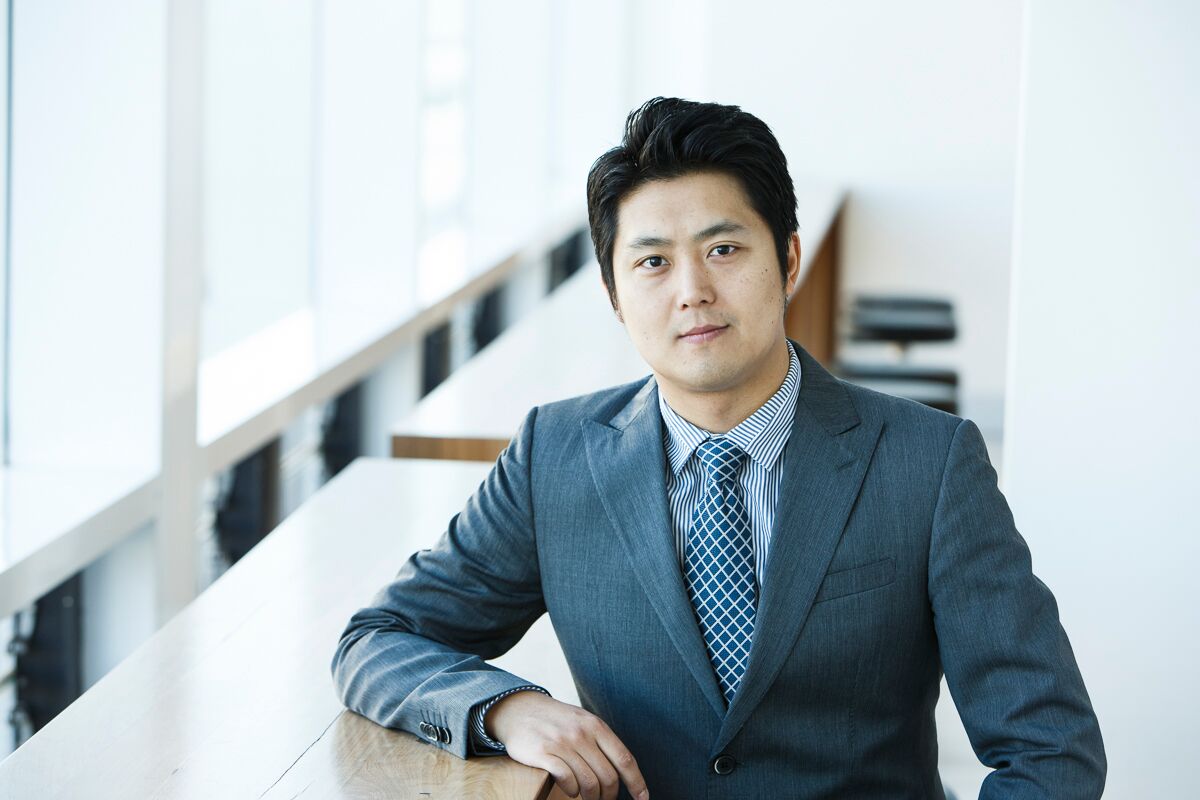
Guido Montúfar is Assistant Professor at the University of California, Los Angeles (UCLA) in the Departments of Mathematics and Statistics, and Research Group Leader at the Max Planck Institute for Mathematics in the Sciences (MPI MIS). His work bridges mathematical machine learning, deep learning theory, and information geometry. Current affiliations: UCLA (since 2017) and MPI MIS (since 2018) ERC Starting Grant on Deep Learning Theory Research interests focus on the interplay between model capacity, optimization landscapes , and generalization in deep learning, combining tools from algebraic geometry , optimal transport , and information theory to analyze neural network behavior. Recent publications address tropical geometry of neural networks , algebraic optimization in reinforcement learning , and information-theoretic approaches to data representation . His work reveals connections between policy gradient methods and Wasserstein gradient flows . Scientific grants: ERC Starting Grant, DFG SPP 2298, NSF CAREER
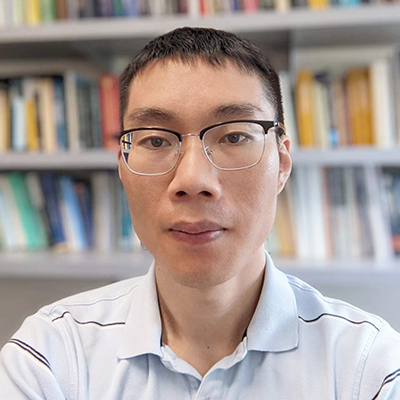
Dr Jacky Mo serves as a Lecturer in the School of Information Systems & Technology Management at the University of New South Wales, Australia. His academic journey includes completing a PhD in Marketing with specialization in Marketing and Data Analytics at UNSW, following an MPhil in Marketing from the same institution and a BA in Management from Sichuan Normal University. Mo's research expertise spans both conventional analytical methods including regression-based structural equation modeling and hierarchical linear modeling, and modern big-data analytics techniques such as text mining and artificial intelligence applications. His primary research focus examines behavioral decision making within business-to-business and business-to-consumer contexts, particularly in marketing distribution channels and online brand communities. His scholarly contributions have appeared in prestigious peer-reviewed journals including Industrial Marketing Management and European Journal of Marketing. Mo has successfully secured research funding, most notably the Health@Business and UNSW Medicine Collaboration Seed Funds Grant ($14,500) for 2020-2021. PhD Placement Scholarship for Research Excellence (2017) As an educator, Mo actively contributes to program and course development in Business Analytics, teaching multiple courses at both undergraduate and postgraduate levels including INFS3603 Introduction to Business Analytics, INFS3873 Business Analytics Methods, INFS5700 Introduction to Business Analytics, and INFS5720 Business Analytics Methods. His research profile indicates significant contributions across various publication formats with 1 book chapter, 5 journal articles, 4 conference papers, 1 edited conference proceedings, and 2 conference abstracts.
Taban Baghfalaki is a Lecturer in Statistics with a focus on advanced statistical methodologies applied to longitudinal data analysis, Bayesian inference, and joint modeling. His work integrates complex statistical techniques to address challenges in health sciences, genetics, and epidemiology. He has contributed to developing Bayesian approaches for handling zero-inflated data, competing risks, and pleiotropy in genomic studies. Key research areas include dynamic prediction in longitudinal studies, variable selection in high-dimensional datasets, and the application of copula models for multivariate data analysis. He has pioneered tools like the GCPBayes pipeline for cross-phenotype genetic association studies, demonstrating expertise in both theoretical and applied statistics. His publications span 2011–2025, emphasizing Bayesian methods, survival analysis, and longitudinal modeling. Notable contributions include frameworks for joint modeling of longitudinal and survival outcomes, methods for analyzing skewed mixed responses, and computational tools for genomic data. Awards and grants are not explicitly mentioned in the provided texts, but his prolific publication record reflects sustained research activity. He collaborates on projects involving healthcare data (e.g., Tehran Lipid and Glucose Study) and genetic epidemiology.
Anna Wilding is a Research Fellow in Health Economics at the University of Manchester’s Health Organisation, Policy & Economics (HOPE) Centre within the Centre for Primary Care and Health Services Research. Her current work evaluates the national rollout of social prescribing link workers in primary care, supported by the NIHR HSDR Grant 134066. She holds a PhD in Health Economics (2022) and has received prestigious awards including the President’s Doctoral Scholar Award and Jon Stewart Prize for Econometrics. Education: PhD in Health Economics, University of Manchester (2022) MSc Economics (Economics of Health), University of Manchester (2017, Distinction) BEconSc(Hons) Economics, University of Manchester (2016, First Class) Research Interests: Health economics and policy Primary care workforce dynamics Social participation and health outcomes Health inequalities Mental health and gender disparities Econometric analysis of healthcare interventions Articles Overview: Her research focuses on evaluating healthcare interventions, particularly social prescribing, and analyzing the socioeconomic determinants of health outcomes. Key themes include geographic disparities in healthcare access, mental health impacts of family dynamics, and policy-driven changes in primary care systems. Awards: President’s Doctoral Scholar Award (2019) Jon Stewart Prize for Econometrics (2017) Dean’s Award (2016) Manchester School Award (2016) Grants & Projects: NIHR HSDR Grant 134066 (Social Prescribing Evaluation) Comparative analysis of primary care models in England/Scotland (2025–2027) Labs/Teams: Collaborates closely with the HOPE Centre and interdisciplinary teams studying healthcare policy and economics.
James Demmel is a Professor of Computer Science and Mathematics at the University of California, Berkeley, with joint appointments since 1990. His research focuses on numerical linear algebra, high-performance computing, and parallel algorithms. He co-developed widely used libraries like LAPACK and ScaLAPACK. Demmel holds ACM, SIAM, and IEEE Fellowships, and is a member of both the National Academy of Engineering and Sciences. Education: Ph.D. in Computer Science, UC Berkeley, 1983 B.S. in Mathematics, Caltech, 1975 Research Interests: Demmel’s work emphasizes numerical methods for linear algebra, including algorithms for eigenvalue problems, matrix factorizations, and high-performance computing architectures. His contributions bridge theory and practice, addressing challenges in floating-point arithmetic and algorithm scalability. Publications & Awards: Over 150+ publications, including foundational papers on LAPACK and iterative methods. Recipient of the SIAM Activity Group Linear Algebra Best Paper Prize (1988, 1991), Wilkinson Prize (1993), and ACM Supercomputing Test of Time Award (2019). Labs & Teams: Demmel collaborates with groups like Berkeley Benchmarking and Optimization Group (BeBOP) and CLIMB, focusing on algorithmic efficiency and exascale computing.
Pietro Amenta is an Associate Professor at the University of Sannio, affiliated with the Department of Law, Economics, Management and Quantitative Methods (DEMM). His academic work focuses on statistical methods, multivariate analysis, and transport systems optimization. Position: Associate Professor Department: DEMM Research: Statistics & Transport Systems Contact: amenta@unisannio.it Dr. Amenta's research interests center on Co-Inertia Analysis , Ordinal Data Handling , and Dimensionality Reduction Techniques . He has developed novel scaling methods for categorical variables and explored applications in transportation planning and social data analysis. His publications reveal trends in Transport Systems (2018-2024), Statistical Methodology (1991-2020), and Data Analysis Techniques (1994-2015). Recent work emphasizes non-negotiable group decisions in transport policy and sustainable mobility frameworks.
Professor Philipp Sibbertsen is a distinguished faculty member at the Institute of Statistics within the Faculty of Economics and Management at Leibniz University Hannover. He holds the position of Professor of Statistics since 2005 and has maintained an active research and teaching career throughout his academic journey. Professor of Statistics at Leibniz University Hannover (since 2005) Visiting Professor at CREATES, Aarhus University, Denmark (2011) Heisenberg Fellow of the Deutsche Forschungsgemeinschaft (DFG) (2004-2005) Research stay at Cardiff Business School, Cardiff University, UK (2001-2002) University Assistant at Technical University of Dortmund (2001-2004) Professor Sibbertsen's research primarily focuses on time series analysis with emphasis on long memory processes, nonlinear time series econometrics, and financial market statistics. His work bridges theoretical statistical methods with practical applications in economics and finance, particularly in the areas of fractional integration, cointegration, structural breaks, and volatility modeling. His research has significant implications for understanding market dynamics, forecasting economic trends, and developing robust statistical methodologies for complex data structures. His extensive publication record demonstrates a consistent focus on long memory processes and their applications across various domains. Recent publications (2021-2025) show his work expanding into climate data analysis, carbon pricing mechanisms, coastal risk assessment, and medical statistics, while maintaining his core expertise in time series econometrics. His research shows a strong pattern of interdisciplinary collaboration, with publications spanning economics, finance, environmental science, and medical research. Heisenberg Fellowship from DFG (2004-2005) Member of the Editorial Board of 'Statistical Papers' and 'ASta' Member of the Board of the German Statistical Society (since 2016) Professor Sibbertsen has held significant administrative roles including Spokesperson for the research focus 'Innovation and Learning' at Leibniz University Hannover (since 2018), Dean of Studies at the Faculty of Business and Economics (2011-2013), and Chairman of the Committee for Statistical Theory and Methodology of the German Statistical Society (2008-2012). His teaching portfolio includes Descriptive Statistics, Inductive Statistics, Advanced Statistics, and Time Series Analysis. While specific details about his advisees are not provided in the available materials, his extensive publication record suggests active mentorship of graduate students in statistics and econometrics.
Joona Corner is a Doctoral Researcher at the Institute for Atmospheric and Earth System Research (INAR) , University of Helsinki, Faculty of Science. He is also a member of the Doctoral Programme in Atmospheric Sciences . Education: Master of Science in Meteorology (University of Helsinki, 2023) Research Interests: Dynamic meteorology, classification of extratropical cyclones, intensity measures, volcanic eruption impacts on cyclone frequency, Baltic Sea extreme sea levels, cluster analysis, and meteorological modeling. His work bridges geosciences, physical sciences, and climate science. Publications (2021-2025): 9 research outputs including articles on cyclone dynamics, climate impacts, and windstorm analysis. Key collaborations with Sinclair, Bouvier, and Andreasen. Projects: Active participant in Quantifying controls on the intensity, variability and impacts of extreme European STORMS (2021–2025). Activities: Delivered oral presentations at MedCyclones Training School (2023), hosted academic visitors, and participated in international collaborations. Email: joona.corner@helsinki.fi
Yuwen Gu is an Assistant Professor in the Department of Statistics at the University of Connecticut. Their research focuses on high-dimensional statistics, variable selection, model combination, nonparametric methods, causal inference, and optimization techniques. Their recent publications highlight advancements in quantile regression, sparse modeling, and high-dimensional data analysis. Notable trends include applications of kernel methods, distributed computing for large-scale statistics, and regularization techniques for insurance and multi-source data. Yuwen Gu's work also explores interdisciplinary domains, such as bioacoustic signal processing in ecological studies, though their primary contributions remain in statistical methodology and computational efficiency.
Mitchell Power is a Professor at the University of Utah's School of Environment, Society & Sustainability , with expertise in paleoecology and biogeography. He maintains dual roles as Curator of Botany at the Natural History Museum of Utah and leads international research projects in Ethiopia, South Africa, Colombia, and the western U.S. Academic Pathway: University of Oregon PhD (2008), Northern Arizona University MS (1998), University of Maine BA (1992) Research Focus: Historical biogeography, climate-vegetation-fire interactions, and human impacts on ecosystem dynamics through deep time Paleofire Research Trends from his 2021-2025 publications show cross-continental analysis of fire regimes through sedimentary charcoal records and multi-proxy datasets, spanning from the Amazonian ecotone to Mediterranean olive cultivation regions. His team employs advanced dating techniques (OSL, 14C) and statistical modeling (linear regression, ecometrics) to disentangle climate and human drivers. Collaborative Network includes institutions like: National Science Foundation University of Exeter (NERC funding) USDA Forest Service DOI Bureau of Land Management Teaching Portfolio encompasses: PhD/Master's thesis supervision Paleoclimatology courses Archaeology-paleoecology methodology Global environmental patterns
Emmanuel Grenier is an Assistant Professor at NEOMA Business School, specializing in Quantitative Methods and Statistics. He holds a Master's degree in Signal Processing - Statistics and has extensive experience in both academic and applied statistical research. Affiliation: NEOMA Business School (France) Academic Role: Assistant Professor Research Expertise: Bayesian Statistics, Quantitative Risk Analysis, Structural Equation Modeling His research focuses on interdisciplinary applications of statistics in business, healthcare, and food safety. Key contributions include: Developing Bayesian frameworks for risk assessment Advancing Partial Least Squares Path Modeling (PLS-PM) Consulting in Statistical Process Control for industry partners Recent publications demonstrate trends in: Bayesian networks for operational risk Behavioral prediction models Food safety epidemiology He has also contributed to statistical education through book chapters on: Descriptive statistics ANOVA techniques Regression analysis
Giovanni Fasano is a Full Professor at the Department of Management, Venice School of Management, Ca' Foscari University of Venice. His academic journey includes a PhD in Operations Research from Sapienza University of Rome and extensive contributions to optimization theory, computational mathematics, and applications in finance and engineering. He holds dual qualifications in the Italian National Scientific Qualification (Sector 01/A5 and 01/A6). Education: PhD in Operations Research (2001), Sapienza University of Rome MSc in Electronic Engineering (1997), Sapienza University of Rome High School Diploma (1986), Liceo Scientifico B. Pascal, Rome Research Focus: His work spans optimization algorithms (e.g., conjugate gradient, Newton-Krylov), stochastic models for agent interactions, and applications in finance (cryptocurrency forecasting), ship design, and machine learning. He has pioneered methods for handling large-scale and nonconvex problems, including preconditioning techniques and hybrid metaheuristics (PSO). Grants & Projects: Key roles in projects like the €1M Interreg MIMOSA (maritime transport) and RITMARE (ship hydrodynamics). Funded by EU, MIUR, and industry partners (e.g., INSEAN, RINA). Awards: Charles Broyden Prize (2009), Best Publication Awards (2009, 2014), ANVUR FFABR Grant (2017). Over 100 peer-reviewed articles and 34 co-authors (9 international). Labs/Teams: Member of BLISS (Ca' Foscari), GNCS (INdAM), and Science of Complex Systems groups. Active in conferences (e.g., SIAM, EUROPT) and editorial roles (Mathematical Methods in Economics and Finance).
Anestis Touloumis is a Principal Lecturer in the School of Architecture, Technology and Engineering at the University of Brighton, affiliated with the Computing and Mathematical Sciences Research Excellence Group. He holds a PhD in Statistics from the University of Florida and has held postdoctoral positions at the European Bioinformatics Institute and the University of Cambridge before joining Brighton in 2015. Education: PhD in Statistics, University of Florida (2006–2011) MSc in Applied Statistics, University of Piraeus (2003–2006) BSc in Mathematics, Aristotle University of Thessaloniki (1998–2003) His research centers on biostatistics, high-dimensional statistics, and statistical genetics, with a focus on developing methods for correlated responses, covariance matrix estimation, and hypothesis testing in high-dimensional settings. His work is applied in omics, health studies, and social sciences, and he actively disseminates methods through R packages on CRAN and Bioconductor. He teaches a range of statistical modules using R and SAS, emphasizing conceptual understanding and critical thinking. The recent research articles reflect strong trends in biostatistical methodology, particularly in high-dimensional inference, longitudinal and correlated data analysis, and statistical computing. There is a consistent emphasis on developing robust, open-source tools for real-world applications in healthcare and data science. Scientific Awards and Professional Service: Treasurer, British and Irish Region of the International Biometric Society (2020–present) Committee Member, British and Irish Region of the International Biometric Society (2019–present) External Examiner, MSc in Applied Statistics, Birkbeck University of London (2020–present) Member, International Biometric Society He has been active in research supervision and mentoring, with a stated interest in supervising postgraduate students in machine learning, categorical data, and high-dimensional statistics, often involving software development. He has contributed to research grants, notably as a Co-Investigator on the ERDF-funded Digital Research & Innovation Value Accelerator (DRIVA) project (2018–2021). He is involved in multiple research collaborations and has delivered invited talks and peer reviews for leading journals. His work bridges theoretical statistics and practical applications across disciplines.
Philippe GAGNON is an Associate Professor in the Department of Mathematics and Statistics at Université de Montréal, affiliated with the Centre de recherches mathématiques (CRM). He specializes in robust statistical methods, Bayesian inference, and actuarial science applications. His research focuses on developing robust models and efficient algorithms for data analysis, particularly in high-dimensional and outlier-prone contexts. He teaches courses such as ACT-2284 (Mathematics of Property and Casualty Insurance) and ACT-3261 (Predictive Modeling). Education: PhD in Statistics Master’s in Statistics Bachelor’s in Actuarial Science (fulfilled requirements for Society of Actuaries’ Associate designation) Postdoctoral Research, University of Oxford (with Arnaud Doucet) Research Interests: GAGNON’s work integrates robust Bayesian methods with advanced computational techniques like Markov Chain Monte Carlo (MCMC). Key themes include: Robust generalized linear models for actuarial applications Non-reversible jump algorithms for efficient model selection Automated statistical learning procedures Outlier-resistant parameter estimation Funding and Grants: NSERC Discovery Grant (2020–2027) FRQNT Emerging Researcher Grant (2020–2026) MITACS Accelerate Projects (Synthetic Data in Insurance, Spatial Regression Models) Advising: Current/previous advisees include Yuxi Wang (MSc 2022) and Arghya Datta (PhD in progress). He actively recruits students with backgrounds in theoretical statistics, actuarial science, or computer science. Labs/Teams: Collaborates within Université de Montréal’s research groups on computational statistics and actuarial science applications.