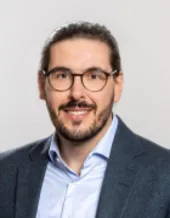
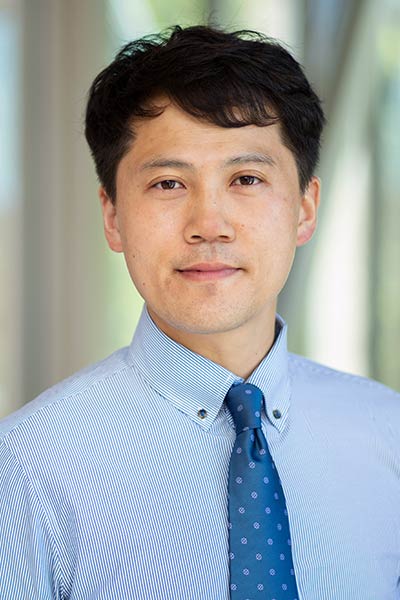
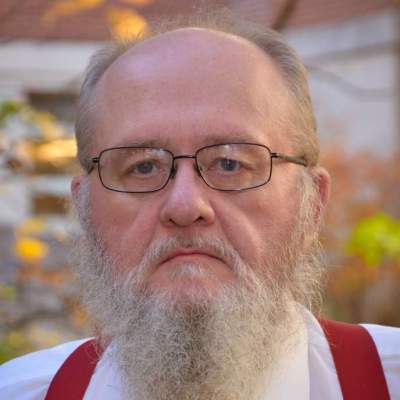
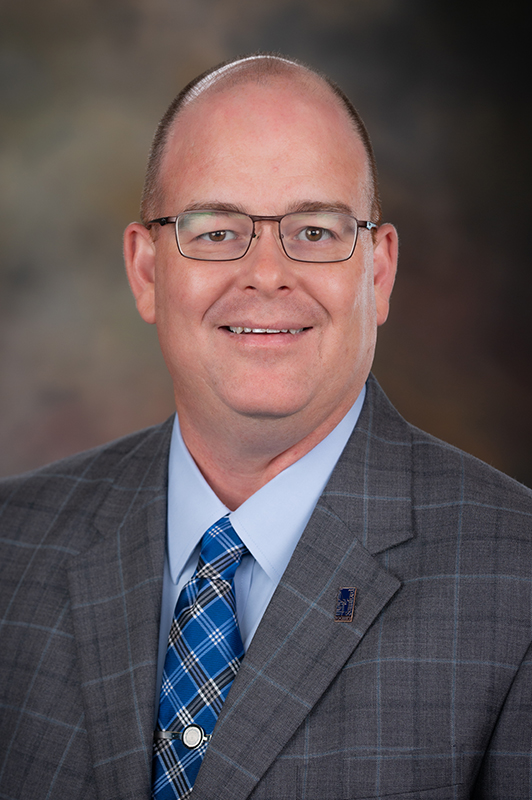
Stéphane SEBBAN serves as Director with HDR (Habilitation à Diriger des Recherches) qualification at ENSTA Paris, Institut Polytechnique de Paris. He is affiliated with the Applied Optics Unit (LOA) where he leads research initiatives in Semantics of Hybrid Systems (SSH) and Ultrafast particle and X-ray sources (UPX). His research focuses on ultrafast laser plasma physics, with particular expertise in developing laser-plasma particle accelerators. His work contributes to ENSTA Paris's research axis on ultra-short laser plasma physics, which explores how femtosecond laser pulses generate plasmas with extraordinary properties. These specialized plasmas produce enormous transient electromagnetic fields capable of accelerating particles at magnitudes exceeding conventional magnet-based techniques. SEBBAN's research has significant industrial applications including compact high-intensity lasers, electromagnetic protection systems, medical laser-plasma therapy, radiobiology, radiotherapy, and ophthalmology. His work enables advancements in ultra-rapid matter observation during phase transitions, eye surgery techniques, medical imaging, lightning rod systems, and infrastructure protection. His laboratory develops X-gamma radiation sources from ultra-short laser plasmas, offering new possibilities for non-destructive testing with potentially orders-of-magnitude improvements in spatial resolution compared to conventional radiography systems.
Sonja Monica Berlijn is a Professor of sustainable integrated energy systems at KTH Royal Institute of Technology. Her work focuses on the energy transition towards sustainable systems, emphasizing electrification, digitalization, and grid modernization. She examines practical challenges in maintaining energy security, including infrastructure upgrades, renewable integration, and cybersecurity risks in smart grids. Collaborations with industry and public actors drive her research on improving insulation systems, voltage management, and environmental resilience in power transmission networks. Her research interests encompass power systems engineering, renewable energy integration, cybersecurity in energy infrastructure, and the digitalization of control systems. She investigates solutions for grid reliability, such as advanced monitoring of overhead lines using image analysis and surveillance systems. Her work also addresses environmental factors like ice/snow impacts on insulators and volcanic ash effects, ensuring robustness against natural hazards. Berlijn’s contributions include pioneering methods for voltage uprating of transmission lines (e.g., upgrading 300 kV to 420 kV) and developing testing protocols for high-voltage equipment compliance with IEC standards. Her publications span over two decades, highlighting expertise in insulation coordination, partial discharge measurements, and system safety under extreme conditions. Despite no explicit awards listed, her extensive industry collaboration underscores her applied research impact. Her advising and grants focus on advancing technical solutions for energy systems through interdisciplinary approaches. She engages in lab-based studies of material performance and field applications of smart grid technologies, aiming to bridge theoretical and practical challenges in sustainable energy systems.
Cornelius Senf is an Assistant Professor at the Technical University of Munich (TUM) in the TUM School of Life Sciences, leading the Focus Group 'Earth Observation for Ecosystem Management'. He holds a PhD in Geography from Humboldt University of Berlin (2016) and completed postdoctoral research at BOKU Vienna and IRI THESys Berlin before joining TUM in 2020. After habilitation in 2023, he was appointed to his current role. His research integrates Earth observation technologies like remote sensing and LiDAR to study ecosystem dynamics under climate and land-use change, aiming to enhance sustainable ecosystem management. Key research areas include forest disturbance regimes, climate-driven mortality patterns, and biodiversity monitoring using multi-sensor data. He has pioneered the European Forest Disturbance Atlas, a Landsat-based monitoring system. Awards include the FWF Lise Meitner Fellowship (2019) and BOKU's Best Paper Award (2018). Recent work highlights include analyzing forest disturbance trends across Europe, linking drought to mortality, and exploring canopy dynamics using LiDAR. His studies address global challenges such as wildfire risk, biodiversity loss, and ecosystem resilience. Collaborations span academic and policy arenas, emphasizing practical applications of remote sensing for conservation and management.
Ioannis F. Gono is an Assistant Professor at the School of Electrical and Computer Engineering, National Technical University of Athens (NTUA), specializing in the Division of Industrial Electric Devices and Decision Systems. He holds a PhD in Electrical and Computer Engineering (2002), a Diploma in Pedagogy (1997), and a Diploma in Electrical Engineering (1993), all from NTUA. His research focuses on power systems protection, lightning protection, grounding systems, and electromagnetic compatibility. He has authored numerous publications in journals like IEEE Transactions and Electric Power Systems Research , and has contributed to international conferences such as ISH, ICLP, and MEDPOWER. His work explores topics including transient grounding behavior, soil ionization, and nanofluid-based insulation materials. Prof. Gono has held roles as a lecturer (2013–2015) and researcher at NTUA's High Voltage Laboratory (2002–2013). He has organized conferences, served on technical committees, and advised on projects like the DEFKALION-THALIS initiative for ship lightning protection. His expertise spans experimental and computational methods in high-voltage engineering, with a focus on practical applications in renewable energy systems and grid resilience.
Dr. Sam Salem is an adjunct assistant professor in the Department of Electrical & Computer Engineering at Clarkson University’s Coulter School of Engineering & Applied Sciences. He is also affiliated with the Center for Electric Power System Research (CEPSR). Prior to his academic role, he spent nearly two decades at GE Renewable Energy and GE Power in Schenectady, NY, with additional experience in the oil and gas industry and engineering consulting. His expertise spans renewable energy, electrical machines, power systems, lightning protection for wind facilities, and technology management. Education: Ph.D. (1995), M.Sc. (1986), B.S. (1982) – Ain Shams University MBA (1998) – Wilfrid Laurier University Dr. Salem’s research interests focus on renewable energy integration, power system resilience, and advanced diagnostics for electrical machines. He has contributed to standards development, including revisions to the IEEE Std. 67-2005 and led a Cigre working group on generator refurbishment decisions. His work emphasizes practical applications, such as black-start systems using renewables and cost-effective energy storage solutions. His publications highlight trends in wind turbine diagnostics, electrical discharge impact analysis, and monitoring strategies for large-scale systems. With 22 U.S. patents as a co-inventor, his innovations address challenges in renewable energy and power systems. Professional Contributions: Member of the American Clean Power Task Force on Electrical Systems Former US National Member, Cigre Subcommittee on Electric Machines (2006–2012) Co-author of multiple IEEE and Cigre guides and standards Dr. Salem’s advisory and collaborative efforts include leadership in international conferences and technical talks on wind energy advancements. His current affiliations and past industry roles position him at the intersection of academic research and industrial application in sustainable energy systems.
Juhyeong Lee is an Assistant Professor in Mechanical and Aerospace Engineering at Utah State University. His research focuses on composite materials behavior under extreme conditions, particularly lightning strike damage, multifunctional composites, and advanced manufacturing techniques. Research integrates experimental testing with multiphysics modeling to understand damage mechanisms in aerospace composites. Current projects include lightning protection systems, thermal barrier coatings, additive manufacturing of composites, and machine learning for damage assessment. Recent publications demonstrate advances in lightning damage prediction using stochastic frameworks, thermal-electrical-mechanical characterization of composites, and novel protection strategies. Industry collaborations include NASA, Hanwha Advanced Materials, and aerospace manufacturers. Research team includes graduate students working on composite testing, finite element analysis, and additive manufacturing. Recognized through NASA faculty fellowship and SAMPE awards for contributions to aerospace materials research.
Dr. Jose Antonio Vazquez Moris is a Researcher at the Faculty of Science , Earth and Climate department of Vrije Universiteit Amsterdam. His work focuses on wildfire dynamics, lightning-induced ignition mechanisms, and climate-environment interactions. He collaborates internationally on projects analyzing fire ignition patterns, lightning physics, and land management strategies. Research Interests: Wildfire causation and prevention Lightning-atmosphere-fire interactions Climate-driven environmental risks Global wildfire databases Recent work emphasizes statistical models for holdover times in lightning-ignited fires, meteorological conditions influencing ignition, and governance strategies to mitigate wildfire impacts in Mediterranean ecosystems.
Jeļena Pundure serves as Associate Professor in Civil Protection at Riga Technical University's Governance and Security Institute. Holding a Doctoral degree in Economics from RTU (2011), she specializes in applying economic analysis to fire safety systems, risk management, and emergency services optimization. Her work bridges academic research with practical policy implementation for Latvian state institutions. Education Doctoral degree in Economics, Riga Technical University (2011) - Thesis: Assessing the economic efficiency of fire safety systems in Latvia Research Focus Her expertise spans economics, civil protection engineering, and environmental risk assessment , with emphasis on fire service optimization, disaster planning, and sustainable safety infrastructure . Current projects integrate EU regulatory frameworks with Latvian emergency response systems, particularly examining cost-benefit analyses of fire safety equipment and environmental risk modeling. Publication Trends Recent publications (2019-2024) demonstrate consistent focus on technogenic risk management across transportation, construction, and public infrastructure sectors. Key themes include fire service equipment optimization (2022-2024), environmental impact assessment (2019-2021), and disaster planning methodologies (2019), with strong contextualization within Latvian and EU regulatory environments. Projects & Professional Contributions Establishment of joint study courses in social security (2020-2023, Erasmus+): Led curriculum development as Contact Person Unified environmental risk plan for Jelgava and Šiauliai (2018-2019): Principal Researcher for municipal risk assessment Higher Education Quality Agency (2015-present): Expert in Latvian higher education quality assurance systems
Dr. Kim D. Coder is a Professor of Tree Biology & Health Care at the University of Georgia's Warnell School of Forestry and Natural Resources. He holds the University Hill Fellow for Distinguished Public Service & Outreach title. His roles include advising on urban forestry as a USDA-Secretary’s NUCFAC member and serving as past President of the International Society of Arboriculture (ISA), Southern Chapter ISA, and the Georgia Urban Forest Council. He leads the Outreach Faculty Tree Health Care and Community Forestry Lab. Education: PhD, MS, and BS in Forest Ecology, Tree Physiology, and Forest Management from Iowa State University. Research focuses on tree biology, health care, abiotic stress, lightning protection, climate change impacts, and community forest ecology. He has authored over 500 technical publications. Awards include four ISA competitive awards and the Arbor Day Foundation's highest honor. Outreach includes global lectures, legal consultations, and educational products on tree appraisal, storm damage, and urban forestry. His work integrates biomechanics, tree morphology, and environmental stress diagnostics.
Ahmad Syahrir Ayub is a Teaching Fellow in the Department of Electronic and Electrical Engineering within the Faculty of Engineering at the University of Strathclyde, Glasgow, UK. He is recognized as a Senior Fellow of the Higher Education Academy (SFHEA), reflecting his commitment to excellence in teaching. Prior to his current role, he served as a Lecturer and Course Leader for the Graduate Apprenticeship BEng in Instrumentation, Measurement and Control at Robert Gordon University, and as a lecturer at Perth College, University of the Highlands and Islands. He also contributed as a researcher in the High Voltage Technologies (HVT) Group at the University of Strathclyde. His educational background includes a Bachelor of Engineering in Electrical and Electronic Engineering from Cardiff University and an ILM Level 3 Award in Leadership and Management. These qualifications underpin his technical and pedagogical expertise. Ahmad's research spans critical areas in electrical engineering and sustainability. His primary interests include lightning and lightning protection systems, cable diagnostics through partial discharge detection, renewable energy integration (particularly wind and solar), and engineering pedagogy. His work contributes to UN Sustainable Development Goals, especially in clean energy and climate action. He has actively participated in innovation projects focused on emissions monitoring, wireless communication for IoT, and energy efficiency in public infrastructure like ice rinks. The recent publications highlight a strong trend in condition monitoring of power systems, particularly through acoustic and signal processing techniques for fault diagnosis in cables. Additional work explores renewable energy modeling and materials science applications, indicating a multidisciplinary approach bridging engineering fundamentals with sustainable technology development. Senior Fellowship of Higher Education Academy (SFHEA) Fellowship of Higher Education Academy (FHEA) STAR Awards 2021 - Certificate of Recognition - Academic Staff OBI Most Inspiring Lecturer (HISA) 1st Paper Prize Award Ahmad has served as a co-investigator on multiple funded innovation projects, including those supported by Scottish Enterprise through Innovation Voucher Awards totaling over £37,000. These projects involved collaborations with industry partners on real-time CO2 emission sampling, drone-based wireless communication, landmine detection sensors, and energy efficiency in ice rinks. While no formal students are listed, his role as a teaching fellow and course leader indicates significant mentorship and curriculum development responsibilities. He has also contributed to climate education through participation in EnRoads climate simulator workshops. His research is conducted within interdisciplinary teams, often collaborating with experts in renewable energy, wireless systems, and environmental monitoring. These collaborations reflect a strong network across academia and industry, particularly in applied engineering solutions for sustainability challenges.
Dr. Mahbubur Rahman is a Senior Lecturer/Associate Professor at the Department of Electrical Engineering , Uppsala University, Sweden. His research focuses on lightning electromagnetics , X-ray generation in discharges , and NOx production through electrical phenomena. Email: mahbubur.rahman@angstrom.uu.se Contact: +46 18 471 58 05 (office), +46 70 167 94 17 (mobile) Rahman’s work spans experimental studies of lightning-induced chemical reactions , electromagnetic interference in communication systems, and plasma dynamics in laboratory sparks. His recent publications address gas-phase atmospheric reactions and lightning current distribution in Sweden. His 15 most recent articles (2024–2017) analyze: X-ray generation in long discharges Lightning current measurement systems Chaotic pulse train dynamics NOx production mechanisms Leader propagation physics Ground electrode interactions Rahman has contributed to lightning protection standards and electromagnetic compatibility in wireless systems. He collaborates with international researchers on thunderstorm modeling and high-voltage experiments .
Massimo Brignone is an Associate Professor at the Department of Naval, Electrical, Electronic and Telecommunications Engineering (DITEN), University of Genoa. His academic role includes teaching courses such as Complementi di Circuiti , Elettrotecnica , and Sistemi Elettrici per l'Energia in the Electrical Engineering, Maritime Science and Technology, and Naval Engineering degree programs. His research focuses on lightning performance analysis, electromagnetic field reconstruction, and machine learning applications in power systems. Recent research trends include: Integration of machine learning for lightning location and overvoltage prediction Analysis of HVDC offshore return electrode designs Electromagnetic compatibility in transmission lines Deep learning-based lightning detection systems Contact: massimo.brignone@unige.it | Availability: By appointment via email or TEAMS
Mansueto Rossi is an Associate Professor at the University of Genoa within the Department of Naval, Electrical, Electronics and Telecommunications Engineering - DITEN . His academic affiliation centers on electrical engineering and power systems research. Research interests include: Power system stability and lightning protection Decentralized energy storage systems Real-time co-simulation modeling Smart building energy management with electric vehicle integration Glocal energy transition strategies Recent publications demonstrate expertise in power system simulations using PSCAD-EMTDC, frequency control architectures, and global energy transition frameworks. He teaches Elettrotecnica (Electrical Engineering) courses for both Mechanical Engineering and Engineering Technology for Strategy and Security programs.
Dr. Georgi Ivanov Georgiev is an Associate Professor at the Department of Communication Equipment and Technologies , Technical University Gabrovo , with over 15 years of experience in teletraffic engineering, biometric systems, and artificial intelligence applications. He has led multiple research projects on network security, voice/facial recognition, and smart home systems. Current academic rank: Associate Professor Key collaborations: University of Ruse, IEEE, MDPI, AIP Publishing Research Interests : Biometric diagnostics with AI Machine learning for network traffic Neural networks (FFNN, GRNN, PNN) Smart home systems Teletraffic modeling Optical communication systems Recent Article Trends focus on hybrid AI methodologies (neural networks, decision trees, SVM) applied to: Noise analysis in communication systems Biometric authentication Internet traffic optimization Signal processing Smart environment monitoring Scientific Awards : Crystal Prize 2017 for Best Paper Multiple Best Paper awards at international conferences (2016, 2018) Student Advising : Reviewed thesis works on topics including Wind Farm Safety , Power Grid Modeling , and Lightning Protection Systems . Publications include 6 textbooks and 97 peer-reviewed works.
Jeremiah D. Davis is a Professor and Director of the National Poultry Technology Center in the Department of Biosystems Engineering at Auburn University's College of Engineering. His expertise focuses on engineering solutions for sustainable and efficient poultry production systems. His educational background includes: Ph.D. in Agricultural Engineering from Iowa State University M.S. in Biosystems and Agricultural Engineering from the University of Kentucky B.S. in Agricultural Engineering from Texas A&M University Dr. Davis's research centers on commercial poultry housing systems, environmental control for animal housing, instrumentation and sampling methods, water and energy conservation in agriculture, and animal instrumentation and tracking. His work integrates engineering principles with animal science to enhance welfare, sustainability, and productivity in poultry operations through innovations in lighting, thermal management, and resource efficiency. Analysis of his 2023-2025 publications reveals dominant themes in optimizing broiler house environments, particularly lighting systems (including GAP-certified natural illumination and LED technology), thermal performance, feed efficiency, and water conservation. His research demonstrates strong industry relevance through field validation of protocols for feed spillage measurement and spatial modeling of environmental parameters. No specific scientific awards were mentioned in the provided text. Information regarding Dr. Davis's student advising activities and research grants was not available in the source material. As Director of the National Poultry Technology Center, he leads research initiatives focused on developing practical engineering solutions for poultry housing, environmental control systems, and resource conservation technologies serving the global poultry industry.