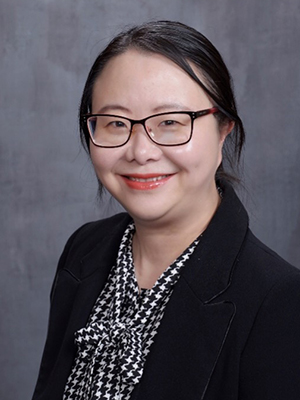
Moncef Krarti is a Professor in the Department of Architectural Engineering at the University of Colorado Boulder, within the College of Engineering and Applied Science. His professional affiliations include roles as a Professional Engineer (PE) and LEED-AP. Krarti holds a Ph.D. (1987), M.Sc. (1985), and two Diplôme d'Ingénieur degrees (France, 1984/1982). His research focuses on evaluating energy efficiency technologies, optimizing building designs, and analyzing renewable energy systems. Key interests include HVAC controls, building retrofit strategies, and multi-benefit energy programs. Krarti has authored influential textbooks like Energy Audit for Building Systems and Energy Efficient Building Electrical Systems . Recent articles emphasize smart glazing systems, dynamic insulation, and geothermal heat pumps. His work addresses global challenges like urban heat islands and net-zero communities. Krarti has received prestigious awards including ASME Fellow (2015) and a 2023 Fulbright U.S. Scholarship. His research spans residential and commercial sectors, with case studies in Saudi Arabia, France, and the U.S.
Dr. Benjamin Scott Flavel is a Research Group Leader at the Institute of Nanotechnology, Karlsruhe Institute of Technology (KIT), Germany. His research focuses on carbon nanotubes and their applications in photovoltaics and sensing technologies. He leads a dynamic research team conducting cutting-edge work on the separation, purification, and application of single- and double-walled carbon nanotubes. Education: Doctor of Philosophy (Chemistry), Flinders University, Australia, 2010 Bachelor of Science in Nanotechnology (Honors), Flinders University, Australia, 2005 Habilitation in Materials Science, Technische Universität Darmstadt, 2018 His research interests lie at the intersection of nanotechnology and energy materials, particularly in carbon nanotube-based solar cells , chirality-specific separation techniques , and nano-sensing devices . His group has pioneered methods such as ATPE for enantiomer sorting and developed innovative solar cell architectures with industrial relevance. The research spans fundamental charge transport mechanisms to applied device engineering. The publication record shows a strong trend in advancing carbon nanotube photovoltaics, with key contributions in interface engineering, scalable fabrication, and high-efficiency CNT:Si solar cells. Work also extends to spectroscopic characterization, alignment techniques, and software tools for data analysis. Scientific Awards: Heisenberg Program, DFG (2018) Emmy Noether Program, DFG (2013) Alexander von Humboldt Research Fellowship (2011) Australian Government Endeavor Research Fellowship (2009) Bloom-Gutmann Prize, Royal Australian Chemical Institute (2008) Hope Meeting, Japanese Society for the Promotion of Science (2008) Research Fellowship, Flinders University (2007) Dr. Flavel has successfully advised multiple PhD students, including Dr. Moritz Pfohl, Dr. Katherine Moore, and Dr. Daniel Tune. His research has been supported by significant grants from the German Research Foundation (DFG), including funding for a double-walled carbon nanotube project and an organic evaporation system (~320,000 EUR). Collaborations span institutions such as NIST, Freie Universität Berlin, University of Antwerp, McMaster University, and University of Sydney. The research group operates within the Institute of Nanotechnology at KIT, utilizing advanced infrastructure for nanomaterials synthesis, characterization, and device fabrication. The team is recognized internationally, with work featured in Open Access Government , Research Features , and Europhotonics , and covered by Nanotechweb.
Dr. Alex S Clark is an Associate Professor in Quantum Technologies at the University of Bristol's School of Physics, where he serves as a Senior Lecturer and Royal Society University Research Fellow. He is a key member of the Quantum Engineering Technology Labs (QETLabs) and leads the Interfaces Work Package in the EPSRC Programme Grant 'Quantum Science with Ultracold Molecules (QSUM).' Additionally, he holds a Visiting Academic position at Imperial College London and serves as Honorary Secretary for the QQQ Group at the Institute of Physics. His research focuses on Solid State Quantum Nanophotonics, exploring the use of atoms, molecules, and solid state defects to develop quantum technologies. Dr. Clark's work spans quantum imaging, quantum sensing, and quantum information processing, with particular emphasis on creating on-demand photon sources, quantum memories, photonic quantum gates, and hybrid interfaces to link disparate quantum systems. His research integrates experimental and theoretical approaches across quantum photonics, nanophotonics, and quantum technology. Analysis of his recent publications reveals a strong trend toward practical quantum applications, particularly in quantum sensing and imaging using undetected light. His work demonstrates increasing focus on real-world applications including methane sensing, medical diagnostics, and environmental monitoring, while maintaining fundamental research in quantum optics and nanophotonics. The interdisciplinary nature of his research bridges physics, engineering, and materials science. Among his notable achievements is the prestigious Royal Society University Research Fellowship, recognizing his significant contributions to quantum technology research. His work has resulted in numerous publications and patents in quantum photonics and related fields. Dr. Clark leads multiple major research initiatives, including the Quantum Positioning, Navigation, and Timing Hub (2024-2029) and the Integrated Quantum Networks project. His research has secured substantial funding through EPSRC grants and other sources, supporting a vibrant research group focused on advancing quantum technologies from fundamental principles to practical applications. Within the Quantum Engineering Technology Labs (QETLabs), Dr. Clark's research group works at the intersection of quantum optics, nanophotonics, and quantum information science. His team develops novel photonic platforms for quantum applications, with particular expertise in quantum imaging with undetected photons, quantum sensing, and integrated quantum photonics.
Dr. Mark Gardner is a Research Fellow in Clinical Imaging at the ACRF Image X Institute, part of the University of Sydney's Sydney School of Health Sciences and Faculty of Medicine and Health. His work focuses on advancing radiation therapy and medical imaging technologies, with particular emphasis on improving treatment accuracy and patient comfort. Gardner holds a PhD from Flinders University, completed in collaboration with the Medical Device Research Institute, and has held research roles at the Cystic Fibrosis Airway Research Group (CFARG). His current projects include the Nano-X radiation therapy device and the Remove the Mask initiative , which aims to eliminate immobilization masks in head and neck cancer treatments. Gardner is affiliated with organizations like the IEEE Engineering in Medicine and Biology Society and the American Association of Physicists in Medicine. Research interests span radiation oncology, translational research in medical imaging, and device innovation. His work integrates advanced imaging techniques (e.g., synchrotron X-rays, cone-beam CT) with machine learning and wearable sensors to address challenges in respiratory therapy and tumor targeting. Notable contributions include developing real-time motion tracking for radiation therapy and improving mucociliary transport measurements. Awards: FameLab 2020 State Finalist, 2018 Medtech e-Challenge Winner, 2017 3MT Runner-Up Grants/Projects: Nano-X radiation therapy development, Remove-the-Mask surface-guided system Collaborations: Industry partnerships, multi-institutional research networks Gardner advises Chen Cheng on real-time head/neck motion monitoring during radiation therapy. His lab contributes to open-source tools and preclinical imaging advancements, bridging engineering and clinical oncology.
Christoph Bostedt holds dual appointments as a Professor of Physical Chemistry at the Ecole Polytechnique Fédérale de Lausanne (EPFL) and as Head of the Laboratory for Synchrotron Radiation and Femtochemistry (LSF) at the Paul Scherrer Institut (PSI). He leads strategic operations for the LSF, managing five research groups and overseeing four beamlines at the Swiss Light Source and the Alvra Endstation at SwissFEL. His research focuses on ultrafast x-ray science, including single-shot imaging, non-linear x-ray spectroscopy, and femtosecond pump-probe techniques. He collaborates globally on initiatives like the Athos project, aiming to advance ultrafast x-ray technologies. Bostedt has over 150 publications and is a Fellow of the American Physical Society, recipient of the Röntgen Prize. Education: Ph.D. from the University of Hamburg with research at Lawrence Livermore and Berkeley National Laboratories. Prior roles include leadership at Argonne National Laboratory and SLAC National Accelerator Laboratory. Research Interests: Single-particle imaging and coherent diffraction X-ray free-electron laser applications Ultrafast dynamics in nanoparticles and molecular systems Non-linear x-ray spectroscopy Time-resolved x-ray pump-probe methods Awards: Fellow of the American Physical Society Röntgen Prize (University of Giessen) Labs & Projects: Spearheads the Athos beamline project at SwissFEL, developing the Maloja endstation for ultrafast x-ray studies. Oversees the Laboratory for Femtochemistry and collaborates on advanced imaging techniques for nanoscale science.
Prof. David Hunger leads the Cavity Quantum Optics Group at the Physics Institute (PHI) of Karlsruhe Institute of Technology (KIT). His research focuses on optically addressable spins in condensed matter, cavity-enhanced light-matter interactions, and quantum photonics with applications in sensing, spectroscopy, and quantum computing. The group develops fiber-based microcavities for coherent spin-photon interfaces, rare-earth ion qubits, and cavity-enhanced imaging of nanoscale systems. Notable projects include the BMBF-funded NEQSIS and SPINNING initiatives for quantum communication and diamond-based quantum computing. The group also pioneered Qlibri , a spin-off company commercializing optical fiber microcavities for quantum optics and microscopy. Recent breakthroughs include record spin coherence in SnV centers and ultra-stable nanopositioning platforms for cryogenic experiments. Affiliations: Faculty of Physics, KIT; Max Planck School of Photonics Grants: BMBF Grand Challenge (Quantum Communication), BMBF SPINNING (Diamond Qubits) Labs/Teams: Cavity Quantum Optics Group, Qlibri spin-off Students and postdocs in the group work on topics like collective cavity effects, molecular spin platforms, and cavity-enhanced sensing of liquid-phase nanosystems.
Dr James Herbert-Read is an Associate Professor and Whitten Lecturer in Marine Biology at the Department of Zoology, University of Cambridge. He serves as Deputy Head of Department (Postgraduate Education) and leads the Marine Behavioural Ecology Group. His research focuses on understanding how animals, particularly marine organisms, collect and process information from their environments to make behavioral decisions, with emphasis on social interactions, adaptation mechanisms, and ecological constraints. His group employs theoretical frameworks, controlled experiments, and quantitative field studies to investigate behavioral diversity in marine species. Key themes include collective behavior, predator-prey dynamics, camouflage strategies, and the impacts of environmental stressors on animal decision-making. Recent publications highlight work on lionfish vocalization mechanisms, cuttlefish camouflage, citizen science applications in marine research, and behavioral responses to visual and acoustic noise. Scientific awards and affiliations include: Whitten Lecturer in Marine Biology Associate Professor, University of Cambridge He has supervised research projects on topics such as: Social attraction in invasive fish species Evolution of coordinated movement Neurophysiological basis for leadership in shoals Maternal effects on offspring exploration
Jaime Cardenas serves as an Assistant Professor at The Institute of Optics and holds a joint appointment as Assistant Professor of Physics at the University of Rochester. He joined the faculty in July 2016 after earning his Ph.D. in Optical Science and Engineering from the University of Alabama in Huntsville and gaining industry experience as a process engineer followed by research at the Cornell Nanophotonics Group. His educational background includes: Ph.D. in Optical Science and Engineering, University of Alabama in Huntsville Professor Cardenas' research centers on integrated photonics, nanophotonics, and nonlinear photonics, with current projects targeting photonic packaging, 2D materials integration, nonlinear optical phenomena, and on-chip quantum photonics. His group develops nanostructured photonic devices that manipulate light within chip-scale platforms, enabling applications in precision sensing, communications, and quantum technologies. This work bridges fundamental optical physics with practical engineering solutions for real-world implementation. Analysis of his recent publications reveals dominant themes in chip-scale photonic systems, particularly advancements in silicon nitride and lithium niobate platforms. Key research trajectories include weak-value amplification for ultra-precise optical gyroscopes, adiabatic frequency conversion in microring resonators, photonic packaging innovations via laser fusion splicing, and multispectral imaging sensor development. His work consistently emphasizes translating theoretical concepts into manufacturable integrated photonic devices with applications spanning navigation systems, spectroscopy, and quantum information processing. Professor Cardenas leads the Cardenas Lab, which specializes in creating photonic devices that fit on the tip of a needle. The lab's research portfolio spans from fundamental nonlinear optical phenomena to applied educational initiatives, including hands-on photonic kits designed to train the next generation of integrated photonics engineers. Current projects focus on developing robust, manufacturable photonic systems for industrial and defense applications while maintaining strong connections to quantum photonics research.
Debdeep Jena is the David E. Burr Professor of Engineering at Cornell University, holding appointments in the Departments of Electrical and Computer Engineering and Materials Science and Engineering, and serving as a field member in Applied and Engineering Physics. He joined Cornell in 2015 after twelve years on the faculty at the University of Notre Dame. Professor Jena's research focuses on the quantum physics of semiconductors and electronic/photonic devices based on quantized semiconductor structures. His work spans Nitrides, Oxides, and 2D Materials, with applications in energy-efficient transistors, LEDs, RF and power electronics, and quantum computation. His group explores the fundamental limits of computation, memory, and communications by exploiting new physics in semiconductor devices, particularly investigating ultrahigh-speed GaN and AlN transistors, ultra-wide bandgap semiconductors for power electronics, deep-UV LEDs and lasers, and novel materials for quantum computing. His recent publications demonstrate a consistent trajectory toward integrating semiconductors with superconductors, ferroelectrics, and magnets to create hybrid quantum systems. This research direction aims to overcome classical device limits while dramatically improving energy efficiency across computing, communications, and power management applications from the chip to the grid level. Art Gossard MBE Innovator Award, North American Conference on Molecular Beam Epitaxy (NAMBE) 2024 Intel Outstanding Researcher Award 2020 David Burr Chair Professor of Engineering 2020 Fellow, American Physical Society 2016 MBE Young Scientist Award 2014 IBM Faculty Award 2012 Professor Jena leads a $34 million research center focused on energy-efficient semiconductor materials and technologies. His research group actively engages in materials synthesis using Molecular Beam Epitaxy (MBE) while collaborating with theoretical physicists to develop comprehensive understanding of electron transport, light-matter interactions, and correlated electron physics. In 2022, he published the textbook 'Quantum Physics of Semiconductor Materials and Devices' through Oxford University Press, which has become a top seller in solid-state physics and electromagnetism categories. The Jena research group operates at the intersection of multiple advanced materials systems, maintaining expertise in Nitride Electronics, Oxide Electronics, UV Lasers/Photonics, 2D Materials, Ultrapolar/Ferro Semiconductors, and Super/Semi Electronics. Their work spans fundamental materials science to device engineering, with strong connections to energy systems, advanced materials processing, and quantum information science applications.
Professor Terry Rudolph is a Professor of Quantum Physics at the Department of Physics within the Faculty of Natural Sciences at Imperial College London. His affiliations include the Quantum Engineering, Science and Technology group, Quantum Optics and Laser Science Group, and The Light Community. His research focuses on quantum-anything, encompassing optical physics, quantum computing, photonics, and related interdisciplinary fields such as nanotechnology and communications technologies. Rudolph’s work emphasizes photonic quantum computing architectures, entanglement generation, and fault-tolerant quantum systems. His recent publications highlight advancements in cluster state generation, photonic multiplexing, and reconfigurable entangling systems. He has contributed to scalable quantum hardware design, including silicon photonic platforms and error-correction protocols. His academic contributions span theoretical and experimental quantum mechanics, with a focus on bridging quantum theory and practical implementation. Notable themes in his research include deterministic teleportation, photonic integrated circuits, and fusion-based quantum computing. He has also engaged in educational initiatives to introduce quantum information science to high-school students. Affiliations: Quantum Optics and Laser Science Group, Quantum Engineering Centre, and The Light Community at Imperial College London.
Prof. Peter Müller-Buschbaum is a Full Professor and Head of the Chair of Functional Materials at the Physics Department of the Technical University of Munich (TUM). He has held this position since April 2018 and also served as Scientific Director of the Research Neutron Source Heinz Maier-Leibnitz (FRM-II) and the Heinz Maier-Leibnitz Center (MLZ) from 2018 to 2023. His leadership extends to multiple roles including Core Member of the Integrated Research Institute Munich Institute of Integrated Materials, Energy and Process Engineering (MEP) since 2021, and Head of the Renewable Energies Network (NRG) at MEP. Full Professor (W3), Head of the Chair of Functional Materials at TUM School of Natural Sciences (since 04/2018) Deputy Editor of "ACS Applied Materials & Interfaces" (since 01/2024) Supervising Professor "Electronics Laboratory" at TUM School of Natural Sciences (since 11/2023) Member of TUM Sustainability Board (since 05/2023) Core Member of MEP Institute (since 10/2021) Head of Renewable Energies Network at MEP (since 10/2021) Prof. Müller-Buschbaum's research spans energy materials for photovoltaics and battery technologies, smart responsive materials that adapt to environmental stimuli, and nanocomposite materials with tailored properties. His group employs advanced scattering techniques to characterize materials at the nanoscale, providing insights into structure-property relationships critical for developing next-generation energy technologies. His extensive publication record demonstrates particular expertise in perovskite solar cells, lithium-ion battery technologies, and polymer-based functional materials, with recent work focusing on improving device stability and efficiency while understanding fundamental degradation mechanisms. His publications reveal a strong emphasis on energy conversion and storage technologies, with particular attention to interfacial engineering in both photovoltaic and battery systems. The research shows sophisticated integration of materials synthesis, advanced characterization, and device engineering to address critical challenges in renewable energy technologies. His work bridges fundamental science with practical applications through collaborations with major international research facilities. Scientific Service and Recognition Member of the Council of the Cluster of Excellence "ORIGINS" (since 01/2019) Spokesperson of the Chemical Physics and Polymer Physics Association of DPG (03/2021-10/2022) Member of the European Spallation Source Scientific Advisory Panel (since 03/2011) German representative at the European Polymer Federation for polymer physics (since 03/2011) Chairman of the Keylab "TUM.solar" in the Bavarian research project "Solar Technologies Go Hybrid" (since 03/2012) Prof. Müller-Buschbaum actively contributes to academic community through editorial work, having served as Associate Editor (2012-2022), Executive Editor (2023), and currently Deputy Editor (2024-present) of "ACS Applied Materials & Interfaces". He maintains strong international collaborations with synchrotron and neutron facilities worldwide, reflecting his expertise in advanced materials characterization techniques essential for cutting-edge materials research.
Dr. Zaheer Nasar is a Reader in Atmospheric Aerosols at Cranfield University's School of Aerospace, Transport and Manufacturing. His work focuses on real-time bioaerosol characterization, indoor/outdoor air quality dynamics, and environmental health impacts of particulate matter. He leads the NERC-funded Light-Induced Fluorescence sensor project and contributes to the BioAirNet network (NE/V002171/1) as Co-I. Research Interests Physico-chemical and biological characterization of aerosols Spatio-temporal dynamics of particulate matter (PM) and bioaerosols Quantitative microbial risk assessment (QMRA) methodologies Low-cost air quality sensor networks and machine learning calibration Urban green infrastructure effects on air pollution Policy development in Hindu Kush Himalayan air quality Recent publications emphasize machine learning-enhanced sensor calibration (2024 IEEE paper), wastewater plant bioaerosol risks (2024 Water Research), and urban air quality interventions across the UK and Lahore. He has secured over £1.6M in grants from NERC, STFC, and UKRI GCRF, with significant work on BTEX exposure in Nigeria and SARS-CoV-2 risks in wastewater facilities. Scientific Recognition Fellow of the Higher Education Academy (FHEA) Co-investigator in multiple NERC/UKRI projects Active participant in BSI bioaerosol standards committee As an advisor, he mentors five postgraduate researchers including Reece Dillon and Hathaikarn Tathong, with a strong publication record in journals like Environmental Science: Atmospheres , Risk Analysis , and BJPsych Open . His work bridges environmental science, public health, and policy implementation through interdisciplinary research.
Kaka Ma is an Associate Professor in the Department of Materials Science & Engineering at Texas A&M University, specializing in advanced materials processing for energy systems and extreme environments through powder-based synthesis, additive manufacturing, and sintering technologies. Educational Background: Ph.D. in Materials Science and Engineering, University of California, Davis (2010) B.S. in Materials Science and Engineering, University of Science and Technology of China (2006) His research focuses on powder-based synthesis of metals/ceramics, laser directed energy deposition, field-assisted sintering technology (FAST), thermionic/thermoelectric energy conversion materials, and ultrahigh-temperature/hypersonic environment applications, with strong emphasis on sustainability in materials engineering. Recent publications demonstrate expertise in creating functionally graded materials via controlled thermal gradients and powder morphology optimization. Analysis of 2021-2025 publications reveals dominant trends in spark plasma sintering parameter optimization, additive manufacturing of titanium alloys, high-entropy carbide development, and nanoparticle synthesis for energy applications, consistently linking processing parameters to microstructure-property relationships in extreme-condition materials. Scientific Awards: TMS Light Metals/Extraction & Processing Subject Award – Recycling (2020) Professional memberships include The Minerals, Metals and Materials Society (TMS) and America Makes. While specific advising details and grant information are not documented in the provided materials, his extensive collaborative publication record indicates active mentorship of graduate researchers and successful acquisition of research funding. No dedicated laboratory facilities or research team structures are specified in the source documentation.
Dr. Samuel Cheng is an Associate Professor at the Gallogly College of Engineering , University of Oklahoma , specializing in Electrical and Computer Engineering . He holds a Ph.D. in Electrical Engineering from Texas A&M University (2004), preceded by M.S. and M.Phil. degrees from the University of Hawaii and Hong Kong University of Science and Technology. Education: B.S. (University of Hong Kong, 1995), M.Phil. (HKUST, 1997), M.S. (University of Hawaii, 2000), Ph.D. (Texas A&M, 2004) Professional Experience: Senior Research Engineer at Advanced Digital Imaging Research (2004-2005), prior internships at Microsoft Asia and Panasonic Technologies His research focuses on Information Theory , Signal and Image Processing , and Pattern Recognition , with applications in remote sensing, urbanization analysis, and disaster monitoring. His publications span topics including urban impervious surface mapping , nighttime light analysis , and machine learning for environmental data . His work often integrates multi-source datasets (e.g., Landsat, LiDAR, social media) for spatiotemporal modeling. Technical Expertise: Spectral unmixing, machine learning, thermal remote sensing, GIS integration Key Applications: Power outage detection, vegetation-crime correlation, PM2.5 estimation, smart meter data fusion Dr. Cheng holds three US patents in digital watermarking and is affiliated with IEEE, Sigma Xi, and AAAS. His recent articles demonstrate a trend toward leveraging AI for remote sensing challenges and analyzing urbanization impacts on ecosystems.
Özüm Asirim is a Researcher at the Technical University of Munich (TUM) under the Associate Professorship of Computational Photonics led by Prof. Christian Jirauschek. Her work focuses on computational photonics , quantum optics , and nonlinear optical phenomena , particularly in micro-resonators and semiconductor devices. Education: Ph.D. in Electrical Engineering from Middle East Technical University (Ankara, Turkey). Research spans optical parametric amplification , Fourier domain mode-locked lasers , self-phase modulation , and machine learning applications in photonics . Her studies include optimizing gain factors, enhancing harmonic generation, and modeling supercontinuum sources via carrier injection. Recent publications (2019–2023) highlight interdisciplinary approaches, merging photonics with computational finance and nonlinear dynamics . She contributes to EU Project QOMBS and teaches courses like Python for Engineering Data Analysis and Quantum Engineering and Machine Learning seminars. Collaborations include Prof. Christian Jirauschek (TUM), Prof. Mustafa Kuzuoğlu (Middle East Technical University), and teams in computational photonics and quantum optics. Her work impacts semiconductor physics , laser technology , and adaptive optical systems .

_rdax_230x341s.jpg)