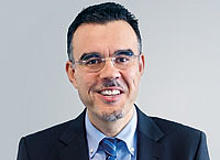
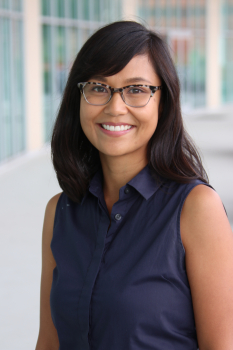
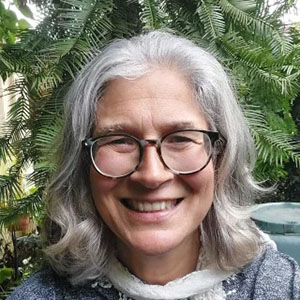
Dr. Janna Verbruggen is an Assistant Professor in Criminology at the Vrije Universiteit Amsterdam's Faculty of Law, Department of Criminology. She previously held roles as Senior Lecturer (2018–2019) and Lecturer (2014–2018) at Cardiff University's School of Social Sciences and was a researcher at Vrije Universiteit Amsterdam's Department of Criminal Law and Criminology. Her academic journey includes a PhD (2013) on employment and crime in high-risk youths, funded by the Netherlands Institute for the Study of Crime and Law Enforcement (NSCR). Education: Bachelor in Developmental Psychology Bachelor and Master in Criminology Research Interests: Intimate Partner Violence Stalking Child Sexual Exploitation Life Course Criminology Desistance from Crime Her work integrates longitudinal studies and life-course approaches, including an ESRC-funded project on IPV perpetration trajectories and a Welsh Government study on youth sexual exploitation outcomes. Awards: ESC European Journal of Criminology Best Article of 2020 Award (2021) Teaching & Leadership: Coordinator of the Master's in Criminology and thesis program Course developer for Law in Society programs (Criminology, Qualitative Research Methods) Labs & Affiliations: A-LAB Empirical and Normative Studies
Dr. Ellen Clarke is an Associate Professor in the School of Philosophy, Religion and History of Science at the University of Leeds , where she leads Equality, Diversity, and Inclusion initiatives. Her research focuses on the metaphysics and epistemology of biological science, particularly the ontology of life and evolutionary theory. She explores questions about biological individuality, the boundaries of organisms, and the role of concepts in evolutionary theory, extending to cultural evolution and social cooperation. Education: BSc Philosophy (Leeds), MA Philosophy & History of Science (Bristol), PhD (Bristol, 2010). Postdoctoral work in Vienna and Oxford preceded her return to Leeds as a Lecturer in 2017. She blogs at philosomama and is active in professional organizations like the European Philosophy of Science Association. Teaching includes Feminist Philosophy, Philosophy of Biology, and introductory courses in logic and science. She supervises PhD students on evolutionary and cultural theory topics, with current advisees Daniel Davis and Katie Prosser. Her work bridges philosophy and biology, analyzing concepts like species, symbiosis, and cooperation. Recent studies apply evolutionary frameworks to cultural systems, treating culture as undergoing selection pressures akin to biological evolution. She emphasizes interdisciplinary approaches to conservation and ecological challenges.
Dr. Edward Tolhurst is a Senior Lecturer and Associate Professor at Staffordshire University, based in the School of Health, Science and Wellbeing. He specializes in dementia studies, aging, and healthcare, with a focus on sociocultural factors shaping dementia experiences. He leads the MSc in Medical Education and the Step Up to Master’s program, and serves as a Research Ethics Coordinator and member of the University’s Research Ethics Committee. His professional roles include advisory positions with the European Sociological Association and Coventry and Warwick NHS Research Ethics Committee. PhD in Health Studies, Staffordshire University PgCert in Higher and Professional Education MA in Social Research (University of Warwick) BA (Hons) Sociology and Social Policy (University of Liverpool) His research explores relational dynamics in dementia care, including spousal caregiving, gendered experiences, and personhood preservation. He has secured grants from the British Academy/Leverhulme totaling £8,246 for studies on dementia care relationships and worker support. His work bridges sociology, healthcare, and education, emphasizing ethical care practices and sociocultural narratives. Teaching spans postgraduate and undergraduate courses in dementia awareness, medical education, and research methods. He supervises doctoral students and examines PhD theses, demonstrating commitment to academic mentorship. Key awards include Senior Fellow of the Higher Education Academy. His interdisciplinary approach integrates qualitative methods with policy analysis, addressing gaps in dementia care and aging studies.
Bryan McLaughlin, an Associate Professor in the Department of Advertising & Brand Strategies at Texas Tech University's College of Media & Communication, specializes in political communication, media effects, and social identity. He holds a Ph.D. from the University of Wisconsin-Madison (2014) and an M.A. from the University of Illinois, Chicago (2009). His research examines how political narratives shape citizen attitudes and behaviors, with a focus on problematic news consumption and its implications for societal health. He teaches courses in advertising research, mass communication theory, political advertising, and public opinion. McLaughlin has received notable awards, including the AEJMC Senior Scholar Award (2025) and the Billy I. Ross Mass Communications Faculty Achievement Award (2024). He has served as Head of the Political Communication Interest Group within AEJMC and is a recognized leader in media and political communication research. His work bridges theoretical frameworks with practical insights into contemporary media challenges. His research trajectory highlights trends in media's role in political polarization, mental health impacts of news consumption, and narrative-driven civic engagement. Articles often address how digital platforms amplify political conflict and how mindfulness might mitigate negative outcomes. Awards reflect his contributions to advancing scholarly discourse in journalism and mass communication education. Teaching and advising activities emphasize equipping students with tools to analyze complex media ecosystems. His grants and collaborations underscore interdisciplinary approaches to understanding media's societal impact.
Dr. Jose M. Alcaraz serves as a Research Fellow at Munich Business School (MBS) in Munich, Germany. His academic career spans international institutions including ESDES Lyon Business School (France), Raffles Design Institute (Shanghai), University of Dubai, Leicester University (Dubai campus), Barna Management School (Santo Domingo), and Murdoch University (Perth). Holding a PhD in Digitalization of Human Capital Management, he has directed multiple global MBA programs and maintains industry ties through prior software leadership roles and collaboration with The RBL Group on HR transformation initiatives. His research centers on Human Resource Management, Sustainability, and Business Ethics, with recent focus on science fiction's capacity to envision socio-technical futures. In partnership with SciFutures (dubbed "the coolest company in the world" by Fast Company), he explores sci-fi storytelling for business scenario-building and innovation. This interdisciplinary approach bridges critical management studies with creative foresight methodologies. Dr. Alcaraz's publication portfolio demonstrates consistent output across top-tier journals like Work, Employment and Society and Organization & Environment , with recurring themes in teleworking dynamics, gender equity, planetary boundaries, and sustainability education. His work increasingly integrates narrative techniques from science fiction into management scholarship, reflecting evolving research trajectories toward imaginative scenario planning. At MBS, he teaches Bachelor International Business, Master International Business, Master Sports Business and Communication, and MBA General Management courses. His industry background informs practical applications in classroom instruction, particularly regarding HR transformation and sustainability implementation challenges faced by global organizations.
Dr. Marissa Doshi is an Associate Professor in the Communication Department at Hope College. She joined the institution in August 2014 and teaches courses in media writing and cultural communication theory. Education: Ph.D., Communication, Texas A&M University (2014) M.S., Science and Technology Journalism, Texas A&M University (2010) M.S., Biotechnology, University of Abertay Dundee, UK (2005) B.S., Life Sciences and Biochemistry, St. Xavier's College, India (2003) Her research integrates feminist theory and qualitative methods to explore the cultural and creative dimensions of media and technology use, with a focus on transnational feminisms, digital embodiment, and representation in mass media. She also examines intercultural communication dynamics, including ethnic identity and media consumption. Selected publications span topics in digital health, transnational media, and narrative communication, with a recurring emphasis on gender and cultural identity. Trends in her work include critical analyses of media globalization, autoethnographic approaches to health communication, and studies of diaspora communities. Scientific Awards: Towsley Research Scholar (2017-2021) GLCA grant recipient Nyenhuis faculty development program grant recipient Dr. Doshi actively supports Hope College's S.T.E.P. program and holds advisory roles on the Frost Center Research Advisory Board, Mellon Scholars Advisory Board, and G.R.O.W council. She collaborates with students on research projects and advocates for interdisciplinary scholarship.
Melissa Alemán is a Professor at the School of Communication Studies at James Madison University (JMU). She earned her B.S. in Speech and Professional Communication from New York University, followed by her M.A. and Ph.D. in Communication Studies from the University of Iowa. Her academic work focuses on communication and identity in diverse contexts, including caregiving, end-of-life communication, multicultural families, and higher education. She collaborates extensively with colleagues in STEM and Engineering on grant-supported research related to makerspaces, gender equity, and educational methodologies. B.S., New York University: Speech and Professional Communication M.A. & Ph.D., University of Iowa: Communication Studies Alemán’s research emphasizes collaborative autoethnographic projects, with notable publications in the Journal of Family Communication , Journal of Communication , and Journal of Engineering Education . Her work addresses gendered inequities in engineering cultures, family narratives, and communication in multicultural settings. She has also contributed to pedagogical research in qualitative and autoethnographic methodologies. Melissa Alemán is affiliated with JMU’s Women’s, Gender and Sexuality Studies and African, African American and Diaspora Studies programs. She co-directs the SCOM Summer Study Abroad Program in Ireland and Northern Ireland, demonstrating her commitment to global education and experiential learning. Scientific Awards and Recognition: 2019 Roberts Endowment for Faculty Excellence Award Melissa Alemán teaches undergraduate and graduate courses in qualitative research methods, family and interpersonal communication, ethnographic approaches, and gender studies. Her partnerships with STEM/Engineering colleagues highlight her interdisciplinary approach, merging communication theory with educational innovation.
Dr. Rebecca Cheezum serves as Chairperson of Public and Environmental Wellness and Associate Professor of Public Health at Oakland University's School of Health Sciences, dedicating her career to addressing health inequities through community-centered research with marginalized populations including communities of color, immigrants, and individuals experiencing homelessness. Educational Background: PhD in Health Behavior and Health Education from University of Michigan MPH in Social Behavioral Sciences from Boston University BA in Psychology from Bates College Research Focus: Employing community-based participatory research (CBPR) methodologies, Dr. Cheezum investigates how social and structural determinants shape health outcomes in urban settings like Detroit. Her work spans housing instability, food access, childhood asthma management, and caregiver stress, emphasizing co-creation of knowledge with communities to drive policy change and build sustainable advocacy capacity. This approach transforms traditional research power dynamics by centering community voices in all project phases. Publication Trends: Analysis of her 2010-2019 publications reveals consistent innovation in participatory methods, particularly Photovoice techniques for capturing lived experiences of vulnerable groups. Key thematic threads include housing-health intersections among formerly homeless populations, culturally nuanced understandings of caregiver stress in low-income families, and strategies for inter-organizational policy advocacy affecting youth. Her Detroit-focused studies collectively advance frameworks for community-driven health equity solutions that address systemic barriers rather than individual behaviors. Professional Engagement: Dr. Cheezum's leadership as department chair involves significant academic administration and curriculum development, while her Detroit-based projects and prior HIV prevention fieldwork across Boston, Maine, and the West Indies demonstrate deep community partnerships. Though specific grant details aren't documented, her participatory research model inherently involves mentoring students in real-world public health practice and community engagement. Community Integration: Active in the American Public Health Association, she bridges academic scholarship with practical community experience from youth development and HIV prevention work. Her research philosophy treats community members as equal partners rather than subjects, creating pathways for policy change through Neighborhoods Working in Partnership-style collaborations that amplify marginalized voices in health decision-making processes.
Professor Bella Dicks is a Professor of Sociology in the Cardiff School of Social Sciences at Cardiff University. Her research focuses on qualitative sociology and ethnography, with expertise in heritage studies, participatory community regeneration, decolonization, and multimodal methodologies. She has extensive experience in teaching across undergraduate and postgraduate levels and has supervised numerous doctoral students. Her work explores how communities engage with heritage and identity in the context of deindustrialization and depopulation, with a particular interest in issues of class, racialization, and gender. She holds visiting professorships at the University of Calabria and University of Saint Etienne-Lyon, reflecting her international academic engagement. Her research interests include cultural sociology, social identities, public participation, and digital methodologies. She has conducted ethnographic studies in Wales, Calabria (Italy), and other regions, examining topics such as industrial heritage, community regeneration, and the role of museums in shaping cultural legitimacy. Her teaching includes leading the Key Ideas in Social Science module for undergraduates and developing courses in global heritage studies. Professor Dicks has authored or edited multiple books, including Heritage, Place and Community (2000) and Qualitative Research and Hypermedia (2005). Her recent work addresses depopulation in Calabria through collaborative ethnographic research. She has also contributed to methodological advancements in qualitative research, including hypermedia and multimodal data analysis. In addition to her academic roles, she served as Head of Research at the National Museum of Wales (2016–2019) and Deputy Head of the School of Social Sciences (2021–2024). Her awards include visiting professorships and recognition for her contributions to sociological research and heritage studies.
Professor Jo Edson Ferrie is a Professor of Sociology at the University of Glasgow, affiliated with the School of Social & Political Sciences and the Department of Sociological & Cultural Studies. She holds the title of Principal Fellow of Recognition of Excellence in Teaching (RET) and serves as Associate Dean of Skill and Method. Her work focuses on enhancing research methods education and advancing human rights through participatory methodologies. Education: Completed her PhD in the Centre for Disability Research at the University of Glasgow (2008). Research Interests: Research Methods Education: Pioneered quantitative skills training through Glasgow Q-Step, influencing national postgraduate training guidelines. Focuses on integrating qualitative and quantitative methods, research integrity, and interdisciplinary learning. Human Rights and Disability Rights: Active in disability rights advocacy, serving on the Scottish Human Rights Commission’s Research Advisory Group. Collaborates on projects in Ukraine and Scotland to advance human rights-based approaches. Grants & Awards: Principal Fellow of RET (2023) for Excellence in Teaching. Lead on major grants including ESRC-funded data-driven research (2020–2021) and Nuffield Foundation-supported Glasgow Q-Step (2013–2021). Advising & Training: Mentored 13 PhD/Master’s students and led initiatives such as the Scottish Graduate School of Social Sciences. Spearheaded training programs addressing postgraduate skill gaps, contributing to £2.4M in UK-wide training funds. Labs/Teams: Q-Step Centre: Transformed quantitative education in social sciences. Curricula 4 Life: Develops interdisciplinary courses addressing sustainability and SDGs.
Dr. Cindy C. Sangalang is Assistant Professor of Social Welfare and Asian American Studies at UCLA's Luskin School of Public Affairs. Her research examines how migration, race, and culture intersect to shape health outcomes for immigrant and refugee communities. Using community-based participatory methods, Sangalang investigates how historical oppression and trauma affect health across generations. Current NIH-funded research focuses on COVID-19 impacts on Filipino American essential workers, revealing how racial capitalism shapes health disparities. Her comparative studies of refugee mental health have advanced understanding of post-migration stress and trauma pathways. Sangalang's work informs interventions to promote health equity for marginalized communities.
Charmaine DM Royal , the Robert O. Keohane Professor at Duke University, holds appointments across African & African American Studies , Biology , Global Health , and Family Medicine & Community Health . She directs the Duke Center on Genomics, Race, Identity, Difference (GRID) and the Duke Center for Truth, Racial Healing & Transformation , focusing on dismantling biological race myths and addressing social determinants of health through interdisciplinary research. Ph.D. and M.S. in Biology from Howard University Her research spans genomics ethics , race-related health disparities , and global health policy , with recent work examining sickle cell disease in low-income countries, genetic ancestry testing in Indigenous communities, and environmental influences on Mendelian disorders. Her 2025 grant from the Tom Russell Charitable Foundation supports mental health interventions for SCD populations. As a 2024 Hastings Center Fellow , she contributes to bioethics scholarship alongside prior recognitions like the Greenwall Faculty Scholar in Bioethics (2009) and Thomas Langford Lectureship (2013) . She teaches courses such as "Race, Genomics, and Society" and "Health in the African Diaspora", emphasizing critical race theory in scientific contexts.
Dr. Monica Short is a part-time Senior Lecturer in the School of Social Work and Arts at Charles Sturt University, where she has established herself as a prominent researcher and educator. Based in Canberra on Ngunnawal and Ngambri land, she coordinates the International Network of Co-operative Inquirers and serves as an adjunct Centre Scholar with the Australian Centre for Christianity and Culture. She is also a member of the Anglican Church of Australia Mission and Ministry Commission and the Social Work and Health Inequality Network. Her educational background includes a degree in Social Work, a Master of Social Welfare (Welfare and Social Policy), and a PhD by publication through Charles Sturt University. Her doctoral thesis focused on 'The Australian Anglican Church engaging with people living with disabilities and from culturally and linguistically diverse backgrounds in rural, regional and remote communities.' Monica's research centers on the psycho-social-spiritual-physical resilience and well-being of individuals and communities. She applies an integrated lens with epistemological foundations in social work, sociology, and theology, utilizing methodologies such as co-operative inquiry, ethnography, literature review, and case studies. Her work emphasizes honoring emic (insider) and etic (outsider) knowledge, valuing relationships, collaboration, sharing power, promoting social justice, and upholding egalitarian principles. Her extensive publication record demonstrates consistent scholarly output, with particular growth in recent years (2023-2025). Her work spans co-operative inquiry methodology, rural social work practice, virtue ethics, pedagogy of kindness, and the intersection of theology with social work practice. She has made significant contributions to understanding person-centeredness, ethical decision-making in unequal contexts, and innovative field education models. Executive Dean's Teaching Award (2024) Australia and New Zealand Social Work and Welfare Education and Research Prize (2023) School of Social Work and Arts Award for Highest Student Experience Survey Scores (2023) Faculty Research Award (2021) St Mark's National Theological Centre Greg Eather Memorial Prize (2021) Australia and New Zealand Social Work and Welfare Education and Research Field-University Collaboration Award (2020) CSU Excellence Award (2020) Monica has extensive teaching experience across numerous social work subjects including Indigenous Academic Success Program, Introduction to Human Services, Social Work Field Education, Social Work Theory and Practice, and Case Management. Her pedagogical approach emphasizes collaborative learning, critical thinking, resilience building, and maintaining social work values. She has also been actively involved in media contributions, particularly through 1RPH community radio discussing life with disabilities.
Professor Eduardo López Hortelano is an Assistant Professor in the Faculty of Theology at Comillas Pontifical University, specifically within the Department of Moral Theology and Praxis of Christian Life. A Jesuit priest, he has been actively teaching at the university for nine years and is deeply engaged in research related to Ignatian spirituality, the history of the Society of Jesus, and medieval literature and spirituality. His academic journey began with a degree in Primary Education from the University of Barcelona, followed by a Bachelor of Humanities from Pompeu Fabra University in Barcelona. After two years of teaching at non-university levels, he pursued theological studies at the Pontifical Gregorian University in Rome, where he earned his Bachelor of Theology. He continued his education at the Centre Sèvres (Jesuit Faculties of Paris), obtaining a degree in Fundamental and Dogmatic Theology. In 2013-2014, he completed an Ignatian Master's Degree at Comillas Pontifical University, and in 2016, he defended his doctoral thesis on imagination in Ignatian spirituality. Professor López Hortelano's research centers on Ignatian spirituality, particularly focusing on the role of imagination and visual elements within spiritual practices. His work explores the connections between medieval literature, Christian mysticism, and contemporary spiritual formation. He has made significant contributions to understanding how Ignatius of Loyola's Spiritual Exercises can be applied in modern contexts, examining themes of prayer, discernment, and the transformative power of spiritual practices. His scholarship bridges historical analysis with practical theological application, offering insights into both the academic study of spirituality and its lived experience. His extensive publication record demonstrates a consistent focus on Ignatian spirituality, theological aesthetics, and the intersection of visual culture with religious experience. Recent works explore the visual dimension of Trinitarian theology, the application of Ignatian principles to ordained ministry, and the historical context of Jesuit missionaries in Latin America. His scholarship reveals a deep engagement with both primary Ignatian texts and their contemporary relevance, showing particular interest in how spiritual practices can address modern challenges of vulnerability, freedom, and discernment. ANECA Certification - Assistant Doctor Professor (2022) ANECA Certification - Contracted Doctor Professor (2022) ANECA Certification - Professor of Private University (2022) Sexenio Campo 11 - Philosophy, Philology and Linguistics (2017-2022) With nine years of teaching experience at Comillas Pontifical University, Professor López Hortelano has instructed numerous courses related to spiritual theology, Ignatian spirituality, and Christian ethics. His teaching portfolio includes subjects such as 'Spiritual Theology and Priesthood,' 'Systematic Spiritual Theology,' 'The Praxis of Ignatian Spirituality,' and 'Discernment and election in the second week.' His pedagogical approach reflects his research interests, emphasizing the integration of theological understanding with spiritual practice. Professor López Hortelano is actively involved in the University Institute of Spirituality, where he contributes to research projects exploring the historical and contemporary dimensions of Christian spirituality. His work connects with broader scholarly conversations about the role of religious experience in modern society, particularly through the lens of Ignatian spiritual practices and their capacity to address contemporary spiritual needs.
Evelyn Behar is an Associate Professor in the Department of Psychology at Hunter College, CUNY , affiliated with the School of Arts and Sciences. Her research focuses on anxiety disorders, transdiagnostic factors, and cognitive-behavioral interventions. PhD : Clinical Psychology, Penn State University Research Interests: Anxiety disorders and comorbidity Transdiagnostic processes (worry, repetitive negative thinking) Emotion regulation and cognitive control Menopause-related mental health Experimental psychopathology approaches Psychotherapy outcome and process research Recent Publication Trends: Recent work explores worry-sleep interactions, pandemic-related stress mechanisms, age beliefs in menopause, and cognitive control in anxiety disorders. She investigates transdiagnostic processes across various anxiety and depressive syndromes using daily process methodology and experimental designs. Contact: Hunter College, Psychology Department 68th Street North 734 (212) 396-6301