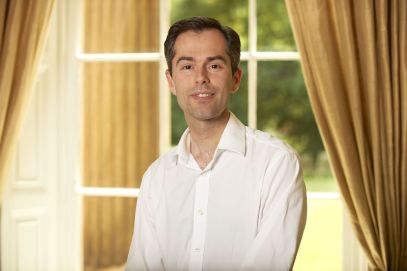
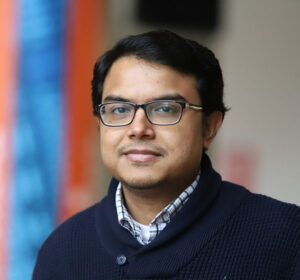
Dr David Pratt is a Fellow in History at Downing College, University of Cambridge , where he also serves as Archivist and Keeper of Art and Artefacts. His academic career focuses on early medieval political thought and court culture, particularly in Anglo-Saxon England and the Carolingian world. Academic Rank: Research Fellow Honors: FRHistS (Fellow of the Royal Historical Society) Research Interests center on the political ideology of King Alfred the Great, the origins of English coronation rituals, and broader themes of kingship, law, and social order in the later Anglo-Saxon period. His comparative approach highlights interactions between Anglo-Saxon and European medieval traditions. Recent Publications include English Coronation Ordines in the Ninth and Early Tenth Centuries (2023) and studies on Alfredian texts, taxation systems, and monastic reform. These works emphasize textual analysis, royal authority, and cross-cultural influences. Scientific Awards: FRHistS
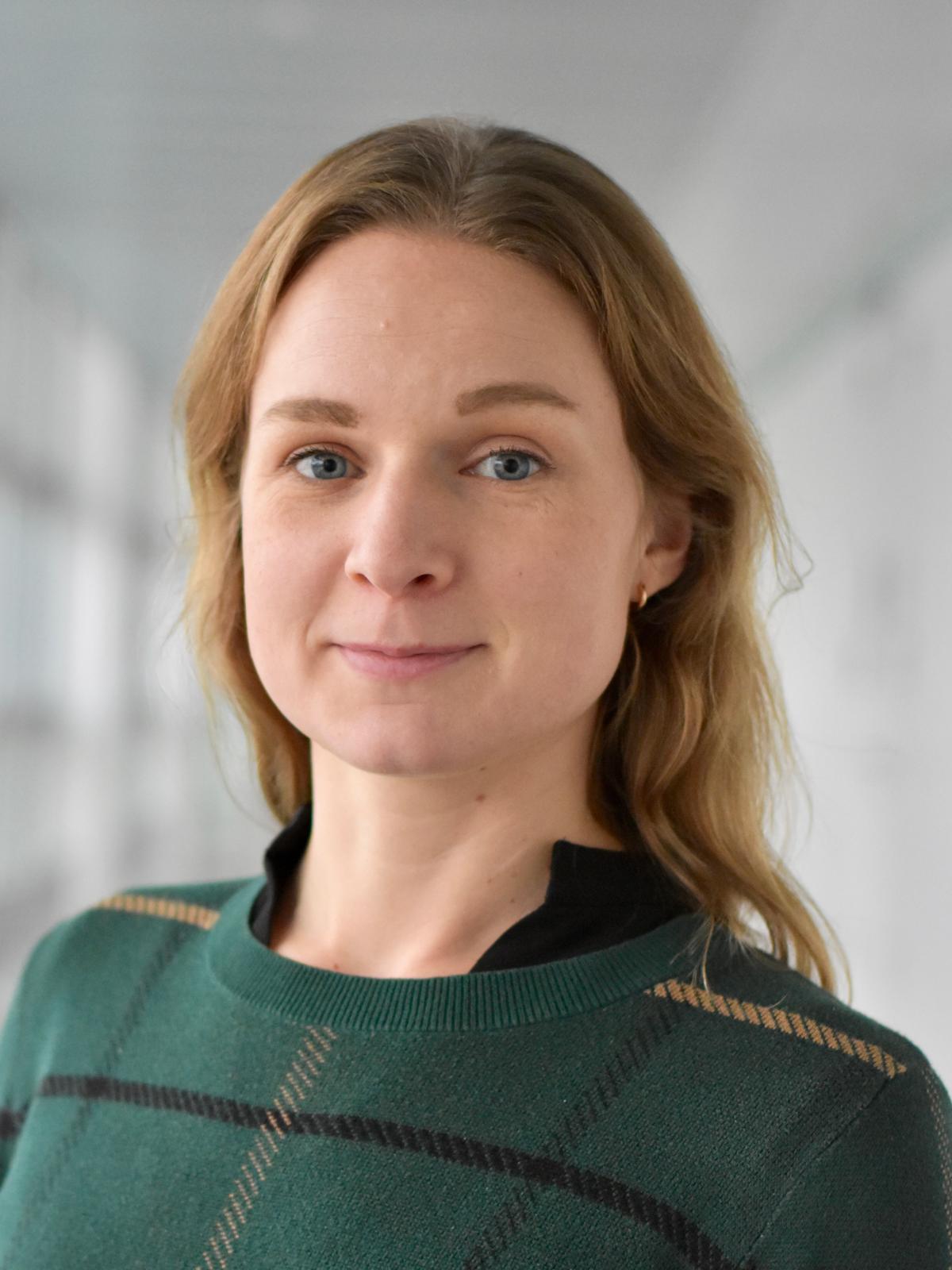
Amy E. Fraley is an Assistant Professor at ETH Zürich, Department of Chemistry and Applied Biosciences, and leads the Medicinal Chemistry Research Group. Her cross-disciplinary work bridges natural products biosynthesis, pharmaceutical sciences, and environmental sustainability through enzymatic chemistry and biotechnology. BSc in Chemistry, Millersville University of Pennsylvania (2014) PhD in Medicinal Chemistry, University of Michigan College of Pharmacy (2019) Postdoctoral work at ETH Zürich Institute of Microbiology under Prof. Jörn Piel Her research focuses on harnessing biosynthetic enzymes (e.g., halogenases, monooxygenases, Diels-Alderases) to create sustainable bioactive metabolites. She explores natural product biosynthesis in fungi and marine bacteria, targeting disease mechanisms and green chemistry applications. Recent work includes metagenomic studies of Lake Chilika microbial mats and polyketide synthase engineering. Notable scientific awards include the 2024 JSP Fellow at Bürgenstock Conference, 2018 Rackham Predoctoral Fellowship, and multiple University of Michigan honors. Her group secured funding from the ETH4D Doctoral Mentorship Grant and Messerli Foundation . Collaborations span structural biology, synthetic chemistry, and microbiology, with key contributions to flavoenzyme characterization and bioactive compound libraries . The lab emphasizes interdisciplinary training and innovation in biocatalytic tools for organic synthesis.
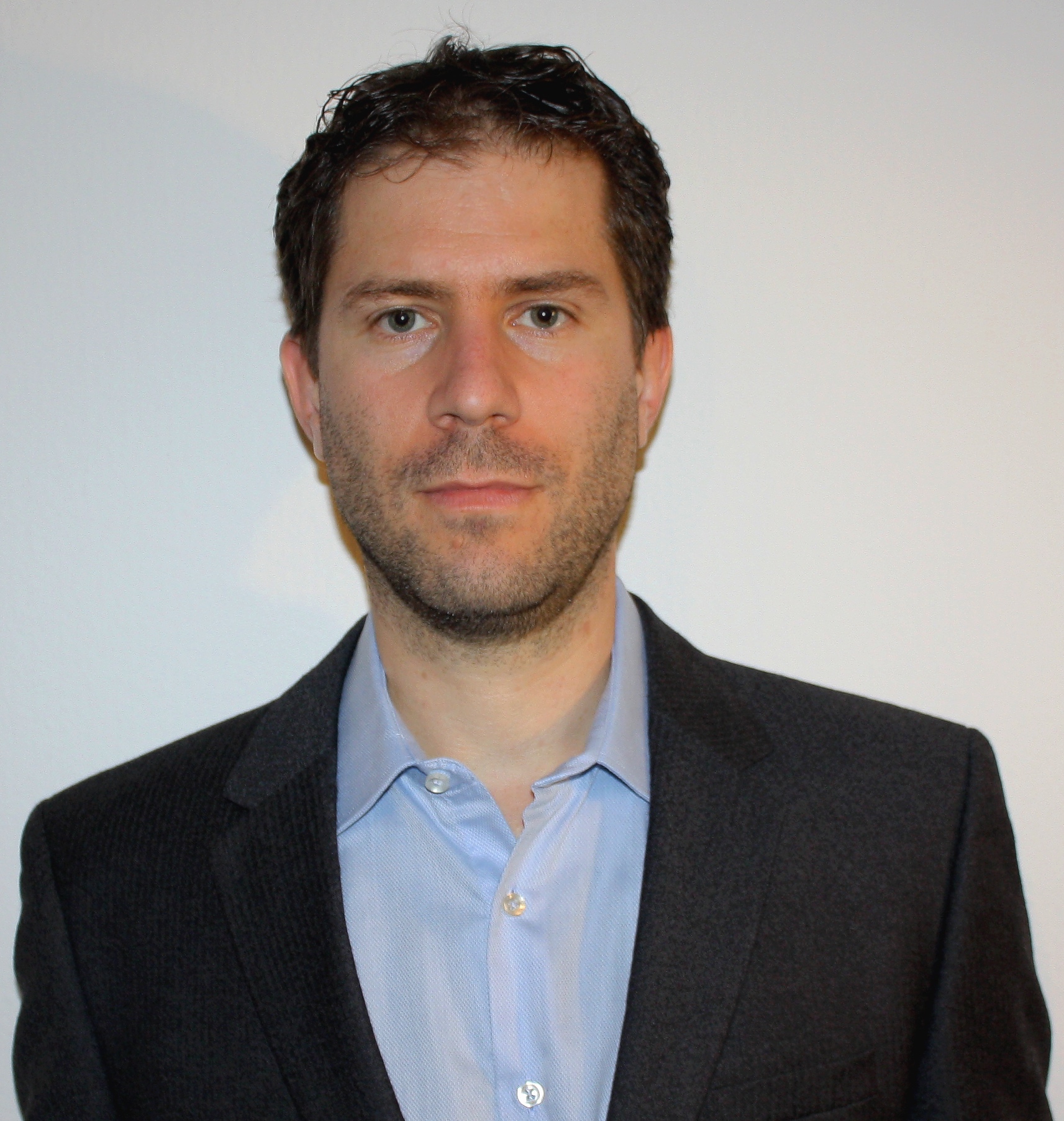
Dr. Andrew Hines is a Researcher at the School of Computer Science, University College Dublin, specializing in machine learning applications for signal processing in speech, audio, and video domains. His work focuses on Quality of Experience (QoE) modeling, speech quality assessment, and immersive media analysis. He has held leadership roles in European COST Actions like Qualinet and CryptoAction, and previously worked in industry as a Director of Engineering. University: University College Dublin Role: Director of Research, Innovation and Impact Key Collaborations: IEEE (Senior Member), Audio Engineering Society (Ireland) Research interests center on machine learning for QoE optimization, audio-visual integration, and healthcare applications like heart sound classification and stroke rehabilitation. His recent publications explore self-supervised learning, neural speech codecs, and contextual factors in speech/audio quality assessment. Scientific contributions include awards like IEEE Senior Membership, and his work spans both academic research and industrial engineering in finance and aviation sectors. He leads the QxLab research team at UCD and develops open-source platforms such as WARP-Q and AQP for quality metrics.
Raphael Franzini serves as Associate Professor of Medicinal Chemistry at the University of Utah, actively contributing to the Biological Chemistry PhD Program. His research pioneers innovative chemical approaches for therapeutic development, with dual focus on DNA-encoded library technologies and bioorthogonal drug delivery systems. His educational foundation includes an M.S. from the Swiss Federal Institute of Technology (Lausanne) and a Ph.D. from Stanford University. This training underpins his group's multidisciplinary methodology combining organic synthesis, bioconjugation, computational modeling, and advanced imaging techniques. Dr. Franzini's research program centers on two transformative areas: First, advancing DNA-encoded library screening through computational integration to identify leads for challenging targets like Tankyrase and Sirtuin 6, with recent work addressing false negatives in machine learning prediction. Second, developing novel bioorthogonal release chemistry using isonitrile-tetrazine reactions for spatiotemporally controlled drug activation, validated in zebrafish models. His group emphasizes both technological innovation and therapeutic translation, with chemistry designed to minimize off-target effects in solid tumors. Analysis of his 15 most recent publications reveals escalating integration of computational methods with experimental library screening, alongside refinement of bioorthogonal release kinetics. The work spans chemical biology, medicinal chemistry, and pharmaceutical sciences, with growing emphasis on machine learning for library data interpretation and in vivo validation of drug-release systems. Dr. Franzini maintains an active research laboratory that provides comprehensive training in cutting-edge drug discovery methodologies. His group culture prioritizes both scientific innovation and researcher development, with projects spanning from fundamental reaction kinetics to therapeutic applications. The lab's infrastructure supports organic synthesis, molecular imaging, and computational analysis for advancing precision therapeutics.
Josh Atkinson is an Assistant Professor in the Department of Civil and Environmental Engineering and the Omenn-Darling Bioengineering Institute at Princeton University. His research focuses on using synthetic biology and protein engineering to control electron transport in microbes for environmental applications, such as bioelectronic sensors and bioremediation. The Atkinson Lab investigates microbial energy processing, biofilm-electronic interfaces, and sustainable biotechnologies. Affiliations: Princeton University, Omenn-Darling Bioengineering Institute Research Interests: Microbial electron transport, bioelectronic systems, environmental monitoring, sustainable catalysis His work bridges disciplines like electrochemistry, bioengineering, and environmental science to engineer living materials for real-world challenges. The lab recruits students across levels, emphasizing diversity and interdisciplinary collaboration. Recent projects include real-time contaminant sensors and light-controlled biofilm patterning. Articles highlight innovations in bioelectronics and microbial systems engineering. The lab’s future directions involve scaling-up bioelectronic devices and enhancing microbial community understanding.
Prof. Alexander Pretschner is a Professor of Software & Systems Engineering at the Technical University of Munich (TUM) and Founding Director of the Bavarian Research Institute for Digital Transformation (bidt). He also serves as Scientific Director of fortiss, a Bavarian research institute for software-intensive systems. His research focuses on software engineering, testing, information security, and ethical software development. Pretschner holds a PhD from TUM and has held academic positions at Karlsruhe Institute of Technology (KIT) and TU Kaiserslautern. He is a co-editor of several prestigious journals, including IEEE Transactions on Reliability and the Journal of Software Testing, Verification and Reliability. Education: PhD in Computer Science, Technical University of Munich MSc in Computer Science, University of Kansas (on Fulbright Scholarship) Diplom in Computer Science, RWTH Aachen University Research Interests: His work spans testing methodologies, secure software design, and ethical considerations in agile development. Notable contributions include frameworks for metamorphic testing, distributed data usage control, and accountability mechanisms for cyber-physical systems. Awards: IBM Faculty Award (2012, 2013) Google Focused Research Award (2011, 2012) EARTO Innovation Prize (2014) 2nd Platz Supervisory Award (2020) Advising & Grants: Pretschner has supervised numerous PhD and Master’s students, contributing to over 200 publications. He leads projects like EDAP (Ethical Deliberation in Agile Processes) and collaborates with industry partners on cybersecurity and AI ethics initiatives. Labs & Teams: His work is anchored in bidt, fortiss, and TUM’s Chair of Software & Systems Engineering, focusing on societal impacts of digitalization and trustworthy AI systems.
Beth St. Jean is an Associate Professor and Faculty Director of the Carillon Community in Health Justice at the University of Maryland’s College of Information Studies (College Park). She holds a PhD and MS in Information from the University of Michigan School of Information and a BA in Mathematics from Smith College. Her research focuses on improving health outcomes through understanding health-related information behaviors, health literacy, and self-efficacy. She co-authored Understanding Human Information Behavior (2021) and leads projects like HackHealth to enhance youth health literacy. Education: PhD in Information, University of Michigan School of Information (2012) MS in Information (LIS), University of Michigan School of Information (2006) BA in Mathematics, Smith College (1988) Research Interests: Health informatics, health justice, consumer health information behavior, health literacy, youth digital practices, and information literacy. Her work emphasizes addressing health disparities through information access and education. Recent Research Trends: Her publications explore topics like long-haulers’ information needs (2024), pandemic-era health justice (2023), and social media’s role in predicting health disparities (2022). She also investigates patient-generated health data challenges (2022) and library roles in promoting health equity (2020). Awards and Recognition: ASIS&T SIG-USE Innovation Award (2017) ACM SIGCHI Excellent Reviewer (2017) ALISE/LMC Paper Award (2015) Beta Phi Mu/LRRT Research Award (2014) Teaching and Grants: Teaches courses on information behavior, research methods, and consumer health informatics. Co-PI on grants like HackHealth 2.0 (NIH, $123K) and youth health literacy initiatives ($68.5K). Also serves as Assistant Director of the Information Policy & Access Center and Senior Fellow at CASCI. Labs and Initiatives: Leads the Carillon Community in Health Justice and collaborates on projects like the HackHealth after-school program to engage disadvantaged youth in health entrepreneurship.
N. Rich Nguyen is an Assistant Professor in the Department of Computer Science at the University of Virginia (UVA), where he joined in August 2018. He's part of the School of Engineering and Applied Science and is on a teaching track , focusing on making machine learning accessible and engaging for all students. Research and Innovation: Rich Nguyen's research interests include biomedical image analysis , machine learning , and computer science education . He aims to reinvent instructional activities to make them adaptive and engaging by incorporating art and music elements to help everyone learn coding. Notable research contributions include: Floodwatch : A system for flood monitoring using crowdsourced images TuneScope : A digital music creation tool combining SoundScope and Snaps! technology CAD Library : Open-source design tools for educators AI for early sepsis detection : Highlighted in UVA Today Teaching Accomplishments: Before UVA, Rich taught computer science courses at UNC Charlotte for four years to a total of 1,458 students. At UVA, he teaches several courses including: CS 4774: Machine Learning (multiple semesters) CS 2501: Machine Learning for All (launched in Fall 2021) SYS 6016 / SDS 6050: Deep Learning CS 2150: Data and Program Representation (multiple semesters) CS 6316: Machine Learning (Graduate Level) CS 2910: CS Education Practicum (for Teaching Assistants) He previously taught at UNC Charlotte: ITCS 1600: Computing Professionals ITCS 2600: Computing Professionals for Transfer Students ITCS 4156: Introduction to Machine Learning ITCS 2215: Design and Analysis of Algorithms Academic Achievements: Rich Nguyen has received several notable awards and grants: Google Faculty Award for Machine Learning Education with TensorFlow (2019) Best Paper Award at IEEE BigDataSE (2022) Best Poster Award at SITE Conference (2022) CCI Faculty Innovation Award (2018) NSF grants for Smart and Connected Communities (2022) and Computational Thinking (2021) 3 Cavaliers Grant on Coding and Music (2021) Student Mentorship: Rich has mentored numerous students and teaching assistants who have achieved recognition. Notable students include: Joy Qiu - Published in Clinical Infectious Diseases Louisa Edwards and Zach Boner - Invited to Ken Ono Podcast Mike Ferguson - Winner of CS Louis T. Rader Undergraduate Teaching Award He has also served as faculty advisor for HooHacks (UVA's hackathon) and co-founded CharlotteHack at UNC Charlotte. Labs and Collaborations: Rich Nguyen leads the ML4VA (Machine Learning for Virginia) initiative, engaging students in project-based learning to apply machine learning to real-world problems affecting Virginia communities. He collaborates with institutions for symposiums on smart cities, particularly with ASEAN universities, and has partnered with Premier Healthcare for hackathons and with Glen Bull on educational technology projects.
Adrienne Raphel is a Lecturer in the Department of English at Baruch College, part of the Weissman School of Arts and Sciences at The City University of New York (CUNY). She holds a Ph.D. in English Literature from Harvard University, an M.F.A. in Creative Writing (Poetry) from the University of Iowa, and a B.A. in English Literature and Creative Writing from Princeton University. Her research and creative work intersect contemporary culture, poetry, and the history of wordplay. She explores modernist literature, dark academia, and the evolution of puzzles like crosswords and board games as cultural artifacts. Raphel's recent publications highlight crosswords, poetry, and literary criticism, reflecting her interests in generational trends, linguistic innovation, and urban themes. Her articles analyze cultural phenomena through the lens of games, literature, and media. She has received prestigious awards, including: Visiting Fellowship at the American Library in Paris (2023) James Merrill Writer in Residence (2023) Writer in Residence at The Mastheads (2018) Raphel serves on the Awards and Honors Committee and teaches courses such as Writing II and Great Works of Literature I. She has contributed to media outlets like The New Yorker , The New York Times , and The Paris Review .
John E. Moses is a Professor at Cold Spring Harbor Laboratory (CSHL), where he leads the Moses Laboratory and serves as Faculty Head of the Mass Spectrometry Shared Resource for the Cancer Center. He is also a Cancer Center Member focusing on developing chemical tools for biological discovery, particularly in cancer research. Dr. Moses earned his D.Phil. in Synthetic Organic Chemistry from the University of Oxford in 2004. His academic journey includes positions as Professor of Organic Chemistry at La Trobe University (2017-2020), Level 6 Future Fellow at the Australian Research Council (2017-2021), and Reader & Associate Professor in Organic Chemistry at the University of Nottingham (2007-2017). Moses' research focuses on click chemistry, a powerful discovery method that uses robust chemical reactions to synthesize functional molecules. His lab specializes in developing and exploiting bond-forming click reactions for rapid synthesis of small functional molecules, including cancer drugs and chemical probes. They apply these molecular tools in multidisciplinary projects spanning biology and chemistry. His recent work has led to significant advances in click chemistry methodologies, including Diversity Oriented Clicking (DOC) and Phosphorus Fluoride Exchange (PFEx). These approaches have enabled the discovery of new cancer therapeutics and antibiotics effective against multidrug-resistant bacteria like MRSA. Dr. Moses has received numerous honors including the 2021 Organic Division Horizon Prize: Robert Robinson Award in Synthetic Organic Chemistry, Fellow of the Royal Society of Chemistry (2015), Thieme Chemistry Award (2011), and UK & ROI Lilly Award for Excellence in Organic Chemistry (2011). Through his work at CSHL, Moses mentors students and postdoctoral researchers while collaborating with biologists to develop Chemistry For Biology. His lab's innovative approaches have been supported by multiple grants, including those from the National Cancer Institute. The Moses Laboratory is at the forefront of click chemistry research, developing new methodologies while applying them to solve critical problems in cancer biology and antibiotic resistance.
Senior Lecturer Outi Salo-Ahen is affiliated with Åbo Akademi University's Faculty of Natural Sciences and Engineering , Department of Pharmacy. Her research focuses on computational pharmacology, drug design, and pharmaceutical chemistry, particularly targeting chemokine receptors (CCR5/CXCR4) and transient receptor potential channels (TRPA1) for therapeutic applications. Doctor of Pharmacy (2006, University of Kuopio/UEF) MSc in Pharmaceutical Chemistry (2001, UEF) BSc in Pharmacy (1999, UEF) University Pedagogy Modules 1-5 (2012-2015) Her work contributes to UN Sustainable Development Goals through education and pharmaceutical innovation . Recent research trends include: Antimicrobial resistance solutions TRPA1 channel modulation Nanotechnology-enabled drug delivery Multi-target HIV-1 inhibitors 3D printing of biocompatible materials Computational analysis of nucleic acid frameworks She actively supervises doctoral projects, serves on assessment panels, and leads collaborations like Nordic Pharmaceutical Translation and Innovation. Her 60+ publications demonstrate expertise in molecular modeling and drug discovery.
Cassidy R. Sugimoto is the Tom and Marie Patton Professor and School Chair at the Jimmy and Rosalynn Carter School of Public Policy at Georgia Institute of Technology. She previously held a professorship in Informatics at Indiana University Bloomington (2010–2021) and served as Program Director for the Science of Science and Innovation Policy at the National Science Foundation (2018–2020). Her research focuses on knowledge production systems, equity in STEM, scientific collaboration dynamics, and research evaluation metrics. She holds degrees from the University of North Carolina at Chapel Hill including a B.Mus. in Music Performance, M.S. in Library Science, and Ph.D. in Information and Library Science. Research interests include: Structural inequities in science and technology Ethical authorship practices Global scientific collaboration patterns Open science initiatives Gender and diversity in academic careers Notable awards include the 2020 Bicentennial Service Award from Indiana University and 2014 Trustees Teaching Award. Her recent work examines intersectional disparities in science, AI ethics, and systemic barriers to equity in academic publishing. Key contributions include co-authoring Equity for Women in Science (2023) and foundational scholarship on alternative metrics beyond citation counts. She advises on science policy matters related to institutional equity and open access publishing.
Jishen Zhao is an Assistant Professor in the Department of Computer Science and Engineering at the University of California, San Diego (Jacobs School of Engineering). His research focuses on computer architecture, non-volatile memory systems, and deep learning acceleration. Dr. Zhao has published extensively in top venues including ISCA, MICRO, ASPLOS, and IEEE Transactions. He collaborates with researchers at UCSD and beyond to advance systems for emerging applications in AI and autonomous vehicles. Dr. Zhao's primary research areas include persistent memory systems, hardware/software co-design for deep learning, and safety-critical computing. He develops techniques for crash consistency, memory disaggregation, and efficient neural network deployment. His work on autonomous vehicles addresses scenario generation and perception-aware system design. Recent projects explore LLM applications for software engineering and hardware verification. Analysis of Dr. Zhao's 2024-2025 publications reveals a strong shift toward AI-integrated systems research. He applies large language models to tasks like RTL verification and software issue localization while continuing to innovate in memory systems for serverless computing. There is growing emphasis on safety-critical systems for autonomous vehicles and energy-efficient neural network training using novel hardware architectures. Information about Dr. Zhao's scientific awards, advising activities, grants, and laboratory facilities was not available in the provided documentation.
France Bouthillier is an Associate Professor and Associate Dean of Graduate and Postdoctoral Studies at McGill University's School of Information Studies. She holds a PhD from the University of Toronto and multiple advanced degrees in library science, administration, and education from Quebec institutions. Her research focuses on competitive intelligence, healthcare information systems, and small business information needs. She has led major grants including a SSHRC-funded study on children’s cyber-safety and CIHR projects on evidence dissemination in healthcare. Education: PhD, Faculty of Information Studies, University of Toronto MBSI, École de bibliothéconomie et des sciences de l'information, Université de Montréal C. Admin, Département des sciences de l'administration, UQAM BEd, Département des sciences de l'éducation, UQAM Research Interests: Dr. Bouthillier investigates digital resource assessment in healthcare, cross-cultural competitive intelligence practices, and information needs of marginalized communities. She emphasizes collaborative information monitoring and user-centered design in information systems. Her work bridges theory and practice, addressing gaps in evidence-based decision-making. Grants & Awards: Competia Award (2003) for co-authored book on CI software assessment SSHRC Standard Research Grant (2005-2008) on CI technology use CIHR grants for healthcare evidence dissemination (2006, 2008) Professional Involvement: Editorial Board member of the Journal of Information Science Theory and Practice, ASIST member, and SSHRC grant reviewer. She co-developed the eSRAP system for patient-oriented research monitoring. Her lab focuses on interdisciplinary projects in information visualization and collaborative tools.
Endadul Hoque is an Assistant Professor in the Department of Electrical Engineering and Computer Science at Syracuse University (SU), leading the SYNE Lab. Previously, he held a similar position at Florida International University (FIU). He earned his Ph.D. in Computer Science from Purdue University in 2015, with postdoctoral research at Northeastern University. His research focuses on cybersecurity, particularly in automated vulnerability detection, network/system security, and IoT defense mechanisms. He draws on program analysis, formal verification, and fuzz testing. Key honors include the NSF CAREER Award (2024) and a Google Research Scholar Award (2022). His work has been published in top venues like ACM CCS, NDSS, and IEEE S&P. He actively seeks students for PhD/MSc positions in security, IoT, and program analysis. His grants include NSF funding for IoT policy enforcement and context-sensitive fuzzing. Education Ph.D., Computer Science, Purdue University, 2015 M.S., Computer Science, Marquette University, 2010 B.S., Computer Science and Engineering, Bangladesh University of Engineering and Technology, 2008 Research Interests Dr. Hoque’s work spans secure network systems, IoT security, vulnerability detection, and automated reasoning methods like SMT solving and symbolic execution. Recent innovations include VetIoT (runtime IoT defense validation) and LLM-driven security tools like iConPAL. He emphasizes practical defenses and user-centric security solutions, such as the SeQR enterprise Wi-Fi configurator. Awards NSF CAREER Award (2024) Google Research Scholar Award (2022) NDSS Distinguished Paper (2018) Grants & Service He leads NSF-funded projects on IoT policy enforcement and context-sensitive fuzzing. Served on program committees for S&P, SecDev, and DSN. Teaches courses on systems security and operating systems at SU and FIU. Lab/Team SYNE Lab at Syracuse University focuses on securing networked systems through automated analysis, runtime verification, and resilient protocols.