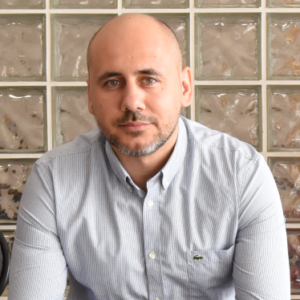
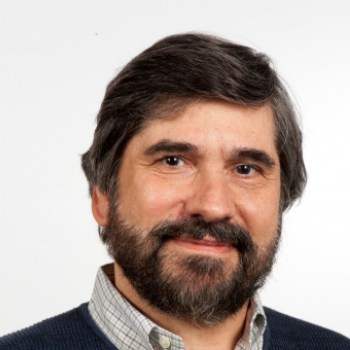
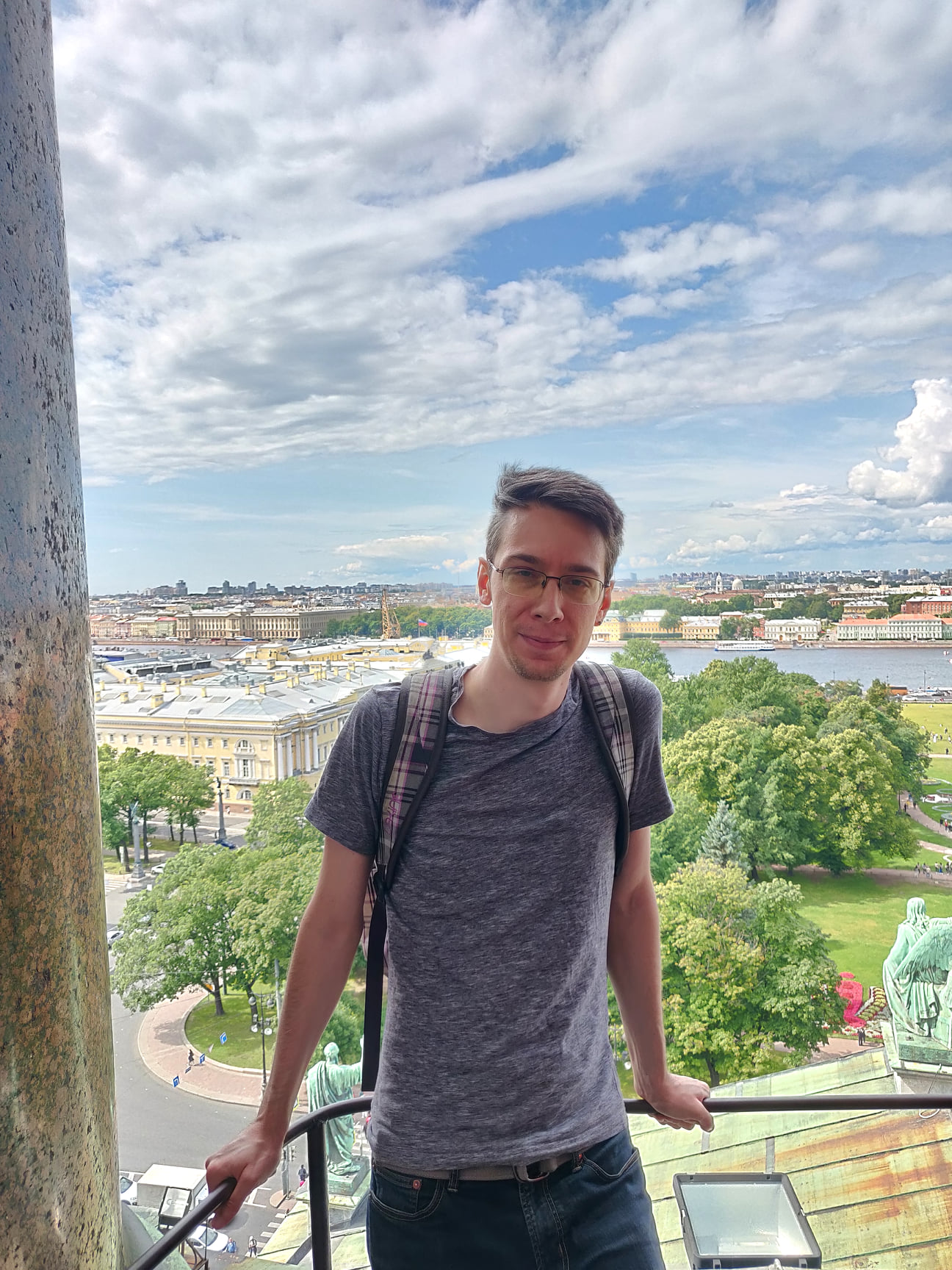
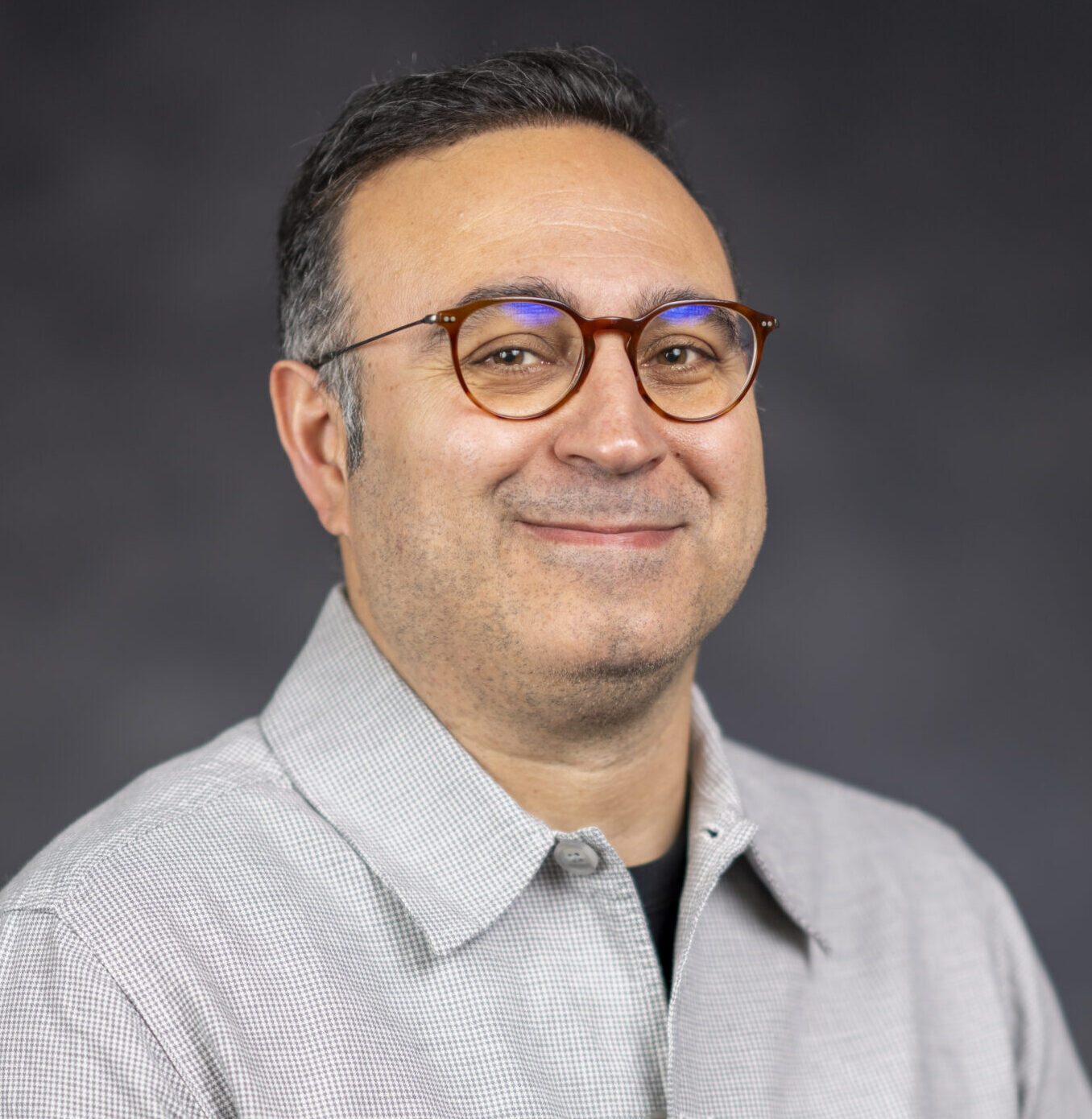
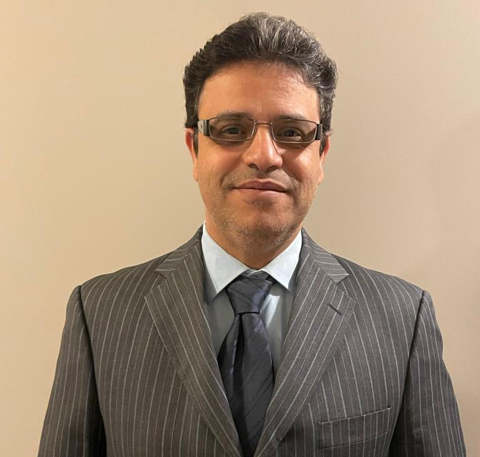
Yonghwi Kwon is a Visiting Assistant Professor in the Department of Computer Science at the University of Virginia. His research focuses on software systems security, cyber forensics, and software engineering. He received the CAREER Award for developing dynamic defenses against cyber threats. His work emphasizes securing software from cyber attacks, recovering forensic evidence, and improving software testing and reverse engineering techniques. Key research areas include memory safety mechanisms, automated vulnerability detection in web applications and mobile systems, and forensic analysis of phishing campaigns. He has pioneered frameworks like CMASan for memory allocator-aware sanitization and Racedb for detecting race conditions in database-backed systems. His contributions span cloud security automation, kernel exploitation analysis, and embedded system fuzzing. Notable achievements include the 2025 CAREER Award supporting his dynamic defense research, and impactful publications in areas like Android information leakage detection (DryJIN), Bluetooth protocol fuzzing (BTFuzzer), and autonomous driving bug discovery (Drivefuzz). His work bridges theoretical computer science with practical cybersecurity solutions.
Professor Ashish Sharma is a Professor of Hydrology and Water Resources in the School of Civil and Environmental Engineering at the University of New South Wales, Sydney, Australia. With a PhD in Civil Engineering from Utah State University and extensive experience in hydrological research, he has established himself as a leading expert in his field. Dr. Sharma's research focuses on hydrological uncertainty, with particular emphasis on the impact of climate change and variability on hydrological practice. His work spans multiple areas including remote sensing applications, stochastic hydrological modeling approaches, development of hydrological models, and addressing key hydrology challenges such as design flood estimation and water resources management. He has made significant contributions to understanding how climate change affects hydrological extremes and water availability. His publications reveal a strong trend toward advanced modeling techniques for climate change impact assessment, with recent work focusing on spectral transformation methods, multivariate bias correction in climate models, flood forecasting improvements, and the relationship between temperature and precipitation extremes. His research increasingly integrates remote sensing data with hydrological modeling to address challenges in data-scarce regions. Professor Sharma has held significant leadership positions including President of the International Commission of Hydrologic Sciences (IAHS) Commission on Statistical Hydrology (STAHY) since 2016, service on the Australian Research Council's College of Experts twice, and participation on the Technical Committee for the Australian Rainfall and Runoff Design Flood Estimation guidelines (ARR2016). In addition to his research leadership, Professor Sharma actively mentors students and collaborates with researchers globally, as evidenced by his extensive publication record across top hydrology and climate journals. His work bridges theoretical hydrology with practical applications for water resources management under changing climate conditions.
Andrew Macintosh is a Professor at the Australian National University College of Law, where he serves as Associate Dean (Research). He is a leading environmental law and policy scholar with extensive expertise in climate change mitigation and adaptation, carbon markets, and environmental impact assessment processes. Professor Macintosh's research is distinctly cross-disciplinary, applying legal, economic, and political science methodologies to environmental policy challenges. His work has established him as one of Australia's foremost experts on carbon offsets, land sector carbon abatement, and federal environmental law. His publications in prestigious journals including Nature Climate Change and the Journal of Environmental Law demonstrate the high impact of his scholarly contributions. His recent publications reveal a consistent focus on the integrity of Australia's carbon credit system, particularly examining human-induced regeneration projects, landfill gas methods, and nature-based markets. His research critically assesses regulatory compliance, measurement accuracy, and actual environmental outcomes of carbon offset projects, highlighting systemic issues in policy implementation. Among his notable recognitions is the Schlamadinger Prize for Climate Change Research awarded in 2012. Professor Macintosh maintains significant policy engagement through leadership roles including Chair of the Australian Emissions Reduction Assurance Committee, Director of the Port of Newcastle, and membership on the Australian Government's Emissions Reduction Fund Expert Reference Group and National Greenhouse Gas Inventory User Reference Group. His previous roles include Chair of the Domestic Offsets Integrity Committee and Associate Member of the Australian Climate Change Authority. He serves as an editor of the Environmental and Planning Law Journal . His work bridges academic research and practical policy implementation, with regular advisory roles for governments, corporations, and non-government organizations on environmental law and policy matters. Professor Macintosh's research directly informs climate policy development and implementation at national and international levels.
Ruth Baker is a Professor of Applied Mathematics at the University of Oxford and a key member of the Mathematical Institute . Her work bridges mathematics, computational modeling, and biology to address complex developmental systems. Research Interests : Developing mathematical frameworks for cell and tissue-level biological processes Integrating computational and statistical methodologies with experimental data Exploring data-driven modeling for multidisciplinary collaboration Scientific Awards : Simons Investigator (2024-2029) Royal Society Wolfson Research Merit Award (2017-2022) FIMA (2021) FRSB (2020) Leverhulme Research Fellowship (2017-2019) London Mathematical Society Whitehead Prize (2014)
Guido Pintacuda is a CNRS Research Director and Head of the Lyon High-Field NMR Center (CRMN) at École Normale Supérieure de Lyon since 2019. His work centers on advancing solid-state NMR methodologies with ultra-fast magic-angle spinning (MAS) to achieve atomic-level resolution in complex biomolecular and materials systems that are intractable to conventional techniques. Educational background: Undergraduate studies (1992-1997) and PhD in Sciences (1998-2002) at Scuola Normale Superiore in Pisa, Italy; postdoctoral research at Karolinska Institutet (2001-2004) and Australian National University (2004). Research interests focus on pushing NMR frontiers through high-field instrumentation and fast MAS (up to 160 kHz), with dual objectives: (i) biomolecular structure determination for membrane proteins, amyloid fibrils, and viral assemblies; (ii) solid-state NMR of paramagnetic materials like battery cathodes and catalysts. His innovations include proton detection in fully protonated proteins and DNP-enhanced sensitivity. Recent publications (2021-2024) show heavy emphasis on proton-detected NMR under fast MAS for structural biology, alongside growing work in paramagnetic materials. Key trends include method development for μs–ms dynamics, miniature rotor protocols for membrane proteins, and collaborations with Bruker for 150+ kHz probe technology. Scientific awards: ERC Consolidator Grant (P-MEM-MAS, 2015-2021) Sackler Prize (2017) ISMAR Fellow (2020) Mentoring and grants: Principal investigator for major projects including ERC (2.5 M€), ANR CTRbyNMR (384 k€), and EU PANACEA (5 M€, co-coordinator). Actively mentors PhD student Clément Ollier and postdocs (Z. Sun, S. Medina-Gomez) at ENS Lyon and international schools. Labs and teams: Directs CRMN (UMR 5082 CNRS/ENS Lyon/UCBL), a world-class NMR facility with unique high-field equipment. Leads a research group developing 150+ kHz MAS probes in partnership with Bruker Biospin and maintains strong ties to the University of Delaware (T. Polenova) and European networks.
Professor Ioannis Katakis is a Faculty Member at the University of Nicosia, where he is affiliated with the School of Sciences and Engineering and the Department of Computer Science. He has held various academic positions across multiple institutions including Aristotle University of Thessaloniki, University of Cyprus, Cyprus University of Technology, Open University of Cyprus, Hellenic Open University, Athens University of Economics and Business, and National and Kapodistrian University of Athens. His educational background includes a PhD in Machine Learning for Automated Text Classification (2005-2009), a Master's in Information Systems (2005-2007), and a Bachelor's in Computer Science (2000-2004), all from Aristotle University of Thessaloniki. Professor Katakis specializes in several cutting-edge areas of computer science and data analysis. His primary research interests include Mining Social, Web and Urban Data , Sentiment Analysis and Opinion Mining , Data Streams , and Multi-label Learning . His work bridges theoretical machine learning approaches with practical applications in social media analysis, healthcare informatics, privacy protection, and smart city technologies. He has published extensively in top venues including CIKM, ECML/PKDD, IEEE TKDE, and ECAI. His recent publications demonstrate a clear trend toward applying machine learning techniques to real-world problems with societal impact. He has focused on areas such as GDPR compliance in smart devices, sentiment analysis in crowd-sourced content, healthcare applications including drug reaction classification and brain disease monitoring, and privacy protection in wearable technologies. His work often involves multi-modal data analysis and addresses challenges in data streams and multi-label classification. Professor Katakis has made significant contributions to his field, with his research cited over 4,200 times. He serves as an Editor for the journal Information Systems and has edited four special issues in journals such as DAMI and InfSys. He regularly contributes to the academic community by serving on program committees for major conferences including ECML/PKDD, WSDM, DEBS, and IJCAI, and by reviewing for prestigious journals like TPAMI, DMKD, TKDE, TKDD, JMLR, TWEB, and ML. He has been actively involved in European research projects, notably serving as Quality Assurance Coordinator and Senior Researcher for projects such as VAVEL (www.vavel-project.eu) and INSIGHT (www.insight-ict.eu). His grant activities demonstrate a strong focus on collaborative, interdisciplinary research with practical applications in urban data management, social media analysis, and healthcare informatics. He has organized three workshops at major conferences (ICML, ECML/PKDD, EDBT/ICDT) and has extensive experience translating research into practical applications through his involvement in European projects.
Prof. Dr. Frank Meisel holds the Chair for Supply Chain Management at the Christian-Albrechts-University of Kiel, within the Faculty of Law, Economics and Business. His research focuses on mathematical modeling and quantitative solution methods for the design and operation of production, distribution, and service networks. 1998-2003: Studied Traffic Engineering at the Technical University of Dresden 2008: Received Dr. rer. pol. with thesis "Seaside Operations Planning in Container Terminals" 2014: Completed Habilitation in Business Economics with thesis "Papers on the Design and Operations of Production-, Distribution- and Service-Networks" Since 2013: Professor of Supply Chain Management at Kiel University Prof. Meisel's research spans multiple areas of logistics and operations research. His primary interests include maritime logistics, particularly container terminal operations; vehicle routing problems with synchronization requirements; and integrated planning of production-distribution networks. He develops mathematical models and optimization algorithms to address complex logistical challenges in various industry contexts, from seaport operations to healthcare logistics and urban waste management. His work bridges theoretical operations research with practical logistics applications across diverse sectors. His publication record demonstrates a progression from specialized maritime logistics problems to broader supply chain applications. Recent work shows increasing focus on sustainability considerations and the integration of multiple operational decisions across different parts of supply networks. His research has significant practical implications for container terminal operations, intermodal transportation, and service logistics. Prof. Meisel actively contributes to the academic community through conference presentations at major events including EURO, IFORS, and specialized workshops on maritime logistics. His work appears in top-tier journals such as Transportation Science, European Journal of Operational Research, and Computers & Operations Research. He teaches courses including Supply Chain Management, Production and Logistics, and Operations Management at both undergraduate and graduate levels. His educational contributions include developing curriculum for English-language business programs and supervising student research projects in logistics optimization.
Christos G. Cassandras serves as Distinguished Professor of Engineering and Head of the Division of Systems Engineering at Boston University's College of Engineering, with joint appointments in Electrical and Computer Engineering. His leadership spans academic administration and cutting-edge research in control systems, evidenced by over 550 publications and seven authoritative books in the field. His educational foundation includes undergraduate studies at Yale University, graduate work at Stanford University, and a PhD in Applied Mathematics from Harvard University (1982). This multidisciplinary background underpins his research approach. Dr. Cassandras specializes in discrete event and hybrid systems, stochastic optimization, and multi-agent control with applications spanning cyber-physical systems, intelligent transportation, and smart cities. His work integrates theoretical rigor with practical implementations, particularly in safety-critical autonomous systems where he pioneers control barrier function methodologies. Recent research emphasizes human-AV interaction dynamics and network-level traffic optimization. Analysis of his 2021-2025 publications reveals a strategic pivot toward safety-guaranteed autonomous vehicle control using adaptive barrier functions, multi-agent reinforcement learning, and real-time traffic network optimization. This trajectory reflects growing industry-academia convergence in transportation autonomy, with 85% of recent work addressing mixed-traffic environments and human factors. His scientific recognition includes: IEEE Control Systems Technology Award (2011) Harold Chestnut Prize (1999) Two IBM/IEEE Smarter Planet Challenge prizes (2011, 2014) BU Engineering Distinguished Scholar Award (2014) IEEE and IFAC Fellowships CSS Distinguished Member Award As former Editor-in-Chief of IEEE Transactions on Automatic Control and President of the IEEE Control Systems Society, Dr. Cassandras has shaped global research directions. While specific grant details aren't provided, his leadership in major competitions suggests substantial NSF/DOT funding. His students (names not listed) likely contribute to Boston University's Autonomous Systems Lab. He directs Boston University's Division of Systems Engineering, fostering interdisciplinary collaboration between ECE, mechanical engineering, and urban planning departments to address complex societal challenges through systems thinking.
John Infranca is an Associate Professor of Law at Suffolk University School of Law , where he serves as Director of Faculty Scholarship & Research. His work bridges land use regulation , affordable housing policy , property theory , and law and religion , with a focus on urban legal frameworks and regulatory innovation. Education: JD from New York University School of Law, MTS in Moral Theology from Notre Dame, BA in Liberal Studies from Notre Dame. His research examines zoning reforms , sharing economy regulation , and religious liberty-adjacent land use issues . He co-edited the Cambridge Handbook on the Law of the Sharing Economy (2018) and the Elgar Research Agenda for Land Use and Planning Law (2023). Recent articles analyze exclusionary zoning , development rights transfers , and state-level preemption in housing crises . His work has been recognized in leading journals and forums, including the Stanford/Harvard/Yale Junior Faculty Forum (2020). Notably, he has served as a Florence Rogatz Visiting Professor at Yale Law School (Spring 2024, returning 2026) and teaches courses in Property Law , Land Use , and Religion & Law . Scientific Recognition: Differentiating Exclusionary Tendencies selected for Stanford/Harvard/Yale Junior Faculty Forum (2020) Multiple articles featured in Land Use & Environmental Law Review as top land use law works
Trevor Brown is an Associate Professor in the Computer Science department at the University of Waterloo, affiliated with the Cheriton School of Computer Science. He leads the Multicore Lab and specializes in concurrent data structures, non-blocking algorithms, and memory management. His research bridges theory and systems, focusing on practical implementations of lock-free trees, transactional memory, and techniques for non-uniform memory architectures. Education includes a PhD in Computer Science from the University of Toronto and a B.Sc. in Computer Science and Mathematics from York University. Research interests center on concurrent systems, with recent work exploring hardware-accelerated indexing, memory reclamation techniques, and performance anomalies in microbenchmarks. His publications demonstrate consistent innovation in parallel computing, with articles frequently appearing at top conferences like PPoPP, SPAA, and DISC. Sustainable energy research includes optimizing hybrid power systems and battery storage solutions. Awards include multiple best paper/artifact recognitions at SPAA and PPoPP, teaching excellence honors, and nominations for the Governor General’s Gold Medal. Extensive advising includes 13+ graduate students and PDFs, with research grants exceeding $965K from NSERC, Huawei, and CFI. He directs the Multicore Lab, developing open-source tools like SetBench for rigorous performance benchmarking.
Canan ATILGAN is a Professor at the Faculty of Engineering and Natural Sciences, Sabanci University, Istanbul, Turkey. She has held leadership roles including Dean (2018-2020), Director of the Graduate School (2018-2020), and President of the Science Academy (2021-present). Her research focuses on computational tools for protein conformational transitions, allosteric communication, and antibiotic resistance mechanisms. Ph.D. (1996) and B.S. (1991) in Chemical Engineering from Boğaziçi University A pioneer in perturbation-response scanning and network-based protein modeling, her work bridges biophysics, structural biology, and molecular evolution. She has supervised 15 PhD and 17 MS students, emphasizing accessible computational biophysics education through workshops and seminars. Her recent publications highlight allosteric mechanisms in biosensors, β-lactam resistance via TolC dynamics, and evolutionary fitness landscapes. Awards include EMBO and Academia Europaea membership, L’Oréal Turkey Young Women Scientist Fellowship, and TÜBA-GEBİP Distinguished Young Scientist Award. President, Science Academy (2021) EMBO Elected Member (2023) TÜBA-GEBİP Distinguished Young Scientist (2004) She leads the MIDST Lab, contributes to Turkish science communication via sarkac.org, and organizes 'Dialogues in the MIDST' workshops for graduate students. Her work integrates theoretical models with experimental validation in iron transport proteins and resistance mechanisms.
Dr. Babak Taheri is a Full Professor at Texas A&M University's Department of Hospitality, Hotel Management & Tourism, affiliated with the College of Agriculture & Life Sciences. He holds an Honorary Professorship in Marketing at the University of Aberdeen and has held visiting professor roles at institutions like the University of Sassari and the University of Central Florida. His expertise spans consumer engagement, sustainability, and mixed-method research in tourism and hospitality. Education: BSc Industrial Engineering (Azad University), MSc Information Systems (Glasgow Caledonian University), PhD in Marketing (University of Strathclyde) with a focus on tourism. Additional credentials include a PhDip in Research Methods and MRes in Management Science. Research focuses on consumer behavior, co-creation value, CSR, and climate change impacts. He has published over 150 papers and serves as Associate Editor for The Service Industries Journal and International Journal of Contemporary Hospitality Management . Awards include Fellow of The Higher Education Academy and multiple Best Reviewer accolades. Leadership includes roles at Durham University, Strathclyde, and others. He secured grants exceeding $3M from Horizon 2020 and Innovate UK. Teaching spans BSc to PhD levels, emphasizing experiential learning. Media contributions include articles in The Conversation and The Irish Times. Grants & Leadership: Academic leadership in research and teaching, with grants focused on innovation and resilience in hospitality sectors.
Dr. Mohamed Youssef is an Associate Professor in the Department of Electrical, Computer and Software Engineering at Ontario Tech University. He holds a PhD (Electrical and Computer Engineering) from Queen’s University (2005). His primary affiliation is the Faculty of Engineering and Applied Science, with research focusing on propulsion systems, power electronics, railway systems, and renewable energy technologies. Education: PhD, Electrical and Computer Engineering, Queen’s University (2005) MSc, Power Electronics, Concordia University (2001) MSc, Electric Power and Machines, Ain Shams University (1999) BSc, Electric Power and Machines, Ain Shams University (1995) Research Interests: Dr. Youssef’s expertise spans propulsion systems for automotive and hyperloop technologies , power electronics for IoT and renewable energy , railway electromagnetic compatibility , and power system stability . His work emphasizes practical applications in electric vehicles, smart grid integration, and sustainable energy systems. He leads the PEDAL (Power Electronics and Drives Laboratory) at Ontario Tech. Awards and Recognition: Recipient of the NSERC Post-doctorate Scholarship (2006) Best Paper Award at IECON 2004 Award of Merit from Ontario Center of Excellence (2006) Nominated for the Howard Alper Prize (2007) Professional Activities: He serves as a reviewer for IEEE Transactions on Power Electronics , IEEE Transactions on Industrial Electronics , and others. He has held roles as Technical Chair at IEEE SEGE 2015 and Track Chair at IEEE SEGE 2016. Current affiliations include Senior Member of IEEE and Chair of the IEEE Power Electronics Chapter in Toronto. Labs and Teams: He directs the PEDAL Lab , focusing on advanced power electronics and electric vehicle technologies. Collaborations include Bombardier Transportation and Armstrong Pumps.
Professor Roy Pea is the David Jacks Professor of Education & Learning Sciences at Stanford University, with a courtesy appointment in Computer Science. He served as Director of the H-STAR Institute (2007-2021) and founded Stanford’s PhD program in Learning Sciences and Technology Design. His research focuses on technology-enhanced learning, social foundations of human learning, and interdisciplinary applications of digital tools. Stanford University, School of Education Graduate School of Education Department Courtesy appointment in Computer Science His work spans complex domains like concussion education, climate change learning, and AI-driven mental health interventions. He co-authored the 2010 National Education Technology Plan and co-edited key texts including Video Research in the Learning Sciences and AI in Education . His NSF-funded LIFE Center (2004-2014) advanced learning science theories. Recent publications address: (1) linguistic framing of concussions and reporting behavior, (2) AI chatbots for mental health, (3) "engineering fiction" to reduce climate change abstractness, and (4) immersive AR/LLM learning experiences. His research integrates data science, psychology, and educational technology. Fellow, American Academy of Arts and Sciences (2019) Inaugural Fellow, International Society of the Learning Sciences (2018) Honorary Doctorate, The Open University (2018) Best Bridging Paper, EDM 2014 LAK13 Best Paper Award (2013) Roy mentors doctoral and master’s students in learning sciences, advising on topics related to technology, cognition, and equity. He contributes to digital education policy through roles on advisory boards for organizations like NSF, NIH, and the Joan Ganz Cooney Center. His patents include methods for digital video analysis and collaborative learning systems.
Brandon Weissbourd is an Assistant Professor in the Biology department at the Massachusetts Institute of Technology (MIT) and holds a joint appointment as an Investigator at the Picower Institute for Learning and Memory. He joined MIT in 2023 after completing a postdoctoral fellowship in the lab of David Anderson at the California Institute of Technology (Caltech). Prior to that, he earned his PhD in Biology from Stanford University in 2016 under the mentorship of Liqun Luo, and a BA in Human Evolutionary Biology from Harvard University in 2009. His research interests encompass systems neuroscience, evolutionary biology, and molecular biology. He uses jellyfish models, such as Clytia hemisphaerica, to study the evolution and functional mechanisms of nervous systems. His work combines computational techniques like single-cell RNA-seq and advanced microscopy with traditional genetic and anatomical approaches to dissect neural circuits and their roles in behaviors like feeding and social interaction. Additionally, he has explored serotonin and noradrenaline systems in mammals, focusing on their heterogeneity and functional connectivity. Recent publications emphasize the utility of non-traditional model organisms for evolutionary studies and underscore his expertise in computational methods for neurobiological analysis. Earlier work includes groundbreaking studies on the dorsal raphe serotonin system and basal forebrain circuits governing sleep-wake cycles. No scientific awards or honors have been explicitly mentioned in the provided text. Weissbourd’s academic trajectory reflects a strong emphasis on interdisciplinary research, merging evolutionary, molecular, and systems-level perspectives to understand neural systems across species. His advising record is not detailed here, though he has been affiliated with prestigious research labs during his training. Current affiliations include the MIT Biology department and the Picower Institute, where he likely contributes to collaborative projects in systems and evolutionary neuroscience. Weissbourd’s work is grounded in experimental models such as Clytia medusa and mouse brain studies, enabling him to investigate both ancient nervous system architectures and modern mammalian neural pathways. His lab’s focus on functional genomics and circuit mapping positions him at the forefront of studies on neural diversity and evolutionary innovation.