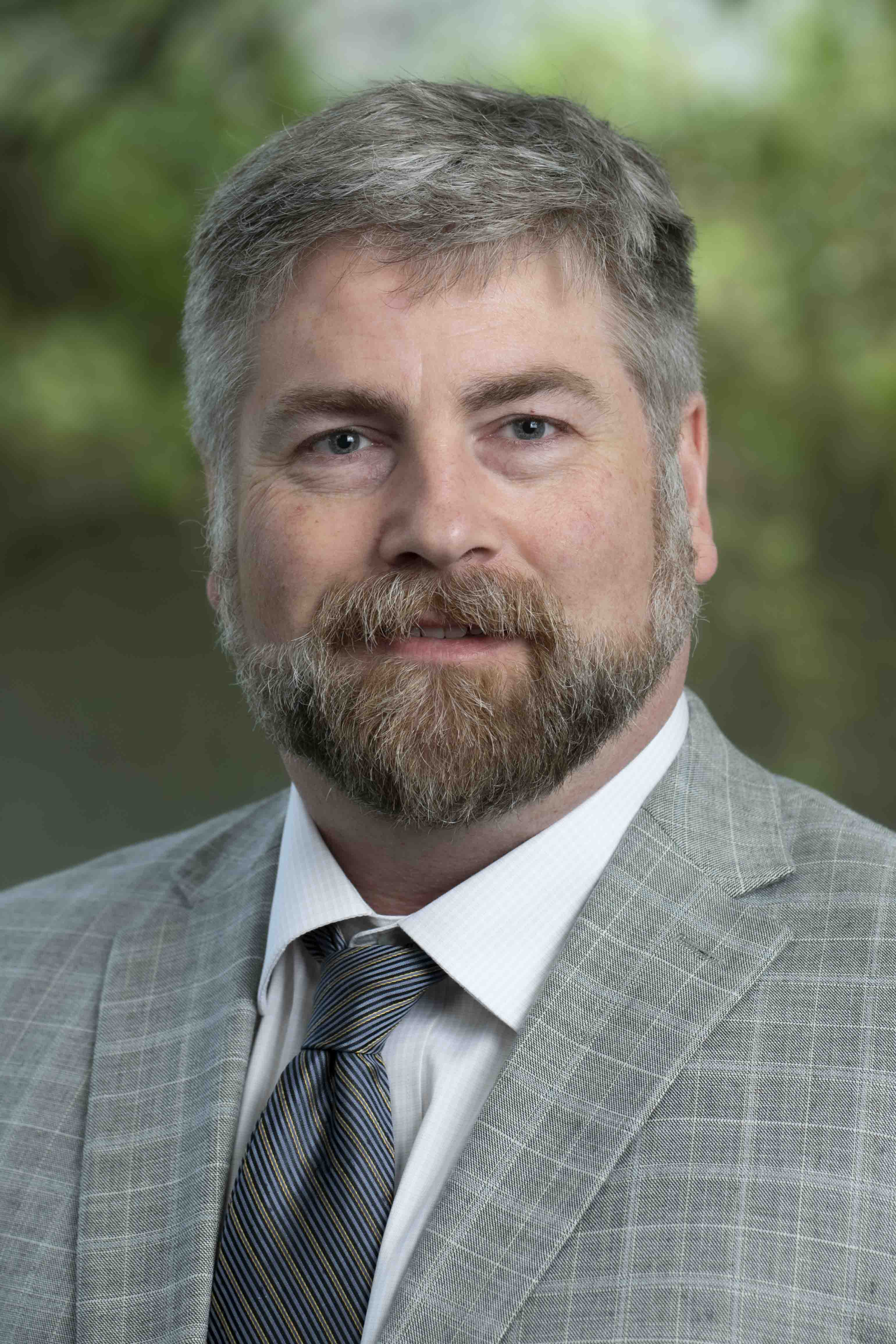
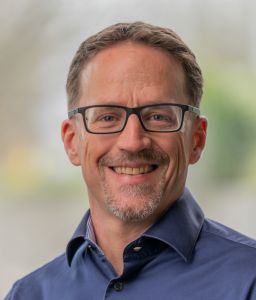
Professor Peter John CBE is the Vice-Chancellor and President of the University of West London. He holds a doctorate from the University of Bristol and has over 30 years of leadership in higher education. His research focuses on higher education policy, marketization, and pedagogical innovation. He authored seven books, including the influential Dimensions of Marketisation in Higher Education , and has secured over £3m in research funding. Education: BA (Wales), MA (London), DPhil (Oxford), PhD (Bristol) Awards: CBE (2020), Honorary Doctorate (Plymouth), Times Higher Leadership Team Award (2017) Leadership Roles: Chair of Access HE, Founding Chair of Learning Analytics Board (UK), Treasurer of University Alliance His research bridges historical scholarship and modern educational challenges, emphasizing technology integration and institutional governance. Recent work critiques market-driven reforms in universities. He advises on policy at national and international levels, including roles at Chinese universities (Fuzhou and Shaoguan). Grants and Funding: Over £3m secured across multiple projects. Active in boards like London Higher and Association of Modern Universities (Million+).
Tara M. Sinclair is Professor of Economics and International Affairs and Chair of the Department of Economics at the George Washington University. She is also affiliated with the Elliott School of International Affairs through the Institute for International Economic Policy and the Institute for European, Russian, and Eurasian Studies. Additional affiliations include the GW Institute of Public Policy Research, the Regulatory Studies Center, and GW-CIBER. Sinclair has held influential public sector roles, including Deputy Assistant Secretary for Macroeconomics at the U.S. Department of the Treasury (2022–2024) and founding Chief Economist at Indeed Hiring Lab. PhD in Economics, Washington University in St. Louis (2005) AM in Economics, Washington University in St. Louis (2001) BA in Foreign Languages, Wheaton College (1996) Her research centers on macroeconomic fluctuations, labor market dynamics, forecasting, and the application of big data to economic analysis. She employs econometric and time series methods to model business cycles, evaluate forecast accuracy, and assess policy impacts. Her work connects academic research with real-world decision-making, particularly in labor markets and monetary policy. Sinclair frequently uses online job posting data to generate timely insights into employment trends. Her recent publications focus on post-pandemic labor market transformations, remote work persistence, forecast evaluation, and regulatory economics. She has published in top journals such as Labour Economics , Journal of Applied Econometrics , Oxford Bulletin of Economics and Statistics , and International Journal of Forecasting . Her research leverages real-time data to analyze topics like unemployment insurance claims, job mismatch, and global hiring trends. Scientific recognition includes membership in the Conference on Research in Income and Wealth (CRIW), the Federal Forecasters Consortium Governing Board, and authorship at VoxEU. She has served as a Special Government Employee on the Bureau of Labor Statistics Technical Advisory Committee. She advises and collaborates with numerous researchers and institutions. Her leadership roles include directing the GW Center for Economic Research (former) and leading research initiatives at Indeed Hiring Lab. She teaches graduate and undergraduate courses in macroeconomics and econometrics, and is frequently cited in major media outlets including the New York Times , Wall Street Journal , and Financial Times , and appears on networks such as CNN, NPR, and Bloomberg. Her research team includes collaborators from Federal Reserve Banks, international organizations, and academic institutions. She leads projects funded by GW-CIBER and contributes to policy reports for the U.S. Treasury and Indeed Hiring Lab.
Festo Kayima is an Associate Professor in Chemistry Didactics at the Department of Teacher Education, Faculty of Social and Educational Sciences, Norwegian University of Science and Technology (NTNU). His research focuses on science teacher education, classroom knowledge, and pedagogical strategies in chemistry. Doctorate in Chemistry Education (2018, University of Bergen) Master’s in Science Education (2020, NTNU) Kayima’s research projects include developing science teacher trainees’ professional knowledge through reflective practice, enhancing scientific literacy, and integrating sustainability into chemistry education. He leads the Erasmus+ project STEMkey (2020–2023), emphasizing graduate attributes and key skills for educators. His recent publications (2025) with Springer explore pedagogical themes like chemical knowledge, outdoor teaching, and technology integration. These works align with broad keywords such as Science Education, Curriculum Development, and Experiential Learning, with subfields spanning digital tools, sustainability, and misconceptions in chemistry. Co-supervised Kristine Fjelldal Sunde’s thesis on teacher questioning in labs He contributes to research groups Naturfaglig Literacy i Skole og Lærerutdanning and ScienceHumanities , bridging interdisciplinary approaches in education. His teaching includes courses like Science as a School Subject (MGLU4211) and Teacher Education: Teaching Chemistry (PPU4626).
Professor Dan Shrubsole is a faculty member in the Department of Geography and Environment at Western University. His research focuses on integrated resource management, particularly water management and environmental policy, with an emphasis on Canada and Queensland, Australia. He has supervised numerous graduate students, including PhD candidates such as D. Bednar (2018) and F. Sekercioglu (2018), and Masters students like E. Cameron (2023). His work explores topics like climate change adaptation governance, small drinking water system sustainability, and flood management policy. Teaching includes GEO 9099 – Research Design and Presentation. Key publications address water governance in Ontario Conservation Authorities, flood risk perceptions, and integrated water resource management. His research spans over three decades, with notable contributions to policy analysis and environmental sustainability. Shrubsole's work bridges academic research and practical policy, emphasizing interdisciplinary approaches. His recent focus includes regulatory reforms for water systems and evaluating floodplain management strategies across Canadian regions. Collaborative projects highlight partnerships with institutions like the Upper Thames Conservation Authority and international case studies in Australia.
Aurélien Tabard is an Associate Professor at LIRIS (Laboratoire d'InfoRmatique en Image et Systèmes d'information), a joint research unit between Université Claude Bernard Lyon 1 and CNRS. His academic career spans over a decade with positions at prestigious institutions including the IT University of Copenhagen, University of Munich, and INRIA. He completed his PhD at Université Paris-Sud in 2009, focusing on supporting lightweight reflection on familiar information. Tabard's research centers on convivial informatics, exploring alternatives to computational platforms that consider digital limits and foster sufficiency, maintenance, autonomy, and durability. His work emphasizes participatory approaches to designing resilient infrastructures and tools for rapid prototyping by non-designers. He investigates software obsolescence, digital sufficiency, and the materiality of data physicalization through projects like Limites Numériques and PC4-Congrats within PEPR eNSEMBLE. His recent publications reveal strong trends toward sustainability in computing, examining how digital systems can be designed with longevity and environmental impact in mind. There's a clear progression from technical HCI research toward broader societal implications of digital technology, particularly focusing on how users experience aging devices and negotiate digital limits collectively. Honorable mention award for 'Obsolescence Paths: living with aging devices' at ICT4S 2023 Student Lea Mosesso received the prize for best MSc thesis from Conseil National du Numérique Tabard actively mentors PhD students including Maëva Calmettes (working on skill and expertise sharing), Edlira Nano (studying software obsolescence), and Lea Mosesso (researching digital sufficiency). He collaborates extensively with researchers across France and internationally, particularly with Inria Lille where he spent a sabbatical in 2023. His current projects involve understanding software obsolescence, digital sufficiency, and the interplay between micro design decisions and systemic forces shaping ICT. He leads the Limites Numériques team, which investigates how to design computational platforms that take digital limits into consideration. The team recently developed an exhibit on water in the digital sector that will travel to Rhône-Alpes in spring 2025. Tabard also contributes to participatory design tools and critical approaches to participatory design, working with colleagues like Nolwenn Maudet, Thomas Thibault, and Romain Rouvoy.
Professor Stefanie Kappler serves as Professor in Conflict Resolution and Peacebuilding at Durham University's School of Government and International Affairs since 2015, following her directorship of the Archbishop Desmond Tutu Centre for War and Peace Studies at Liverpool Hope University. Her research examines contested memories of violence and peacebuilding through extensive fieldwork across Bosnia-Herzegovina, South Africa, Northern Ireland, Cyprus, Brussels, Kosovo, and the Basque Country. Education: PhD from University of St Andrews Research Interests: Kappler investigates memory politics and legacies of violence in peacebuilding, with groundbreaking work on artists' roles in addressing justice demands amid ongoing inequality. Her scholarship explores decolonising peace education and spatial dimensions of peace formation , challenging liberal peacebuilding paradigms through critical analysis of cultural heritage and resistance practices in post-conflict societies. Publication Trends: Her 2021-2025 publications reveal increasing focus on arts-based peace formation , with soundscapes and curation emerging as key methodologies for decolonial memory work. Kappler consistently connects spatial reparations to structural violence while advancing intersectional frameworks that integrate feminist theory with critical peace studies, particularly in Western Balkans and Southern African contexts. Projects and Grants: Kappler leads externally-funded initiatives including: Peace and Memory : Analyzing memory politics-cultural heritage-peacebuilding intersections The Art of Peace : Investigating arts' role in peace formation processes Decolonising Peace Education : Transforming curricula through critical pedagogy Labs and Teams: She collaborates with international research collectives including University of Manchester's Art of Peace network and Aspen Institute Germany, evidenced by her 2024 Western Balkans reconciliation report, though no dedicated physical lab is specified in her profile.
Damon P. Coppola is an Adjunct Assistant Professor at the School of Public Health , specializing in disaster management and emergency preparedness. His work bridges academic theory with practical application through publications and educational campaigns. Key Roles : Adjunct faculty, Author, Emergency Preparedness Educator Research Focus : Coppola’s research emphasizes global disaster management frameworks, risk communication, and climate change adaptation. His publications explore: Incident command systems in international contexts Technological and intentional hazards Humanitarian spending and stakeholder coordination Practical strategies for public and private sector preparedness Climate resilience and geospatial technologies Publications : His works span recent to historical analyses, including: The Path of Flames (2023) on wildfire response Introduction to Homeland Security (2020) on national security frameworks Communicating Emergency Preparedness (2017) on behavioral change campaigns Living with Climate Change (2017) on adaptation strategies
Maria Sydnes serves as an Associate Professor in the Department of Technology and Security at UiT The Arctic University of Norway, Tromsø. Her academic work focuses on emergency management and organizational resilience within high-risk Arctic environments, with particular emphasis on maritime safety and cross-border crisis coordination between Norway and Russia. Her research interests span interorganizational coordination during emergencies, organizational learning for resilience building, and practical applications of lean production principles in crisis contexts. She investigates Arctic-specific challenges including avalanche response in Longyearbyen, oil spill management in polar waters, and integration of unorganized volunteers into formal emergency systems, consistently addressing the intersection of climate change impacts and security vulnerabilities. Analysis of her publication record reveals a strong trend toward interdisciplinary solutions for Arctic safety, with recurring themes of Norwegian-Russian cooperation, maritime risk assessment, and adaptive governance structures. Her work bridges theoretical frameworks with real-world case studies—from Svalbard waters to the Barents Sea—demonstrating practical approaches to disaster risk reduction in extreme environments. Dr. Sydnes actively participates in multiple research initiatives including the Climate Change Adaptation and Secure Societies groups. Her current projects encompass Co-producing knowledge about risk and safety of maritime activities around Svalbard SPRICE (spray icing modelling for maritime decision support) GLOBSEC (North-South security partnerships) NoCoU (civil security for Norwegian communities) Beredt! (risk-based governance for climate-driven natural hazards) highlighting her commitment to scalable, community-focused security solutions in vulnerable Arctic regions.
Professor Jennifer Whyte is a Professor and Director of the John Grill Institute for Project Leadership at the University of Sydney's School of Project Management (Faculty of Engineering). Her research focuses on project leadership, systems integration, digital transformation in construction, and future-making practices. She previously led the School of Project Management (2021-23) and holds a retained Professorship at Imperial College London's Department of Civil and Environmental Engineering. She is a Policy Fellow of the Institution of Civil Engineers, contributing to industry policy and advisory boards such as the UK Construction Leadership Council. Education: Holds a PhD and is a Fellow (FICE) of the Institution of Civil Engineers. Her work bridges academia and industry, emphasizing practical impact through tools like digital twins and visualization technologies. Current projects include the Alan Turing Institute's Data-Centric Engineering Programme (Grand Challenge III) and the EPSRC-funded VENTURA Project's Virtual Decision Room initiative. Research interests span infrastructure projects, innovation ecosystems, and leadership in complex environments. She actively supervises doctoral students exploring areas like risk management in construction and digital transformation in public institutions. Awards include recognition for policy contributions and leadership in project-based organizations. Grants include funding for Big Data-driven stakeholder engagement in mega-projects and collaborations on new energy technologies. Her global links include Imperial College London and ongoing partnerships with institutions in the UK and Australia.
Julia Pargmann is a Lecturer and researcher in Vocational Education and Lifelong Learning at the University of Hamburg's Faculty of Education. Her research examines digitalization, AI integration, and sustainability in vocational education, particularly accounting instruction. She develops AI-based educational tools like the EDDA platform for lesson planning. Current doctoral research focuses on sustainability competencies in accounting education. She holds a Master of Education in Business Education from University of Oldenburg. Key Projects: EDDA AI lesson planning platform, R package for educational research Teaching: Didactics of business education, classroom management
Jason Aamodt is an Assistant Professor in the Department of Management at Oklahoma State University, where he teaches courses in Environmental Law, Natural Resources Law, Water Law, International Environmental Law, and Corporate and Sustainable Responsibility. He also previously served as Assistant Dean for Online Legal Education and taught at the University of Tulsa College of Law, contributing significantly to legal education with a focus on sustainability and tribal issues. His educational background includes a Bachelor's degree in Chemistry/Environmental Science from the State University of New York at Plattsburgh and a Juris Doctorate from the University of Tulsa College of Law. Dr. Aamodt’s research centers on sustainable development, environmental justice, and tribal legal rights, with a particular emphasis on natural resource protection, energy access, and legal frameworks for sustainability. His work bridges law, policy, and environmental science, aiming to advance equitable and sustainable legal solutions. His recent publications explore conjunctive resource management, sustainable energy technologies for underserved populations, and lessons from China’s biogas programs. These works reflect a consistent focus on interdisciplinary approaches to environmental challenges, especially in the context of tribal and developing communities. National Law Journal Top-25 Jury Verdict (2013) Settled the fifth largest Indian Trust Accounting case Certified the first class action in Oklahoma based on an air dispersion model Established a new cause of action against the United States for Indian Tribes As both a practicing attorney and academic, Jason Aamodt advises on complex litigation involving Indian tribes, environmental contamination, and trust accounting. His professional work includes securing landmark legal victories and shaping policy through scholarly contributions. He is actively involved in grants and research initiatives related to sustainable development and environmental law, though specific funding sources are not detailed in the text. There is no mention of formal lab affiliations or research teams in the provided text, but his interdisciplinary research and teaching suggest collaboration across law, environmental science, and management disciplines.
Cameron Ainsworth is a Professor at the University of South Florida’s College of Marine Science , specializing in biological oceanography and fisheries ecosystem modeling . His research focuses on how human activities and climate change affect marine ecosystems, with an emphasis on developing tools for ecosystem-based management. He leads the Fisheries and Ecosystem Ecology Lab , where he and his students use advanced modeling techniques to assess marine food webs, population dynamics, and environmental policy outcomes. Education: Ph.D. in Oceanography, University of British Columbia (2006) Research Interests: Dr. Ainsworth’s work integrates ecosystem modeling , fisheries management , and climate impact assessment . His lab uses statistical and numerical models to simulate marine ecosystems, evaluate the effects of oil spills, and inform marine protected area design. A major focus is the Gulf of Mexico , where he collaborates with NOAA and regional agencies to support Integrated Ecosystem Assessments . Scientific Awards: Sloan Research Fellowship (2013) – awarded for outstanding early-career contributions to marine science Lab and Team: Dr. Ainsworth leads the Fisheries and Ecosystem Ecology Lab at USF, which includes graduate students and postdocs working on projects related to oil spill recovery, marine restoration, and fisheries management. The lab is actively involved in NOAA-funded initiatives and Gulf-wide ecosystem assessments.
Dr. Marcel Mierwald is a researcher at the Department of History Didactics at Ruhr University Bochum, specializing in empirical studies of historical learning. He collaborates on the oral history project "People in Mining" and focuses on digital learning, epistemological beliefs, and language-sensitive history teaching. His work bridges theoretical frameworks with classroom practice. Education: Doctoral degree (2019) at Ruhr University Bochum; Master of Education in social studies and history (Free University of Berlin, 2012). Research Trends: His recent publications emphasize authenticity in learning materials, media comparison studies, and assessment tools for historical argumentation. Collaborations with Nicola Brauch and others highlight interdisciplinary approaches to history education. Scientific Awards: Doctoral scholarship from Professional School of Education (PSE) at Ruhr University Bochum (2013-2016). Teaching: Offers courses on subject didactics, practical semester preparation, and language-sensitive history teaching. Led seminars on migration history, the Weimar Republic, and National Socialism in school labs. Labs & Teams: Active in the Alfried Krupp Student Laboratory and Ruhr University Bochum's student laboratory for humanities, focusing on empirical history education research and innovative teaching methods.
Einar Lie is a Professor of Economic History at the Department of Archaeology, Conservation and History, University of Oslo. He holds a cand.polit. in Economics (1991) and a dr.philos. in History (1996) from the University of Oslo. Lie has undertaken research stays at INSEE (Paris), Lancaster University, University of Oxford, and UC Berkeley. He served as Vice Dean for Research at the Faculty of Humanities, University of Oslo (2010-2014), and as Board Chairman of the Norwegian University Center in St. Petersburg (2011-2014) and Kultrans. Lie is a member of the Norwegian Academy of Science and Letters and has contributed to boards of institutions like the Nansen Fund and Rosendal Barony. Education: cand.polit. (Economics), University of Oslo (1991) dr.philos. (History), University of Oslo (1996) Einar Lie's research focuses on Norwegian economic and political history, particularly state-business relations in banking, manufacturing, and the oil sector. His work explores themes like economic policy, central banking, state ownership, and statistical methodologies. Lie's publications include analyses of Norway's postwar economic strategies, the origins of the Norwegian Oil Fund, and the interplay between technocrats and policymakers in historical contexts. His work often bridges economic theory and historical practice, emphasizing institutional and methodological developments. Lie's scholarly contributions span economic policy debates, banking crises (e.g., 1987-1992), and state interventions in industry. His recent articles address historical lessons for contemporary fiscal and energy policies, with a focus on Norway's unique economic model. Lie's interdisciplinary approach incorporates economic theory, statistical science, and political economy. Scientific Awards: Member of the Norwegian Academy of Science and Letters As a regular op-ed columnist for Aftenposten , Lie engages public discourse on topics like climate policy, economic inequality, and historical parallels in modern governance. He contributes to research groups on contemporary history and climate-environment-energy studies (KLIMER) at the University of Oslo.
Richard Margerum serves as Professor of Planning, Public Policy, and Management and Associate Dean for Faculty and Academic Affairs in the College of Design at the University of Oregon. His scholarly work focuses on collaborative governance frameworks for resolving complex environmental and planning challenges, with particular expertise in watershed management systems and metropolitan governance structures. His educational foundation includes: PhD in Urban and Regional Planning (with Law minor) from the University of Wisconsin, Madison (1995) MS in Water Resources Management from the University of Wisconsin, Madison (1992) MCRP in Environmental Planning from the University of Cincinnati (1989) BA in Geology from Wittenberg University (1987) Margerum's research examines collaborative decision-making processes through multiple theoretical lenses, developing practical frameworks for implementing collaborative governance in environmental contexts. His seminal MIT Press book Beyond Consensus: Improving Collaboration to Solve Complex Public Problems establishes foundational principles for moving beyond theoretical consensus to actionable solutions. Current investigations explore the professionalization of watershed councils, stakeholder motivations in restoration efforts, and network-based approaches to collaborative planning. Analysis of his publication trajectory (2022-2008) reveals three dominant thematic strands: (1) collaborative hazard mitigation planning informed by enhanced information utilization, (2) professionalization dynamics within watershed management organizations, and (3) metropolitan governance challenges in regional planning contexts. His work consistently bridges academic theory and practical application, often employing comparative international methodologies and mixed-methods evaluation frameworks. Margerum actively mentors graduate students through co-authored research, with recent advisees including Curtis Thomas, Sam Ault, Stephen Dobrinich, Ray McPadden, and Andrew Dutterer. He directs the Oregon Experiential Learning Model and has secured sponsored research funding for collaborative governance initiatives. His Collaboration Curriculum instructional resource demonstrates commitment to pedagogical innovation, providing free teaching materials adopted by institutions worldwide. He leads interdisciplinary research teams working with watershed councils, government agencies, and nonprofit organizations to develop implementable collaborative frameworks. Current projects focus on improving information flows in collaborative hazard mitigation and evaluating network effectiveness in metropolitan governance systems.