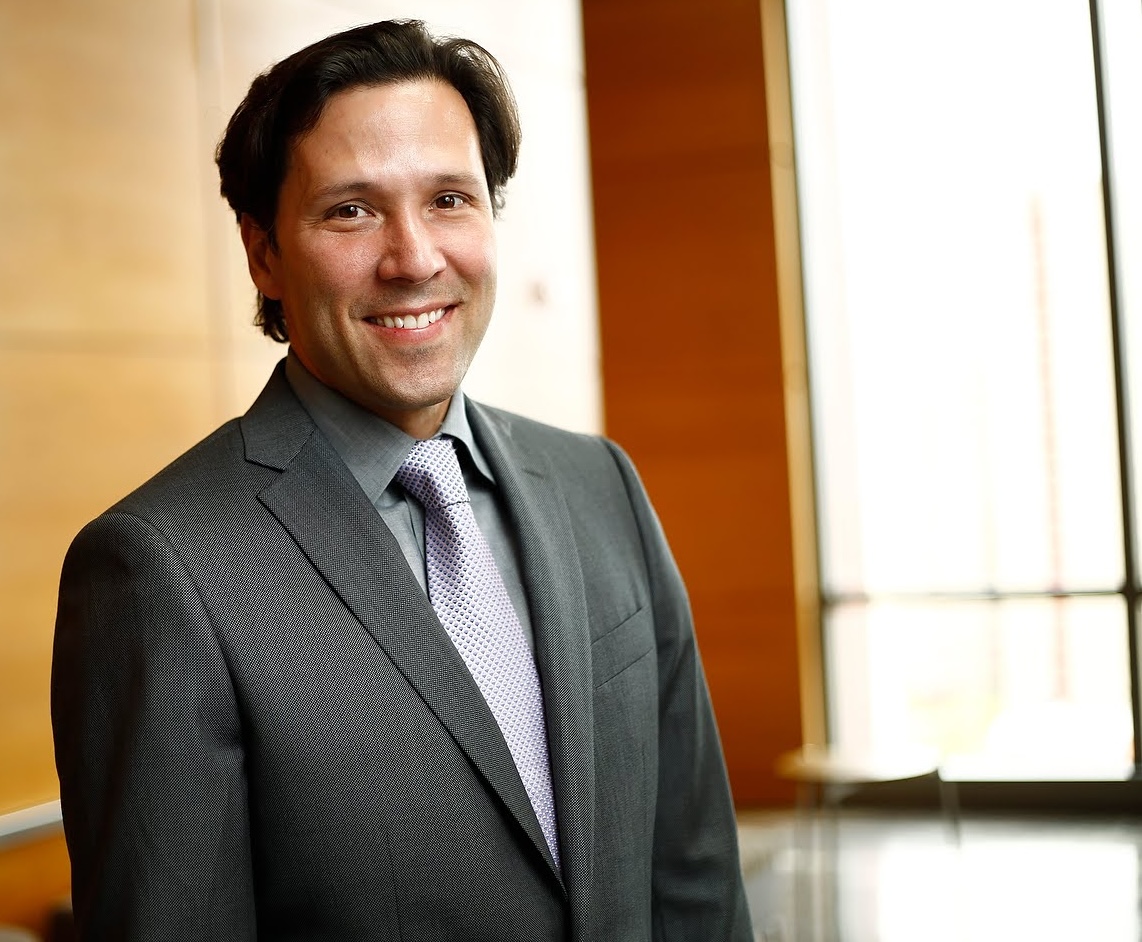
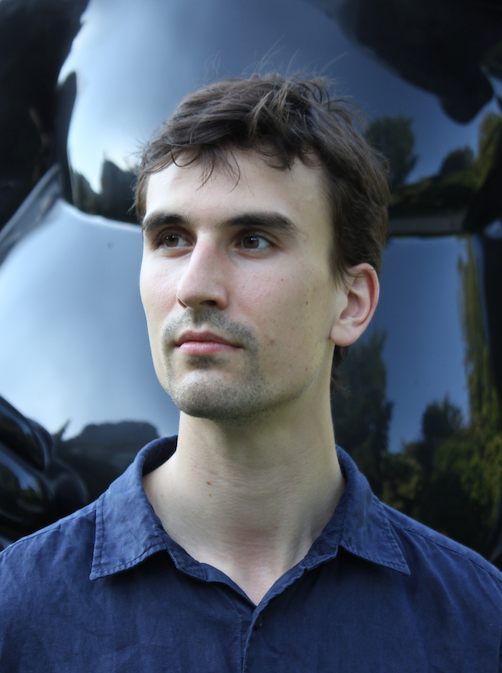
Eduardo Azevedo is the John M. Bendheim and Thomas L. Bendheim Professor of Business Economics and Public Policy at the Wharton School , University of Pennsylvania. He holds a courtesy appointment as Professor of Economics and was awarded the 2016 Sloan Foundation Fellowship. His research integrates economic theory with practical applications across science and business domains. His research interests include: Market design Selection markets Social science genetics Experimental economics Game theory Recent publication trends focus on: Economic theory applications to healthcare and digital markets Empirical Bayes methods in A/B testing Adverse selection in insurance markets Strategic behavior in two-sided matching Evolutionary behavioral economics He serves as an instructor for BEPP2500 - Managerial Economics , emphasizing real-world application of microeconomic theory to business problems. His work also involves software development for economic research, including MATLAB-based empirical Bayes tools for analyzing treatment effects in large-scale experiments. Scientific awards : Sloan Foundation Fellow (2016)
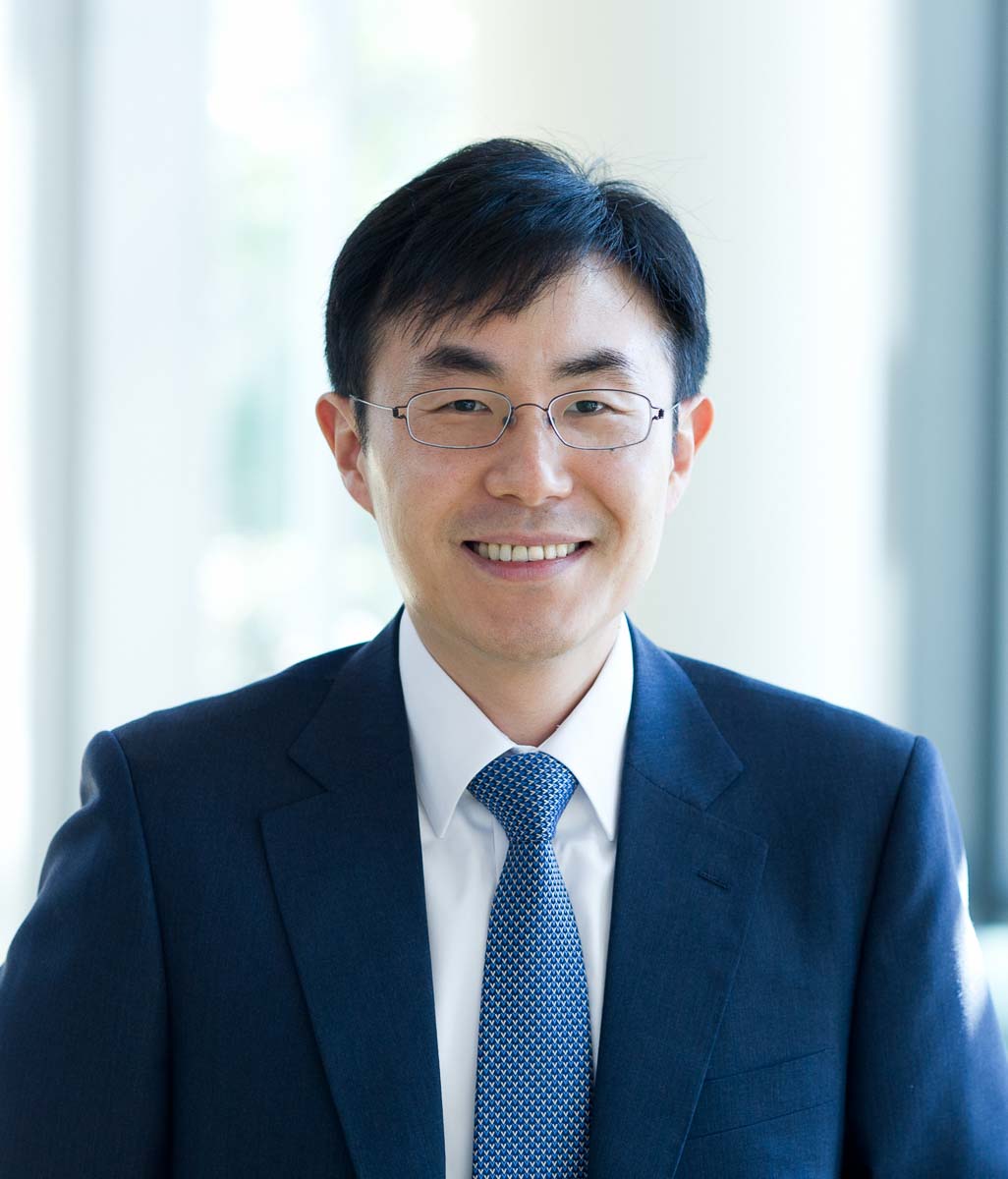
Song Kim is an Associate Professor of Political Science at the Massachusetts Institute of Technology (MIT) and a Faculty Affiliate at the Institute for Data, Systems, and Society (IDSS). He holds a Ph.D. in Politics from Princeton University, where he was awarded the Harold W. Dodds Fellowship (2012-2013). His research focuses on International Political Economy, Formal and Quantitative Methodology, and Big Data analysis of international trade. He is particularly known for his work on firm-level political incentives in trade liberalization, which earned him the 2015 Mancur Olson Award and the 2018 Michael Wallerstein Award for best published article in political economy. Kim develops computational methods for analyzing trade data, including dimension reduction and visualization techniques. He maintains two key databases: LobbyView (tracking firm lobbying efforts) and TradeLab (for trade policy analysis). His research has been published in top journals such as the American Political Science Review, American Journal of Political Science, and International Organization. Educations : Ph.D. in Politics (Princeton University), B.A. not explicitly stated. His research interests include the dynamical evolution of lobbying networks, strategic links between political donations and lobbying, and the political origins of trade regulations. He also contributes methodological innovations, such as two-way fixed effects models and matching methods for causal inference with panel data. Awards : Mancur Olson Award (2015) Michael Wallerstein Award (2018) Harold W. Dodds Fellowship (2012-2013) Advising & Grants : No listed advisees. His work is supported by MIT’s IDSS and institutional funding. He collaborates on software tools like the 'wfe' and 'concordance' R packages, advancing computational social science. Labs/Teams : Associated with MIT’s Political Science Department and IDSS, focusing on interdisciplinary projects in trade, lobbying, and quantitative methods.
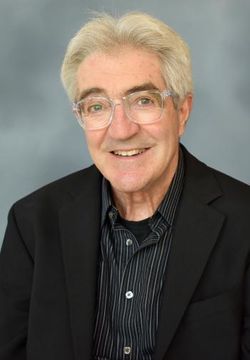
Morris P. Fiorina is the Wendt Family Professor of Political Science at Stanford University and a Senior Fellow at the Hoover Institution. He joined Stanford in 1998 after teaching at Caltech and Harvard. His academic credentials include a B.A. from Allegheny College (1968) and a Ph.D. from the University of Rochester (1972), both in Political Science. Fiorina's research focuses on American politics, emphasizing representation, public opinion, elections, and partisan dynamics. His influential works include Retrospective Voting in American National Elections , Culture War? The Myth of a Polarized America , and Unstable Majorities . He has authored or edited thirteen books and numerous articles, challenging conventional views on polarization, electoral behavior, and political institutions. He has held editorial roles across a dozen political science journals and chaired the American National Election Studies Board (1986–1990). A distinguished scholar, he is an elected member of the American Academy of Arts and Sciences, the American Academy of Political and Social Sciences, and the National Academy of Sciences. He received Career Achievement Awards from the American Political Science Association's sections on Elections, Public Opinion, and Voting Behavior, as well as Political Organizations and Parties. Key Contributions: Pioneered studies on retrospective voting, party sorting, and the 'myth of polarization.' Public Engagement: Analyzes contemporary issues like divided government, electoral reform, and the role of third parties. Fiorina’s work bridges academia and public discourse, addressing critical challenges in American democracy. His current research continues to explore polarization, representation, and governance in the modern political landscape.
Tasos Kalandrakis is a Professor of Political Science at the University of Rochester, affiliated with the School of Arts & Sciences. He holds a PhD from UCLA (2000). His research focuses on political economy, game theory, legislative policy-making, and bargaining models. He has held academic roles including Associate Professor (Political Science and Economics) since 2010 and Assistant Professor roles at the University of Rochester and Yale University. His work bridges political science and economics, addressing topics like parliamentary systems, electoral competition, and institutional design. Education: PhD in Political Science (UCLA, 2000), MA in Political Science (UCLA, 1998), BA in Economics (AUEB, 1995). Research interests include dynamic legislative processes, strategic voting, and computational methods in political analysis. His recent articles explore equilibrium computation in bargaining models, minority government dynamics, and policy-making under uncertainty. He has advised multiple PhD students and contributed to conferences and journals globally. His teaching spans game theory, political institutions, and computational modeling. Service roles include organizing Wallis conferences, graduate admissions, and serving on search committees. He has held visiting fellowships and presented at institutions worldwide, including Caltech, Princeton, and the London School of Economics.
Joshua Feinzig serves as a Visiting Assistant Professor of Law at Duke University School of Law, specializing in civil procedure, administrative law, transnational litigation, and conflict of laws. His research examines how courts, agencies, and private actors structure adjudicative processes across overlapping legal systems, with a focus on transnational coordination through administrative procedure. His academic credentials include: J.D. from Yale Law School M.Phil. from the University of Cambridge as a Gates Cambridge Scholar B.A. summa cum laude from Yale University Feinzig's scholarship bridges constitutional, administrative, and international legal frameworks, analyzing procedural mechanisms that shape substantive outcomes in domestic and transnational contexts. His work demonstrates particular expertise in voting rights, presidential power dynamics, financial punishment jurisprudence, and cross-jurisdictional legal interpretation. His recent publications reveal a consistent focus on systemic interactions between legal regimes, with emerging trends examining how procedural rules channel authority across borders and within bureaucratic structures. This interdisciplinary approach spans constitutional challenges, regulatory governance, and comparative constitutional interpretation. His scholarly contributions have earned recognition through: Benjamin Scharps Prize for best third-year paper at Yale Law School Marshall Jewell Prize for best second-year contribution to a specialized journal Gates Cambridge Scholarship for graduate study Prior to academia, Feinzig clerked for Judge Diane P. Wood of the Seventh Circuit Court of Appeals and practiced appellate litigation at WilmerHale, authoring briefs for federal courts of appeals and the U.S. Supreme Court while representing clients in cross-border disputes involving foreign law and agency adjudications. His pre-legal career included fieldwork in immigration detention facilities and policy work with Taiwan's Ministry of the Interior on transpacific migration regulation.
Terrence Chapman is a Professor of Government at the University of Texas at Austin, affiliated with the Robert S. Strauss Center for International Security and Law, Center for European Studies, and Clements Center on History Strategy, and Statecraft. His research focuses on international organizations, conflict resolution, and political economy frameworks. Key research areas include: International institutional legitimacy Global regulatory regimes Public opinion in international affairs Conflict management mechanisms Formal modeling of diplomatic interactions Recent scholarly trends reveal expertise in climate governance negotiations, digital surveillance politics, and regulatory effectiveness. His work spans theoretical modeling and empirical analysis of international collaboration dynamics. Scientific recognition includes: 2011-2012 APSA Conflict Processes Section Book Award Teaching portfolio covers: Science Fiction and Politics International Organization and Law Research Methods in International Politics Previously served as associate/senior editor for International Studies Quarterly .
Nils Holzenberger is an Assistant Professor at Télécom Paris, France, since February 2023, affiliated with the Data Intelligence Graphs (DIG) research team within the Information Processing and Communication Laboratory (LTcI). His work bridges artificial intelligence, natural language processing, and legal domains through neuro-symbolic approaches to statutory reasoning, particularly in tax law. Education: PhD in Computer Science, Johns Hopkins University (2017-2022) Master's in Engineering, Mines ParisTech (2013-2017) Preparatory Classes, Lycée Louis-le-Grand (2011-2013) Holzenberger's research centers on legal artificial intelligence with emphasis on statutory reasoning limitations in large language models. He pioneered the SARA dataset for tax law reasoning and LegalBench benchmark, developing hybrid symbolic-neural frameworks that expose LLMs' shortcomings in precise legal interpretation. His work integrates Prolog solvers with NLP techniques to create executable tax code mappings and contract analysis tools, establishing foundational methods for verifiable legal AI systems. Analysis of his 15 most recent publications (2019-2024) reveals three dominant research thrusts: (1) Tax law reasoning benchmarks exposing LLM hallucinations, (2) Neuro-symbolic integration for statutory interpretation, and (3) Low-resource template extraction for legal documents. His work consistently demonstrates that pure neural approaches fail at precise legal reasoning, necessitating symbolic grounding for reliable legal AI applications. The DIG research team at Télécom Paris, where Holzenberger leads legal AI initiatives, is actively hiring faculty for neuro-symbolic projects. While specific grant details aren't public, his collaborations with HEC Paris, Copilex startup, and featured podcast appearances indicate substantial industry-academia engagement in legal tech development. Holzenberger directs the legal AI vertical within LTcI's DIG team, focusing on data intelligence for statutory reasoning. His group develops tools for tax minimization strategy discovery, contract analysis, and legal information extraction, maintaining close ties with legal practitioners through projects like the Prolog-based tax code interpreter. The team's infrastructure supports both academic research and startup partnerships in computational law.
Christopher R. Berry is the William J. and Alicia Townsend Friedman Professor at the Harris School of Public Policy and the College at the University of Chicago, and Director of the Mansueto Institute for Urban Innovation. He also served as the inaugural director of the Center for Municipal Finance. His research focuses on American politics, metropolitan governance, municipal finance, and intergovernmental fiscal relations. Notably, his book *Imperfect Union* won the APSA Best Book Award in Urban Politics. Key affiliations include the American Academy of Arts and Sciences. His work has been featured in major media outlets like the *New York Times* and *Last Week Tonight with John Oliver*. His research often intersects property tax fairness, urban policy, and the effects of leadership in politics and sports. His awards reflect his scholarly impact, including the APSA Urban Politics award and membership in the American Academy of Arts and Sciences. His research extends to leadership studies, as seen in collaborations analyzing coach effects in professional sports.
Eli Ben-Michael is an Assistant Professor jointly appointed in the Heinz College of Information Systems and Public Policy and the Department of Statistics & Data Science at Carnegie Mellon University. He is affiliated with the CMU-NIST AI Measurement Science & Engineering Cooperative Research Center (AIMSEC), contributing to cutting-edge research at the intersection of statistics, policy analysis, and artificial intelligence. His educational background includes a PhD in Statistics from U.C. Berkeley and undergraduate studies at Columbia University where he earned a dual degree in Computer Science and Statistics. Prior to his current position, he completed a postdoctoral fellowship at Harvard University's Institute for Quantitative Social Science and Department of Statistics. Ben-Michael's research focuses on developing innovative statistical and computational methods for causal inference and policy evaluation, with particular emphasis on integrating machine learning techniques to address complex problems in public policy and social science. His work bridges theoretical statistics with practical applications in healthcare, criminal justice, education, and social policy. Current research directions include safe policy learning, sensitivity analysis for clustered data, and methodological innovations for the synthetic control method. His publication record shows a strong trajectory in top-tier journals including Journal of the American Statistical Association, Journal of the Royal Statistical Society, and Proceedings of ICML. Recent work demonstrates increasing focus on policy-relevant applications including abortion legislation impacts, pre-trial risk assessment, and healthcare disparities, while maintaining methodological rigor in causal inference frameworks. Ben-Michael has developed open-source software tools including augsynth and multical R packages, which implement his methodological contributions for synthetic controls and multilevel calibration weighting. These packages have been adopted by researchers in multiple disciplines for causal inference applications.
Dr. Jarno Hoekman is an Associate Professor in Innovation Studies at the Copernicus Institute of Sustainable Development, Utrecht University. His research focuses on the dynamics and governance of science in the context of innovation, regulation, and societal challenges, with particular emphasis on sustainability and health. He is affiliated with both the Copernicus Institute of Sustainable Development and the Utrecht collaborating Centre for Pharmaceutical Policy & Regulation in the Department of Pharmaceutical Sciences. Dr. Hoekman serves as the programme leader of the research master in Innovation Sciences and teaches academic integrity courses to Master students and PhD candidates. Dr. Hoekman's research is organized around three interconnected themes: Science in transition , examining how scientific practices and institutional arrangements are evolving through open science, interdisciplinary research collaborations, and alternative recognition systems; Regulatory science and innovation , investigating innovations in tools and standards for assessing risks and benefits of new technologies, including safety assessment methods and regulatory authorization standards; and Geography of science , exploring the role of location factors in scientific knowledge production and diffusion. Analysis of Dr. Hoekman's recent publications (2022-2024) reveals a strong interdisciplinary focus spanning pharmacology, toxicology, innovation studies, and science policy. Key research trends include examining conditional marketing authorization pathways, post-approval studies for conditionally authorized medicines, animal-free safety testing methodologies, and the societal impact of transdisciplinary research projects. His work frequently employs mixed-methods approaches and involves multi-stakeholder perspectives to address complex regulatory and innovation challenges. Dr. Hoekman actively contributes to policy-relevant research, including major European Commission studies on pharmaceutical legislation. His collaborative work extends across multiple institutions and involves interdisciplinary teams working on pharmaceutical policy, sustainable innovation, and science-society interactions. As a member of the Utrecht Young Academy and the UU Open Science Platform, he engages with broader academic community initiatives related to research integrity and open science practices.
Lana Wells is an Associate Professor at the University of Calgary's Faculty of Social Work and holds the Brenda Strafford Chair in the Prevention of Domestic Violence. As Founder/Director of Shift: Primary Prevention Research Hub and Research Fellow at the School of Public Policy, she specializes in preventing gender-based violence through systems change, policy innovation, and community engagement. Key research areas: Gender equity, Indigenous sovereignty, AI ethics for social work, and male allyship in violence prevention Led over $11M in research funding and 22.5M+ in prevention initiatives 2023 Killam Professor Award recipient Recent publications focus on AI applications for violence prevention, gamification in male engagement, and rural/small-town violence reduction strategies. Her work spans interdisciplinary collaborations with public health agencies, Indigenous communities, and international organizations. Major projects: Alberta's Primary Prevention Playbook, Strong Women's Circle with Indigenous communities, ConnectED Parents virtual intervention Active in policy advisory roles for governments and NGOs Scientific awards include: 2023 Killam Annual Professor Award 2022 Queen Elizabeth II Platinum Jubilee Medal 2019 Alberta Inspiration Award 2015 & 2013 Carthy Foundation Leadership Awards 2012 School of Public Policy Fellowship As a graduate supervisor in Social Work and Public Policy, she develops prevention workforce capacity through Shifttolearn.com. Current initiatives include data-driven dashboards for real-time violence prevention and cultural transformation in male-dominated institutions.
Espen Storli is a Professor at the Department of Modern History and Society, Norwegian University of Science and Technology (NTNU). His work bridges business history, political economy, and resource governance, focusing on international business development in the 20th century. He holds a PhD from NTNU (2010) and has held prestigious positions like the Harvard-Newcomen Fellowship in Business History (2011-2012). His research includes projects such as "The hidden companies of the global economy: the development of international commodity traders, 1945-2015" , funded by the Norwegian Research Council. He co-founded the History and Strategic Raw Materials Initiative , a network examining raw material politics. Research Interests : Business-political intersections Commodity trading history Strategic resource governance State-corporate dynamics Globalization processes Scientific Awards : Harvard-Newcomen Fellow in Business History (2011-2012) Teaching : Courses include environmental history, modern European history, and global political economy of resources. He has contributed to academic outreach through lectures at institutions like Harvard Business School and the World Economic History Congress.
Sarah A. Soule is the Philip H. Knight Professor and Dean of Stanford Graduate School of Business and Morgridge Professor of Organizational Behavior. She has been a faculty member at Stanford since 2008 and previously taught at the University of Arizona and Cornell University. As of June 2025, she serves as the first woman dean of Stanford GSB, marking the school's centennial year. Her educational background includes a PhD and MA in Sociology from Cornell University (1995, 1991) and a BA in Sociology from the University of Vermont (1989). She has held significant leadership roles including Senior Associate Dean for Academic Affairs (2016-2023) and Director of the Center for Advanced Study in the Behavioral Sciences (2023-2025). Soule's research focuses on organizational theory, social movements, and political sociology, examining how social movements impact organizational and policy change. Her work bridges sociology and business, analyzing how protest influences corporate decisions and how organizations respond to social movement pressures. She has made significant contributions to understanding tactical innovation in social movements and the diffusion of protest strategies. Her scholarly output shows a consistent trajectory examining the intersection of social movements with business and policy. Early work focused on protest policing and movement tactics, while more recent research explores corporate activism, DEI initiatives, and the role of design thinking in organizational contexts. Her publications span top sociology and management journals, demonstrating interdisciplinary impact. Hank McKinnell-Pfizer Inc. Faculty Fellow, Stanford GSB, 2014 James and Doris McNamara Faculty Fellow, Stanford GSB, 2011 GSB Trust Faculty Fellow, Stanford GSB, 2010 Member, Sociological Research Association, 2009 Fellow, Michelle R. Clayman Institute for Gender Research, 2009 Magellan Circle Award for Excellence in Graduate Teaching, University of Arizona, 2006 Soule has served on multiple editorial boards including Sociological Science (founding team), Stanford University Press, and Cambridge University Press. She has advised numerous PhD students and has been actively involved in curriculum development, particularly in diversity, equity, and inclusion education. Her leadership extends to nonprofit boards including the Hasso Plattner Institute of Design (Stanford d.school) and the international advisory board to the president of the Stockholm School of Economics. She co-directs the Stanford LEAD Online Business Program and has developed executive education programs focused on coaching skills and diversity leadership.
Abdi Aidid is an Assistant Professor at the University of Toronto Faculty of Law , teaching Civil Procedure and First Year: Tort Law . He is also a Visiting Associate Professor at Yale Law School (2024–2025) and a Faculty Affiliate at the Centre for Ethics and the Future of Law Lab, focusing on interdisciplinary research at the intersection of law and artificial intelligence. Education: LL.M, University of Toronto J.D., Yale Law School B.A., University of Toronto His research explores access to justice , legal ethics , and the transformative potential of artificial intelligence and machine learning in legal systems. He has published extensively on topics including AI regulation, procedural fairness, and the ethical challenges of integrating technology into legal practice. Recent publications span juridification , human-computer labor division , and generative AI in legal contexts, reflecting his focus on the convergence of law, ethics, and technology. His work has been recognized with awards such as the PROSE Award and a Donner Prize nomination. Scientific Awards: PROSE Award (Association of American Publishers) The Donner Prize (finalist)
Jampel Dell'Angelo is an Associate Professor with ius promovendi in Water Governance and Politics at the Department of Environmental Policy Analysis, Institute for Environmental Studies (IVM), Vrije Universiteit Amsterdam. He holds concurrent roles as a Visiting Scholar at the University of California, Berkeley's Ecohydrology Lab, and an Environmental Governance Affiliate Scholar at SESYNC, Maryland. His research focuses on multilevel dimensions of water governance, climate adaptation in African irrigation systems, and transnational land investments' impacts. He leads the EU-funded NEWAVE project, coordinating 15 Early Stage Researchers across 10 institutions. Educated with a dual PhD in Environmental Science (Autonomous University of Barcelona) and International Cooperation (Sapienza University), he also holds advanced degrees from the LSE, Sapienza, Curtin, and the University of Siena. As Editor-in-Chief of World Development , he promotes interdisciplinary research on socio-environmental systems. His work contributes to UN SDGs related to clean water, sustainable cities, and responsible production. Research interests span water grabbing dynamics, socio-ecological resilience, and policy frameworks for equitable resource management. Recent projects address Mediterranean water scarcity solutions and the socio-political implications of global land rushes. He supervises PhD candidates exploring themes like water democracy, agrifood transitions, and environmental justice. Key contributions include pioneering analysis of 'water commons grabbing' and documenting the Global Water Grab Syndrome. His documentary work complements field research, such as Working Together: Research and Water Governance on Mount Kenya . Current projects emphasize innovative governance models and climate-resilient water management in transboundary contexts.