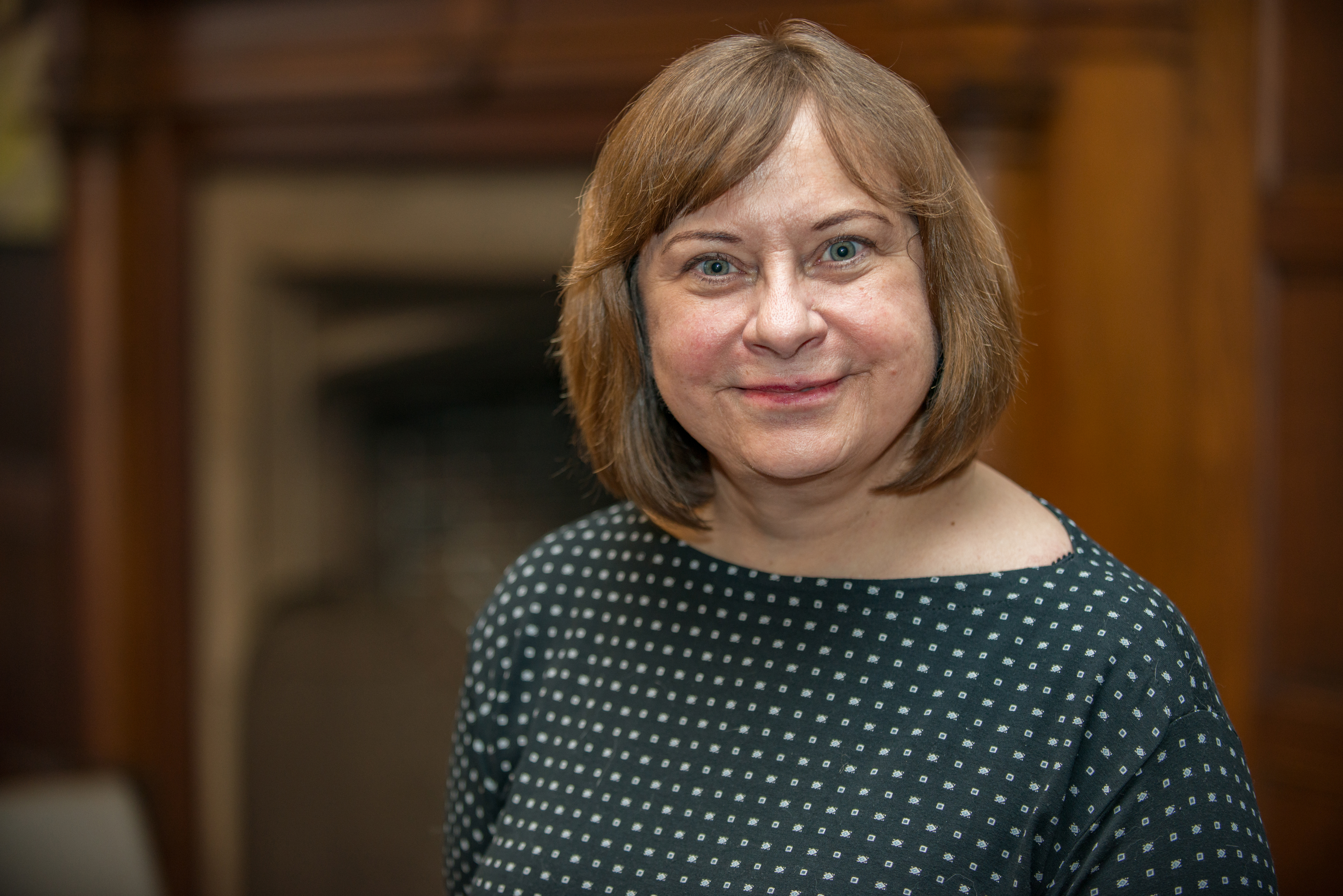
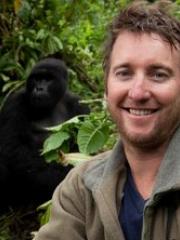
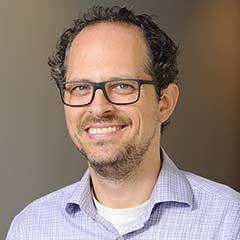
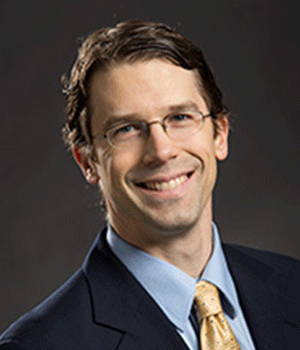
Susan L. Burns is a Professor at the University of Chicago, where she holds appointments in the Department of History, Department of East Asian Languages and Civilizations, and The College. She currently serves as Department Chair and Chair of the Undergraduate Studies Committee. Education: PhD, University of Chicago (1994) Her research focuses on Japan’s nineteenth-century social history, emphasizing intellectual and cultural practices, the intersection of medicine and public health, gender analysis, and legal discourses. She explores continuities between Japan’s early modern and modern eras, particularly how medical and legal frameworks shaped national identity. Recent publications span leprosy’s impact on citizenship, the rise of medical marketplaces, and gendered dimensions of reproductive health. Her digital humanities work on Mapping Medical Tokyo integrates GIS and text mining for historical analysis. Scientific Awards: Fulbright-Hays Fellowship IIE Fulbright Japan Foundation Japan Society for the Promotion of Science National Endowment for the Humanities She has secured grants for research on medical commodities, psychiatric practices, and the spatial dimensions of Meiji-era health policies. Her courses include Gender and Japanese History and Medicine and Culture in East Asia .
Adam Bonica is an Associate Professor in the Department of Political Science at Stanford University . His research integrates data science and politics , focusing on money in politics , campaigns and elections , judicial politics , and political methodology . Research Interests : Data Science, Political Ideology, Campaign Finance, Judicial Polarization, Quantitative Modeling Contact : Encina Hall West, Room 307, Stanford, CA 94305-6044 | Email : bonica@stanford.edu | Phone : (650) 725-7987 His work has been published in leading journals such as the American Journal of Political Science , Political Analysis , Journal of Economic Perspectives , Journal of Law, Economics, and Organization , and JAMA Internal Medicine . Bonica co-authored The Judicial Tug of War , which explores the politicization of the American judiciary. He has developed comprehensive databases like DIME (Database on Ideology, Money in Politics, and Elections) to advance research on political ideology and campaign finance. Recent publications include analyses of ideological persuasion in U.S. elections, judicial reform dynamics, and supervised machine learning applications in political methodology. His research spans topics such as clerk hiring as ideological indicators , professional networks in fundraising , and polarization trends among physicians and legal professionals .
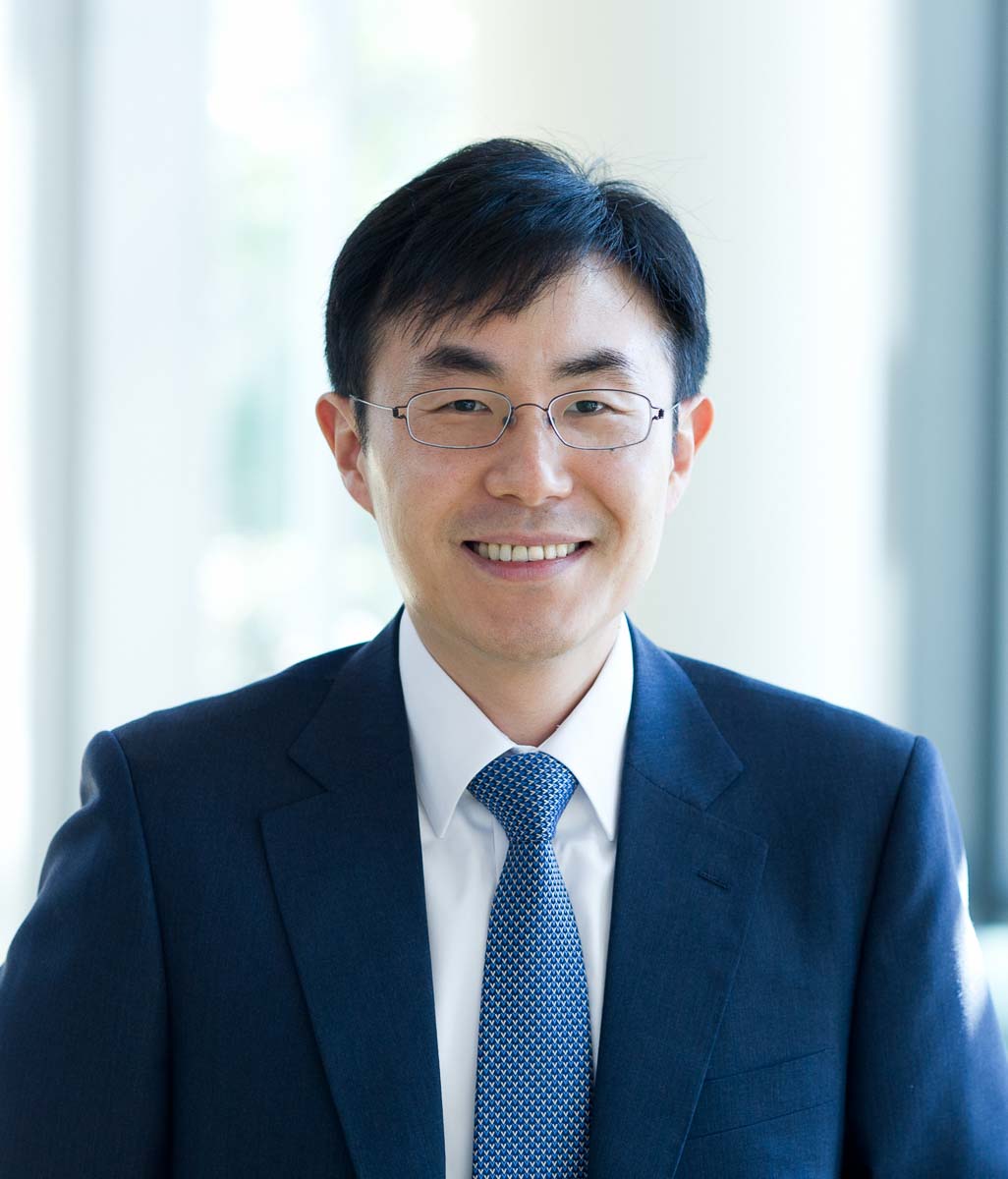
Song Kim is an Associate Professor of Political Science at the Massachusetts Institute of Technology (MIT) and a Faculty Affiliate at the Institute for Data, Systems, and Society (IDSS). He holds a Ph.D. in Politics from Princeton University, where he was awarded the Harold W. Dodds Fellowship (2012-2013). His research focuses on International Political Economy, Formal and Quantitative Methodology, and Big Data analysis of international trade. He is particularly known for his work on firm-level political incentives in trade liberalization, which earned him the 2015 Mancur Olson Award and the 2018 Michael Wallerstein Award for best published article in political economy. Kim develops computational methods for analyzing trade data, including dimension reduction and visualization techniques. He maintains two key databases: LobbyView (tracking firm lobbying efforts) and TradeLab (for trade policy analysis). His research has been published in top journals such as the American Political Science Review, American Journal of Political Science, and International Organization. Educations : Ph.D. in Politics (Princeton University), B.A. not explicitly stated. His research interests include the dynamical evolution of lobbying networks, strategic links between political donations and lobbying, and the political origins of trade regulations. He also contributes methodological innovations, such as two-way fixed effects models and matching methods for causal inference with panel data. Awards : Mancur Olson Award (2015) Michael Wallerstein Award (2018) Harold W. Dodds Fellowship (2012-2013) Advising & Grants : No listed advisees. His work is supported by MIT’s IDSS and institutional funding. He collaborates on software tools like the 'wfe' and 'concordance' R packages, advancing computational social science. Labs/Teams : Associated with MIT’s Political Science Department and IDSS, focusing on interdisciplinary projects in trade, lobbying, and quantitative methods.
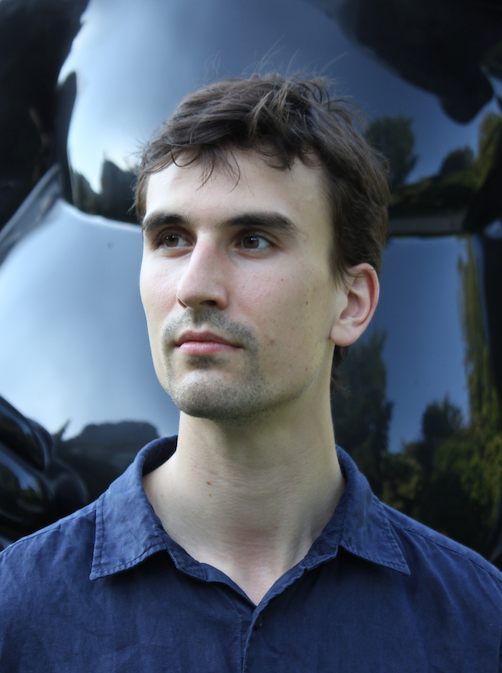
Nils Holzenberger is an Assistant Professor at Télécom Paris, France, since February 2023, affiliated with the Data Intelligence Graphs (DIG) research team within the Information Processing and Communication Laboratory (LTcI). His work bridges artificial intelligence, natural language processing, and legal domains through neuro-symbolic approaches to statutory reasoning, particularly in tax law. Education: PhD in Computer Science, Johns Hopkins University (2017-2022) Master's in Engineering, Mines ParisTech (2013-2017) Preparatory Classes, Lycée Louis-le-Grand (2011-2013) Holzenberger's research centers on legal artificial intelligence with emphasis on statutory reasoning limitations in large language models. He pioneered the SARA dataset for tax law reasoning and LegalBench benchmark, developing hybrid symbolic-neural frameworks that expose LLMs' shortcomings in precise legal interpretation. His work integrates Prolog solvers with NLP techniques to create executable tax code mappings and contract analysis tools, establishing foundational methods for verifiable legal AI systems. Analysis of his 15 most recent publications (2019-2024) reveals three dominant research thrusts: (1) Tax law reasoning benchmarks exposing LLM hallucinations, (2) Neuro-symbolic integration for statutory interpretation, and (3) Low-resource template extraction for legal documents. His work consistently demonstrates that pure neural approaches fail at precise legal reasoning, necessitating symbolic grounding for reliable legal AI applications. The DIG research team at Télécom Paris, where Holzenberger leads legal AI initiatives, is actively hiring faculty for neuro-symbolic projects. While specific grant details aren't public, his collaborations with HEC Paris, Copilex startup, and featured podcast appearances indicate substantial industry-academia engagement in legal tech development. Holzenberger directs the legal AI vertical within LTcI's DIG team, focusing on data intelligence for statutory reasoning. His group develops tools for tax minimization strategy discovery, contract analysis, and legal information extraction, maintaining close ties with legal practitioners through projects like the Prolog-based tax code interpreter. The team's infrastructure supports both academic research and startup partnerships in computational law.
Christopher R. Berry is the William J. and Alicia Townsend Friedman Professor at the Harris School of Public Policy and the College at the University of Chicago, and Director of the Mansueto Institute for Urban Innovation. He also served as the inaugural director of the Center for Municipal Finance. His research focuses on American politics, metropolitan governance, municipal finance, and intergovernmental fiscal relations. Notably, his book *Imperfect Union* won the APSA Best Book Award in Urban Politics. Key affiliations include the American Academy of Arts and Sciences. His work has been featured in major media outlets like the *New York Times* and *Last Week Tonight with John Oliver*. His research often intersects property tax fairness, urban policy, and the effects of leadership in politics and sports. His awards reflect his scholarly impact, including the APSA Urban Politics award and membership in the American Academy of Arts and Sciences. His research extends to leadership studies, as seen in collaborations analyzing coach effects in professional sports.
Dr. Jarno Hoekman is an Associate Professor in Innovation Studies at the Copernicus Institute of Sustainable Development, Utrecht University. His research focuses on the dynamics and governance of science in the context of innovation, regulation, and societal challenges, with particular emphasis on sustainability and health. He is affiliated with both the Copernicus Institute of Sustainable Development and the Utrecht collaborating Centre for Pharmaceutical Policy & Regulation in the Department of Pharmaceutical Sciences. Dr. Hoekman serves as the programme leader of the research master in Innovation Sciences and teaches academic integrity courses to Master students and PhD candidates. Dr. Hoekman's research is organized around three interconnected themes: Science in transition , examining how scientific practices and institutional arrangements are evolving through open science, interdisciplinary research collaborations, and alternative recognition systems; Regulatory science and innovation , investigating innovations in tools and standards for assessing risks and benefits of new technologies, including safety assessment methods and regulatory authorization standards; and Geography of science , exploring the role of location factors in scientific knowledge production and diffusion. Analysis of Dr. Hoekman's recent publications (2022-2024) reveals a strong interdisciplinary focus spanning pharmacology, toxicology, innovation studies, and science policy. Key research trends include examining conditional marketing authorization pathways, post-approval studies for conditionally authorized medicines, animal-free safety testing methodologies, and the societal impact of transdisciplinary research projects. His work frequently employs mixed-methods approaches and involves multi-stakeholder perspectives to address complex regulatory and innovation challenges. Dr. Hoekman actively contributes to policy-relevant research, including major European Commission studies on pharmaceutical legislation. His collaborative work extends across multiple institutions and involves interdisciplinary teams working on pharmaceutical policy, sustainable innovation, and science-society interactions. As a member of the Utrecht Young Academy and the UU Open Science Platform, he engages with broader academic community initiatives related to research integrity and open science practices.
Lana Wells is an Associate Professor at the University of Calgary's Faculty of Social Work and holds the Brenda Strafford Chair in the Prevention of Domestic Violence. As Founder/Director of Shift: Primary Prevention Research Hub and Research Fellow at the School of Public Policy, she specializes in preventing gender-based violence through systems change, policy innovation, and community engagement. Key research areas: Gender equity, Indigenous sovereignty, AI ethics for social work, and male allyship in violence prevention Led over $11M in research funding and 22.5M+ in prevention initiatives 2023 Killam Professor Award recipient Recent publications focus on AI applications for violence prevention, gamification in male engagement, and rural/small-town violence reduction strategies. Her work spans interdisciplinary collaborations with public health agencies, Indigenous communities, and international organizations. Major projects: Alberta's Primary Prevention Playbook, Strong Women's Circle with Indigenous communities, ConnectED Parents virtual intervention Active in policy advisory roles for governments and NGOs Scientific awards include: 2023 Killam Annual Professor Award 2022 Queen Elizabeth II Platinum Jubilee Medal 2019 Alberta Inspiration Award 2015 & 2013 Carthy Foundation Leadership Awards 2012 School of Public Policy Fellowship As a graduate supervisor in Social Work and Public Policy, she develops prevention workforce capacity through Shifttolearn.com. Current initiatives include data-driven dashboards for real-time violence prevention and cultural transformation in male-dominated institutions.
Dr. Karim El-Basyouny is a Killam Laureate Professor and City of Edmonton Urban Traffic Safety Research Chair at the University of Alberta's Faculty of Engineering, where he serves as Associate Dean (Research Infrastructure and Innovation) in the Civil and Environmental Engineering Department. A licensed Professional Engineer in Alberta, he holds advanced degrees in Transportation Engineering from the University of British Columbia and has dedicated his career to advancing road safety through data-driven management frameworks. His academic credentials include: Doctor of Philosophy, Civil Engineering, University of British Columbia, 2011 Engineering Management Sub-specialization, Civil Engineering, University of British Columbia, 2010 Master of Applied Science, Civil Engineering, University of British Columbia, 2006 Bachelor's degree (ABET Equivalent), Civil & Environmental Engineering, United Arab Emirates University, 2003 El-Basyouny's research pioneers the integration of remote sensing, machine learning, and statistical modeling to enhance transportation safety. His work develops automated tools for infrastructure digitization, collision prediction, and speed management, treating safety as a systemic product requiring management frameworks. Key contributions include LiDAR-based road feature extraction, network-level safety evaluations, and frameworks for vision-zero outcomes that address both human-driven and autonomous vehicle contexts. His recent publications demonstrate a cohesive research trajectory centered on leveraging point cloud data and computational intelligence for safety management. Over 15 major publications since 2021 focus on automated infrastructure assessment (light pole detection, clear zone mapping, vertical clearance evaluation), weather-impact modeling, and enforcement resource optimization. This body of work bridges transportation engineering with computer vision and operations research to create scalable safety solutions. His scientific contributions have been recognized with prestigious honors including: 2024 Killam Annual Professorship Award 2024 Road Safety Achievement Award from TAC 2023 Donald Stanley Award for environmental engineering 2022 Faculty of Engineering Graduate Teaching Award 2021 Daniel B. Fambro Student Paper Award As an academic leader, El-Basyouny actively mentors graduate students and secures significant research funding through his endowed chair position. He currently recruits fully-funded PhD and postdoctoral candidates specializing in remote sensing applications, machine learning, and geomatics for road digitization projects. His research group collaborates with national safety committees and municipal agencies to translate findings into policy, while he serves on editorial boards for Transportation Research Record and Analytic Methods in Accident Research. The research group operates at the intersection of transportation engineering and computational science, developing automated frameworks that merge sensor technologies with data processing tools. Current projects focus on semantic segmentation of 3D point clouds, safety implications of infrastructure digitization, and machine learning applications for road feature extraction in both urban and rural environments.
Professor Tavis Potts is a Personal Chair in Sustainable Development and Environmental Governance at the University of Aberdeen, affiliated with the Department of Geography and Environment within the School of Geosciences. He is actively engaged in research on just transitions, environmental justice, marine governance, and participatory planning. His research focuses on: Understanding just transitions and the social dimensions of climate and energy Marine resource governance and planning Participatory and community-based approaches to managing natural capital The political economy of environmental policy The blue economy and net zero transitions His recent publications highlight a strong trend toward policy-relevant research on just transitions, stakeholder engagement, and environmental governance. Articles and reports examine climate assemblies, community participation in net zero planning, nuclear decommissioning, and measuring equitable outcomes in transition processes. His work integrates social science perspectives with environmental policy, emphasizing democratic participation and equity. Key scientific contributions include commissioned reports for the Just Transition Commission and the Nuclear Decommissioning Authority, as well as peer-reviewed articles in journals such as Environmental Science & Policy and Marine Policy . He has led and contributed to projects funded by Interreg EU, NERC, British Council, and the World Bank. Professor Potts advises research students and leads the Just Transition Lab at Aberdeen. He holds external advisory roles with Aberdeen City Council’s Net Zero Delivery Unit and Aberdeenshire Council’s Climate Ready Aberdeenshire Board, demonstrating active engagement with policy and practice. He is affiliated with key research centers including the Centre for Marine and Coastal Zone Management and the Just Transition Lab, where he advances interdisciplinary work on sustainable futures and equitable environmental governance.
Dr. Rebecca Bromley-Trujillo is an Associate Professor in the Department of Political Science at Christopher Newport University (CNU) and serves as Research Director of the Wason Center for Civic Leadership. She holds a Ph.D. and M.A. in Political Science from Michigan State University and a B.A. in Political Science from the University of Texas, San Antonio. Her research focuses on state and local climate policy, the interplay between public opinion and policy, and the role of science in policymaking. Dr. Bromley-Trujillo previously taught as an Assistant Professor at the University of Kentucky before joining CNU. Research Interests: American environmental policy State and local climate change policy efforts Public opinion and policy relationships Scientific influence on policy processes Her work appears in journals such as Review of Policy Research , Climatic Change , and Journal of Public Policy . She co-authored Climate Policy in the American States (2024) and developed the CHORUS dataset analyzing state interest group policy positions. Her recent research explores experimental climate policy designs and the judicialization of federalism in U.S. politics. Professional Affiliations: Center for Sustainability in Education (CNU) Wason Center for Civic Leadership (CNU) Dr. Bromley-Trujillo's teaching spans American politics, environmental policy, public administration, and political behavior. She emphasizes applied research and policy analysis in her academic work.
Dr. Daniel Allen is a Lecturer in Human Geography at Keele University's School of Life Sciences, specializing in human-animal relations. An IUCN/SSC otter specialist, his research on otter conservation and dog theft informs policy and advocacy. He led an Environment Agency project on otter predation perceptions and founded the 'Pet Theft Reform' campaign, influencing UK legislation (Pet Abduction Act 2024). His research examines human-animal bonds, including dog theft impacts and mental health benefits. Current projects include 'No pets! Young people’s transitions to campus living,' funded by the Society for Companion Animals Studies. Teaching includes modules on Nature Conservation, Space and Society, More-than-human Geographies, and Animals and Society. He supervises PhD student Emma Randall on eco-therapy. Awards include the Daily Mirror’s Peoples Pet Awards Special Recognition (2021) and the PM’s Points of Light Award (2022). Publications emphasize spatial justice, animal advocacy, and policy impacts, with recent work on pet theft trends and human-animal bonds in crises.
Professor James Watson is a leading conservation scientist and biogeographer at The University of Queensland , affiliated with the Centre for Marine Science and Centre for Biodiversity and Conservation Science. As a Professor of Conservation Science, he specializes in biodiversity policy, climate change impacts, and species recovery strategies. PhD from University of Oxford (Rhodes Scholar) Co-leader of Green Fire Science and RARES research groups Over 400 peer-reviewed publications His research focuses on ecosystem integrity , protected area effectiveness , and conservation economics , with recent work addressing mining impacts on biodiversity, climate change adaptation, and the global 30x30 initiative. He advocates for evidence-based strategies to save Australia’s rarest species. 2025-2024 research trends show expertise in tropical forest regeneration, climate-species interactions, and policy implementation gaps. Collaborative projects span scientific modeling , GIS analysis , and international conservation frameworks . International Panel on Biodiversity and Ecosystem Services (IPBES) Task Force member Research Fellow, United Nations Environment Program Senior Technical Expert, UNDP’s Nature for Development Program Founding Chair, IUCN Climate Change Specialist Group Supervision includes 12 current PhD candidates working on topics such as night parrot conservation , ecological corridors , and urban biodiversity . Completed students have addressed threatened species recovery and climate adaptation planning . He leads lab teams at Green Fire Science (www.greenfirescience.com) and RARES (https://raresgroup.com.au), focusing on applied conservation solutions.
John Pfaff is a Professor of Law at Fordham Law School, specializing in Criminal Law and Procedure , Law and Economics , and Law and Social Science . He teaches courses on criminal law, sentencing law, and law and economics. His research focuses on empirical analysis of criminal justice, particularly the role of prosecutorial discretion in driving mass incarceration trends. He has received grants from the John Templeton Foundation and the University of Chicago's Arete Initiative for his work on evidence-based judicial review. Professor Pfaff is a frequent contributor to media and policy discussions, appearing in outlets like MSNBC , The Intercept , and Truthout . His 2017 book Locked In challenges conventional narratives about mass incarceration. His recent publications include analyses of private prisons , state-level criminal justice reform , and geographic disparities in sentencing . He previously held the John M. Olin Fellowship at Northwestern University Law School and clerked for Judge Stephen F. Williams on the DC Circuit.
Thomas Wernberg is a Professor in the School of Biological Sciences at The University of Western Australia (UWA), affiliated with the UWA Oceans Institute. His research focuses on ecological interactions in coastal marine habitats, particularly kelp forests, and their responses to climate change, marine heatwaves, and invasive species. He has held roles including Chair of UWA's Boating & Diving Safety Committee and Editor-in-Chief of Aquatic Botany . Wernberg has contributed to over 267 publications and secured 53 grants, including projects on kelp restoration and blue carbon management. He is a recipient of multiple 'Highly Cited Researcher' awards and has advised on initiatives like Seaforester . His work bridges sub-cellular to macro-ecological scales, addressing climate mitigation through marine ecosystem services. Education: MSc from Roskilde University (RUC). Previous Positions: ARC Future Fellow (2011–2015), Senior Lecturer (2015–2021), and various postdoctoral roles at UWA and other institutions. Research Themes: Climate change impacts, marine heatwaves, kelp restoration ( Green Gravel ), blue carbon, and biodiversity conservation. His lab explores resilience thresholds, ecological costs of stress, and genetic diversity's role in adaptation. Collaborations span global institutions, with active research in Arctic/Subarctic regions and Australian marine ecosystems. Grants & Projects: Includes operational upscaling of seaforestation, hydrodynamic energy attenuation studies, and blue carbon management. He leads initiatives to protect 4 million hectares of kelp forests by 2040. Awards: 2019–2022 Highly Cited Researcher (Web of Science), 2022 Senior Research Award (UWA School of Biological Sciences). Labs/Teams: Collaborates with the Great Southern Reef Foundation, Uluu Scientific Advisory Board, and international networks like the Green Gravel Action Group .
Matthew Petering is an Associate Professor in the Department of Industrial and Manufacturing Engineering at the University of Wisconsin-Milwaukee. His work bridges operations research with real-world applications in logistics, transportation, and political redistricting. He holds a PhD in Industrial and Operations Engineering from the University of Michigan (2007), an MS from the same program (2003), and a BA in Mathematics from Washington University in St. Louis (1999). His research focuses on optimizing complex systems: from seaport container terminals to university course scheduling, and recently developing the FastMap algorithm for unbiased political redistricting. His algorithm was central to Wisconsin Supreme Court litigation in 2023-2024, submitting proposals for legislative maps that balanced fairness and operational efficiency. Dr. Petering has pioneered board game designs like Distrix (2020), which won international awards, and authored The Distrix Puzzle Book . His peer-reviewed work spans over 30 publications in journals like Transportation Science , European Journal of Operational Research , and International Journal of Production Economics . Key contributions include: Algorithmic solutions for container shipping and rail logistics Cyclic production planning models Real-time location management systems for distribution facilities Emergency evacuation modeling His FastMap redistricting system was recognized with the 2024 INFORMS Practitioner Poster Competition award. Dr. Petering frequently advises governmental bodies and judicial proceedings on redistricting methodology and logistics optimization.