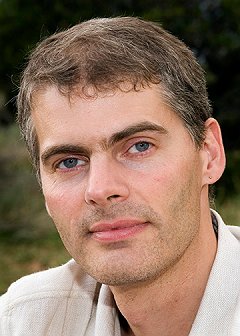
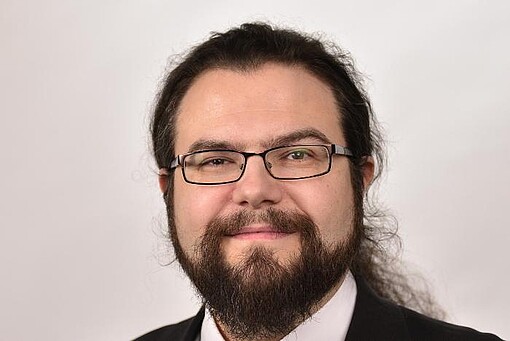
Professor Stephen T Newman is a faculty member at the University of Bath , serving in the Department of Mechanical Engineering as the Professor of Innovative Manufacturing Technology . His research focuses on advancing manufacturing technologies through additive/subtractive hybrid systems, sustainable machining practices, and smart manufacturing frameworks. University: University of Bath Department: Mechanical Engineering Email: S.T.Newman@bath.ac.uk Research interests include: Process optimization in additive manufacturing (LDED, WA-DED) Cryogenic and hybrid cooling/lubrication techniques Industry 4.0 implementation via cloud manufacturing Machine learning applications for tool condition monitoring Sustainability in material delivery and recycling Recent publications highlight trends in smart manufacturing , energy-efficient machining , and multi-sensor process monitoring . Key subfields include laser additive systems, cryogenic lubrication mechanics, and decentralized production platforms. Current affiliations: University of Bath 4 East 2.9c, Department of Mechanical Engineering
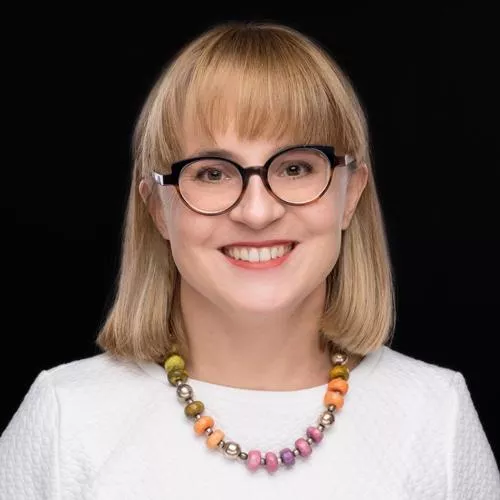
Dr. Joanna Szen-Ziemiańska is a Lecturer at SWPS University's Faculty of Psychology in Warsaw, specializing in creativity psychology, academic competence development, and mentoring programs. She leads the Department of Cognitive Psychology, Development and Education's initiatives for doctoral students through the Interdisciplinary Doctoral School. Doctor of Psychology (SWPS University) Psychopedagogue of Creativity Certified mentoring expert (Vitae collaboration) Research Interests: Focused on understanding creative potential determinants, psychosocial challenges in academic careers, and evidence-based mentoring methodologies. Her work bridges creativity research with practical academic development frameworks. Publication Trends: Recent contributions emphasize interdisciplinary creativity studies, mentoring program effectiveness, and psychosocial dynamics in doctoral education. Her 2020 International Journal of Doctoral Studies article established key principles for evidence-based mentoring. Academic Leadership: Develops and implements personalized development programs for doctoral students, including collaborative writing workshops, peer-mentoring groups, and critical reading instruction. Serves 40-60 students annually through her proprietary mentoring model.
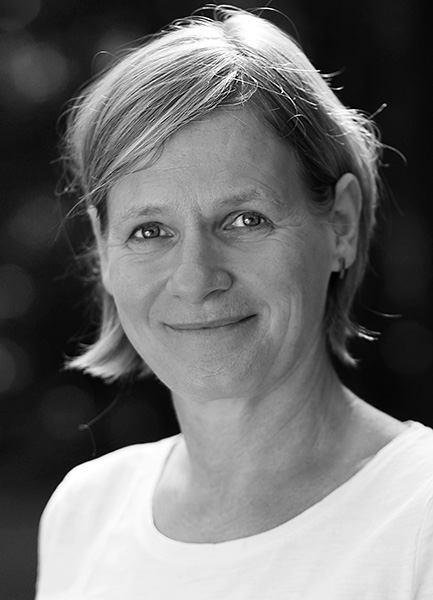
Dana Dunne, MD, MHS is a Professor of Medicine at Yale School of Medicine, specializing in Infectious Diseases with a focus on sexually transmitted infections and HIV care. She serves as Associate DIO; GME Director for Educator Development in the Department of Medicine; Associate Chair for Education and Academic Affairs in Internal Medicine; and Director of the Yale Medical School Coaching Program. Dr. Dunne is a founding and core faculty member for the Yale Primary Care HIV Training Track and has dedicated her career to both patient care and medical education. Dr. Dunne received her medical degree from SUNY Downstate Medical Center in 1986, followed by residency training at Yale-New Haven Hospital, where she served as Chief Resident. She completed a fellowship in Infectious Diseases at Yale School of Medicine and later earned an MHS in Medical Education from Yale in 2020. Her research interests span sexually transmitted infections (particularly syphilis, gonorrhea, and chlamydia), HIV/AIDS, medical education, and faculty development. Dr. Dunne has made significant contributions to understanding the intersection of sexually transmitted infections and HIV disease, as well as developing innovative educational approaches for medical trainees. Her work on entrustable professional activities for HIV training has been particularly influential in shaping competency-based medical education in this field. Dr. Dunne's scholarly output demonstrates a strong focus on medical education innovation, with numerous publications on clerkship education, resident assessment, and faculty development. Her recent work has centered on psychological safety in clinical learning environments, peer-led teaching models, and the implementation of entrustable professional activities across medical education settings. She has also maintained an active clinical research agenda focused on sexually transmitted infections, particularly unusual presentations of syphilis. The Steven Huot Award for Dedication and Excellence (2023) Fred Kantor, MD award for Outstanding Clinical Teaching (2019) Edwin C Cadman, MD Award for Outstanding Clinical Teaching (2019) Charles W. Bohmfalk Prize for teaching in the clinical sciences (2019) Dr. Dunne has been instrumental in mentoring numerous medical students, residents, and fellows throughout her career. She previously served as Inpatient Internal Medicine Clerkship Director from 2011-2023 and has led several educational initiatives including the development of the HIV Entrustable Professional Activities and the CLOUT chief resident curriculum. Her work has been supported by various educational grants focused on improving medical training and assessment methods. As Director of the Yale Medical School Coaching Program, Dr. Dunne continues to shape the educational experience for medical students, fostering professional development and academic success through personalized coaching relationships.
Benjamin C. Pierce is the Henry Salvatori Professor of Computer and Information Science in the School of Engineering and Applied Science at the University of Pennsylvania. As a Fellow of the ACM, he has made significant contributions to programming language theory and formal methods. His academic leadership includes previous editorial roles as co-Editor in Chief of the Journal of Functional Programming and Managing Editor for Logical Methods in Computer Science. His research spans multiple interconnected domains in programming language theory, with particular emphasis on type systems and their applications to security and verification. Pierce's work bridges theoretical foundations with practical implementations, most notably through his development of the Unison file synchronization tool and contributions to the Clowdr virtual conference platform. His research interests form a cohesive trajectory from foundational type theory to applied security and verification techniques. Pierce's scholarly output shows consistent focus on property-based testing, type systems, and formal verification methods. His recent publications demonstrate evolving interests in differential privacy verification, synchronization technologies, and the practical challenges of implementing formal methods in real-world systems. The progression of his work reflects both theoretical depth and practical relevance to software development challenges. Fellow of the ACM Author of influential textbooks Types and Programming Languages and Software Foundations Lead designer of the Unison file synchronizer Co-developer of the Clowdr virtual conference platform Former editorial leadership for multiple prominent programming languages journals As an educator and mentor, Pierce has contributed to the Programming Languages Mentoring Workshop (PLMW) and has served on numerous conference program committees. His academic service extends to SIGPLAN leadership roles including SIGPLAN Vice Chair and Steering Committee membership. His textbook Software Foundations has become a standard resource for teaching formal methods and proof assistants.
Michael Harr is a doctoral researcher and research assistant at the University of Duisburg-Essen, affiliated with the Faculty of Computer Science and the Chair of Business Informatics and Integrated Information Systems. His work focuses on artificial intelligence, digital transformation of HR management, enterprise systems, new work arrangements, and digital communication. He has published extensively on these topics in leading journals and conferences. Education: M.Sc. in Business Information Systems (2020-2023), University of Duisburg-Essen B.Sc. in Business Information Systems (2016-2020), University of Duisburg-Essen His research explores the intersection of AI and human-centric systems, including studies on retail service robots, intelligent HRIS, generative AI in MOOCs, and user annoyances in voice assistants. Recent publications analyze digital communication trends and digitalization challenges in the construction sector. Publications: Harr has contributed to key areas such as retail automation, HRIS optimization, and AI-driven e-learning, with a focus on practical applications and theoretical frameworks. Supervised Theses: Exploring ChatGPT for MOOCs AI in Knowledge Management Technostress and Quiet Quitting Taxonomy of AI Recruitment Tools Talent Recruitment on Social Networks Labs and Teams: Harr is involved in the Retail Artificial Intelligence Lab (retAIL) and SAP Innovation Lab, contributing to projects on digital transformation and enterprise systems.
Dr Milica Stojković is an Assistant Professor of Educational Psychology in the Department of Social and Human Sciences at the Faculty of Technical Sciences in Čačak, University of Kragujevac . She has been a faculty member since 2012 and was promoted to Assistant Professor in December 2018. Education: PhD in Psychology (2018), Faculty of Philosophy, University of Belgrade – thesis: Teachers’ professional identity development BA in Psychology (2010), Faculty of Philosophy, University of Belgrade – thesis: Conflict resolution strategies in adolescent peer and friendship relations Certified Gestalt Psychotherapist (EAGT-accredited, 2024) Additional training in Constructivist psychotherapy, MAXQDA qualitative data analysis, experimental interactive design, and Erasmus+ staff mobility. Research Interests: Her work centers on educational psychology , focusing on the development of teachers’ professional identity , inclusive education practices , psychological resilience among students and teachers, digital competences and e-learning , and school-based mentoring . She employs both quantitative and qualitative methodologies to investigate how personal and contextual factors shape teaching quality and student outcomes. Publications Trend: Since 2011, Dr Stojković has published more than 60 peer-reviewed works. Recent articles (2022–2024) concentrate on resilience and stress predictors among university students during crises , online distance teaching experiences during COVID-19 , and nonverbal communication literacy . Earlier works explored self-regulated learning , conflict resolution strategies , multicultural personality assessment , and support systems for students with specific learning disabilities . Scientific Awards & Honors: While no major named awards are listed, she has received academic recognition through highly competitive project grants (DigiPsyRes, ALLVET, Erasmus+), invitations to keynote lectures, and membership in national and international expert groups such as the EU Open Method of Coordination (OMC) thematic group on teacher education. Projects & Grants: DigiPsyRes (2021-2024) – Consortium Board member & project team leader; enhancing digital and psychological resilience via peer networking. ALLVET (2019-2023) – Initial coordinator; capacity building for VET teachers under Bologna principles. Erasmus+ mobility coordinator for the faculty (2015-2022). Participation in Serbian Ministry-funded projects on entrepreneurship education, teacher competence development, and OECD TALIS survey implementation. Labs & Teams: She collaborates with the Psychology Research Group at the Faculty of Technical Sciences in Čačak and leads work packages in the DigiPsyRes international consortium involving universities from Serbia, Poland, Italy, Croatia, and Spain. She also co-founded the local NGO PsychoZona , providing psychological counseling and educational services to children with disabilities and their families.
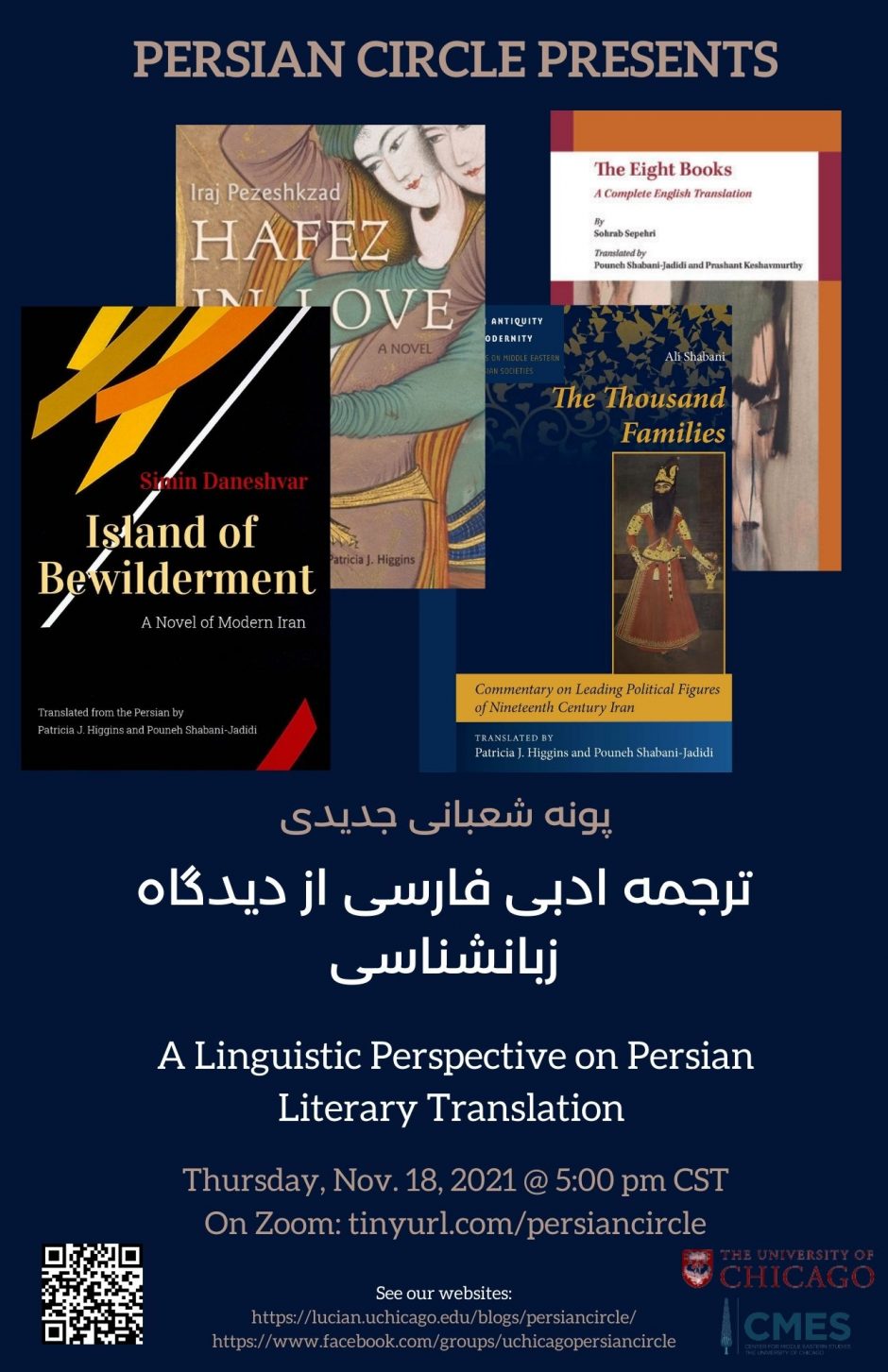
Pouneh Shabani-Jadidi is a Teaching Professor of Persian at the University of Chicago. Prior to this, she served as Senior Lecturer of Persian Language and Linguistics at McGill University (15 years) and Lecturer of Linguistics and Translation at Tehran Azad University (7 years). She holds two PhDs: a 2012 degree in Linguistics from the University of Ottawa, and a 2004 PhD in Applied Linguistics (Translation Focus) from Tehran Azad University. Persian language pedagogy Second language acquisition Literary translation theory and practice Psycholinguistic approaches to Persian syntax Translation metacognitive strategies Persian media language instruction Her publications include edited volumes like The Oxford Handbook of Persian Linguistics (2018) and The Routledge Handbook of Second Language Acquisition and Pedagogy of Persian (2020), along with co-translations of major Iranian literary works. She has presented extensively on linguistic approaches to Persian literary translation.
Grzegorz Krawczyk, PhD, is an Assistant Professor at the John Paul II Catholic University of Lublin, employed in the Department of Social and Humanistic Foundations of Landscape Architecture, Institute of Mathematics, Informatics and Landscape Architecture, Faculty of Natural and Technical Sciences. His research focuses on regional socio-economic development, local public finance, demographic change, FDI, innovation and academic entrepreneurship. Research interests revolve around measuring and explaining patterns of development at municipal and regional level, with particular emphasis on: local public budgets and fiscal capacity socio-economic mapping and typologies of communes demographic ageing and its fiscal consequences foreign-direct-investment determinants and local spill-overs academic entrepreneurship and university-industry knowledge transfer evaluation of cohesion-policy instruments Empirical coverage is dominated by the Lublin Voivodeship and Eastern Poland, but comparative studies (e.g. Poland-Spain FDI) are also present. Methodologically the work combines descriptive statistics, comparative case studies and policy-oriented evaluation. Scientific output comprises over 40 items, including peer-reviewed articles, chapters and conference papers published between 2003 and 2023; no research grants or supervised doctoral candidates are listed in the source material.
Dr. Jan Helge Bøhn is an Associate Professor in the Department of Mechanical Engineering at Virginia Tech's College of Engineering, specializing in rapid prototyping, additive manufacturing, geometric modeling, and international engineering education. His work bridges global collaborative engineering with innovative product development processes. Ph.D., Computer and Systems Engineering, Rensselaer Polytechnic Institute (1993) M.S., Computer and Systems Engineering, Rensselaer Polytechnic Institute (1989) B.S., Computer Science, Rensselaer Polytechnic Institute (1988) His research focuses on additive manufacturing and global engineering design , with applications in transatlantic dual degree programs, automotive PLM, and haptic accessibility solutions. He has pioneered adaptive slicing techniques for 3D printing and developed international curricula frameworks. Dr. Bøhn's publications highlight trends in collaborative engineering education , 3D printing , and human-computer interaction , particularly for low-vision users and automotive sectors. 2018 : PACE Platinum Certification 2015 : Alumni Award for Excellence in International Outreach 2013 : Virginia Tech Scholar of the Week & PACE Silver Certification He has led international initiatives, received multiple teaching excellence awards, and collaborated on global PLM educational labs. His work impacts both engineering pedagogy and industrial practices.
Kirsten Mangels is a Researcher at the Chair of Regional Development and Spatial Planning at the Rhineland-Palatinate University of Technology Kaiserslautern-Landau. Her work focuses on regional development , spatial planning , and cross-border governance , particularly addressing challenges in rural and peri-urban areas . Her research explores territorial development in cross-border regions, healthcare accessibility for aging populations, and climate-neutral settlement structures . Key projects include the Linking Borderlands initiative (BMBF-funded) and Ageing Smart (Carl-Zeiss-Stiftung), integrating demographic trends with spatial policy . Publications highlight sustainable urban-rural integration and interdisciplinary planning , with a focus on healthcare provision , tourism economics , and compact settlement models . She has lectured internationally on European territorial cohesion and smart regional development , contributing to policy dialogues in Germany, Austria, and international forums.
Boris Tolg is a Professor of Informatics and Mathematics at the Hamburg University of Applied Sciences , affiliated with the Faculty of Life Sciences and the Department of Biomedical Engineering. He leads the SIMLab and the Research and Transfer Centre for Medicine, Health, and Technology (FTZ MGT), while serving as Pro-Dean for Research and Digitalization. Research Focus: Simulation and virtual reality applications for mass casualty incident (MANV) training and medical education. Expertise: Digital monitoring systems, motion analysis in simulations, and combating simulator sickness. His recent work explores VR-based training tools for emergency response coordination, spine posture analysis sensors, and health impact assessments in urban planning. Publications emphasize scalable solutions for food safety control and digital transformation in healthcare education. Leadership: Chairs the Commission for Safeguarding Good Scientific Practice and contributes to organizations like the ARGH and GI.
Elif Öztekin is a postdoctoral researcher at the Department of Architecture, School of Arts, Design and Architecture, Aalto University. She is also a member of the UrbanAcademy platform, where she engages in transdisciplinary research on urban sustainability and participatory planning. Education: Doctoral Degree in Arts and Design, Aalto University (awarded 10 June 2022) Her research focuses on design for sustainability transitions , participatory urban planning , and action research methodologies . She explores how design practices can foster learning, co-evolution, and societal change in community-led initiatives across Europe. Her work is grounded in practice theory and transitions theory, aiming to build collaborative frameworks for urban resilience. The recent publications highlight a strong trend in co-learning , capacity building , and systemic urban planning . Her research integrates transdisciplinary approaches to develop experimental methods in city planning, with a focus on stakeholder engagement, mutual learning, and sustainability transformations. Topics such as deep leverage points, multispecies urbanism, and post-pandemic recovery reflect the breadth and depth of her scholarly contributions. Scientific Activities and Contributions: Invited academic talks and conference presentations (2024) Chair and organizer of participatory workshops (e.g., Co-creating Laajasalo's Nature Futures) Member of the organizing committee for the Annual Symposium of Architectural Research in Finland (2024) Active contributor to transdisciplinary research platforms and collaborative publications Elif Öztekin collaborates extensively with cities, urban actors, and local communities. Her work emphasizes action-oriented research and the development of practical tools for participatory governance. While no formal grants or student advisement are listed, her involvement in high-impact projects and publications indicates a growing leadership role in sustainability design research. Research Labs and Teams: She is affiliated with the UrbanAcademy platform, which supports transdisciplinary research and co-creation in urban development. This network enables collaboration between researchers, municipalities, and civil society to advance sustainable urban futures.
Christian Stöhr is a Professor at Chalmers University of Technology's Department of Communication and Learning in Science. His research focuses on technology-enhanced learning in engineering education, including flipped and hybrid teaching methods, AI in education, and Massive Open Online Courses (MOOCs). He also investigates science communication and the role of knowledge in governance contexts. Current projects include Navigating Large Language Models , 4S , and ENHANCE collaborations. He supervises two PhD students and a post-doc, and serves as Director of Studies for the Graduate School 'Communication and Learning in STEM'. Research interests span engineering pedagogy, digital learning environments, interdisciplinary groupwork, and AI integration in education. His work bridges formal and informal learning, emphasizing sustainable educational practices. The 15 most recent articles (2025–2023) reflect trends in hybrid learning, AI chatbot usage, social regulation of learning, and MOOC development. Themes include pedagogical innovation, cross-cultural integration, and ethical implications of AI tools. Teaching includes CLS905 'Supervising Research Students' and leadership in interdisciplinary PBL across Nordic institutions. His projects involve collaborations with European Commission, VINNOVA, and EIT, focusing on mechanical engineering labs, nuclear safety courses, and teacher development in AI/MOOC design.
Dr. Hongmin (Jess) Yan is a Lecturer in Human Resources Management at the School of Business, UNSW Canberra. Holding a PhD in Management from The University of Queensland and multiple advanced degrees in business and public administration, she focuses on workplace ethics, wellbeing, and technology adaptation. PhD in Management (The University of Queensland, Australia) Master in Business (Queensland University of Technology, Australia) Master in Public Administration (University of Delaware, US) Bachelor in Economics (Fudan University, China) Her research examines ethical technology use in organizations, workplace wellbeing under stress, and decision-making frameworks. She integrates AI's organizational impact with sustainable workforce practices, publishing in journals like Human Resource Management and Journal of Vocational Behavior . Jess's work bridges technology ethics with practical workplace solutions, emphasizing CSR's role in safety and neurodivergent inclusion. She has secured funding from Advance Queensland and SkyCity Entertainment Group for her studies on crisis recovery and safety culture. Scientific Awards Griffith University Postdoctoral Fellowship Global Change Scholars Award Australian Government Research Training Program Scholarship UQ Postgraduate Research Scholarship As an educator, Jess employs research-led teaching methods and serves on the editorial board of the Australian Journal of Management. Her grants include projects on tourism workforce resilience and service safety leadership.
Professor Liz Sharp is Professor of Water and Planning at the University of Sheffield's School of Geography and Planning, where she conducts environmental social science research focused on practical environmental improvements. Her work bridges academic theory and real-world applications through collaborations with water utilities, engineers, and landscape specialists to address water supply, waste management, and flooding challenges. Her educational background includes studies at the University of Cambridge and the University of Sheffield, with professional experience in Birmingham, Bradford, and Sheffield. University of Cambridge University of Sheffield Sharp's research centers on environmental governance processes, specifically examining how public engagement shapes water policy development and implementation. She investigates emerging water governance patterns for climate change adaptation and explores how interpretive social science can complement traditional scientific approaches in driving sustainable water management. Her empirical work spans water supply/demand, landscape water systems, flood risk governance, and extends to waste and energy policy through interdisciplinary partnerships. Recent publications (2017-2024) reveal strong thematic continuity in community-oriented water management, reflexive adaptation strategies, and the water-energy-food nexus. Key trends include spatial approaches to climate resilience, co-produced governance models, and the integration of practice theory in household sustainability interventions. Her work increasingly emphasizes blue-green infrastructure design and the health co-benefits of nature-based water solutions. Professor Sharp currently supervises two PhD students investigating urban water practices in China and Nairobi. She has secured major research funding from NERC, EPSRC, ESRC, European Commission, and INTERREG for projects including MAGIC (governance of infrastructure through coproduction), Twenty65, Reshaping the Domestic Nexus, PREPARED, and BEGIN. PhD Students: Rong Zheng (Children's place attachment to outdoor spaces in urban China), Monica Grau-Martin (Tinkering with water in Nairobi) Major Grants: MAGIC (NERC), Twenty65 (EPSRC), Reshaping the Domestic Nexus (ESRC), PREPARED (EU), BEGIN (INTERREG) Her research operates through interdisciplinary project teams that partner with water companies, local governments, and engineering firms, emphasizing co-production methodologies to develop context-sensitive water governance solutions that integrate technical and social dimensions of sustainability.