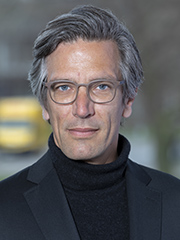
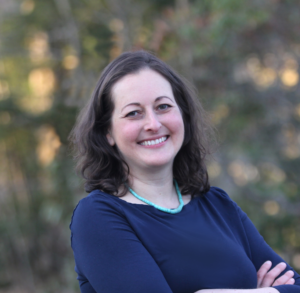
Christine Eckhardt is an Assistant Professor in the Department of Neurology at the T.H. Chan School of Medicine (UMass Chan Medical School), specializing in Neurocritical Care. She earned her MD from Harvard Medical School and holds an MS degree. Education: MD, Harvard Medical School, Boston, MA MS (unspecified field) Dr. Eckhardt's research focuses on neurocritical care, neurotoxicity syndromes, and EEG-based diagnostics. She develops quantitative EEG methods for assessing immune effector cell-associated neurotoxicity (ICANS) and delirium severity, with applications in CAR T-cell therapy and critical care neurology. Her recent publications (2022–2023) emphasize automated neurotoxicity detection , EEG signal processing , and health equity disparities in heart failure care. Key subfields include neurocritical care, computational neuroscience, and clinical outcome modeling.
Rajeev Balasubramonian is a Professor and Associate Director at the School of Computing, University of Utah. He specializes in computer architecture, with a focus on memory systems, emerging technologies, and energy-efficient computing. His research addresses challenges in DRAM/NVM architectures, security, and acceleration for big data and machine learning workloads. Education: PhD in Computer Science (University of Rochester, 2003), M.S. (University of Rochester, 2000), B.Tech in Computer Science (IIT Bombay, 1998). Research Interests: Memory reliability, near-data processing, cache hierarchies, transactional memory, and hardware-software co-design for emerging technologies. He has led projects on crossbar accelerators, secure memory systems, and resistive memory architectures. Recent Trends in Publications: Focus on encrypted inference (Hyena), data prefetching (PATHFINDER), and neuromorphic computing (SpinalFlow). His work bridges hardware and software, emphasizing practical acceleration and security solutions. Awards: IEEE Fellow (2021), Google Faculty Awards (2019/2020), Intel Research Award (2017), and multiple best paper awards (ISCA, ISPASS, PACT). Grants & Students: Over $4M in NSF/industry funding. Advised 15+ PhD students (e.g., Ali Shafiee, Karl Taht) and currently mentors researchers in resistive memory and security accelerators. His lab includes teams like Utah Arch Research Group. Labs & Teams: Leads the Utah Arch Research Group , organizing workshops on near-data processing and memory systems (e.g., ISCA, HPCA).
Megan Carey is a Researcher at the Champalimaud Foundation , leading the Carey Lab . Her research focuses on understanding how cellular and synaptic mechanisms in the cerebellum influence motor behavior and learning. Key projects include studies on cerebellar neural circuits, locomotor adaptation, and sensory-motor integration. Her recent work highlights cross-species comparisons (mice and flies), zebrafish visual system neurobiology, and pharmacological modulation of motor learning. The lab employs genetic perturbations, optogenetics, and behavioral analysis to dissect neural circuit dynamics. Notable collaborators include senior scientists, postdoctoral researchers, and PhD students. The lab's publications span high-impact journals like J. Neurosci. , eLife , and Neuron , with funding from HHMI and NIH.
Alexandros Daglis is an Associate Professor of Computer Science at the Georgia Institute of Technology, with an adjunct appointment in the School of Electrical and Computer Engineering. His research focuses on blurring boundaries between network and compute for high-performance, scalable microsecond-scale services in datacenters, particularly through network endpoints and memory-centric computing. Primary Affiliation: Georgia Tech College of Computing, School of Computer Science Adjunct Affiliation: School of Electrical and Computer Engineering Key research areas include: Rack-scale computing and network-compute co-design CXL-based memory systems Low-latency datacenter architectures Transactional memory and concurrency control Edge-cloud continuum and geo-distributed infrastructures He has received prestigious awards including the NSF CAREER Award, Google Faculty Research Award, and Georgia Tech's Outstanding Junior Faculty Teaching Award. His students include Marina Vemmou (network-compute co-design), Albert Cho (memory system design), and Peidi Song (microsecond-scale scheduling). Grants: NSF, IARPA, Intel, Samsung Teaching: High Performance Computer Architecture, Systems and Networks, Datacenter Design
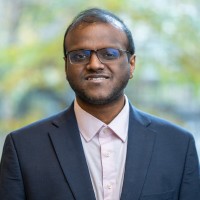
Anomadarshi Barua is an Assistant Professor in the Department of Cyber Security Engineering at George Mason University, leading the System Design and Security research group. His work spans hardware-software co-design for securing cyber-physical systems (CPS), robotics, and sensors. Prior Affiliation: PhD from University of California, Irvine (2023) Industry Experience: Intel Corporation, Solidigm, Nordic Semiconductor, IDEAS Research Themes: Focuses on multimodal system security (audio, visual, electromagnetic data), analog-digital signal integrity, and quantum-inspired defenses in CPS. Key applications include healthcare systems, smart grids, and industrial control systems (ICS). Recent ACSAC 2024 paper acceptance Best Paper Award at ACSAC 2022 NSF panel reviewer (2024) Labs & Collaborations: Collaborates with University of Louisville on robotics and works on Commonwealth-funded UG research (2024). Publications in ACM CCS, USENIX, CHES, and IEEE Transactions (TDSC, TIFS).
Mary A. Carskadon is Professor of Psychiatry and Human Behavior at Brown University's Warren Alpert Medical School and Director of the EP Bradley Hospital COBRE Center for Sleep and Circadian Rhythms in Child and Adolescent Mental Health. Her distinguished career spans over five decades with foundational contributions to sleep science. Her educational background includes a BA in psychology from Gettysburg College (1969) and a doctorate with distinction in neuro- and biobehavioral sciences from Stanford University (1979), earned under William C. Dement. She is a distinguished alumna of Gettysburg College and holds an honorary doctor of sciences degree from that institution. Carskadon's research focuses on circadian timing systems and sleep/wake patterns in children, adolescents, and young adults. Her work on school start times has significantly influenced public health policy, prompting organizations like the American Academy of Pediatrics and CDC to advocate for later school schedules. She developed the multiple sleep latency test (MSLT) with Dr. Dement, which remains a global standard for assessing sleep disorders. Current research examines sleep-health disparities in urban children with asthma, sleep patterns in suicide risk populations, and the impact of sleep restriction on adolescent performance. Her extensive publication record shows consistent focus on adolescent sleep physiology, circadian rhythms, and public health implications. Recent work explores connections between sleep timing, mental health, and academic performance, particularly during the COVID-19 pandemic, while maintaining her foundational work on sleep measurement methodologies. Lifetime Achievement Award of the National Sleep Foundation Distinguished Scientist and Outstanding Educator Awards of the Sleep Research Society (the latter now presented in her name) 2023 Brown University Distinguished Research Achievement Award William C. Dement Academic Achievement Award (2023) V. Sagar Sethi, M.D., Mental Health Research Award Leadership in Sleep Medicine Award from American Academy of Physicians of Indian Origin-Sleep Elected Fellow of the Association for Psychological Science Elected Fellow of the American Association for the Advancement of Science Carskadon directs the NIH/NIGMS-funded Bradley Hospital COBRE Center, mentoring junior researchers in pediatric sleep and circadian rhythms. She serves as inaugural editor-in-chief of SLEEP Advances and has secured multiple NIH grants including R01 HL142058 examining ethnic differences in children's sleep patterns with asthma, P20 GM139743 for the COBRE center, and R01 HD103665 investigating sleep restriction effects using neuroimaging. Her work bridges laboratory research with real-world applications, particularly in school policy reform and health equity initiatives. She leads multiple research teams including the CLASS Study (Circadian Light in Adolescence, Sleep and School), projects on sleep disruption in urban children with asthma, and studies examining sleep's role in opioid use disorder treatment. Her laboratory continues to innovate in sleep measurement techniques while maintaining longitudinal studies on adolescent sleep patterns across developmental stages.
David H Laidlaw is a Professor of Computer Science at Brown University, specializing in virtual reality, scientific visualization, and medical imaging. His work spans interdisciplinary applications in neuroscience, biomedical research, and educational tools. Brown University Affiliation Department of Computer Science His research focuses on: Immersive visualization for complex data analysis Diffusion MRI and neuroimaging techniques Human-computer interaction in virtual environments 3D interaction methods for scientific exploration Collaborative visualization tools for multidisciplinary teams Recent trends in his publications highlight advancements in: Graph neural networks for biomedical data Memory-efficient segmentation algorithms Perceptual studies in VR environments Annotation and analysis of placental vasculature Technological innovations in foot dynamics research He teaches courses in virtual reality design and scientific visualization, including: CSCI 1370 - Virtual Reality Design for Science CSCI 1951S - Virtual Reality Software Review CSCI 1951T - Surveying VR Data Visualization Software CSCI 2370 - Interdisciplinary Scientific Visualization
Peter Fino is an Assistant Professor in the Department of Health, Kinesiology, and Recreation within the College of Health at the University of Utah. He directs the Neuromechanics and Applied Locomotion Lab, which is situated within the Cognitive and Motor Neuroscience research theme. His research focuses on understanding and improving mobility in individuals with neurological dysfunction, particularly those with brain injuries, using core concepts from biomechanics and motor control to develop better diagnostic tools and rehabilitation approaches. Dr. Fino's research explores how humans maintain stability during everyday activities that require complex motor control. His primary areas of investigation include: Foot placement control during walking and turning on uneven surfaces Balance recovery mechanisms following perturbations Effects of neurological conditions like concussion and Parkinson's disease on gait Development and application of inertial sensor technology for clinical assessment Neuroanatomical correlates of motor dysfunction after brain injury Nonlinear dynamics approaches to understanding human movement His lab employs a multidisciplinary approach, collaborating with engineers, clinicians, physical therapists, and neuroscientists to translate research findings into practical applications that improve people's lives. Current projects examine mobility in populations with traumatic brain injury, Parkinson's disease, and other neurological conditions, with particular focus on turning gait, dual-task performance, and objective measurement of balance recovery using wearable sensor technology. Dr. Fino actively mentors a diverse research team comprising PhD students, MS students, research coordinators, and undergraduate researchers. His lab has produced numerous graduates who have gone on to academic positions, clinical research roles, and healthcare professions. He maintains strong collaborative relationships across the University of Utah and with external institutions including Oregon Health & Science University, University of Nebraska Omaha, and US Army-Baylor Physical Therapy. The lab participates in outreach through National Biomechanics Day and partnerships with high school programs to introduce students to biomechanics and neuroscience.
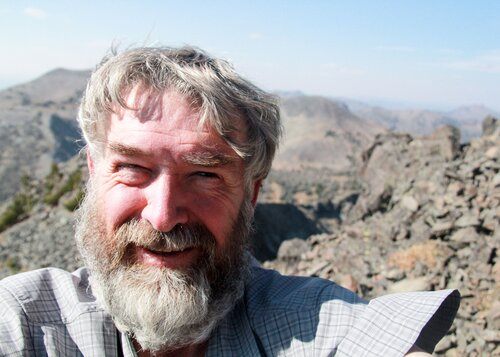
Professor Robert D. Pahre is a distinguished faculty member in the Department of Political Science at the University of Illinois, with cross-appointments across multiple academic units including the American Indian Studies Program, Global Studies Programs and Courses, Recreation Sport and Tourism, European Union Center, Russian East European and Eurasian Center, and Center for Global Studies. Dr. Pahre earned his B.A. in International Relations and German Studies from Stanford University in 1984, followed by an M.A. (1988) and Ph.D. (1990) in Political Science from UCLA. His academic journey has positioned him as a leading scholar at the intersection of international relations, political economy, and environmental politics. His research interests span International Political Economy, Foreign Policy, Environmental Politics, and National Parks and Wilderness Areas. Pahre has developed innovative approaches to teaching politics through experiential learning in national parks, creating unique connections between political science theory and practical application in protected areas. His scholarly work demonstrates consistent engagement with how political institutions shape international cooperation and domestic policy-making processes. Professor Pahre's publications from the last three decades reveal an evolving research trajectory that increasingly incorporates environmental concerns and experiential education. His recent work focuses on the relationship between recreation, conservation, and political processes, with particular attention to how national parks serve as living laboratories for political science education. As an educator, Pahre has developed specialized courses that take students into national parks for field-based learning experiences. His commitment to innovative pedagogy is evident in his publications on teaching politics in national park settings, where he explores how wilderness environments can enhance political science education through direct engagement with policy implementation and environmental governance. Professor Pahre maintains active involvement with multiple research centers and regularly contributes to discussions about environmental politics, protected areas management, and the role of federal lands in American political life. His work bridges disciplinary boundaries, connecting traditional political science concerns with emerging issues in environmental governance and sustainability.
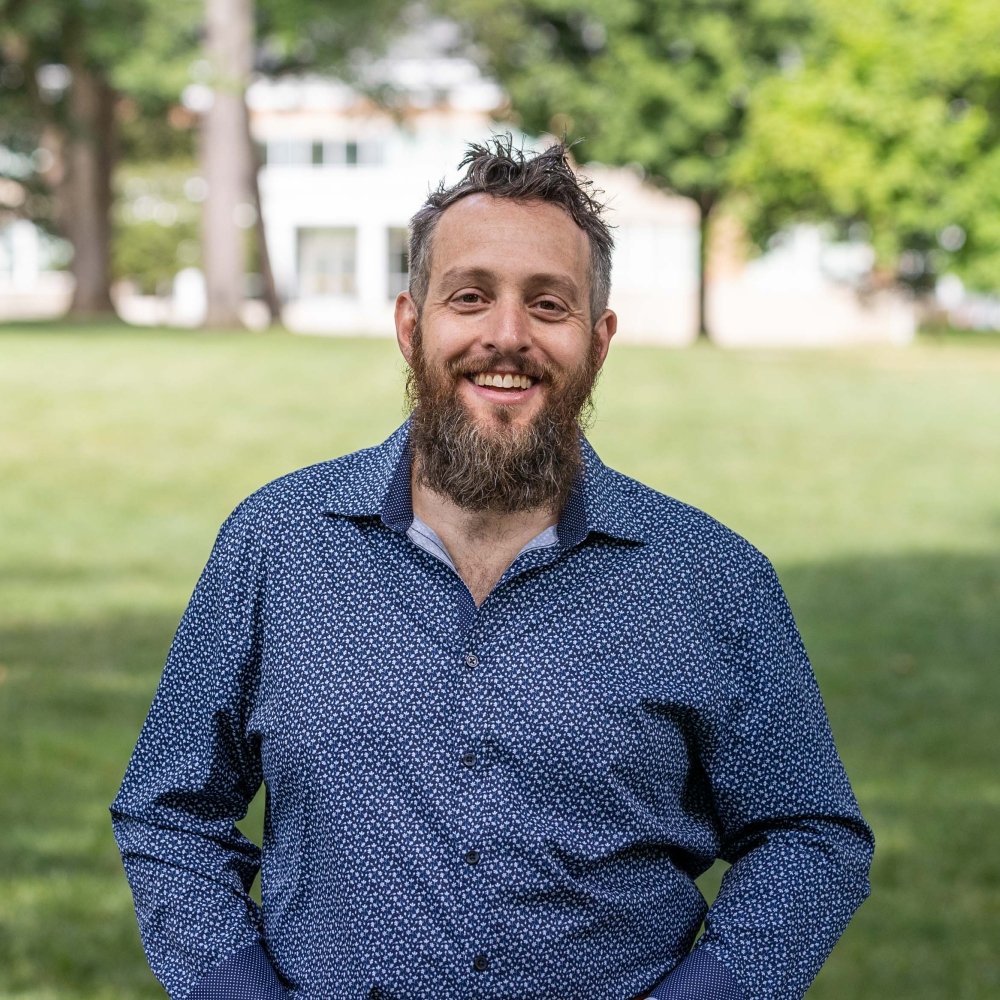
Kushal Dey serves as an Assistant Professor in the Computational and Systems Biology Program at Memorial Sloan Kettering Cancer Center (MSKCC), part of the Graduate School of Medical Sciences in partnership with Weill Cornell Medicine. His research integrates statistical and machine learning approaches with genomic data to understand the regulatory architecture of complex diseases. Dr. Dey's research focuses on developing computational methods that integrate human disease genetics with functional genomics data. His work spans immune-related diseases including Alzheimer's and inflammatory bowel disease, as well as heritable cancers like breast and prostate cancer. His lab develops models to prioritize variants, genes, and cell states for disease using genetic, genomic, and perturbation data, with emphasis on causal directed graphs and benchmarking pipelines informed by disease genetics. His recent publications highlight expertise in GWAS, colocalization, spatial transcriptomics, Perturb-seq, and RNA+ATAC multiome analysis. His work frequently appears in top journals like Nature Genetics, with a focus on single-cell multi-omics approaches to understand disease mechanisms at cellular resolution. Scientific Awards: Josie Robertson Investigator (2023–2028) K99/R00 Pathway to Independence Award (NIH/NHGRI) (2022–2026) NIH/NHGRI Early Stage Investigator R01 (2025-2030) NCI P30 CCSG supplement – 'LLMs in cancer research' (2023-2024) Catalog Working Group Co-chair + Disease Focus Group Lead: IGVF consortium (2023-) Dr. Dey mentors several graduate students through the Weill Cornell Graduate School (WGS), including Thahmina Ali, Pretty Garcia, Karthik Guruvayurappan, Louis Liu, Sarthak Tiwari, Berk Turhan, and Harry Zhang. His lab has received multiple grants including the AWS IMAGINE Grant Children's Health Innovation Award 2024-2025 (as Project Co-lead) and PSRP Developmental Funds Awards (2025: Co-lead). The lab actively collaborates with consortia including ENCODE, ADSP, MorPhiC, and IGVF, maintaining strong ties with Columbia University, Stanford University, and Harvard T.H.Chan School of Public Health. The Kushal Dey Lab is part of the vibrant Tri-Institutional Research campus adjacent to Rockefeller University and Weill Cornell Medical College, offering a collaborative environment focused on computational genomics and disease mechanisms.
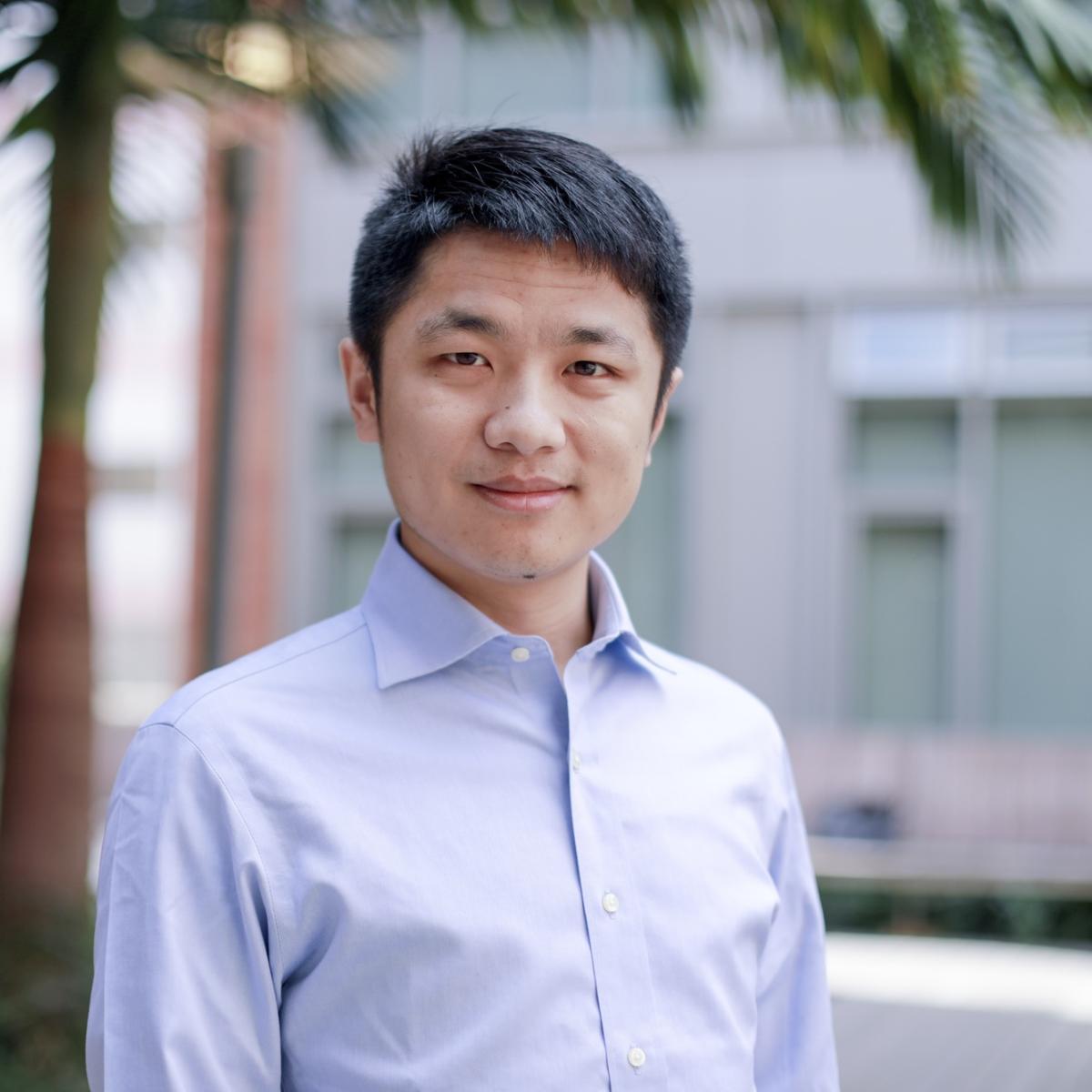
Lin Yang is an Assistant Professor in the Electrical and Computer Engineering Department at the University of California, Los Angeles (UCLA). His research focuses on reinforcement learning theory and applications, learning for control, non-convex optimization, and streaming algorithms. Education: PhD in Computer Science and PhD in Physics & Astronomy - Johns Hopkins University (simultaneously) Bachelor's degree in Math and Physics - Tsinghua University Research Interests: His work spans reinforcement learning theory and its applications, particularly in learning for control systems. He also investigates non-convex optimization techniques and streaming algorithms for efficient data processing. Scientific Awards: Dean Robert H. Roy Fellowship - Johns Hopkins University Previous Positions: Before joining UCLA, he was a postdoc at Princeton University working with Professor Mengdi Wang.
Jonathon L. Earle is an Associate Professor of African History at Centre College, where he has been a faculty member since 2012. He serves as Co-Chair of the Uganda Studies Group within the African Studies Association and as Senior Editor of the Oxford Research Encyclopedia of African History. His academic appointments span the History Department, International Studies Program, and African & African American Studies program. Dr. Earle specializes in the intellectual history of modern Africa, with particular expertise in Uganda and the Buganda Kingdom. His research focuses on decolonizing knowledge production, religious thought in colonial contexts, and political imagination during the end of empire. He has developed a creative pedagogy incorporating community-based learning and regularly leads study abroad programs to eastern Africa and the United Kingdom. His scholarly output demonstrates significant contributions to African intellectual history, with particular emphasis on how African thinkers navigated colonial epistemologies. His publications reveal a consistent exploration of how religious frameworks, historical consciousness, and political imagination shaped anti-colonial thought and postcolonial state formation in East Africa. Finalist for the Bethwell A. Ogot Book Prize (2018) Centre Scholar (2016, 2019) Stodghill Research Professorship (2017) Delta Delta Delta Professor of the Year (2016) Special Project Award of the Kentucky Historical Society (2020) Dr. Earle has maintained an active research agenda, presenting at or organizing at least 16 conferences or workshops since 2013, including events at Cambridge, Makerere, Yale, and Oxford universities. He has also supervised undergraduate research projects, notably a student-led podcast series on the assassination of Kentucky Governor William Goebel. His work with students extends to field research in Uganda and the United Kingdom, reflecting his commitment to experiential learning. His scholarly leadership includes co-organizing significant workshops such as 'Terrorism in Africa' at Oxford (2016) and 'Emerging Approaches in Uganda Studies' at University College London (2017). He is currently leading major editorial projects including the Cambridge History of African Political Thought and African Histories of the Holocaust.
Dr. Anna Baldycheva is a Senior Lecturer in Electronic Engineering at the University of Exeter, within the College of Engineering, Mathematics and Physical Sciences. She leads the interdisciplinary STEMM Laboratory, focusing on applied R&D in smart materials, photonics, AI, and IoT. With prior research experience at MIT, Trinity College Dublin, and Tyndall National Institute, she has established herself as an internationally recognized innovator and entrepreneur in emerging technologies. PhD in Electronic and Electrical Engineering, Trinity College Dublin (2008–2012) BSc (Hons) in Physics, St. Petersburg State University (2003–2008) Postgraduate Certificate in Academic Practice, University of Exeter (2016–2017) Postgraduate Certificate in Technology Management, Smurfit Business School (2009–2010) Her research spans Nano-Engineering, Opto-Electronics, Photonics, AI, and IoT , with a strong emphasis on real-world applications. She pioneers work in fluid opto-electronics , graphene nanocoatings , and AI-driven emotion recognition and early cancer detection . Her lab develops smart composite materials for flexible electronics, e-textiles, and structural applications, integrating machine learning into healthcare, education, and communications systems. The recent publications highlight a strong trend toward applied interdisciplinary innovation , combining materials science with AI and photonics for healthcare diagnostics, energy-efficient computing, and educational technology. Her work frequently bridges fundamental physics with commercialization potential, as seen in spin-out technologies like GSurf and the Electronic-Nose for lung cancer detection. Fellow, Royal Microscopical Society (RMS) Fellow, Higher Education Academy (FHEA) Expert, Future and Emerging Technologies, European Commission Featured in Forbes and Forbes Tech Council Editor-in-Chief, InSTEMM Journal Associate Editor, Nature Scientific Reports and Discover Nano Trustee, Royal Microscopical Society Founder, STEMM Global Scientific Society Founder, It’s Her! Women in STEMM Initiative Dr. Baldycheva actively supervises PhD students and has secured industrial collaborations with organizations such as Qinetiq and Lumentum. She leads multiple outreach initiatives, including STEMM Junior for underprivileged children, and serves on the committee for the Jocelyn Bell Brunel PhD Scholarship. She has raised significant research funding through national and international grants, though specific grant names are not listed. She leads the STEMM Laboratory , a multidisciplinary research group with divisions in Smart Composite Materials, Machine Learning & AI, and Opto-Electronics & Photonics. The lab emphasizes industry collaboration and technology transfer, having produced a university spin-out (GSurf) and multiple media-highlighted innovations.
Daniel Geiger is a Professor and Chairholder of Organization Studies at the University of Hamburg , Faculty of Economics and Social Sciences, Department of Social Economics. He has previously held professorial positions at the University of Kaiserslautern and the University of Linz. He earned his PhD from Freie Universität Berlin and conducted postdoctoral research at the University of Liverpool. He is an internationally recognized scholar in organization theory, with a focus on organizational routines, crisis management, and practice-based research. Education: Dipl.-Kfm. in Business Administration, Freie Universität Berlin; PhD in Management, Freie Universität Berlin (2005); Habilitation, University of Linz (2009). Professional Experience: Professor, University of Hamburg (2013–present); Professor, University of Kaiserslautern (2010–2013); Assistant/Associate Professor, University of Linz (2007–2009); Research Fellow, University of Liverpool (2005–2007). Prof. Geiger’s research centers on the dynamics of organizational routines in crisis and emergency contexts. He employs ethnographic methods and has collaborated with organizations such as the Uganda Red Cross, Feuerwehr Hamburg, and Technisches Hilfswerk. His work explores how time, space, and paradox shape coordination in extreme situations. His recent publications reveal a deepening focus on temporal elasticity, granularity in routine studies, and multi-actor dynamics in legitimacy repair and crisis response. He has contributed significantly to journals like Administrative Science Quarterly , Organization Studies , and Organization Science . His scientific contributions have been recognized with awards including the Douglas McGregor Memorial Award (2010) and the Best Paper Award for Young Scholars (2009). He serves on the editorial boards of Organization Studies , Management Learning , and European Management Journal , and is an active member of EGOS, including its Executive Board and Standing Working Group on Managing in Extreme Contexts. Prof. Geiger has advised several doctoral students and junior researchers, including Dr. Iris Seidemann and Pia Geisemann. He has led international research projects and held visiting appointments at the University of California, Irvine, and the Uganda Management Institute. His work combines theoretical rigor with practical relevance, particularly in humanitarian and emergency management contexts.
Anna Shusterman is a Professor in the Psychology Department at Wesleyan University, where she has taught and directed research in the Cognitive Development Laboratories since 2007. She co-founded and serves as co-chair of Wesleyan's College of Education Studies, established in 2020. Her educational background includes: Bachelor's degree in Neuroscience from Brown University Graduate studies and post-doctoral fellowship at Harvard University's Laboratory for Developmental Studies under Elizabeth Spelke and Susan Carey Dr. Shusterman's research centers on conceptual development in children, with a focus on the interplay between language and cognition in spatial and numerical domains. She investigates how language shapes children's understanding of numbers and space, and develops methodological approaches for translating developmental science into practical preschool classroom applications. Her work explores how young children perceive and learn about the world through simple, engaging games. Analysis of her recent publications (2019-2025) reveals consistent emphasis on numerical cognition, language acquisition, and spatial reasoning. Key themes include language's role in math development, early numeracy in diverse populations (particularly deaf and hard of hearing children), and implementation of research-based math activities in preschool settings. Her work demonstrates how language exposure in any modality supports numerical concept development and how grammatical structures influence number word acquisition. Dr. Shusterman has secured significant research funding including NSF CAREER grants and collaborative research awards. She mentors undergraduate researchers in her laboratory and actively bridges academic research with practical educational applications through her work with the College of Education Studies. She directs the Blue Lab within Wesleyan's Cognitive Development Laboratories, located in Judd Hall. The NSF-funded lab conducts studies with children under 12 from central Connecticut preschools, schools, and daycare centers, using fun games to investigate how children think about numbers, space, language, and social concepts.