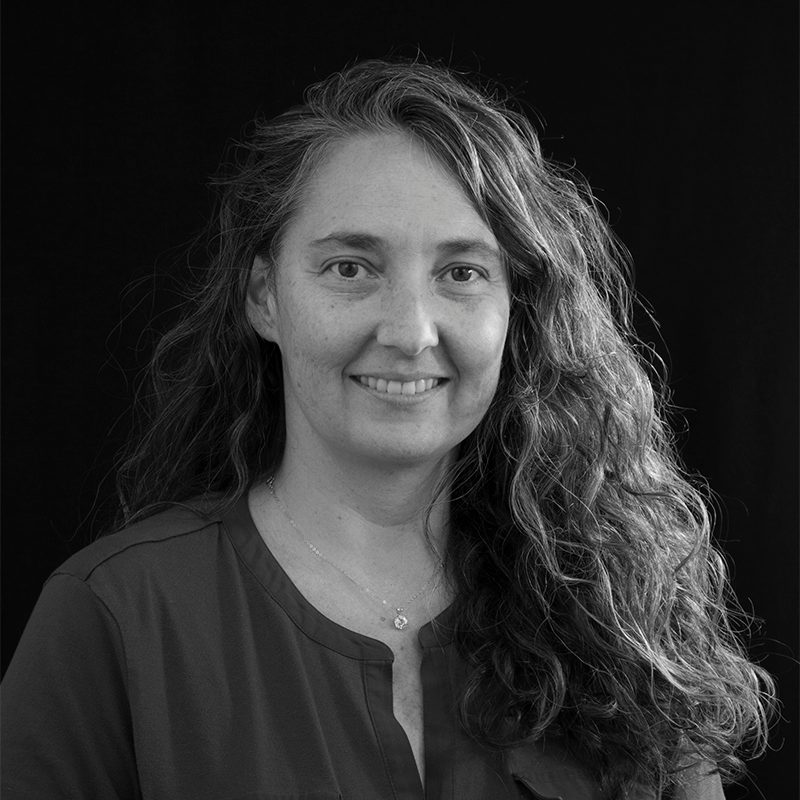
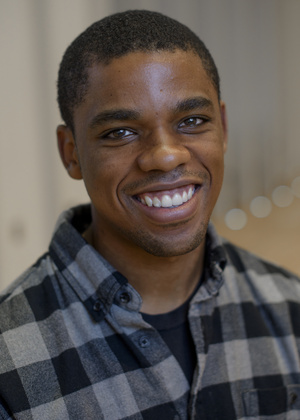
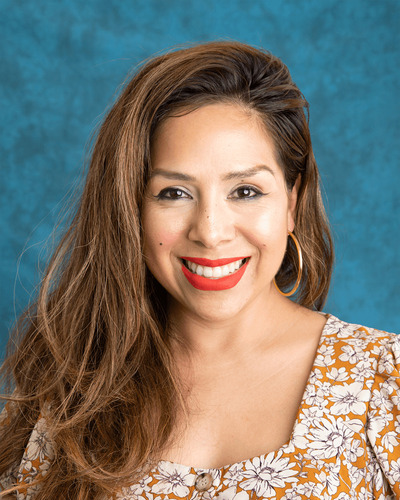
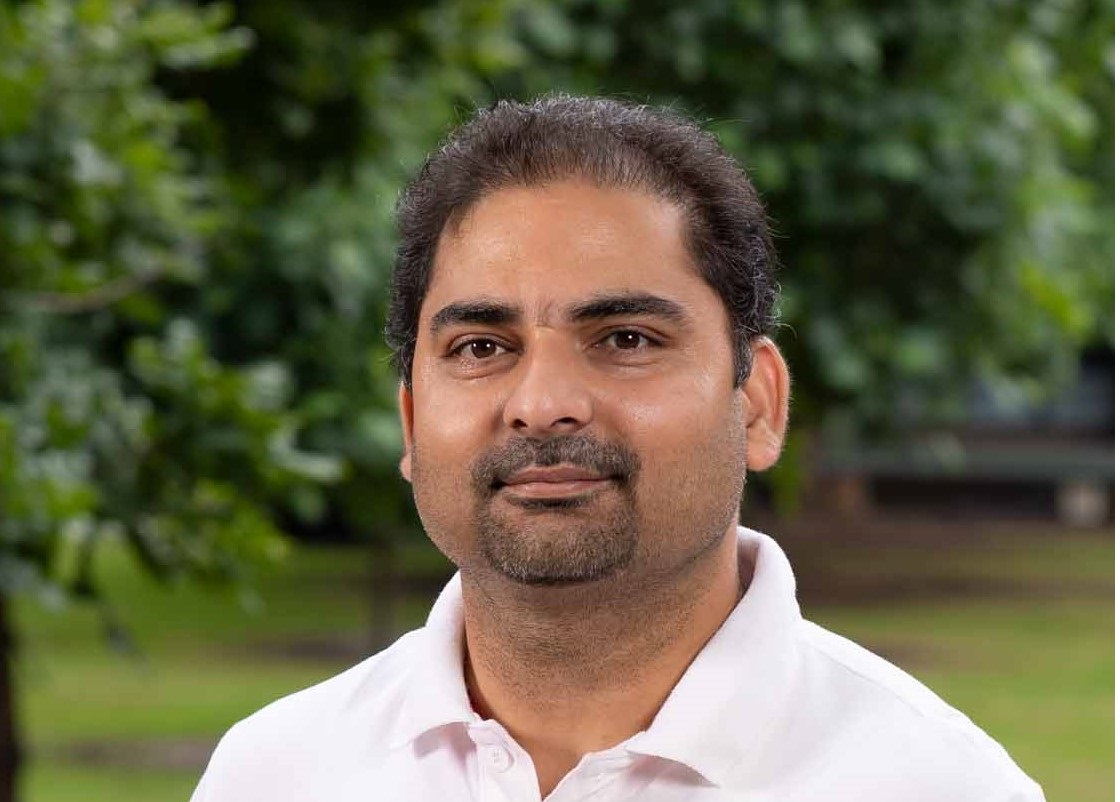
Horacio Saggion is the Chair in Computer Science and Artificial Intelligence at the Department of Information and Communication Technologies, Universitat Pompeu Fabra. He leads the TALN Group and the Large Scale Text Understanding Systems Lab. His research focuses on Computational Linguistics, with specialties in Text Summarization, Information Extraction, and Semantic Analysis. He coordinates the Horizon Europe iDEM project on inclusive democratic spaces and previously led the SignON project for Sign Language Translation. Key technologies include the SUMMA Summarization system and the Dr Inventor Text Mining Library. Education: PhD, MSc, and Licenciatura in Computer Science. Research Interests: Text simplification for accessibility, sign language translation, misinformation detection, and ethical AI applications. His work bridges natural language processing with societal needs such as clear communication in public administration. Grants & Projects: Coordinator of iDEM (Horizon Europe), PI of SignON, Simplext, and Able to Include. Involved in BEA shared tasks and CLEF labs. Active in organizing workshops like TSAR at EMNLP. Labs & Teams: Head of TALN Group and Text Understanding Lab. Collaborations include Universitat Pompeu Fabra's interdisciplinary initiatives and industry partnerships for technology commercialization.
Assoc Prof Jason Skues is an Associate Professor in the School of Health Sciences at Swinburne University of Technology, where he contributes significantly to research, teaching, and PhD supervision. His work focuses on mental health, identity development, cultural intelligence, and psychological wellbeing across diverse populations including university students, prisoners, vocational trainees, and emerging adults. University: Swinburne University of Technology School: School of Health Sciences Academic Rank: Associate Professor Email: jskues@swin.edu.au His research interests span applied and developmental psychology, social and personality psychology, and clinical and health psychology. He investigates mental health literacy, cyberbullying, identity processes, and the psychological impact of educational and vocational experiences. His work often employs qualitative and mixed methods to explore complex human behaviors and interventions. The most recent publications show a strong trend toward mental health in educational and vocational contexts, prison mental health, cultural intelligence development through international exchange, and cyberbullying in emerging adults. His research consistently addresses real-world applications, aiming to improve training, policy, and psychological support systems. Office of Learning and Teaching (OLT) Citation (2012) Jason Skues supervises a wide range of PhD projects, particularly in identity development, mental health interventions, cyberbullying, and educational psychology. He has secured multiple competitive research grants from bodies including the Department of Justice, Department of Defence, and St. John's University, supporting studies on sleep problems, smoke-free prisons, and human-machine interface technologies. His collaborative network includes researchers across psychology, nursing, education, and forensic science. He leads and contributes to research teams focused on mental health in higher education, justice care, and vocational training. His work with simulated persons in nursing education and prison-based mental health programs highlights his commitment to innovative, evidence-based interventions.
Martha Sullivan serves as the Department Chair and Associate Professor of Practice in the Industrial Design program at Virginia Polytechnic Institute and State University. Her work bridges ceramics , product design , wellness , and community development , with a focus on interdisciplinary collaboration and contemplative practices in design education. Education : M.S.Arch in Industrial Design and B.S. in Geology, both from Virginia Tech Research interests span ceramic arts , mindful design , digital fabrication , and sustainable material practices . Her scholarly outputs include ceramic installations , pedagogical research , and international collaborations in Norway and China. Recent publications highlight subliminal material experiences (2023), student learning assessment (2022), and biomimetic design methodologies (2020). Sullivan’s work emphasizes the intersection of craft and technology , with consistent recognition for teaching excellence and community engagement . Scientific Awards School of Architecture + Design Outreach Award (2022) Excellence in Teaching Award (2022) New River Valley Leading Light Award for service (2019) Tau Sigma Delta National Honor Society (2006) Teaching responsibilities include courses in Handbuilding Clay , Molded Ceramics , and Needs Identification in Healthcare , alongside directing Study Abroad programs.
Li Nguyen is an Assistant Professor of Linguistics and Multilingual Studies at Nanyang Technological University (NTU), Singapore . Their work bridges linguistics with computational approaches, focusing on language variation, contact phenomena, and multilingual NLP. Education: PhD in Linguistics (University of Cambridge), Master’s in General and Applied Linguistics (Australian National University) Research interests include: Language variation and change in multilingual/diasporic communities Computational sociolinguistics and NLP for low-resource varieties Syntax-pragmatic interface in bicultural contexts Code-switching and heritage language documentation Recent publications highlight collaborations on Vietnamese-English and other code-switched language pairs, with a focus on NLP applications and corpus-based analysis. Their work has gained recognition through grants like the NTU Start-up Grant and Cambridge Language Sciences funding . Scientific awards: Cambridge International Scholarship, Philological Society Fieldwork Grant Li Nguyen actively collaborates on projects involving sociolinguistically informed NLP and community-driven language documentation. They have contributed to the development of the CanVEC corpus for Vietnamese-English speech research.
Martin Kjeøen Erikstad is an Associate Professor at the Department of Sports Science and Physical Education at the University of Agder. His work primarily focuses on sports psychology, coaching development, and talent development in football. University of Agder Department of Sports Science and Physical Education Research group: SPADE (Training processes and performance development in sports) Dr. Erikstad's research explores psychosocial factors affecting performance and participation in sport, particularly in youth football systems. He has conducted extensive studies on Bryne FK's youth development, including the 1999 intake that produced Erling Haaland and other professional players. His work emphasizes: Transformational leadership in sports Positive coach-athlete relationships Environment factors that promote both participation and elite talent development Psychological aspects of refereeing decisions Self-regulation in youth football
Andrew J Whelton is a Professor of Civil and Construction Engineering at Purdue University's College of Engineering, with concurrent appointments in Sustainability Engineering and Environmental Engineering. He serves as Director of the Healthy Plumbing Consortium and Lead for the Center for Plumbing Safety, focusing on water quality, chemical contamination, and public health in building plumbing systems. Professor, Civil and Construction Engineering Professor, Sustainability Engineering Professor, Environmental Engineering Director, Healthy Plumbing Consortium Lead, Center for Plumbing Safety His research spans environmental engineering and public health, with key themes including chemical contamination from plastic pipe degradation, post-disaster water system recovery, wildfire-related water quality impacts, and microbial risks in premise plumbing. Recent work addresses crises like the East Palestine chemical spill and Maui wildfires, while also developing predictive models for water quality and evaluating sustainable infrastructure materials. Scientific awards and recognitions include: Rapid Response Research (RAPID) Grants from NSF for disaster-related studies Environmental Protection Agency (EPA) support for building water quality programs Leadership in interdisciplinary consortia focused on plumbing safety Development of novel tools for water quality monitoring and remediation His publications reveal trends in: Chemical leaching from plastic piping materials Environmental justice in water contamination crises Integration of machine learning for water quality prediction Microbial ecology in stagnant plumbing systems Policy recommendations for disaster response Sustainable material innovation for infrastructure
Dr. Saidi Siuhi serves as an Associate Professor of Civil Engineering at South Carolina State University, where he teaches undergraduate and graduate courses while conducting research and providing institutional service across departmental and university levels. His academic credentials include: Ph.D. in Civil Engineering from the University of Nevada, Las Vegas (2009) M.Sc. in Civil Engineering from Florida State University (2006) B.Sc. in Civil Engineering from the University of Dar-es-Salaam (2003) Specializing in transportation engineering, Dr. Siuhi's research focuses on traffic safety, transportation planning, and microscopic traffic simulation. His work addresses critical transportation challenges including distracted driving/walking behaviors, traffic management during special events (notably the 2017 solar eclipse), and the application of advanced computational methods to transportation networks. He integrates emerging technologies like virtual reality, machine learning, and deep learning to develop innovative safety solutions for complex transportation systems. Analysis of his recent publications (2021-2025) reveals a strong trajectory toward computational transportation safety, with increasing emphasis on AI-driven solutions for pedestrian safety, driver behavior analysis, and infrastructure monitoring. His work consistently bridges theoretical transportation models with practical safety applications, particularly in distracted behavior analysis and event-based traffic management. Dr. Siuhi actively mentors students through senior design projects (CE 459/460) and graduate coursework, though specific advisee names aren't documented. His service contributions span departmental, college, and university committees, supporting academic operations and strategic initiatives within the engineering program.
Bettina Hannover is a Professor of Research on Schools and Teaching at Freie Universität Berlin within the Department of Education and Psychology, Division of School and Teaching Research. She has held this position since 2002 and has been a leading figure in educational and social psychology in Germany. Her research interests span Educational Psychology , Self and Identity , Gender and Education , Stereotype Threat , Teacher Education , and the Integration of Migrant and Refugee Students . She has developed a cognitive model of the self and investigates how social and cultural contexts shape identity and educational outcomes. The recent publications reflect a strong focus on stereotype threat , identity development , peer relationships , and gender dynamics in educational settings. Her work combines experimental, longitudinal, and intervention-based approaches, often in collaboration with national and international partners. She has received significant recognition, including the Heisenberg Scholarship from the German Science Foundation. Heisenberg Scholarship, German Science Foundation (1995) Bettina Hannover has led numerous funded research projects and advised on educational policy through her work with the Aktionsrat Bildung . She has also been active in academic governance, serving on editorial boards, selection committees for major prizes, and scientific advisory councils. Her work bridges basic research and applied educational interventions, particularly in promoting equity and inclusion in schools. She leads research on teacher competencies, evidence-based teaching (e.g., K2teach project), and the social integration of diverse student populations. Her lab and team focus on experimental and longitudinal studies in real-world school contexts, often involving large-scale data collection and intervention evaluations.
Professor Philip Hider is a Professor in Information and Communication Studies at Charles Sturt University, where he leads research in the Libraries Research Group. His work focuses on information organization, metadata, and library science, with significant contributions to cataloging policy, knowledge organization, and library classification systems. He has conducted research for major institutions including the National Library Board of Singapore, National Library of Australia, State Library of Victoria, and Australian government's Office for Learning and Teaching. Hider's research expertise spans information organization, knowledge organization, metadata systems, information retrieval, and library science. His work examines the theoretical and practical applications of cataloging standards, bibliographic control, and knowledge organization systems across various contexts including academic libraries, public libraries, and digital environments. A significant portion of his recent work investigates the impact of the COVID-19 pandemic on library services, the evolution of genre classification systems, and the role of metadata in digital resource discovery. Hider's publication record demonstrates consistent scholarly output with over 113 research outputs spanning from 1997 to 2025. His recent work shows a strong focus on practical applications of knowledge organization in contemporary library settings, with particular emphasis on Australian library contexts, public library services, and the challenges of cataloging emerging digital formats like YouTube videos. His research often employs comparative methodologies, examining differences between professional cataloging practices and social cataloging systems. Professor Hider serves as an active contributor to the library and information science field through his editorial work, including serving as Program Committee Chair for RAILS (Research Applications in Library and Information Science) and contributing to major journals in the field. His research group at Charles Sturt University focuses on key issues affecting library and information services, examining ways to improve library collections and understanding the evolving role of libraries in contemporary society.
Steve Oney is an Associate Professor at the University of Michigan School of Information and Computer Science and Engineering (by courtesy). His research focuses on enabling and encouraging more people to write and customize computer programs by creating new programming tools and exploring usability issues in programming environments. With a strong background in Human-Computer Interaction, he bridges the gap between theoretical research and practical applications in programming education, accessibility, and developer tool design. Dr. Oney completed his Ph.D in Human-Computer Interaction at Carnegie Mellon University's Human-Computer Interaction Institute under Professor Brad Myers and Dr. Joel Brandt. He also earned an M.Eng in Computer Science and SB degrees in Computer Science and Mathematics from MIT. His research spans multiple interconnected areas with a unifying theme of making programming more accessible and understandable. Key focus areas include programming education tools that help instructors understand student code at scale, web automation systems that simplify repetitive tasks, accessibility research addressing challenges faced by visually impaired programmers, and innovative VR programming environments. His work consistently emphasizes the human aspects of programming, exploring how tools can better support diverse programming needs and contexts. Dr. Oney's research output shows a strong trajectory toward increasingly sophisticated tools that integrate AI capabilities while maintaining a focus on human-centered design principles. Recent publications demonstrate growing emphasis on inclusive design, educational applications, and the integration of generative AI in programming environments. L@S 2024 Best Paper Award for CFlow CHI 2023 Honorable Mention for VizProg UIST 2024 Best Short Paper (EdCode) VL/HCC 2019 Best Short Paper Recognition for Contribution to Diversity and Inclusion (CSCW 2021) UMSI Excellence in Instruction Award (2021) University of Michigan President's Postdoctoral Fellowship (2015) As a mentor, Oney advises multiple Ph.D. students and postdoctoral researchers, with several successful graduates including Dr. Lei Zhang (June 2024). His research has secured over $1 million in funding from the National Science Foundation, Google, and Adobe, supporting projects that address critical challenges in programming education, accessibility, and developer tool design. He leads the Programming Tools Lab at the University of Michigan, where his team develops innovative tools that help programmers work more effectively. Current projects focus on AI-enhanced programming education, web automation, accessibility for diverse user groups, and next-generation programming environments for virtual and augmented reality.
Felicia Castro-Villarreal serves as a Professor of School Psychology within the Department of Educational Psychology at the University of Texas at San Antonio (UTSA), part of the College of Education and Human Development. She holds licensure as a Licensed Specialist in School Psychology (LSSP) and is actively pursuing Licensed Psychologist status, demonstrating her dual commitment to academic rigor and clinical practice in educational settings. Her educational trajectory includes a Bachelor’s degree in Psychology from UTSA, a Master of Science in Clinical Psychology from St. Mary’s University, and a Ph.D. in School Psychology from Oklahoma State University. She completed her doctoral internship at the APA-accredited Cypress-Fairbanks ISD Psychological Services Department, establishing foundational expertise in school-based psychological services. Dr. Castro-Villarreal’s research program centers on multicultural assessment and culturally responsive consultation practices, directly addressing systemic inequities in educational psychology. Her work examines how cultural identity influences assessment validity, develops consultation frameworks for diverse educators, and investigates barriers to mental health services for marginalized student populations—particularly focusing on autism spectrum disorders and high-stakes testing implications. Analysis of her recent publications reveals a cohesive research trajectory emphasizing social justice in school psychology. Her work consistently bridges theory and practice through mental health screening innovations, autism intervention adaptations, and critical examinations of labeling practices. Notably, her 2025 study on autistic women’s care experiences and 2023 meta-analysis on mental health screening demonstrate methodological diversity while maintaining focus on underserved populations. While specific grant details and student advisees aren't publicly documented, her extensive publication record—including systematic reviews, qualitative explorations, and intervention studies—indicates active research leadership. Her contributions to yearbook introductions and special issues reflect scholarly service to advance equity-focused discourse within educational psychology.
Gaang Lee is an Assistant Professor in the Department of Civil and Environmental Engineering at the University of Alberta's Faculty of Engineering, where he joined in 2022 after earning his Ph.D. from the University of Michigan. His research pioneers 'sympathetic' built environments that enhance safety, health, productivity, and comfort for workers and users through integration of wearable biosensors, AI, extended reality, and robotics with psychophysiological theories. Education: Ph.D in Civil and Environmental Engineering, University of Michigan, Ann Arbor (2022) - Emphasis: Construction Engineering and Management; Graduate Certificate in Computational Discovery and Engineering Graduate Certificate in Computational Discovery and Engineering, University of Michigan, Ann Arbor (2022) M.S. in Architectural Engineering, Yonsei University, South Korea (2012) - Emphasis: Construction Engineering and Management B.S. in Architectural Engineering, Yonsei University, South Korea (2010) Dr. Lee combats technological exclusion for marginalized groups (construction workers, older adults) by developing empathetic technologies for workplaces, buildings, and urban spaces. His work applies human sensing, AI, and digital twins to create environments that adapt to diverse human needs, with key projects spanning psychophysiological safety monitoring, human-robot collaboration, and inclusive urban design. He integrates psychophysiological and socio-cognitive theories to address real-world gaps in construction engineering and computer science. His recent publications (2023-2025) reveal strong trends in AI-driven safety hazard identification, biosensor-based stress/fatigue monitoring, and virtual reality for construction team dynamics. A critical emerging focus is equity-centered technology design, with increasing publications addressing inclusive built environments and technological access for vulnerable populations through graph-based algorithms, domain adaptation, and interpretable AI models. Scientific Awards: No awards mentioned in the provided text. Dr. Lee actively recruits students for his 'Empathetics' research group starting in 2026, prioritizing candidates with empathy, research motivation, and commitment to diversity and inclusion. While specific grants are not detailed, his research program receives institutional support from the University of Alberta and likely external funding given its interdisciplinary scope and industry relevance. He leads the 'Empathetics' research group (part of Attentive Hub) which emphasizes diversity as fundamental to innovation. Current projects include psychophysiological monitoring for occupational safety, trustable human-robot collaboration systems, and extended reality frameworks for empathetic built environments. The group collaborates with IHT LAB (https://www.iht-lab.com/) and focuses on deploying technologies that make daily surroundings safe, healthy, and truly inclusive for all individuals.
Barbara S. Lancho Barrantes is a Senior Lecturer at the University of Brighton's School of Architecture, Technology and Engineering within the Computing and Mathematical Sciences department. She specializes in bibliometrics, scientometrics, and research analytics, with a focus on citation analysis, sustainable development goals, and research integrity. She holds a PhD in Bibliometrics from the University of Extremadura and has received prestigious awards including the Extraordinary PhD Award (2014) and the Responsible Research and Innovation Award (2022). Education includes a Bachelor's in Information Science (First Class Honours, 2006), a Master's in Digital Information Management (2007), and a PhD in Bibliometrics (2012). She is a Fellow of the Higher Education Academy and has held roles at institutions like the University of Leeds and Tecnologico de Monterrey. Research interests span citation dynamics, SDG mappings, and the impact of economic factors on scientific productivity. She leads the LIS Bibliometrics committee and organizes the annual international conference. Recent work includes exploratory factor analysis of SDG indicators and multilingual research dissemination practices. Key Awards: Extraordinary PhD Award, Responsible Research and Innovation Award Professional Affiliations: Chair of LIS Bibliometrics Committee, External Examiner at University of Wolverhampton Supervision Focus: Bibliometric methodologies, data science integration with research metrics Her articles analyze citation flows, SDG contributions, and questionable publishing threats. She advocates for responsible research metrics through workshops and peer-review activities in journals like Scientometrics and Education for Information .
Yue Hu is an Assistant Professor at the University of Waterloo, affiliated with the Faculty of Engineering. His research focuses on Human-Robot Interaction (HRI), assistive robotics, and control systems with a particular emphasis on safety, adaptability, and user experience. Key areas include robot emotional expressions, physical interaction safety, and real-time systems for social robots. He leads the Active and Interactive Robotics Lab , developing solutions for mobility assistance, teleoperation systems, and cybersecurity in robotics. His work integrates biomechanical modeling, computer vision, and machine learning to create robots that better understand and adapt to human needs. Notable projects include real-time pose estimation for mobility support, encrypted network traffic analysis for robot security, and personality shaping in social robots. He emphasizes ethical design and human factors in robotics, conducting studies on refugee education and unanticipated robot actions. Yue Hu holds a full-time faculty position and collaborates with industry and academic partners to advance assistive technologies and interactive systems. His research bridges theoretical foundations with practical applications, aiming to improve quality of life through innovative robotic solutions.
Dr. Sonit Singh is a Lecturer at the School of Computer Science and Engineering at the University of New South Wales (UNSW), Sydney, Australia. Prior to this role, he served as a Postdoctoral Research Fellow at the same institution. He holds a PhD from Macquarie University, completed in collaboration with Macquarie. His research focuses on artificial intelligence, computer vision, natural language processing, and their applications in healthcare, particularly in medical imaging and diagnostic systems. Dr. Singh's academic background includes a strong emphasis on biomedical imaging, intelligent robotics, and computing education. His work bridges machine learning advancements with real-world clinical challenges, such as tumor segmentation, radiology report generation, and disease detection through imaging modalities like CT scans and ultrasound. His recent publications highlight innovations in 3D medical image localization, robust tumor segmentation networks, and clinical context-aware radiology report systems. These contributions underscore his expertise in integrating deep learning techniques with healthcare workflows. Dr. Singh collaborates with multidisciplinary teams, including medical professionals, to develop solutions for challenges like placenta segmentation and dietary intake monitoring using AI. While no specific awards or grants are explicitly listed, his extensive publication record reflects sustained academic engagement in high-impact areas. His research often addresses practical clinical needs, such as improving diagnostic accuracy and patient care through advanced computational methods.