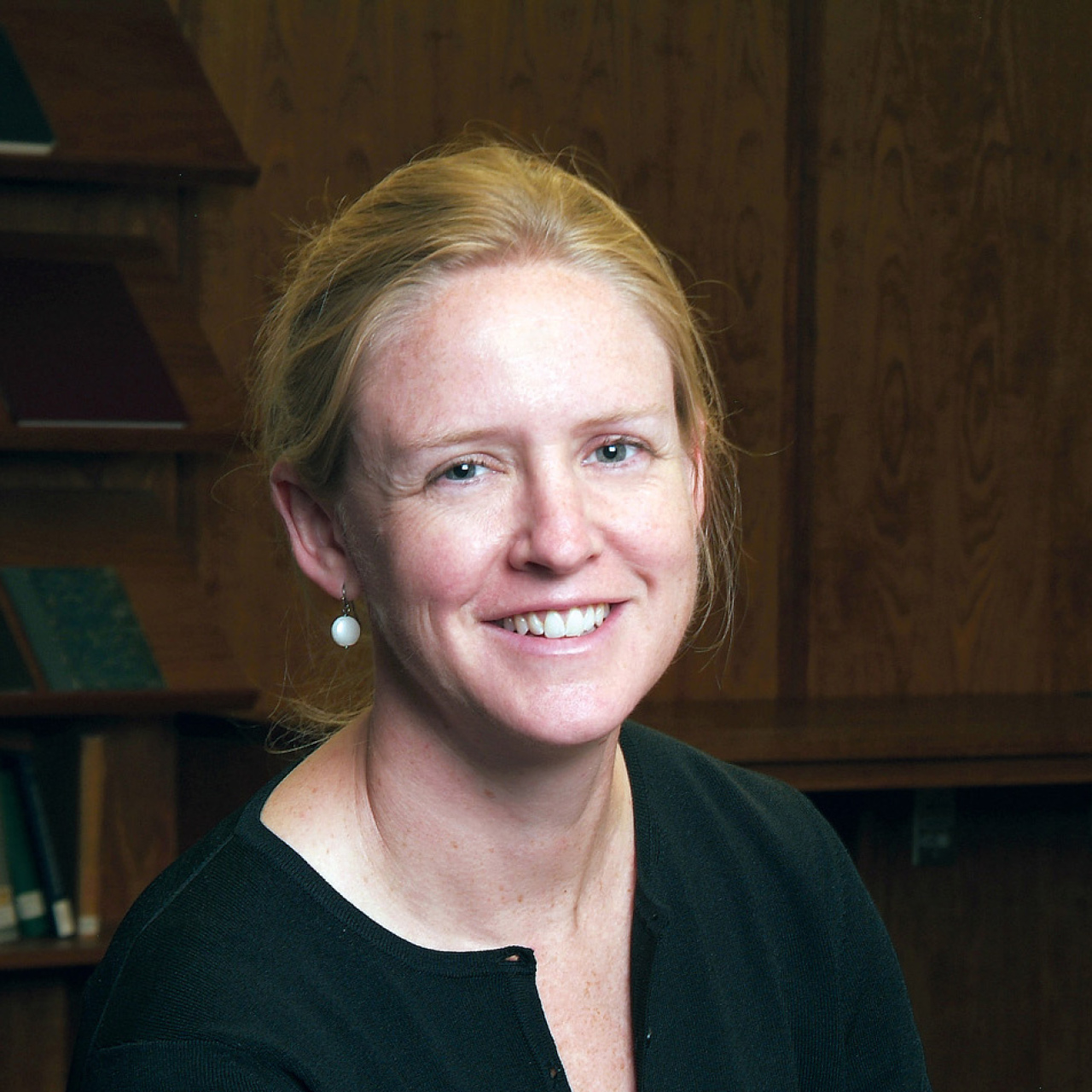
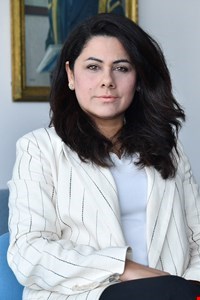
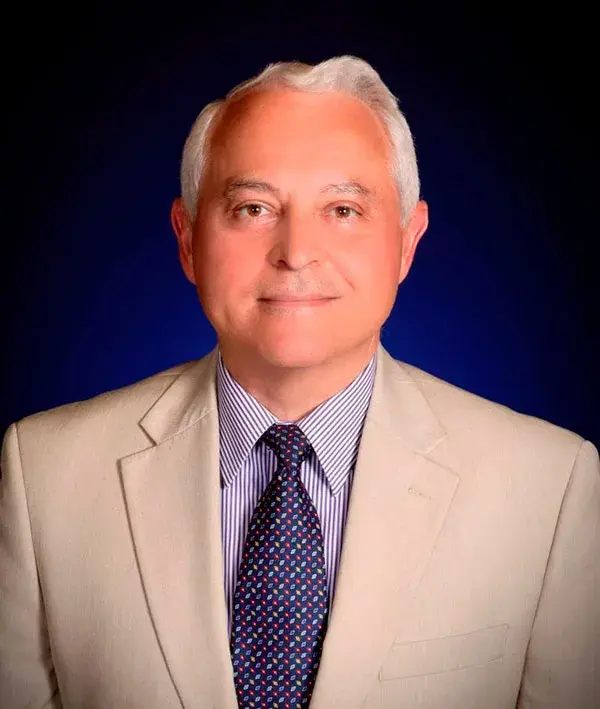
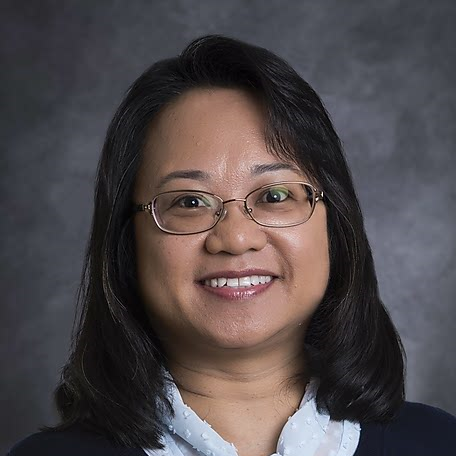
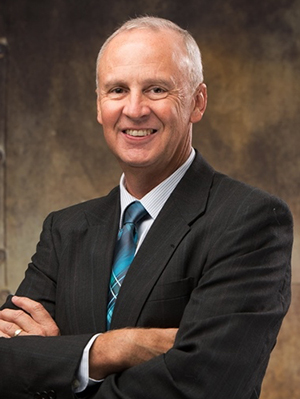
Susanne M. Jaeggi is a Professor of Psychology at Northeastern University, with additional affiliations in the Bouve College of Health Sciences and the College of Arts, Media, and Design. Her research focuses on cognitive training, executive functions, and individual differences in cognition across the lifespan. She holds PhDs in Cognitive Psychology and Neuroscience from the University of Bern (Switzerland), and completed postdoctoral work in Cognitive Neuroscience at the University of Michigan. Her work has been funded by NIH, NSF, IES, ONR, and the Advanced Education Research and Development Fund (AERDF). She leads the Working Memory & Plasticity Lab , which develops interventions to improve working memory and executive functions, and co-leads the Brain Game Center for Mental Fitness and Well-Being , creating evidence-based brain fitness tools. Jaeggi’s research emphasizes understanding mechanisms of cognitive improvement through training, including neuroplasticity and individual variability. Key areas include cognitive aging interventions, gamification, sensory-cognitive interactions, and the impact of socioeconomic factors on academic achievement. Her work integrates behavioral experiments, neuroimaging, and digital health technologies to address real-world challenges in education and healthcare. Recent studies explore music/art-based interventions, brain stimulation (e.g., tDCS), and scalable cognitive assessments. Collaborations span disciplines, with publications addressing topics like neural correlates of training, motivational features in interventions, and cross-modal perception. Her labs emphasize translating findings into public-facing tools, such as freely accessible brain fitness apps. Current projects include optimizing interventions for ADHD populations and leveraging digital platforms for global mental fitness.
Dr. Mary Lacity is a Distinguished Professor of Information Systems at the Sam M. Walton College of Business, University of Arkansas, and holds the David D. Glass Endowed Chair. She is also a Visiting Professor at the London School of Economics for Spring 2025. Director of Walton College’s Blockchain Center of Excellence (2014-2019) Former Curators’ Distinguished Professor at University of Missouri Holds visiting positions at MIT, Washington University, and Oxford University Senior Editor for MIS Quarterly Executive Contributing Editor for Journal of the British Blockchain Association Her research focuses on enterprise adoption of emerging technologies, particularly blockchain, metaverse, service automation, and ethical technology use. She has conducted extensive case studies and surveys on automation and Web3 implementation across hundreds of organizations globally. Recent publications include books like Human Privacy in Virtual and Physical Worlds (2024) and Blockchain Fundamentals for the Web 3.0 (2022). She has over 30 books and 26,300 Google Scholar citations (h-index: 68). 2014: Inducted into IAOP’s Outsourcing Hall of Fame 2024: Recognized as top 2% scholar in Business and Management (Stanford) 2024: Top 1% scholar in Business and Management (ScholarGPS) Fellow of the Association of Information Systems She actively contributes to blockchain standards via the Global Standards Mapping Initiative (GSMI) of the Global Blockchain Business Council and the Linux Foundation’s Trust over IP (ToIP). Her work bridges academic research and practical applications in enterprise technology adoption.
Dr. Richard Y. Zhao is a tenured Professor in the Department of Pathology and Microbiology-Immunology at the University of Maryland School of Medicine. His research combines molecular biology, fission yeast genetics, mammalian biology, and virology to study virus-host interactions, particularly for HIV and Zika virus. He previously held academic positions at Northwestern University and Columbia University and has contributed to over 120 peer-reviewed articles. B.S., China Oceanography University (1981) M.S., Oregon State University (1995) Ph.D., Oregon State University (1991) Postdoctoral Training, Columbia University (1991-1992) Dr. Zhao's research focuses on: Virus-host interactions and pathogenicity High-throughput drug screening for antivirals Role of viral proteins in neuroinflammation and cancer Translational genomics in precision medicine His recent publications highlight SARS-CoV-2 ORF3a, Zika envelope proteins, and HIV protease inhibitors, emphasizing host-pathogen mechanisms across species. He has served on NIH panels and editorial boards for journals like Cell Research and Retrovirology . Scientific awards include: Fellow, American Academy of Microbiology (2019) Bernard L Mirkin Endowed Chair (2001-2004) Honorary Director, Shandong Gallo Institute (2009) Distinguished Service from SCBA (2015) Outstanding Service from CBA-USA (2016) Dr. Zhao also contributes to clinical diagnostics and personalized medicine through molecular testing and pharmacogenetics programs.
Dr. Babak Taheri is a Full Professor at Texas A&M University's Department of Hospitality, Hotel Management & Tourism, affiliated with the College of Agriculture & Life Sciences. He holds an Honorary Professorship in Marketing at the University of Aberdeen and has held visiting professor roles at institutions like the University of Sassari and the University of Central Florida. His expertise spans consumer engagement, sustainability, and mixed-method research in tourism and hospitality. Education: BSc Industrial Engineering (Azad University), MSc Information Systems (Glasgow Caledonian University), PhD in Marketing (University of Strathclyde) with a focus on tourism. Additional credentials include a PhDip in Research Methods and MRes in Management Science. Research focuses on consumer behavior, co-creation value, CSR, and climate change impacts. He has published over 150 papers and serves as Associate Editor for The Service Industries Journal and International Journal of Contemporary Hospitality Management . Awards include Fellow of The Higher Education Academy and multiple Best Reviewer accolades. Leadership includes roles at Durham University, Strathclyde, and others. He secured grants exceeding $3M from Horizon 2020 and Innovate UK. Teaching spans BSc to PhD levels, emphasizing experiential learning. Media contributions include articles in The Conversation and The Irish Times. Grants & Leadership: Academic leadership in research and teaching, with grants focused on innovation and resilience in hospitality sectors.
Stephanie M. Jones serves as the Gerald S. Lesser Professor in Early Childhood Development and Faculty Co-Chair of the Early Childhood Concentration at Harvard University's Graduate School of Education. With a Ph.D. from Yale University (2002), she leads the EASEL Lab which develops evidence-based social-emotional learning interventions. Her research focuses on poverty and violence effects on children's development, with emphasis on creating practical applications for educational settings. Her research interests center on social-emotional learning, early childhood development, and educational equity. Jones has developed frameworks for inclusive mindsets, universal dignity, empathy, and courageous action that bridge developmental science with classroom practice. Her work emphasizes translating rigorous research into accessible content for practitioners and policymakers, with special attention to aligning preK-3 curricula and instructional practices. Her publications reveal consistent focus on practical applications of social-emotional learning across diverse contexts, from early childhood to adolescence. Recent work examines cultural adaptation of SEL frameworks globally, with specific projects implementing play-based SEL kernels in Ukraine through collaboration with the LEGO Foundation. Her research demonstrates strong commitment to creating practical tools that educators can implement immediately. Grawemeyer Award in Education for A Vision for Universal Preschool Education (2006) Joseph E. Zins Early-Career Distinguished Contribution Award for Action Research in Social and Emotional Learning Professor Jones currently directs multiple major research initiatives including the Inclusive Mindsets and Behaviors project with Special Olympics (2024-2025), Play-Based SEL Kernels in Ukraine with the LEGO Foundation (2023-2026), and Kernels of Practice for Social Emotional Learning in Afterschool Settings with The Wallace Foundation (2023-2026). She serves on national advisory boards including Parents as Teachers and Engaging Schools, and consults with organizations like Sesame Street on program development and evaluation. Her EASEL Lab functions as a hub for translating developmental science into practical educational tools and interventions.
Univ.-Prof. Dr. Michaela Sambanis is a Professor of English Didactics at the Institute of English Philology within the Department of Philosophy and Humanities at Freie Universität Berlin. She has held this position since 2011 and previously served as the managing director of the Institute from Winter semester 2017/2018 to October 2019. Her academic journey includes research work at the Transfer Center for Neuroscience and Learning at the University of Ulm (2008-2011), completion of her habilitation in 2006, and her promotion in 2001. Professor Sambanis's research centers on the innovative intersection of educational neuroscience and language teaching methodology. Her work pioneers the field of Positive Foreign Language Didactics, connecting positive psychology with language education. She investigates embodied cognition approaches, particularly movement-based learning, and explores theater methods and arts integration in language instruction. Her research also addresses teacher well-being and health, multilingualism in educational settings, and the application of neuroscience findings to practical classroom situations. The k2teach project represents her current focus on teaching-learning labs in English teacher education. Her scholarly output demonstrates a consistent trajectory toward integrating neuroscience with language pedagogy, with recent publications increasingly addressing mental health, digital transformation in education, and positive psychology applications. The evolution of her work shows a progression from practical teaching methods to increasingly sophisticated neurodidactic frameworks that bridge scientific evidence with classroom practice. Professor Sambanis serves on multiple scientific advisory boards including the Goethe Institut in Munich, the Transfer Center for Neuroscience and Learning at the University of Ulm, and the Schlözer Program for Teacher Education. She is also the founding chair of the cross-state E&M Berlin-Brandenburg section and a member of the German Society for Foreign Language Research (DGFF). Her editorial work includes the SELT book series on English Language Teaching. Her teaching responsibilities include supervising master's theses in English teaching, and she has developed numerous teaching-learning laboratories that connect theoretical knowledge with practical application in teacher education. Her work demonstrates a strong commitment to evidence-based foreign language didactics that incorporates insights from neuroscience, psychology, and educational research.
Dr. John G. Hayes is a Senior Lecturer at University College Cork (UCC) in the Department of Electrical & Electronic Engineering . He holds a Ph.D. from UCC (1998), an M.S.E.E. from the University of Minnesota (1989), an M.B.A. from California Lutheran University (1993), and a B.E. from UCC (1986). His academic career began at UCC in 2000, and he directs the Power Electronics Research Laboratory (PERL) , focusing on industrial collaborations with companies like Analog Devices and General Motors. Research Interests : Power electronics, magnetic components, electric vehicles, renewable energy systems, smart grids, and energy storage. Notable Work : Joint author of Electric Powertrain: Energy Systems, Power Electronics and Drives for Electric, Hybrid and Fuel Cell Vehicles (Wiley, 2018) and its Chinese edition (2021). Scientific Awards : 2011 IEEE William M. Portnoy Award for Best Paper/Presentation at IEEE ECCE. Advising : Supervised 10+ Ph.D. students across powertrain modeling, magnetic materials, and converter control. Current advisee: Conor Healy (Doctoral Degree). Labs : Leads PERL, which develops high-power converters for automotive and renewable energy applications, partnering with industry leaders like SMA Magnetics and United Technologies.
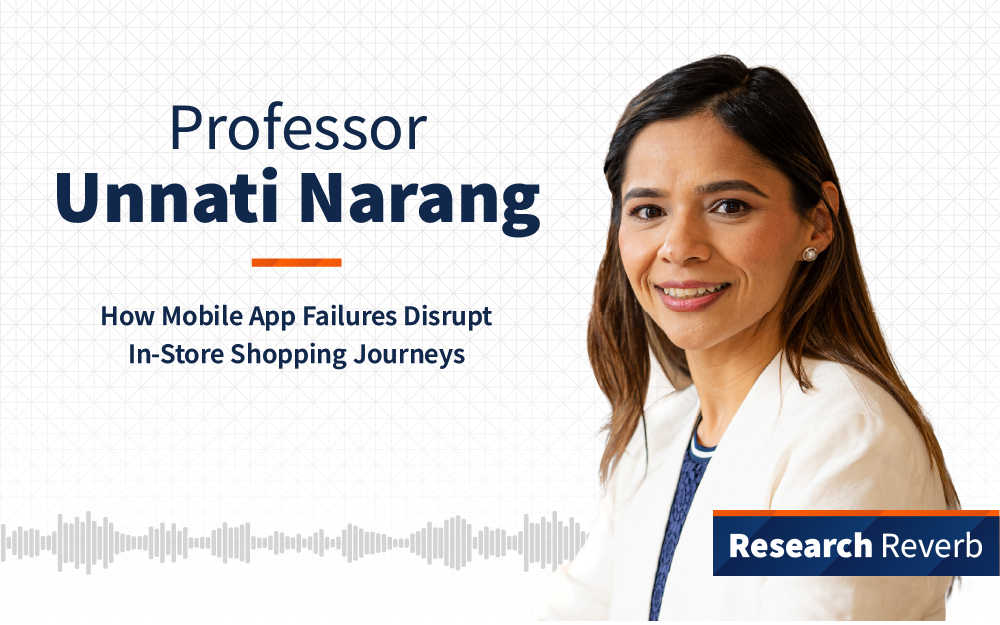
Unnati Narang is an Assistant Professor of Business Administration and John M. Jones Fellow of Marketing at the University of Illinois Urbana-Champaign's Gies College of Business. She also holds affiliations with the Deloitte Foundation Center for Business Analytics, the University of Illinois-Personalized Nutrition Initiative, and the Informatics Department. Her research focuses on mobile marketing, consumer mobility, and digital engagement, employing methods like causal modeling and machine learning. She has published in leading journals like Journal of Marketing Research and Marketing Science . Education: PhD in Marketing (Texas A&M University), Master of Commerce (Delhi School of Economics), Bachelor of Commerce (Shri Ram College of Commerce). Research Interests: Mobile Marketing, Service Marketing, Retailing, AI applications in education, and consumer mobility. Methodological strengths include econometrics and deep learning. Awards: 2023 Poets&Quants Professor of the Year, 2022 Excellence in Research Award, multiple Emerging Scholar recognitions, and the PITA Award for AI in education. Teaching: Courses include Marketing Analytics, Business Analytics, and MOOCs with over 60K enrollments. She founded the Marketing Analytics Group (MARG) at UIUC and mentors doctoral committees. Labs/Teams: Active in the Deloitte Analytics Center, UIUC’s Personalized Nutrition Initiative, and collaborates with global institutions like Rotman School of Management and INSEAD.
Dr. Asieh Hosseini Tabaghdehi is a Senior Lecturer in Strategy & Business Economy at Brunel Business School, Brunel University of London. She serves as Programme Lead for the BSc International Business Programme and Trade2Grow Executive Education Programme. Additionally, she is Impact Lead at the Brunel Centre for AI: Social and Digital Innovation, where she leads the capability area in the Future of Work. Dr. Tabaghdehi is also an economist and social impact advisor for the independent NGO, Social Innovation Movement. Dr. Tabaghdehi earned her PhD in Economics and Finance (2008) and MSc in International Money, Finance, and Investment (2015), both from Brunel University London. She also holds a BA in Theoretical Economics from University of Mazandaran. She completed the Postgraduate Certificate in Academic Practice and is a Fellow of the Higher Education Academy. Dr. Tabaghdehi is internationally recognized for her research on digital transformation, with particular expertise in the ethical integration of artificial intelligence and digital technologies. Her work focuses on how emerging technologies shape industries, labor markets, and society, with emphasis on enhancing SME growth through technological innovation. She explores applications across critical sectors including social care, supply chain management, and environmental sustainability. A central theme in her research is smart data governance, ensuring ethical, transparent, and responsible use of data in decision-making processes. Her research portfolio demonstrates a consistent focus on the intersection of technology, ethics, and business strategy. She has developed frameworks like the Digital Business Auditing Framework, which has been adopted internationally for smart city initiatives. Her work connects academic research with practical policy applications, as evidenced by her presentations as oral and written evidence to the House of Commons Select Committee. Her publications span AI ethics, digital footprint implications, fertility economics, and healthcare cost analysis, showing interdisciplinary breadth while maintaining thematic coherence around digital transformation's societal impact. Scientific Awards and Recognition Semi-finalist: Research Impact Award at Brunel University London, 2023 Staff Award: Exceptional in Collegiality and Supportive to Colleagues at Brunel University London, 2022 Exceptional Performance at Regents University London, 2018-19 Staff Award in Teaching, Learning and Assessment at Regents University London, 2016 Best Lecturer Award at London Brunel International College, 2014 Best Lecturer Award at London Brunel International College, 2013 Dr. Tabaghdehi actively supervises PhD students researching areas including Smart Data Governance, Ethical AI Governance, Digital Innovation Impact, Responsible AI Adoption Strategies, Sustainability, and Future of Labour Market. She has secured research funding from multiple sources including the Economic & Social Research Council (ESRC), Brunel University London, and Brunel Business School. Her current projects include research on AI Adoption and Governance, Youth digital addiction, Algorithm Reliability Framework, and SMEs digital footprints. She has also co-designed the "Digital Adoption" module for the UK Government's Help to Grow Management program, demonstrating the practical application of her research. As a member of multiple professional organizations, Dr. Tabaghdehi serves as an associate practitioner at Social Value International, associate member of the Big Innovation Centre, and member of the All-Party Parliamentary Group on AI. She is also a member of the ESRC Review College, British Academy of Management Review College, and Energy Institute UK, contributing to the broader academic and policy communities through these roles.
Dan M. Ionel, Professor and inaugural L. Stanley Pigman Chair in Power at the University of Kentucky (UK), directs the Power and Energy Institute Kentucky (PEIK). He is affiliated with the SPARK Laboratory in the Department of Electrical and Computer Engineering, focusing on renewable energy, electric machines, and smart grids. Alternative and Renewable Energy Technologies Electric Machines and Power Electronic Drives Electromagnetic Devices Electric Power Systems Energy Storage Smart Grids and Buildings His research integrates machine learning with electromagnetic design for applications like electric vehicles and aircraft propulsion. Recent work includes axial flux permanent magnet machines with Halbach arrays and cryogenic thermal management systems. Scientific awards include IEEE Fellowship. Research is sponsored by NSF, DOE, NASA, and industry partners like ANSYS, EPRI, and Regal Rexnord. Collaborations span national labs (NREL, ORNL), utilities (LG&E, TVA), and aerospace entities.
Dr. Ying Zhu is an Associate Professor in the Department of Marketing and Consumer Studies at the Lang School of Business and Economics, University of Guelph. She holds a Ph.D. in Marketing from Texas A&M University, alongside master’s degrees in Computer Science (Minzu University, China) and Management (University of Lethbridge, Canada). Previously, she served as an Associate Professor at UBC Okanagan. Her research focuses on digital marketing, consumer behavior, marketing analytics, and the impact of technology (e.g., AI, Metaverse) on consumer decisions. She has published 19 peer-reviewed articles since 2017, many in top-tier journals like American Psychologist and European Journal of Marketing . Her work explores themes such as brand extension strategies, digital advertising effectiveness, and sustainability initiatives. Dr. Zhu has received significant funding through SSHRC grants and has been recognized for her teaching excellence, including the Golden Apple Award. She actively advises graduate students and volunteers with community organizations like the Kelowna Museums Society. Her research on smartphone-induced consumer behavior has garnered media attention in outlets like Time Magazine , Global News , and Science Daily .
Dr. Diane E. Chico is an Instructional Professor and Department Head in the Department of Neuroscience & Experimental Therapeutics at Texas A&M University's School of Medicine. She specializes in medical education, focusing on gross anatomy, histology, and neuroscience instruction. Her research evaluates innovative teaching methods to enhance student learning and retention of basic sciences. Education: PhD from the University of Texas Medical Branch Postdoctoral training at Albert Einstein School of Medicine Research Interests: Dr. Chico’s current work centers on instructional design and assessment, including online learning modules and active learning strategies. She investigates how shorter, intensive curricula and interactive feedback improve student outcomes. Her prior research explored peptide delivery systems and protein function mechanisms in cellular contexts. Publications Trends: Her recent articles emphasize medical education innovations, such as pandemic-era online teaching and pre-matriculation strategies. Earlier work delves into histology, biochemistry, and peptide biology, reflecting her multidisciplinary background. Awards: Provost Academic Professional Track Faculty Teaching Excellence Award (Texas A&M University) Association of Former Students Distinguished Achievement Award (Teaching) R. Kelly Hester Outstanding Teaching Award (Texas A&M Health Science Center) Advising & Grants: Though no advisees are listed, Dr. Chico’s grants likely support her educational initiatives. As Department Head, she leads teams advancing neuroscience education and research.
Rosemary Morgan, PhD, MSc, is a Research Professor at Johns Hopkins Bloomberg School of Public Health in the Department of International Health. She holds primary affiliations with the International Health Department and is associated with the Johns Hopkins Center for Global Women's Health and Gender Equity and the Johns Hopkins Center for Women's Health, Sex, and Gender Research. Dr. Morgan's educational background includes a PhD from the University of Leeds (2012), an MSc from the University of Edinburgh (2007), and a BA from the University of British Columbia (2006). Prior to joining Johns Hopkins, she served as a Lecturer in Global Health Policy at the University of Edinburgh's Global Public Health Unit and as a Research and Teaching Fellow at the Nuffield Centre for International Health and Development at the University of Leeds. Her research focuses on gender inequities in health systems, women's health and wellbeing, and the impact of gender on public health interventions. Dr. Morgan specializes in qualitative research methods and has conducted extensive work on gender analysis in health systems, reproductive health, and the gendered effects of pandemics. Her work often examines how gender norms and power relations affect health outcomes and system performance, particularly in low- and middle-income countries. Dr. Morgan's publication record shows consistent scholarly output from 2014 through 2025, with a notable increase in productivity in recent years. Her research spans multiple domains including gender-responsive monitoring and evaluation, moral distress among healthcare workers, vaccine hesitancy (particularly among pregnant individuals), and the intersection of gender with various health conditions. She has developed methodologies for gender analysis in health systems research and has contributed significantly to understanding how gender influences health outcomes across diverse contexts. Faculty Advisor of the 2023-2024 academic year award from the Global Health: Policy and Evaluation DrPH Program Concentration, JHSPH Excellence in Teaching, Johns Hopkins Bloomberg School of Public Health Excellence in International COVID-19 Public Health Practice, 2021 Nominated for Canadian Women Leaders in Global Health, 2018 and 2020 Selected for 300 Women Leaders in Global Health, 2014 Dr. Morgan serves as co-Editor in Chief of the journal SSM - Health Systems and is a current board member of Health Systems Global. She has advised numerous major research projects including those funded by the Bill & Melinda Gates Foundation, CIHR, USAID, and TDR. Her current leadership roles include being Principal Investigator on the Monitoring for Action and Learning (MAGE) project supporting the Global Financing Facility for reproductive, maternal, newborn, child and adolescent health initiatives. She also leads the Gender and Health Certificate program at JHSPH and co-directs the Gender and Health Summer Institute. Dr. Morgan teaches courses on Gender Analysis in Health Research and Interventions, Foundations in Gender and Health, and Health Systems in Low- and Middle-Income Countries. Her teaching reflects her research expertise, emphasizing practical applications of gender analysis in global health settings.
John Valasek is a Professor in the Department of Aerospace Engineering at Texas A&M University, holding the Drs. L. Diane '88 and John E. Hurtado '91 Professorship. He directs the Vehicle Systems & Control Laboratory (VSCL) and serves as Site Director for the NSF Center for Autonomous Air Mobility and Sensing (CAAMS) and the FAA Center for General Aviation Research (PEGASAS). His research focuses on autonomous control systems, UAV navigation, and cybersecurity for aerospace vehicles. Valasek earned his Ph.D., M.S., and B.S. in Aerospace Engineering from the University of Kansas (1995) and California State Polytechnic University (1986). Education: Ph.D., Aerospace Engineering, University of Kansas - 1995 M.S., Aerospace Engineering, University of Kansas - 1990 B.S., Aerospace Engineering, California State Polytechnic University - 1986 Research Interests: Autonomous systems, nonlinear control, vision-based navigation, UAV control, bio-nano materials control, and aerospace systems engineering. Key Contributions: Over 100 invited lectures/seminars, leadership in NSF-funded research centers, and development of advanced control algorithms for aerospace systems. Notable publications include work on reinforcement learning for autonomous systems and real-time system identification for UAS. Awards: John Leland Atwood Award (2015) McElmurry Outstanding Teaching Award (2001, 2004, 2014) Engineering Hall of Fame inductee (2019) Advising & Grants: Advised over 60 graduate students, including recent NSF GRFP winner Evelyn Madewell. PI on multi-million-dollar grants, including the NSF CAAMS project and Air Force-funded research on autonomous systems. Labs & Teams: Directs the Vehicle Systems & Control Laboratory (VSCL), focusing on low-cost attritable aircraft technology and autonomy. Collaborates with industry partners like Stratolaunch and VectorNav through CAAMS initiatives.
Nancy B. Kurland serves as the Clair R. McCollough Professor of Business Administration at Franklin & Marshall College, where she has taught since 2010 after previous appointments at California State University-Northridge, Pepperdine University, and the University of Southern California. Her academic leadership focuses on integrating sustainability and social responsibility into business education through innovative curriculum development and community engagement. Her educational foundation includes: BA in Political Science from Penn State MBAs from Cornell University and Catholic University of Leuven, Belgium Doctorate in Management from University of Pittsburgh, Katz Graduate School of Business Professor Kurland's research pioneers the integration of ecological sustainability into business curricula while examining organizational forms that reconcile profit with purpose. She investigates community socio-emotional wealth in Lancaster County farming communities, benefit corporation governance models, and the tensions within 'buy local' movements regarding ethical consumption. Her work bridges theoretical frameworks with practical applications in supply chain sustainability and crisis management, emphasizing how organizations can drive social good through structural innovation and community partnerships. Analysis of her recent publications reveals a strategic shift toward hybrid organizational models and pandemic-responsive business-society dynamics. She has developed comprehensive typologies for sustainability education while exploring mission alignment in social enterprises and the evolution of benefit corporations as vehicles for systemic change. Her research consistently connects classroom innovation with real-world impact through community-engaged scholarship. Her scientific recognition includes: Best Paper Awards (2023, 2021, 2015) Kevin E. Ruble Fellowship in Conscious Capitalism (2017) Professor Kurland actively mentors students through close classroom relationships and community-based learning initiatives. She co-founded F&M's Center for Sustained Engagement with Lancaster and CSUN's Institute for Sustainability, creating platforms for student-faculty collaboration on local food systems, farming preservation, and sustainability networks. Her grant work focuses on developing interdisciplinary approaches to campus sustainability and ethical consumption. She leads the Center for Sustained Engagement with Lancaster, which connects F&M students with Lancaster County communities through sustainability projects, farming preservation research, and local food system development. Her work with the Institute for Sustainability at CSUN established foundational frameworks for campus-wide sustainability integration, demonstrating her commitment to translating academic research into community impact.