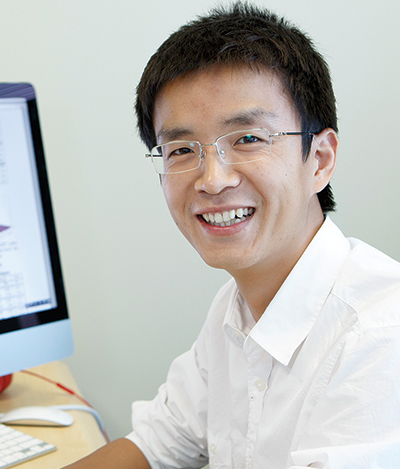
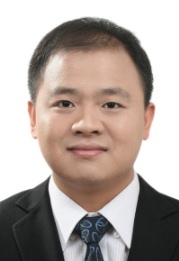
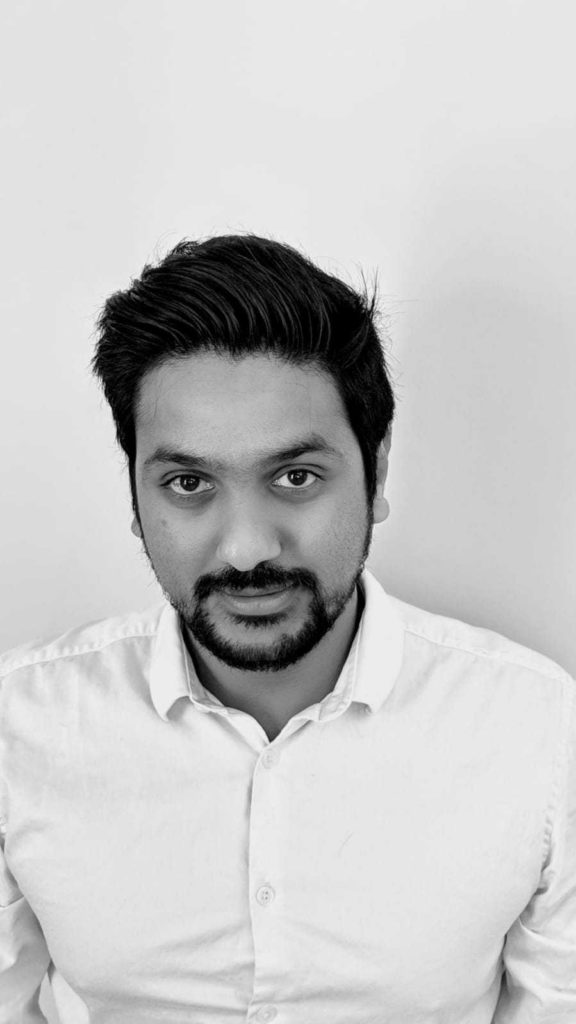
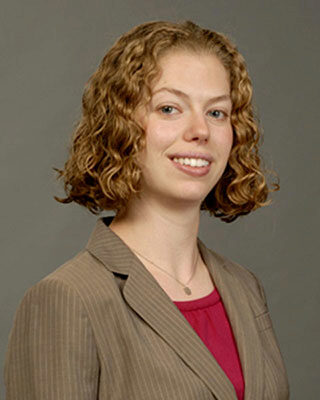
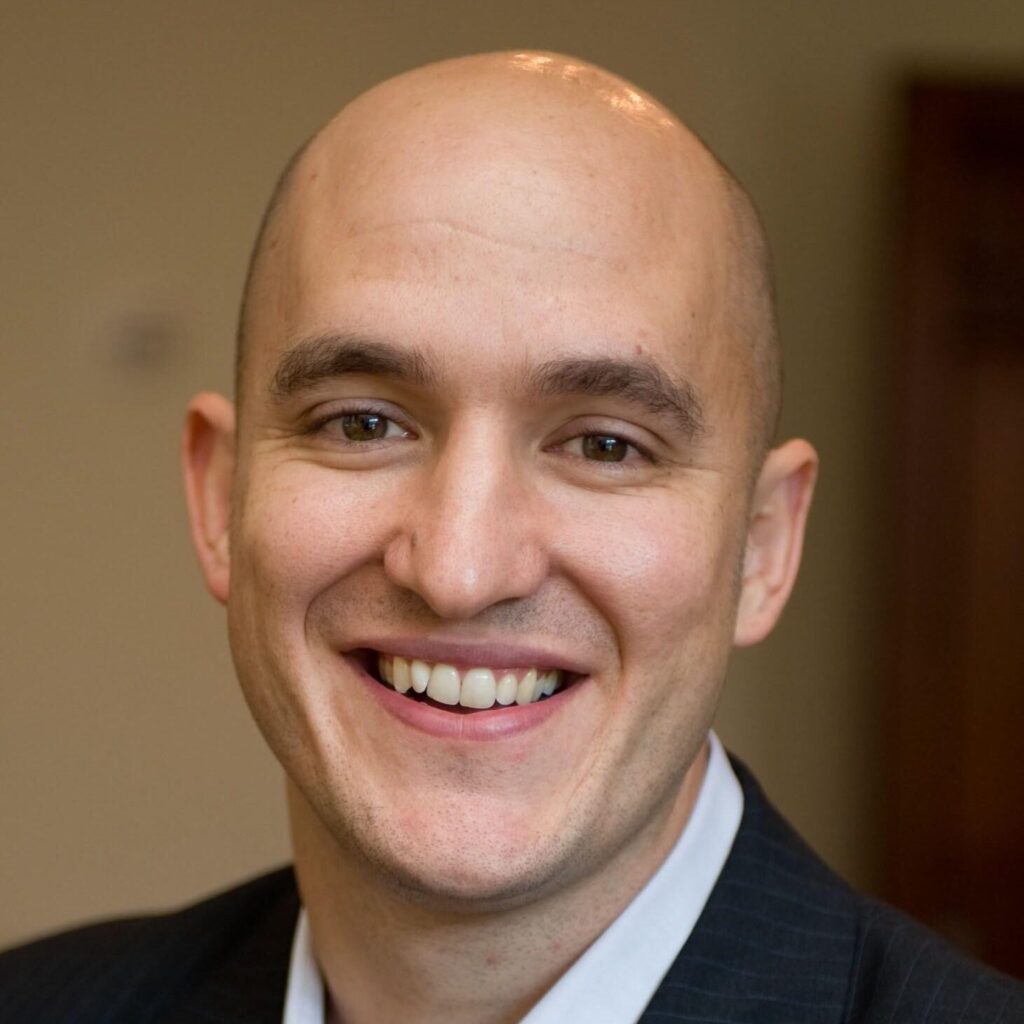
Lingming Zhang is an Associate Professor at the Department of Computer Science, University of Illinois Urbana-Champaign, affiliated with the Grainger College of Engineering. His research focuses on the intersection of Software Engineering, Programming Languages, and Machine Learning, with a particular emphasis on automated program repair, compiler testing, and large language model (LLM) applications in software engineering. He has published over 100 papers, achieving an h-index of 50+, and holds an ACM Distinguished Member status. Research Interests: LLM-based software testing, repair, and synthesis Fuzzing of deep-learning libraries and compilers Open-source code LLMs (e.g., StarCoder2, Magicoder) with over 1M downloads Automated program repair systems (e.g., AlphaRepair, ChatRepair, Agentless) Recent Contributions: Developed TitanFuzz for coverage-guided compiler fuzzing Released Agentless , an LLM-based coding tool adopted by OpenAI and DeepSeek Proposed SWE-RL to enhance LLM reasoning via reinforcement learning Service Roles: Program Co-Chair for ASE 2025 and LLM4Code 2025 Associate Chair for OOPSLA 2024 and Area Chair for ICSE 2025/2026 Recipient of NSF CAREER Award and ACM SIGSOFT Early Career Award Lab/Teams: Develops open-source tools like UniAPR for efficient patch validation Active in releasing industry-adopted LLM-based software engineering tools
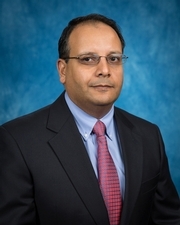
Rainald Loehner is a Distinguished Professor of Fluid Dynamics at George Mason University's Center for Computational Fluid Dynamics. Since 2003, he has led the Center for Computational Fluid Dynamics at George Mason University. He is currently a Hans Fischer Senior Fellow at the Technical University of Munich's Institute for Advanced Study (TUM-IAS) for 2023, hosted by Professors Kai-Uwe Bletzinger and Roland Wüchner in the 'Adjoint-Based System Identification of Large-Scale Structures' Focus Group. Loehner received his Diplom Ingenieur (Maschinenbau) degree from the Technical University of Braunschweig, and his PhD and a DSc in civil engineering from the University College of Swansea, Wales. After teaching at Swansea for a year, he worked at the Naval Research Laboratory in Washington, DC, followed by a research professorship at George Washington University. He joined George Mason University as an associate professor and was promoted to full professor in 1995 and distinguished professor in 2004. With over 35 years of experience, Professor Loehner's research spans the complete pipeline of numerical solvers and simulation tools. His expertise includes pre-processing, grid generation, numerical methods, field solvers, parallel computing, adaptive mesh refinement, fluid-structure interaction, shape optimization, system identification, and computational crowd dynamics. His current work focuses on developing advanced field solvers for compressible and incompressible flows, acoustics, electromagnetic wave propagation, heat and mass transfer, structural mechanics, and fluid-structure interaction. Key application areas include blast mitigation, ship hydrodynamics, blood flow, contaminant transport, and pedestrian safety. Loehner's recent research output (2020-2024) shows a strong trend toward digital twin technology and adjoint-based methods for structural analysis and optimization. His publications focus on high-fidelity digital twins for detecting structural weaknesses, risk assessment in engineering systems, and optimization of sensor placement. His work bridges computational mechanics with machine learning approaches, particularly in system identification and inverse problems, demonstrating how computational methods can solve complex real-world engineering challenges. 2020: Ranked #15119 in the Stanford List of Most Influential Scientists of the World; #8 in Aerospace and Aeronautics 2010: Distinguished International Career Award, Argentine Association of Computational Mechanics 2008: Fellow, International Association for Computational Mechanics 2006: Associate Fellow, AIAA 2005: Honorary Professor, University of Wales Swansea 2005: Advisory Professor, Shanghai Jiao Tong University 2004: Distinguished Professor of Fluid Dynamics, George Mason University 1999: Computational Mechanics Achievements Award, Japan Society of Mechanical Engineering 1993: Doctor of Science in Civil Engineering, University College of Swansea 1979-1983: Studienstiftung des Deutschen Volkes (Top 1% of German Students) Professor Loehner has mentored numerous students through his work at George Mason University and has supervised research in computational fluid dynamics, structural mechanics, and related fields. His research has been supported by various grants from government agencies and industry partners, enabling the development of advanced simulation tools applied in aerodynamics, hydrodynamics, shock-structure interaction, and medical applications. His codes and methods have been widely adopted in industry and academia for applications ranging from aircraft and ship design to medical simulations and urban pathogen transmission modeling. Loehner leads the Center for Computational Fluid Dynamics at George Mason University, which focuses on developing cutting-edge computational methods for fluid dynamics and related multiphysics problems. The center works on strategic application areas including blast mitigation, ship hydrodynamics, blood flow simulation, and pedestrian movement modeling. As a TUM-IAS Fellow, he collaborates with the Chair of Computational Modeling and Simulation at TUM on adjoint-based system identification of large-scale structures, bringing together expertise in computational mechanics and digital twin technology to address complex engineering challenges.
Dr. Ahmed F. Abdelghany is the Associate Dean for Research and Professor of Operations Management at the David O'Maley College of Business, Embry-Riddle Aeronautical University, since January 2006. He specializes in commercial airlines, airports, big data cloud computing, business analytics, and operations research models. Prior to his academic career, Dr. Abdelghany worked in enterprise optimization at United Airlines, Chicago. Education: Ph.D. in Civil Engineering (Transportation Systems) from the University of Texas at Austin (2001) Dr. Abdelghany’s research focuses on airline network planning, flight scheduling, simulation of complex transportation systems, and NextGen air traffic management. He has authored two influential books: Modeling Applications in the Airline Industry (Routledge 2010) and Airline Network Planning and Scheduling (Wiley 2018). His publications analyze airline operations, competitive dynamics, and crowd management in transportation facilities. He teaches courses like Airline Management (BA 315) and Airline Operations & Mgmnt (BA 609), and participates in industry short courses. Dr. Abdelghany contributes to research projects such as NextGen air traffic implementation, integrated airport initiatives, and benefit-cost analysis of arrival management systems. His work bridges academic theory with real-world airline and transportation challenges.
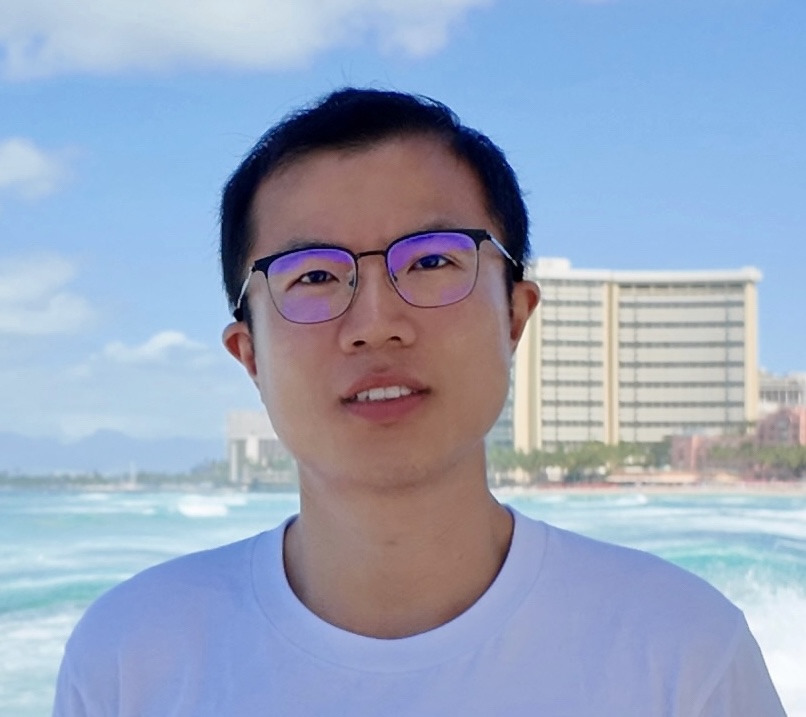
Abhinav Dhall is an Associate Professor in the Department of Data Science & AI at Monash University. His research focuses on computer vision, affective computing, and human-centered AI, with a particular emphasis on deepfake detection, multimodal analysis, and ethical AI applications. He is actively involved in organizing workshops like the Multimodal and Responsible Affective Computing (MRAC) and chairs conferences such as ACCV. Dhall accepts PhD students and has contributed significantly to datasets like AV-Deepfake1M and EmotiW challenges. His work spans topics including HDR imaging, facial expression recognition, and AI ethics in multimedia systems.
Gad Allon is the Jeffrey A. Keswin Professor and Professor of Operations, Information and Decisions at the University of Pennsylvania’s Wharton School. He directs the Management and Technology Program and teaches in the Education Entrepreneurship program. His research focuses on operations strategy, service systems, gig economy dynamics, and education technology. A co-founder of ForClass, a platform enhancing classroom engagement, he advises firms on service and operations strategy. Allon holds a Ph.D. from Columbia Business School and degrees from the Israeli Institute of Technology. Recognized as one of the ‘World’s Top 40 B-School professors under 40,’ he has pioneered work on behavioral drivers in service systems and gig economies. His recent research explores multihoming in gig work, machine learning in causal inference, and agile product development. Academic contributions span over 50 publications in top journals, emphasizing real-world applications of operations management theories. Education: Ph.D. in Management Science, Columbia Business School (New York) Bachelor’s and Master’s Degrees, Israeli Institute of Technology Research Interests: Professor Allon’s work bridges theoretical operations research with practical challenges in service systems, digital platforms, and educational technology. Key themes include optimizing customer service through behavioral insights, analyzing labor dynamics in gig economies, and leveraging machine learning for causal inference in business decisions. Notable Contributions: Co-founder of ForClass, addressing classroom engagement Leading studies on worker behavior in gig economies Groundbreaking work on call center retrials and service quality trade-offs Labs/Initiatives: Active in educational technology innovation through ForClass and advises on large-scale service marketplace design through Wharton’s Management and Technology Program.
Hyemi Kim is an Adjunct Professor at the School of Marine and Atmospheric Sciences (SoMAS), Stony Brook University. Her research focuses on climate variability across subseasonal to decadal timescales, including topics like the Madden-Julian Oscillation (MJO), tropical-extratropical interactions, and extreme weather events such as atmospheric rivers and tropical cyclones. Education: Ph.D., 2008, School of Earth and Environmental Sciences, Seoul National University, South Korea Research Interests: Hyemi Kim's work spans four primary areas: (1) Climate prediction from subseasonal to decadal scales, (2) Tropical-extratropical interactions, (3) Extreme events (atmospheric rivers, storm tracks, tropical cyclones), and (4) Machine learning applications for subseasonal-to-seasonal (S2S) prediction. Publication Trends: Her research output emphasizes the MJO, its interactions with other climate modes (QBO, ENSO), and implications for extreme weather. Recent works analyze atmospheric rivers, storm tracks, and tropical cyclone activity, often linking these to large-scale climate variability. Publications frequently employ climate models (e.g., CESM1, SubX, NMME) to assess predictability and improve forecasting frameworks. Labs & Teams: She collaborates with institutions like the National Center for Atmospheric Research (NCAR) and contributes to multi-model experiments such as the Subseasonal Experiment (SubX) and North American Multi-Model Ensemble (NMME).
Yan Chen is an Assistant Professor at the Virginia Tech College of Engineering , where he leads the PRIME Lab (Programming with Intelligent Machines & Environments) . His work focuses on creating interactive Human-AI systems to enhance real-time data analysis and programming education, particularly addressing barriers in collaborative learning environments. University of Toronto (Postdoctoral Fellow) University of Michigan (Ph.D., Information Science) University of Colorado, Boulder (BS/MS in Applied Math & Electrical & Computer Engineering) His research bridges Human-Computer Interaction (HCI) and Computer Science Education , with a focus on real-time data analysis , AI-driven programming assistance , and scalable learning tools . He employs LLMs and human-centered design to simplify complex computational processes, enabling data workers to detect critical patterns efficiently. Recent publications highlight trends in generative AI for education , proactive AI programming support , and collaborative analytics . Key themes include real-time classroom insights , intergenerational smartphone learning , and automated feedback systems . Scientific recognition includes: 🏆 Best Paper at L@S 2024 🏅 Best Paper Honorable Mention at CHI 2023 🏅 Best Paper Honorable Mention at UIST 2022 🏆 Best Short Paper at VL/HCC 2020 He mentors a team of PhD and MS students in projects spanning AI-assisted education, web automation, and collaborative coding tools, with active recruitment for future research directions.
Bo An is a President's Chair Professor and Head of the Division of Artificial Intelligence at the College of Computing and Data Science , Nanyang Technological University, Singapore . He also holds a courtesy appointment as Professor at the School of Physical & Mathematical Sciences and serves as Director of the Centre of AI-for-X. Previously, he was a Nanyang Assistant Professor (2014-2018), Associate Professor at the Chinese Academy of Sciences (2012-2013), and Postdoctoral Researcher at the University of Southern California (2010-2012). His academic journey began with B.Sc. and M.Sc. degrees from Chongqing University, followed by a Ph.D. in Computer Science from the University of Massachusetts, Amherst (advised by Victor Lesser). Research Interests : Artificial Intelligence Multiagent Systems Computational Game Theory Reinforcement Learning Automated Negotiation Optimization Research Impact : Applications in infrastructure security (deployed by US Coast Guard and Federal Air Marshals), e-commerce, sensor networks, and financial technology. Over 150 publications in top venues like AAMAS, IJCAI, AAAI, ICML, NeurIPS, KDD, and ACM/IEEE Transactions. Scientific Recognition : 2010 IFAAMAS Victor Lesser Distinguished Dissertation Award 2012 INFORMS Wagner Prize 2018 & 2022 Nanyang Research Awards 2017 Microsoft Collaborative AI Challenge IEEE Intelligent Systems 'AI's 10 to Watch' (2018) Leadership Roles : Editor-in-Chief of IEEE Intelligent Systems, Associate Editor for AIJ, JAAMAS, and ACM Transactions. Served as General Co-Chair for AAMAS'23 and Program Chair for IJCAI'27.
Akash Srivastava is a Research Scientist and Principal Investigator (PI) at the MIT-IBM Watson AI Lab in Cambridge, MA, and Chief Architect of Large Language Model Alignment at IBM Research. His work focuses on generative modeling , Bayesian inference , and machine learning for constrained engineering design . He previously conducted PhD research at the University of Edinburgh under Dr. Charles Sutton and Dr. Michael U. Gutmann on variational inference for generative models using deep learning. His research spans Neuro-Symbolic AI , Language Model Alignment , and Synthetic Data Generation , with applications in 3D modeling , urban logistics , and material science . Recent publications highlight advancements in diffusion models , continual learning , and privacy-preserving data synthesis . As a PI, he collaborates with MIT faculty like Prof. Faez Ahmed and Prof. Rafael Gomez-Bombarelli on projects such as generative modeling for mechanical systems , synthetic data in decision-making , and greener delivery networks . He has received funding through a DARPA grant for machine common sense research.
Scott Staniewicz is a researcher at the University of Texas at Austin in the Department of Aerospace Engineering and Engineering Mechanics. His work focuses on geophysical applications of computer vision and remote sensing, particularly using Interferometric Synthetic Aperture Radar (InSAR) to detect surface deformation and tropospheric noise features. Academic Affiliation: University of Texas at Austin Research Focus: Surface deformation analysis, InSAR data processing, tropospheric noise mitigation Email: scott.stanie@utexas.edu Staniewicz's research employs computer vision techniques like Laplacian of Gaussian (LoG) filtering to identify spatially coherent deformation features (e.g., subsidence/uplift in oil-producing regions). His methods integrate noise spectrum estimation from real data and simulations to distinguish true deformation signals from atmospheric artifacts. Recent work includes software development for automated InSAR analysis and large-scale studies of anthropogenic deformation in the Permian Basin. He has contributed to open-source tools such as Blobsar (2025a) and Troposim (2025b) for deformation detection, and collaborated on studies analyzing seismic sequences (Skoumal et al., 2020), tropospheric delay corrections (Li et al., 2019; Yang et al., 2024), and statewide seismic networks (Savvaidis et al., 2019). His publications demonstrate expertise in combining computer vision with geophysical data analysis.
Katherine L. Milkman (Katy) is the James G. Dinan Professor at the Wharton School of the University of Pennsylvania, with secondary appointments in Penn's Perelman School of Medicine and School of Arts & Sciences. She co-founded and co-directs the Behavior Change for Good Initiative, a research center dedicated to advancing the science of lasting behavior change. Her work integrates economics and psychology to address challenges like savings, exercise adherence, vaccination rates, and discrimination through large-scale field experiments. Education: PhD in Computer Science and Business from Harvard University; Bachelor's degree (summa cum laude) in Operations Research and Financial Engineering from Princeton University. Research Focus: Milkman's research leverages big data and behavioral science to understand decision-making failures (e.g., self-control, discrimination) and design scalable interventions. Her recent work emphasizes: Nudge-based strategies for education, health, and finance Diversity enhancement in organizational settings Habit formation through incentive structures Publication Trends: Her 15 most recent articles (2022-2025) primarily involve megastudies testing behavioral interventions. Key themes include: leveraging email/reminders to improve math education and vaccination rates; addressing loan delinquency through nudges; and using stereotyping dynamics to increase diversity in hiring. Over 80% employ field experiments across healthcare, finance, and education sectors. Awards & Honors: Thinkers50 Top Management Thinker (2021, 2023) Schmidt Futures Innovation Fellow (2022) Fellow, Association for Psychological Science (2020) Multiple teaching awards from Wharton (2015, 2016) William F. O’Dell Award for impactful research (2017) Advisory & Grants: Milkman has advised major organizations including The White House, Google, Walmart, and the U.S. Department of Defense. Her Behavior Change for Good Initiative secures funding for large-scale social impact research. She hosts Schwab's behavioral economics podcast Choiceology and contributes to policy through op-eds in The New York Times and Scientific American . Labs & Teams: Co-directs the Behavior Change for Good Initiative, collaborating with interdisciplinary researchers (e.g., Angela Duckworth, Sendhil Mullainathan) on longitudinal studies. The initiative designs and tests interventions across health, education, and savings domains.
Michael Henderson serves as a Lecturer at Monash University within the School of Curriculum, Teaching and Inclusive Education. His academic profile reflects deep engagement with contemporary educational challenges through research spanning adult learning, digital technologies, and pedagogical innovation. His research interests encompass: Adult and Vocational Education Higher Education Systems Educational Technology Integration Feedback Literacy and Assessment Practices Digital Literacy for Marginalized Populations Artificial Intelligence in Learning Environments Creativity in Educational Contexts Henderson investigates how generative AI transforms feedback mechanisms, with emphasis on student perceptions of AI-generated versus teacher feedback. His work critically examines digital empowerment frameworks for refugee and migrant learners, addressing systemic barriers in technology access. Recent publications reveal growing focus on decolonizing creativity research, ethical AI implementation in Australian policy contexts, and play-based digital safety education for young children. This trajectory demonstrates consistent attention to equity, cultural responsiveness, and practical applications of emerging technologies in diverse educational settings. His scientific recognition includes: Dean's Award for Programs that Enhance Learning (2019) Henderson currently leads the international research project "Active Learning about Academic Publishing through Collaborative Online International Learning" (2024-2025), examining cross-cultural academic skill development. His upcoming presentation at the 2025 Australian Association for Research in Education Conference will address collaborative learning frameworks. Though specific student mentoring details are unavailable, his project leadership suggests active involvement in guiding emerging researchers through international collaborations focused on educational technology and publishing practices.
Todd Rogers is the Weatherhead Professor of Public Policy at the Harvard Kennedy School of Government , with dual appointments at Harvard University. He co-founded the social enterprises Analyst Institute (serving on its board) and EveryDay Labs (as Chief Scientist). At Harvard, he directs the Behavioral Insights Group and chairs the executive education program Behavioral Insights and Public Policy . He also holds affiliations as Senior Scientist at ideas42 and Academic Advisor at the Behavioural Insights Team . His education includes a joint Ph.D. from Harvard’s Psychology Department and Harvard Business School, and a B.A. in Religion and Psychology from Williams College. Education: Ph.D. in Psychology & Harvard Business School B.A. in Religion & Psychology, Williams College Todd Rogers specializes in behavioral science with applications to student attendance , democracy strengthening , and communication optimization . His research bridges behavioral economics, public policy, and education, focusing on scalable interventions like automated reminders and communication redesign. His work addresses truancy reduction , voter behavior , health compliance , and decision-making biases . Todd’s recent publications emphasize behavioral interventions in education and health, communication simplification , and technology-driven nudges . Key themes include student absenteeism , vaccination compliance , AI-assisted writing , and behavioral barriers in policy implementation . His studies often leverage randomized controlled trials and large-scale field experiments to evaluate the effectiveness of behavioral tools like SMS reminders, commitment devices, and normative feedback. Leadership Roles: Co-founder & Equity Holder, Analyst Institute Co-founder, Chief Scientist (unpaid), EveryDay Labs Faculty Director, Behavioral Insights Group Senior Scientist, ideas42 Academic Advisor, Behavioural Insights Team
Marylyn D Ritchie, PhD, is the Edward Rose, M.D. and Elizabeth Kirk Rose, M.D. Professor at the Perelman School of Medicine, University of Pennsylvania. She concurrently serves as Director of the Institute for Biomedical Informatics, Vice President for Research Informatics for the University of Pennsylvania Health System, Director of the Division of Informatics in the Department of Biostatistics, Epidemiology, and Informatics, and Vice Dean of Artificial Intelligence and Computing. Education: BS in Biology, University of Pittsburgh at Johnstown, 1999 MS in Applied Statistics, Vanderbilt University, 2002 PhD in Statistical Genetics, Vanderbilt University, 2004 Research Interests Dr Ritchie’s work integrates computational genomics , bioinformatics , pharmacogenomics , and systems genomics to advance precision medicine. She develops statistical and machine-learning approaches to dissect epistasis , genetic epidemiology , and evolutionary computation in large-scale biobanks, with a special focus on cardiovascular disease and Alzheimer’s disease . Her group is also pioneering translational informatics methods that incorporate social determinants of health and fairness metrics into AI-driven clinical decision support. Publication Trends In 2025 alone, Dr Ritchie co-authored more than fifteen high-impact studies spanning vision-language models for 3D CT , multi-omics Alzheimer’s risk prediction , fairness in neuroimaging AI , ancestry-specific pharmacogenomics , and cloud-based polygenic risk score platforms . The collective work highlights a shift from single-omics discovery to integrative, equitable, and clinically actionable models across diverse ancestries. Awards & Honors While specific named awards were not detailed in the text, Dr Ritchie’s endowed professorship and multi-institutional leadership roles signify sustained recognition. Grants & Advising Dr Ritchie leads large NIH, foundation, and industry-funded initiatives that support interdisciplinary teams of postdocs, graduate students, and data scientists. Her lab actively mentors trainees from UPenn’s Cell and Molecular Biology and Genomics and Computational Biology graduate groups. Laboratories & Teams She directs the Ritchie Lab (ritchielab.org), which develops open-source visualization tools such as PhenoGram , PheWAS-View , and Synthesis-View for genome-wide and phenome-wide data exploration. The lab operates within the Institute for Biomedical Informatics and collaborates closely with the Penn Medicine BioBank and multiple clinical departments to translate big-data discoveries into precision medicine workflows.
Tyler Simko is an Assistant Professor of Political Science at the University of Michigan, specializing in US state and local politics, political geography, and computational social science. His research focuses on understanding and addressing inequality in American public policy through innovative methodological approaches. Education: Ph.D. in Government, Harvard University (2024) A.B. in Politics, Princeton University Simko's research examines state and local politics in the United States with particular focus on political geography and subnational policymaking. His active research agendas include legislative redistricting ("gerrymandering"), local public meetings, school segregation, affordable housing, and data privacy. Methodologically, he develops new techniques in computational social science and machine learning to evaluate subnational inequality and how it can be reduced. His work regularly involves partnerships with federal, state, and local officials to improve the design of public policy. His recent publications demonstrate a strong focus on applying computational methods to address real-world policy challenges, particularly in school desegregation, redistricting, and local government transparency. His research often leverages large-scale data collection efforts, such as LocalView (the largest database of local government meetings in the US), to analyze patterns of political behavior and policy outcomes across different jurisdictions. Awards and Recognition: APSA 2024-25 Best Paper in Education Politics and Policy Award APSA 2024-25 Best Paper in Urban and Local Politics, Honorable Mention MPSA 2024 Robert H. Durr Award for "the best paper applying quantitative methods to a substantive problem" Derek C. Bok Award for Excellence in Graduate Student Teaching of Undergraduates (2023) Simko teaches graduate and undergraduate courses in American Politics and Political Methodology at the University of Michigan. His teaching experience spans multiple institutions, including Harvard University and Princeton University. He has designed innovative courses on US Local Policymaking, data science, and computational social science. As a Data Scientist at the Office of Evaluation Sciences, he partners with federal, state, and local officials to improve program design and reduce administrative burdens. He is a co-PI of the Algorithm-Assisted Redistricting Methodology (ALARM) Project and co-creator of LocalView, the largest audio, video, and text database of local government meetings in the United States. These projects represent significant contributions to the field of computational social science and provide valuable resources for researchers studying local governance and policy-making.