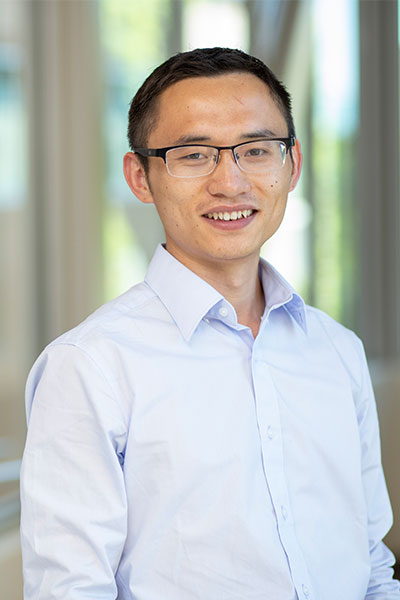
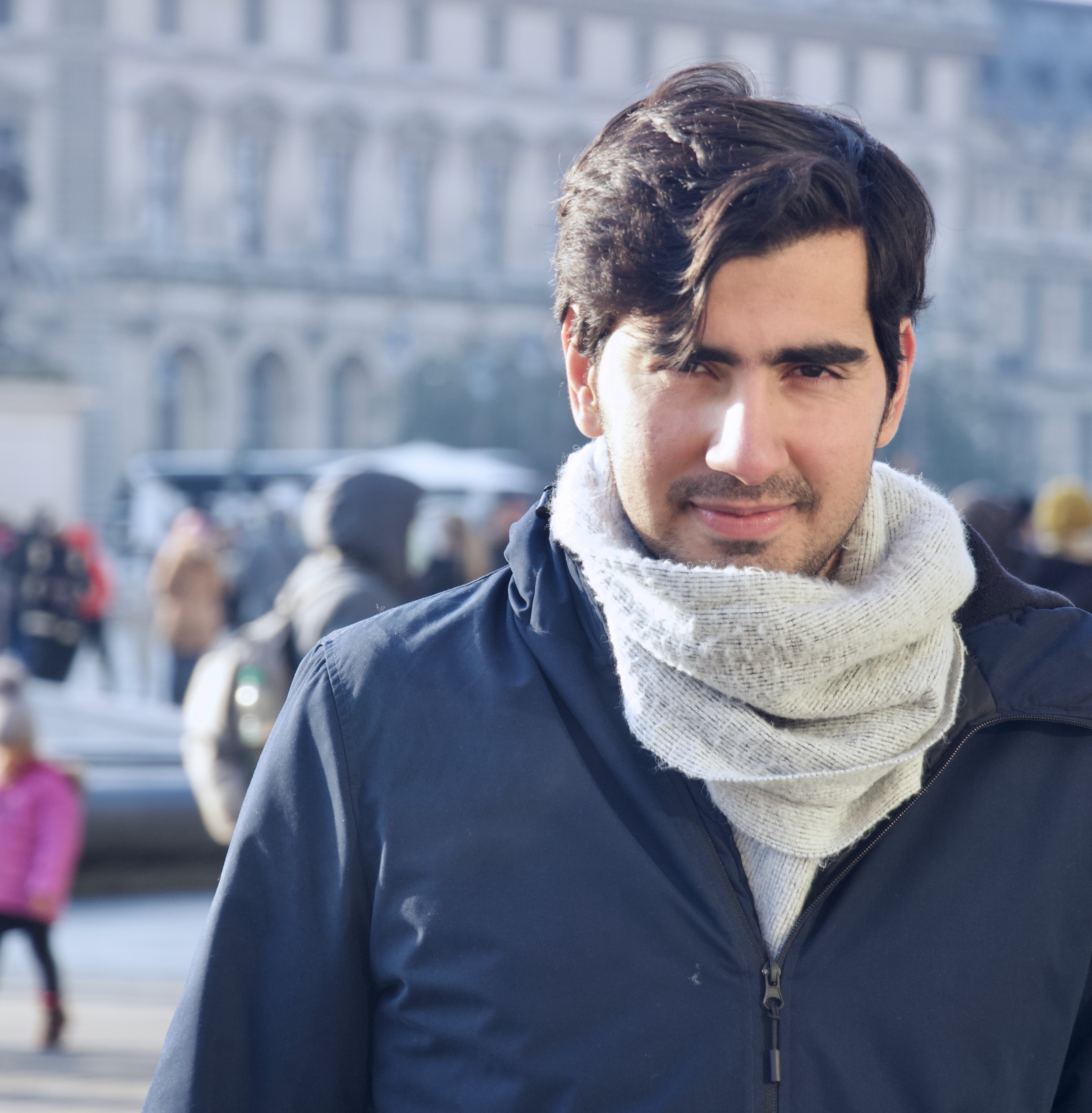
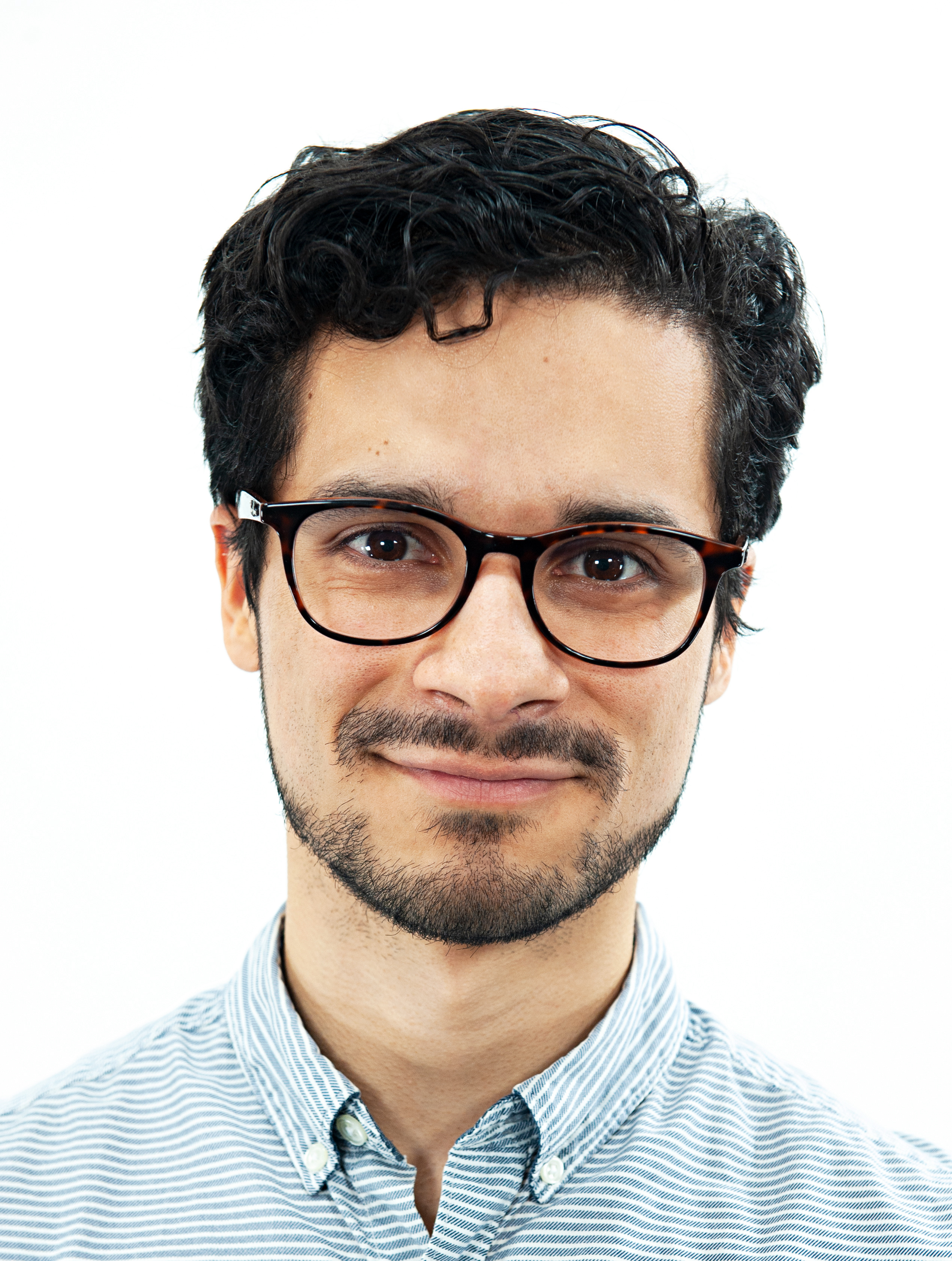
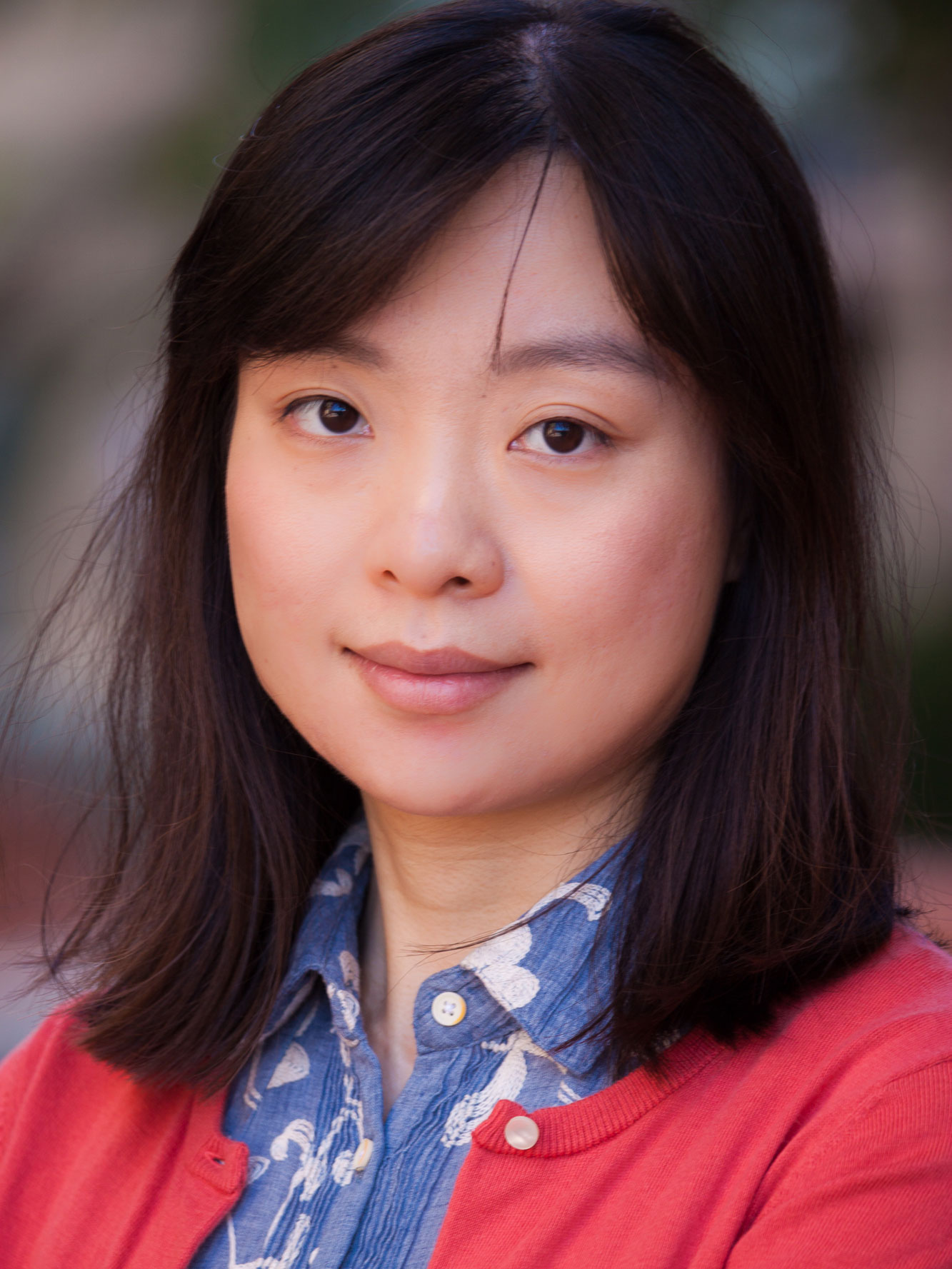
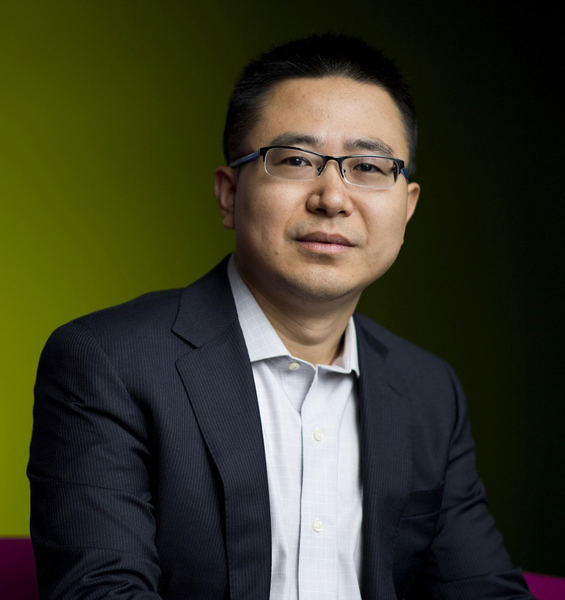
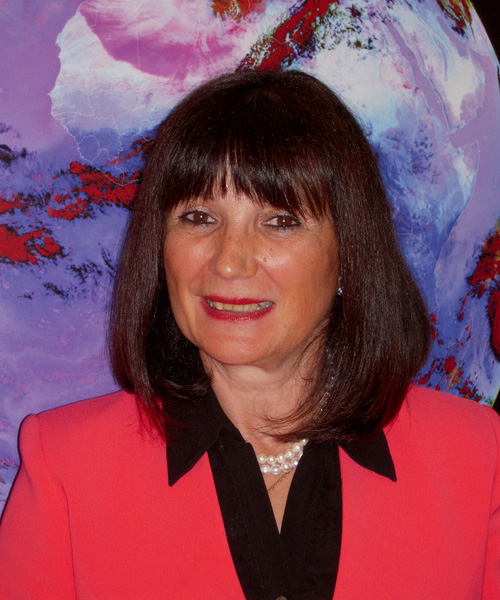
Hongjie Wang is an Assistant Professor in Electrical and Computer Engineering at Utah State University, where he serves as co-director of the Utah State University Power Electronics Laboratory and leads the NSF ASPIRE ERC Charging Stations of the Future project. His research focuses on power electronics for transportation electrification, particularly extreme fast charging systems and dynamic wireless power transfer. Research domains include: High-efficiency resonant converter design Grid integration of EV charging infrastructure Second-life battery applications in energy storage Dynamic wireless power transfer for in-motion charging Thermal management of power electronics Recent publications demonstrate innovations in unfolding-based AC-DC converters, load modeling for large-scale charging infrastructure, and reinforcement learning approaches for grid-integrated charging optimization. His work has received multiple best paper awards including recognition from IEEE ECCE and IEEE IAS.
Tim G. Schweisfurth is a Full Professor in Organizational Design and Collaboration Engineering at the School of Management Sciences and Technology, Hamburg University of Technology (TUHH), a position he has held since January 2023. Previously, he served as Associate Professor in High-Tech Business at the University of Twente (2021-2022) and Associate Professor of Technology and Innovation Management at the University of Southern Denmark (2018-2020). His academic credentials include: PhD from Hamburg University of Technology (TUHH) venia legendi (Habilitation) from Technical University of Munich (TUM) Professor Schweisfurth's research centers on three interconnected domains: (1) digital and technology-driven innovation, examining how emerging technologies reshape business models; (2) venture idea generation and evaluation, investigating cognitive and social mechanisms behind opportunity identification; and (3) distributed and collaborative innovation, studying cross-boundary knowledge flows. His work bridges theoretical rigor with practical application through partnerships with Siemens, Osram, Audi, and Panasonic, focusing on real-world innovation challenges in corporate settings. Analysis of his recent publications reveals a pronounced shift toward micro-foundational studies of innovation processes, with growing emphasis on digital tools (e.g., internal crowdfunding platforms), cognitive dynamics in idea evaluation, and sustainability implications. His 2023-2025 work increasingly integrates AI ethics, organizational hierarchy effects, and configurational approaches to innovation performance, while maintaining strong connections to user innovation theory. He currently serves as Editor-in-Chief of Creativity and Innovation Management and Advisory Editor for Research Policy , shaping discourse in top innovation journals. Industry collaborations span technology implementation studies with EWE and Mammut, plus Panasonic-funded research on distributed innovation ecosystems. Leading the Organizational Design and Collaboration Engineering research group at TUHH, he develops frameworks for engineering collaboration structures that enhance innovation capacity, utilizing mixed-method approaches including natural experiments and large-scale field studies in manufacturing and technology sectors.
Saleh Ashkboos is a Ph.D. student in the Computer Science Department at ETH Zurich, advised by Professors Torsten Hoefler and Dan Alistarh. He is also a Research Assistant at the Scalable Parallel Computing Lab and an affiliated doctoral student of the ETH AI Center. His research focuses on accelerating deep neural network training and developing systems for large-scale graph processing. Prior to ETH Zurich, he earned his Master's degree in Computer Science from Sharif University of Technology, advised by Professor Amir Daneshgar. His work has led to notable contributions, including the best paper award at SC22 for 'ProbGraph.' Recent research emphasizes efficient LLM training and quantization techniques, with publications on topics like 4-bit inference, quantization-aware training frameworks, and scalable meteorological modeling. He has interned at Apple and Microsoft, and his work is accessible via Google Scholar and GitHub. Key projects include GPTQ (post-training quantization for transformers), SliceGPT (LLM compression), and ProbGraph (high-performance graph mining). His technical contributions span distributed systems, neural network optimization, and climate-related machine learning.
Dr. Carlos Cotrini Jimenez is a Lecturer at the Department of Computer Science at ETH Zurich, affiliated with the Institute of Machine Learning under Prof. Joachim Buhmann. He holds a PhD in Information Security from ETH Zurich (supervised by Prof. David Basin) and previously worked on infon logic under Prof. Yuri Gurevich. His research focuses on privacy-preserving machine learning, security analysis, and educational methodologies. Education: PhD in Information Security (ETH Zurich), prior work on infon logic. Research Interests: Privacy-preserving technologies, robust machine learning, security compliance analysis, and educational frameworks for complex concepts. His recent work includes developing distributed differentially private algorithms and analyzing cookie notice compliance at scale. He teaches courses on machine learning, software engineering, and AI applications, emphasizing theoretical foundations and practical implementations. Current opportunities include graduate research projects in privacy-preserving ML, security compliance, and robust algorithm development. He leads the Institute of Machine Learning’s educational initiatives and contributes to open-access materials for machine learning education.
Professor Vittal Katikireddi is a leading academic in Public Health & Health Inequalities at the University of Glasgow's School of Health & Wellbeing. He holds a Professorship at the MRC/CSO Social & Public Health Sciences Unit and serves as an honorary Consultant in Public Health Scotland. His work focuses on improving evidence-based public policy and understanding social determinants of health through quantitative and mixed-methods approaches. Trained at the University of Edinburgh (MBChB 2004), he completed public health training at NHS Lothian (MSc 2009, MFPH 2010) with WHO/Scottish Government attachments. His PhD explored policy-evidence linkages in public health. Key research areas include health equity, economic determinants of health, and climate change impacts. He leads the European Research Council-funded HEED project and co-leads the NIHR Policy Innovation Research Unit (PIRU) on inequalities. His work spans global health collaborations (UK, Brazil, Ecuador) and utilizes large-scale data linkage (e.g., Understanding Society). Awarded over 300 publications, he chairs international advisory boards (e.g., Lancet Public Health) and served on UK SAGE during the pandemic. Recognized with major honors including the Royal Society of Edinburgh Fellowship and Cochrane Collaboration’s Thomas C Chalmers Award.
Tahsin Reza is an Assistant Professor at the University of Waterloo, affiliated with the Faculty as a full-time member. His research focuses on high-performance computing, distributed systems, and large-scale graph processing. His work emphasizes algorithmic optimization for irregular parallelism, distributed approximation algorithms, and efficient handling of massive graphs with billions of edges. Key research interests include developing frameworks like YGM for HPC, HyGN for NUMA architectures, and tools such as PruneJuice for graph pruning. His contributions span graph algorithms for Steiner trees, temporal graphs, and metadata-driven pattern matching. He has extensively explored GPU and hybrid CPU-GPU systems to accelerate graph processing tasks in domains like InSAR data analysis and VANET tracking. No scientific awards or grants are explicitly mentioned in the provided materials. His work has been published in top venues, consistently addressing challenges in scalability, efficiency, and real-world applicability of graph-based solutions.
Lukas Grasmann is a Researcher at the Faculty of Informatics, Vienna University of Technology (TU Wien), based in the Databases and Artificial Intelligence research group (Institute E192-02, Room HA0302). His contact details include email lukas.grasmann@tuwien.ac.at and phone +43-1-58801-192216, with professional activities centered on cutting-edge database technologies and AI applications. His educational qualifications comprise: Bachelor of Science (BSc) Diplom-Ingenieur (Dipl.-Ing.) in Engineering Grasmann's research spans database systems and artificial intelligence with emphasis on big data analytics, distributed query processing, and skyline query optimization. His work focuses on integrating specialized query paradigms into Apache Spark SQL for efficient large-scale data analysis, particularly applied to perishable food supply chain optimization for waste reduction. This intersects computer science fundamentals with sustainability-driven practical implementations. His 2022-2023 publications reveal a concentrated research trajectory in enhancing Spark SQL's capabilities for skyline queries, addressing both theoretical optimization challenges and real-world deployment in distributed environments. The work demonstrates consistent innovation in bridging database theory with big data infrastructure, advancing scalable solutions for multi-criteria decision problems. Scientific recognition: No formal awards or fellowships documented in source materials Research funding and collaborations include: Lead researcher on FFG-funded project "AI-driven collaborative supply and demand matching platform for food waste reduction" (2022-2025) Contributor to HyperTrac project (2018-2022) focusing on traceability systems Active participant in KnowledgeGraph initiative (2020-2028) developing semantic knowledge networks He operates within TU Wien's Databases and Artificial Intelligence research ecosystem (Institute E192), collaborating with specialists like Pichler and Selzer on database scalability challenges. The group maintains strong industry connections through applied projects targeting supply chain intelligence and food waste analytics.
Xue Lin is an Associate Professor in the Department of Electrical and Computer Engineering at Northeastern University, with a courtesy appointment in Khoury College of Computer Science. She joined Northeastern in 2017 and holds a PhD from the University of Southern California (2016) and a bachelor’s from Tsinghua University. Her research focuses on robust and secure machine learning, deep learning on edge devices, and cyber-physical systems. She leads the High Energy-Efficiency & Performance System Lab, which develops efficient algorithms and systems for applications like autonomous vehicles and medical AI. Dr. Lin’s work is supported by NSF, DARPA, and the U.S. Department of Transportation, among others. Notable achievements include a $1M DARPA grant for adversarial diagnosis systems, a 1st Place ISLPED 2020 Design Contest win, and multiple best paper awards. She has advised students such as Kaidi Xu (PhD’21), Mengshu, and Siyue, who have contributed to impactful projects like adversarial T-shirt attacks and FPGA-based DNN accelerators. Her research also addresses security in autonomous systems and inclusive design challenges for older and visually impaired passengers. Key grants include NSF CPS Small Awards, SaTC Medium Awards, and collaborations with institutions like the University of Maine and Michigan State University. Awards include the 2024 Faculty Fellow Award and recognition in Stanford’s top 2% cited scientists. Her lab’s projects span secure autonomous systems, energy-efficient inference frameworks (e.g., GRIM), and robust neural network verification techniques.
Yun Fu is a tenured Professor in the Department of Electrical and Computer Engineering at Northeastern University, with a joint appointment in the Khoury College of Computer Science. He has established himself as a leading researcher in Artificial Intelligence, with over 500 publications in top-tier venues including IEEE/ACM transactions and major AI conferences. His work spans both theoretical foundations and practical applications, with significant impact in computer vision and machine learning. Professor Fu earned his Ph.D. in Electrical and Computer Engineering from the University of Illinois at Urbana-Champaign. His academic career progressed from Assistant Professor at SUNY Buffalo to his current position as tenured Professor at Northeastern University, where he has held appointments since 2012. His educational background includes a Beckman Graduate Fellowship at UIUC (2007-2008). His research focuses on advancing Artificial Intelligence with particular emphasis on Computer Vision, Pattern Recognition, and Machine Learning. His seminal work includes the "Residual Dense Network for Image Super-Resolution" presented at CVPR 2018, which was ranked among the Top 10 Most Influential CVPR papers. His research interests span image processing, anomaly detection, multimodal learning, and trajectory prediction, with applications ranging from healthcare to consumer technology. Analysis of his recent publications reveals a strong trend toward developing efficient and robust AI systems that bridge computer vision with language understanding. His work increasingly focuses on multimodal learning, trajectory prediction for multi-agent systems, anomaly detection in complex environments, and model validation techniques for black-box systems, while maintaining practical applications in real-world scenarios. Professor Fu's extensive recognition includes: Fellow of IEEE (2018), OSA (2019), SPIE (2018), IAPR (2016), AAIA (2021), and AAAI (2025) Member of Academia Europaea (2022) and European Academy of Sciences and Arts (2023) Fellow of National Academy of Inventors (2023) Multiple Young Investigator Awards from NAE, ONR, ARO, IEEE, ACM, and INNS 12 Best Paper Awards from major conferences Industrial Research Awards from Google, Amazon, Samsung, JPMorgan, and others Professor Fu has successfully mentored numerous Ph.D. students who now hold prominent positions in academia and industry at institutions including Amazon, Microsoft, Meta, Adobe, and major universities. His entrepreneurial ventures include founding Giaran (acquired by Shiseido in 2017) and co-founding TVision Insights, demonstrating his commitment to translating research into real-world impact. He has secured significant research funding from both government agencies and industry partners. As the PI and Founding Director of the SmiLe Lab at Northeastern University, Professor Fu leads a dynamic research group focused on advancing the state-of-the-art in AI and Computer Vision. The lab fosters interdisciplinary collaboration across computer science, electrical engineering, and applied mathematics, with ongoing projects in efficient deep learning, multimodal understanding, and practical AI applications.
Mioara Mandea is a distinguished geophysicist currently serving as Solid Earth Programmes Manager at the French Space Center (CNES) in Paris since 2011. She maintains strong academic affiliations with Sorbonne University through her long-standing association with the Institut de Physique du Globe de Paris (IPGP), where she held multiple research positions from 1991-2011 including Head of the National Magnetic Observatory (1994-2004). Her career also includes leadership roles at the European Center for the Arctic at Versailles University and the Helmholtz Center in Potsdam. Her educational background includes dual PhDs in Geophysics (1993 from Bucharest University and 1996 from IPGP) followed by an HDR (Habilitation à diriger les recherches) in Physics of the Earth from Université Paris VII in 2001. This highest French academic qualification authorizes her to supervise doctoral candidates and apply for professorial positions. Mandea's research spans Earth observation from space, geopotential fields analysis, and geomagnetic field studies using historical archives, modern observatories, and satellite data. She specializes in adapting advanced mathematical tools to analyze magnetic and gravity data, with particular focus on Earth's deep interior, planetary magnetism (Moon, Mars, Mercury), and Arctic region geophysical changes. Her work bridges theoretical geophysics with practical space-based observation techniques. Analysis of her recent publications reveals a consistent focus on integrating satellite-derived gravity and magnetic data to understand Earth's interior dynamics. Her research shows increasing sophistication in mathematical modeling techniques, particularly wavelet analysis and multi-sensor data integration. The publications demonstrate strong international collaboration patterns, with frequent co-authorship across European institutions and the United States. Membre associé de l'Académie Royale de Belgique (2018) Medal 'Petrus Peregrinus' of European Geosciences Union (2018) Chevalier - Ordre National du Mérite (2016) Member of Academia Europaea (2015) Member of the Bureau des Longitudes (2014) International Award of American Geophysical Union (2014) Mandea has held significant leadership roles in the international geoscience community, including Secretary General of the International Association of Geomagnetism and Aeronomy since 2009, Chair of the Science Committee at the International Space Science Institute since 2016, and former Secretary General of the European Geosciences Union (2012-2016). She serves on multiple advisory boards for major research projects including EPOS and MED-SUV, and has chaired numerous award committees for the AGU and EGU. Her editorial work includes associate editor roles for Surveys in Geophysics and special issues for Physics of the Earth and Planetary Interior. Her research has been supported through leadership roles in major international space-based Earth observation initiatives, particularly through her position at CNES where she manages solid Earth science programs. She has contributed to numerous collaborative projects involving satellite missions for geomagnetic and gravity field measurements.
Glen Berseth is an Associate Professor in the Department of Computer Science and Operations Research at the University of Montreal and a Senior Academic Fellow at Mila – Quebec Institute for Artificial Intelligence. He is also a Canada CIFAR Chair in AI and Co-Director of the Montreal Robotics and Integrative AI Laboratory (REAL). His work focuses on reinforcement learning, robotics, and deep learning applied to autonomous systems. He holds a postdoctoral background from Berkeley Artificial Intelligence Research (BAIR), working under Sergey Levine. His research emphasizes real-world applications, including human-robot collaboration, continual learning, and multi-agent systems. He teaches courses on robot learning at the University of Montreal and Mila, covering cutting-edge techniques for general-purpose robots. Key research interests include reinforcement learning for robotics, adaptive interfaces, and sim-to-real transfer. His recent work addresses challenges in autonomous learning systems, such as robust locomotion control and efficient exploration strategies. Notable awards include the Canada CIFAR AI Chair. He has supervised numerous students, including PhD candidates Ozgur Aslan and Siddarth Venkatraman, and Master’s students like Roger Creus-Castanyer and Léa Demeule, focusing on topics like reinforcement learning and robotic control. Berseth leads research projects funded by organizations like the CRSNG, FCI, and MITACS, addressing topics such as modular lifelong learning and generalization in robotics. His lab, REAL, explores embodied AI and robotics integration.
Professor Sang-Woo Jun is a leading researcher in systems and software for big data analytics, focusing on FPGA-based hardware acceleration and non-volatile memory (NVM) storage. His work spans applications such as graph analytics and bioinformatics, with a strong emphasis on cost-effective, high-performance computing architectures. He advises PhD students like Shengquan Ni and Yicong Huang, both of whom have achieved notable milestones (e.g., thesis defense, fellowship awards). Research Interests: Hardware Acceleration for Big Data FPGA-Based System Architectures Non-Volatile Memory Systems Graph Analytics and Bioinformatics Edge Computing and Low-Power Systems Recent Contributions: His articles highlight innovations in edge accelerators (e.g., IceSpy, Eciton), genomics acceleration (Bancroft), and scalable graph processing (Durin, Sting). These works emphasize reconfigurable systems, privacy-preserving techniques, and energy-efficient designs. Lab & Team: As part of the Intelligent Systems Group (ISG), he collaborates on events like the Southern California Database Day. His research bridges hardware-software co-design with real-world applications in IoT, environmental monitoring, and genomics.
Dr. Adam Green is a Lecturer in Sustainability at the University of York, with dual appointments in the Department of Archaeology and Department of Environment and Geography. His research focuses on the relationship between inequality and sustainability, drawing on interdisciplinary methods from archaeology, economics, and agronomy. He specializes in South Asian archaeological studies, particularly the Indus Civilization, and collaborates with global researchers to address contemporary sustainability challenges. Green holds a PhD in Anthropology from New York University (2015) and has held positions at the University of Cambridge and King’s College, Cambridge. His work integrates computational methods to analyze large-scale archaeological datasets, exploring long-term economic trends and equitable governance models. He leads projects like the NSF-funded Gini Project and collaborates with institutions such as Punjab Agricultural University and the International Crops Research Institute. His teaching includes modules on past environments and sustainability frameworks. Green actively promotes dialogues between academia and communities to advance sustainable development, emphasizing historical insights to inform present policies.
Jonathan Balkind is an Assistant Professor in the Department of Computer Science at the University of California, Santa Barbara (UCSB). His research focuses on the intersection of computer architecture, programming languages, and operating systems, with an emphasis on pragmatic system design and open-source hardware. He leads the ArchLab at UCSB and is affiliated with the OpenPiton project, an open-source manycore research framework. Education includes a PhD and MA in Computer Science from Princeton University (adviser: Prof. David Wentzlaff), an MSci in Computing Science from the University of Glasgow (advisers: Prof. Joseph Sventek and Dr. John O'Donnell), and exchange studies at UCSB. His work has been supported by awards such as the NSF Early CAREER Award (2023) and the Open Hardware Trailblazer Fellowship (2022). Research interests span heterogeneous computing, cache-coherent systems, FPGA integration, and domain-specific architectures. Notable projects include the 25-core Piton chip, the CIFER SoC with embedded FPGA, and the DECADES manycore processor. Recent publications address fused-kernel operating systems (Stramash), control logic synthesis, and hyperloop data-center architectures. His awards reflect contributions to open-source hardware and academic mentorship, including Siebel Scholarship (2018), Gordon Y.S. Wu Fellowship (2013–2017), and multiple teaching/research recognitions. He actively collaborates with industry (e.g., Microsoft Research, ARM) and advises on open-source projects.
Beng Chin Ooi is a Lee Kong Chian Centennial Professor at the National University of Singapore (NUS), School of Computing. He has been with NUS since 1991, progressing through the ranks from Lecturer to his current distinguished position. He previously served as Dean of the School of Computing from 2007 to 2013 and as Director of the Smart Systems Institute from 2011 to 2021. His educational background includes: 1985: B.Sc. (1st Class Honors) from Monash University, Melbourne, Australia 1989: Ph.D. in Computer Science from Monash University, Melbourne, Australia Beng Chin Ooi's research focuses on database systems, large scale analytics, and distributed systems. His work has been instrumental in advancing the field of data management technology, particularly in the context of "big data" in large-scale parallel and distributed systems. He has made significant contributions to spatio-temporal and distributed data management, as well as pioneering research in distributed database management and peer-to-peer based enterprise quality management. His recent publications demonstrate a strong focus on blockchain technology, machine learning systems, and healthcare informatics. There's a clear progression from foundational database research to applications in emerging technologies like blockchain and AI. His work bridges theoretical advances with practical system implementations, as evidenced by multiple open-source projects associated with his publications. His notable awards include: 2021: NUS Research Recognition Award 2020: ACM SIGMOD E.F. Codd Innovations Award 2020: ACM SIGMOD Research Highlight Award 2019: VLDB Best Paper Award 2016: Fellow of Singapore National Academy of Science 2016: China Computer Federation Overseas Outstanding Contributions Award 2014: VLDB Best Paper Award 2014: IEEE TCDE CSEE Impact Award 2013: Singapore National Day's Public Administration Medal (Silver) 2013: NUS Outstanding Researcher Award 2012: IEEE Computer Society Kanai Award 2011: ACM Fellow 2011: Singapore President's Science Award 2009: IEEE Fellow 2009: ACM SIGMOD Contributions Award Throughout his career, Professor Ooi has demonstrated exceptional leadership in the database community, promoting high standards of database research at both international and regional levels. His BLOCKBENCH framework became the world's first benchmarking tool for private blockchains, and his work on data provenance on blockchain systems earned both the VLDB Best Paper Award and the ACM Research Highlight Award. He has led several major research initiatives, including the Smart Systems Institute at NUS. Professor Ooi has established multiple open-source projects including FabricSharp for blockchain data provenance and Cool for cohort online analytical processing. His research group has consistently produced high-impact work that bridges theoretical advances with practical system implementations.