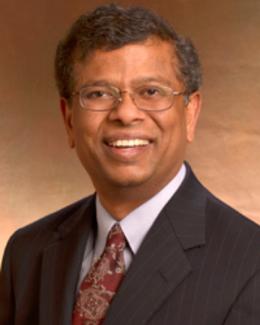
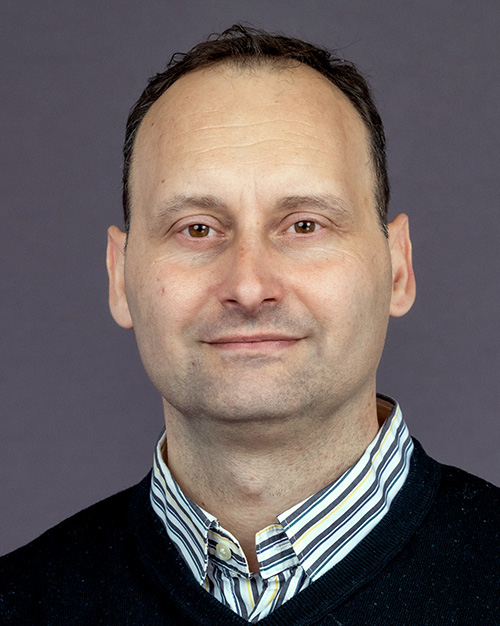
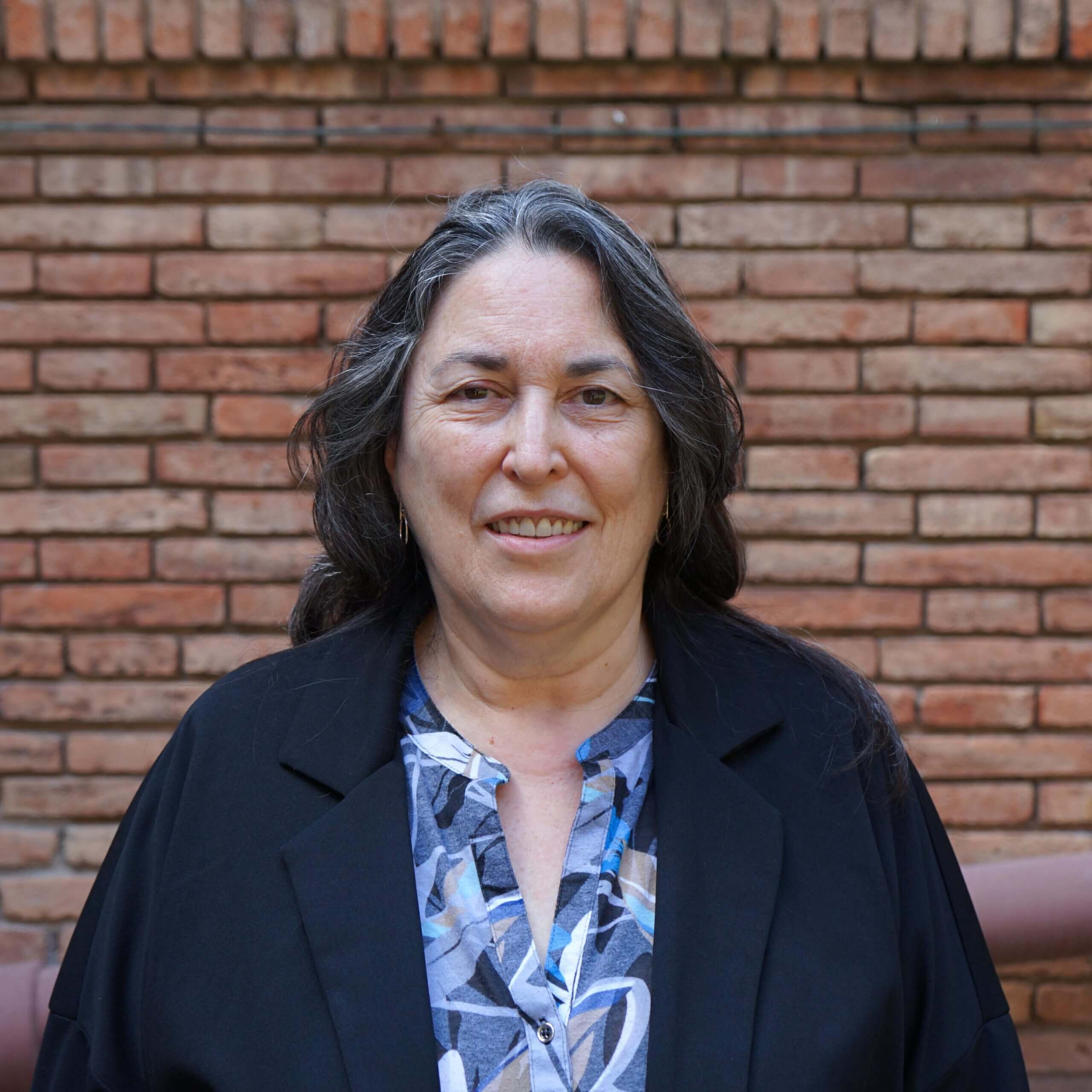
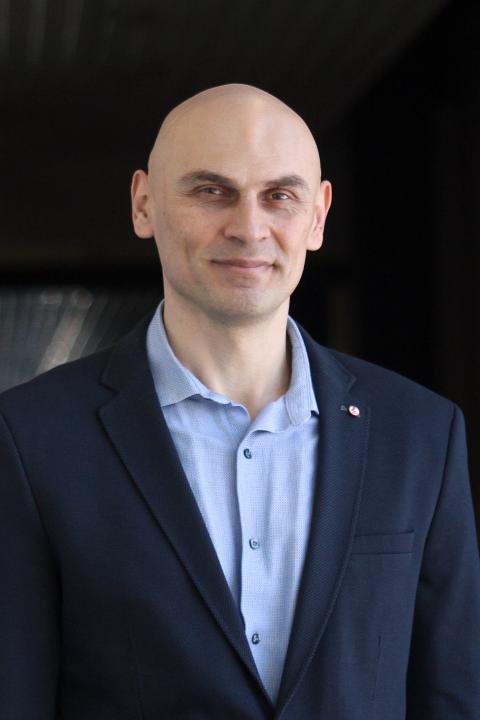
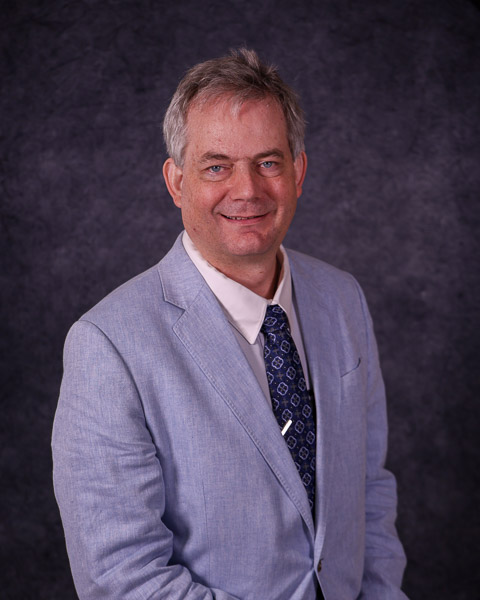
Tiffany Cheng is an incoming Assistant Professor at Cornell University's Department of Design Tech . She previously led the Material Programming Research Group at the Institute for Computational Design and Construction (ICD) and Cluster of Excellence IntCDC at the University of Stuttgart from 2017 to 2024. Her work bridges computational design, biomimicry, and robotics to create transformative material systems. Research Interests focus on bio-inspired and bio-based material programming through 4D printing , self-shaping mechanisms , and environmentally responsive materials . She develops digital workflows for mass-customizing material properties and deploying structures across scales—from self-regulating facades to self-adjusting wearables . Her recent publications and projects explore hygromorphic adaptive shading , cross-sectional 4D printing , and hybrid additive fabrication of biocomposite structures. These align with her broader themes of material intelligence and passive multi-phase actuation . 2024 Falling Walls Lab Baden-Württemberg: Audience Award 2023 Materialpreis: ❤ Award 2022 3D Pioneers Challenge: Finalist 2020 Living Machines: 1st Best Paper Award She has taught courses on Architectural Biomimetics and Master's Thesis Preparation at the University of Stuttgart, and conducted workshops globally including Digital FUTURES and ACADIA . Her MULTIMESO Lab at Cornell will continue advancing integrative technologies for self-shaping systems.
Sudarsanam Babu is the UT/ORNL Governor’s Chair of Advanced Manufacturing and Director of the Bredesen Center for Interdisciplinary Research and Graduate Education. Affiliated with the Tickle College of Engineering at the University of Tennessee, he holds joint appointments in the Department of Mechanical, Aerospace, and Biomedical Engineering and the Department of Materials Science and Engineering . His work bridges Oak Ridge National Laboratory (ORNL) expertise with academic research. Expertise: 21 years in advanced manufacturing, additive manufacturing, and computational materials modeling Labs: DOE’s Manufacturing Demonstration Facility at ORNL Research Focus spans additive manufacturing , microstructure evolution , and multi-material joining . His work addresses residual stress prediction , process optimization , and high-temperature alloy development , with applications in aerospace and energy systems. Publications highlight innovations in L-PBF , electron beam AM , and real-time synchrotron characterization . Scientific Recognition Nominated by President Trump for a six-year term on the National Science Board (2020) Collaborative Initiatives Key role in IACMI - The Composites Institute DOE Advanced Manufacturing Office support US Navy research partnerships
Peter Münch is a postdoctoral researcher at the Chair of Numerical Methods for Partial Differential Equations within the Institute of Mathematics at Technical University of Berlin (TU Berlin), Faculty II - Mathematics and Natural Sciences. He has held research positions at Uppsala University, University of Augsburg, Helmholtz-Zentrum Hereon, and Technical University of Munich. Dr. Münch's research focuses on high-performance scientific computing with expertise in matrix-free computations, dynamic sparse communication patterns, node-level optimization, iterative solvers including multigrid and block preconditioners, and efficient algorithms for high-dimensional partial differential equations. His work spans discontinuous Galerkin methods, computational fluid dynamics, and simulation of additive manufacturing processes including solid-state sintering and melt-pool modeling. He is one of the principal developers of the deal.II finite-element library, which won the SIAM/ACM Prize in Computational Science and Engineering in 2025. His recent publications demonstrate significant contributions to matrix-free finite element methods, multigrid solvers, and applications in computational fluid dynamics and materials science. The research shows a strong trend toward high-performance implementations of numerical methods for extreme-scale computing, with particular emphasis on matrix-free approaches that avoid explicit storage of large sparse matrices. SIAM/ACM Prize in Computational Science and Engineering 2025 (for deal.II) Dr. Münch has supervised numerous student projects including Master's theses, Bachelor's theses, and term papers on topics ranging from immersed boundary methods to high-order discontinuous Galerkin methods. His teaching activities include courses on Numerical Methods for ODEs, PDEs, and High-Performance Parallel Computing. He has contributed to multiple deal.II tutorial programs (steps 19, 68, 75, 76, 87) demonstrating advanced finite element techniques. As a principal developer of the deal.II finite element library, Dr. Münch is actively involved in the open-source scientific computing community, contributing to one of the most widely used finite element frameworks in computational science and engineering. His GitHub profile shows consistent contributions to deal.II and related projects, with significant activity in 2025.
Davide Prete serves as an Associate Professor of Art in the Department of Arts and Humanities within the College of Arts and Sciences at the University of the District of Columbia (UDC), a position he has held since 2018. He actively participates in university governance as a Faculty Senate Member and serves on the Art Committee, Curriculum Committee, and Accreditation Steering Committee. His academic background includes a Master of Fine Arts in Sculpture (2011) and Master of Art in Art (2010) from Fontbonne University, and a Bachelor of Science in Architecture (2004) from University Iuav of Venice, Italy. Additional credentials include a Diploma Fab Academy from MIT's Center for Bits and Atoms (2014) and an MIT xPRO Certificate in Additive Manufacturing (2020). Prete's research centers on the convergence of art, architecture, and digital innovation, with primary expertise in sculpture, digital fabrication, and public art. His work explores generative design methodologies, lattice structures in artistic applications, and AI-driven 3D modeling techniques. He investigates how computational approaches transform traditional sculptural practices and enable new forms of public engagement through large-scale installations. His recent publications demonstrate a clear trajectory toward computational artistry, emphasizing AI text-to-3D generation, mathematical pattern systems in digital sculpture, and scaling methodologies for physical realization. These works bridge artistic expression with engineering principles and computer science, establishing interdisciplinary connections across creative and technical domains. Notable recognitions include: MFA Small Wonders Award (2024) Conley Award, MFA Winter Member Show (2023) Honorable Mentions, MFA Winter Member Show (2023) MIT xPRO Certificate in Additive Manufacturing (2020) Prete has secured substantial public art funding including the 2024 Shelter Bus Sculpture and Endangered Animal Art projects, 2023 Adams Morgan Christmas lights and Covid memorial installations, and the D.C. Commission on Arts and Humanities Art Bank Grant (2023). His grant portfolio reflects a commitment to community-centered artistic interventions addressing contemporary social and environmental themes. He maintains active collaborations with municipal arts agencies and participates in technical assistance programs for commemorative works, demonstrating leadership in translating digital concepts into physical public spaces through advanced fabrication techniques.
Dr. Birgit Paul is a PostDoc researcher in the Department of Alloy Design and Processing at the Leibniz Institute for Solid State and Materials Research Dresden (IFW Dresden). Her work focuses on developing biodegradable metallic implants using advanced manufacturing techniques, with particular emphasis on laser powder bed fusion for stent fabrication and iron-manganese based alloys. Her primary research interests span biodegradable metals, biomaterials, tissue engineering, and additive manufacturing. She investigates critical aspects including inherent antibacterial properties of metal alloys, surface modification effects on cell adhesion, electrochemical degradation control, and cell-material interactions for vascular applications. Her work bridges materials science and biomedical engineering to address clinical challenges in implant technology. Analysis of her publication record reveals a strong trajectory in medical device innovation, with recent work (2022-2025) concentrating on laser-fabricated stents, remotely controlled degradation systems, and surface engineering for improved biocompatibility. Key trends include the transition from fundamental material characterization to clinically relevant applications, with increasing focus on in vitro biological validation and process optimization for medical devices. Dr. Paul maintains active collaborations within IFW Dresden's materials research ecosystem and with external partners including Technische Universität Dresden. Her department specializes in alloy design for functional applications, with her subgroup focusing on biomedical material development where she contributes expertise in additive manufacturing, degradation behavior, and biological interface characterization.
Alfonso Pagani is an Associate Professor at the Department of Mechanical and Aerospace Engineering, Polytechnic of Turin. He holds a Ph.D. in Aerospace Engineering (City University of London, 2016) and a Ph.D. in Fluid-dynamics (Politecnico di Torino). His work focuses on aerospace structures, composites, computational mechanics, and multiscale modeling. Research Interests: Aerospace engineering, composite materials, deployable structures, nonlinear dynamics, and spacecraft design. He leads the MUL2 research group and has secured major grants including an ERC Starting Grant (2019) for variable stiffness composites and PNRR projects on additive manufacturing and renewable composites. Recent publications analyze thermal stresses in 3D printed composites, variable stiffness optimization, and deployable space structures. His work integrates Carrera Unified Formulation (CUF) with machine learning for structural analysis. ERC Starting Grant (2019) ACAM8 Best Paper Award (2014) Ian Marshall Best Student Paper (2013) Ernesto and Ben Omega Petrazzini Scholarship (2012) Aldo Muggia Award (2012) He teaches courses such as Asymptotic Methods in Structural Mechanics and Peridynamics, and supervises Ph.D. students in mechanical and aerospace engineering. He collaborates with institutions including Caltech, Purdue, and RMIT, and co-organizes international conferences on advanced materials.
Núria Llaverias Baqués serves as an Associate Professor in the Department of Industrial Engineering at IQS School of Engineering, Universitat Ramon Llull. Her academic career spans over two decades since becoming Associate Professor in 2001, with recent scholarly contributions extending into 2025. Her research interests focus on sustainable development applications in engineering education and construction optimization. She investigates building construction solutions that maximize human comfort while minimizing energy consumption, applies life cycle methodology to construction processes, and develops curriculum greening initiatives. Her work aligns with the Sustainable Development Goals framework, particularly exploring effective implementation strategies and collaborative educational spaces. As a member of the GEPI (Industrial Products Engineering Group), she contributes to research in three key areas: additive manufacturing (AM), reverse engineering through object digitization with scanners, and mechanical characterization of materials. Her scholarly output demonstrates consistent engagement with engineering education quality and sustainable development implementation. Her educational background includes a Senior Architect specialization (1992, ETSAB-UPC), a Master of Large Scale (1996, UPC), and a Diploma of Advanced Studies (2008, IQS). She has participated in multiple research projects funded by the Agència de Gestió d'Ajuts Universitaris i de Recerca (AGAUR), including the GEPI research group projects spanning from 2014 to 2025.
Marko Knezevic is a Professor in the Department of Mechanical Engineering at the University of New Hampshire (UNH), joining the faculty in spring 2013. His prior experience includes roles as a principal research scientist at Scientific Forming Technologies Corporation (2009-2011), developing the DEFORM finite-element software for manufacturing analysis, and as a LANL Seaborg Institute Postdoctoral Fellow at Los Alamos National Laboratory (2011-2013). His educational background includes: Ph.D. in Materials Engineering from Drexel University M.S. from University of Novi Sad B.S. from University of Novi Sad Prof. Knezevic's research integrates computational methods and experiments to understand materials behavior under complex loading. He develops constitutive models and high-performance computational applications for multi-scale prediction of materials response, with emphasis on microstructural design, component manufacturing, and fracture mechanics. His work bridges fundamental crystal plasticity theory with industrial applications in additive manufacturing and structural materials. Recent publications (2025) demonstrate strong focus on crystal plasticity modeling of metals, neural network-enhanced multi-scale simulations, and additive manufacturing optimization. Key trends include strain-induced phase transformations in steels, strength-ductility tradeoffs in Al-Ce alloys, fatigue performance of additively manufactured components, and advanced modeling of hexagonal metals like magnesium and titanium. He teaches doctoral research courses (IAM 999, ME 999, MS 999) alongside specialized courses including Fracture Mechanics (ME 726/826), Continuum Mechanics (ME 922), and Computational Mechanics of Materials (ME 795/995). While specific grant details aren't provided, his research scope implies substantial federal and industry funding in computational materials science. Information about dedicated laboratories or research teams isn't specified in available sources, though his publications suggest collaborations with national laboratories and materials-focused research groups.
Professor Niels Fold is a distinguished academic at the University of Copenhagen's Department of Geosciences and Natural Resource Management within the Faculty of Science. He has served as a Professor since 2015, following previous roles as Professor (MSO) from 2006-2015 and Associate Professor from 1997-2006. His extensive career includes significant research management experience, coordination of multi-country programs, and cross-disciplinary project leadership across numerous international collaborations. Dr. Fold earned his PhD in Economic Geography from the University of Copenhagen in 1993, following a Master of Science in Geography (1984), Bachelor of Arts in Economics (1982), and Bachelor of Science in Geography (1979), all from the same institution. His academic journey reflects a consistent focus on the intersection of geography, economics, and development studies. His research addresses the relationship between economic-geographic globalization processes and local responses, primarily examined through the analytical lens of global value chains (GVCs). He specializes in agro-industrial value chains connecting producers in the Global South with consumers in the Global North. His approach combines structural GVC analysis with livelihood studies to understand rural development and agrarian transformation. His work extends to mineral-based GVCs, focusing on small-scale mining in Africa and increasingly on large-scale mining and value chain segments in Europe. His regional expertise spans Africa (Ghana, Tanzania), Southeast Asia (Malaysia, Vietnam), and more recently Greenland. His recent publications demonstrate a continued focus on GVCs, rural development, and socio-ecological systems across multiple continents. The research spans Africa (particularly Tanzania, South Africa, and Colombia), Southeast Asia (Vietnam, Malaysia), and Greenland, with increasing attention to sustainability issues, ecological infrastructure, and the intersection of tourism with natural resource exploitation. His work shows methodological sophistication in linking macro-level global processes with micro-level local impacts. Member of Editorial Board, Journal of Agrarian Change (2012-present) Member of Editorial Board, Danish Journal of Geography (2004-present) Director, Centre for Sustainable Artisanal Small-Scale Mining, Geocenter Denmark (2009-present) Coordinator, Danish University Consortium for capacity development at Sokoine University of Agriculture, Tanzania (2014-present) Task leader in European-African partnership for Food and Nutrition Security and Sustainable Agriculture (2018-2022) Professor Fold has supervised approximately 40 Bachelor's theses and 70 Master's theses, in addition to numerous PhD students whose research spans multiple continents and addresses critical development issues. His research has been supported by major funding bodies including the European Commission, Council for Development Research, Geocenter Denmark, and the Carlsberg Foundation, with total funding exceeding millions of Danish kroner and Euros across numerous projects. His field work spans multiple continents with extensive experience in Africa (Ghana, Mali, Burkina Faso, Tanzania, Rwanda, South Africa, Zimbabwe, Zambia), Asia (Vietnam, Malaysia, Nepal), and Latin America (Colombia). He currently leads research projects in South Africa (Socio-economic benefits of ecological infrastructure), Colombia (Aquaponics and livelihoods), Tanzania (Contract farming), and Greenland (the nexus between tourism and exploitation of natural resources), demonstrating his continued active engagement in cutting-edge research across diverse geographical contexts.
Anna Duraj-Thatte is an Assistant Professor at the Department of Biological Systems Engineering at Virginia Tech , where she has been since 2021. She is also a co-founder of Tantu Therapeutics Inc. in Boston, MA, and a Research Affiliate at Massachusetts Institute of Technology since 2020. Her earlier experience includes postdoctoral research at the Wyss Institute for Biologically Inspired Engineering at Harvard University (2013-2020). Education: Ph.D. in Biochemistry, Georgia Institute of Technology, 2012 M.S. in Molecular and Pharmaceutical Biotechnology, Gdansk University of Technology, 2006 B.S. in Molecular and Pharmaceutical Biotechnology, Gdansk University of Technology, 2006 Research Focus : Dr. Duraj-Thatte leads the SMART Living Materials Laboratory , pioneering research in Engineered Living Materials that combine synthetic biology, bioengineering, nanotechnology, and sustainability to create Self-regenerative, Multifunctional, Adaptive, Responsive, and Therapeutic (SMART) living materials . Her work aims to harness microbes as factories for sustainable, large-scale production of materials with applications in healthcare, agriculture, and environmental industries. Article Trends : Her publications emphasize synthetic biology-driven material design , microbial ink bioprinting , self-regenerative hydrogels , and gut microbiome engineering . Recurring themes include biodegradable polymers , protein engineering , and scalable manufacturing , reflecting her commitment to sustainability and clinical translation. Scientific Awards : Grand Prize Winner, NSF Idea Machine Competition (2020) Semifinalist, Harvard President’s Innovation Challenge (2020) Deep Tech Pioneer, Hello Tomorrow Global Challenge (2020) Grants & Collaborations : As co-founder of Tantu Therapeutics, she drives commercialization of engineered living materials. Her affiliations with MIT and Harvard highlight interdisciplinary collaborations in bioengineering and therapeutics.
Philipp Jakobs serves as a Research Associate at the Chair of Structural Analysis, Technical University of Munich since 2024, contributing to advanced computational research in structural engineering under Professor Roland Wüchner's leadership. His academic foundation includes: Master of Science in Computational Mechanics (2022-2024) Bachelor of Science in Engineering Science (2018-2022) Specializing in topology and shape optimization for additive manufacturing in construction, Jakobs develops computational frameworks to bridge 3D printing technologies with civil engineering applications. His work addresses critical challenges in material efficiency, structural integrity, and manufacturability constraints for large-scale construction projects, leveraging isogeometric analysis and finite-element methodologies to innovate building design processes. No scientific awards are documented in available sources. While mentoring activities aren't specified, his role within the Chair suggests involvement in guiding student theses. Third-party projects like Digital Building Kit and WINSENT indicate collaborative research funding within the department. As part of TUM's Structural Analysis Chair, Jakobs contributes to a multidisciplinary team advancing computational mechanics through software development (Carat++, Kratos Multiphysics) and research in wind engineering, fluid-structure interaction, and optimization algorithms for next-generation construction technologies.
Shaurav Zobayer Alam is an Associate Professor in the Department of Civil Engineering at Louisiana Tech University's College of Engineering & Science. His work centers on advancing sustainable and resilient construction materials and technologies. Research Focus: Rapid curing geopolymer concrete for large-scale civil structures Frontal polymerization of CIPP (Cured-In-Place-Pipe) resin systems Additive manufacturing applications in civil engineering Soil–root bonding mechanics to mitigate coastal erosion Creep evaluation of sustainable infrastructure materials These interests collectively aim to develop faster, greener, and more durable construction solutions, particularly in challenging environments such as coastal regions.
Dr. Robert Kelley Bradley serves as Assistant Professor in the Department of Industrial and Systems Engineering at Lamar University, with additional experience as a Visiting Faculty Member at Oak Ridge National Laboratory (ORNL) through the DOE Visiting Faculty Program in 2021. His educational background includes a Ph.D. in Physical Chemistry from Rice University (2000), where he completed his thesis "Large Scale Production of Single Wall Carbon Nanotubes" under Nobel laureate Prof. Richard Smalley, and a B.A. in Biochemistry from Beloit College (1996). Dr. Bradley's research program centers on Nanomaterials and Entrepreneurship, with significant projects in thermoplastic creep behavior, drug delivery microstructures, silicone ferroelectrets, and single-wall carbon nanotube production. His work integrates materials science with industrial engineering to solve practical problems in corrosion prevention, extreme-environment applications, and manufacturing processes. Recent publications demonstrate strong activity in polymer engineering and nanomaterial characterization. His publication record shows consistent output since 1998, with recent emphasis (2021-2025) on thermoplastic composites, creep modeling, and nanomaterial applications. The research spans Materials Science, Polymer Engineering, and Nanotechnology, with practical focus on industrial implementation and educational innovation. Dr. Bradley actively mentors undergraduate researchers through Lamar University's SURF program and has secured substantial research funding: CMMS Research Grant Competition (2023): $99,572 for thermoplastic composite pipe support pads TARC Research Pitch (2023): $10,000 for multi-medium robots with smart skin CICE Grant (2021): $4,000 for single-wall carbon nanotube research Multiple SURF awards ($1,000 each) from 2020-2025 for undergraduate projects His collaborative projects involve Prairie View A&M, West Texas A&M, and Texas A&M universities, focusing on interdisciplinary applications including space technologies and environmental materials. Dr. Bradley also contributes to engineering education through online degree programs and hands-on manufacturing curriculum development.
Professor Albert Albers is a faculty member at Karlsruhe Institute of Technology (KIT), where he leads the Institute for Product Development (IPEK). His research encompasses tribology, mechatronic systems, and design optimization, with active leadership in DFG-funded projects. Key research domains include: Advanced materials for high-stress friction systems Agile development methodologies for mechatronics Computational design optimization (e.g., topology optimization for additive manufacturing) Reliability assurance in product generation He directs multiple large-scale initiatives, including Collaborative Research Centers focused on Cyber-Physical Systems (CPS) engineering and serves as speaker for specialized consortia like SFB 483. His international collaborations include graduate training programs in polymer structure development.
Dr. Kunal Masania is an Associate Professor in the Faculty of Aerospace Engineering at Delft University of Technology (TU Delft), where he leads Group Masania. His research focuses on developing hierarchical bioinspired materials with seemingly contradictory properties such as being both tough and strong or stiff and dissipative. His research interests center on exploiting 3D printing technology to create advanced materials through directed- and self-assembly of natural or carbon-based materials across multiple length scales. He investigates how anisotropy and porosity affect material properties and applies these microstructural designs to large-scale structures, particularly for aerospace applications. His work bridges the gap between natural biological systems and engineered materials, creating what he calls 'living materials' that can adapt to their environment. Professor Masania's recent publications reveal a strong focus on bioinspired composites, 3D printing techniques, and the development of living materials with adaptive properties. His work spans from fundamental material science to practical applications in sustainable aviation, with publications appearing in top journals including Nature, Nature Materials, and Nature Biotechnology. Scientific Awards: ERC Consolidator Grant (2 million Euro) for research proposal AM-IMATE on living composite materials Professor Masania actively supervises students and has developed significant industry and academic collaborations, particularly with ETH Zurich. His research group is at the forefront of developing next-generation composite materials that could revolutionize sustainable aviation through materials that can adapt to environmental conditions and potentially self-repair. Group Masania is involved in cutting-edge research on bioinspired materials, with recent projects including the development of mycelium-based living materials, DNA-of-things storage architectures, and advanced 3D printing techniques for creating hierarchical structures with tailored mechanical properties.