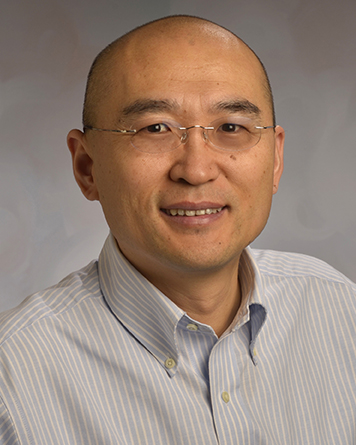
Jindong Tan is a Professor in the Department of Mechanical, Aerospace, and Biomedical Engineering at the University of Tennessee, Knoxville (since 2015). Previously, he held roles at Michigan Technological University (2002–2015) and Northeastern University, China (1995–1998). He specializes in medical/surgical robotics, human-robot interactions, wearable sensors, control systems, and mechatronics. His research integrates robotics, biomedical engineering, and computer science to advance minimally invasive surgical tools, wearable technology, and autonomous systems. Education: Ph.D. in Mechanical Engineering from Michigan State University (2002), M.S. from Northeastern University (1995), and B.S. from Lanzhou University of Technology (1992). Research interests focus on developing innovative medical robotic systems, including laparoscopic camera robots, magnetic actuation mechanisms, and human-robot collaboration frameworks. He has contributed to advancements in wearable sensors for healthcare, sensor networks for dynamic environments, and calibration techniques for bio-inspired robots. Key projects include the design of an untethered laparoscopic camera robot (s-CAM), magnetic localization for surgical tools, and frameworks for controlled robot language in human-robot collaboration. His work emphasizes practical applications in surgical environments and wearable health monitoring. Professional service includes roles with the IEEE Robotics & Automation Society, Engineering in Medicine and Biology Society, and the Association for Computing Machinery. Contact: tan@utk.edu, Perkins Hall 315.
University of California, San FranciscoUnited States
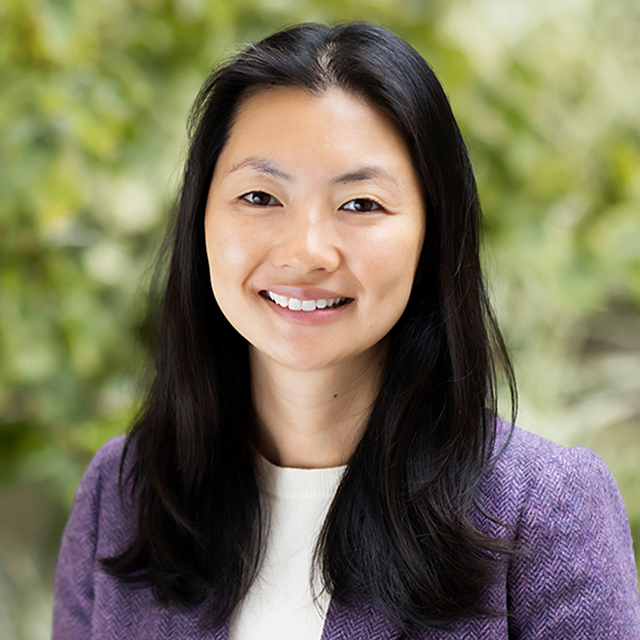
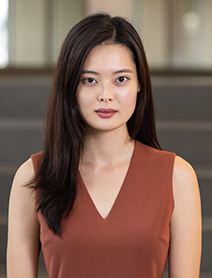
Elizabeth Zheng, MD, is an Associate Professor of Medicine at the University of California, San Francisco (UCSF) School of Medicine, where she specializes in transplant hepatology. She provides clinical care through the UCSF Liver Transplant Program and conducts research focused on improving access to liver care and liver-cancer screening for underserved populations. She co-founded the Asian Liver Health Center and is board-certified in transplant hepatology, gastroenterology, and internal medicine. Education & Training MD – New York Medical College, 2011 Internal Medicine Residency – Montefiore Medical Center (Albert Einstein College of Medicine affiliate), 2014 Gastroenterology Fellowship – Einstein Medical Center, Philadelphia, 2017 Transplant Hepatology Fellowship – UCSF, 2018 Research Interests Dr. Zheng’s scholarly work centers on two major themes: Expanding access to high-quality liver care among underserved and minority populations, particularly Asian Americans. Developing and validating practical strategies for liver-cancer surveillance, including ultrasound-based recall algorithms and real-world management of hepatocellular carcinoma. She has additional expertise in drug-induced liver injury related to herbal and dietary supplements, having authored multiple reviews and prospective analyses on this topic. Publication Trends Across more than a dozen peer-reviewed articles since 2010, Dr. Zheng has advanced knowledge in hepatocellular carcinoma surveillance, COVID-19-associated liver injury, and supplement-related hepatotoxicity. Her collaborative multicenter studies have informed evidence-based guidelines and public-health recommendations. Clinical & Outreach Roles Co-founder, Asian Liver Health Center Attending Transplant Hepatologist, UCSF Liver Transplant Program Multisite clinical practice locations in San Francisco (400 Parnassus Ave and satellite clinics)
University of California, San FranciscoUnited States
Dr. Stanley J. Rogers is a Professor in the Department of Surgery at the University of California, San Francisco (UCSF), School of Medicine. He holds the Ruth M. Dunn Endowed Chair in Minimally Invasive Surgery and the His Majesty King Bhumibol Adulyadej, Rama IX Distinguished Professorship of Global Surgery. He serves as Interim Division Chief of General Surgery and directs the Bariatric Surgery Center, Liver Tumor Ablation Program, and Minimally Invasive Surgery Program. He is also a staff and trauma surgeon at Zuckerberg San Francisco General Hospital and Trauma Center, where he leads videoendoscopic surgery. University: University of California, San Francisco School: School of Medicine Department: Department of Surgery Role: Professor, Interim Division Chief, Director Email: stan.rogers@ucsf.edu Dr. Rogers' research and clinical expertise focus on minimally invasive and bariatric surgical techniques, particularly laparoscopic surgery, sleeve gastrectomy, gastric bypass, and liver tumor ablation. His work explores the metabolic and skeletal consequences of bariatric procedures, with a strong emphasis on calcium metabolism, bone health, and gut microbiome changes. He has contributed extensively to understanding complications and outcomes in gastrointestinal and metabolic surgery. His recent publications show a consistent trend in studying the long-term metabolic and skeletal impacts of bariatric surgery, particularly comparing sleeve gastrectomy and gastric bypass. Key themes include bone mineral density changes, calcium absorption, hormonal regulation (e.g., PYY), and the role of the gut microbiome. Many studies involve collaborations with endocrinologists and metabolic researchers, reflecting a multidisciplinary approach to surgical outcomes. Scientific Awards and Honors: Honorary Fellow, Royal College of Surgeons (2016) His Majesty King Bhumibol Adulyadej Rama IX Distinguished Professor of Global Surgery, UCSF (2012) Ruth M. Dunn Endowed Chair in Minimally Invasive Surgery, UCSF (2011) Fellow, American College of Surgeons (1995) Dr. Rogers has supervised numerous residents and fellows and is actively involved in clinical training. He has served as Principal Investigator and Co-Investigator on multiple NIH-funded grants, including studies on calcium absorption, sleeve gastrectomy effects, and anti-reflux surgery. His work has significant implications for improving postoperative care and long-term outcomes in bariatric patients. He is affiliated with several key programs at UCSF, including the Bariatric Surgery Center, the Liver Tumor Ablation Program, the Minimally Invasive Surgery Program, the Comprehensive Cancer Center, and the Institute for Global Health Sciences. His leadership extends to clinical trials on endoscopic techniques and bariatric revision surgery.
The University of Texas Medical Branch at GalvestonUnited States
Gokhan Kilic, MD , is a Professor in the Department of Obstetrics & Gynecology at the University of Texas Medical Branch (UTMB). He serves as Director of the Urogynecology Fellowship Program and Division Director of Gynecology, with a focus on minimally invasive and robotic surgery. Dr. Kilic holds the Endowed Faculty Chair in Obstetrics and Gynecology Honoring Alvin L. LeBlanc, MD, Harry M. Little, Jr, MD, and L Charles Powell, MD. Board Certified in Obstetrics and Gynecology Board Certified in Female Pelvic Medicine and Reconstructive Surgery Fundamental Laparoscopic Surgery Certification Dr. Kilic's research emphasizes urogynecology , pelvic floor disorders , and robotic surgical techniques . His work includes clinical studies on urinary incontinence, fall risk in older women, and innovative treatments for adenomyosis, blending laboratory research, non-human studies, and clinical trials. Recent publications highlight trends in geriatric urogynecology , robotic hysterectomy , and pharmacological interventions for pelvic health. Dr. Kilic's studies often address comorbidities in aging populations and the effectiveness of pelvic floor muscle training. Scientific Awards : Fellow of the American College of Obstetricians and Gynecologists (ACOG), Fellow of the American College of Surgeons (ACS), and Endowed Faculty Chair at UTMB. Dr. Kilic actively trains students, residents, and physicians in minimally invasive surgery. He leads research initiatives in UTMB's Obstetrics & Gynecology Department, focusing on improving pelvic health outcomes through interdisciplinary collaboration.
Nabil M Issa is a Professor in the Department of Surgery (Trauma and Critical Care) and Medical Education at the Feinberg School of Medicine, Northwestern University. He is a general and acute care surgeon at Northwestern Memorial Hospital, with a focus on minimally invasive techniques including robotic and laparoscopic surgery. Dr. Issa is also a Master Surgeon Educator and holds leadership roles in national surgical education organizations. Dr. Issa's educational background includes: MD: Al Mustansiriya University College of Medicine (1988) FRCS: Fellow of the Royal College of Physicians and Surgeons of Glasgow, Scotland, United Kingdom (1997) FACS: Fellow of the American Board of Surgery with additional qualification in Surgical Critical Care (2007) FCCM: Fellow of the Society of Critical Care Medicine (2007) MHPE: Master's in Health Professions Education, University of Illinois at Chicago (2016) Dr. Issa's research focuses on surgical education , particularly in creating innovative curricula and assessing technical and cognitive skills acquisition. His work spans simulation , team science , and outcome measures in trauma and critical care. He investigates evidence-based practices for surgeon credentialing and emphasizes patient education and quality improvement in acute care settings. His recent publications reflect a strong commitment to diversity in surgical training , trauma outcomes research , and sustainability in surgery . Dr. Issa examines disparities in fellowship training, morbidity in vulnerable populations, and the validation of injury severity metrics. His work bridges clinical care with educational innovation and systems-level improvements in surgical practice. Dr. Issa has received numerous honors and awards, including: Excellence in Teaching Award, Northwestern University Department of Surgery (2023) Professorship in Surgery, Northwestern University (2023) Academy of Master Surgeon Educators, American College of Surgeons (2022) Member in the National Committee on Trauma (COT), American College of Surgeons (2022) Presidential Citation, Surgical Critical Care Program Directors Society (SCCPDS) (2021) Excellence in Teaching Award, Feinberg School of Medicine (2019) Best Trauma/SICU Teacher Award, Department of Emergency Medicine (2019) Presidential Citation, Surgical Infection Society (2012) Excellence in Teaching Award, Feinberg School of Medicine, Surgical Residency Program (2011) Excellence in Teaching Award, Northwestern University (2011) Dean's Award for Teaching Excellence, Feinberg School of Medicine (2011) Presidential Citation, Society of Critical Care Medicine (2010) Excellence in Teaching Award, Feinberg School of Medicine, Surgical Clerkship (2010) Excellence in Teaching Award, Feinberg School of Medicine, Surgical Residency Program (2010) Excellence in Teaching Award, Feinberg School of Medicine, Surgical Clerkship (2009) Excellence in Teaching Award, Feinberg School of Medicine, Surgical Residency Program (2009) Excellence in Teaching Award, Feinberg School of Medicine, Surgical Residency Program (2008) Dr. Issa serves as a faculty mentor for the Surgical Education Research Fellowship (SERF) and has held leadership roles in surgical education committees. His leadership includes: Chair, Association for Surgical Education (2024-Present) Co-chair, Association for Surgical Education (2023-Present) Chair, Development Committee at ASE (2019-Present) Member, Executive committee for ASE Foundation (2019-Present) Chair, Awards Committee- Association for Surgical Education-ASE (2018-Present) Vice President, Chicago Committee on Trauma (2015-Present) Dr. Issa has developed and leads simulation-based educational initiatives at Northwestern Memorial Hospital, focusing on acute care and surgical skills. He collaborates with multidisciplinary teams in trauma, critical care, and surgical education to design curricula that address the continuum of surgical training.
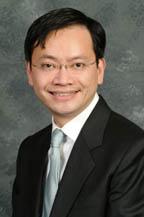
Dr. Pak H. Chung is an Associate Professor of Clinical Obstetrics and Gynecology and Clinical Reproductive Medicine at the Ronald O. Perelman and Claudia Cohen Center for Reproductive Medicine (CRM) of Weill Cornell Medical College. He is board certified in Obstetrics and Gynecology and Reproductive Endocrinology and Infertility, specializing in treating female infertility, IVF, surgical interventions like laparoscopy/hysteroscopy, and recurrent pregnancy loss. Residency: University of Rochester School of Medicine and Dentistry (1994) Fellowship: University of South Florida (1996) Dr. Chung’s research and clinical work focus on reproductive medicine, with an emphasis on culturally sensitive care for Asian American patients and international couples. He has lectured globally and authored peer-reviewed articles on reproductive disorders. Fluent in Chinese, he supports bilingual patient services and serves on boards for the Chinatown Health Clinic Foundation and Chinese American medical organizations.
Dr. Jackie Cha serves as an Assistant Professor in the Department of Industrial Engineering within Clemson University's College of Engineering, Computing and Applied Sciences. Her research bridges human factors engineering with healthcare innovation, focusing on surgical robotics, physiological signal analysis, and wearable medical technologies to enhance clinical performance and safety. Her academic foundation includes advanced degrees from leading institutions: Ph.D. in Industrial Engineering from Purdue University M.S.E. in Biomedical Engineering from the University of Michigan B.S.E. in Biomedical Engineering from the University of Michigan Cha's research program centers on quantifying human performance in high-stakes medical environments through sensor-based metrics. She investigates nontechnical skills in surgical teams, mental workload during robotic procedures, and ergonomics of exoskeleton implementation in operating rooms. Her work integrates physiological signals, eye-tracking, and proximity sensors to develop objective assessment tools for surgical proficiency and team dynamics. Analysis of her 2023-2025 publications reveals consistent thematic focus on human-robot collaboration in surgery, with emerging trends in AI-driven workload detection (s-DResNet), neural correlates of surgical expertise, and environmental factors affecting robotic surgery outcomes. Key methodological approaches include scoping reviews of human-robot interaction metrics, mixed-methods evaluations of exoskeleton efficacy, and extended reality applications for nontechnical skills training. She leads the ECHO Lab (Engineering for Clinical and Human Outcomes) at Clemson, which develops translational solutions for healthcare human factors challenges. Her lab's work spans from fundamental physiological signal analysis to applied interventions in operating rooms and emergency medical settings.
University of California, Los AngelesUnited States
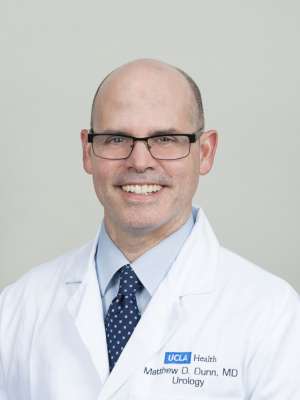
Dr. Matthew D. Dunn serves as an Associate Clinical Professor of Urology at the University of California, Los Angeles (UCLA), practicing at Santa Monica Urology with hospital affiliations at UCLA Santa Monica Medical Center and UCLA West Valley Medical Center. Education: MD, Keck School of Medicine of the USC, 1992 Residency in Urology, LAC + USC Medical Center, 1998 Fellowship in Urology, Washington University School of Medicine in St. Louis, 1999 Research and Clinical Focus: Dr. Dunn specializes in endoscopic management of complex kidney stones and urinary diversions, laser treatment for benign prostatic hyperplasia, and laparoscopic urological procedures. His work bridges clinical urology with minimally invasive surgical innovation, particularly in stone disease and obstructive uropathies. Honors and Awards: Super Doctors Southern California recognition (2022-2025) Professional Activities: Board certified by the American Board of Urology since 2001, Dr. Dunn actively participates in clinical trials including the Uriprene® Degradable Temporary Ureteral Stent study. He maintains active clinical practice accepting new patients across multiple insurance networks while speaking exclusively English.
Chris Monico is an Associate Professor in the Department of Mathematics & Statistics at Texas Tech University . He has been a faculty member there since 2003, following post-doctoral research at the University of Notre Dame. Education B.S. in Mathematics – Monmouth University M.S. in Mathematics – University of Notre Dame Ph.D. in Mathematics – University of Notre Dame Research Focus Monico’s scholarship centers on the intersection of cryptology , computational algebra , and number theory . A significant recent thrust has been the application of machine-learning techniques to mathematical finance , evidenced by work on random-forest models for option pricing and high-frequency trading risk metrics. Parallel lines of inquiry include post-quantum cryptographic schemes built on tropical algebra and semigroup actions, as well as classical problems in Ramsey theory and combinatorial semigroups . Publication Trends Between 2015 and 2025 Monico has published prolifically, with a clear shift around 2020 toward mathematical finance and machine-learning applications , alongside continued output in algebraic cryptanalysis and combinatorics . His 2024–2025 articles emphasize data-driven models in trading, whereas 2020–2021 works concentrate on cryptanalyses of tropical and group-based key-exchange systems. Earlier contributions focus on computational number theory and semigroup-based cryptography. Contact Information Email: c.monico@ttu.edu Phone: 806-834-4144 Office: Department of Mathematics & Statistics, Texas Tech University, 1108 Memorial Circle, Lubbock, TX 79409-1042 Advising & Grants No specific doctoral or master’s students, funded grants, or named awards are detailed in the provided text. Laboratory or Research Group The text does not mention any dedicated laboratory or research group.
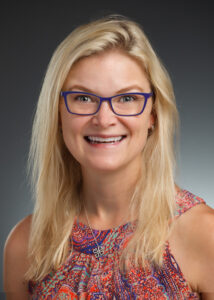
Shannon F.R. Small, MD, is an Assistant Professor in the Department of Surgery at Yale School of Medicine, specializing in General Surgery, Trauma, and Surgical Critical Care. She practices at Yale Medicine and provides comprehensive surgical care ranging from trauma and emergency cases to elective and robotic procedures. Institution: Yale University School: Yale School of Medicine Department: Department of Surgery Academic Rank: Assistant Professor Email: shannon.small@yale.edu Dr. Small's research and clinical work focus on improving patient outcomes through advanced surgical techniques, particularly in trauma and critical care settings. She has a strong interest in pain management for rib fractures and expanding access to surgical care. Her work integrates robotic surgery to enhance precision and recovery in procedures such as gallbladder removal, hernia repair, and bowel perforations. Her recent publications highlight expertise in minimally invasive and robotic surgery, pediatric surgical conditions, and trauma care protocols. Themes across her research include innovation in surgical technique, global health applications, and evidence-based implementation of clinical guidelines. Scientific Awards: No awards listed in the provided text. Dr. Small is actively involved in mentoring future surgeons and promoting inclusive excellence in medicine. She emphasizes compassionate, equitable care guided by the principle of treating patients as she would her own family. She is board certified in General Surgery and Surgical Critical Care by the American Board of Surgery (2017) and maintains an active clinical and academic role at Yale. Labs and Teams: No specific lab affiliations mentioned. Active participant in the Department of Surgery’s trauma and critical care team at Yale School of Medicine.
Dr. Allison E. Linton is an Associate Professor in the Department of Obstetrics and Gynecology at the Medical College of Wisconsin (MCW), joining in August 2017. She specializes in general obstetrics/gynecology, with expertise in contraception for complex medical conditions, pregnancy loss management, and family planning. Her research focuses on improving access to reproductive health services through education, advocacy, policy, and organizational changes. Education: MD: Northwestern University Feinberg School of Medicine (2011) Residency in Obstetrics & Gynecology: Northwestern/ McGaw Medical Center (2011-2015) Fellowship in Family Planning: Northwestern (2015-2017) MPH: Northwestern (2017) Research Interests: Dr. Linton advocates for equitable access to reproductive healthcare, particularly in complex cases. She explores innovative training methods (e.g., low-cost abortion simulations) and provider referral networks. Her work bridges clinical practice with global health, including educating refugee midwives in Southeast Asia. Teaching & Awards: Recipient of Northwestern’s Excellence in Student Teaching Award annually during her training. Developed global health curricula, including obstetrics/gynecology training for midwives on the Thai-Myanmar border. Clinical Practice: Sees patients at Froedtert’s Obstetrics & Gynecology and Family Planning Clinics, focusing on family planning, prenatal care, and managing conditions like abnormal uterine bleeding and sexually transmitted infections.
University of California, Los AngelesUnited States
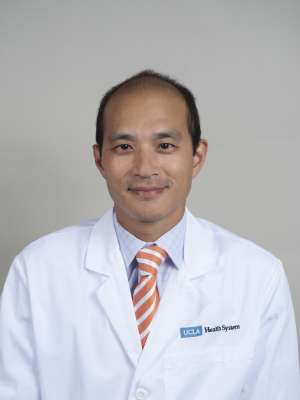
Dr. Arnold I. Chin is a Professor of Urology and Medical Director of Urology-Westwood at the David Geffen School of Medicine at UCLA. He completed both his MD and PhD at UCLA and completed his urology residency training there as well. His clinical expertise spans urologic oncology and renal transplantation, with specialization in open, laparoscopic, and robotic-assisted surgeries for bladder, kidney, and prostate cancer patients. Dr. Chin's educational background includes: MD, UCLA School of Medicine, 2003 PhD, UCLA, 2002 Internship in Surgery, UCLA School of Medicine, 2004 Residency in Urology, UCLA School of Medicine, 2009 Dr. Chin's research focuses on understanding cancer differentiation and its interplay with the tumor microenvironment. His laboratory investigates molecular mechanisms in programming tumor-infiltrating lymphocytes and mechanisms controlling development and differentiation of cancer stem cells. His work aims to develop novel therapeutic targets, immune-based platforms, and stem cell-directed therapies against cancer. He is affiliated with the Broad Stem Cell Research Center, Tumor Immunology Program Area, and Genitourinary Oncology Program Area of the Jonsson Comprehensive Cancer Center. His recent research has centered on bladder cancer, prostate cancer, renal cell carcinoma, and neuroendocrine carcinomas, with emphasis on tumor microenvironment, immunotherapy approaches, and molecular targets for cancer treatment. Dr. Chin has received several prestigious awards: Super Doctors® Southern California, 2022-2025 Super Doctors® Southern California Rising Stars 2018 STOP Cancer Research Career Development Award 2010 American Association of Cancer Research Career Development Award for Translational Cancer Research 2010 Dr. Chin is actively involved in mentoring students and research fellows in his laboratory, guiding them in cutting-edge cancer research. His work has been supported by various grants from organizations including STOP Cancer and the American Association of Cancer Research. He is also involved in clinical trials related to urologic cancers. Dr. Chin leads a translational research laboratory focused on tumor microenvironment in prostate and bladder cancer, using a combination of animal models, human reconstitution systems, and primary tumor and hematopoietic cells. His team is investigating molecular mechanisms in programming tumor-infiltrating lymphocytes and the development and differentiation of cancer stem cells.
Xiaoming Guan, MD, PhD is a Professor in the Department of Obstetrics and Gynecology at Baylor College of Medicine and serves as the Division Chief and Fellowship Director of Minimally Invasive Gynecologic Surgery at Texas Children’s Hospital. He is also the Program Director of the Center of Excellence in Gynecologic Surgery (COMIGS) at Texas Children's Hospital, Houston, Texas. His clinical and academic roles highlight his leadership in advanced gynecologic surgical innovation and education. MD – Fujian Medical College, Fuzhou, China MS – Fujian Medical University, Fuzhou, China PhD – Zhejiang University, Zhejiang, China (Medicine/Surgery) Residency – St. Joseph's Hospital and Medical Center, New Jersey (Obstetrics and Gynecology) Fellowship – Baylor College of Medicine, Houston (Minimally Invasive Gynecologic Surgery) Dr. Guan specializes in treating complex gynecologic conditions including endometriosis, uterine fibroids, pelvic masses, and pelvic organ prolapse using state-of-the-art minimally invasive techniques. He is a pioneer in robotic single-site surgery and transvaginal Natural Orifice Endoscopic Surgery (NOTES), applying these methods to advanced pelvic procedures such as sacrocolpopexy, abdominal cerclage, and endometriosis resection. His work emphasizes multidisciplinary collaboration with colorectal, thoracic, and urologic surgeons to optimize patient outcomes. The selected publications reflect a strong focus on surgical innovation, particularly in laparoscopic, robotic, and NOTES-based approaches. Trends include comparative effectiveness studies, technical development, and fertility-preserving strategies. His research bridges clinical application with technological advancement in gynecologic surgery. Surgeon of Excellence in Minimally Invasive Gynecology – Texas Children's Hospital Pavilion for Women Dr. Guan is actively involved in training future surgeons as Fellowship Director and leads a robust research program with over 80 publications. He serves on the editorial boards of the Journal of Minimally Invasive Gynecology , Clinics in Surgery , and Gynecology and Obstetrics Clinical Medicine Journal . He also holds leadership in professional societies, including President of the North American Society of Chinese Obstetricians and Gynecologists. Dr. Guan leads a multidisciplinary surgical team focused on advanced endometriosis and complex pelvic reconstruction. His lab and clinical team integrate robotic platforms and innovative endoscopic techniques to improve surgical precision and patient recovery. Ongoing work includes expanding NOTES applications and refining robotic single-site procedures for broader clinical use.
Denny Yu is an Associate Professor at the Edwardson School of Industrial Engineering, Purdue University. His work bridges human factors, neuroergonomics, and healthcare safety through advanced sensor systems and AI. Primary Affiliation : Edwardson School of Industrial Engineering, Purdue University Research Themes : Surgical ergonomics, autonomous vehicle human factors, cognitive workload assessment, multimodal physiological sensing Dr. Yu's research focuses on neuroergonomics and human-robot interaction , particularly in surgical and transportation contexts. His team develops sensor-based systems for workload monitoring, including: EEG-eye tracking fusion for situation awareness Wearable exoskeletons for surgical posture support Computer vision tools for lifting task risk analysis Smart infusion pump usability frameworks AI-driven surgical coaching systems Recent publications emphasize deep learning applications in soft tissue deformation estimation and real-time adaptive systems for robotic surgery augmentation. His work spans both occupational health (veterinary surgeons, airport workers) and medical device innovation domains.
Peter Kazanzides is a Research Professor in the Department of Computer Science at the Whiting School of Engineering, Johns Hopkins University, where he joined the faculty in 2002. His research focuses on robotics, medical robotics, augmented reality, and computer-assisted interventions with primary applications in computer-integrated surgery. His educational background includes multiple degrees from Brown University: ScB (1983) in Electrical Engineering AB (1983) in Computer Science ScM (1985) in Electrical Engineering ScM (1987) in Applied Mathematics PhD (1988) in Electrical Engineering Kazanzides is a member of the Robotics, Vision, and Graphics research group and directs the Sensing, Manipulation, and Real-Time Systems (SMARTS) laboratory. His work spans surgical robotics, mixed reality, and systems engineering, with emphasis on computer-assisted surgery in extreme environments including minimally invasive surgery, microsurgery, and space teleoperation. The SMARTS lab develops real-time sensing systems, augmented/mixed reality interfaces using head-mounted displays, high-performance motor control, and sensor fusion technologies, with strong focus on system integration and open-source platforms like the da Vinci Research Kit (dVRK). Analysis of his recent publications (2024-2025) reveals dominant trends in surgical robotics autonomy, augmented reality navigation, force estimation, and digital twin technologies. Key themes include AI-driven task automation, haptic feedback enhancement, real-time instrument segmentation, and simulation environments for surgical training, primarily leveraging the da Vinci Research Kit framework. As director of the SMARTS lab within the Laboratory for Computational Sensing and Robotics (LCSR), Kazanzides leads a collaborative ecosystem including the Computer Integrated Interventional Systems (CIIS) Lab, Advanced Medical Instrumentation and Robotics (AMIRO) Lab, Dynamical Systems and Controls Lab (DSCL), Computer Aided Medical Procedures (CAMP) Lab, Medical UltraSound Imaging & Intervention Collaboration (MUSiiC) Lab, and Photoacoustic & ULtrasonic Systems Engineering (PULSE) Lab. His lab maintains responsibility for the development and support of the open-source da Vinci Research Kit, a critical resource for surgical robotics research worldwide.