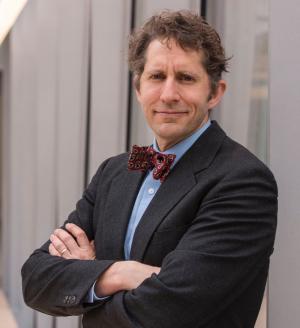
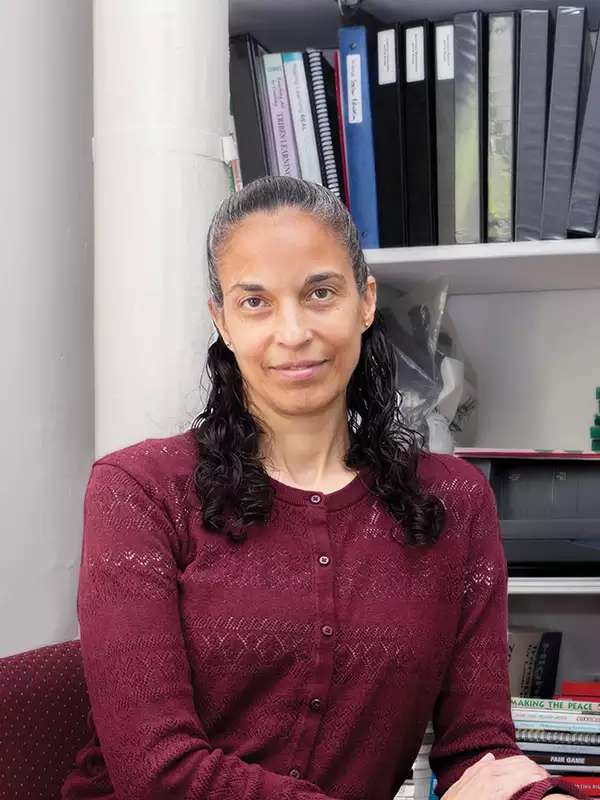
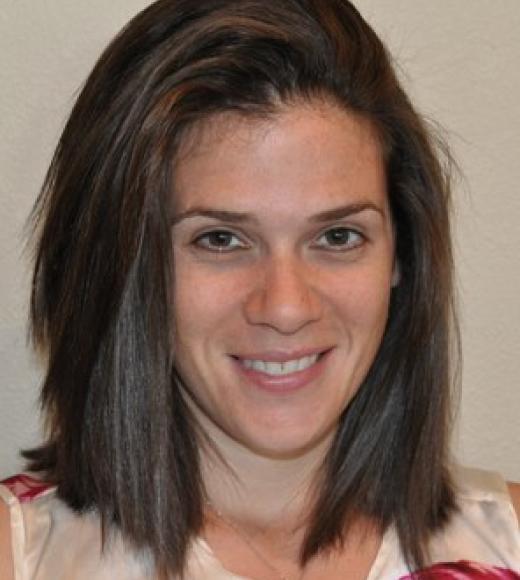
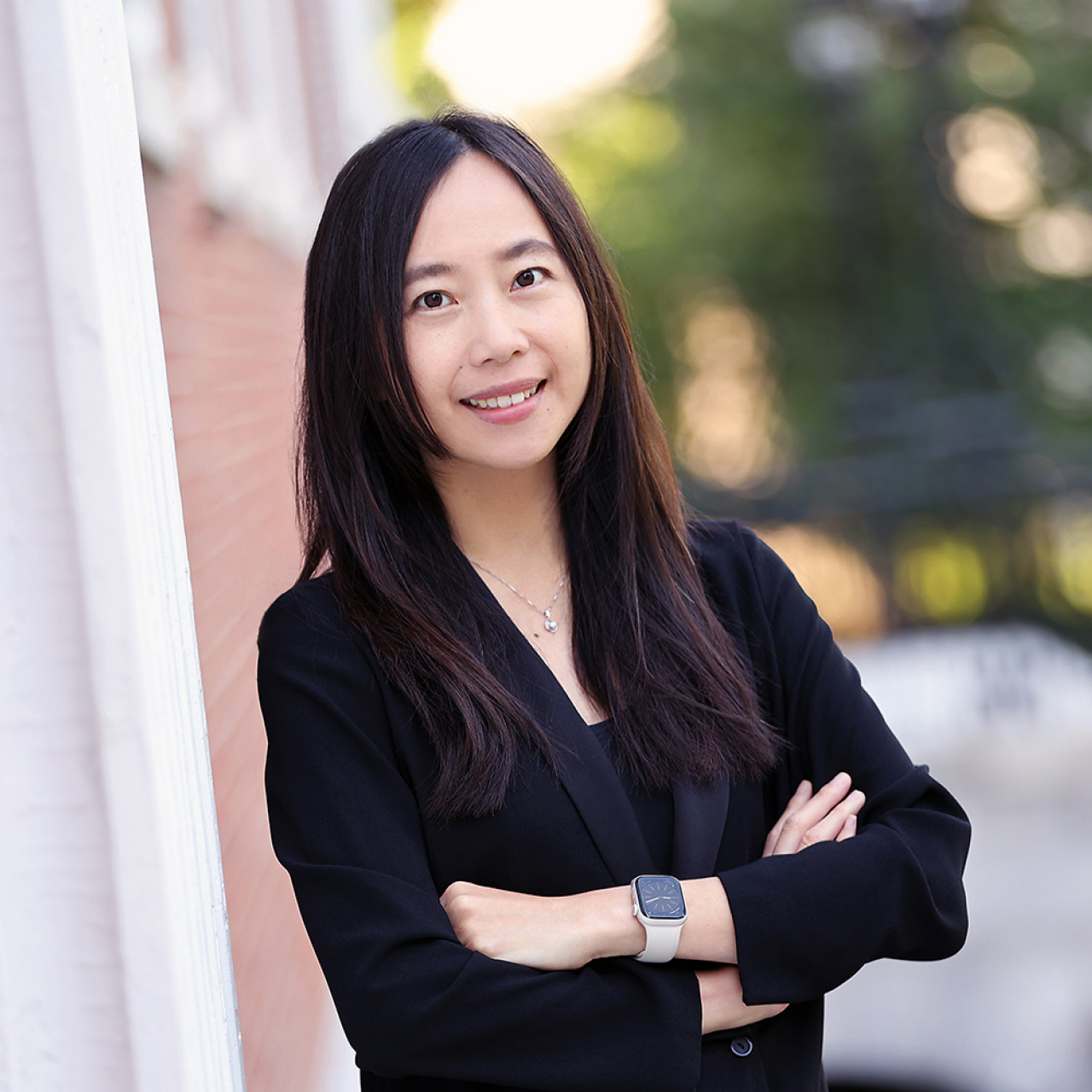
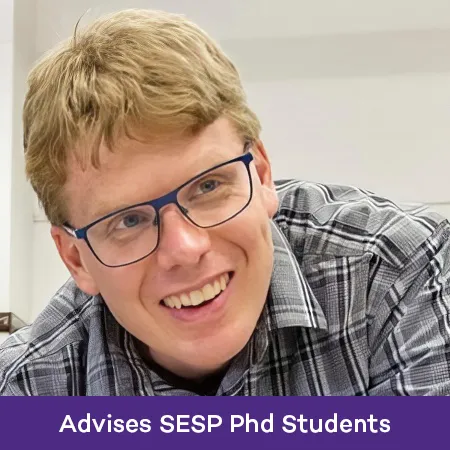
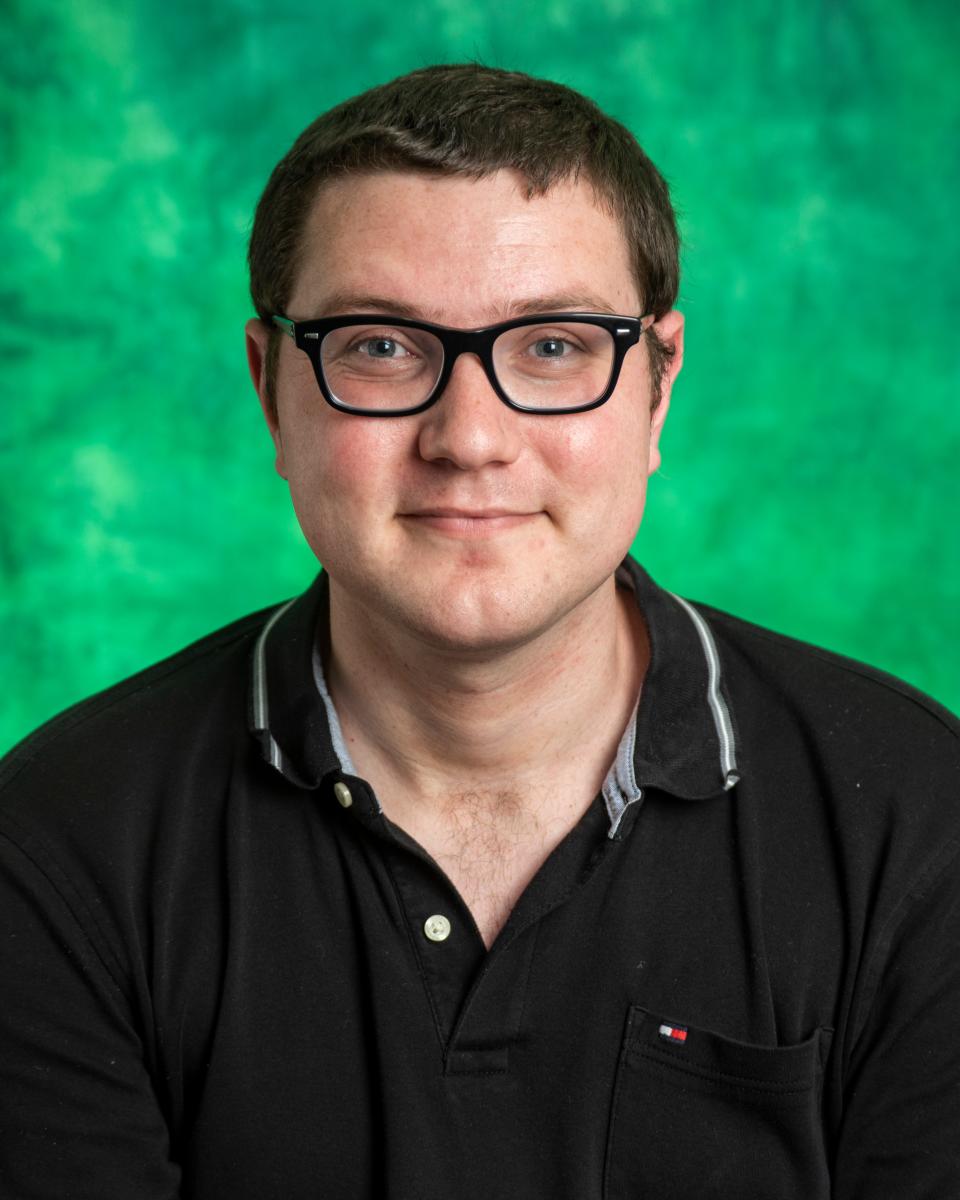
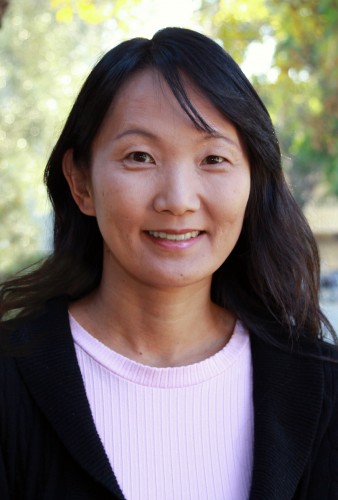
William S. Horton (Sid) is an Associate Professor in the Department of Psychology at Northwestern University , where he has taught since 2005 and directed the Cognition and Communication Lab (Cresap 108). Starting in September 2025, he will serve as Chair of the Department of Linguistics . His research focuses on socio-cognitive mechanisms in language use, particularly discourse pragmatics , perspective-taking , and non-literal language processing . Education: B.S. in Psychology/German from Duke University (1991), M.A. and Ph.D. in Cognitive Psychology from University of Chicago (1994/1999) Previous roles: Postdoctoral research at SUNY-Stony Brook, Cognitive Aging at Georgia Tech Research trends from his 20+ years of publications include common ground , memory processes , figurative language , and age-related communication changes . His work increasingly incorporates computational text analysis and real-time digital communication studies. Awards : Fellow, Society for Text and Discourse Students : Supervised Ph.D. theses on conversational alignment, common ground activation, and digital communication. Undergraduate honors projects explore inhibitory deficits, speech internalization, and perspective-taking in bilingualism. Cognition and Communication Lab investigates language processing in spoken/written contexts using experimental methods and computational models.
James A. Evans is a Professor at the University of Chicago, where he serves as Director of the Knowledge Lab and Faculty Director of the Masters Program in Computational Social Science. He is also an External Professor at the Santa Fe Institute. His research bridges computational methods with social theory to analyze collective cognition, innovation, and knowledge production across science, technology, and broader societal domains. Director, Knowledge Lab Faculty Director, Masters Program in Computational Social Science External Professor, Santa Fe Institute Evans’s research explores how social and technical institutions shape discovery processes, utilizing machine learning, network modeling, and large-scale data analysis. His work spans fields like computational social science, sociology of science, and data science, focusing on team dynamics, peer review, and the global structure of scholarship. His recent publications examine team size effects on innovation, discursive influence in academia, and the interplay between tradition and novelty in research strategies. Articles trend toward interdisciplinary approaches combining social theory, computational methods, and science policy. Evans supports novel observatories for human understanding through crowdsourcing, sensor networks, and semantic modeling. He has received funding from the National Science Foundation, National Institutes of Health, and Air Force Office of Scientific Research, with findings featured in major media outlets like Nature , Science , and The New York Times .
María Rivera Maulucci is the Ann Whitney Olin Professor of Education and serves as the Education Program Director/Chair at Barnard College, Columbia University. She is a proud alumna of Barnard (Class of 1988) and has been a faculty member since 2004. Her work centers on urban education, science pedagogy, and teacher development with a strong commitment to equity and social justice. Education: BS, Barnard College, Columbia University MFS, Yale School of Forestry & Environmental Studies M.Phil, Teachers College, Columbia University Ph.D., Teachers College, Columbia University Her research focuses on how teachers learn to teach for social justice, emphasizing the role of language, identity, and emotions in teacher development. She employs qualitative research and evaluation methods to explore transformative pedagogical practices in urban science education. Her scholarship bridges formal and informal learning contexts and investigates the interplay between teacher agency and structural constraints. Her recent publications and presentations highlight a sustained focus on equity, critical science inquiry, teacher identity, and professional development. She has contributed extensively to journals such as Journal of Research in Science Teaching and Cultural Studies of Science Education , and has authored chapters on social justice, identity, and assessment in science education. Scientific Awards: Barnard College Emily Gregory Teaching Award (2018) National Association for Research in Science Teaching Equity and Ethics Scholar (2007) She is the Principal Investigator of the NSF-funded Barnard College Robert Noyce Teacher Education Scholars Program, which supports future science teachers in urban schools. She advises students and collaborates with national organizations, including the National Association for Research in Science Teaching, Association for Science Teacher Education, and American Educational Research Association. Her teaching includes courses such as Science in the City , Urban School Practicum , and Performance Assessment of Teaching . She is actively engaged in professional development initiatives and has led workshops on family engineering nights, multicultural pedagogy, and social justice in science education. Her lab and programmatic work centers on the Noyce Scholars Program, which functions as a living laboratory for preparing socially conscious science educators.
Gail E. Joseph is a Professor in the College of Education at the University of Washington, with affiliations in Early Childhood & Family Studies and Learning Sciences & Human Development. She teaches courses, advises students, and conducts research on early care and education, focusing on child care quality, social-emotional learning, teacher education, and technology integration. Ph.D., University of Washington Her research projects include statewide surveys on early childhood workforce conditions, studies on digital professional learning tools like Circle Time Magazine, and evaluations of coaching interventions (e.g., FIND in Childcare) to improve teacher-child interactions. She co-created resources such as Teacher Time and the EarlyEdU Alliance, which aims to enhance early childhood education through accessible bachelor’s degrees. Her publications span topics like social-emotional curricula, behavioral interventions, and inclusive education frameworks. She has held leadership roles as Principal Investigator (PI) of the Head Start Center for Inclusion and Co-PI of the National Center for Quality Teaching and Learning (NCQTL). 2018 David R. Thorud Leadership Award (University of Washington) She currently serves as Executive Director of Cultivate Learning at the University of Washington, advancing professional development and quality improvement initiatives nationwide.
Georgia Zellou is an Associate Professor in the Department of Linguistics at the University of California, Davis, where she co-directs the Phonetics Lab and conducts award-winning research at the intersection of phonetics, speech perception, and human-AI interaction. Her work investigates how phonetic detail is cognitively represented through variations in speech production, with significant contributions to understanding speech alignment with voice assistants, face-masked speech intelligibility, and cross-linguistic perception of synthetic voices. Her academic credentials include a Ph.D. in Linguistics from the University of Colorado at Boulder (2012), an M.A. in Linguistics from Stony Brook University (2007), and a B.A. in Linguistics & Anthropology from the University of Florida (2005, Cum Laude, Phi Beta Kappa). Ph.D., Linguistics, University of Colorado at Boulder (2012) M.A., Linguistics, Stony Brook University (2007) B.A., Linguistics & Anthropology, University of Florida (2005) Professor Zellou's research program centers on laboratory phonology approaches to real-world communication challenges, examining how acoustic-phonetic details influence speech perception across contexts. Her studies span speech alignment with voice-AI systems (e.g., Amazon Alexa), sociophonetic variation in bilingual speech, and the cognitive mechanisms underlying perceptual compensation for coarticulation. She employs experimental methods including eye-tracking, acoustic analysis, and perceptual testing to uncover how phonetic variation functions pragmatically in human communication and human-machine interaction. Analysis of her 15 most recent publications (2023-2025) reveals three dominant research trajectories: (1) human-AI voice interaction dynamics, including prosodic alignment and social evaluation of TTS voices; (2) intelligibility optimization in challenging contexts (face masks, clear speech for diverse listeners); and (3) cross-linguistic phonetic variation in vowelless words and consonant clusters. These works consistently bridge theoretical phonology with applied speech technology, demonstrating how fine-grained phonetic detail influences communication effectiveness in both human-human and human-machine contexts. Her scientific recognition includes: Fulbright Scholar (2022) for research in France Chancellor’s Award for Excellence in Undergraduate Mentoring (2019) Fellow of the Linguistic Society of America (2020) Amazon Faculty Research Award (2019) for Alexa-related speech studies Dean’s Fellow designation at UC Davis (2020-2023) Professor Zellou maintains an active mentoring practice recognized with the Chancellor’s Award, supervising undergraduate researchers in the Phonetics Lab while teaching core linguistics courses from introductory to advanced graduate levels. Her research program is supported by competitive grants including NSF funding, Amazon Research Awards, and UC Davis internal grants (Hellman Foundation, ISS Junior Faculty Grant), reflecting the translational value of her work for speech technology development. She has co-directed major initiatives including the 2019 LSA Linguistic Institute. The Phonetics Lab she co-leads serves as a hub for experimental phonetics research, focusing on speech production-perception relationships through projects investigating vocal accommodation to voice assistants, nasal coarticulation dynamics, and cross-linguistic prosody. Current collaborations with industry partners aim to implement human speech adaptation principles into voice assistant design to enhance naturalness and engagement.
Andrew Ollett is an Associate Professor and Director of Graduate Studies in the Department of South Asian Languages and Civilizations at the University of Chicago , where he has taught since 2019. His research focuses on the literary and intellectual traditions of South and Southeast Asia, particularly through works in Sanskrit, Prakrit, Apabhramsha, and Kannada from the first millennium CE. Co-founder and editor of NESAR (New Explorations in South Asia Research) Director of NEH-funded edition/translation of the Kavirājamārga (earliest Kannada literary manual) Expert in Prakrit and Kannada literary traditions His work explores the 'question of language'—examining how language choice shaped cultural production and change in premodern India. Current projects include a monograph on context-sensitivity in Indian language theories and a study of manuscript technology's impact on early South Asian knowledge communities. He has authored The Mirror of Ornaments (Naples: Unior Press, 2025) and Language of the Snakes (UC Press, 2017), and co-authored Lilavai (Harvard, 2021). Recent publications include interdisciplinary studies on: Sanskrit-Prakrit campū genre reevaluation Pragmatics in Mīmāṁsā interpretive concepts Manuscript literacy's influence on literary forms Historical linguistics of Middle Indic syllable reduction Philosophy of language in Śālikanātha and Kumārila Bhaṭṭa Awarded the NEH 'Scholarly Editions and Translations' grant , he teaches classical South Asian literature courses covering Sanskrit, Prakrit, and Tamil traditions. He maintains digital resources including a Prakrit Digital Texts Project and Mīmāṁsādigdarśinī digital text repository, and actively contributes to open-access scholarship.
Ying Xu is an Assistant Professor at the Harvard Graduate School of Education (HGSE), specializing in the design of AI technologies to support children's language, literacy, STEM learning, and well-being. Her research emphasizes creating AI systems that act as interactive learning companions and language partners for children while fostering human-AI collaboration with educators and families. She holds a Ph.D. in Language, Literacy, and Technology from the University of California, Irvine, and previously served as an Assistant Professor at the University of Michigan from 2022 to 2024. Her work focuses on understanding how AI can complement human interactions, particularly through conversational agents integrated into media like books and educational TV programs. Collaborations include partnerships with PBS KIDS, GBH Education, and Sesame Workshop. Funded by organizations such as the National Science Foundation and Schmidt Futures, her research bridges developmental psychology, education, and human-computer interaction. Xu's studies highlight AI's potential for personalized learning while addressing ethical considerations like AI literacy and social impact. Key achievements include numerous best paper awards and recognition as an Early Career Interdisciplinary Scholar by SRCD. Her interdisciplinary approach involves designing technologies that reflect community values and linguistic/cultural diversity, ensuring equitable access to AI-driven educational tools. Xu advocates for balanced AI integration in children's lives, emphasizing the need for transparency about AI's limitations and the importance of maintaining human connections. She explores how AI can empower stakeholders (e.g., educators, parents) to co-create technologies tailored to their needs, ensuring AI serves as a complement—not replacement—for human interaction. Current projects investigate conversational AI's design principles, children's perceptions of AI, and strategies for fostering critical evaluation of AI-generated content. She also examines how AI affects social interactions and developmental processes, advocating for ethical guidelines to maximize benefits while mitigating risks.
Remko Van Hoek serves as Professor of Practice in the Department of Supply Chain Management at the Sam M. Walton College of Business, University of Arkansas. He teaches Sourcing and Procurement courses across undergraduate, master's, and doctoral programs. Prior to joining the University of Arkansas, Dr. Van Hoek held academic positions in Europe and served as a visiting professor at Cranfield School of Management, complemented by extensive industry experience as a supply chain and procurement executive at global corporations including Nike, PwC, and The Walt Disney Company. He currently serves on the Council of Supply Chain Management Professionals (CSCMP) Board of Directors and acts as executive director of the CSCMP Supply Chain Hall of Fame hosted by the Walton College. Dr. Van Hoek's research centers on digital transformation in procurement and supply chain management, with particular focus on blockchain implementation, artificial intelligence applications, and sustainable sourcing practices. His work investigates how emerging technologies reshape procurement processes, supplier relationship management, and risk mitigation strategies. He explores innovative approaches to supplier diversity programs, ethical sourcing frameworks, and the strategic evolution of procurement from cost reduction to value creation. His research consistently bridges academic theory with industry practice through case studies from major corporations, developing actionable frameworks for practitioners facing digital disruption and sustainability challenges. Analysis of his 15 most recent publications (2023-2025) reveals dominant themes in AI-driven supply chain risk prevention, blockchain implementation for transparency, and sustainable supplier engagement. His work demonstrates consistent industry collaboration, drawing from case studies at Walmart, Moet Hennessy, and Bayer to address post-pandemic resilience challenges. A significant portion examines procurement's strategic evolution beyond transactional functions, with recurring emphasis on ethical considerations in digital transformation and the practical implementation barriers for emerging technologies in global supply networks. As a Professor of Practice, Dr. Van Hoek integrates executive-level industry experience into curriculum development and student mentorship. His industry-engaged teaching model includes guest lecturer programs connecting students with supply chain practitioners, as evidenced by his co-authored work on integrating industry insights into supply chain education. While specific grant funding details are not publicly documented, his leadership in the CSCMP Supply Chain Hall of Fame demonstrates commitment to professional development and industry-academia knowledge transfer. Dr. Van Hoek directs the CSCMP Supply Chain Hall of Fame initiative, which documents transformative contributions to supply chain management through interviews with industry pioneers and historical case studies. This platform serves as both an educational resource for Walton College students and a professional development tool for supply chain practitioners globally. The Hall of Fame preserves critical industry knowledge while highlighting contemporary innovations in supply chain strategy and technology implementation.
Michael S. Horn is a Professor of Learning Sciences and Computer Science at Northwestern University, serving as Program Coordinator for Learning Sciences. He holds a PhD in Computer Science from Tufts University and a ScB in Computer Science from Brown University. His research focuses on the intersection of human-computer interaction and learning, emphasizing the use of emerging technologies in museums, classrooms, and informal settings. Notable projects include multi-touch tabletops in natural history museums, tangible programming languages for early education, and the TIDAL Lab’s innovative exhibits like Build-a-Tree and DeepTree. Education background includes: PhD in Computer Science (Tufts University, 2009) MS in Computer Science (Tufts University, 2006) ScB in Computer Science (Brown University, 1997) Research interests span tangible interaction design, computational literacy, and museum-based learning. He has led projects such as the ‘Energy Monsters’ board game and the TunePad music-coding platform. His work integrates technology with pedagogical practices to foster collaborative and exploratory learning environments. Active collaborations include the Computer History Museum and the California Academy of Sciences. Advising contributions include mentoring doctoral students like Dr. Mmachi Obiorah and Pei-Yi. His lab, TIDAL, explores interactive technologies for education, with grants from NSF and industry partnerships. Recent articles highlight innovations in computational thinking integration, music-coding hybrid practices, and AI-driven qualitative analysis.
Maisha T. Winn serves as the Excellence in Learning Graduate School of Education Professor at Stanford University and is Faculty Director of the Stanford Accelerator for Learning's Equity in Learning Initiative. She leads the Futuring for Equity Lab as Principal Investigator and holds significant leadership positions including President-Elect of the American Educational Research Association and membership in the National Academy of Education. Dr. Winn's research examines how non-dominant youth and communities develop literate trajectories across historical and contemporary settings. As an ethnographer by training, she investigates how communities depicted as under-resourced create their own educational practices, processes, and institutions. Her scholarship bridges historical analysis with contemporary educational practice to build more just, collaborative, and equitable futures in education. Her work spans restorative justice in education, Black literacy studies, and transformative justice approaches, with particular attention to the school-to-prison pipeline, independent Black institutions, and futures-oriented educational frameworks. Dr. Winn analyzes how historical educational models can inform contemporary practices that center community knowledge and cultural identity. Andrew W. Mellon Fellow at CASBS (2022-23) American Educational Research Association Fellow Member of the National Academy of Education Dr. Winn advises doctoral students including Christina Hewko and Misbah Naseer, and leads research initiatives focused on educational equity. Her Futuring for Equity Lab develops frameworks for understanding how marginalized communities have historically created educational spaces that affirm their identities and knowledge systems, with direct implications for contemporary educational practice and policy. Her research team collaborates with community organizations and schools to translate scholarly insights into practical applications that promote educational justice, particularly in areas of school discipline reform and literacy education for marginalized youth.
Dr. Brady D. Lund is an Assistant Professor at the University of North Texas, focusing on interdisciplinary research at the intersection of information science, artificial intelligence, and ethics. His work addresses AI adoption in libraries, data privacy, academic integrity, and international development. He holds a Ph.D., M.S., and B.S. from Emporia State University and Wichita State University. Education: Ph.D., Emporia State University M.S., Emporia State University B.S., Wichita State University Research Interests: Dr. Lund explores how AI impacts information seeking behaviors, data privacy literacy, and library services. His work emphasizes ethical AI deployment in academic and clinical settings, with a focus on marginalized communities. Key areas include AI-driven library systems, blockchain applications for academic integrity, and the societal implications of generative AI. Research Trends: Recent publications analyze AI's role in health information, cybersecurity threat intelligence, and library leadership in minority-serving institutions. He critiques AI authorship policies, evaluates large language models, and advocates for equitable AI access in developing countries. Labs & Teams: Leads the Computational Humanities and Information Literacy Lab and the CyberCrews initiative, focusing on AI ethics, digital literacy, and interdisciplinary collaboration.
Yuuko Uchikoshi Tonkovich is a Professor at the School of Education, University of California, Davis, where she has served since 2004, advancing from Assistant to Associate and then to full Professor. Her work centers on language and literacy development in young dual language learners, with a focus on bilingualism, early literacy, and the role of family and media in language acquisition. Her research interests include: Early Childhood Development Multilingual Learners and Bilingual Education Language Acquisition and Literacy Parent-Child Interaction and Home Language Environment Quantitative Analysis of Educational Outcomes Educational Television and Multimedia Her recent publications span topics such as cognitive distancing in parent-child reading, morphological awareness in bilingual readers, and the impact of teacher language use in multilingual classrooms. The research consistently emphasizes longitudinal, cross-cultural, and interdisciplinary approaches, particularly focusing on Chinese American and Mexican American immigrant families. Her scientific awards include: AERA Vocabulary SIG Notable Vocabulary Researcher Award (2025) Foundation for Child Development Young Scholars Program Grant International Reading Association Dissertation Fellowship and Finalist Award Harvard Graduate School of Education Fellowships She has advised numerous research projects and secured significant funding from NIH/NICHD, the Foundation for Child Development, and other organizations. She teaches courses such as Language Development, Early Literacy, and Research on Text Comprehension. She is actively involved in national initiatives, serving on the Technical Advisory Group for the First 5 California Dual Language Learner Study and as Associate Editor of Applied Psycholinguistics . She leads the Language & Literacy Development Lab at UC Davis, which investigates the cognitive, linguistic, and socio-emotional development of dual language learners.
Mizuko (Mimi) Ito is a cultural anthropologist and learning scientist at the University of California, Irvine, serving as Director of the Connected Learning Lab and holder of the John D. and Catherine T. MacArthur Foundation Chair in Digital Media and Learning. She previously held research appointments at Keio University and the University of Southern California. Ito earned dual PhDs in Education and Anthropology from Stanford University and a BA in East Asian Studies from Harvard University. Education: PhD in Education, Stanford University PhD in Anthropology, Stanford University Bachelor's Degree in East Asian Studies, Harvard University Research Interests: Ito's work focuses on leveraging youth interests and digital media to foster equitable, socially connected learning. Her research spans mobile media culture in Japan, youth social media engagement in the US, and global adoption of children's media. She developed the connected learning framework, emphasizing youth-centered, equity-oriented approaches to education in the digital age. Grants & Partnerships: Ito has secured funding from major organizations including the MacArthur Foundation, Bill and Melinda Gates Foundation, National Science Foundation, and Microsoft Research. She co-founded the Connected Learning Alliance to advance research and impact in technology and learning. Awards: Recipient of the Jan Hawkins Award for Early Career Contributions (AERA) Labs & Initiatives: Directs the Connected Learning Lab at UC Irvine, which explores opportunities and risks of digital media in education. The Lab collaborates with global networks to design inclusive learning ecosystems.
Rutgers, The State University of New JerseyUnited States
Mark Baker is a Professor of Linguistics and Cognitive Science at Rutgers University. His work focuses on comparative syntax, linguistic universals, semantic roles, and the study of Amerindian and African languages. He holds the title of Distinguished Professor and maintains an office in Scott Hall. As of 2021, his office hours were by appointment due to sabbatical leave. His research interests include syntactic diversity, its limits, and patterns across languages. Notable themes in his work involve logophoric pronouns, switch-reference mechanisms, and the relationship between case systems and agreement structures. He has contributed to discussions on language typology, formal syntax, and the cognitive foundations of linguistic structures. Baker teaches advanced syntax courses and has published extensively on topics ranging from Panoan languages to theoretical models in generative grammar. His recent articles explore syntactic variation, morphosyntactic alignment, and interdisciplinary connections between linguistics and cognitive science. He serves on editorial boards and has reviewed for journals such as Journal of East Asian Linguistics and Yearbook of Corpus Linguistics and Pragmatics . His work bridges formal linguistic theory with empirical cross-linguistic analysis, emphasizing the interplay between universal grammatical principles and lineage-specific traits.
Rochester Institute of Technology (RIT)United States
Cecilia O. Alm is a Professor in the Department of Psychology within the College of Liberal Arts at Rochester Institute of Technology (RIT), where she serves as the Artificial Intelligence Program Director. She holds multiple leadership roles including Director of the Center for Human-aware AI and Director of the Computational Linguistics and Speech Processing Lab (CLaSP). Her institutional affiliations span the School of Information, Ph.D. Programs in Cognitive Science and Computing and Information Sciences, Department of Computer Science, and MS in Data Science program. Dr. Alm earned her Ph.D. from the University of Illinois at Urbana-Champaign. Her research focuses on human-centered artificial intelligence with particular emphasis on linguistic and multimodal sensing, affective computing, and natural language processing. She investigates how AI systems can better understand and respond to human communication through multimodal dialogue processing, with applications in accessibility, education, and healthcare. Her recent publications demonstrate a strong trend toward developing inclusive AI systems, particularly through projects addressing Deaf community needs (MULTICOLLAB-ASL), subtle emotion recognition (FUSE corpus), and bias mitigation in NLP. The work consistently integrates multimodal data streams (speech, gaze, gesture) to create more responsive human-AI interaction frameworks. Current research directions emphasize diversity in AI education, visual prosody in sign languages, and human-in-the-loop AI development. Dr. Alm leads several significant NSF-funded initiatives including the AWARE-AI program, IRES AI-PROWIL international research experience, and collaborative projects with Gallaudet University focused on Deaf scientist-centered AI research. She has secured over $2.5 million in external funding for her work on human-aware AI systems. She directs the CLaSP lab which provides research opportunities for PhD, MS, and undergraduate students, with graduates employed at major technology companies including Amazon, Apple, Microsoft, and Facebook. The lab focuses on real-world AI applications in accessibility, human-robot interaction, and multimodal communication systems.