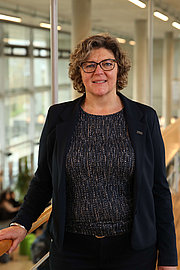
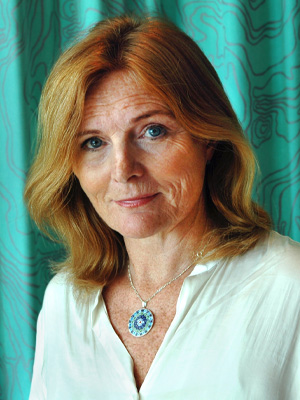
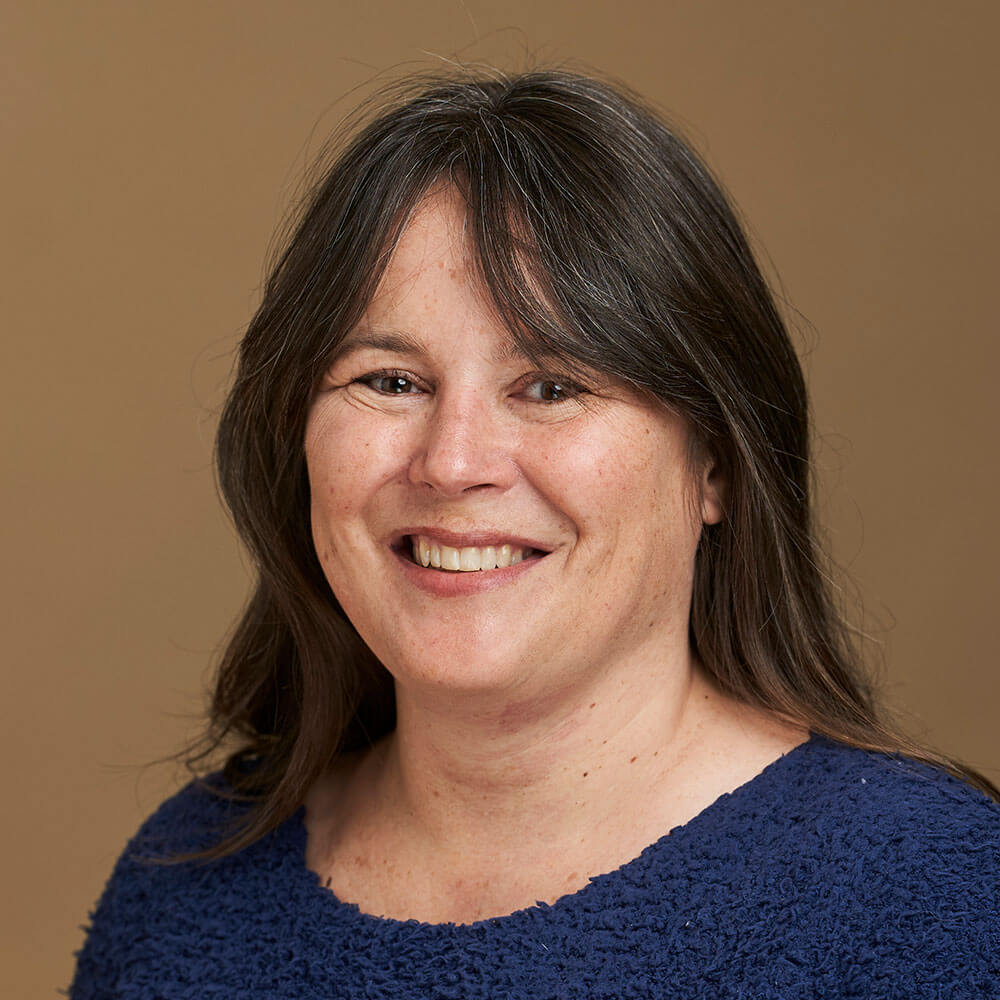
Gary Hernandez serves as a Lecturer in English for Academic Purposes (EAP) at the School of Languages, Cultures and Societies within the Faculty of Arts, Humanities and Cultures at the University of Leeds. He is formally affiliated with the Language Centre, a key institutional unit dedicated to advancing academic language proficiency and communication skills across the university community. His scholarly focus centers on critical areas of language education including: English for Academic Purposes (EAP) Applied Linguistics Language Teaching methodologies Academic Writing development These research domains address fundamental challenges in supporting non-native English speakers within higher education contexts, particularly regarding academic discourse comprehension and production. No scientific awards or honors were documented in the available institutional profile. Information regarding graduate student supervision, research grants, or funded projects was not provided in the source material. Mr. Hernandez's primary institutional connection is with the Language Centre, which operates as an interdisciplinary hub for language support services, pedagogical research, and academic communication training. This unit plays a vital role in the university's internationalization strategy through specialized programs in academic writing, presentation skills, and language consultancy services.
Paula Molina de Rohde serves as a Spanish lecturer at the West Coast University of Applied Sciences, teaching Spanish language courses across multiple degree programs including Business Administration, Electrical and Information Engineering, International Tourism Management, Management and Technology, and Economics and Law. She coordinates Spanish course offerings and provides dedicated student academic support services. Her professional focus centers on practical Spanish language instruction for business, technology, and economics contexts, emphasizing applied linguistics and cross-cultural communication skills. She develops curriculum to enhance students' professional language proficiency for international workplaces and academic settings within technical and commercial disciplines. In her administrative capacity, she manages Spanish course coordination across departments while delivering direct student mentorship. Though research publications and awards aren't documented in available materials, her instructional role remains vital to the university's language education infrastructure serving both technical and business faculties.
Annarita Miglietta is an Associate Professor of Italian Linguistics at the University of Salento's Department of Humanities, a position she has held since March 21, 2005. She maintains an active research and teaching profile with office hours held Fridays from 9:30 to 10:30 in Studio 13C of Palazzo Parlangeli in Lecce. Her academic journey includes obtaining qualification for the first band in 2013 and reaffirming this qualification in 2019, demonstrating her continued scholarly excellence. Dr. Miglietta's research spans traditional dialectology and contemporary linguistic phenomena, with particular focus on the relationship between standard Italian and regional varieties in Salento. Her scholarly work examines language contact, code-switching, sociolinguistic variation, and the vitality of the Griko language. In recent years, she has expanded her research to include digital communication phenomena, analyzing language use in social media, rap lyrics, and the impact of technology on linguistic expression. Her methodological approach combines fieldwork with textual analysis across diverse contexts including educational settings, children's language acquisition, and digital environments. Her publication record shows a clear evolution from traditional dialectological studies toward contemporary language phenomena while maintaining continuity with regional linguistic traditions. The most recent publications demonstrate engagement with cutting-edge linguistic topics including digital communication, youth language, and the interface between traditional literary forms and new media. This trajectory reflects both her adaptability as a researcher and her commitment to examining language as a living, evolving system. Dr. Miglietta serves as a reviewer for the VQR (Research Quality Evaluation) for the periods 2015-2019 and 2020-2024, and has contributed significantly to doctoral education through committee service and specialized lectures for PhD programs at the University of Turin and the International PhD Program in Modern and Classical Languages at the University of Salento and University of Vienna. She maintains active scholarly engagement through editorial roles as a member of the board of Rivista Italiana di Dialettologia since 2012 and the scientific committee of Journal Olhares & Trilhas since 2019, demonstrating her commitment to advancing research in her field through scholarly publication and peer review.
Ragnhild Sollund is a Professor in the Department of Criminology and Sociology of Law at the University of Oslo. As a leading scholar in green criminology, her work focuses on wildlife crime, animal rights, and species justice. She leads the CRIMEANTHROP research project (2019-2023), examining the implementation of international wildlife conventions across multiple countries. With publications in multiple languages including English, Spanish, Portuguese and Chinese, Sollund has established herself as an international expert on environmental crime and the ethical treatment of animals within criminal justice systems. Sollund earned her PhD from the University of Oslo in 2003 with her dissertation 'Framework, space and mobility. Immigrant women's working lives.' Her academic journey began with research on migration and police treatment of ethnic minorities before evolving toward her current focus on green criminology and wildlife crime. She previously worked as a researcher at NOVA and led projects on refugee situations and immigrant women in the labor market. Professor Sollund's research spans multiple critical areas within green criminology, with particular emphasis on the illegal trade in endangered species across Norway, Colombia, and Brazil. Her work examines how international conventions like CITES and the Bern Convention are implemented in practice, often revealing significant gaps between policy and enforcement. She pioneers the concept of 'species justice,' arguing that conventional criminology must expand to recognize animals as victims of crime rather than mere property. Her scholarship challenges anthropocentric legal frameworks and advocates for ecojustice approaches that recognize the intrinsic value of non-human life. Analyzing Sollund's recent publications reveals a consistent trajectory toward developing theoretical frameworks that integrate species justice into criminal justice systems. Her work demonstrates how wildlife crime operates within transnational networks while exposing the systemic failures in enforcement. A recurring theme is the examination of anthropocentrism and speciesism in legal systems, with increasing attention to gender dimensions of wildlife trafficking. Her scholarship connects practical policy analysis with philosophical considerations about humanity's relationship with other species, particularly in the context of the Anthropocene. Sollund's significant contributions to criminology have been recognized with prestigious awards including: The Lifetime Achievement Award from The American Society of Criminology, Division of Critical Criminology and Social Justice (2021) Choice Outstanding Academic Title for 'Green harms and crimes. Critical criminology in a changing world' (2016) Energy Globe Award, Norway, for research into illegal trade in endangered animal species (2015) These honors reflect her pioneering role in establishing green criminology as a legitimate and vital subfield of criminological inquiry. Professor Sollund has secured substantial research funding throughout her career, most notably leading the CRIMEANTHROP project funded by the Research Council of Norway's FRIPRO program (2019-2023). She previously served as project manager for 'Global Care Workers in the Welfare State' (2006-2010) and was a partner in the EU-funded EFFACE project (2012-2016). Her international collaborations span institutions in the United Kingdom, Germany, Spain, Colombia, and the United States. As an editorial board member for multiple journals including Critical Criminology and International Journal for Crime, Justice and Social Democracy, she plays a significant role in shaping scholarly discourse in her field. Sollund leads the CRIMEANTHROP research team, which includes collaborators from multiple countries examining wildlife crime enforcement across different legal systems. She is actively involved with the Global Criminology research group at the University of Oslo and has established connections with indigenous communities in Colombia through her Southern Green Cultural Criminology work. Her research methodology often involves interdisciplinary collaboration between criminologists, ecologists, and social scientists to address the complex challenges of wildlife crime and conservation. She has also served as a subject matter expert for the European Parliament Development Committee and as a World Bank expert on trade in endangered animal species.
Joel Brynielsson serves as an Associate Professor at KTH Royal Institute of Technology within the Division of Theoretical Computer Science, School of Electrical Engineering and Computer Science, while simultaneously holding the position of Research Director at the Swedish Defence Research Agency (FOI) since 2008. His academic credentials include a Ph.D. in Computer Science (2006) and M.Sc. in Computer Science and Engineering (2000), both from KTH, followed by achieving Docent (Habilitation) status in Computer Science in 2015. Dr. Brynielsson's research spans uncertainty management, information fusion, probabilistic expert systems, command and control systems, operations research, game theory applications, web mining, privacy-preserving data mining, and cyber security. His work bridges theoretical computer science with practical security applications, particularly in national defense contexts. His recent publication record shows consistent scholarly output through 2024, with research focusing on cybersecurity practices in Swedish administrative authorities, cyber-threat perception in the financial sector, and social media applications for crisis management. The interdisciplinary nature of his work is evident in collaborations across security, defense, and emergency management domains. Associate editor for Springer Security Informatics journal Technical program chair for IEEE EISIC conferences (2013-2019) Regular reviewer for security and informatics journals Research funding from EU, Swedish Armed Forces, and public authorities Through his dual appointments, Dr. Brynielsson maintains a vital connection between academic research and practical defense applications, contributing significantly to both scholarly knowledge and real-world security solutions.
Aline Chevalier is a University Professor (PU-CE1) in Cognitive Psychology and Ergonomics at Toulouse Jean Jaurès University, affiliated with the CLLE Laboratory (Cognition, Languages, Ergonomics). She has been teaching within the UFR of Psychology since September 2014, following prior academic positions at Paris Ouest Nanterre La Défense University and Aix-Marseille University. Her research focuses on information retrieval on the Internet, particularly examining how cognitive aging, prior knowledge/expertise, and task complexity affect web search behavior. More recently, she has expanded her work to include health literacy and misinformation credibility. Her research spans both traditional search engines and generative AI interfaces. Professor Chevalier's publication record shows consistent output in top journals including Behaviour and Information Technology, Applied Ergonomics, and Computers in Human Behavior, with recent work (2023-2025) examining exploration-exploitation trade-offs in search strategies, medical information seeking, and aging effects on web navigation. Her research often employs eye-tracking and behavioral analysis methods to understand information processing differences. She serves as co-responsible for the PEPSCO master's research program at UT2J, is editor-in-chief of the journal Psychologie Française , and is an elected member of both the CLLE unit council and CNU 16. She also serves on the board of the French Psychological Society. Professor Chevalier has supervised numerous doctoral students across topics related to information search, cognitive aging, and ergonomics, with current supervision of Nathan Vital (since March 2025) and recent completions by Francisco Martin-Gomez (September 2024) and Cheyenne Dosso (May 2024).
Marquisele Mercedes is a President's Postdoctoral Fellow in the Department of Social and Behavioral Sciences at the University of California, San Francisco (UCSF), conducting critical research at the intersection of public health, race, and body politics. Her work is supported by the prestigious UC President's Postdoctoral Fellowship Program under the mentorship of Professor Janet Shim. Her academic background includes: B.A. in English Literature, Language, and Criticism from Hunter College, The City University of New York Ph.D. in Behavioral and Social Health Sciences from Brown University, supervised by Professor Madina Agénor Dr. Mercedes' research program critically examines Antiblackness, antifatness, and ableism in public health through the lens of weight stigma. Her groundbreaking dissertation, "Black Fat Interventions For and Against the Field of Weight Stigma Research," challenges conventional public health paradigms by centering Black fat lived experiences. Her scholarship actively bridges critical race theory , fat studies , and disability justice to expose how medicalized weight stigma functions as a tool of systemic oppression against Black communities. Her major recognition includes: President's Postdoctoral Fellowship (University of California system) As a postdoctoral fellow, Dr. Mercedes focuses exclusively on research advancement without formal student advising responsibilities. Her current fellowship provides dedicated research time and resources to develop community-centered interventions that address structural health inequities. Her work represents a vital shift toward decolonizing public health research through intersectional frameworks that prioritize racial and body liberation.
Lars Nannestad Jørgensen serves as Clinical Professor at the Department of Clinical Medicine, University of Copenhagen, with clinical affiliations at Bispebjerg Hospital (Bispebjerg Bakke 23) and Rigshospitalet (Blegdamsvej 3) in Copenhagen. His dual appointment bridges surgical practice and academic research within Denmark's public healthcare system, focusing on gastrointestinal malignancies and perioperative care. His research program centers on translational surgical oncology, particularly colorectal cancer screening optimization through liquid biopsy technologies and fecal immunochemical testing. Key investigations include postoperative monitoring systems for early complication detection, cost-effectiveness analyses of cancer screening programs, and novel biomarker discovery in pancreatic cancer. Recent work explores the intersection of artificial intelligence and medical education, examining large language model applications in surgical research. Analysis of his 2024-2025 publications reveals strong emphasis on colorectal cancer diagnostics (62.5% of recent work), with significant contributions to perioperative monitoring technology and healthcare economics. Emerging trends include integration of circulating tumor DNA in screening protocols and rigorous evaluation of AI tools for surgical research abstract generation. His extensive publication record (256 outputs including 223 journal articles) demonstrates substantial collaborative networks across Danish hospitals and international institutions. Social media impact is notable with 18 X (Twitter) mentions for his colorectal cancer cost study and 40 Mendeley readers for his pancreatic cancer biomarker research, indicating significant clinical relevance.
Nicole Kiel Paschke serves as a Clinical Assistant Professor in the Department of Communication Sciences & Disorders at the University of North Dakota, focusing on clinical and research initiatives in swallowing disorders, head/neck cancer rehabilitation, and advanced diagnostic techniques. Her specialized research domains include: Dysphagia assessment and therapy Head and Neck Cancer rehabilitation protocols Fiberoptic Endoscopic Evaluation of Swallowing (FEES) Motor Speech Disorders management Professional recognition includes multiple honors from the American Speech-Language-Hearing Association. ASHA Ace Award (awarded twice) Additional clinical certifications encompass McNeill Dysphagia Therapy Program (MDTP), MBSImP, Vital Stim neuromuscular stimulation, and SPEAK OUT! for Parkinson's disease. Information regarding graduate student mentoring, research funding, laboratory facilities, or collaborative research teams is not documented in the available materials.
Professor Bronwyn Everett is Deputy Head of the School of Nursing at the University of Wollongong, where she has held a leadership position since 2022. She also served as an Adjunct Professor at Western Sydney University from August 2022 to August 2023. With over 30 years of academic experience in nursing education and research, Professor Everett has made significant contributions to nursing workforce development, cardiovascular disease prevention, and patient safety. Her research interests span several critical areas in contemporary healthcare: nursing education and workforce development (particularly in aged care settings), cardiovascular disease prevention and management, and patient safety including clinical communication, falls risk prevention, and safety culture. Professor Everett has led substantial research projects including the ACCELERATE Plus Trial, which evaluates a nurse-led intervention for improving patient assessment and communication across 24 wards in eight hospitals. Professor Everett's publication record demonstrates consistent productivity with over 136 research outputs as of the latest count. Her recent work shows a clear focus on practical solutions to pressing healthcare challenges, particularly in nursing workforce sustainability, patient safety interventions, and healthcare transitions for vulnerable populations. Her research often employs qualitative and mixed methods approaches to address complex healthcare issues. Her scientific contributions have been recognized through research funding including the NSW Small Business Innovation & Research program grant for 'Vital Signs Monitoring' (2022-2023). Professor Everett maintains an active supervision portfolio with multiple PhD students working on diverse topics related to nursing practice and healthcare delivery. As an educator, Professor Everett has taught at both undergraduate and postgraduate levels throughout her career, receiving awards for her teaching of clinicians. She is deeply committed to ensuring quality learning experiences for students and developing future nursing leaders. Her leadership extends beyond her formal role as Deputy Head of School to include significant contributions to research initiatives and professional development across the nursing field.
Julia Kursell is a Professor of Musicology in the Faculty of Humanities at the University of Amsterdam, where she has established herself as a leading scholar at the intersection of musicology, history of science, and sound studies. Her research program examines the historical relationships between scientific understanding of sound and musical practice, with particular focus on how concepts from auditory physiology have informed compositional techniques from the 19th century to the present. Her research interests span multiple domains of inquiry: History of auditory physiology and its relationship to musical composition Sound experimentation in the Russian avant-garde Spatial dimensions of musical composition, particularly in John Cage's work Epistemological connections between laboratory science and musical practice Development of acoustic media technologies and their impact on musical perception Kursell's recent publications reveal a consistent focus on how physical phenomena of sound perception—such as combination tones—create multiple layers of musical meaning that operate simultaneously at physiological, memorial, and semantic levels. Her work demonstrates how scientific concepts migrate into artistic practice, transforming both domains in the process. Rather than treating science and art as separate spheres, her research reveals their co-constitution through shared material practices and conceptual frameworks. As a member of the Sound Studies Research Group at the University of Amsterdam, Kursell has organized significant scholarly events including workshops on 'Sounds of Science' that examine the role of sound in configurations among science, technology, and the arts between 1800 and 1930. Her collaborative work with scholars like Myles W. Jackson has helped establish sound studies as a vital interdisciplinary field connecting musicology with history of science, media studies, and sensory anthropology.
Shelley Tulloch is Professor and Chair of Anthropology at the University of Winnipeg, with over twenty years of community-partnered research experience focused on Inuit communities in Arctic Canada. Her work bridges academic scholarship and practical application in language revitalization, bilingual education, and Indigenous youth leadership development, conducted in direct collaboration with Inuit organizations and governments across Nunavut. Her research interests center on culturally-relevant education systems, examining how language policy implementation affects Indigenous youth identity and leadership. She investigates community-anchored assessment methods for Indigenous language learning, transformational bilingual pedagogies that reconnect marginalized learners to cultural identity, and youth-led language movements across circumpolar regions. Her approach emphasizes community governance in educational programming and the integration of cultural well-being into language revitalization efforts. Professor Tulloch's publication record since 2006 reveals consistent thematic progression from foundational language preservation studies to contemporary work on teacher education and systemic policy implementation. Her recent scholarship focuses on practical applications: developing culturally nourishing pedagogies for Inuit schools, community-based assessment frameworks, and transformational approaches to bilingual education that address systemic marginalization. Key trends include growing emphasis on youth agency in language planning and holistic well-being through cultural continuity. She secures research funding through competitive grants from Inuit governments, SSHRC, and ArcticNet Centre for Research Excellence. Her projects demonstrate sustained commitment to community-driven research, including the Miqqut Project on literacy and well-being, the Inuit Bachelor of Education Program documentary, and the Teaching Indigenous Languages for Vitality Certificate. These initiatives reflect her dual focus on academic rigor and tangible community impact. Though she does not lead a formally named laboratory, Professor Tulloch collaborates through dynamic community-university partnerships. Her work involves interdisciplinary teams including Inuit educators, community leaders, and researchers across disciplines, with projects often developed through the Nunavut Literacy Council and other Indigenous organizations. This network enables practical research translation into educational programming and policy recommendations.
Maria Teasdale serves as a Senior Lecturer specializing in English for Academic Purposes (EAP) within the Department of Future Students, Communications and Marketing at the University of the West of England (UWE Bristol), a prominent institution in the UK higher education sector. Her professional focus centers on: Developing academic language competencies for international students Curriculum design for English language support programs Communication strategies in university recruitment and student services She contributes to institutional initiatives bridging language preparation with academic success across disciplines. Her work integrates practical language instruction with the university's student engagement framework, though no specific research funding or major publications are publicly documented in current institutional records. As a core member of UWE Bristol's professional services division, she plays a vital role in shaping communications and student support systems while maintaining active teaching responsibilities in academic language development.
Annie Batten serves as a language instructor at Geisenheim University's Language Center. With her Master of Arts qualification, she plays a vital role in supporting the university's international academic community. Her work focuses on language instruction within the specialized context of Geisenheim University, which is renowned for its programs in viticulture, oenology, horticulture, and wine business. The Language Center provides essential support for both international students studying in German and German students needing English proficiency for international programs. Annie Batten's expertise likely encompasses academic language instruction tailored to the technical fields studied at Geisenheim, including specialized vocabulary for wine production, viticulture, and related agricultural sciences. Her position is critical given the university's strong international orientation with programs like Vinifera EuroMaster and VITIS-VINUM that attract students from around the world. Provides language instruction for academic success Supports international student integration Develops discipline-specific language materials Facilitates cross-cultural communication within the university
Amy Heffelfinger is a Professor in the Department of Neurology at the Medical College of Wisconsin, with secondary appointments in Neurosurgery and Pediatrics. She serves as Director of Training in Neuropsychology and Vice Chair of Faculty Development. Dr. Heffelfinger is also an Adjunct Faculty member at both the University of Wisconsin-Milwaukee and Marquette University Psychology Departments. She is affiliated with multiple research centers including the Mellowes Center for Genomic Sciences and Precision Medicine, the Neuroscience Research Center, and the Wisconsin Institute of NeuroScience (WINS). Dr. Heffelfinger's research focuses on pediatric neuropsychology, particularly preschool cognitive development and assessment. She founded the Preschool and Infant Neuropsychology Testing (P.I.N.T.) Clinic, which specializes in evaluating infants and preschoolers with neurological conditions. Her work examines cognitive outcomes in children with spina bifida, sickle cell disease, brain tumors, and other neurodevelopmental disorders. She has made significant contributions to understanding depression in preschool children through collaborations with Dr. Joan Luby's research group. Her recent publications demonstrate continued productivity with articles on neuropsychological assessment in preschoolers, healthcare disparities in access to services, and innovations in clinical practice including adaptations during the COVID-19 pandemic. Dr. Heffelfinger has maintained an active research program with continuous funding throughout her career, including NIH K30 Clinical Research Scholar support. Board Certified in Clinical Neuropsychology (ABCN/ABPP) Rita G. Rudel Foundation Award recipient Individual National Research Service Award from NIMH Vitality Award from Medical College of Wisconsin NIH Loan Repayment Program for Pediatric Researchers As an educator, Dr. Heffelfinger has mentored numerous students at various levels including medical students, residents, fellows, and graduate students. She has developed structured training programs including a formalized 4-rotation plan for resident training and bi-weekly meetings for the Milwaukee Pediatric Neuropsychology Research Interest Group. Her P.I.N.T. Clinic provides specialized assessment services while serving as a training ground for the next generation of pediatric neuropsychologists. Dr. Heffelfinger maintains an active clinical practice at Children's Wisconsin-Milwaukee Hospital, where she evaluates children with various neurological conditions and developmental disorders. Her work bridges clinical practice, research, and education in pediatric neuropsychology.