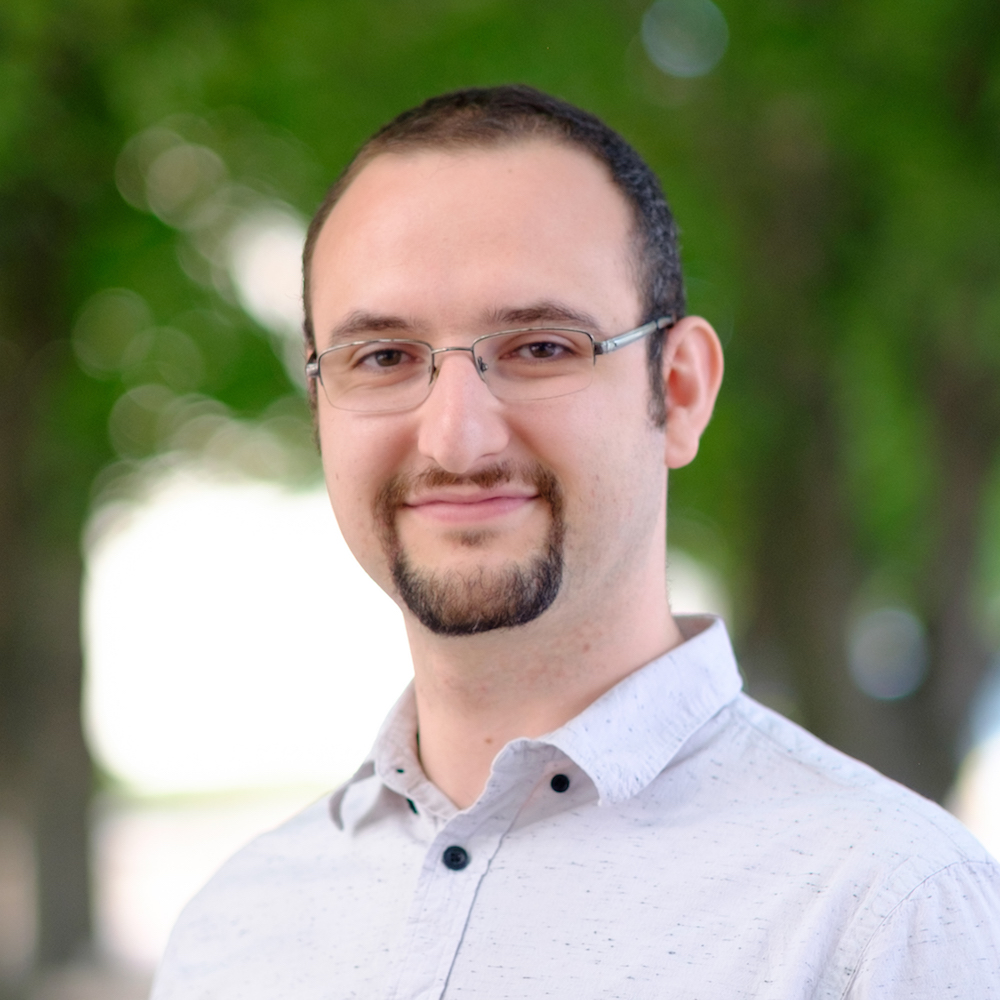
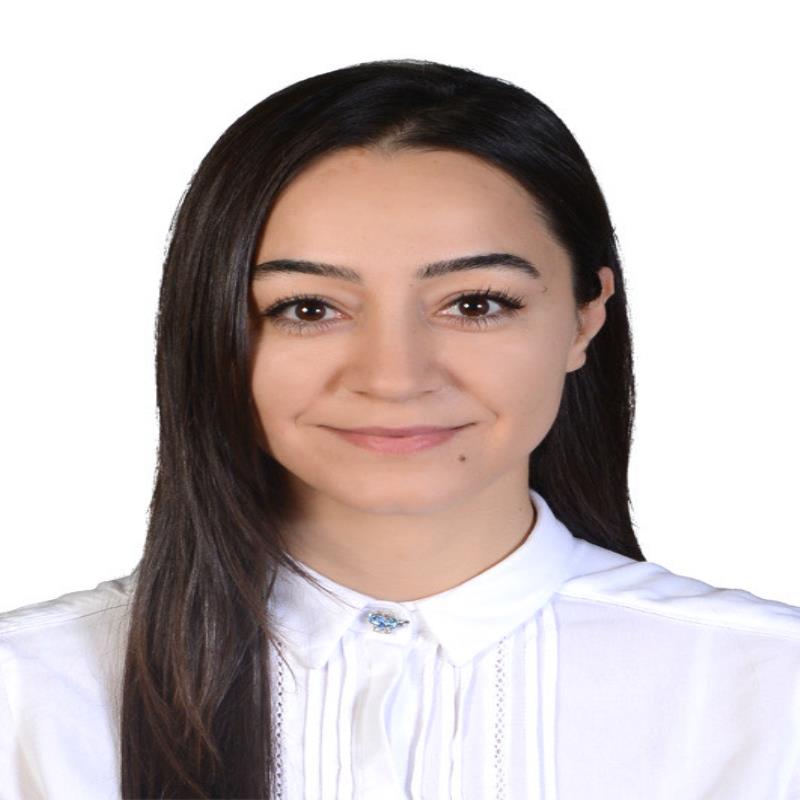
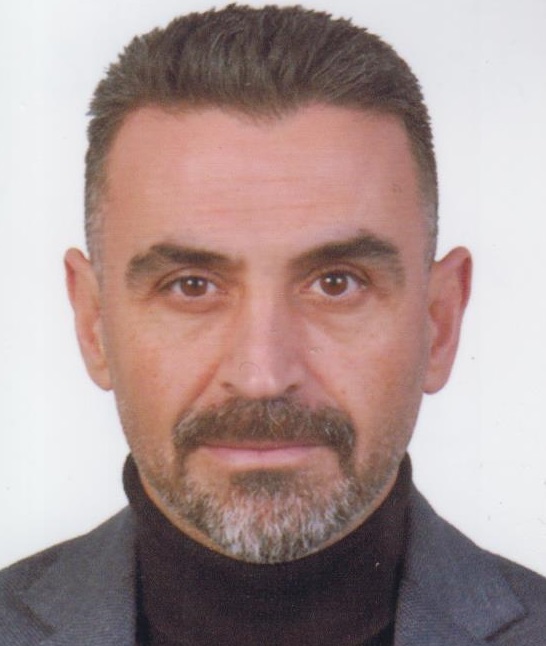
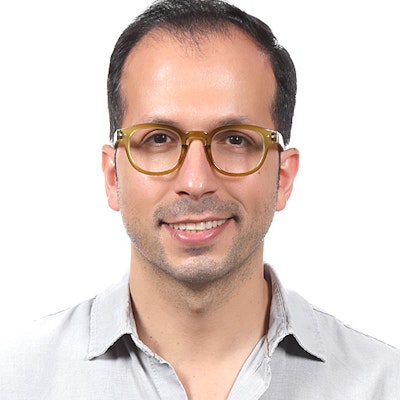
Mustafa Taha Koçyiğit is a Full-time Assistant Professor at Bogazici University. His research focuses on Deep Learning, Self-supervised learning, Efficient training of deep learning methods, Computer vision, Efficient training of large language models, and Language grounded vision models. His recent work addresses computational efficiency in training methods and novel applications of deep learning across domains like aerospace defect detection and computer vision. His publications span advancements in self-supervised learning strategies (2023), efficient training for computer vision tasks (2023), and theoretical contributions like unsupervised batch normalization (2020). The 2025 work demonstrates cross-disciplinary impact in aerospace engineering through AI-driven defect detection via X-ray tomography. Notable Contributions: Bridging efficiency and accuracy in deep learning pipelines Technical Strengths: Neural architecture design, optimization strategies, and domain-specific model adaptation
Onur Varol is an Assistant Professor at Sabanci University's Computer Science Department and leads the VIRAL Lab, which focuses on computational social science, network science, and machine learning. He has affiliations with the Center of Excellence for Data Analytics. His research spans social bot detection, misinformation analysis, and online behavior modeling.
Dr. Emre Sefer is an Associate Professor at the Faculty of Engineering, Özyeğin University, specializing in machine learning and bioinformatics. He holds a Ph.D. in Computational Biology from Carnegie Mellon University (2015), an M.S. in Computer Science from University of Maryland College Park (2011), and a B.S. in Computer Engineering from Boğaziçi University (2008). His research bridges graph machine learning with financial networks, bioinformatics, and data engineering. Ph.D.: Computational Biology, Carnegie Mellon University M.S.: Computer Science, University of Maryland College Park B.S.: Computer Engineering, Boğaziçi University Research focuses on applying machine learning to financial and biological networks: Bioinformatics : 3D genome modeling, protein modifications, transcriptomic analysis Graph Machine Learning : GNNs for fraud detection, drug response prediction, and network evolution Financial Networks : Cryptocurrency investment strategies, asset price prediction His lab (OzU Machine Learning in Finance and Bioinformatics Lab) develops graph-based deep learning methods for cross-domain applications, including NFT market analysis and chromatin structure prediction. He received the Best research paper award at Recomb 2016 for work on 3D genome architecture. Former postdoc at CMU Machine Learning Department Industry experience as Quantitative Strategist at Goldman Sachs and JPMorgan
Assoc. Prof. Dr. Ali Şükrü Özbay currently serves as an Associate Professor at Karadeniz Technical University's Faculty of Arts, Department of English Language and Literature. He earned his PhD and MA in Applied Linguistics from Karadeniz Technical University and holds a BA in English Language and Literature from Ankara University. Education : PhD (2015) and MA (2004) from Karadeniz Technical University; BA (1996) from Ankara University Dr. Özbay's research focuses on Corpus Linguistics , Learner Corpora , Academic Writing , Translation Studies , and Language Pedagogy . His work investigates lexical bundles, support verb constructions, and pragmatic markers through computational corpus analysis. Recent publications analyze four-word recurrent expressions in educational technology contexts, collocational priming in Turkish EFL learners' mental lexicon, and semantic prosody of intensifiers in academic corpora. He supervises theses on data-driven learning applications and corpus-based teaching materials. Dr. Özbay has held managerial roles including Deputy Head of Department (2019–present) and Assistant Coordinator for Erasmus+ programs (2017–2021). He actively participates in international conferences and has published in journals like Turkish Studies , Australian Journal of Applied Linguistics , and Hacettepe Eğitim Dergisi .
Ayşe Zişan FURAT is a Professor of Eurasian Studies at the Research Institute of Turkology, Istanbul University, a position she has held since February 2022. She is affiliated with the Department of Eurasian Studies and previously served in the Faculty of Theology and the Department of Philosophy and Religious Studies. Her institutional base is the Türkiyat Araştırmaları Enstitüsü, located in Beyazıt, Istanbul. Education: B.A. in History of Science, Istanbul University, 2001 M.A. in Religious Education, Department of Philosophy and Religious Studies, Istanbul University, 2004 Ph.D. in Religious Education, same department, 2009 Her research focuses on religious and cultural transformation across Eurasia, with particular attention to the history of science and education in Islamic and Turkic contexts. She investigates the interplay between religious institutions, educational systems, and cultural evolution in Anatolia, the Balkans, Central Asia, and the Ottoman Empire. Her work bridges humanities, religious studies, and historical sociology, emphasizing cross-cultural exchanges and knowledge transmission. The most recent publications reflect a strong thematic continuity in studying religious education, manuscript cultures, scientific traditions, and interfaith dynamics across Eurasia. Her scholarly output spans from the medieval to modern periods, combining historical analysis with cultural theory. Keywords across her articles include Religious Studies, History of Science, Eurasian Studies, and Cultural History, indicating a multidisciplinary approach grounded in the humanities. Scientific Contributions and Recognition: 115 publications indexed in Web of Science H-index of 12 (WoS), 14 (Google Scholar), 31 (TrDizin) Participation in 48 research projects Supervision of 14 theses Active contributor to UN Sustainable Development Goals through humanities research Ayşe Zişan FURAT has made significant contributions to academic advising and collaborative research. She has supervised numerous graduate theses and participated in extensive research projects, reflecting a strong commitment to academic mentorship and interdisciplinary inquiry. While specific grants are not listed, her high project count suggests active engagement in funded research. She is a key figure in advancing Turkic and Eurasian studies within the Turkish academic landscape. She is affiliated with the Research Institute of Turkology, a leading center for Turkish and Eurasian studies at Istanbul University. The institute supports interdisciplinary research on Turkic peoples, languages, religions, and cultures across Eurasia, and she contributes to its mission through her scholarship and academic leadership.
Prof. Dr. Mehmet TAŞDEMİR is a faculty member at Kirsehir Ahi Evran University's Faculty of Education, Department of Educational Sciences, specializing in Curriculum and Instruction. He has been a Full-Time Professor since 2016, following roles as Associate Professor (2011-2016) and Doctor Lecturer (2006-2011). His academic career spans over three decades, including administrative roles such as Department Head and Scientific Projects Coordinator. Education: PhD in Primary Education Curriculum and Instruction from Hacettepe University (1995); Master's in Educational Sciences from Gazi University (1988); Bachelor's in Educational Sciences from Gazi University (1985); Associate Degree in Classroom Teaching from Gazi University (1983). Research Interests: His work focuses on curriculum development, instructional design, educational assessment, and values education. He has extensively studied foreign language teaching, mathematics education, and inclusive practices in primary and secondary schools. Recent Publications: His 2025-2024 articles analyze community-centered curricula, problem-based learning models, and mind games in education. Trends include foreign language motivation, mathematics teaching methods, and values integration in school programs. Scientific Awards: TÜBİTAK Yayın Teşvik Awards (2010-2012) Advising: Mentored 23 theses (Master's and Doctoral) and collaborated with researchers like Figen Taşdemir and Cem Şahin on topics spanning educational psychology, curriculum theory, and instructional practices.
Assoc. Prof. Duygu Koçak is an academic at Alanya Alaaddin Keykubat University's Faculty of Education, specializing in Measurement and Evaluation in Education. She holds a Ph.D. from Ankara University (2016) and conducted postdoctoral research at the University of Toronto (2018-2019). Her roles include Associate Professor, Department Head, and Deputy Head of Department at her current institution. Her research focuses on educational measurement, psychometrics, and statistical methodologies in education. Her academic journey includes positions at Adıyaman University (2014-2016) and lecturing roles since 2016. She has authored/co-authored over 30 peer-reviewed articles on topics like test validity, Monte Carlo simulations, and learning disabilities. Notable works include the 'Academic Jealousy Scale' (2019) and studies on homework impact (2020). Dr. Koçak has contributed to edited volumes on data analysis and measurement tools. She serves as a referee for journals like the Journal of Measurement and Evaluation in Education and Psychology and has presented at international conferences on educational statistics and assessment.
Tülin Haşlaman is an Associate Professor at the Department of Elementary Education - Primary Education, TED University. She holds roles as a Coordinator and Vice Head of Department. Her teaching portfolio includes courses such as Instructional Technologies, Technology-Enhanced Language Learning, and Micro Teaching, reflecting her expertise in educational technology and pedagogical innovation. Her research focuses on ICT integration in education, self-regulated learning strategies, and teacher development. Notable areas of interest include the use of digital storytelling for computational thinking, infographics in supporting student autonomy, and smartphone addiction among university students. She has also studied the impact of social media platforms like Facebook on teacher training and the integration of ICT into teaching processes. Dr. Haşlaman’s work emphasizes bridging technology with educational practices, particularly in primary education contexts. Her articles highlight themes such as pre-service teacher digital competency, disabled teachers’ technology integration challenges, and peer assessment in online environments. Despite her extensive academic contributions, she has no explicitly listed awards or grants in the provided materials. Her courses over the years span foundational education topics like Learning Environments, Observation in Schools, and Research Methods, demonstrating a commitment to both theoretical and applied aspects of education. While she has not specified any affiliated labs or teams, her teaching and research activities suggest active engagement in educational technology initiatives and teacher professional development programs.
Alipaşa Ayas is a Professor and Dean of the Faculty of Education at Bilkent University, where he also serves as Chair of the Department of Educational Sciences. His research focuses on science education, teacher training, conceptual understanding, and inclusive education. He has led numerous national and international projects, including UNICEF- and EU-supported initiatives. Ph.D., University of Southampton M.A., University of New Brunswick MSc., Karadeniz Technical University BSc., Karadeniz Technical University His research interests span teacher education, science education (particularly chemistry), concept development, curriculum design, and assessment strategies. He employs both qualitative and quantitative methods to explore these areas. His publications emphasize inquiry-based learning, conceptual change strategies, and the effectiveness of interventions such as the 5Es model, constructivist activities, and analogies in enhancing science learning. These works often address misconceptions in chemistry and methods to improve scientific process skills. He has contributed to projects supported by the World Bank, EU, and UNICEF, including initiatives on lifelong learning, education development, and inclusive teacher training. His administrative roles include a 6-year deanship at Karadeniz Technical University and leadership of Bilkent University’s Graduate School of Education since 2017.
Bekir Taner Dincer is a Professor at Muğla Sıtkı Koçman University, Faculty of Engineering, Department of Computer Engineering. He has been actively teaching courses including Web Development and Programming, Artificial Intelligence, Data Mining, Natural Language Processing, and Senior Design Projects for multiple academic years including the upcoming 2025-2026 term. Dr. Dincer earned his Bachelor's degree in Statistics from Middle East Technical University (1988-1993), followed by a Master's degree in Statistics and Computer Science from Muğla Sıtkı Koçman University (1996-1998), and completed his Doctorate in Computer Science from Ege University's International Computer Institute (1998-2004). His research focuses on Information Retrieval, Natural Language Processing (particularly for Turkish language), and related computational linguistics areas. His work addresses challenges in Turkish language processing including morphological analysis, constituent chunking, information retrieval systems, and term weighting methods. He has made significant contributions to adapting information retrieval techniques for agglutinative languages like Turkish, which presents unique challenges compared to Indo-European languages. His publication record shows a consistent research trajectory with recent work (2013-2018) focusing on risk-sensitive evaluation methods, learning to rank, entity recognition in big data, and specialized approaches for Turkish language processing. His research often bridges theoretical information retrieval concepts with practical applications for Turkish text processing. Dr. Dincer has served as editor for prestigious publications including the International ACM SIGIR Conference proceedings and ACM Transactions on Information Systems journal, demonstrating recognition of his expertise by the international research community. He has supervised numerous graduate students, guiding PhD and Master's theses on topics including unsupervised syntactic disambiguation for Turkish, statistical analysis of word roots and affixes, and information retrieval system design. His research has been supported by TÜBİTAK projects including the Design of a Statistics-Driven Selective Information Retrieval System (2015-2018) and the Design of a Statistical Information Access System (2011-2014).
Zabitgil Gülseren, Özlem is an academic at Istanbul Sabahattin Zaim University specializing in English Language Teaching (ELT) and Second Language Acquisition . Her work focuses on integrating technology into language instruction, analyzing learner anxiety, and evaluating pedagogical methods. Research Themes : Technology-enhanced learning, vocabulary acquisition, formative assessment. Key Collaborations : Co-authored studies with Sıla Selver Akar, Enes Atay, and others. Article Trends : Recent works (2024) examine authentic video-based vocabulary instruction, while 2022–2020 studies explore online collaborative writing, digital storytelling, and formative assessment practices. Earlier works (2015–2019) analyze anxiety, gender factors in strategy use, and classical teaching methods. Advising and Grants : Supervised research on topics like digital tools in ELT and L1 usage in classrooms. No specific grant details provided in the text.
Dr. Sibel Tatar is an Associate Professor at the Department of Foreign Language Education, Faculty of Education, Boğaziçi University. She has been teaching there since 2003, following her PhD in Language Education from Indiana University (2003) and B.A. in Translation and Interpretation from Hacettepe University (1997). Her research focuses on foreign language teacher cognition, TESOL methodologies, and non-native speaking professionals in education. Her educational background includes a PhD specialization in Language Education from Indiana University, emphasizing teacher development and intercultural communication. Her work spans over two decades, with a strong emphasis on qualitative research in language education contexts. Research interests include teacher identity, pre-service training, and the impact of native speakerism on educational policies. Her recent studies explore transformative learning through virtual exchange programs (COIL projects) and critical reflection techniques for teacher candidates. Dr. Tatar has received multiple awards from Boğaziçi University and grants for projects on teacher feedback mechanisms, technology integration, and EFL hiring practices. She has supervised numerous PhD theses and co-authored over 20 journal articles and book chapters. Her professional service includes roles on the Awards Committee and Financial Aid Interviews Committee at Boğaziçi University, reflecting her commitment to educational equity. She has also contributed to international conferences and editorial work, including the EUROSLA Yearbook.
Mehmet Bardakçı is a Professor in the Department of Foreign Languages Education at Gaziantep University's Education Faculty. With a PhD in English Education (2010) and MA in English Teaching (2005) from Turkish universities, he specializes in English Language Teaching (ELT), vocabulary acquisition, and digital pedagogy. His research examines teacher professional development, assessment literacy, and intercultural sensitivity in language learning. Education: PhD (2010), MA (2005), BA (2000) in English Education Leadership: Former Dean Assistant (2018-2020), Department Head (2012-2013), Institute Deputy Director (2015-2018) Research Trends include e-learning models like e-FLIP (2021-2023) and digital education tools. His 21 peer-reviewed articles and 14 book chapters focus on vocabulary depth/breadth, grammar instruction, and teacher-student dynamics. Supervision spans 19 graduate theses on topics ranging from flipped classroom effectiveness to assessment literacy. He collaborates internationally through projects like e-FLIP and ExBEdu , both EU-funded initiatives completed between 2021-2023.
Dr. Servet Altan serves as Assistant Professor in the Department of Guidance and Psychological Counseling at MEF University's Faculty of Education in Istanbul, Turkey. Appointed in July 2022, he concurrently holds administrative roles as IBEC Coordinator and Vice Dean of the Faculty since September 2023. His academic foundation includes Master's and Doctorate degrees from Bilkent University, complemented by 15 years of K-12 international program implementation experience (2007-2022). Dr. Altan's research centers on students' motivation and engagement, Habits of Mind frameworks, diversity and inclusion practices, and international education systems. His scholarship appears in premier journals including the Journal of Teacher Education and Teaching and Teacher Education, reflecting his focus on practical applications in educational settings. As an International Baccalaureate Lead Educator since 2016, he actively trains teachers across national and international schools. Analysis of his 2022-2025 publications reveals three dominant research trajectories: (1) mindfulness applications for reducing test anxiety and enhancing academic achievement, (2) Habits of Mind integration in teacher development and emergency remote teaching contexts, and (3) equity-focused investigations into IB teacher preparation and student psychological needs. His work spans diverse educational environments from Turkish continuum schools to Latina/o/x community college settings, consistently addressing motivation, inclusivity, and international frameworks. Dr. Altan maintains active scholarly engagement through regular presentations at AERA and EARLI conferences. While specific student advisement details and grant information remain unreported in available sources, his leadership roles and publication record indicate significant contributions to educational psychology and international teaching practices.
Büşra Çelikler Işıkal serves as a Lecturer in the Spanish Department at Boğaziçi University, where she contributes to Modern Languages Education through specialized instruction in Spanish language acquisition for Turkish-speaking learners. Her academic credentials include a Ph.D. in Humanistic Studies from Rovira i Virgili University (2022), an M.A. in Teaching Spanish as a Foreign Language from the same institution (2010), and a B.A. in Spanish Language and Literature from İstanbul University (2009), demonstrating progressive expertise in language pedagogy. Research focuses on second language acquisition challenges, particularly grammatical error patterns in article usage by Turkish speakers learning Spanish. Her work bridges theoretical linguistics and practical classroom applications, examining cross-linguistic transfer phenomena and developing targeted pedagogical strategies for Romance language instruction. Her 2024 publication analyzing Turkish native speakers' Spanish article errors represents current research trends in applied linguistics, emphasizing learner-specific difficulties and evidence-based teaching methodologies for heritage language contexts.