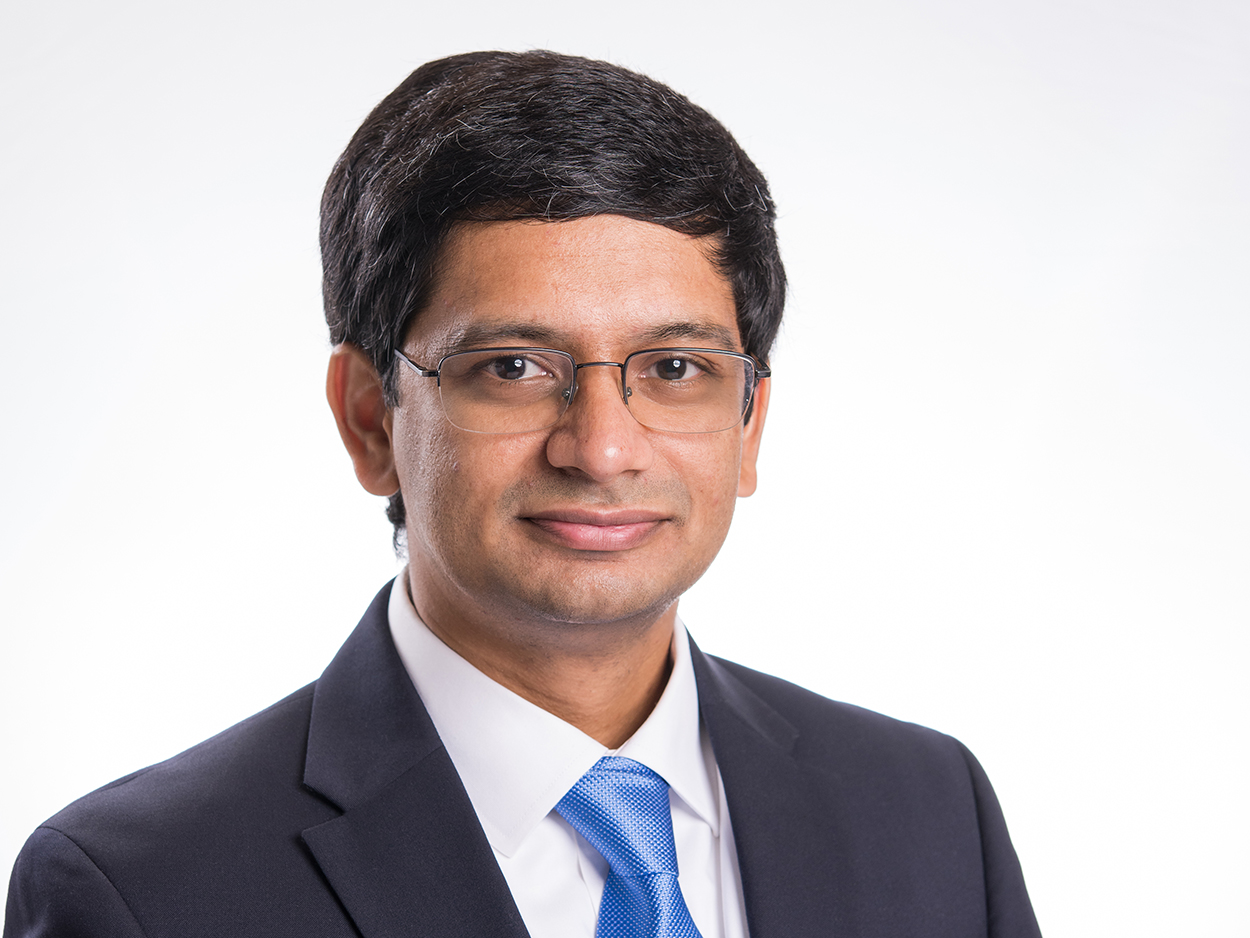
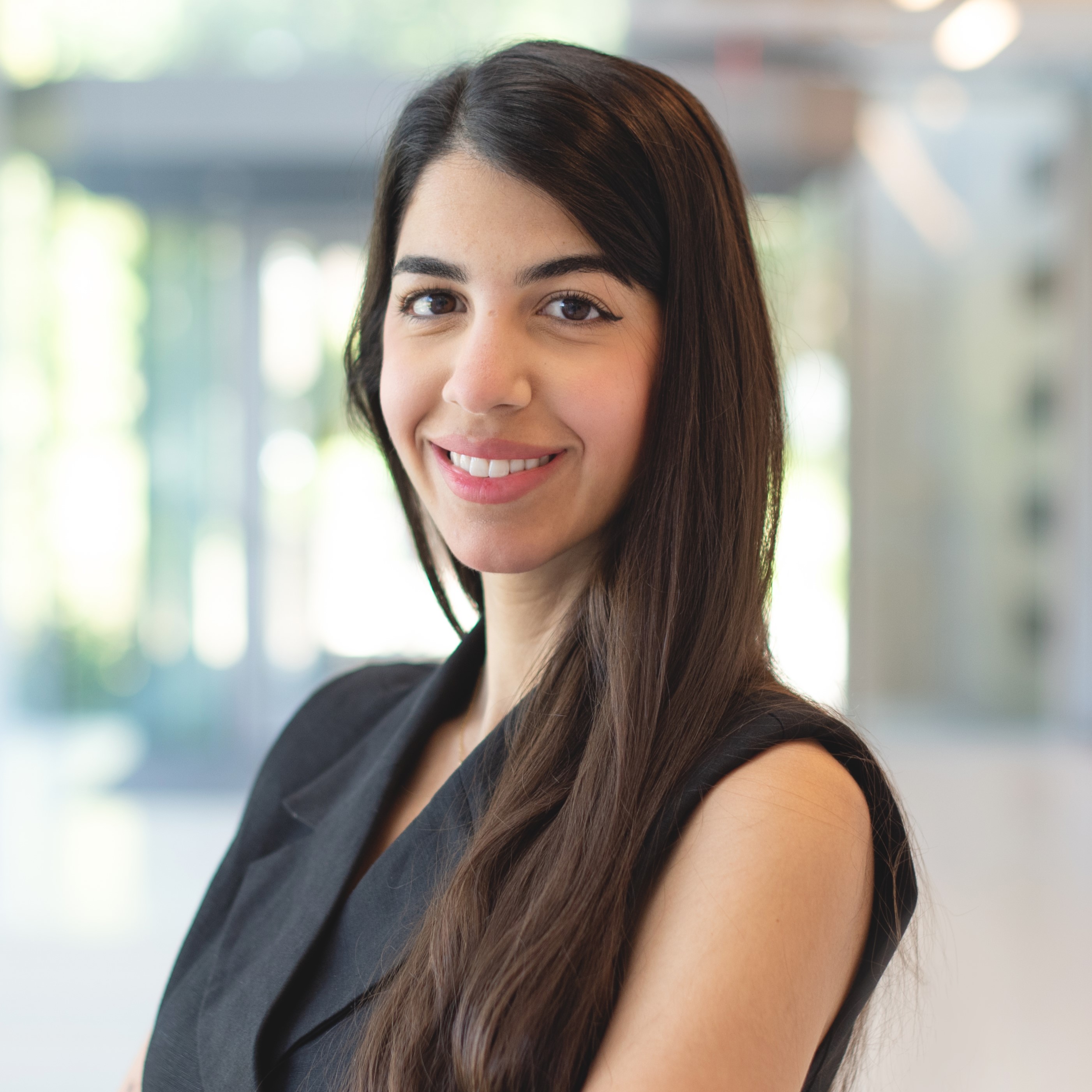
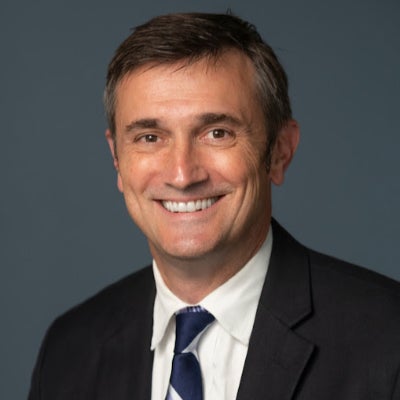
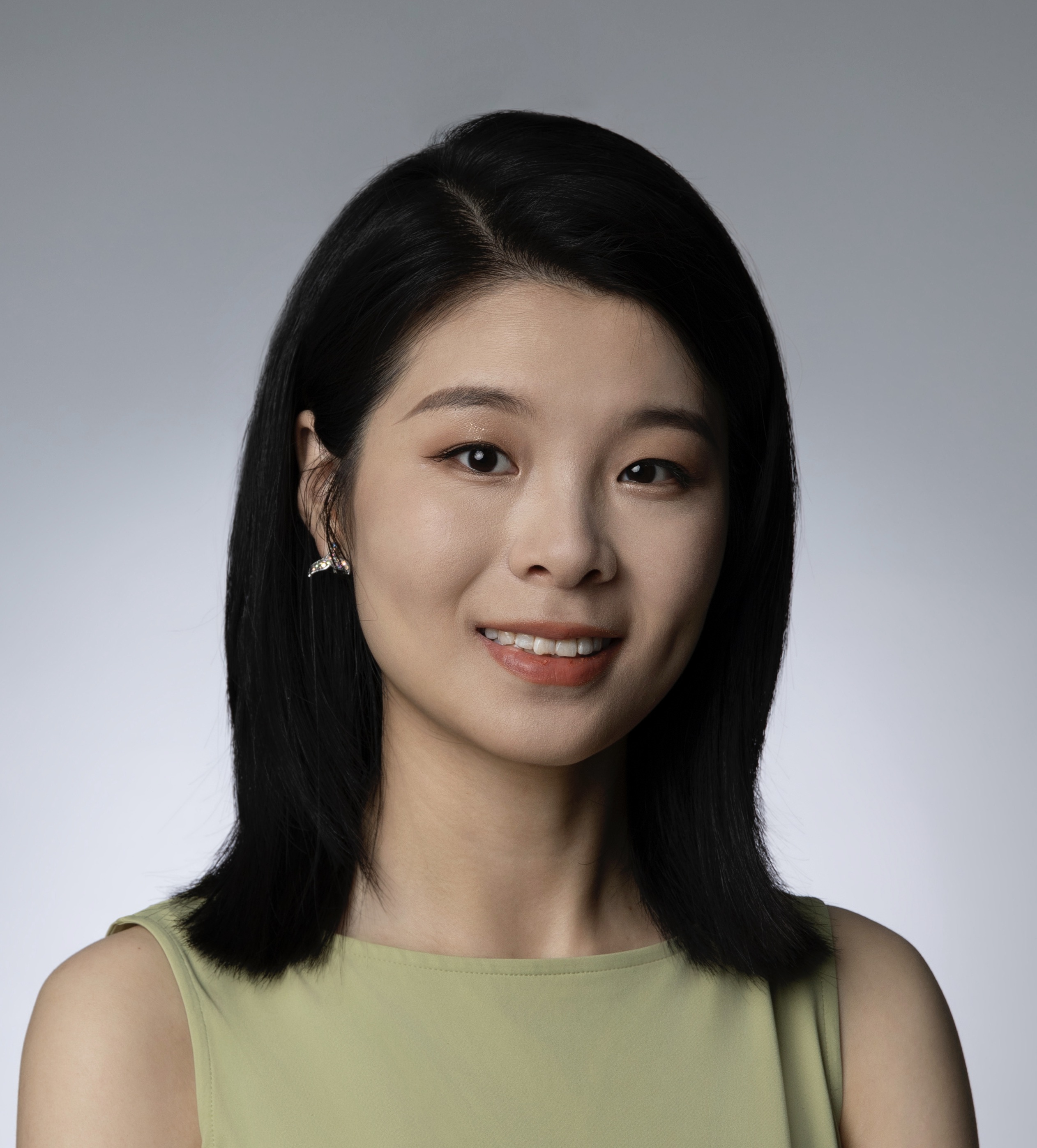
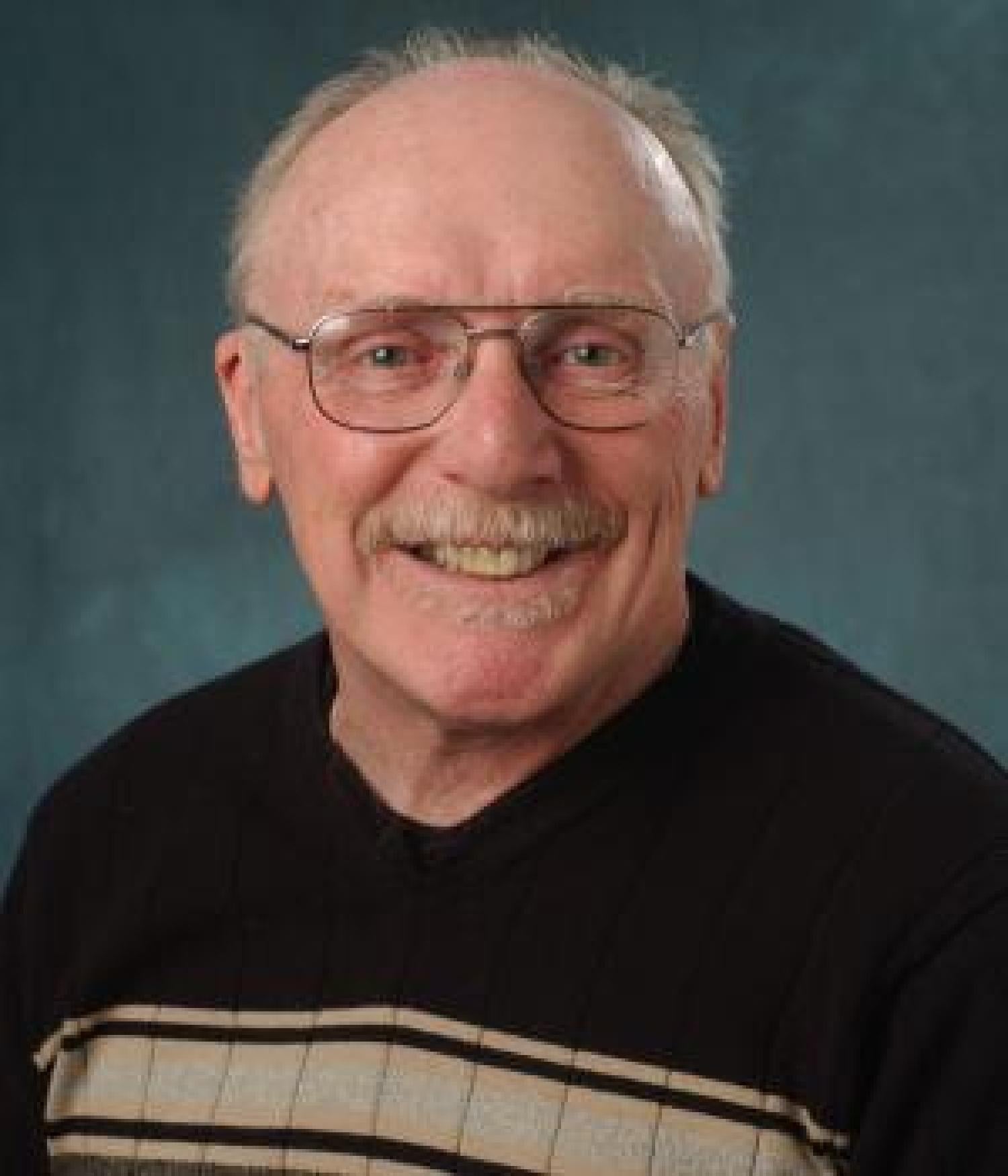
Farhad Rachidi-Haeri is a Titular Professor and Head of the Electromagnetic Compatibility (EMC) Group at EPFL. His expertise spans EMC research, lightning electromagnetics, time reversal techniques, and fault location in power systems. He has led the EMC Group since the 1980s, with funding from the Swiss National Science Foundation, European Union, and private sector collaborations. His work involves international partnerships with institutions like the University of Toronto and KTH. Education: PhD in Electrical Engineering from EPFL (1991), M.S. from EPFL (1986). Roles: President of Swiss National Committee of URSI (2012–2020), Editor-in-Chief of IEEE Transactions on EMC (2013–2015), and member of the Academy of Sciences of Bologna Institute (2019). Research Focus: Lightning interaction with infrastructure, electromagnetic field modeling, time reversal applications for fault detection, and high-frequency transient analysis. His work bridges theoretical physics and engineering, addressing challenges in power systems, lightning protection, and aerospace. Awards: IEEE EMC Technical Achievement Award (2005), Berger Award (2016), and Distinguished Honorary Professor at Tsinghua University (2024). Over 400 peer-reviewed papers and 500 conference contributions reflect his prolific research output. Labs/Teams: Leads the EMC Laboratory at EPFL, focusing on experimental and numerical studies of electromagnetic phenomena. Collaborates with global networks on projects like Laser Lightning Control and structural lightning protection for wind turbines.
Joydeep Biswas is an Associate Professor in the Computer Science Department at the University of Texas at Austin, where he serves as the Director of the Autonomous Mobile Robotics Laboratory (AMRL). He is also affiliated with Texas Robotics, the UT Machine Learning Laboratory, and UT Good Systems. Previously, he was an Assistant Professor in the College of Information and Computer Sciences at the University of Massachusetts Amherst. Dr. Biswas earned his PhD in Robotics from Carnegie Mellon University in 2014 and his B.Tech in Engineering Physics from the Indian Institute of Technology Bombay in 2008. His educational background has provided him with a strong foundation in both theoretical and applied aspects of robotics and artificial intelligence. Dr. Biswas's research focuses on enabling long-term autonomy for mobile robots operating in human environments. His work spans robot perception, motion planning, control systems, and AI, with the ultimate goal of creating self-sufficient autonomous mobile robots that can perform tasks accurately and robustly in real-world settings. He is particularly interested in perception, planning, and failure recovery for autonomous mobile robots, which supports his vision of having autonomous service mobile robots deployed at campus-to-city scale, both indoors and outdoors, performing assistive tasks over deployments spanning years. His IJCAI 2019 Early Career Spotlight talk summarizes much of his research to date and ongoing interests. His recent research has shown a strong trend toward social navigation, human-robot interaction, and the application of machine learning techniques to robotics problems. There's a clear progression from fundamental robotics research toward more complex, real-world applications that require robots to understand and navigate human social spaces effectively. His work increasingly integrates large language models and other advanced AI techniques with traditional robotics approaches, as evidenced by his recent publications on topics like preference-conditioned navigation, social navigation benchmarks, and instruction-following navigation systems. Dr. Biswas has received numerous prestigious awards including the NSF CAREER Award (2021), J.P. Morgan Faculty Research Award (2019), Amazon Research Award (2019), and a grant from Northrop Grumman Mission Systems (2018). These awards recognize his innovative contributions to the field of robotics and autonomous systems. As a dedicated educator and mentor, Dr. Biswas actively supervises PhD and master's students, with his PhD student Sadegh Rabiee winning the student poster award at the Northrop Grumman University Symposium 2019. He has secured significant grant funding from the National Science Foundation for projects including 'Introspective Perception and Planning for Long-Term Autonomy' and 'Interactive Synthesis and Repair For Robot Programs,' demonstrating his ability to secure competitive research funding and his commitment to advancing the field. Dr. Biswas leads the Autonomous Mobile Robotics Laboratory (AMRL), which serves as a hub for interdisciplinary research in mobile robotics. The lab has developed notable resources such as the UT Campus Object Dataset (CODA) for 3D perception research and SOCIALGYM, a framework for benchmarking social robot navigation. His team regularly deploys robots on the UT Austin campus and in urban environments to test and refine their approaches in realistic settings, bridging the gap between simulation and real-world application.
Peter K. Kitanidis is a Professor in the Department of Civil and Environmental Engineering and the Institute for Computational and Mathematical Engineering at Stanford University . His research focuses on groundwater flow , hydrologic forecasting , and stochastic inverse modeling , with applications to pollutant remediation and CO₂ storage monitoring . Education : Diploma, National Technical University of Athens (1974) M.S., MIT (1976) Ph.D., MIT (1978) Research Interests : Groundwater modeling and contaminant transport Hydraulic tomography and aquifer characterization Stochastic methods for uncertainty quantification Bioremediation and enhanced in-situ pollutant decay Dilution and mixing processes in heterogeneous media Real-time river flow forecasting Scientific Awards : L.G. Straub Award (1979) W.L. Huber Research Prize (1994) ISI Highly Cited Researcher (2001) AGU Hydrologic Sciences Award (2011) ASCE Pioneers in Groundwater Lecturer (2011) Advising and Grants : Advised 20+ PhD and MS students (1978–2018) Principal investigator on NSF, EPA, and DOE-funded projects Developed software for groundwater data analysis and CO₂ monitoring Contributed to bioremediation protocols and hydraulic tomography algorithms Labs and Teams : Kitanidis Laboratory for groundwater crisis solutions Collaborated with Oak Ridge National Laboratory and Stanford Hydrogeology Group Mentored postdocs (2000–2017) in reactive transport and inverse modeling
Dr. Seyyed Hamed Hosseini Nasab is a Lecturer at the Department of Health Sciences and Technology at ETH Zürich, affiliated with the Institute for Biomechanics and the Laboratory for Movement Biomechanics. His research focuses on biomechanical analysis of musculoskeletal systems, particularly knee mechanics, implant design, and ligament behavior in total knee arthroplasty. He integrates experimental, computational, and clinical approaches to improve surgical techniques and prosthetic design. Key research interests include knee joint loading, ligament elongation patterns, and the influence of implant conformity on post-surgical outcomes. He has contributed to standardized methods for measuring tibiofemoral implant loads and kinematics, earning the European Society of Biomechanics SM Perren Award in 2022. His publications emphasize computational modeling, in vivo testing, and finite element analysis to address challenges in orthopedic engineering. Recent work explores artificial neural networks for real-time knee contact force estimation and the biomechanical implications of surgical procedures like posterior cruciate ligament substitution.
Aline Eid is an Assistant Professor in the Department of Electrical and Computer Engineering at the University of Michigan Ann Arbor, directing the Beam Dynamics research group. Her work bridges electromagnetics, wireless systems, and autonomous technologies, with a focus on mmWave/sub-THz sensing, backscatter communications, and wireless power transfer. PhD in Electrical and Computer Engineering (Georgia Tech, 2021) MS in Electrical and Computer Engineering (American University of Beirut, 2017) Postdoctoral Associate at MIT Media Lab (Signal Kinetics group) Research Interests: She pioneers systems that use electromagnetic waves to address societal challenges in Sustainable energy networks Smart cities/infrastructures Autonomous vehicles/robots Her group develops mmID tags for radar vision, batteryless sensors, and 5G-based wireless power grids. Scientific Impact: Recognized with awards including IEEE RFID Best Paper (2023) Proceedings of the IEEE Best Paper (2023) IEEE MTT-S Graduate Fellowship (2020) She leads commercialization efforts for warehouse robotics via MTRAC grant and startup Atheraxon. Advising: Mentors 8 students across PhD (Skanda Harisha, Sepideh Ghasemi, Yunfei Liu), Master's (Longyu Guo), and undergraduates (Mohamed Safawi, Katherine Shih, Andy Wang, Adrian Velazquez) in projects spanning robotics, IoT, and electromagnetic engineering. Labs: Beam Dynamics group at U-M Radiation Laboratory, collaborating with Atheraxon and MTRAC for technology translation.
Dr. Xinwei Ye serves as a Researcher in the Inorganic Chemistry and Catalysis division at Utrecht University's Faculty of Science. His primary affiliation is with the Department of Chemistry, where he conducts cutting-edge research on heterogeneous catalysis for environmental applications, particularly focusing on selective catalytic reduction (SCR) systems for automotive emissions control. With a strong background in inorganic materials and advanced characterization techniques, Dr. Ye contributes significantly to understanding catalyst structure-performance relationships. Educational Background: Master of Science (MSc) - Institution not specified in source Doctor of Philosophy (PhD) in Chemistry, Utrecht University (2022) Dr. Ye's research program centers on the development and mechanistic investigation of copper-exchanged zeolite catalysts for NH 3 -SCR processes. His work integrates multiple advanced characterization methodologies including operando spectroscopy, scanning transmission X-ray microscopy (STXM), and atom probe tomography to probe catalyst behavior under working conditions at nanometer resolution. This multi-technique approach enables unprecedented insights into active site speciation, reaction mechanisms, and deactivation pathways in emission control catalysts. Analysis of Dr. Ye's publication record from 2018-2022 reveals a cohesive research trajectory focused on copper-zeolite SCR catalysts. His work consistently addresses critical challenges in catalyst durability and performance optimization through fundamental understanding of structure-activity relationships. The publications demonstrate increasing sophistication in experimental approaches, moving from membrane synthesis (2018) to nanoscale deactivation studies (2020) and ultimately to comprehensive structure-performance correlations in his doctoral thesis (2022). As a core member of Utrecht University's catalysis research community, Dr. Ye collaborates extensively with the renowned Weckhuysen group. His research is conducted within well-equipped laboratories featuring state-of-the-art instrumentation for catalyst synthesis, testing, and characterization, including access to synchrotron radiation facilities for advanced X-ray techniques.
Frank L. Hammond III serves as Assistant Professor at Georgia Tech's Woodruff School of Mechanical Engineering since April 2015, directing the Adaptation Robotic Manipulation (ARM) Laboratory. A Carnegie Mellon PhD graduate, he previously held postdoctoral positions at MIT and Harvard as a Ford Fellow. His interdisciplinary work bridges mechanical engineering, biomedical applications, and computational design. Education Ph.D. in Mechanical Engineering, Carnegie Mellon University M.S. in Mechanical Engineering, University of Pennsylvania M.S. in Electrical Engineering, University of Pennsylvania B.S. in Electrical Engineering & Biomedical Engineering, Drexel University Hammond's research pioneers adaptive robotic manipulation (ARM) systems that operate in unstructured human environments through bioinspired computational design. His lab develops xenomorphic (non-biomorphic) robots using soft pneumatic actuation, flexible electronics, and machine learning to achieve biological-level versatility. Key application domains include wearable human augmentation devices , haptic-enabled surgical teleoperation , and autonomous soft platforms for medical and industrial use. The ARM methodology integrates empirical biomechanics characterization with simulation-driven optimization and rapid prototyping. Analysis of his 15 most recent publications (2023-2025) reveals three dominant trends: (1) Medical rehabilitation breakthroughs through intention-driven exoskeletons with soft bioelectronics, (2) Novel locomotion strategies for soft robots in complex environments (sand, water, cluttered spaces), and (3) Advanced haptic feedback systems leveraging multimodal sensory substitution for proprioceptive restoration. These works consistently bridge biomechanics, control theory, and human factors. Awards Ford Postdoctoral Research Fellowship at Harvard School of Engineering Hammond actively mentors graduate researchers including PhD candidates Lucas Tiziani (soft actuators) and Bangyuan Liu (earthworm robotics), and Master's student Alex Hart (pediatric haptics). His lab secures research funding for projects like tunable mechanical interfaces for neuropathy treatment and cognition-focused wearable devices, with strong industry and clinical partnerships evident in co-authored medical device publications. The ARM Lab maintains robust collaborations across Georgia Tech's robotics, neuroscience, and biomedical engineering communities. The Adaptation Robotic Manipulation Laboratory operates from Whitaker Building Room 4102, housing specialized facilities for soft robot fabrication (3D printing, shape deposition manufacturing) and biomechanics testing. Current projects include pediatric haptic feedback displays, biomimetic swimming robots, and kirigami-skinned earthworm robots for subsurface locomotion. The lab emphasizes translational research with multiple pending medical device patents and active participation in K-12 STEM outreach programs.
Jun Liu is a distinguished scientist and academic, serving as a Battelle Fellow at Pacific Northwest National Laboratory (PNNL) and holding the position of Campbell Chair Professor at the University of Washington. His career spans over three decades in materials science and energy storage research, with significant leadership roles including Director of the Battery500 Consortium, a major DOE initiative focused on developing next-generation battery technologies. Dr. Liu earned his Bachelor's degree in Chemical Engineering from Hunan University, followed by a Master's degree in Ceramic Engineering and a Ph.D. in Materials Science and Engineering, both from the University of Washington. His educational background provided the foundation for his extensive career in advanced materials development. Dr. Liu's research focuses on the development, synthesis, and characterization of new materials for energy applications, with particular emphasis on battery technologies. His work spans lithium-ion batteries, lithium-sulfur systems, redox flow batteries, and magnesium-based energy storage solutions. He has pioneered approaches to improve energy density, cycle life, and safety of battery systems through innovative materials design and interface engineering. Analysis of Dr. Liu's recent publications reveals a strong focus on practical battery applications, with particular attention to lithium metal anodes, solid electrolyte interphases, and high-energy battery systems. His research increasingly addresses the challenges of translating laboratory discoveries into commercially viable battery technologies, with growing emphasis on pouch cell development and real-world performance metrics. Distinguished Inventor of Battelle (2007) PNNL's Inventor of the Year (2012, 2016) Electrochemical Society Battery Division Technology Award DOE EERE Exceptional Achievement Award PNNL Lifetime Achievement Award Fellow of the American Association for the Advancement of Science Fellow of the Materials Research Society Member of the Washington State Academy of Science Dr. Liu has secured substantial research funding through his leadership of the Battery500 Consortium and other DOE initiatives. He has mentored numerous researchers and students throughout his career, contributing to the development of the next generation of energy storage scientists. His research group at PNNL collaborates extensively with academic institutions, national laboratories, and industry partners to advance battery technology. Dr. Liu leads the Battery500 Consortium, a major collaborative effort involving multiple national laboratories, universities, and industry partners focused on developing lithium-metal batteries with significantly higher energy density than current technologies. His research group at PNNL maintains state-of-the-art facilities for materials synthesis, characterization, and battery testing, enabling comprehensive investigation of next-generation energy storage systems.
Josie Hughes is a Tenure Track Assistant Professor at the Swiss Federal Institute of Technology Lausanne (EPFL) within the School of Engineering's Institute of Mechanical Engineering. She leads the Computer Robot Design and Fabrication Laboratory (CREATE Lab) and serves on the doctoral program committee for Robotics, Control and Intelligent Systems. Her roles include teaching courses in product development, engineering design, and data-driven manufacturing methods while maintaining active research and student supervision. Her research centers on soft robotics with emphasis on adaptive design, fabrication techniques, and real-world applications. Key areas include agricultural robotics (exemplified by the GraspBerry raspberry harvester), biomimetic materials like self-healing e-skins, and developmental robotics (BabyBot project). She pioneers approaches integrating morphological computation, variable stiffness mechanisms, and machine learning for robotic control, while championing open-source principles and diversity in robotics through accessible educational initiatives like balloon robot kits. Analysis of her recent publications reveals dominant trends in soft robotics adaptability, particularly in variable-stiffness structures, sensor integration, and task-specific optimization. Her work bridges fundamental material science with practical applications in agriculture, food science, and human-robot interaction, frequently employing computational methods like Bayesian optimization and neural networks for design and control. Scientific awards: No specific awards were mentioned in the source materials. Dr. Hughes actively supervises 16 doctoral students across diverse projects including soft grippers for agriculture, biomimetic locomotion, and robotic manipulation systems. Her advising portfolio shows strong alignment with her research themes, with current students working on topics like modular soft arms, agricultural automation, and developmental robotics. While grant details weren't specified, her high publication volume indicates robust research funding. The CREATE Lab under her leadership focuses on holistic co-design of hardware and software for soft robotic systems, with notable projects including the GraspBerry agricultural harvester and BabyBot developmental platform. The lab emphasizes open-source development and educational outreach, maintaining strong industry and academic collaborations while pushing boundaries in reconfigurable robotics and human-centered applications.
James Glass is a Senior Research Scientist at the Massachusetts Institute of Technology (MIT) and heads the Spoken Language Systems Group within MIT's Computer Science and Artificial Intelligence Laboratory (CSAIL). He is also affiliated with the Harvard-MIT Division of Health Sciences and Technology. His research spans automatic speech recognition, multimodal learning, and spoken language understanding, with applications in healthcare and video analysis. Education: SM and PhD in Electrical Engineering and Computer Science from MIT His work focuses on paralinguistic speech analysis, health markers in speech, and the intersection of speech and natural language processing. Recent trends emphasize audio-visual alignment, recursive reasoning, and AI applications in cognitive disorder diagnosis. Scientific awards include IEEE Fellow, ISCA Fellow, and Associate Editor for IEEE Transactions on Pattern Analysis and Machine Intelligence. His group explores unsupervised learning, speaker verification, and social text analysis. James leads the Spoken Language Systems Group at CSAIL, collaborating with institutions like IBM and Harvard-MIT Division of Health Sciences and Technology. His research integrates vision-language models, neural audio codecs, and self-supervised frameworks.
Prof. Dr.-Ing. Rüdiger Daub serves as Professor and Chair of Production Engineering and Energy Storage Systems at the Technical University of Munich (TUM), operating within the Department of Mechanical Engineering. His leadership encompasses research direction, academic supervision, and strategic development of battery production technologies at TUM's Garching campus (Boltzmannstr. 15), with active industry collaborations driving innovation in sustainable manufacturing. Daub's research program pioneers advanced production methodologies for lithium-ion and solid-state batteries, focusing on electrode manufacturing, electrolyte filling, and cell assembly processes. His work investigates critical parameter interdependencies affecting battery safety and performance, developing inline monitoring systems and digital twin technologies for real-time process optimization. Key contributions include moisture control in electrode production, electrochemo-mechanical characterization of solid-state systems, and robotics solutions for deformable object assembly, all integrated with machine learning for quality assurance in industrial settings. Analysis of his 2023-2025 publications reveals a dominant research trajectory toward solving production bottlenecks in next-generation energy storage. The work demonstrates increasing integration of computational modeling with empirical validation, particularly in solid-state battery manufacturing and high-voltage electrolyte systems. A notable trend is the cross-pollination of robotics, computer vision, and uncertainty quantification techniques to address complex assembly challenges and distribution shifts in quality monitoring, reflecting industry's urgent need for adaptable, data-driven production systems. Leading TUM's specialized laboratories for battery cell production, Daub's team maintains comprehensive facilities for electrode calendering, electrolyte filling, and cell assembly with integrated tracking and tracing capabilities. The research infrastructure supports collaborative projects with automotive OEMs and battery manufacturers to develop scalable production processes, emphasizing environmental sustainability through water-based electrode production and footprint optimization. Current initiatives focus on digital factory modeling and prelithiation technologies for next-generation battery systems.
Dr. Rene Ferdinands is a Lecturer at the University of Sydney's School of Health Sciences, specializing in sports biomechanics, particularly in cricket and golf. He leads research programs focused on optimizing techniques and minimizing injury risks, such as lumbar load analysis in fast bowlers and spin bowling biomechanics. His work includes developing 3D models for analyzing bowling actions and spin delivery mechanics. Education: MSc and PhD from the University of Waikato. Research Themes: Cricket biomechanics, golf swing dynamics, equine biomechanics, and injury prevention. Professional Roles: Editor of the Cricket Coaching Information service for the International Society of Biomechanics in Sports, Honours Committee Member. His research interests span biomechanical analyses of sports techniques, including the development of smart cricket balls for performance assessment and injury mitigation. Key contributions include refining bowling action legality criteria and advancing understanding of lumbar kinetics in elite athletes. He actively supervises Honours and PhD students in biomechanics research across cricket, golf, and other sports. Notable grants include studies on hydration status in cricket performance (2008), lumbar injury prevention (2013), and biomechanical modeling of fast bowling (2009). His work bridges applied research with practical applications in sports technology and athlete development. Dr. Ferdinands collaborates with the Biomechanics Research Team at the University of Sydney, focusing on innovative tools like smart balls and advanced motion analysis techniques to improve sports performance and safety.
Christopher D.P. Baxter is a Professor and Department Chair of Civil and Environmental Engineering at the College of Engineering, University of Rhode Island , with expertise in geotechnical engineering, offshore wind energy, and coastal resilience. He holds a Ph.D. in Civil Engineering from Virginia Tech (1999), an M.S. from Purdue University (1994), and a B.S. from Tufts University (1990). Research Focus: Geotechnical characterization of marine sediments, liquefaction resistance analysis, fiber-optic sensing for infrastructure monitoring, and coastal protection systems. Recent Publications: 15+ articles (2011–2025) covering topics like shear wave velocity, offshore wind foundation dynamics, and tsunami hazard modeling. Grants: Led projects on offshore wind monitoring (2019–2024) and fiber-optic seismic sensing (2021–2023). Key Collaborations: Work with teams on submarine landslide analysis, coastal dune reinforcement, and Rhode Island infrastructure resilience. His work bridges experimental geomechanics with practical coastal engineering solutions.
Dr. Binbin Xie is an Assistant Professor in the Department of Computer Science and Engineering at The University of Texas at Arlington (UTA). She holds a Ph.D. from the Manning College of Information and Computer Sciences at the University of Massachusetts Amherst, where she was a recipient of the prestigious Google PhD Fellowship in Mobile Computing. Her research focuses on wireless sensing, mobile health, cyber-physical systems, smart IoT, and wireless networking. Dr. Xie’s academic journey includes a tenure-track position at UTA since September 2024. She has received notable awards such as the Emerging Rockstar (IEEE Pervasive Computing, 2025), Rising STARs Award (UT System, 2024), and multiple scholarships including the Krithi Ramamritham Computer Science Scholarship (2023). Her work spans innovative applications in wireless sensing, leveraging LoRa, mmWave radar, and RFID technologies for real-world challenges like in-vehicle sensing and indoor localization. Her recent publications highlight advancements in LoRa sensing coexistence with communication, mmWave radar human sensing using secondary reflections, and combating interference in multi-target localization. She actively contributes to the academic community through service roles, including Technical Program Committee memberships for MobiSys 2025 and EWSN 2025, and as a reviewer for top-tier conferences like IMWUT/UbiComp and journals such as ACM Transactions on Sensor Networks. Dr. Xie’s teaching includes courses like CSE 4321 (Software Testing & Maintenance). Her research and educational efforts aim to bridge theoretical innovations with practical implementations in wireless and IoT systems.
Richard D. Noble is a Research Professor in the Department of Chemistry at the University of Colorado Boulder. His research focuses on advanced membrane technologies for gas and liquid separations, with particular expertise in ionic liquids, liquid crystals, and the application of external fields for selective separations. He maintains an active laboratory in Cristol Chemistry (room 357) and collaborates extensively with Professor Doug Gin on many research projects. Noble received his BE and ME from Stevens Institute of Technology in 1968 and 1969 respectively, followed by a Ph.D. from the University of California, Davis in 1976. His educational background in engineering has provided a strong foundation for his research in chemical engineering and materials science. Professor Noble's research program centers on three interconnected areas. His primary focus is on ionic liquids for gas separations , where he evaluates various ionic liquids and complexation chemistry to tailor material properties to specific feed mixtures. He explores composite polymer/IL structures and incorporation of complexation chemistry and zeolites, and has developed specialized apparatus to measure gas solubility and diffusivity in ionic liquids. This work is conducted in collaboration with Professor Doug Gin. His second research thrust involves the use of external fields for selective separations . Noble studies how electric or light energy can enhance separation processes by changing binding affinity of complexing agents. His notable achievement is an electrochemical pump with no moving parts that produces pressures exceeding 20 atm, with applications in lab-on-a-chip and micro-scale devices. He also develops charged polymer structures for membrane separators with wide temperature and chemical stability. His third major area focuses on liquid crystals organized to form nanostructured polymer network films. These cross-linked stable films are evaluated for nanofiltration applications, particularly in water filtration including treatment of water from fracking operations. This work often intersects with his ionic liquids research, creating composite structures with potential applications in electrochemical pumps. Noble's publication record from 2017-2019 shows consistent focus on membrane technologies for separation processes, with increasing sophistication in membrane design incorporating ionic liquids, liquid crystals, and novel materials like pillar[5]arenes. His work demonstrates a clear trend toward addressing practical industrial challenges, particularly in natural gas purification (CO 2 /CH 4 separation) and environmental applications (treatment of fracking wastewater). His collaborations have produced high-impact work published in top journals including Nature Materials , Journal of Membrane Science , and Angewandte Chemie . Professor Noble has received numerous prestigious awards recognizing his contributions: AIChE Institute Service to Society Award (2005) Alfred T. and Betty E. Look Professor of Chemical Engineering (2005-present) Multiple Outstanding Graduate Teaching Awards from the Chemical Engineering Department (2006-2008) ACS Industrial & Engineering Chemistry Division Fellow (2007) CU Boulder Inventor of the Year (2008) Barrer Lecture at Penn State University (2008) Fellow at the Renewable and Sustainable Energy Institute (2009-2012) Robert L. Stearns Award from CU Alumni Association (2010) Chair d'Excellence Pierre de Fermat at Paul Sabatier University, Toulouse (2010) AIChE Institute Excellence in Industrial Gas Technology Award (2010) And numerous others through 2015 While specific grant details aren't provided, Noble's extensive publication record with multiple co-authors suggests active research mentoring and well-funded projects. His work on sophisticated apparatus and high-quality publications indicates substantial research support. His collaborations, especially with Doug Gin, suggest a strong research group environment focused on membrane science and separation technologies. Professor Noble's research operates at the intersection of chemistry, chemical engineering, and materials science. His laboratory includes facilities for membrane fabrication, gas separation testing, and characterization of novel materials. The development of specialized apparatus for measuring gas properties in ionic liquids suggests dedicated equipment for fundamental property measurements. His work on electrochemical pumps indicates capabilities in microfluidics and device fabrication, with the collaborative nature of his research suggesting a team approach to tackling complex separation challenges.