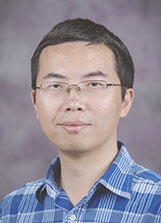
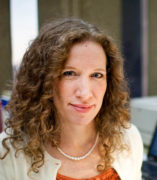
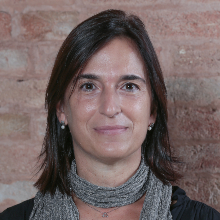
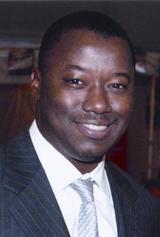
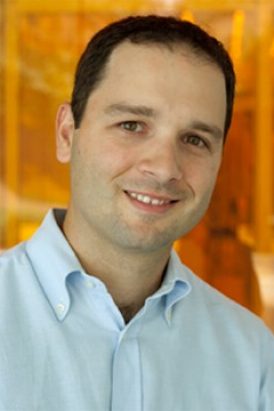
Leonard Wesley is an Associate Professor in the Department of Computer Science at the College Of Science, San Jose State University. His research spans interdisciplinary domains at the intersection of Bioinformatics , Computational Biology , and Machine Learning , with specific applications in Pharmaceutical Drug Discovery , Genomic Data Analysis , and Autonomous Robotics . Education: Ph.D. in Computer Science, University of Massachusetts M.S. in Computer Science, University of Massachusetts B.A. in Physics and Math, Northeastern University Research Interests include Approximate Reasoning (probabilistic, evidential, and fuzzy logic), Agent-Oriented Systems , and Sensor Fusion . His work applies these methodologies to Drug Portfolio Management , Protein Structure Scoring , and Medical Diagnostics . Publication Trends show a consistent focus on Computational Biology , Robotics , and Uncertainty Quantification over four decades. Early work in Computer Vision evolved into modern applications in Pharmaceutical Analytics and AI in Aerospace . Key Projects include SVM-based drug affinity prediction, evidence-driven decision support systems for biopharma, and real-time agent development frameworks like ROADS. He has contributed to CFD code control and Mobile Network Congestion solutions. Collaborations with institutions like NASA, Los Alamos National Laboratory, and international conferences (WMSCI, ICINCO, AIAA) highlight his cross-disciplinary impact. His teaching includes Artificial Intelligence and Bioinformatics courses.
Dr. Elizabeth DiRenzo is an Associate Professor of Otolaryngology - Head & Neck Surgery (OHNS) and, by courtesy, of Music at Stanford University School of Medicine. She is a clinician scientist with expertise in laryngeal physiology and vocal fold biology, serving as Laboratory Director of the DiRenzo Voice Research Lab and practicing as a speech-language pathologist at the Stanford Voice and Swallowing Center. Dr. DiRenzo's educational background includes: B.S. in Speech, Language, & Hearing Sciences from Purdue University (2006) M.S. in Speech Language Pathology from Purdue University (2008) Ph.D. in Vocal Fold Physiology from Purdue University (2012) Postdoctoral Fellowship in Vocal Fold Biology from University of Wisconsin - Madison (2014) Her research focuses on understanding laryngeal mucosal biology to improve prevention and management of voice disorders. Dr. DiRenzo's laboratory integrates basic and clinical science techniques across four main research thrusts: laryngeal epithelial regeneration, laryngeal mucus production, effects of e-cigarettes on laryngeal health, and novel interventions for voice disorders. Her work bridges cellular and molecular biology with clinical applications to address voice disorders affecting millions of people. Dr. DiRenzo's research portfolio demonstrates a strong emphasis on translational applications, particularly in understanding the effects of tobacco products on vocal health and developing gender-affirming voice interventions. Her work spans basic science investigations of vocal fold biology to clinical studies examining voice outcomes in transgender patients. This multidisciplinary approach integrates cellular biology, toxicology, and clinical voice assessment to address complex voice disorders. Dr. DiRenzo has received numerous scientific awards and honors: Distinguished Alumni Award, Purdue University College of Health and Human Sciences (2023) Investigator-initiated Research Project Grants (R01), NIH-NIDCD (2022-) Diversity, Equity, & Inclusion Grant, Stanford Department of Otolaryngology (2021-) New Century Scholars Research Grant, American-Speech-Language-Hearing Foundation (2018-2020) Early Career Research Award R21, NIH-NIDCD (2017-2020) Dr. DiRenzo actively mentors postdoctoral scholars and other researchers in her laboratory. Her research is supported by multiple grants including NIH funding, reflecting the significance of her work in advancing understanding of laryngeal biology and voice disorders. She has established collaborative relationships across multiple disciplines to enhance the translational impact of her research. The DiRenzo Voice Research Lab comprises a multidisciplinary team including undergraduates, medical students, resident and fellow physicians, research scientists, and postdoctoral researchers. The lab focuses on cellular and molecular biology, airway biology, and speech-language pathology, with a commitment to promoting a diverse, safe, and inclusive training environment regardless of race, ethnicity, disability, religion, gender identity, or sexual orientation.
Dr. Wiley Chung is an Assistant Professor in the Division of General Surgery & Division of Thoracic Surgery at Queen's University, affiliated with Kingston Health Sciences Centre (KHSC). He holds cross-appointments in the Department of Surgery within the School of Medicine. His clinical expertise focuses on esophageal and lung cancers, alongside benign esophageal diseases and endobronchial ultrasound guidance. His research emphasizes surgical innovation, medical technology development, and patent creation. Education: MD from The University of British Columbia (2009), BSc in Microbiology and Immunology (2005). Completed residencies in General Surgery (University of Toronto) and Thoracic Surgery (University of Calgary). Research Interests: Dr. Chung's work spans surgical technique optimization, perioperative care advancements, and translational research in gastrointestinal oncology. He leads studies on venous thromboembolism prevention, atrial fibrillation mitigation in thoracic surgery patients, and patient navigation programs to reduce esophageal cancer treatment delays. Key Roles: Attending Staff at KHSC, clinician-scientist focused on surgical innovation, and principal investigator for trials like the COP-AF study. He actively contributes to surgical education through initiatives like the C-CASE conference and anti-racism virtual simulations. Affiliations: Kingston Health Sciences Centre (Attending Staff), Queen’s Laboratory for Molecular Pathology (QLMP) collaborator, and member of multidisciplinary cancer teams.
Matthew B. Panzer serves as Associate Dean for Graduate Education and Post-Doctoral Affairs at the University of Virginia's School of Engineering and Applied Sciences, holding professorships in Mechanical & Aerospace Engineering and courtesy in Biomedical Engineering. As Deputy Director of the Center for Applied Biomechanics, he leads research in impact biomechanics and injury prevention. Education: B.S. in Mechanical Engineering, University of Waterloo, 2003 M.S. in Mechanical Engineering, University of Waterloo, 2006 Ph.D. in Biomedical Engineering, Duke University, 2012 Research Focus: Panzer's work employs computational and experimental methods to investigate high-rate non-linear mechanics in tissue mechanics, impact biomechanics, vehicle crashworthiness, military blast/ballistics, and sports injury. Current projects include traumatic brain injury mechanisms in football helmet impacts, biological tissue characterization, human body model development for automotive safety, and protective system design. His approach integrates finite element modeling with experimental validation to translate biomechanical findings into clinical and safety applications. Publication Trends: Recent work (2022-2025) emphasizes brain injury metrics, sex-specific biomechanical responses, and finite element model validation across automotive, sports, and military contexts. Key themes include rotational loading effects, biofidelic model development, and injury risk function derivation, demonstrating strong interdisciplinary integration of neuroscience, engineering, and computational science. Awards: Shannon Fellow (2024-2027) Copenhaver Fellow (2023) MAE Early Career Researcher of the Year (2021, 2022) UVA Research Achievement Award (2019) MAE Young Research of the Year (2018, 2019) Grants and Teaching: Panzer has secured over 40 research grants as Principal Investigator from federal agencies and industry partners. He teaches graduate courses including MAE 6710: Finite Element Analysis (annually since 2015), MAE 7030: Injury Biomechanics, and MAE 6952: Impact Mechanics, mentoring graduate students in biomechanics research despite no specific advisees listed in source materials. Laboratory Leadership: At the Center for Applied Biomechanics, Panzer directs teams conducting experimental testing and computational modeling to advance injury mechanism understanding and develop protective technologies for automotive, sports, and military applications.
Cen Wu serves as Associate Professor in the Department of Statistics at Kansas State University and Faculty Scientist at the Johnson Cancer Research Center. His methodological research focuses on developing robust statistical machine learning approaches for high-dimensional cancer genomic data integration, addressing challenges where measurement dimensions far exceed sample sizes. Dr. Wu earned his Ph.D. in Statistics from Michigan State University in 2013, followed by a postdoctoral fellowship in Biostatistics at Yale School of Public Health (2013-2015). He joined Kansas State University as Assistant Professor in 2015, was promoted to Associate Professor in 2021, and has maintained dual appointments in Statistics and Cancer Research since 2016. His research program centers on Bayesian sparse learning methods for cancer genomics, with particular emphasis on robust variable selection techniques that accommodate outliers and heavy-tailed distributions common in genomic studies. He develops integrative approaches for multi-platform genomic data (mRNA expression, copy number variations, DNA methylation) to elucidate cancer etiology and identify prognostic markers. His work bridges theoretical statistics with practical clinical applications, including adaptive prediction of patient recruitment in clinical trials. Analysis of his recent publications reveals consistent focus on gene-environment interaction modeling through advanced Bayesian frameworks, with increasing emphasis on longitudinal data structures and robust inference procedures. His methodological innovations frequently translate into practical R packages that implement these complex statistical techniques for broader research communities. Dr. Wu actively contributes to the academic community as Associate Editor for TEST and BMC Genomics, and previously served as Guest Editor for a special issue on Bayesian Learning in Entropy. He maintains active collaborations with cancer researchers at the Johnson Cancer Research Center, applying his statistical expertise to real-world cancer genomics problems. His laboratory develops and implements cutting-edge statistical methods through R packages including 'mixedBayes', 'pqrBayes', 'roben', and 'interep', which address specific challenges in high-dimensional data analysis for cancer research. Current projects focus on extending robust Bayesian frameworks to handle increasingly complex genomic data structures while maintaining computational efficiency.
Professor Kara Morgan-Short holds a joint appointment at the University of Illinois at Chicago in the Department of Hispanic and Italian Studies and the Department of Psychology. She directs the Cognition of Second Language Acquisition Laboratory and is affiliated with the Laboratory of Integrative Neuroscience. Her research focuses on the cognitive and neural mechanisms underlying second language acquisition, integrating linguistics, cognitive psychology, and neuroscience. She has held editorial roles for Language Learning and contributed to advancing open science practices in applied linguistics. Education: PhD in Spanish Linguistics (Georgetown University, 2007), MATL in Spanish (University of Southern Mississippi, 1998), BA in Humanities (UT Austin, 1991). Research interests include the role of declarative/procedural memory, attention, and context in SLA. She employs behavioral and electrophysiological methods (e.g., ERP) to study linguistic and cognitive processes. Key grants include NSF funding for doctoral research (2018–2022) and Language Learning grants (2014–2016). Awards include the 2018 Excellence in Teaching Award and the 2009 Harold N. Glassman Dissertation Award. Her work emphasizes interdisciplinary approaches to understanding bilingualism and SLA at both behavioral and neurocognitive levels.
Prof. Dr.-Ing. André Jakob is a faculty member at Berlin University of Technology , affiliated with the Department VII - Electrical Engineering - Mechatronics - Optometry. His academic role spans teaching and research in digital signal processing, audio technology, and acoustics. Digital Signal Processing Audio Technology Acoustics Active Noise Control His research focuses on active noise control , simulation of moving sound sources , and audio signal processing , with applications in robotics, building acoustics, and medical devices. Publications include advancements in anti-noise window systems , sound source localization , and acoustic measurement techniques . His recent work explores real-time auralization for educational robotics and nonlinear acoustic modeling with neural networks. The 15 most recent articles demonstrate a consistent focus on acoustic simulation , active control systems , and sound propagation modeling , with conference contributions at DAGA, NAG-DAGA, and international acoustics events. Topics range from dental drill noise reduction to active sound design in musical instruments , reflecting interdisciplinary applications. He supervises numerous Master's and Bachelor's theses in areas like real-time signal processing, deep learning for sound recognition, and virtual acoustics. His lab at TU Berlin explores multi-loudspeaker systems , acoustic beamforming , and active noise cancellation for both industrial and consumer applications.
Georgios Fellouris is an Associate Professor in the Department of Statistics at the University of Illinois at Urbana-Champaign (UIUC), serving as Associate Chair since 2020. He holds additional affiliations with the Coordinated Science Laboratory (2015–present) and the Department of Electrical and Computer Engineering (2019–present). His research focuses on sequential hypothesis testing, quickest change detection, educational measurement, and decision-making under communication constraints. Education: PhD and M.Phil. in Statistics from Columbia University (2010), M.A. in Statistics (2006), M.S. in Mathematical Modeling (2005), and a Diploma in Applied Mathematics from the National Technical University of Athens (2004). Recent research emphasizes statistical methods for sequential analysis, with publications in Bernoulli and Annals of Statistics . His work bridges theoretical foundations with applications in signal processing and data streams. Key topics include asymptotic optimality, multistage testing, and anomaly detection in dependent data. Affiliations also include postdoctoral research at the University of Southern California (2010–2013). His interdisciplinary approach spans statistics, engineering, and education, with contributions to both theory and practical methodologies.
Silvia BOZZA is an Associate Professor in the Department of Economics at Ca' Foscari University of Venice, where she also serves as Department Delegate for Teacher Training for High Schools. Her academic profile is centered around Statistics (SSD STAT-01/A), with a strong focus on forensic applications of statistical methods. She maintains dual institutional affiliations, working within both the Department of Economics (based in San Giobbe) and the Interdepartmental School of Economics, Languages and Entrepreneurship for International Exchanges (located in Treviso - Palazzo San Paolo). Professor BOZZA's research primarily explores the application of Bayesian statistics to forensic science and legal evidence evaluation. Her work demonstrates a consistent trajectory from early publications on spatio-temporal models to her current specialized focus on forensic statistics. She has developed expertise in probabilistic graphical models, Bayes factors, and statistical decision theory as applied to evidence interpretation. Her research addresses critical questions in forensic science regarding how to properly evaluate and communicate statistical evidence in legal contexts, with particular attention to handwriting analysis, DNA evidence, and authorship attribution. Her publication record shows remarkable consistency and productivity, with over 90 publications spanning from 2001 to 2025. Recent work (2022-2025) demonstrates her ability to address contemporary challenges, including AI authorship discrimination using Bayesian methods for distinguishing human from ChatGPT-generated text. Her articles frequently appear in high-impact forensic and statistical journals including Law, Probability & Risk, Forensic Science International, and Annual Review of Statistics and its Application. Professor BOZZA actively supervises undergraduate and graduate theses involving data analysis, requiring knowledge of statistical software including the R programming language used in the Statistics for Economics Laboratory course. She encourages students to propose topics while offering guidance to refine research questions. Her office hours show she maintains regular availability for student consultations, indicating active engagement in academic mentoring.
Keith L. Duffy, MD is an Associate Professor (Clinical) in the Department of Dermatology at the University of Utah, where he specializes in Mohs micrographic surgery, melanoma and cutaneous oncology, and dermatopathology. He practices clinically at the Huntsman Cancer Institute, Midvalley Health Center, University of Utah Hospital, and the Salt Lake City Veterans Administration Medical Center. Education & Training: MD – SUNY Upstate Medical University Internship – Internal Medicine, Tufts University School of Medicine / St. Elizabeth’s Medical Center Residency & Chief Residency – Dermatology, University of Utah Fellowship – Dermatopathology, University of Chicago Fellowship – Mohs Micrographic Surgery & Cutaneous Oncology, University of British Columbia Fellowship – Pathology, SUNY Upstate Medical University BS – Biology, Boston College Research Interests: Dr. Duffy’s scholarly work centers on the histopathology and surgical management of melanoma and non-melanoma skin cancers, with particular attention to Mohs surgery outcomes, opioid prescribing practices, and rare cutaneous neoplasms. His investigations span molecular drivers of melanoma metastasis, recurrence patterns in special-site nevi, and clinicopathologic correlations in challenging dermatologic entities. Publication Trends: Across more than 40 peer-reviewed contributions, Dr. Duffy has concentrated on three dominant themes: (1) optimizing surgical margins and post-operative care in Mohs and melanoma surgery; (2) delineating histopathologic features that predict biologic behavior in melanocytic and fibrohistiocytic lesions; and (3) describing novel or rare cutaneous presentations—from carcinosarcoma to drug-induced eruptions—to expand diagnostic acumen. Scientific Awards & Recognition: Board Certified – American Board of Dermatology (Dermatology & Dermatopathology) Consistently high patient-experience ratings (4.9/5 average over 474 reviews) Grants & Advising: While specific grant numbers are not detailed, Dr. Duffy’s extensive publication record and editorial roles imply ongoing extramural or intramural funding. No formal roster of graduate students was provided; he trains residents and fellows in Mohs surgery and dermatopathology. Laboratory & Clinical Teams: Dr. Duffy works within the multidisciplinary cutaneous oncology teams at the Huntsman Cancer Institute and University of Utah Department of Dermatology, collaborating with dermatopathologists, medical oncologists, and reconstructive surgeons to deliver comprehensive care for high-risk skin cancer patients.
Vinkle Srivastav is a Research Scientist (Chargé de recherche R&D) at the CAMMA group, a collaborative research team between IHU Strasbourg and the University of Strasbourg, where he focuses on advancing surgical data science through novel computer vision and machine learning approaches. His work bridges the gap between clinical practice and artificial intelligence, developing methods for surgical video analysis, 3D medical imaging, and surgical workflow understanding. Education PhD in Computer Science (2018-2021) from University of Strasbourg, France. Thesis: "Unsupervised Domain Adaptation Approaches for Person Localization in the Operating Rooms." Master of Science in Computer Science (2014-2017) from Indian Institute of Technology, Delhi, India. Thesis: "Computerized evaluation of neurosurgery skills using image processing and computer vision techniques." Bachelor of Technology in Electronics and Communication (2007-2011) from Punjab Technical University, Jalandhar, India. Research Interests Vinkle's research spans surgical data science, with particular focus on multi-modal learning approaches for surgical computer vision. His work addresses fundamental challenges in medical AI including domain adaptation, self-supervised learning, and privacy preservation in clinical environments. He develops methods for 3D medical image analysis, multi-view human pose estimation in operating rooms, and surgical activity recognition. His recent work emphasizes multi-modal pretraining frameworks that leverage both visual and textual information to improve surgical workflow understanding. He also investigates scientific simulation techniques, particularly for therapeutic ultrasound applications, where physics-aware deep learning models can accelerate computational processes while maintaining accuracy. Publication Trends Vinkle's recent publications demonstrate a strong trajectory toward multi-modal surgical AI systems that integrate vision, language, and physics-based modeling. His work increasingly focuses on few-shot and zero-shot adaptation techniques to address the data scarcity problem in surgical AI. The publications reveal a progression from basic pose estimation to holistic surgical scene understanding, incorporating team communication analysis and surgical safety protocols. Scientific Awards IPCAI 2024 Best paper award (co-author) IPCAI 2019 Runner-up award in the bench-to-bedside category (co-author) Joint winner for the best paper award in the machine learning for CAI track, IPCAI 2025 Advising and Grants Vinkle actively mentors multiple PhD students and research interns at various levels, supervising thesis work on topics including large-scale multi-modality learning, holistic surgical scene analysis, and self-supervised video representation learning. He serves as Co-PI on two ITI-HealthTech projects: one focused on multi-modality learning for 3D medical imaging (2023), and another on physics-aware deep-learning approaches for therapeutic ultrasound simulation (2024). Laboratories and Teams Vinkle is a key member of the CAMMA research group at IHU Strasbourg, a collaborative team focused on computer-assisted medical modeling and analytics. He co-organizes the Surgical Data Science Summer School, an interdisciplinary program that brings together clinicians and computer scientists to develop AI-driven solutions with clinical impact. His work involves close collaboration with surgical teams at University Hospitals of Strasbourg and international partners including Johns Hopkins University and Technical University of Munich.
Heli Harvala is a Professor of Virology at the University of Turku's Institute of Biomedicine. Her academic journey includes a Medical Degree, MSc in Organic Chemistry, and PhD in Virology from the University of Turku (2003), followed by Medical Virology training in Edinburgh and Fellowship of the Royal College of Pathologists (2015). She has held roles as a Consultant Medical Virologist and contributed to ECDC training programs. Her research focuses on clinical, transfusion, and public health virology, including leadership of the European Non-Polio Enterovirus Network (ENPEN) and the Blood Safety research team at the University of Oxford's NIHR-funded Blood and Transplant Research Unit. Key achievements include pioneering work on occult hepatitis B infections in blood transfusion and SARS-CoV-2 testing during the pandemic. Research Interests: Molecular epidemiology of enteroviruses, next-generation sequencing applications in microbiology, blood donation safety, and viral transmission dynamics. Recent work emphasizes enhancing diagnostic methods for viral infections and improving transfusion safety protocols. Publications span over 130 peer-reviewed articles (h-index 48), with recent focus on hepatitis B detection methods, enterovirus surveillance, and blood donation screening strategies. Awards include WHO appointments and leadership roles in global health organizations. Teaching: Undergraduate virology modules at multiple universities and postgraduate supervision with a focus on clinical virology training. Developed specialized courses in phylogenetics and bioinformatics for public health professionals. Labs/Teams: Leads the Blood Safety team at Oxford and co-founded ENPEN, collaborating with over 30 European countries. Current efforts include establishing a research group at Turku University.
James P Chandler, MD, FACS serves as Vice Chair for Clinical Affairs and Lavin/Fates Professor of Neurological Surgery at Northwestern University's Feinberg School of Medicine. He also holds professorships in the Ken and Ruth Davee Department of Neurology and Department of Otolaryngology - Head and Neck Surgery. Dr. Chandler is the Rudy E. Sabbagha Distinguished Physician and founder/Surgical Director of the Lou and Jean Malnati Brain Tumor Institute at Northwestern University's Comprehensive Cancer Center. His educational background includes: MD from University of Maryland (1990) Residency in Neurological Surgery at Northwestern University Fellowship training in cranial base and microvascular surgery at Instituto Neurologico De São Paulo (Brazil) Additional fellowship at George Washington Neurological Institute Dr. Chandler specializes in brain and spine tumors with particular expertise in skull base tumors and minimally invasive procedures. His research focuses on endoscopic techniques and Gamma Knife radiosurgery as alternatives to conventional open cranial base surgery. He created Northwestern's Skull Base Laboratory in 2016, which provides advanced anatomical and surgical research opportunities for residents and faculty. His clinical practice encompasses treatment of gliomas, meningiomas, pituitary adenomas, craniopharyngiomas, chordomas, acoustic neuromas/schwannomas, trigeminal neuralgia, hemifacial spasm, and metastatic brain tumors, having performed over 6,000 successful brain surgeries throughout his career. His recent publications demonstrate strong focus on meningioma genetics, hydrocephalus diagnostics, and sellar region tumors, reflecting his dual expertise in surgical technique and molecular tumor biology. Award highlights include: Multiple consecutive 'Top Doctors' designations from Castle Connolly and Chicago Magazine (2022-2024) Alpha Omega Alpha Honor Medical Society membership (2019) Rudy E. Sabbagha Distinguished Physician award (2010) Humanitarian Award from Northwestern Memorial Hospital (2010) Multiple 'Best Doctors in America' recognitions (2008-2011) Dr. Chandler hosts an annual international surgical techniques course and maintains extensive professional society involvement including the American Association of Neurological Surgeons, Congress of Neurological Surgeons, and North American Skull Base Society. His Skull Base Laboratory serves as a key training facility for advanced neurosurgical techniques.
Dimitrios Zekkos is an Associate Professor at the University of Michigan's College of Engineering, Department of Civil and Environmental Engineering. He holds affiliations with the Center for South Asian Studies (CSAS) as faculty and serves as Founder & CEO of ARGO-E LLC, a geotechnical consultancy. His expertise spans geotechnical engineering, natural hazards, and remote sensing applications. Education: PhD (2005), MS (2002) – University of California, Berkeley; Ptychion (2001) – University of Patras, Greece. Research focuses on landslide dynamics, seismic ground response, UAV-enabled disaster assessment, and waste management systems. His work integrates field observations with advanced computational methods to address challenges in infrastructure resilience and environmental sustainability. Key projects include: Regional landslide hazard modeling in Nepal/Puerto Rico Co-seismic landslide mobility prediction Flood impact analysis in mountainous regions Structural health monitoring of civil infrastructure Zekkos' contributions to geotechnical engineering include novel liquefaction assessment procedures for gravelly soils and innovative applications of unmanned aerial vehicles for post-disaster reconnaissance. His research has been supported by NSF, NASA, and international collaborations.
Michael D. Byrne is a Professor in both the Department of Psychological Sciences and the Department of Computer Science at Rice University. His interdisciplinary work bridges cognitive psychology, human-computer interaction, and computational modeling. Ph.D. in Experimental Psychology, Georgia Institute of Technology, 1996 M.S. in Computer Science, Georgia Institute of Technology, 1995 M.S. in Experimental Psychology, Georgia Institute of Technology, 1993 B.S. in Engineering (Magna Cum Laude), University of Michigan, 1991 B.A. in Psychology (High Distinction), University of Michigan, 1991 Byrne's research focuses on human factors and human-computer interaction, with particular emphasis on cognitive modeling, visual attention, decision-making, and human performance modeling. His work applies computational cognitive architectures like ACT-R to understand human behavior in complex interactive systems. He has made significant contributions to understanding procedural errors, visual search behavior, and usability of complex systems including voting technologies. His interdisciplinary approach combines rigorous experimental methods with sophisticated computational modeling techniques to predict and explain human performance. His recent publications reveal a strong focus on human error prevention, particularly in routine procedural tasks and voting systems. The research demonstrates consistent application of cognitive modeling approaches to practical human-computer interaction problems, with particular attention to visual attention mechanisms, error patterns, and usability assessment. His work spans theoretical cognitive science and applied human factors research, often addressing real-world challenges in system design and evaluation. Kavli Fellow, National Academy of Science, Fall 2009 Outstanding Associate for 2001-2002, Mary Gibbs Jones residential college, Rice University Distinguished Faculty Associate for multiple years at Rice University NIMH Postdoctoral Fellow National Science Foundation Graduate Fellow Georgia Institute of Technology President's Fellow Byrne has successfully secured substantial external funding from NASA, NSF, NIST, and ONR for research on human performance modeling, cognitive architecture, and human-computer interaction. His grants portfolio demonstrates strong interdisciplinary collaboration across computer science, psychology, and engineering domains. He has advised numerous graduate students and mentored undergraduate researchers in his lab. Beyond research, Byrne has served prominently on editorial boards for major journals including Human Factors, Cognitive Science, and Journal of Experimental Psychology: Applied. Byrne directs the Computer-Human Interaction Laboratory (CHIL) at Rice University, where his team conducts cutting-edge research on human performance modeling, cognitive architectures, and human-computer interaction. His lab has been particularly active in applying computational cognitive models to practical problems in system design, voting technology, and aviation human factors. The laboratory environment fosters interdisciplinary collaboration between psychology, computer science, and engineering students and researchers.