Jaap M.J. den Toonder is a Professor in the Department of Microsystems at Eindhoven University of Technology (TU/e), where he chairs the Microsystems research section. His work bridges technology and biology through biologically inspired innovations. Current research focus: Microfluidics, Soft Microrobotics Notable funding: ERC Advanced Grant (2019) Affiliations: hDMT Institute, ICMS Core Member Academic Background: MSc in Applied Mathematics (cum laude), Delft University of Technology PhD in Mechanical Engineering (cum laude), Delft University of Technology Research Trends: Recent articles emphasize magnetic microactuation, particle manipulation, and organ-on-chip cancer models. Collaborative work spans biomedical devices, energy applications, and sustainable technology. Scientific Awards: ERC Advanced Grant recipient (2019) Netherlands Academy of Engineering Fellow (2023) Education & Outreach: Authored over 140 papers, 45 patents, and 60+ invited lectures. Founded and directs TU/e's Microfab/lab facility for advanced microsystem development.
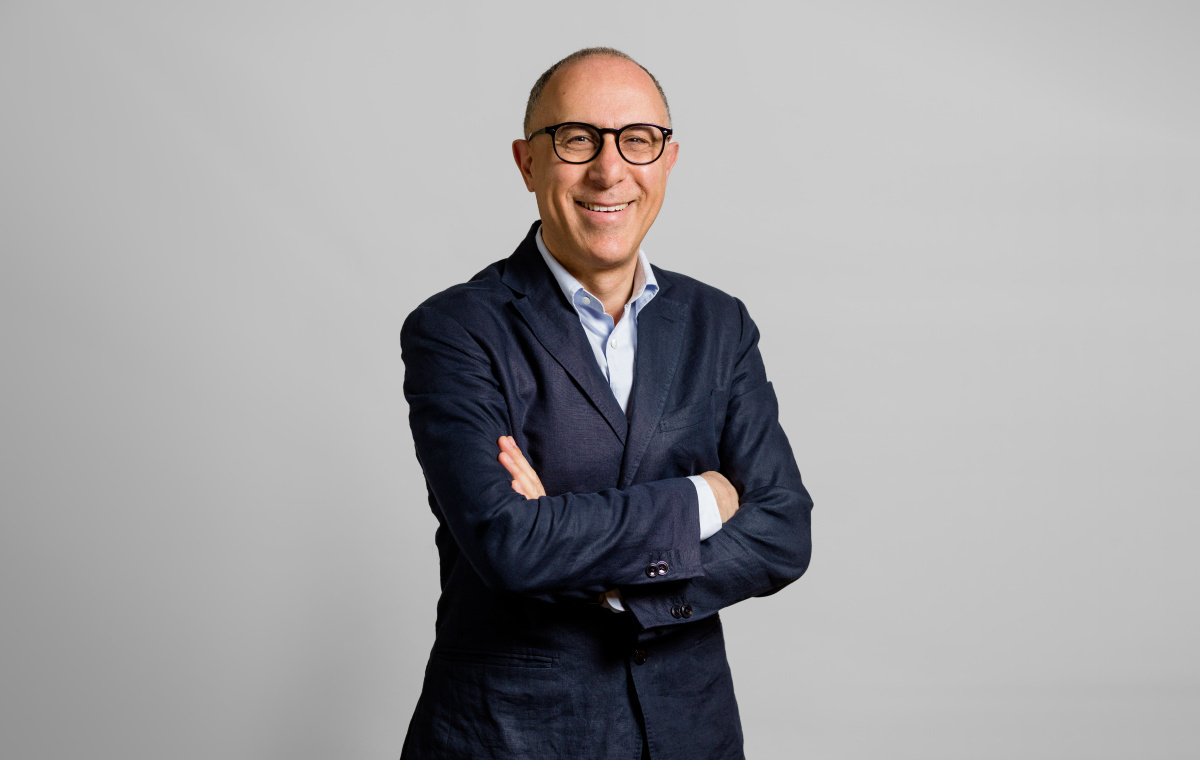
Vahé Nerguizian is a full Professor in the Department of Electrical Engineering at École de technologie supérieure (ÉTS) in Montreal, Canada, where he has established himself as a leading researcher in microelectronics, MEMS, and biomedical applications. Affiliated with the LACIME (Communications and Microelectronic Integration Laboratory), his work bridges engineering disciplines with healthcare innovations, particularly in cancer research and point-of-care diagnostics. His educational background includes a B.Ing. from Polytechnique Montréal, an M.Eng. from McGill University, and a Ph.D. from Concordia University. This strong foundation in electrical engineering has enabled his interdisciplinary research across multiple domains. Nerguizian's research focuses on the intersection of microfluidics, MEMS, and biomedical applications, with particular emphasis on cancer cell detection, liposome production for drug delivery, and microelectronic integration for healthcare solutions. His laboratory develops microfluidic devices for synthesizing nanoparticles and liposomes, with applications in cancer therapeutics and diagnostics. The work combines microwave engineering, bio-MEMS, and microelectronics to create innovative diagnostic tools and therapeutic delivery systems. His recent publications (2021-2025) demonstrate a clear trajectory toward increasingly sophisticated biomedical applications of microfluidic and MEMS technologies, with growing emphasis on cancer research, extracellular vesicle analysis, and therapeutic delivery systems. The research has evolved from fundamental MEMS and microwave engineering toward highly translational biomedical applications. 2015: Excellence in Teaching Award from the Board of Directors Nerguizian has supervised over 25 graduate students across doctoral and master's programs, with current projects focusing on microfluidic systems for nanoparticle synthesis and sensor systems for biomolecule detection. His research has received significant funding through collaborations with medical researchers, particularly with Julia Burnier's team at McGill University. The LACIME laboratory, where he conducts his research, provides state-of-the-art facilities for micro- and nanofabrication, integrated circuit design, and photonic microsystems. As part of the LACIME research group, Nerguizian contributes to a dynamic environment focused on both fundamental and applied research with strong industry connections. The laboratory's work spans from materials science to communication protocols, with particular strength in developing innovative solutions for healthcare applications.
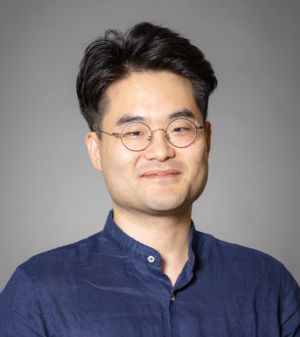
Jelle J.F. Sleeboom is a Researcher in the Microsystems group at Eindhoven University of Technology's Department of Mechanical Engineering under Prof. Jaap den Toonder. His work focuses on developing Cancer-on-a-chip technologies to study metastasis mechanisms, particularly oxygen's role in directional migration and extracellular matrix mechanics. Education: BSc (2012) and MSc (2013) in Mechanical Engineering from TU Eindhoven. PhD (2020) in joint Soft Tissue Engineering & Mechanobiology and Microsystems groups, with research on tumor microenvironment modeling. Research Interests: Microfluidics, organ-on-a-chip systems, mechanobiology, and cancer metastasis. Key projects include Harvard collaboration on Blood-Brain Barrier models and development of 3D oxygen gradient chips. Collaborations: Active in international research networks, contributing to UN Sustainable Development Goals through biomedical innovation. Advising: Supervised 2 theses in microfluidic applications. Lab involvement: Core member of den Toonder's Microsystems group, advancing lab-on-a-chip technologies.
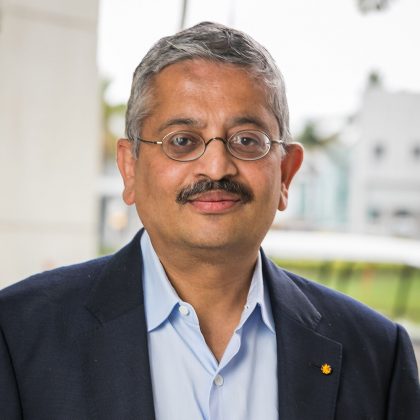
Dr. Shekhar Bhansali is the Alcatel-Lucent Professor and Chair of the Department of Electrical & Computer Engineering (ECE) at Florida International University (FIU) since 2011. He holds a BS in Metallurgical Engineering (1987), MS in Aircraft Production Engineering (1991), and PhD in Electrical Engineering (1997). His research focuses on bio sensing, nanotechnology, alternative energy, and oceanographic sensing. He leads the Bio-MEMS and Microsystems Lab, holds 36 U.S. patents, and has secured funding from NSF, industry partners, and national labs like Sandia and Los Alamos. Dr. Bhansali has grown the ECE department by launching programs like the online Master of Science in Network Security and the B.S. in Internet of Things (first in the U.S.). He co-directs FIU’s Bridge to the Doctorate program, fostering STEM diversity. Awards include the 2014 FIU Top Scholar Award and 2018 AAAS Fellowship. Education: PhD in Electrical Engineering, RMIT University (1997) MS in Aircraft Production Engineering, IIT Madras (1991) BS in Metallurgical Engineering, MREC, Jaipur (1987) Research Interests: Bio-sensing, nanotechnology, alternative energy, oceanographic sensors, and materials science. Key Achievements: 36 U.S. patents and 7 invention disclosures Co-authored 139 journal papers and 200+ conference papers Recruited 14 faculty members and expanded doctoral programs Partnership with Florida Power & Light for solar energy research His work bridges innovation and societal impact, with sensors for wound monitoring, environmental sensing, and energy efficiency. Recent studies include AI-driven sensor networks for precision agriculture and wearable devices for real-time health diagnostics. Awards & Recognition: 2018 AAAS Fellow 2014 FIU Top Scholar Award Multiple mentorship awards (2003–2011) Advising & Grants: Oversaw education of over 150 graduate students via NSF-IGERT and Sloan programs. Secured grants totaling millions for interdisciplinary research. Expanded FIU’s engineering programs and faculty size. Labs & Teams: Leads the Bio-MEMS Lab, advancing micro/nano sensors and lab-on-a-chip technologies. Collaborates with industry and national labs on sensor development and energy projects.
Niclas Roxhed is a Professor at KTH Royal Institute of Technology, leading the Biomedical Microsystems team in the Division of Micro and Nanosystems. He holds affiliations with MIT's Koch Institute and directs MedTechLabs, a KTH-Karolinska Institutet-Region Stockholm collaboration. His research focuses on medical diagnostics sensors, MEMS-based drug delivery, and sampling systems. Roxhed has founded seven companies, authored over 150 papers, and holds 40+ patents. Education: M.Sc. (2003) and Ph.D. (2007) in Microsystem Technology from KTH. He teaches courses in Microsystem Technology and supervises degree projects in Electrical Engineering and Engineering Physics. Research Interests: Develops wearable and minimally invasive medical devices, including microneedle patches, aerosol drug delivery systems, and lab-on-a-chip technologies. His work spans environmental monitoring (plant sap analysis) to endovascular and neural implant technologies. Key Contributions: Pioneered dust-sized MEMS spray chips for lung drug delivery, self-sealing inhaler nozzles, and home-sampled dried blood spot diagnostics. His labs emphasize translational research, bridging microengineering with clinical applications. Grants & Teams: Leads MedTechLabs, a multidisciplinary center advancing medical technology. His teams collaborate internationally, contributing to IEEE MEMS conferences and editorial roles in journals like the IEEE Journal of MicroElectroMechanical Systems.
Professor Stan Skafidas is a leading academic at the University of Melbourne , holding the Professor of Nanoelectronics title in the Department of Electrical and Electronic Engineering under the Faculty of Engineering and Information Technology. He serves as Deputy Dean, Engagement and maintains an honorary professorial fellowship in the Department of Medicine. Education: PhD (University of Melbourne, 1997) Masters (Research) (University of Melbourne) Bachelors Degree (University of Melbourne) Research Interests: Nanoelectronics for biomedical applications Printable electronics and graphene technology Wireless communication systems Medical diagnostics and biosensor development Cognitive technology for dementia care Scientific Achievements: Awards: Fellow of Australian Academy of Technological Sciences and Engineering (ATSE) (2012) Richard Newton Award for Research Excellence (2009) INNOVIC 'Innovation Excellence' (2009) Fellow of Institution of Engineers of Australia (2007) Patents: Adaptive Frequency Hopping (US Patent 7027418) - foundational for Bluetooth robustness High-isolation Transmit/Receive Switch on CMOS (2009) Approach for managing communications channels (multiple patents) Commercialization: Co-founded Bandspeed (acquired by Broadcom) Co-founded Nitero (acquired by AMD) Recent Publications focus on printable electronics (475+ publications), with trends in wearable biosensors, 60GHz wireless systems, and dementia care technology. His 2025 work on nanomaterials for biosensors and 3D printed CMOS circuits demonstrates his interdisciplinary approach.
Luciano Scaltrito is a Full Professor in the Department of Applied Science and Technology (DISAT) at the Polytechnic University of Turin, where he also serves as a member of the Interdepartmental Center PEIC - Power Electronics Innovation Center and Scientific Advisor for the Partnership Agreement with SPEA. His research focuses on micro and nanotechnologies, power electronics, and MEMS devices. His primary research interests include 3D modeling, capacitive sensors, polymeric 3D printing, solid state physics, and surface micromachining. Professor Scaltrito's work spans the study of packaging technologies for power electronics and MEMS devices, mechanical/electrical/thermal/optical interfaces for electronic devices, lithographic processes for silicon and silicon carbide power devices, and production processes for sensors and actuators. His research aligns with several Sustainable Development Goals including Good Health and Well-being, Quality Education, Clean Water and Sanitation, Decent Work and Economic Growth, Industry Innovation and Infrastructure, and Partnerships for the Goals. His recent publications demonstrate a strong focus on 3D printing applications for electronics and MEMS, power electronics packaging, environmental monitoring sensors, and advanced materials for energy applications. The research spans multiple disciplines including materials science, electronics engineering, environmental engineering, and nanotechnology. President of Italian Association of Science and Technology (2017-2020) Vice President of Italian Association of Science and Technology (2016) Steering Committee member of Italian Association of Science and Technology (2015, 2021) Program committee member for MNE2021 conference Professor Scaltrito actively supervises numerous PhD students across multiple programs including Electrical, Electronic and Communications Engineering, and Sustainable Materials, Processes and Systems for Energy Transition. He leads multiple research projects including SMIP (2024-2027), SIRCEC (2023-2025), and ECOSMARTROAD 2.0 (2021-2023), with funding from regional, national, and EU sources as well as commercial contracts with industry partners. He directs the CHILAB Laboratory in Chivasso, which focuses on materials and microsystems research, and maintains strong industry partnerships through numerous commercial research agreements with companies including SPEA S.p.A. and Dana-TM4 Italia S.r.l.
Albert Kim is an Associate Professor in the Department of Medical Engineering at the University of South Florida, affiliated with the College of Engineering and Morsani College of Medicine. His research focuses on biomedical applications of MEMS and nanotechnology, particularly developing implantable medical devices to address clinical challenges through interdisciplinary collaboration with physicians. He teaches BME 6931: Fundamental and BioMEMS and has received prestigious awards including the NSF CAREER Award (2022) and the Blavatnik Award Finalist recognition (2018). Education: Ph.D., M.S., B.S. in Electrical and Computer Engineering (Purdue University, 2008-2015) Research Interests: Kim’s work integrates engineering principles with medical needs to create innovative solutions such as smart stents for cardiovascular monitoring, piezoelectric biomaterials for anti-infective applications, and ultrasonic-powered implantable devices. His projects emphasize translational research, bridging laboratory innovations to clinical practice. Grants & Funding: He leads or co-leads several NSF and NIH grants totaling over $4 million, including initiatives on acousto-bioelectronics, smart dental implants, and antimicrobial biomaterials. Recent grants include NSF CNS Core funding for intrabody networks and NIH support for peri-implant disease prevention. Publications: His research spans bioMEMS, implantable systems, and energy harvesting, with recent contributions to ACS Materials Letters , IEEE Transactions on Biomedical Engineering , and Lab on a Chip . Key themes include omnidirectional ultrasound powering for microdevices and multifunctional smart stent designs. Awards: Beyond academic accolades, Kim has been recognized for teaching excellence, including the Eaton & Vashti Magoon Award (Purdue, 2013) and the USF BME Professor of the Year (2022-23).
Professor Omid Kavehei is a Professor of Intelligent Microsystems in the Faculty of Engineering at the University of Sydney, serving as Deputy Head of the School of Biomedical Engineering. Previously, he held roles as a Research Fellow at the University of Melbourne and Lecturer at RMIT University. His research focuses on biomedical microsystems, nanotechnology, and brain-inspired hardware for healthcare applications, particularly epilepsy monitoring and seizure prediction. Education: PhD (specific institution not explicitly stated) His work bridges nanoelectronics and healthcare, aiming to develop low-power, brain-inspired devices for sensory perception and medical diagnostics. Key interests include neuromorphic engineering, wearable sensors, and AI-driven medical systems. Awards include the Ramaciotti Biomedical Research Award (2021), Microsoft AI for Accessibility Grant (2019), and multiple teaching/research excellence awards from the University of Sydney. His recent work explores neuromorphic cytometry for cell analysis, edge AI for ECG/EEG diagnostics, and closed-loop neurostimulation systems. Collaborations include the Sydney Nano Institute, Brain and Mind Centre, and industry partners like Microsoft. Current research students are advancing topics like bio-inspired algorithms for seizure detection, hardware-friendly machine learning models, and flexible sensor systems for aquatic environments. Grants include funding for neurophysiology platforms, quantum sensors, and semiconductor design. Labs/teams: Involved in the Centre for Drug Discovery Innovation and collaborations across engineering, neuroscience, and clinical domains.
Marcel Mayor is a Full Professor of Chemistry at the University of Basel and Research Unit Chair at the Karlsruhe Institute of Technology's Institute of Nanotechnology. He leads the Synthetic Chemistry research unit, focusing on designing functional molecules for nanotechnology applications. His interdisciplinary work bridges synthetic chemistry, molecular electronics, and nanomaterials science. Mayor studied at the University of Bern (Diploma 1991, PhD 1995) and conducted postdoctoral research with Jean-Marie Lehn at Université Louis Pasteur. He became Maître de Conférence at Collège de France (1997-1998) before joining Forschungszentrum Karlsruhe (now KIT) in 1998. His research explores: Molecular electronics and single-molecule devices Carbon-based nanostructures and functional molecules Supramolecular systems for nanotechnology applications Advanced materials for optoelectronics and sensing Recent publications demonstrate innovations in molecular heat engines, single-molecule junctions, bio-conjugation chemistry, and stimuli-responsive materials. Research consistently integrates synthesis, nanofabrication, and physical characterization. Awards: Erwin Schrödinger Award (2004) for Molecules for future Nanoelectronics He directs laboratories at both the University of Basel and KIT, leading interdisciplinary teams in synthetic chemistry, molecular device fabrication, and nanoscale characterization. Current work focuses on quantum interference in molecular wires and chiral nanomaterials.
Ricardo Izquierdo is a Professor in the Department of Electrical Engineering at École de technologie supérieure (ÉTS), where he holds a prominent position as Director of the LACIME (Communications and Microelectronic Integration Laboratory). He earned his B.Ing., M.Sc.A., and Ph.D. in Physics Engineering from Polytechnique Montréal. His research spans multiple interdisciplinary fields, with a focus on printed electronics, nanomaterials, and sustainable energy systems. Department: Department of Electrical Engineering Research Laboratories: LACIME (Director), ÉDÉ Sustainable Energy Laboratory Office: A-2475 Email: ricardo.izquierdo@etsmtl.ca Professor Izquierdo's research interests center on micro- and nanosystems (MEMS/NEMS), nanotechnology, printed electronics, biosensors, organic solar cells, and embedded systems for sports equipment. His work bridges fundamental materials science with practical applications in healthcare, environmental monitoring, and sustainable energy. He has developed innovative approaches to printed flexible sensors, photonic curing techniques for solar cells, and graphene-based materials for gas sensing applications. An analysis of his 15 most recent publications reveals a strong focus on printed flexible electronics for sensing applications, advanced photonic curing techniques for perovskite solar cells, and novel materials for energy applications. His work demonstrates a consistent trend toward developing practical, manufacturable solutions that address real-world challenges in healthcare monitoring, environmental sensing, and renewable energy conversion. Professor Izquierdo has received significant recognition through his extensive publication record, with numerous articles in high-impact journals including ACS Omega, Nanomaterials, and IEEE Sensors Journal. His research has practical applications in smart packaging, wearable health monitoring, and sustainable energy systems. He actively supervises a large cohort of graduate students across multiple project types including doctoral theses, master's theses, applied projects, and industry interventions. His students work on cutting-edge topics such as printed temperature and pH sensors, perovskite solar cells, microfluidic biosensors, and graphene-based gas sensors. His research has attracted funding for projects related to printed electronics, sustainable energy systems, and biomedical applications. As Director of LACIME, Professor Izquierdo leads a research group focused on six key areas: functional materials, micro- and nanofabrication processes, integrated circuit design, hybrid components fabrication, photonic and electronic microsystems, and signal processing and communication. The laboratory serves as a hub for innovation in printed electronics and microsystem technologies.
Dr. Can Dincer is the head of the "Disposable Microsystems" junior research group at the FIT Freiburg Center for Interactive Materials and Bio-Inspired Technologies and the Institute of Microsystems Engineering (IMTEK) at the University of Freiburg. He earned his doctorate in Microsystems Engineering from the University of Freiburg in 2016 with a thesis on electrochemical microfluidic biosensors for point-of-care testing, earning the Gips-Schüle Young Researchers Award (2nd place, 2017). From 2017–2019, he worked as a visiting scientist at Imperial College London, focusing on paper-based microfluidic systems. He is an Associate Editor of Biosensors and Bioelectronics since 2019 and has received multiple accolades, including the 2018 Adolf Martens Prize, the 2020 iba Heiligenstadt Best Paper Award, and the 2021 Biosensors & Bioelectronics Best Paper Award. His research emphasizes microfluidic diagnostics, disposable sensors, and CRISPR-powered biosensing technologies. Research Interests: Microfluidic diagnostics and lab-on-a-chip systems Paper-based µPADs for point-of-care testing CRISPR-integrated biosensors for nucleic acid detection Personalized medicine via miRNA profiling Respiratory gas analysis microsystems Awards: Highlighted in ACS Sensors' 'Rising Stars in Sensing' (2020), elected to the International Advisory Board of Advanced Sensor Research (2022), and recognized for pioneering work in electrochemical biosensor optimization. Grants/Labs: Leads the Disposable Microsystems Group, collaborating on projects like BioEPIC and SPEEDER, focusing on biofunctional materials and nerve regeneration technologies.
Prof. Dr.-Ing. Ingo A. Müller is a full-time Professor in the Department of Electrical Engineering and Computer Science at Wismar University of Applied Sciences , where he also serves as Dean of the Faculty of Engineering. His academic work spans teaching modules such as Bauelemente und Schaltungen , Mikrocontrollertechnik , and Schaltkreisentwurf , alongside extensive research in optical fiber sensors , MIMO systems , and sensor technology . Research Focus : Development of miniature all-glass fiber optic sensors for biomedical and industrial applications Optical sensor systems for high-temperature environments (e.g., geothermal wells, exhaust gas flows) Innovations in EFPI-FBG hybrid sensors for simultaneous pressure-temperature measurement Applications of digital light processing in optical communication Key Publications : His work from 2009–2021 reveals trends in fiber optic sensing for harsh environments, MIMO transmission systems , and feedback control mechanisms for sensor stabilization, with a focus on practical implementations in biomedical and industrial contexts. Scientific Achievements : Recipient of the Best Paper Award at EWOFS 2010 Contributor to patents in fiber optic pressure sensing (2010, 1990) Active in international collaborations (Tokyo University of Science, 2006) Laboratory Infrastructure : He oversees labs in Electronic Components and Circuits , Microcontroller Technology , and Circuit Design , supporting both educational and research activities.
Dr. Saikat Jana is a Lecturer in Mechanical Engineering at the School of Engineering, Ulster University, Belfast. He holds a PhD in Engineering Mechanics from Virginia Tech (2013), an MSc in Mechanical Engineering from the University of Florida (2008), and a Bachelors in Technology from National Institute of Technology Durgapur (2007). His academic career includes postdoctoral roles at the University of Glasgow, Massachusetts Institute of Technology (Skoltech Initiative), Newcastle University, and the University of Leeds. PhD: Engineering Mechanics, Virginia Tech (2013) MSc: Mechanical Engineering, University of Florida (2008) BSc: Technology, National Institute of Technology Durgapur (2007) His research focuses on soft-active matter, particularly microbial behavior in bacterial biofilms, using advanced techniques such as microscopy, microfluidics, and rheology. He investigates length-scale transitions from single cells to biofilm collectives, aiming to control microbial interactions for human health and environmental solutions. Current projects include Pathogen Transport and Distribution (Royal Society, 2025-2027), Nanoparticle Transport in Cystic Fibrosis Biofilms (Department for the Economy, 2024), and Ultrafast Bacteria Detection with Acoustics (2023-2024). Key publication trends highlight his expertise in Biofilm Rheology , Marine Biofouling Prevention , and Microswimmer Dynamics . His work aligns with UN Sustainable Development Goals, particularly in health and environmental sustainability. Projects and grants include: Pathogen Transport and Distribution (Royal Society, 2025-2027) Transport of nanoparticles and nano swimmers in cystic fibrosis biofilms (Department for the Economy, 2024) Ultrafast detection of foodborne bacteria with acoustics (2023-2024)
Stephan Sylvest Keller is a Professor in the Department of Micro- and Nanotechnology at the Technical University of Denmark (DTU), affiliated with the National Centre for Nano Fabrication and Characterization and DTU Nanolab. His research lies at the intersection of materials science, microfabrication, and biomedical engineering, focusing on the development of 3D pyrolytic carbon microsystems for biosensing, neural interfaces, and bioenergy applications. His research interests include biomaterial microsystems , nanofabrication , microelectrode design , bioelectrochemical systems , and drug delivery platforms . He leverages advanced fabrication techniques such as additive manufacturing and lithography to create functional 3D carbon structures for applications in brain-on-a-chip , microsupercapacitors , and microbial energy harvesting . The recent articles highlight a strong trend in developing 3D pyrolytic carbon electrodes for electrochemical applications, spanning neuroscience, environmental remediation, and sustainable energy. Keywords across these works include bioelectrochemistry, microfabrication, and functional materials, with subfields ranging from retinal implants to microbial fuel cells and on-chip energy storage. He actively supervises multiple PhD students and leads cutting-edge projects such as INSECTS (Interdigitated Solar Electrochemical Capacitors) and MIRACLE (Microbial syntRophic metAbolism of CO2 on 3D carbon microeLectrodes for biohExanol production). His work contributes to UN Sustainable Development Goals related to clean energy and good health. His laboratory, embedded within DTU Nanolab, specializes in cleanroom-based micro- and nano-fabrication, focusing on translating engineered microsystems into biomedical and environmental applications. The team collaborates widely across disciplines, including microbiology, electrochemistry, and clinical neuroscience.