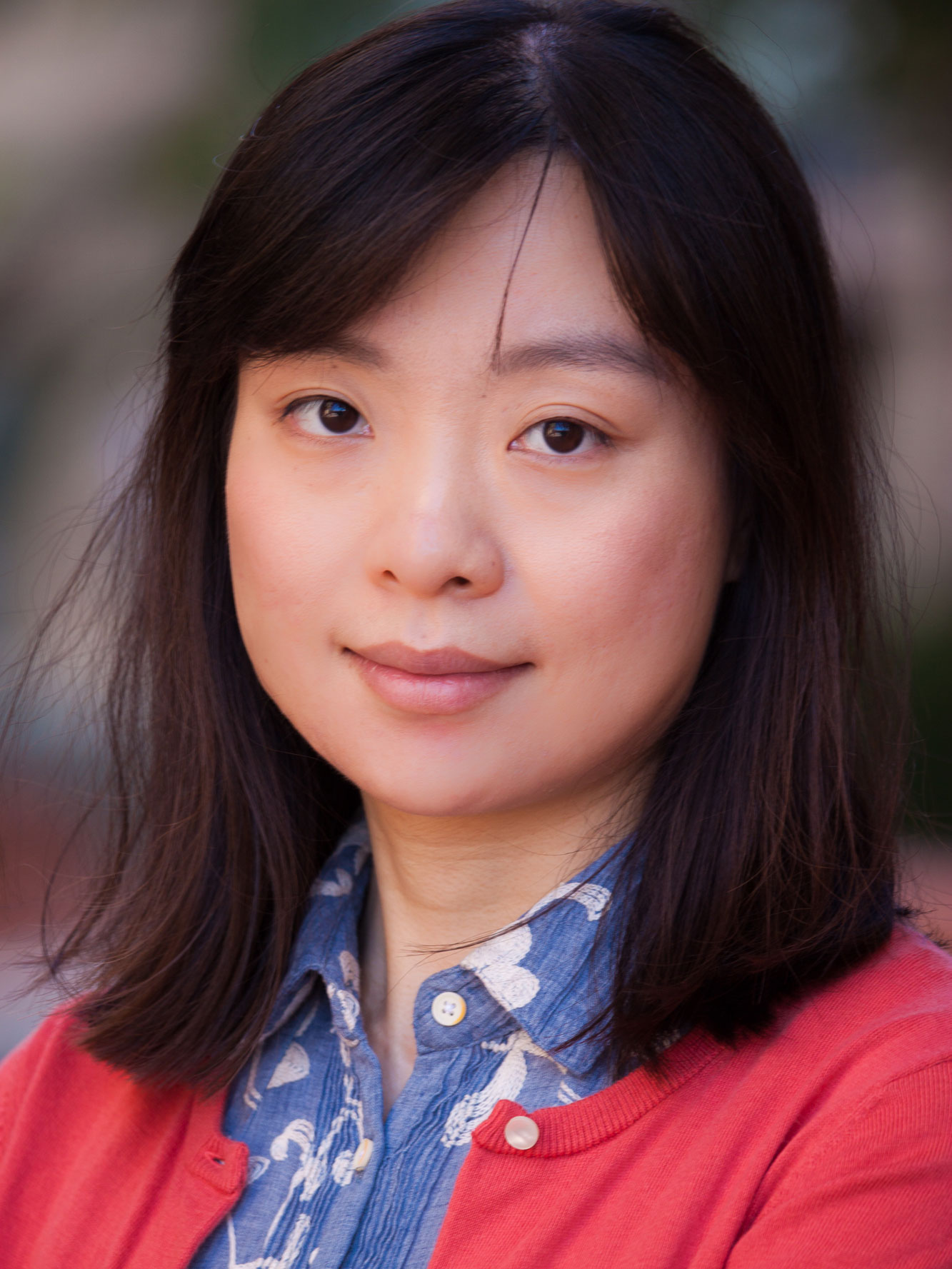
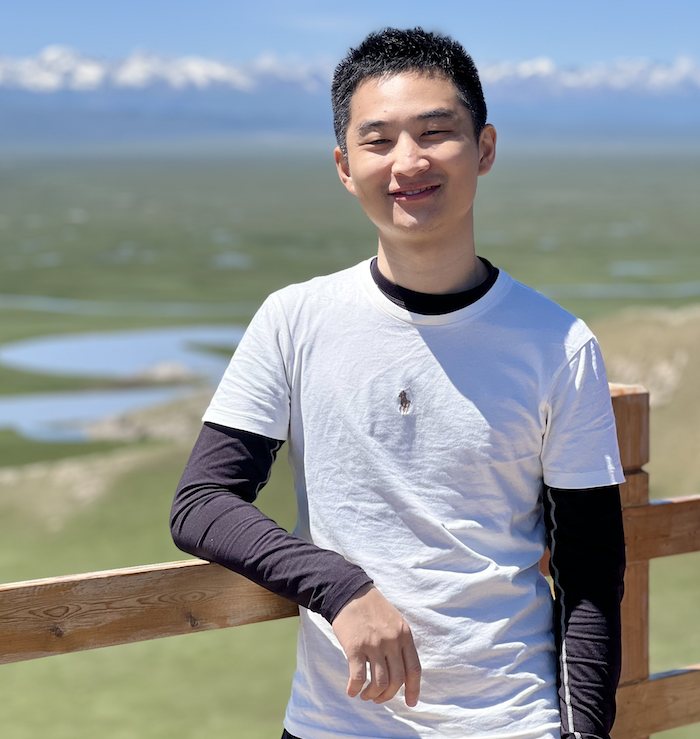
Barbara Carminati is a Professor at the Department of Theoretical and Applied Science, University of Insubria, Italy. Her work focuses on security, privacy, and trust management in decentralized systems, particularly online social networks, IoT, and emerging technologies like blockchain and digital twins. She has contributed extensively to access control, risk assessment, and collaborative frameworks. Her research spans trust modeling , privacy-preserving mechanisms , and malware detection , with a strong emphasis on decentralized social networks and UAV security . She actively explores the application of blockchain for secure workflows and information sharing. Recent publications highlight her engagement with large language models for security optimization, IoT botnet detection , and metadata leakage analysis . Her work bridges theoretical foundations with practical implementations in cybersecurity, social network management, and edge computing. Contact: barbara.carminati@uninsubria.it
Xue Lin is an Associate Professor in the Department of Electrical and Computer Engineering at Northeastern University, with a courtesy appointment in Khoury College of Computer Science. She joined Northeastern in 2017 and holds a PhD from the University of Southern California (2016) and a bachelor’s from Tsinghua University. Her research focuses on robust and secure machine learning, deep learning on edge devices, and cyber-physical systems. She leads the High Energy-Efficiency & Performance System Lab, which develops efficient algorithms and systems for applications like autonomous vehicles and medical AI. Dr. Lin’s work is supported by NSF, DARPA, and the U.S. Department of Transportation, among others. Notable achievements include a $1M DARPA grant for adversarial diagnosis systems, a 1st Place ISLPED 2020 Design Contest win, and multiple best paper awards. She has advised students such as Kaidi Xu (PhD’21), Mengshu, and Siyue, who have contributed to impactful projects like adversarial T-shirt attacks and FPGA-based DNN accelerators. Her research also addresses security in autonomous systems and inclusive design challenges for older and visually impaired passengers. Key grants include NSF CPS Small Awards, SaTC Medium Awards, and collaborations with institutions like the University of Maine and Michigan State University. Awards include the 2024 Faculty Fellow Award and recognition in Stanford’s top 2% cited scientists. Her lab’s projects span secure autonomous systems, energy-efficient inference frameworks (e.g., GRIM), and robust neural network verification techniques.
Fabio Crestani is a Full Professor of Informatics at the Università della Svizzera italiana (USI) since 2007, serving as Pro-rector for Internationalisation since March 2024. He previously held roles at the University of Strathclyde (UK) and conducted sabbaticals at institutions like UC Berkeley and Xerox PARC. His expertise spans Information Retrieval, Text Mining, and Digital Libraries, with over 250 publications and editorial leadership roles, including Editor-in-Chief of Information Processing and Management (2008–2015). Education: PhD and MSc in Computing Science, University of Glasgow (UK) Degree in Statistics, University of Padova (Italy) Research Interests: Advanced information access systems Conversational search and user interaction models Machine learning for text analysis Early risk prediction (e.g., mental health via social media) Grants & Collaborations: Funded by Swiss National Science Foundation, Hasler Stiftung, and EU projects. Collaborations with institutions in UK, Italy, Spain, USA, and Malaysia. Labs & Teams: Lead the Information Retrieval Group at USI, which focuses on distributed IR, personalization, and mobile information access. The group includes 10+ researchers and has produced influential work in top-tier venues like SIGIR and ACL.
Bowen Xu is an Assistant Professor in the Department of Computer Science at North Carolina State University (NC State), College of Engineering. His research focuses on software engineering, machine learning, and program analysis, particularly in securing AI models and improving code quality. He holds a PhD from Singapore Management University (SMU), where he also conducted postdoctoral research. Education: PhD in Computer Science, Singapore Management University (SMU) Postdoctoral Researcher, SMU School of Computing and Information Systems Research Interests: AI for Code, Backdoor Attacks on Code Models, Vulnerability Detection Code Representation Learning, Model Compression, Safety of AI Systems Chatbot Development for Developers, Automatic Code Review Key Contributions: Developed PTM4Tag+, a Stack Overflow tag recommendation system using pre-trained models Explored stealthy backdoor attacks in code and reinforcement learning systems Pioneered work on automatic vulnerability repair using LLMs and broader input analysis Awards: 2022: Honorable Mention Award (ACSAC) 2018: Highly Commended Full Paper Award (ESEM) Service Roles: Editorial Board Member, Empirical Software Engineering Journal Program Committee Co-chair for ICSE/FSE Research Tracks Organized workshops like FORGE, MaLTeSQuE, and SEA4DQ Labs & Teams: Leads the Softmax Lab at NC State, advising 12+ students across PhD, Master's, and undergraduate levels. Alumni include industry professionals at Microsoft, Barclays, and Marvell Semiconductor.
Alexander Hoyle is a Researcher at the ETH Zürich AI Center, concurrently contributing to natural language processing/machine learning and social science groups. He holds a PhD in Computer Science from the University of Maryland (advised by Philip Resnik) and a Master's in Computational Statistics from University College London (advised by Sebastian Riedel and Jeff Mitchell). His research focuses on computational social science, emphasizing methods for latent construct identification (e.g., topic models, ideal point models) and evaluation frameworks grounded in validity. Key areas include bias/fairness in AI, political science applications, and mental health constructs like suicidality. He pioneered frameworks like PairScale (attitude measurement via pairwise comparisons) and TopicGPT (prompt-based topic modeling). Education: PhD in Computer Science, University of Maryland (2020-2023) MS in Computational Statistics & Machine Learning, University College London (2018) Bachelor's degree (pre-PhD details omitted) Research Interests: Combining NLP with social science needs, particularly in evaluation rigor and interpretability. Active in interdisciplinary work between NLP and computational social science (e.g., measuring attitude evolution on Reddit, improving topic model validity). Advocates for human-in-the-loop approaches to address LLM limitations in tasks like document clustering and sentiment analysis. Grants & Projects: Contributed to a landmark $2.2B DOJ settlement on NYC public housing via econometric modeling at The Brattle Group. Active in graduate labor advocacy (Maryland state legislature testimony) and mentorship (Científico Latino's mentorship program). Labs & Teams: Leads initiatives at the ETH Zürich AI Center, collaborating with groups like Microsoft Research (FATE) and AI2's AllenNLP. Involved in multi-university projects (e.g., University of Maryland's Computational Linguistics lab).
Hjalmar Alexander Bang Carlsen is an Associate Professor at the Copenhagen Center for Social Data Science (SODAS), Faculty of Social Sciences, University of Copenhagen. He specializes in mixed digital methods and is deeply engaged in research and teaching related to digital data analysis, particularly in the context of political and civic participation on social media. He is a key contributor to the Social Data Science master's degree program. University: University of Copenhagen School: Faculty of Social Sciences Department: Copenhagen Center for Social Data Science (SODAS) Position: Associate Professor in Mixed Digital Methods Email: hc@soc.ku.dk ORCID: https://orcid.org/0000-0002-2638-0932 His research centers on mixed methods strategies for digital data, with a substantive focus on civic and political engagement via social media. Key areas include informal volunteering during crises, gender inequality in online political participation, and the use of large language models (LLMs) for qualitative interviewing. He leads three major projects: SoMeVolunteer (on crisis volunteering), public participation on Facebook, and AInterviewer (an LLM-based interviewing tool). The recent publications reflect a strong trend in digital sociology, crisis response, and methodological innovation. His work combines large-scale social media data with surveys, interviews, and textual analysis, emphasizing ethical and epistemological considerations in computational social science. Topics span from refugee solidarity and pandemic volunteering to framing contests among climate NGOs and gender disparities in digital political engagement. While no formal scientific awards are listed in the provided text, Carlsen is actively funded by the Velux Foundation and UCPH Data+, and his work is widely disseminated through media and academic outlets. He collaborates closely with researchers like Jonas Toubøl and Snorre Ralund, and his projects often involve interdisciplinary teams. He has secured seed funding for innovative methodological development, indicating strong grant-writing capacity. He is involved in public engagement, with multiple media appearances discussing Danish civic response during the pandemic and refugee crises. His research outputs include journal articles, book chapters, and a co-authored textbook on mixed methods. He also participates in workshops and public lectures, contributing to both academic and public discourse on digital society. Carlsen is affiliated with SODAS and the Social Sciences Datalab, indicating active involvement in data-intensive research infrastructure. His work on AInterviewer suggests leadership in emerging AI-driven qualitative methods, positioning him at the forefront of digital social research innovation.
Bradley J. Erickson, M.D., Ph.D. Bradley J. Erickson is a Professor of Radiology and Consultant at the Mayo Clinic in Rochester, Minnesota. He holds a joint appointment in the Division of Biomedical Statistics and Informatics. His research focuses on quantitative imaging, computer-aided diagnosis, and deep learning applications in medical imaging. He has pioneered systems for team science integration across imaging, genomics, and clinical data. Education MD/PhD in Biophysics/Biomedical Engineering, Mayo Graduate School Residency in Diagnostic Radiology, Mayo Clinic Research Interests Erickson's work emphasizes extracting diagnostic and prognostic information from medical images using machine learning and AI. Key areas include: Polycystic Kidney Disease (PKD) progression analysis via imaging Development of explainable AI models for cancer diagnosis (e.g., hepatocellular carcinoma) Privacy-preserving LLMs for echocardiography reports Awards & Recognition Team Science Award, Mayo Clinic (2020) Samuel J. Dwyer III, Ph.D., FSIIM Memorial Lectureship (2013) Chair, American Board of Imaging Informatics (2013–2018) Grants & Projects Principal Investigator for NIH-funded projects on synthetic medical images in AI fairness (2024–2025) Mayo Translational PKD Center (2010–2020) Objective decision support for clinical trials (2012–2015) Labs & Affiliations He leads the Imaging and Analysis Core within the Mayo Clinic Pirnie Translational PKD Center. Collaborates with teams in computational biology, radiology informatics, and clinical trials.
Hanjun Kim is a researcher at Yonsei University, focusing on compiler design, machine learning optimization, and hardware-aware programming techniques. His work bridges theoretical research with practical implementations in embedded systems and security domains. Research Interests Compiler-driven optimization for PIM (Processing-in-Memory) architectures Homomorphic encryption compiler design Parallel computing for DNN/LLM inference Network function program analysis Recent research trends include: application of compiler techniques to optimize resource utilization in heterogeneous computing environments, particularly for AI workloads and secure computation. His publications demonstrate expertise in tackling performance bottlenecks through architectural and compiler co-design. Conference Service 2025 SPLASH OOPSLA Review Committee 2025 LCTES Program Committee 2024 CGO Program Committee 2023 LCTES Program Committee 2022 CGO Organization Committee 2020 LCTES Program Committee
Ambuj Varshney is a researcher specializing in low-power wireless communication, visible light networking, and embedded systems. His work explores tunnel diodes for non-contact sensing, backscatter technologies, and edge-based language models. Key contributions include AudioCast for audio-broadcast connectivity, TunnelSense for tunnel diode sensing, and PiXelGen for mixed-reality cameras. Core Research Areas: Wireless Sensor Networks, Backscatter, Tunnel Diodes, IoT, Embedded Systems Recent Trends: Integration of large language models (LLMs) in edge devices, visible light communication, low-power AR networking
Giovanna Di Marzo Serugendo is a researcher affiliated with the University of Geneva (Faculty of Social Sciences, Centre for Informatics) and the Institute of Information Service Science (ISS) . Her work spans semantic technologies, agent-based modeling, and sustainable systems. Research interests focus on Semantic knowledge graphs for regulatory compliance Ontology-driven resource management Self-organizing systems inspired by biological models AI applications in smart grids and urban mobility Digital agriculture platforms for smallholder farmers Recent publications highlight trends in ontology automation using LLMs, agent-based simulations for urban planning, and KG-enhanced compliance frameworks . She leads projects integrating digital twins with smart energy systems and develops bio-inspired coordination paradigms. Supervised works include 17 research projects in these domains. Current technical reports and conference papers explore cybersecurity-safety interdependencies in autonomous vehicles and decentralized event source detection in sensor networks.
Paolo Papotti is an Associate Professor in the Data Science department at EURECOM, France, since 2017. He previously worked as a scientist at QCRI (Qatar) and as an Assistant Professor at Arizona State University (USA). His research focuses on scalable data management, NLP, and enabling Large Language Models (LLMs) to process structured data effectively. Contact: papotti@eurecom.fr | Website
Xiaofei Xie is an Assistant Professor at the School of Computing and Information Systems (SCIS), Singapore Management University (SMU). He received his PhD from Tianjin University in 2018 and was a postdoctoral researcher at Nanyang Technological University (2018-2021) before joining SMU in 2022. His research focuses on software engineering, AI systems, and cybersecurity. Dr. Xie's primary research areas include program analysis, software testing, vulnerability detection, and quality assurance of AI systems. His work spans: Testing methodologies for autonomous systems and games AI security including backdoor detection and model robustness Automated program repair and code generation Formal methods and semantic code analysis His recent publications demonstrate strong emphasis on AI/ML system testing, cybersecurity applications, and program analysis techniques. Research trends show increasing focus on LLM-based program repair, autonomous system validation, and federated learning security. Major Awards: ACM SIGSOFT Distinguished Paper Awards (ASE'23, ISSTA'22, ASE'19, FSE'16) CCF Outstanding Doctoral Dissertation Award (2019) 3rd place in AI Singapore's Trusted Media Challenge (2022) Wallenberg-NTU Presidential Postdoctoral Fellowship (2019) APSEC Best Paper Award (2020) He currently advises 7 PhD/Master's students including CHENG Mingfei, KONG Jiaolong, and YU Jiongchi. Dr. Xie leads research in software reliability and AI security at SMU's SCIS.
Professor Ying Liu is a Professor and Chair in Intelligent Manufacturing at the School of Engineering, Cardiff University, UK, a position he has held since August 2021. He leads the High-value Manufacturing research group within the Department of Mechanical Engineering. Prior to this, he served as an Assistant Professor at the National University of Singapore (2010–2013) and the Hong Kong Polytechnic University (2006–2010). PhD, Innovation in Manufacturing Systems and Technology (IMST), Singapore-MIT Alliance (SMA), National University of Singapore (2006) MSc, Singapore-MIT Alliance (SMA), Nanyang Technological University (NTU) MEng & BEng, Mechanical Engineering, Chongqing University, China His research spans engineering informatics, digital and intelligent manufacturing, AI and machine learning in engineering design, and advanced ICT in manufacturing. He has published over 160 scholarly articles and contributed to major journals and conferences in the field. His recent work focuses on knowledge graphs, digital twins, human-robot collaboration, and energy modeling in smart manufacturing, often integrating large language models and advanced deep learning techniques. The most recent publications highlight a strong trend toward integrating AI, particularly large language models and knowledge graphs, into smart manufacturing systems. Themes include predictive maintenance, battery state estimation, human fatigue modeling, and sustainable manufacturing. His work increasingly emphasizes human-centric approaches aligned with Industry 5.0 principles. Best Paper Award 2022, CCF Transactions on Pervasive Computing and Interaction ESI Highly Cited Paper and Hot Paper, Research and Application of Machine Learning for Additive Manufacturing 2020 Reviewer of the Year, ASME Journal of Computing and Information Science in Engineering (JCISE) Professor Liu actively supervises postgraduate students and has advised several successful PhD candidates, including Dr. Chong Chen and Mr. Zhouyang Ding. His research is funded by major agencies such as EPSRC (UK), GRF (Hong Kong), MOE (Singapore), A*STAR, and NSF (China), as well as industrial partners. He serves as Associate Editor for ASME JCISE, IEEE T-ASE, and several other journals, and was recently appointed Senior Editor of the Journal of Engineering Design. He also leads special issues and topical collections on AI in engineering. He leads the High-value Manufacturing research group at Cardiff University, focusing on digital transformation in manufacturing. His team works on projects involving digital twins, knowledge graphs, and AI-driven design innovation, often in collaboration with international institutions.
Sandra Geisler is a Junior Professor for Data Stream Management and Analysis at the Department of Computer Science, RWTH Aachen University, a position she has held since September 2021. She is also the leader of the Digital Health Spaces group at the Fraunhofer Institute for Applied Information Technology (FIT) in St. Augustin, reflecting her dual expertise in academic research and applied digital health solutions. Bachelor/Master: Diploma in Computer Science, RWTH Aachen University (2008) PhD: Doctoral degree in Computer Science, RWTH Aachen University (2016) Her research focuses on data stream systems, real-time analytics, data quality, and their applications in digital health and industrial processes. She has made significant contributions to ontology-based data quality management, edge computing for stream processing, and FAIR data principles. Recent work explores the integration of large language models into data management workflows and the development of privacy-preserving platforms for industrial data exchange. Her recent publications demonstrate a strong trend in distributed and edge-based stream processing, interdisciplinary applications in healthcare and supply chains, and the use of AI for data discoverability and quality. Topics include in-network computing, simulation of edge queries, self-tonometry for glaucoma, and cross-company data sharing with privacy awareness. She has served as Associate Editor for the Data & Knowledge Engineering Journal (Elsevier), Public Relation Chair for QDB Workshop (VLDB 2016), and Workshop Chair for IMMoA and HIMoA workshops. She has also edited a special issue on Information Management in Mobile Applications in the Pervasive and Mobile Computing Journal. Geisler has supervised multiple theses on topics including LLM-based ontology integration, edge anomaly detection, and data ecosystem modeling. She has been actively involved in research grants and projects related to industrial data processing, digital health, and sustainable production. She teaches courses such as Data Stream Management and Analysis and Data Ecosystems Lab. She leads the Digital Health Spaces research group at Fraunhofer FIT, focusing on innovative solutions for health data management and patient-centric digital tools. Her work bridges computer science, healthcare, and industrial applications, promoting secure, efficient, and intelligent data ecosystems.
Dr Yaji Sripada is a Senior Lecturer in the School of Natural and Computing Sciences at the University of Aberdeen. His research integrates artificial intelligence, machine learning, natural language generation (NLG), and information visualization to enhance human-machine communication, particularly in automating data science workflows and ensuring model transparency. His research interests are centered on Natural Language Generation , Explainable AI , Human-Computer Interaction , and Fairness, Accountability, and Transparency in AI . He has pioneered work in generating textual summaries from complex data, especially in healthcare and environmental monitoring. His research bridges technical AI development with real-world applications in public transport, neonatal care, and digital governance. His recent publications (2023–2025) reflect a strong trend towards AI ethics , regulatory policy , and the integration of large language models (LLMs) in public infrastructure and automated verification. He also holds multiple patents in NLG and data processing technologies, underscoring his translational research impact. Dr Sripada is a co-founder of Arria NLG, a leading company in data-to-text technology, and has advised numerous researchers and students in AI and NLG. His collaborative work spans disciplines including computer science, environmental science, transportation, and law. He has contributed to policy discussions on AI regulation and copyright, demonstrating engagement with societal implications of AI. His work on bias amplification in generative AI highlights his commitment to responsible innovation. His research has been applied in diverse domains, including neonatal intensive care (e.g., BT-Nurse system), rural transport systems (e.g., TravelBot), and environmental data communication (e.g., river level reporting). He continues to lead innovative projects at the intersection of AI, data science, and human-centered design.