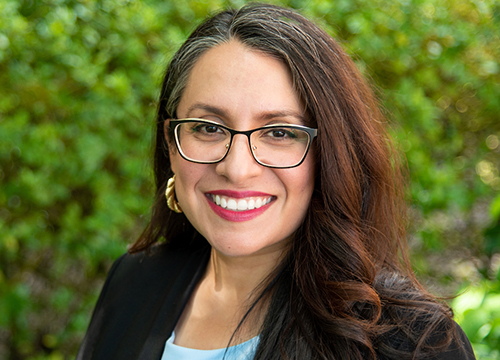
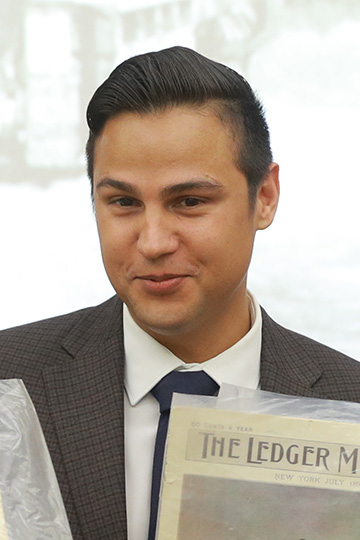
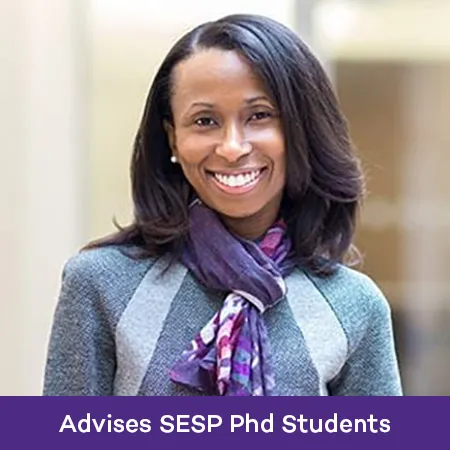
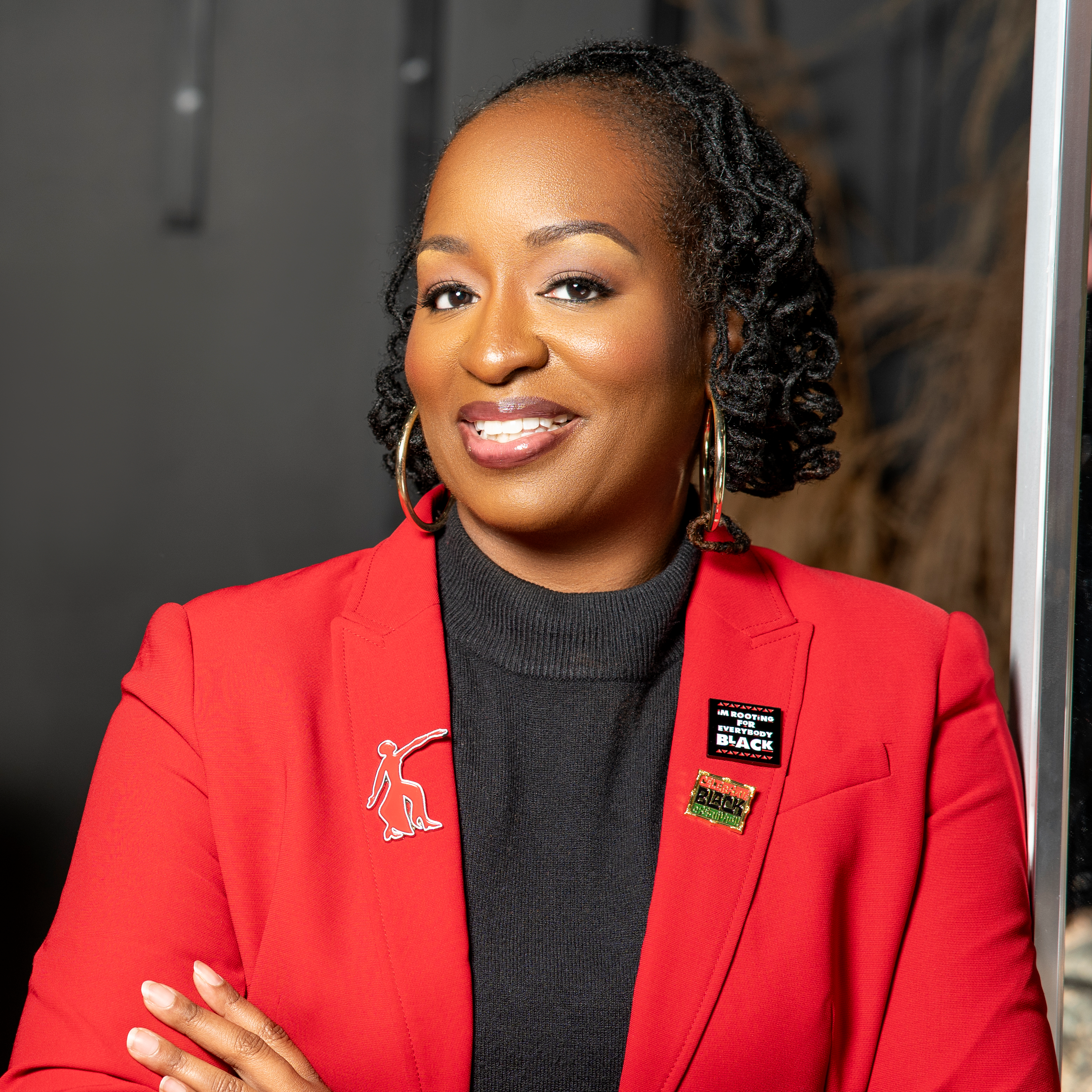
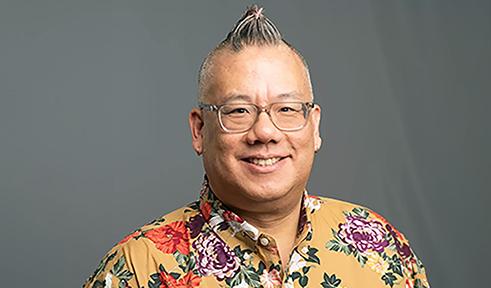
David Broockman is an Associate Professor in the Department of Political Science at the University of California, Berkeley , and Director of the Berkeley Center for American Democracy since 2022. His research focuses on American Politics , Political Behavior , and Experimental Methods , with significant contributions to understanding political polarization, representation, and campaign effectiveness. Key themes in his work include: Political Polarization : Field experiments on cross-cutting media consumption, cross-partisan conversations, and affective polarization. Representation : Studies on how politicians represent citizen interests, including racial and partisan dynamics. Experimental Design : Methodological innovations in field experiments, survey methodology, and causal inference. His work has been recognized with awards such as the Joseph L. Bernd Award , APSA Experimental Research Section Best Paper Award , and the Cialdini Prize . Broockman teaches courses in empirical analysis, political psychology, and American political behavior, and serves on editorial boards for American Political Science Review and American Journal of Political Science .
Tom Boellstorff is a Professor of Anthropology at the University of California, Irvine. He holds a Ph.D. from Stanford University (2000). His research focuses on digital anthropology, virtual worlds, queer theory, and the intersection of technology with cultural practices. Boellstorff is known for pioneering ethnographic studies in virtual environments like Second Life and has explored topics such as Indonesian LGBTQ+ communities, disability in digital spaces, and the cultural history of early video games like Intellivision. His work spans theoretical frameworks for understanding digital cultures, methodological innovations in virtual ethnography, and critical analyses of technology’s role in shaping identity, politics, and social structures. Boellstorff’s interdisciplinary approach integrates cultural theory, media studies, and queer studies to examine how digital platforms mediate human experience. Recent publications emphasize the anthropology of emerging technologies (e.g., metaverse studies), historical analyses of video game platforms, and the sociopolitical implications of digital exclusion. His documentary work, including Virtual Cultures in Pandemic Times , extends his ethnographic focus into visual media.
Ellen T. Armour is the E. Rhodes and Leona B. Carpenter Professor of Feminist Theology at Vanderbilt Divinity School and the Graduate Department of Religion, where she directs the Carpenter Program in Religion, Gender, and Sexuality. She holds affiliated appointments in the Department of Philosophy and the Women’s and Gender Studies Program at Vanderbilt and served as a Faculty Fellow at the Robert Penn Warren Center for the Humanities (2017–2018). B.A., Stetson University (1980) M.A., Ph.D., Vanderbilt University (1989, 1993) Her research focuses on feminist theology, contemporary continental philosophy, and theories of sexuality, race, gender, disability, and embodiment. Her work engages interdisciplinary approaches to religion, particularly through poststructuralist and queer theoretical frameworks. Key themes in her publications include the intersection of religion and digital visual culture, decolonial ethics in theology, and the application of Judith Butler’s performativity theory to religious discourse. Her notable books include Seeing and Believing (2023), Signs and Wonders (2016), and Bodily Citations (co-editor, 2006). Scientific Awards: Clarence Day Dean’s Award for Outstanding Teaching (1999) Jameson Jones Award for Faculty Service (2005) Armour has held leadership roles such as Chair of the Religious Studies Department at Rhodes College (1991–2006) and Associate Dean of Academic Affairs at Vanderbilt (2019–present). Her affiliations include St. Augustine’s Chapel (formerly Baptist) and the Robert Penn Warren Center for the Humanities.
Nicole Files-Thompson is an Associate Professor in the Mass Communications Department at Lincoln University. Formerly a television producer and writer, she brings industry experience to academia. She earned her PhD in Mass Communications and Media Studies from Howard University, where she also obtained graduate certificates in Women’s Studies, Distance Learning, and Preparing Future Faculty. Her interdisciplinary research explores marginalized groups through the lenses of Communication Studies, Gender Studies, and Cultural Theory. Key areas include: Sexual identity formation and negotiation Intersectionality in media representations Queer theory applications in tourism spaces Critical pedagogy in digital environments Race/ethnicity dynamics in mass communication Her publications engage with popular media texts like Beyoncé’s Formation, Noah’s Arc, and Love & Hip-Hop. These works examine power dynamics, identity performance, and cultural critique through feminist and queer frameworks. Scientific achievements include: Outstanding Ph.D. Dissertation award (Fethiye, Turkey) Leadership roles in National Communications Association (NCA) and Eastern Communications Association (ECA) Pioneering curriculum development for students of color As an educator, she has developed 24 communications courses, mentored students through research initiatives, and implemented pathways to graduate school. Her professional engagement spans both academic leadership and intersectional analyses of media systems.
Katherine C. Rodela is an Associate Professor and Interim Chair in the Department of Educational Leadership and Sport Management at Washington State University Vancouver, part of the College of Education, Sport, and Human Sciences. She is a community-engaged scholar committed to advancing equity and justice in education through research, teaching, and outreach. Her educational background includes a Ph.D. from Stanford University’s Graduate School of Education and a BA in Philosophy and History from Seattle University. She is a former Fulbright Scholar with research experience in civic engagement in Peru. Dr. Rodela's research focuses on leadership for equity and social justice, particularly the leadership of Latinx communities, parents, and educators. Her work explores how leaders of color navigate equity initiatives, how marginalized families advocate for justice, and how educational leadership can be redefined to include youth, parents, and community members. She uses qualitative methods, especially LatCrit counterstorytelling, to center the voices of those often excluded from leadership narratives. Her recent publications reflect a strong trend in examining Latinx leadership pathways, community cultural wealth, gender and LGBTQ+ inclusion, and activism in conservative educational settings. These works are published in leading journals such as Educational Administration Quarterly , Peabody Journal of Education , and Teachers College Record . George Brain and Gay Selby Faculty Award in Educational Leadership Fulbright Scholar She actively mentors future educational leaders and collaborates with community partners such as the SW Washington Latino Parent Leadership Institute. Her research includes longitudinal studies on Latinx parent leadership and equity leadership during politically divisive times. She has also contributed to special issues and conceptual frameworks that challenge traditional notions of educational leadership and advocate for more inclusive, justice-centered models.
Ayendy Bonifacio is a Dominican American scholar, writer, and poet currently serving as Assistant Professor of English at the University of Toledo's College of Arts and Letters. Born in Santiago De Los Caballeros, Dominican Republic, and raised in East New York, Brooklyn, he earned his Ph.D. from Ohio State University and has established himself as a significant voice in American literature, Latine studies, and diaspora studies. His research focuses on the intersections of memory, migration, race, and colonial legacies in the Americas, with particular attention to nineteenth-century to contemporary print culture. Bonifacio's scholarly work bridges academic and public discourse, appearing in venues ranging from American Periodicals and ASAP/Journal to The New York Times and Slate . He explores how literary forms negotiate cultural identity across borders, with special emphasis on Dominican and Latinx experiences. Bonifacio's publications reveal a consistent trajectory examining transnational literary connections, particularly between Anglophone and Hispanophone traditions. His work frequently addresses anti-Blackness within Latinx communities, diasporic identity formation, and the material history of print culture. The 2024 monograph Paratextuality in Anglophone and Hispanophone Poems in the U.S. Press, 1855–1901 represents a significant contribution to understanding how multilingual poetry circulated in nineteenth-century American periodicals. Top ten best non-fiction books of 2017 (The Latino Author for Dique Dominican ) Bonifacio's writing has received support from prestigious organizations including the National Endowment for the Humanities (NEH), the Digital Media and Composition Institute (DMAC), the Ohio Arts Council, and the Society for Nineteenth-Century Americanists. His creative work spans multiple genres, including the memoir Dique Dominican (2017), poetry collection To the River, We Are Migrants (2020), and the forthcoming novel Bless Me, Papi (2025). He maintains an active presence in public intellectual discourse through contributions to major media outlets where he addresses contemporary issues of race, immigration, and academic labor.
Jo Hsu (they/them) is an associate professor of Rhetoric and Writing and Women's, Gender, & Sexuality Studies at the University of Texas at Austin, where they also serve as Associate Chair of Women's, Gender, and Sexuality Studies. They are core faculty for the Center for Asian American Studies and have made significant contributions to trans and queer studies, disability studies, and Asian American rhetoric. Education and Background Ph.D., M.F.A. from Pennsylvania State University Research Interests Jo Hsu's research examines how stories shape policy and culture, with a focus on trans and queer narratives, disability justice, and Asian American rhetoric. Their work bridges academic scholarship with public engagement, exploring how storytelling functions as political strategy and community-building practice. They investigate how narratives of health, identity, and belonging circulate across medical, legal, and cultural contexts, particularly focusing on marginalized communities. Their current projects include examining far-right rhetorical strategies for disguising seemingly neutral beliefs and policies, and taking a narrative approach to health injustice, considering how stories infiltrate settings of health care practice and research. Awards and Recognition 2024 Book Award from the Rhetoric Society of America for "Constellating Home: Trans and Queer Asian American Rhetorics" 2023 Diamond Anniversary Book Award from the National Communication Association 2023 Innovations in Community Writing Book Award from the Conference on Community Writing Winifred Bryan Horner Outstanding Book Award from the Coalition of Feminist Scholars in the History of Rhetoric & Composition 2023 Rhetoric Society of America Fellows Early Career Award 2023 Leadership Award for People with Disabilities from the National Council of Teachers of English Public Engagement Jo Hsu is an active public intellectual whose work appears in major news outlets including the Huffington Post, the Hill, and the Boston Globe. They are committed to making academic knowledge accessible and relevant to broader publics, particularly in discussions about trans rights, disability justice, and racial equity. Their creative writing has been nominated for a Pushcart Prize, reflecting their commitment to both scholarly and artistic forms of expression. Laboratory and Community Work While not leading a traditional laboratory, Hsu's scholarly work functions as a form of community-based research that centers QTPOC (Queer and Trans People of Color) experiences and knowledge production. They are actively involved with organizations supporting trans folks in Texas, including Black Trans Leadership of Austin, Transgender Education Network of Texas, and Equality Texas. Their work emphasizes relationality and community accountability as central to knowledge creation.
Jolie C. Matthews is an Associate Professor in the Department of Learning Sciences at Northwestern University's School of Education and Social Policy. She is also affiliated with the Joint PhD Program in Computer Science and Learning Sciences. Her research focuses on the socio-cultural dimensions of cognition, media literacy, historical consciousness, and representations of race and gender in media. Dr. Matthews holds a PhD in Learning Sciences and Technology Design from Stanford University, an MA in Professional Writing from the University of Southern California, and a BA in Ancient, Medieval, and Renaissance Studies from New York University's Gallatin School. She has conducted research at Microsoft’s Social Media Collective and contributed to initiatives like the Stanford University Joint Media Engagement Group and the Wallenberg Media Places Grant for Digital Humanities. Her research interests include critical analyses of media representation, bias in news consumption, and the influence of popular culture on historical narratives. She explores how digital media shapes identities and fosters resistance to oppression. Recent work examines racial and gender portrayals in films like the Spider-Man trilogy and historical perspectives in TV shows like Doctor Who . Matthews’ publications span media literacy education, fan communities, and digital citizenship. Her work highlights the intersection of media, identity, and societal norms, with a focus on marginalized groups. She has collaborated on projects like the Digital Youth Network, promoting media literacy in urban youth. Her advising and grants include roles with Stanford’s Media Engagement Group and the YouthLAB. She has contributed to interdisciplinary research on LGBTQ+ digital activism and historical poaching in fan cultures. Labs and teams include collaborations with Microsoft’s Social Media Collective and Stanford initiatives. Her work bridges education, technology, and societal impact, emphasizing equity and critical engagement with media narratives.
Dr. Grace D. Gipson is an Assistant Professor in the Department of African American Studies at Virginia Commonwealth University (VCU), where she has taught since 2020. Her work focuses on Black future feminism, exploring intersections of race, gender, and popular culture through comic books, Afrofuturism, and digital humanities. She holds a Ph.D. from UC Berkeley, an M.A. from Georgia State University, and a B.A. from Clark Atlanta University. Previously, Gipson served as a postdoctoral fellow at the University of Rochester’s Frederick Douglass Institute and a visiting lecturer at Georgia State University. Her research examines Black female identities in comics, online academic networks, and representations of race/gender in speculative fiction. Key projects include a forthcoming book analyzing Black female identities in comics fandom and a study on Black academic-popular networks. Her work appears in venues like AAIHS/Black Perspectives and edited volumes on Afrofuturism. Gipson actively engages with communities through projects like the #BlackComicsChat podcast, advocating for inclusive representation in media. Her scholarship bridges academia and pop culture, emphasizing marginalized voices in creative industries.
Edmond Y. Chang is an Associate Professor in the Department of English at Ohio University’s College of Arts and Sciences. He earned his Ph.D. in English from the University of Washington and holds advanced degrees from the University of Maryland. His academic work spans technoculture, race, gender, sexuality, and digital media, with a focus on video games, queer game studies, and 20/21C American literature. His research interests include: Queer and feminist approaches to game studies Race and representation in digital and analog games Speculative literature and ethnic futurisms Posthuman narratives and digital culture Critical pedagogy and the digital humanities Chang’s recent scholarship explores themes of identity, inclusion, and resistance in games and literature. His publications, such as “Gaming While Asian” and “Queergaming,” analyze how games reflect and shape cultural norms around race, gender, and sexuality. He is also co-editing special issues on game studies and has authored a forthcoming practical guide on close playing. His work frequently bridges creative practice and academic critique, exemplified by his original games Tellings and Archaea . His notable awards include: University Professor Award (2024) Emerging Presidential Research Scholar Award (2025–26) Chang is actively involved in academic service as Assistant Editor for Analog Game Studies and Contributing Editor for Gamers with Glasses . He mentors students through graduate seminars and creative projects and is currently on sabbatical while continuing to publish and present at major conferences. He leads innovative teaching initiatives, including courses on virtual worlds, queer literature, and game-based learning. He is affiliated with research and creative labs focused on game design and digital storytelling, fostering collaborative and interdisciplinary work in media and culture.
Stacy E. Wolf is Professor of Theater in the Lewis Center for the Arts and the Effron Center for the Study of America at Princeton University, where she also serves as Director of Fellowships and Founding Director of the Program in Music Theater. She will serve as Acting Chair of the Lewis Center for the Arts in fall 2025. Wolf is one of America's foremost scholars on musical theatre, with extensive publications exploring gender, sexuality, and American culture through the lens of musical performance. Wolf's educational background includes a B.A. in English from Yale University, an M.A. in Drama from the University of Virginia, and a Ph.D. in Theater from the University of Wisconsin-Madison. Her academic journey has positioned her at the forefront of musical theatre scholarship, where she has helped establish this field as a legitimate area of academic study. Her research interests focus on musical theatre as a cultural phenomenon , particularly examining gender and sexuality in the American musical , feminist approaches to performance , and the relationship between musical theatre and American history . Wolf investigates how musicals both shape and are shaped by larger cultural forces, challenging assumptions about musical theatre as merely entertainment rather than serious art. She explores the pleasure principle in musical theatre while analyzing its political and social dimensions, examining how this commercial art form can simultaneously be cutting-edge and culturally significant. Wolf's publications reveal a consistent focus on feminist perspectives in musical theatre history , with particular attention to how women and LGBTQ+ communities engage with and reinterpret musicals . Her work spans from historical analysis of Broadway classics to contemporary examinations of how musicals function in community settings beyond professional theatre. Recent scholarship increasingly addresses diversity and inclusion in musical theatre , examining how productions in educational settings can empower students of color and create pathways for greater representation on professional stages. Guggenheim Fellow (2017) President's Award for Distinguished Teaching (2017) 2024 Distinguished Scholar by the American Society for Theatre Research Two Bogliasco Fellowships As an educator, Wolf has mentored numerous students including Abigail Jean-Baptiste, with whom she collaborated on the course 'Sondheim's Musicals and the Making of America.' Her teaching philosophy emphasizes the integration of theory and practice, encouraging students to see no separation between art-making and scholarship. Wolf has received significant grant support for her research, including the prestigious Guggenheim Fellowship that enabled deep exploration of musical theatre's cultural impact across America. Wolf is actively involved in Princeton's artistic community as a faculty fellow at Wilson College and academic fellow for the women's basketball team. She regularly participates in student productions, attending rehearsals and leading talkbacks. Her current research includes a book on feminist approaches to musical theatre (co-written with Paige Allen) and an article examining composer Jeanine Tesori's contributions to the field.
K. Mohrman is a Clinical Associate Professor in the Department of Ethnic Studies at the University of Colorado Denver, College of Liberal Arts and Sciences. Her research intersects sexuality, race, religion, gender, and U.S. imperialism across the nineteenth to twenty-first centuries. Ph.D., American Studies, University of Minnesota M.A., Humanities and Social Thought, New York University B.A., Study of Women and Gender, Smith College Her work examines the construction of heteronormativity and racial hierarchies through Mormonism, popular culture, and political discourse. She has contributed to journals like Radical History Review and Ada: A Journal of Gender, New Media, and Technology , and authored the book Exceptionally Queer: Mormon Peculiarity and U.S. Nationalism (2022). Her publications address topics such as queer Mormon experiences, polygamy, and the interplay between religion and U.S. national identity. The articles demonstrate interdisciplinary engagement across gender studies, religious studies, and cultural critique. 2018-2019 LGBT Religious History Award Mohrman teaches courses on race, religion, research methods, and queer histories, including cross-listed courses with Women’s and Gender Studies.
Melissa Hardesty is an Associate Professor and Director of the BSW Program in the Department of Social Work at Binghamton University, part of the College of Community and Public Affairs (CCPA). Her research focuses on gender, child welfare, parenting, and kinship, with a methodological emphasis on ethnography and qualitative research. She holds a PhD from the University of Chicago, an MSW from Indiana University Northwest, and a BS from Indiana University-Bloomington. Her work explores intersections of gender, digital representations, and state-mediated family structures. Notable projects include an ethnographic study of foster care and adoption agencies, a visual analysis of political selfies on Tumblr, and studies on Vietnamese sexual behavior and mental health. She collaborates with Binghamton University’s Sexualities Research Laboratory. Recent publications address college student communication around consent, digital identity politics, and systemic issues in child welfare. Her research bridges sociological theory with practical implications for policy and practice. Despite no explicitly mentioned awards, her contributions to social work methodology and critical studies of family dynamics are widely recognized in her field.
Amanda Konkle serves as Associate Professor in the Department of English at Georgia Southern University and holds an affiliate appointment in the Women's, Gender & Sexuality Studies Program. Her academic profile spans film history, stardom studies, and gender/sexuality research with particular focus on Hollywood's Production Code era and contemporary media representations. Her educational credentials include: Ph.D. in English, University of Kentucky (2016) M.A. in English Literature, Miami University (2008) B.A. in English, Hanover College (2004) Graduate Certificate in Gender and Women's Studies, University of Kentucky (2010) Professor Konkle's research critically examines stardom construction (especially Marilyn Monroe's persona), gender performance in Westerns and comedies, censorship frameworks in Hollywood, and postfeminist television . Her work interrogates how domesticity narratives, racial dynamics, and method acting techniques shape cultural memory through film and media artifacts, with strong connections to UN Sustainable Development Goals regarding gender equality. Analysis of her 2021-2025 publications reveals concentrated exploration of Marilyn Monroe's cinematic legacy (including three Blonde adaptations), Production Code-era subversion strategies, and critical reevaluations of 1990s television reboots through intersectional feminist lenses. Recent scholarship increasingly addresses pedagogical innovation in composition instruction alongside media studies. As an active mentor, Professor Konkle currently accepts PhD students and maintains research collaborations examining precarious whiteness in television and adaptation theory across biographical media.
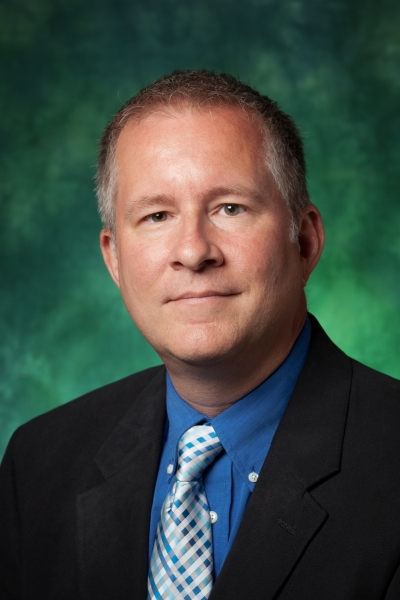
Dr. Harry M. Benshoff serves as Media Theory Chair and Professor at the University of North Texas, where he teaches diverse film studies courses including Film and Television Analysis , African American Film , and specialized seminars on horror cinema and queer theory. His academic home resides within UNT's film program, though specific school/departmental affiliations remain unstated in source materials. His educational journey began with a BA in English from Franklin and Marshall College (1985), followed by graduate work at the University of Southern California's School of Cinema-Television where he earned MA and PhD degrees in Critical Studies after leaving Jefferson Medical College. Prior to UNT, he taught at UC Santa Cruz for three years. Benshoff's research critically examines intersections of identity and media through lenses of film genres, history, and theory. He pioneers scholarship on marginalized representations—particularly homosexuality in horror films ( Monsters in the Closet ), race/class/gender dynamics ( America on Film ), and LGBTQ+ cinema history ( Queer Images ). His work consistently bridges academic theory with cultural analysis of fan communities and cinematic trends. Publication trends reveal enduring focus on horror and queer cinema since 1997, evolving toward comprehensive analytical frameworks in recent works like Film and Television Analysis (2015). These texts establish recurring themes: deconstruction of identity tropes, historical contextualization of marginalized voices, and methodological innovations in media criticism. Scientific Awards: No awards documented in source materials. As an educator, Benshoff mentors students through graduate seminars in qualitative media theory and specialized film author courses examining directors like Cronenberg and Fellini. His collaborative scholarship with Sean Griffin—including co-authored books and edited collections—demonstrates sustained academic partnerships, though specific grant funding remains unmentioned. No dedicated research laboratories or formal teams are referenced in the provided text.