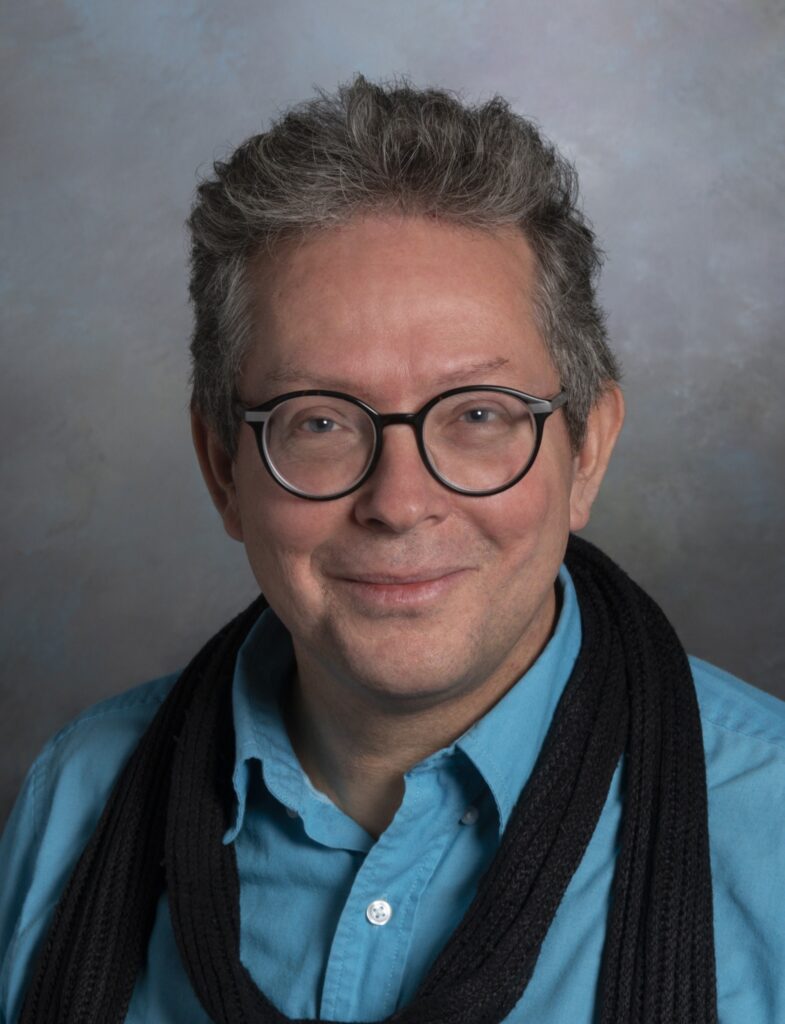
Nabil Al-TikritiView profile
Associate Professor
Nabil Al-Tikriti is an Associate Professor of Middle East History at the University of Mary Washington, specializing in Ottoman intellectual history, contemporary Iraqi cultural patrimony, and international politics. He holds a Ph.D. in Near Eastern Languages and Civilizations from the University of Chicago (2004), an M.A. from the same institution (1996), an MIA in International and Public Affairs from Columbia University (1990), and a B.S. in Foreign Service from Georgetown University (1988). His career includes extensive fieldwork with Médecins Sans Frontières (MSF) in conflict zones and election monitoring for the OSCE in over a dozen countries. Education Ph.D., Near Eastern Languages and Civilizations, University of Chicago, 2004 M.A., Near Eastern Languages and Civilizations, University of Chicago, 1996 M.I.A., International and Public Affairs, Columbia University, 1990 B.S., Foreign Service and Developmental Economics, Georgetown University, 1988 Research Interests His research focuses on Ottoman intellectual history, the impact of conflict on civil society (e.g., post-2003 Iraq), and the intersection of international politics with cultural heritage. Recent work explores Prince Şehzade Korkud’s role in shaping Ottoman religious identity and the effects of authoritarianism on Turkish democracy. Publications Al-Tikriti’s articles analyze themes like Ottoman historiography, forced migration, and contemporary Middle East geopolitics. Notable works include his 2020 study on Ottoman Sunnism and analyses of Turkey’s electoral dynamics post-2018. Awards and Grants Three Fulbright Fellowships 2011 NEH/ARIT Grant Jennings Randolph Fellowship (U.S. Institute of Peace, 2007–2008) Professional Service He served on MSF-USA’s Board of Directors (2011–2017), including as Vice President, and advised humanitarian missions in over a dozen conflict zones. His teaching includes courses on Ottoman legacies, modern Middle Eastern history, and genocide studies.