Martin HerrnstadtView profile
Research Fellow
- History of Knowledge and Science
- Historical and Political Epistemology
- History of State, Welfare and Social Policy
- +6 more
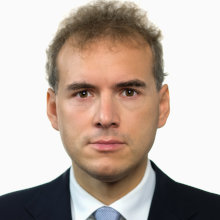
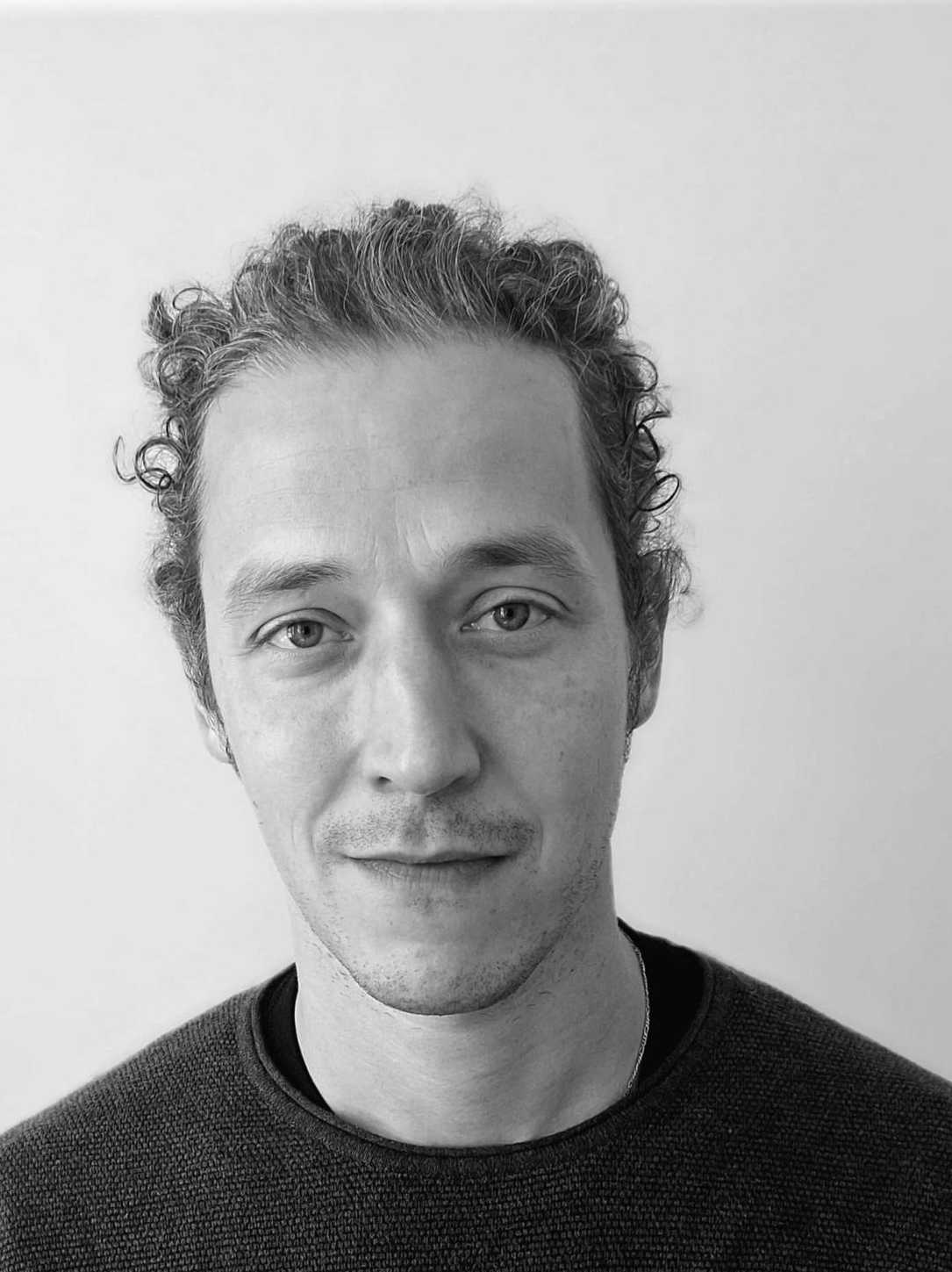
Martin Herrnstadt is a Research Fellow in Modern and Contemporary History at the Institute of History, Department of Social Sciences, University of Bremen, a position he has held since the winter semester of 2023/24. He also temporarily represented the Professorship for History of Science at the University of Vienna during the winter semester of 2024/25. Herrnstadt completed his doctorate at the History of Science group at Goethe-University Frankfurt am Main after studying in both Frankfurt (Goethe-University) and Paris (Paris I Panthéon Sorbonne). His academic journey has included research and teaching positions at the Cohn Institute for the History and Philosophy of Science and Ideas in Tel Aviv, Centre Marc Bloch in Berlin, Polyatev Institute for Theoretical and Historical Studies in the Humanities in Moscow, Leibniz Institute for European History in Mainz, and the Chair for History of Knowledge at the University of Konstanz. Herrnstadt's research focuses on the history of knowledge and science of the Enquête (survey) and monographic movement throughout the long 19th century, along with the transnational history of knowledge- and science-based welfare practices. His groundbreaking 2023 monograph Menschenbeobachtung und Selbstverwaltung. Joseph-Marie de Gérando und das nachrevolutionäre Selbst 1797-1813 examines the transformation of revolutionary human sciences during the transition from the First Republic to the Napoleonic Empire. He seeks to contribute to a historical-political epistemology of the humanities that incorporates social movements and non-hegemonic actors into historical reconstructions. Herrnstadt's scholarly output reveals a consistent focus on historical epistemology, particularly examining how knowledge production intersects with state formation, welfare practices, and social movements across the 18th-20th centuries. His work demonstrates particular expertise in German and French intellectual history, with strong emphasis on the political dimensions of knowledge production and survey methodologies. Recent publications increasingly focus on transnational approaches to knowledge history, reflecting his leadership in global research networks. Herrnstadt is the initiator and leader of the DFG-funded research network Globale Enquêtenkulturen: Ansätze zu einer Praxeologie der Erhebung (17.-21. Jahrhundert) , which began operations in summer 2024. He is also an associated member at Centre Marc Bloch in Berlin (Research Focus 3: Dynamics and Experiences of Globalization), and participates in the Research Network on the History and Methods of Historical Epistemology and the Working Group Forum History of the Human Sciences. His teaching reflects his research interests, with recent courses including 'Protest and Revolution in History,' 'History of the Family in the 19th and 20th Centuries,' 'Struggle for Reality: Science and Activism in the 19th and 20th Centuries,' and 'The Discovery of Society: Social Policy, Social Research and Social Movements in the Long 19th Century.'